
Travel after the kids leave home feels wonderfully lighter, until you realize nobody needs you to manage every moving part. For years, you planned routes, carried documents, settled arguments, and kept everyone moving on time. You were part navigator, part problem-solver, and part unpaid cruise director.
Then comes the first trip for just two.
At first, the freedom feels almost suspicious. No one needs snacks, charging cables, room assignments, or a detailed explanation of what happens next. The silence can feel peaceful, yet strangely unfamiliar.
Many couples expect immediate relaxation, but old habits travel surprisingly well. One partner still checks every reservation twice, while the other waits for instructions. Even without the children, the family tour guide may remain firmly on duty.
If this topic is shaping your trip, Why Your First Post-Kids Vacation Can Feel Surprisingly Hard is a useful next read for why the first vacation after the kids are grown can require more adjustment than couples expect.
The deeper change begins when you stop planning around everyone else. Suddenly, the destination can reflect your interests, energy, and preferred pace. That shift sounds simple, but it changes far more than the itinerary.
You Stop Planning Around Everyone Else’s Needs
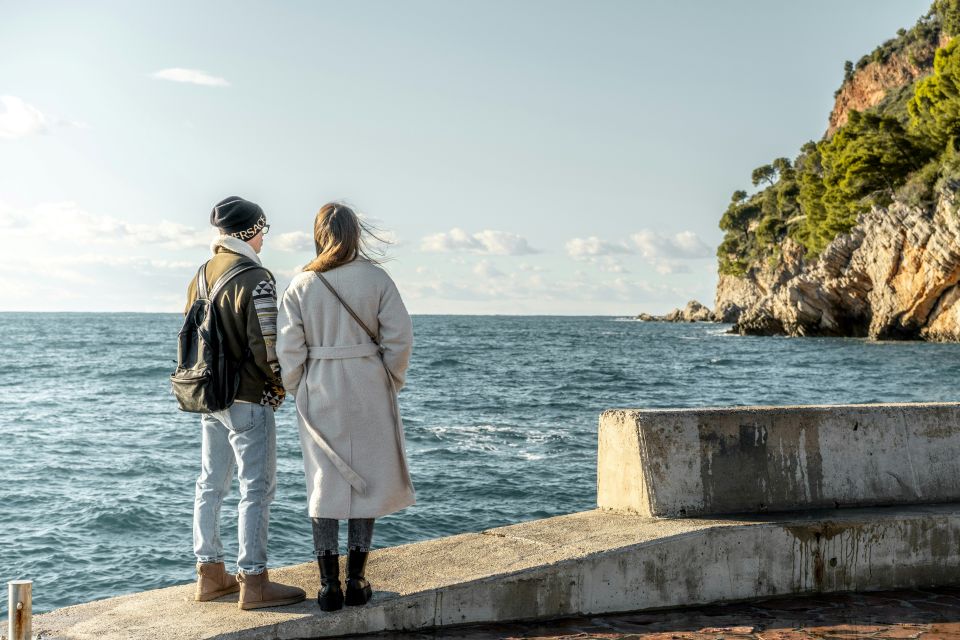
Family travel demands constant compromise, often before anyone even reaches the airport. One person wants adventure, while another wants reliable Wi-Fi and familiar food. Meanwhile, you quietly calculate budgets, energy levels, bathroom stops, and everyone’s rapidly changing patience.
Planning for two adults changes that exhausting equation. You can discuss preferences directly, adjust without drama, and choose what genuinely interests you both. Nobody needs a persuasive speech before visiting a museum or ordering something unfamiliar.
That freedom reaches every part of the trip. Hotels can prioritize comfort, location, and atmosphere instead of connecting rooms or elaborate pools. Restaurants can feature slower service, local flavors, and wine lists that deserve more than three minutes.
Activities become easier too. You can book a private Santorini tour because the island fascinates you, not because everyone approved it. This customizable Santorini private tour offers that flexibility without forcing a crowded schedule.
The hidden truth feels surprisingly personal. You are no longer designing a trip everyone can tolerate. You are finally choosing one that reflects who you have become.
The Family Schedule No Longer Controls the Trip
For decades, school calendars decided when your family could leave. Sports seasons, college commitments, and limited vacation windows narrowed the choices further. Naturally, everyone else wanted those same dates.
Now, May in Europe becomes possible. September can bring pleasant weather, fewer families, and a calmer rhythm. Even flying midweek may feel noticeably easier.
You can also stay longer. A seven-night river cruise might become ten nights with thoughtful pre-cruise and post-cruise stays. Instead of rushing home Sunday, you can let the destination settle around you.
That flexibility changes more than pricing or crowds. It gives you permission to stop treating travel like a carefully managed operation. Once you recognize that freedom, another old habit becomes harder to ignore.
You No Longer Need to Keep Everyone Entertained
Family itineraries often resemble entertainment schedules with passports. Every hour needs an attraction, meal, distraction, or emergency alternative. Otherwise, someone announces boredom as though reporting a medical crisis.
Couples travel differently. One meaningful museum visit can anchor the morning, followed by lunch and an unplanned afternoon. A scenic drive, historic neighborhood, or long dinner can become the entire point.
Most couples initially worry that fewer plans will feel boring. Usually, the real risk comes from confusing peaceful travel with careless planning. Empty time works best when the important details already feel secure.
The difference matters. Underplanned travel creates daily uncertainty, repetitive decisions, and wasted time. Peaceful travel provides a strong framework, then leaves room for curiosity.
That balance defines why empty nest travel is not better, but different. Once you stop filling every hour, you may discover what those crowded schedules kept hiding.
The Mental Load Becomes Noticeably Lighter
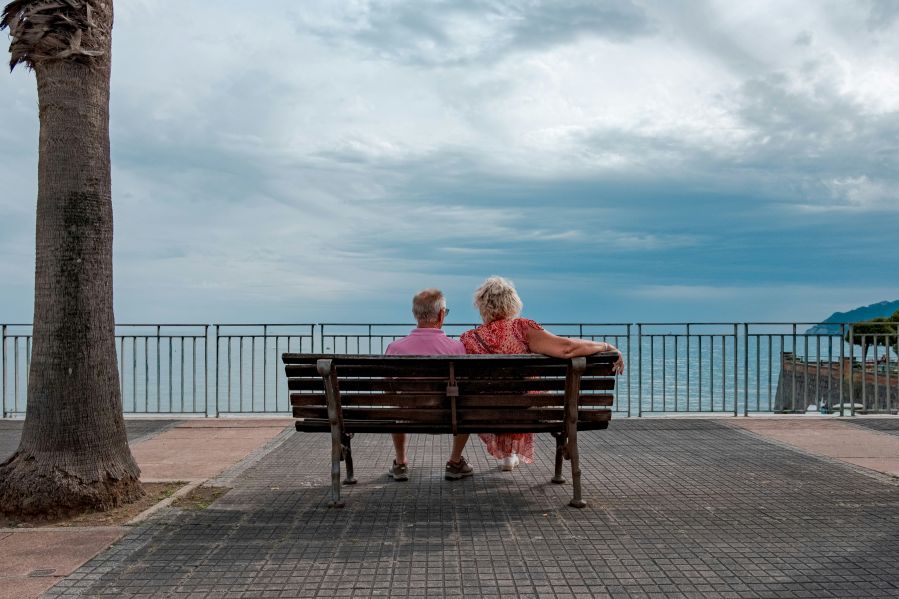
Family trips involve far more work than booking flights and choosing a hotel. You track documents, packing, meals, moods, timing, medications, and emergency plans. Someone must remember everything, and that person usually looks suspiciously like you.
That invisible responsibility follows you everywhere. Airports become command centers, hotel arrivals require coordination, and sightseeing demands constant time checks. Even dinner involves preferences, budgets, fatigue, and somebody suddenly disliking every available option.
Travel after the kids leave home removes much of that pressure. You arrive with fewer bags, fewer questions, and fewer people waiting for instructions. By evening, you may still possess enough energy to enjoy the destination.
Yet old habits rarely disappear at baggage claim. Many parents continue checking every detail because managing everyone once became their normal role. The family may stay home, but the mental clipboard comes along anyway.
That hidden truth matters. A lighter trip requires more than fewer travelers. You must also release responsibilities nobody needs you to carry anymore.
Travel Days Require Less Coordination
Remember tracking several passports, boarding passes, bags, medications, and seat assignments? Every document felt essential because it was. Losing anything could turn departure morning into a family crisis with luggage.
Traveling as two adults changes the rhythm immediately. Each person can carry identification, follow signs, and find the gate independently. Apparently, grown adults can board airplanes without a parent counting heads.
Small changes create surprising relief. You might reach the airport slightly later, check fewer bags, or choose seats without negotiations. Connections feel calmer because nobody needs food, reassurance, or directions simultaneously.
Hotel arrivals soften too. One person handles check-in while the other watches the luggage or confirms transportation. Afterward, both can settle in without assigning beds, distributing keys, or answering repeated questions.
That calmer pace changes the evening. A Seine River gourmet dinner cruise can replace the usual search for something everyone accepts. Paris looks rather different when dinner requires no family vote.
You Can Share Responsibility With Your Partner
Many couples followed the same family pattern for years. One person became the permanent planner, while the other waited for updates. Efficiency made that arrangement practical, until practicality quietly became expectation.
Empty nest travel offers a chance to divide the work differently. One partner can manage transportation, while the other researches restaurants or confirms reservations. Packing, navigation, and daily decisions can become shared responsibilities instead of inherited duties.
Most couples get one part wrong. They assume the longtime planner should simply continue because that person already knows everything. Unfortunately, competence often earns more work, which seems like a questionable reward.
Sharing responsibility may feel awkward at first. The planner must resist correcting every choice, while the other partner must participate before departure morning. Both may need patience when different planning styles appear.
Perhaps one person wants precise reservations, while the other prefers room for spontaneity. Neither approach must win completely. A thoughtful trip can protect essential details while leaving several hours beautifully undecided.
That shift often begins before the suitcase closes. Why Our First Trip Without the Kids Almost Didn’t Happen explores why letting go can feel unexpectedly complicated. Sometimes the hardest responsibility to release is the identity built around carrying it.
Your Own Travel Preferences Move Back to the Center

Family vacations often revolve around what everyone will tolerate, rather than what anyone truly wants. Museums become shorter, dinners become earlier, and destinations need enough variety to prevent complaints. Your preferences slowly move toward the bottom of the list.
You may also want to read When Family Vacations End, a Better Kind of Travel Can Begin for a closer look at how travel changes once every vacation no longer has to revolve around the kids.
Empty nest travel changes that calculation. You can choose history, food, art, wellness, nature, or cruising without building a family consensus. Perhaps you both want vineyard lunches, quiet galleries, or a ship where unpacking happens once.
Yet freedom can reveal an unexpected complication. Without children shaping every decision, you may discover that your preferences differ. One partner imagines Florence, while the other keeps mentioning Scotland rather pointedly.
That discovery does not signal trouble. It simply means your next trip needs an honest conversation before the reservations begin. The choices become more personal now, which makes the next step especially important.
You Can Choose Experiences Without Selling the Idea
Parents often become enthusiastic salespeople during family trips. You promise the museum will feel exciting, the walking tour will stay brief, and lunch will follow immediately. Everyone remains skeptical, including you.
Traveling without adult children removes that exhausting performance. You can hire private guides, attend performances, join cooking classes, or linger through detailed historical tours. Nobody needs bribing with gelato afterward, although gelato still seems sensible.
Consider Salzburg. A private Sound of Music tour can explore filming locations and Schloss Leopoldskron at your preferred pace. That experience may have tested younger travelers, yet it can delight adults who appreciate context and nostalgia.
Long wine tastings become possible too. Detailed cultural tours no longer require an escape plan. You can finally choose an experience because it fascinates you, which feels wonderfully uncomplicated.
Still, choosing freely creates another question. What happens when the experience fascinates only one of you? That answer deserves more attention than most couples give it.
Differences Between Partners Become More Visible
Children’s needs can hide disagreements between partners for years. One parent manages logistics, while both quietly accept family-friendly compromises. Remove those compromises, and each person’s true travel style becomes easier to see.
Perhaps you prefer private guides, while your partner enjoys wandering independently. One wants early starts and full days, while the other imagines slow breakfasts. Even budgets can expose different ideas about comfort, dining, and worthwhile indulgence.
Most couples make the same mistake here. They choose a destination before discussing how they want the trip to feel. A beautiful place cannot fix mismatched expectations once fatigue and frustration arrive.
Before booking, ask how much structure each person wants. Discuss activity levels, personal time, shared time, dining priorities, and acceptable spending. Decide whether city energy or countryside quiet sounds more appealing now.
These conversations may feel less romantic than browsing Italian villas. However, they often protect the romance later. The Hidden Luxury Travel Mistake Couples Make explains why pace and structure should guide destination choices.
The Pace of the Trip Can Finally Match Your Energy
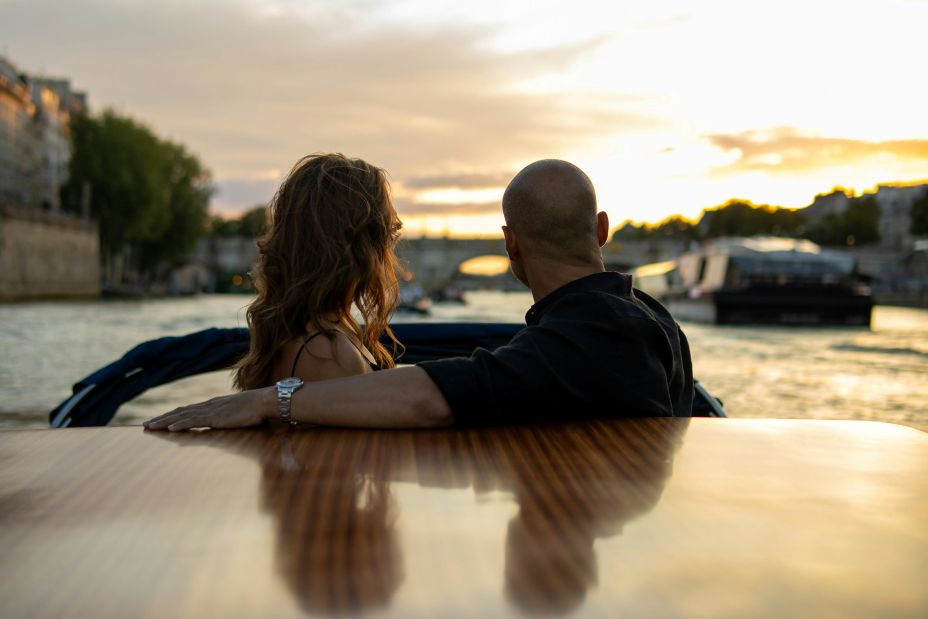
Family vacations often reward speed, packed schedules, and keeping several people entertained. Success means seeing everything before someone gets hungry, tired, or openly mutinous. Rest becomes something you promise yourself after returning home.
Travel after the kids leave home can follow a different rhythm. One meaningful experience, a relaxed meal, and open time may fill the day beautifully. You stop measuring value by how many attractions appear in your photographs.
The hidden truth involves energy, not age. You may still enjoy active days, but constant motion carries a higher cost. Planning around your current stamina protects the experiences you care about most.
Most couples get this wrong at first. They recreate trips from twenty years ago, then wonder why dinner feels like another obligation. A better pace leaves enough energy to enjoy the evening, which changes more than expected.
Slower Mornings Become Part of the Vacation
Family mornings often begin with alarms, bathroom negotiations, and repeated reminders about breakfast. Someone cannot find a shoe, although nobody understands how one shoe traveled alone. Coffee becomes fuel rather than pleasure.
Couples can begin differently. You might order room service, enjoy the hotel breakfast, or talk over coffee without checking the clock. That slower start can feel almost indulgent because nobody needs immediate direction.
Later mornings also protect sleep and patience. An eleven o’clock tour may produce happier travelers than an ambitious eight o’clock departure. Better rest can make afternoon galleries, evening concerts, and long dinners feel enjoyable again.
You can even leave one morning completely open. Walk when you feel ready, or remain near the hotel until curiosity wins. Sometimes the best part arrives before the official day begins.
Doing Less Can Create Better Memories
Think about your busiest vacations. You may remember the rushing more clearly than the fourth church, second museum, or third scenic overlook. A crowded itinerary can blur excellent experiences into one long checklist.
Doing less gives each moment room to register. You notice the café music, the warm bread, and the neighborhood turning golden near sunset. Unscheduled hours often reveal details no guidebook could have timed.
A Lisbon sunset and wine sailing tour can anchor an evening without consuming the entire day. Two hours on the water may remain clearer than six rushed attractions. The city unfolds slowly while wine, conversation, and changing light set the pace.
Travel regret usually comes from poor choices, not missed landmarks. Select the experiences that matter most, then release the rest without apology. Why Empty Nesters Should Stop Overplanning Their Luxury Trips explores why that restraint can improve the entire journey.
The Trip Becomes More About Your Relationship

Family vacations often keep conversation focused on logistics. You discuss meals, directions, schedules, children, and the next planned activity. Practical details fill the space before anything personal can enter.
Traveling alone together creates a different kind of room. Longer meals invite longer conversations, while shared discoveries bring fresh energy into familiar patterns. You may notice interests, opinions, or humor that daily routines quietly buried.
That can feel unexpectedly intimate.
Yet constant togetherness also reveals habits that family travel once disguised. One partner may move quickly, while the other needs time to absorb each place. Small differences can feel larger when nobody else divides your attention.
The hidden truth is simple. Empty nest travel can renew your connection, but it does not automatically create harmony. The trip gives you space, then shows you how you use it.
Quiet May Feel Uncomfortable Before It Feels Restful
The first quiet moment may arrive at the airport. Nobody asks for food, loses a charger, or needs help finding the gate. You sit together, and the silence feels almost suspicious.
Later, a scenic drive may bring the same sensation. Hotel mornings feel slower, and dinner no longer includes several competing conversations. What once sounded peaceful can initially feel strangely empty.
Some parents interpret that silence as sadness or guilt. Others worry they have forgotten how to talk without discussing their children. Neither reaction means the trip has failed.
Quiet simply needs time to become familiar.
Resist the urge to fill every pause with plans or phones. Let the silence soften around you before deciding what it means. Rest often arrives after the discomfort, not before it.
Shared Experiences Give You Something New to Talk About
Conversation becomes easier when couples experience something together. Cooking classes, private tours, tastings, boat rides, and performances create fresh material. These memories belong to you both, rather than the entire family.
You might learn a recipe, navigate an unfamiliar neighborhood, or debate which wine deserves another glass. Perhaps you laugh through a dance lesson neither of you handles gracefully. Shared awkwardness can work wonders.
Participating creates more connection than simply collecting famous sights. You react, compare, decide, and sometimes disagree in ways that feel alive. The experience gives your conversation somewhere new to go.
That matters after decades together. Familiarity can become comfortable, but curiosity keeps the relationship moving. Travel offers both, especially when the next discovery surprises you.
When the Trip Finally Belongs to You
Travel after the kids leave home feels lighter because nobody needs you to manage the entire journey. The days grow quieter, the pace becomes slower, and your choices feel more personal. Yet the greatest change may involve recognizing whose trip you are planning now.
For years, family vacations required compromise, coordination, and enough activity to satisfy several personalities. Those journeys created valuable memories, but they followed a different purpose. This season invites you to plan around the couple you have become.
Perhaps you want slow mornings, private guides, and dinners that continue after sunset. Maybe your ideal journey includes cultural discoveries, beautiful hotels, and enough open time to wander. The right answer depends on what feels meaningful now, not what worked fifteen years ago.
That question deserves an honest answer. Where would you go if school calendars, family votes, and old habits no longer mattered? More importantly, how would you want each day to feel?
Ready to create a trip that reflects your interests, energy, and preferred pace? Visit Start Planning and tell us what you imagine. We will help shape those ideas into a thoughtful journey designed around both of you.
Still exploring what empty nest travel could look like? Join our private Luxury Travel by Eric Facebook group for ideas, conversations, and practical inspiration. Your next destination may begin with a question you have not considered yet.