
Alaska cruises for multi-generational families can create rare moments when three generations stop, look up, and share the same wonder. A glacier cracking into the sea can silence even the most talkative child. Grandparents, parents, and grandchildren often remember that moment differently, yet they remember it together.
That shared experience matters, but the real strength of an Alaska cruise lies in its flexibility. Children can join supervised programs while active adults choose hiking, kayaking, or wildlife tours. Older relatives can enjoy scenic sailing, relaxed sightseeing, or quiet time with mountain views nearby.
Nobody needs to spend every hour together.
The hidden truth is that families often enjoy the trip more when they separate occasionally. One group might board a whale-watching boat while another explores a port at an easier pace. Everyone can reconnect over dinner, compare stories, and decide which details deserve a little friendly exaggeration.
Still, Alaska does not automatically work for every family. The right ship, itinerary, cabin, excursions, and daily pace shape the entire experience. Choose poorly, and long walks, packed schedules, or limited options can expose every difference quickly.
Choose carefully, and those differences become an advantage. Each generation can experience Alaska in its own way while still sharing the moments that matter most. That balance begins before anyone pays a deposit.
Why Alaska Works for Multi-Generational Family Cruises
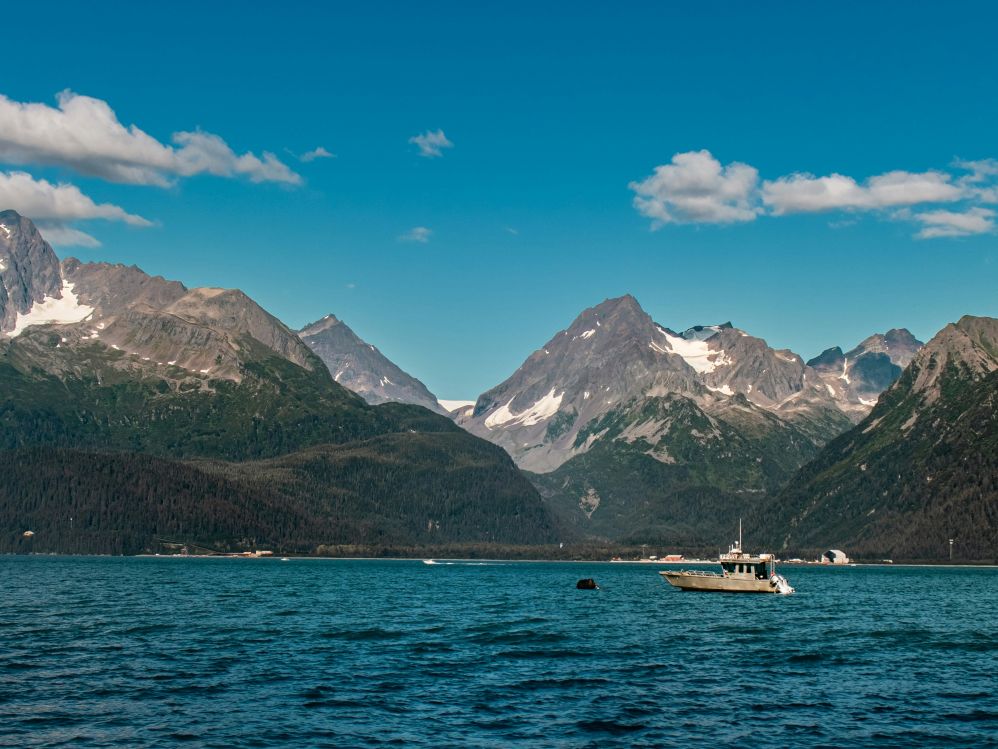
Alaska cruises for multi-generational families succeed because the destination gives everyone something meaningful to notice. Glaciers command attention, whales interrupt conversations, and mountain views slow even hurried travelers. Nobody needs matching energy levels to appreciate what appears beyond the rail.
That flexibility separates Alaska from many traditional family vacations. Grandparents can enjoy scenic touring while adult children pursue more active experiences. Meanwhile, grandchildren can join youth programs designed around their interests.
The hidden truth is simple. Families rarely need more togetherness. They need better moments together.
Alaska suits families who value nature, discovery, and shared stories more than predictable sunshine. Beach lovers may miss warm water and inexpensive afternoons ashore. However, curious travelers often find Alaska offers something richer than another pool day.
Shared Experiences That Appeal Across Generations
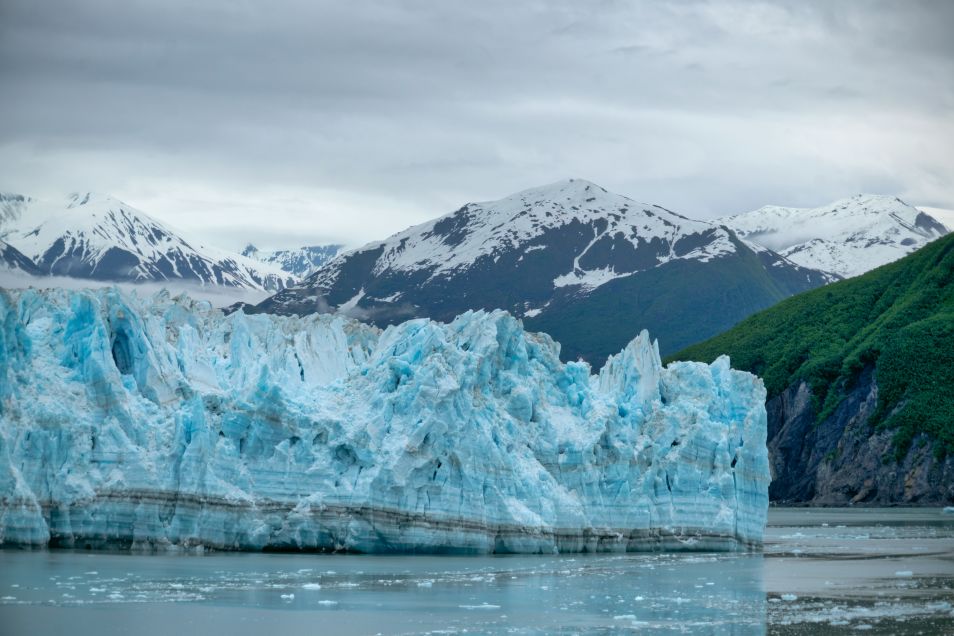
A glacier-viewing day can unite the family without requiring anyone to climb, paddle, or keep pace. Everyone can watch from the ship while ice glows blue beneath shifting clouds. The experience feels shared, even when each person understands it differently.
Wildlife creates similar gathering points. A whale surfacing beside the ship can pull three generations toward the same window. Gentle wildlife tours and naturalist presentations also provide accessible ways to explore together.
Family meals then turn those sightings into stories. Children remember the splash, adults debate camera settings, and grandparents notice who forgot their binoculars. Nobody recalls the dessert, unless it was exceptionally good.
Scenic sailing also reveals why travel style matters more than destination alone. Couples comparing intimate journeys with larger ships may enjoy The Better Cruise After 50: Danube River or Ocean? for that deeper comparison.
For official destination information, explore Travel Alaska. Its regional guidance can help families understand Alaska before choosing ports and experiences.
The Value of Spending Some Time Apart
Most families make one predictable mistake. They assume a successful vacation requires everyone to follow the same schedule. By day three, enthusiasm can resemble a hostage negotiation.
Grandparents may prefer scenic sightseeing while adult children hike through forested terrain. Grandchildren might choose supervised programs, games, or age-specific activities onboard. Each group returns refreshed instead of quietly resentful.
Separation also creates better conversations later. Families can reconnect for dinner, glacier viewing, evening entertainment, or one important excursion. Suddenly, everyone has something new to share.
This rhythm respects different bodies, interests, and attention spans. It also protects the moments that deserve full participation. The challenge lies in deciding which moments truly matter, and that choice shapes everything ahead.
Choosing the Right Alaska Cruise Ship
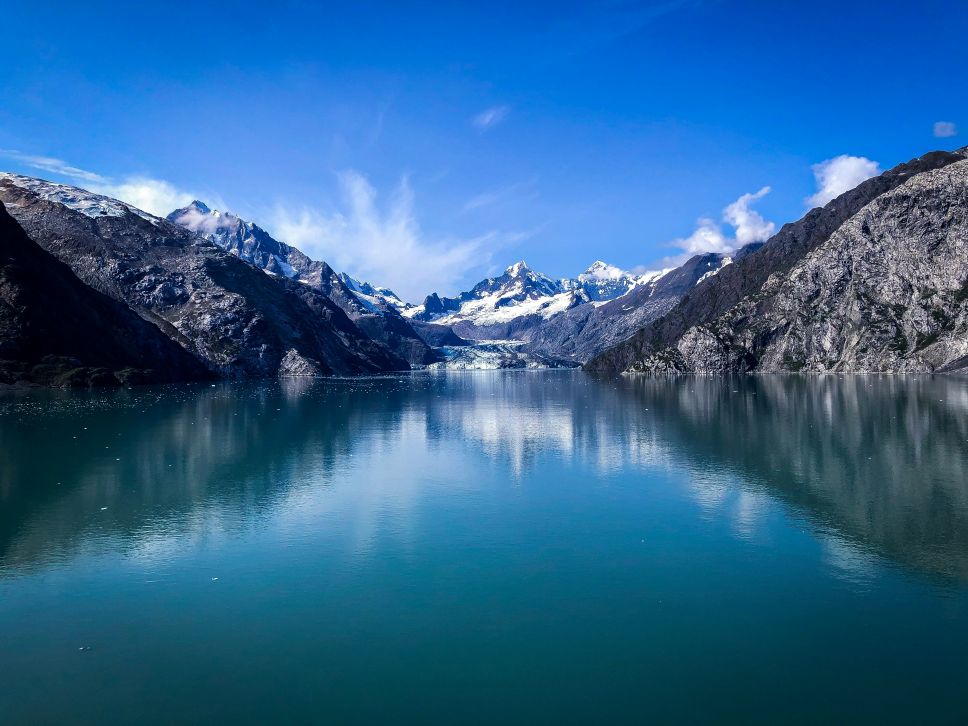
The right ship can shape an Alaska family cruise more than the logo painted across its funnel. Each generation needs different spaces, activities, dining choices, and levels of support. Price matters, but it should never make the decision alone.
Grandchildren may want pools, games, youth clubs, and evening entertainment. Their parents might prefer active programs, flexible dining, and lively gathering spaces. Grandparents may value comfortable lounges, shorter walking routes, and easy access to elevators.
Accessibility deserves equal attention. Large ships can provide excellent facilities, yet their size may require considerable walking. Smaller vessels often feel easier to navigate, although they may offer fewer specialized services.
Most families choose the brand first and study the ship afterward. That order can create expensive surprises. Instead, compare the family’s combined needs before becoming attached to any particular cruise line.
Larger Ships for More Activities and Flexibility
Larger ships usually offer the broadest mix of activities across several age groups. Youth clubs, water attractions, live shows, sports areas, and multiple restaurants can fill sea days easily. Teenagers also gain spaces where they can enjoy independence without disappearing completely.
Older relatives can find quieter lounges, scheduled entertainment, and comfortable indoor viewing areas. Parents gain flexibility because nobody must agree on one activity. That variety can rescue a rainy afternoon before cabin fever starts negotiating the itinerary.
However, size creates tradeoffs. Long corridors, crowded elevators, dining reservations, and complicated deck plans can exhaust some travelers. A short walk to dinner may feel suspiciously like a fitness challenge.
Families should examine cabin locations, elevator access, public spaces, and dining arrangements before booking. More choices only help when everyone can reach them comfortably. The largest ship does not always deliver the easiest vacation.
Smaller Ships for Scenery and a Quieter Atmosphere
Smaller ships often create a calmer experience with fewer crowds and simpler layouts. Travelers can move between cabins, dining rooms, and observation areas with less effort. Nature also commands more attention when giant attractions do not compete with every mountain view.
These vessels may reach smaller destinations or create a more intimate connection with Alaska’s landscape. Older children and curious adults may appreciate naturalist talks, quiet decks, and destination-focused programming. Relatives who dislike constant noise may finally exhale.
Yet smaller ships usually offer fewer restaurants, shows, youth programs, and family attractions. Young children could feel limited during poor weather or longer sailing periods. Everyone must honestly consider how much onboard entertainment the family needs.
Couples drawn toward quieter scenic cruising may recognize the appeal from Norway’s fjords. What Makes Norwegian Fjords Luxury Cruises Unforgettable explores that travel style. Alaska creates different experiences, but the ship-size decision raises many similar questions.
Cruise Lines International Association provides additional cruise planning information. Use that research as a starting point, then study each specific ship carefully. The right answer often appears in details families nearly overlook.
Selecting an Itinerary That Fits the Whole Family
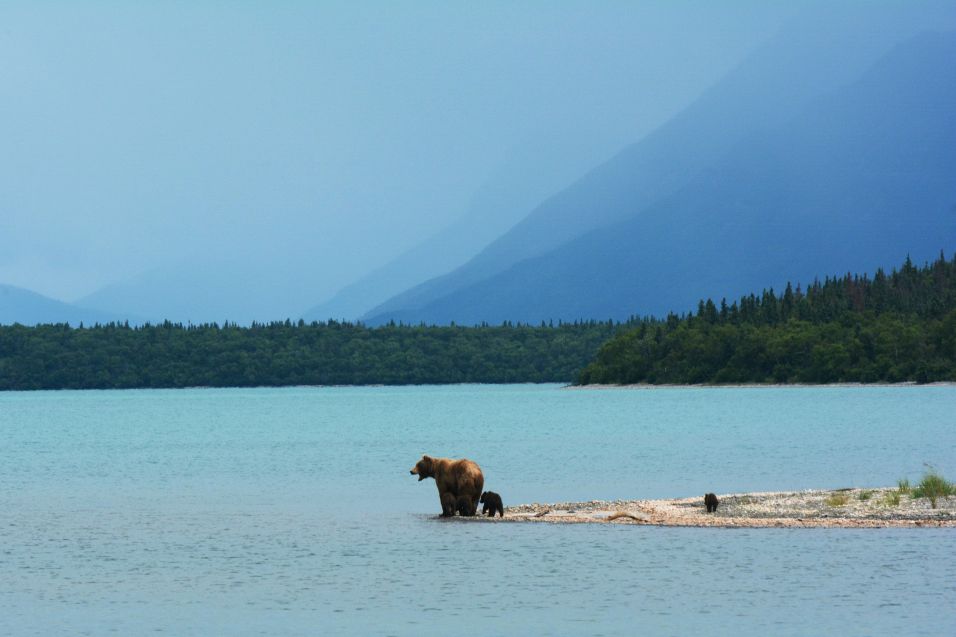
An Alaska cruise itinerary shapes far more than the ports listed on a map. Sailing routes, glacier access, and port hours influence every family member. Transportation demands can also decide whether relatives feel energized or exhausted.
Grandparents may appreciate shorter port days and comfortable sightseeing. Adult children might prefer longer adventures with more physical activity. Meanwhile, grandchildren usually need enough downtime before enthusiasm becomes open rebellion.
The best Alaska family cruise balances remarkable scenery with realistic pacing. It creates meaningful moments without testing every knee, nerve, and attention span. That balance begins with one important itinerary decision.
Round-Trip and One-Way Alaska Cruises
Round-trip cruises from Seattle or Vancouver often simplify planning for larger families. Flights and transfers usually feel easier when everyone returns to the same city. Fewer moving parts also reduce opportunities for luggage to begin its own vacation.
One-way Gulf of Alaska cruises may offer broader scenery and appealing land possibilities. However, they often require additional flights, hotels, transfers, and longer travel days. Those details matter when several generations travel together.
Most families compare ports before considering the journey surrounding the cruise. That mistake can create rushed connections, tired arrivals, and unnecessary confusion. Study the complete travel path, not merely the nights onboard.
Consider how each relative handles early flights, hotel changes, and repeated luggage handling. One adventurous couple may welcome those additions. Another family might value simplicity more than one extra destination.
Glacier Viewing and Port Selection
Glacier viewing often happens during scenic cruising rather than a traditional shore excursion. Families can watch from open decks, quiet lounges, or private balconies. Nobody needs matching strength or mobility to share that moment.
Ports create a different rhythm. Juneau combines wildlife and glacier access, while Skagway highlights history and dramatic inland scenery. Ketchikan, Sitka, Icy Strait Point, and Victoria each offer distinct experiences.
Port names alone reveal surprisingly little. Compare arrival times, departure times, excursion availability, and walking demands before choosing. A wonderful destination becomes less useful when the ship leaves unusually early.
Glacier Bay deserves special attention because access depends on the chosen itinerary. The National Park Service guide to Glacier Bay explains its glaciers, wildlife, and cruise experience. Those details can separate an attractive itinerary from the right one.
The hidden truth involves restraint. More ports do not always create a better family vacation. Sometimes, an unhurried scenic day becomes the memory everyone carries home.
Cabins and Sleeping Arrangements for Several Generations
Cabin planning can quietly determine whether Alaska cruises for multi-generational families feel comfortable or crowded. Privacy matters, especially after long port days. Bathroom access becomes surprisingly important when everyone prepares for dinner together.
Discuss sleeping habits before choosing rooms. Some relatives rise early, while others treat mornings as a personal insult. Bed types, storage, cabin capacity, and nighttime routines deserve honest conversations before anyone pays a deposit.
One large suite may create shared space and easier supervision. Several nearby cabins usually provide more privacy, bathrooms, and flexibility. Connecting rooms can offer both, although families must confirm the actual door arrangement.
Location also matters more in Alaska. Passing mountains, narrow channels, and wildlife can appear throughout the sailing. A poorly placed cabin may require longer walks whenever something exciting appears outside.
Why Balcony Cabins Are Worth Serious Consideration
A balcony gives relatives a private place to watch glaciers, mountains, wildlife, and changing weather. Nobody must compete for railing space. Coffee also tastes better when blue ice fills the horizon.
This privacy can help older travelers with limited stamina. Young children can rest while adults continue watching the scenery nearby. Quiet relatives may appreciate escaping crowded decks without missing Alaska’s strongest moments.
Balcony cabins usually cost more than interior rooms. Alaska cruises also often require larger budgets than comparable Caribbean sailings. Families should plan for the cabin experience they genuinely want.
The hidden truth involves timing. Alaska’s scenery does not wait until everyone reaches a public deck. A balcony lets families notice unexpected moments without grabbing shoes, jackets, cameras, and three wandering grandchildren.
Connecting Cabins, Nearby Rooms, and Suites
Connecting cabins can give parents and children easier access while preserving separate sleeping areas. Two bathrooms may prevent small scheduling disputes. Extra storage also helps when layered clothing begins multiplying overnight.
Nearby cabins often suit grandparents better than fully shared accommodations. They can remain close without surrendering privacy, quiet mornings, or preferred bedtime routines. Family togetherness rarely improves when everyone hears everything.
Suites may offer more living space, larger balconies, and shared gathering areas. However, several cabins sometimes provide better privacy for a similar total cost. Compare actual floor plans rather than relying on category names.
Before booking, verify bed configurations, occupancy limits, connecting doors, accessibility features, and cabin locations. Ask whether balcony dividers open, because policies vary by ship. Never assume adjoining cabins connect internally.
Couples considering slower scenic travel may also enjoy exploring why empty nesters fall in love with Danube river cruises. That river experience handles scenery differently, yet cabin comfort still shapes the journey. The comparison may change how your family evaluates space.
Planning Excursions for Different Ages and Abilities
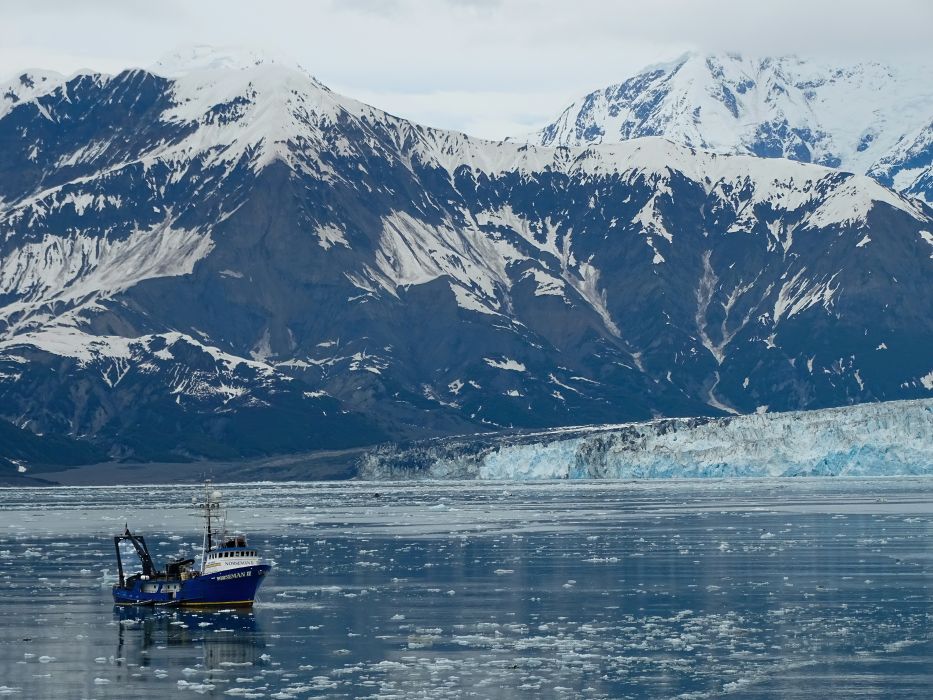
Alaska cruise excursions can expose family differences faster than almost any other planning decision. Walking distance, stairs, weather, and motion matter. Duration, restroom access, transportation, and minimum ages deserve equal attention.
The most expensive mistake involves booking everyone onto one impressive excursion. A beautiful adventure can become miserable when only half the family enjoys it. Higher prices do not magically improve tired knees or bored grandchildren.
Successful families sometimes divide into smaller groups. That choice protects comfort while giving each generation something genuinely appealing. Everyone can reunite later, usually with better stories and fewer complaints.
Matching Excursions to Mobility and Energy Levels
An excursion labeled easy may still involve uneven ground, steep ramps, or extended standing. Small vessels can require careful boarding. Even reaching the meeting point may demand more walking than expected.
Coach sightseeing and scenic rail journeys often suit travelers who prefer gentler movement. Wildlife cruises can also work well when seating and boarding remain manageable. Glacier visits vary considerably, so families should examine every physical requirement.
Active adults may prefer hiking, kayaking, flightseeing, or dog-sledding experiences. Grandchildren often need movement, novelty, or wildlife to stay engaged. Meanwhile, grandparents with limited mobility may value comfort over bragging rights.
That contrast explains why one excursion rarely satisfies everyone. Couples familiar with choosing different activity levels may appreciate how AmaWaterways supports active travelers without forcing one pace. The same planning principle works beautifully in Alaska.
Choosing Excursions the Family Can Share
Whale watching, scenic rail travel, wildlife centers, and cultural demonstrations can bridge several generations. Still, families must compare actual requirements. Shared does not automatically mean suitable.
In Juneau, the whale-watching and Mendenhall Glacier excursion combines wildlife with glacier sightseeing. The U.S. Forest Service information for Tongass National Forest adds useful regional context. Check walking, seating, weather exposure, and return timing before reserving.
Skagway offers a White Pass Summit and city sightseeing excursion for families preferring scenic transportation. Ketchikan’s All In One sightseeing tour provides another broad introduction. Compare cancellation terms, accessibility details, and ship-return guarantees carefully.
Choose one or two meaningful group experiences. Let smaller groups pursue activities matching their abilities and interests. The family will still share Alaska, just without forcing identical days.
Budgeting for a Multi-Generational Alaska Cruise
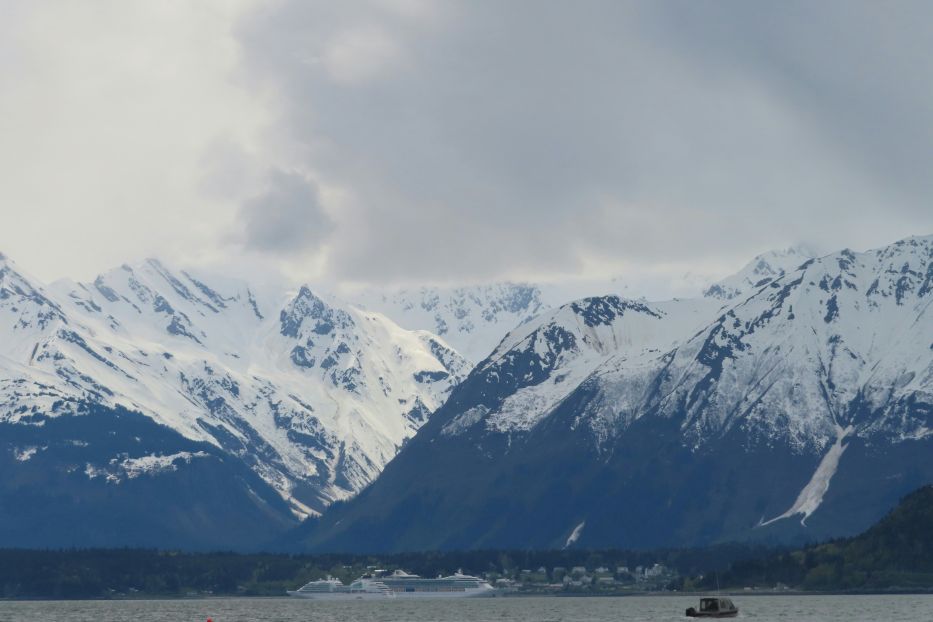
An Alaska cruise budget needs more than fares and a hopeful estimate for excursions. Include cabins, flights, hotels, transfers, gratuities, insurance, and onboard spending. Otherwise, smaller expenses can gather into one very large surprise.
Comparing Alaska with the Caribbean rarely helps. Alaska often requires longer flights, seasonal pricing, costly excursions, and better cabin placement. A bargain interior cabin may feel less clever when glaciers appear outside.
Families should also decide who pays before deposits become nonrefundable. Discuss shared costs, children’s expenses, optional upgrades, and individual excursions. Money conversations feel easier at home than beside a crowded guest-services desk.
The hidden mistake involves budgeting for equality instead of value. Every traveler does not need identical upgrades or excursions. Fairness sometimes means spending differently so each person receives what genuinely matters.
Costs Families Commonly Underestimate
Airfare can add considerable expense, especially when relatives depart from different cities. Seattle, Vancouver, and Anchorage may require different flight strategies. Many families should also arrive at least one day early.
Before booking flights, review the U.S. Department of Transportation’s air travel guidance. It provides consumer information about tickets, baggage, cancellations, and passenger rights. Those details matter when several reservations must work together.
Excursion costs multiply quickly across several generations. Whale watching, rail journeys, glacier visits, and flightseeing can each carry substantial prices. One appealing day can suddenly rival the cabin upgrade everyone debated.
Transfers, hotels, specialty dining, beverages, internet, gratuities, and insurance also require space in the budget. Add meals before and after sailing. Forgotten expenses rarely become charming memories later.
Where Spending More May Improve the Trip
Some upgrades improve comfort throughout the entire journey. Balcony cabins, convenient flights, and accessible transportation can reduce daily strain. Carefully chosen excursions may also create the memories everyone discusses years later.
One excellent shared experience often delivers more value than several mismatched tours. Grandparents should not fund a strenuous adventure they cannot enjoy. Children rarely appreciate expensive scenery while quietly counting minutes until lunch.
Protect comfort and accessibility first. Premium dining, souvenirs, and limited-interest activities can follow afterward. The order matters more than many families expect.
Couples weighing comfort against impressive extras may appreciate why energy matters more than destination when planning luxury travel. That principle becomes especially useful when several generations share one budget. Thoughtful spending creates freedom, not merely a larger receipt.
Preparing for Weather, Mobility, and Long Port Days
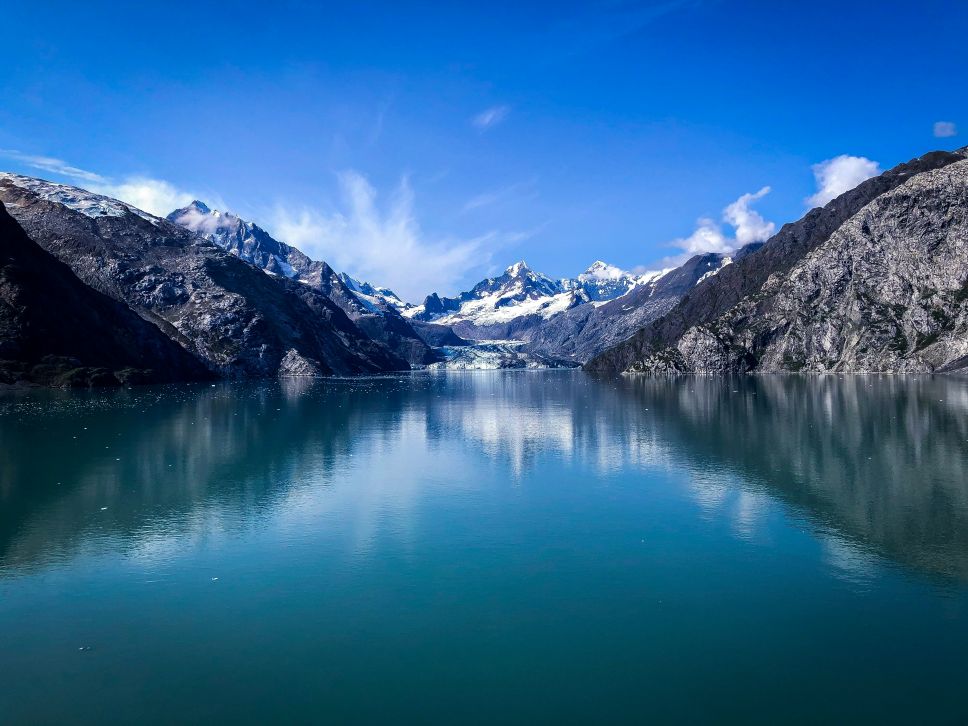
Alaska weather can change before your family finishes breakfast. Cool mornings may become mild afternoons, followed by wind and rain. Each generation will respond differently.
Children may ignore the cold until they suddenly feel miserable. Active adults often underestimate how quickly long port days drain energy. Older relatives may need more warmth, rest, and predictable access to seating.
A cruise does not make Alaska effortless. Gangways, terminals, crowds, transportation, and uneven surfaces still require stamina. Good planning protects the day before fatigue begins making decisions.
Long daylight hours can also encourage families to keep going too long. Schedule breaks before anyone feels exhausted. The best memories rarely happen when everyone needs food, warmth, and silence.
Packing for Alaska’s Changing Conditions
Layering gives travelers control without requiring several complete outfits each day. Start with breathable clothing, then add warmth and waterproof protection. Pack for comfort, not photographs alone.
Waterproof jackets and comfortable walking shoes deserve priority. Hats, gloves, binoculars, refillable bottles, sunscreen, and practical day bags also matter. Glacier-viewing periods can feel colder than expected.
Children need spare clothing because puddles have remarkable persuasive power. Older adults may require warmer layers, medication access, and easier footwear. Travelers using mobility devices should pack covers and essential accessories.
Keep prescriptions in carry-on luggage. Bring enough medication for unexpected delays. A simple packing decision can prevent a complicated afternoon.
Managing Fatigue and Mobility
Early excursions and long terminal walks can exhaust families before sightseeing begins. Large ships may add lengthy corridors and crowded elevators. Tendering can create another physical challenge.
Before booking, check accessible cabins, elevator locations, and distances from key venues. Review excursion transportation and mobility-device policies carefully. Never assume “accessible” means effortless.
Shorter tours often preserve energy for dinner and evening scenery. Separate activities can also prevent one person’s limits from controlling everyone’s day. Private balcony viewing offers another comfortable way to participate.
Couples who value thoughtful pacing may appreciate how to experience Budapest without travel burnout. The destination differs, but the principle remains useful. Protecting energy improves what travelers notice, remember, and enjoy.
Building a Family Schedule Without Overplanning
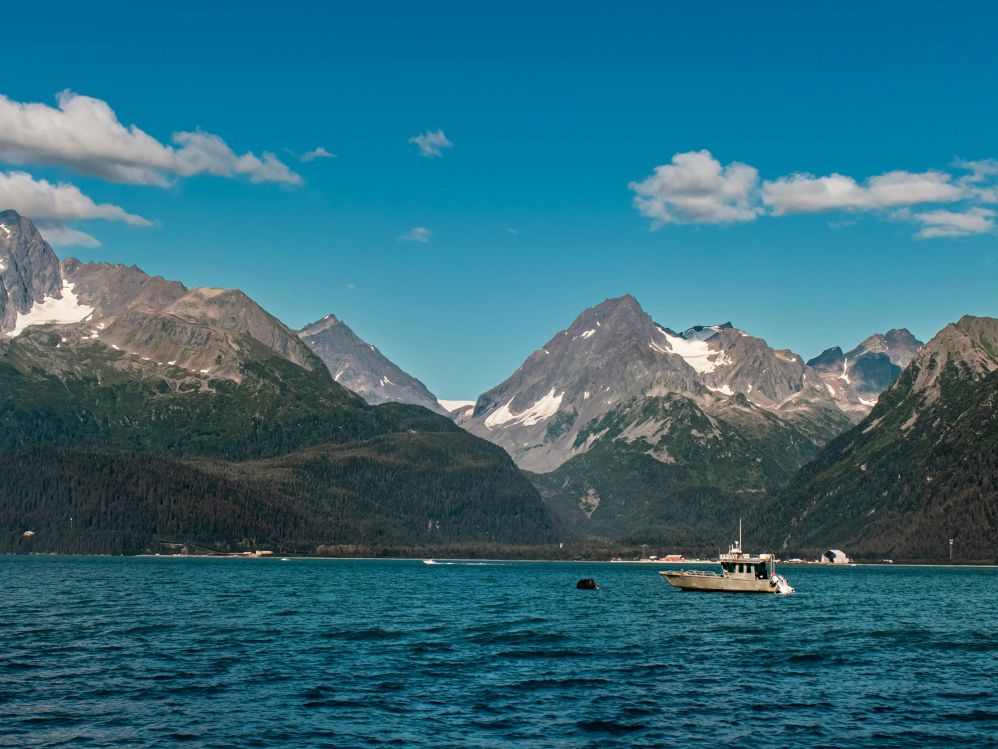
A successful Alaska family cruise needs structure, but not a minute-by-minute command center. Choose a few priority experiences before sailing. Let the remaining hours breathe.
Shared meals, glacier viewing, selected excursions, and evening gatherings can anchor the day. Everything else can remain flexible. That freedom often keeps three generations happier than any crowded schedule.
Most families overplan because they fear missing something. Ironically, that approach can make everyone miss the experience itself. Fatigue arrives quietly, then controls the mood.
Discuss expectations before booking. Mobility, activity levels, supervision, and personal interests should never become last-minute surprises. Honest conversations now prevent uncomfortable compromises later.
Decisions to Make Before Paying a Deposit
Start with money, cabins, medical needs, and mobility. Discuss children’s supervision, dining preferences, and excursion interests. These decisions shape nearly every later choice.
Each traveler should name several priorities. Everyone should also identify activities they want to avoid. Finally, agree on how much daily group time feels comfortable.
That conversation may reveal useful differences. Grandparents might value scenic sailing, while adult children prefer active excursions. Grandchildren may care most about youth programs and dessert.
Assign one person to manage reservations, payments, documents, and emergency contacts. Another relative can coordinate transportation and group communication. Shared responsibility prevents one traveler from becoming an unpaid cruise director.
Creating a Flexible Daily Rhythm
Plan one main shared event on selected days. Leave room for rest, personal interests, and spontaneous choices. Nobody should need permission to skip an activity.
A shared breakfast can begin the day calmly. Separate morning excursions may follow, based on interests and abilities. Everyone can reconnect later without guilt.
Afternoons work well for rest, youth programs, or quiet balcony viewing. Dinner can become the family’s reliable reunion point. An evening show may follow when energy allows.
This rhythm creates connection without forcing constant togetherness. It also gives every generation something new to discuss. The best family schedules create space, not pressure.
Plan an Alaska Cruise That Works for Everyone
Alaska cruises for multi-generational families succeed when the ship, itinerary, cabins, excursions, and pace reflect real needs. Thoughtful choices create shared memories without forcing identical experiences. That balance matters more than any single port.
Higher costs, changing weather, mobility demands, and long days require honest planning. Families should discuss limits before deposits become nonrefundable. Nobody benefits when an ambitious schedule quietly becomes an endurance test.
Share the glacier views, special meals, and meaningful excursions that deserve everyone’s presence. Then give each person permission to explore differently. Family connection does not require constant togetherness.
Ready to shape a cruise around your family? Start planning your Alaska vacation with Empty Nester Getaways. You can also join our private Facebook group for empty nester travelers and continue the conversation.