Introduction
This Viking Douro review begins with a truth many polished brochures barely mention: Portugal’s famous river refuses to behave predictably. Instead, it slips between vineyard terraces, stone villages, and silent hills that seem almost too carefully arranged. The scenery feels intimate, yet the journey demands more structure than many couples expect.
Viking’s Portugal’s River of Gold itinerary combines Lisbon hotel nights, Porto, Douro cruising, and a full-day visit to Salamanca. This is not a simple river cruise with occasional city stops. It blends guided touring, shipboard routines, regional dining, planned excursions, and long scenic passages into one carefully managed trip. That design creates ease, but it also shapes how freely you experience Portugal.
We will examine the cabins, meals, service, excursions, land stays, pacing, and the true value delivered. Comfort matters, especially when beautiful views compete with early departures and organized schedules. Some couples will find Viking’s rhythm reassuring. Others may wonder whether greater freedom would create a richer Portuguese experience. The answer depends on what you value most, and one detail may surprise you.
What Viking’s Douro River Cruise Actually Includes
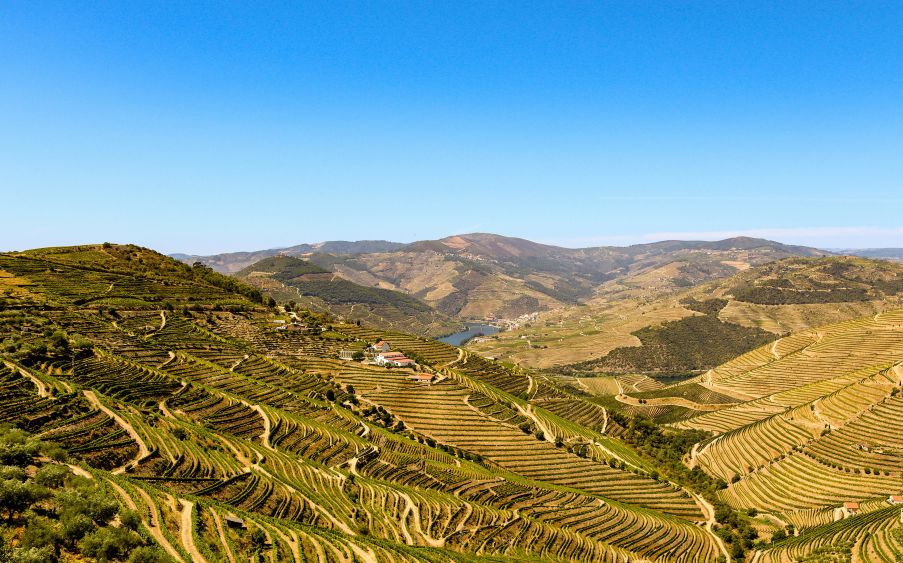
Viking’s Douro River cruise combines two hotel nights, seven shipboard nights, guided sightseeing, and travel across Portugal and Spain. That structure matters because this journey never functions as a simple weeklong sailing. You experience several distinct travel styles within ten days.
The trip begins ashore in Lisbon, where Viking manages your hotel stay and scheduled touring. On the third day, guests travel by coach toward Porto and board their river ship. From there, the Douro becomes both your route and your constantly changing view.
Viking’s Portugal’s River of Gold itinerary includes ten days, eight guided tours, and two countries. However, departure dates, ships, excursions, and offers can change. Treat the published itinerary as a working map, rather than an unbreakable promise carved into Portuguese granite.
The Lisbon-to-Porto Itinerary
Your journey opens with two Lisbon hotel nights and time among tiled facades, broad plazas, and historic riverside landmarks. Viking includes guided sightseeing, although the schedule still leaves some room for personal exploration. Lisbon receives meaningful attention instead of serving merely as an airport with better pastries.
On day three, a coach transfer carries guests north toward Porto, with sightseeing planned during the journey. Embarkation follows, and the river portion begins aboard one of Viking’s smaller Douro ships. This transition feels efficient, though it also makes that day more structured than leisurely.
The route continues through Régua, scenic Douro passages, Salamanca, Pinhão, and another visit to Régua. Salamanca requires a longer overland excursion from the river, but delivers substantial cultural depth. Smaller river communities receive briefer visits, while vineyards and hillside estates often provide the lasting memories.
Eventually, the ship returns toward Porto for the itinerary’s closing days. That rhythm creates repeated scenery without feeling repetitive, because the valley changes with light and direction. Still, couples craving independent wandering may notice how firmly Viking controls the clock.
Guided Tours, Transfers, and Included Services
Viking commonly includes one guided experience in most destinations, plus scheduled transportation connected with those tours. Airport transfers may apply when guests meet Viking’s specific arrival, departure, and airfare conditions. Always confirm your booking details before assuming someone will appear beside baggage claim holding your name.
Shipboard inclusions generally cover meals, Wi-Fi, port talks, cultural programming, and selected beverages during lunch and dinner. Coffee, tea, and water also remain readily available aboard the ship. This creates an easy daily rhythm, especially for couples tired of calculating every cappuccino.
Optional excursions, gratuities, travel insurance, upgraded beverages, and personal purchases usually sit outside the standard fare. Airfare terms and promotional extras can also vary between offers. Viking’s cultural focus remains a major draw, as explored in why Viking works for travelers who love culture.
Before paying, compare your exact booking documents with Viking’s current published package. A familiar brand can make everything feel settled too early. The finer details often determine whether convenience feels valuable or surprisingly expensive.
Viking Douro Ships, Cabins, and Public Spaces
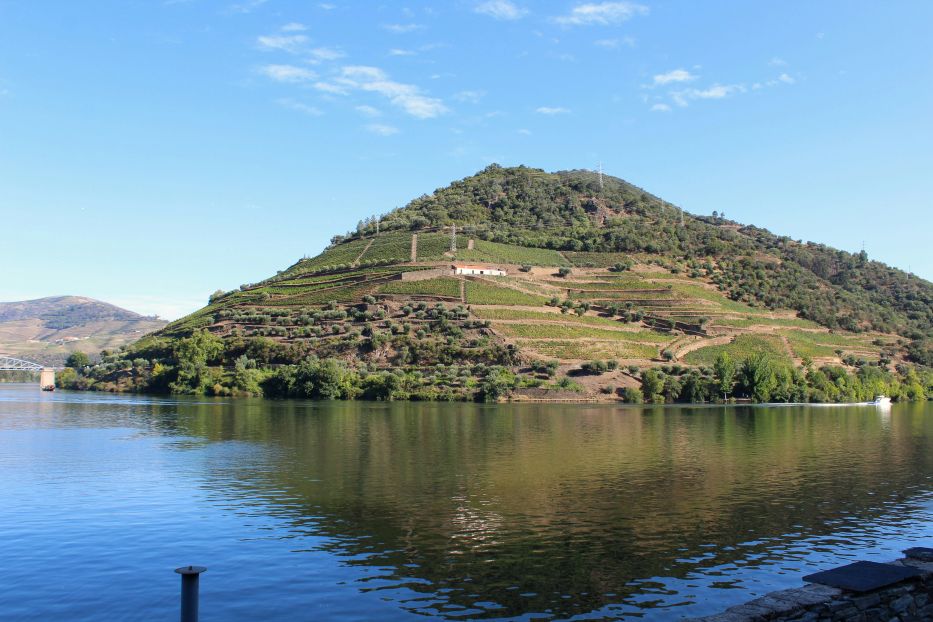
Viking’s Douro ships carry 106 guests, compared with 190 aboard the familiar European Longships. Their shorter, narrower proportions suit the river’s tight bends, smaller docks, and demanding locks. The result feels intimate rather than cramped, although space remains carefully measured.
Inside, pale woods, clean lines, and broad windows create Viking’s familiar Scandinavian calm. The layout feels simple, so couples can move between cabins, dining, and the lounge without studying maps. An elevator serves the main interior decks, although the Sun Deck still requires stairs.
Public spaces rarely feel busy during ordinary moments. Scenic sailing changes everything. Guests naturally gather near the largest windows, and the best seats suddenly become valuable real estate.
Cabin location matters more here than many couples expect. Natural light, outdoor access, passing views, and engine noise can shape every quiet hour aboard. A poor choice will not ruin Portugal, but it may change how closely you experience the river.
Cabin Categories and Balcony Choices
Lower-deck Standard Staterooms measure about 155 square feet and use smaller windows near the waterline. They offer value, comfortable beds, private bathrooms, storage, and the same essential cabin services. However, they provide less daylight and no fresh-air access.
French Balcony cabins measure roughly 150 square feet and feature floor-to-ceiling sliding glass doors. Opening those doors brings the river remarkably close, though no outdoor platform awaits beyond the railing. Couples sometimes mistake the name for a true balcony, then meet reality after unpacking.
Veranda Staterooms provide about 185 square feet, including a private outdoor balcony. That space offers fresh air, private views, and somewhere peaceful during vineyard-lined sailing. Yet the balcony also reduces interior floor space slightly, creating a tradeoff worth considering.
Veranda Suites reach approximately 302 square feet and add separate sitting and sleeping areas. They include both a full veranda and a French balcony, giving couples meaningful breathing room. For longer mornings aboard, that separation can feel wonderfully civilized.
All categories include queen beds, under-bed luggage storage, wardrobes, outlets, and glass-enclosed showers. Cabins near machinery may experience more vibration or noise, especially during docking. Light sleepers should examine deck plans carefully before choosing the cheapest available room.
Lounge, Restaurant, Sun Deck, and Aquavit Terrace
The main lounge becomes the ship’s social center throughout each sailing day. Guests gather there for port talks, lectures, drinks, conversation, and uninterrupted vineyard views. Floor-to-ceiling glass keeps the landscape visible, even when Portugal’s weather loses its manners.
Below, the restaurant offers panoramic windows and open seating during scheduled meals. Most guests find adequate space because everyone follows a shared dining rhythm. That same arrangement encourages conversation, although private tables may require patience or strategic timing.
The Aquavit Terrace provides casual outdoor dining and forward-facing views near the bow. During pleasant weather, it becomes one of the ship’s most appealing spaces. Seating remains limited, so scenic stretches can inspire surprisingly determined chair selection.
Above everything, the Sun Deck offers shaded seating, open loungers, a small pool, and broad valley views. Stairs provide the only access, which matters for travelers with limited mobility. When sunlight softens across the terraces, few indoor amenities can compete.
Viking favors quiet elegance over dramatic décor, multiple restaurants, spas, or elaborate entertainment. Competing luxury lines may offer richer fabrics, broader inclusions, and longer amenity lists. Still, Viking’s restraint keeps attention where this Viking Douro review ultimately belongs: outside the windows.
Dining, Service, and the Onboard Atmosphere
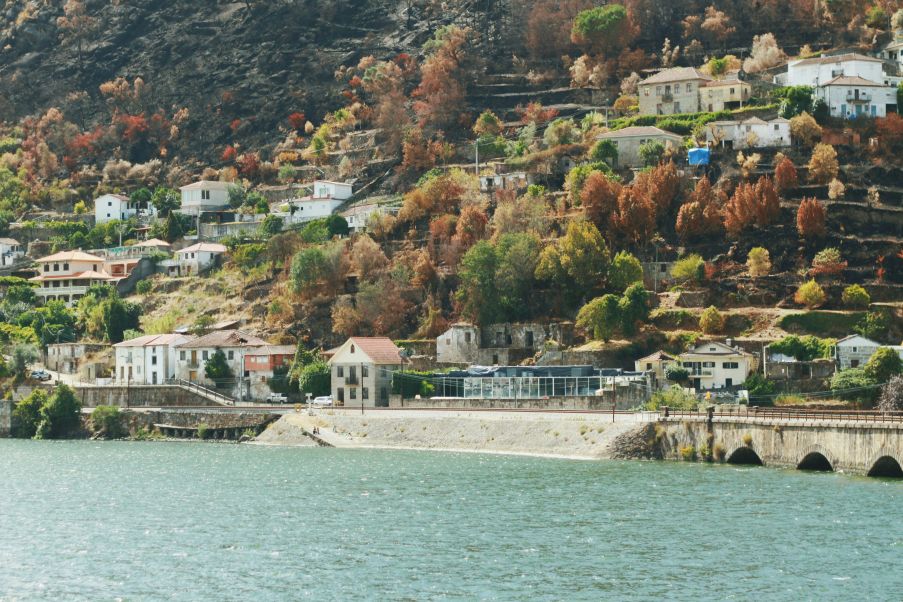
Dining aboard Viking’s Douro ships feels polished, comfortable, and closely connected to Portugal. Breakfasts offer familiar favorites, while later meals introduce regional dishes without becoming too adventurous. Portions satisfy without leaving you defeated before dessert.
Service generally feels attentive, efficient, and pleasantly informal. Dining staff often remember preferences, while cabin attendants handle daily details with quiet precision. Reception and excursion teams keep the journey organized without making every interaction feel rehearsed.
After dinner, the ship settles into an easy rhythm. Couples gather for drinks, conversation, music, or tomorrow’s port briefing. Dress remains smart casual, so nobody needs formalwear competing with valuable suitcase space.
Food and Wine on the Viking Douro
Breakfast usually combines a buffet with cooked selections, pastries, fruit, cheeses, meats, and eggs. Lunch offers lighter choices, while dinner brings multiple courses and familiar alternatives. Vegetarian meals and dietary accommodations remain available, although advance notice helps the crew prepare properly.
Portuguese flavors appear through seafood, pork, soups, cheeses, pastries, olive oil, and seasonal produce. Regional wines accompany lunch and dinner, while port connects naturally with the surrounding vineyards. Those touches give meals a sense of place without overwhelming cautious diners.
Still, Viking does not offer an ocean ship’s endless restaurants, buffets, and late-night food stations. The experience feels refined, yet rarely resembles a destination restaurant chasing culinary awards. Many couples prefer that balance because dinner remains enjoyable rather than becoming another scheduled production.
Travelers wanting deeper local flavor can consider a private Porto food and drink tasting with a local guide. The experience includes ten tastings, Portuguese specialties, port, and neighborhood food stops. It can reveal culinary details the ship only introduces.
Service and Evening Life
Viking’s service style blends friendly familiarity with practiced efficiency. Crew members may remember preferred drinks, seating choices, and small requests after several days. Individual personalities still matter, so warmth can vary naturally between staff members.
Evenings usually revolve around the lounge rather than multiple entertainment venues. Guests attend port talks, hear music, join lectures, watch scenery, or continue conversations over drinks. That atmosphere suits couples who enjoy calm evenings without needing constant activity.
Travelers seeking casinos, elaborate productions, several bars, or late-night dancing may find Viking unusually quiet. For some empty nesters, that silence feels wonderfully grown-up. Others may discover they miss more energy once the scenery disappears into darkness.
This Viking Douro review ultimately treats quiet evenings as a matter of fit. The ship rewards travelers who enjoy conversation, cultural context, and unhurried time together. Couples needing nightly spectacle may admire the Douro while wondering where everyone went.
Viking Douro Excursions and Cultural Experiences
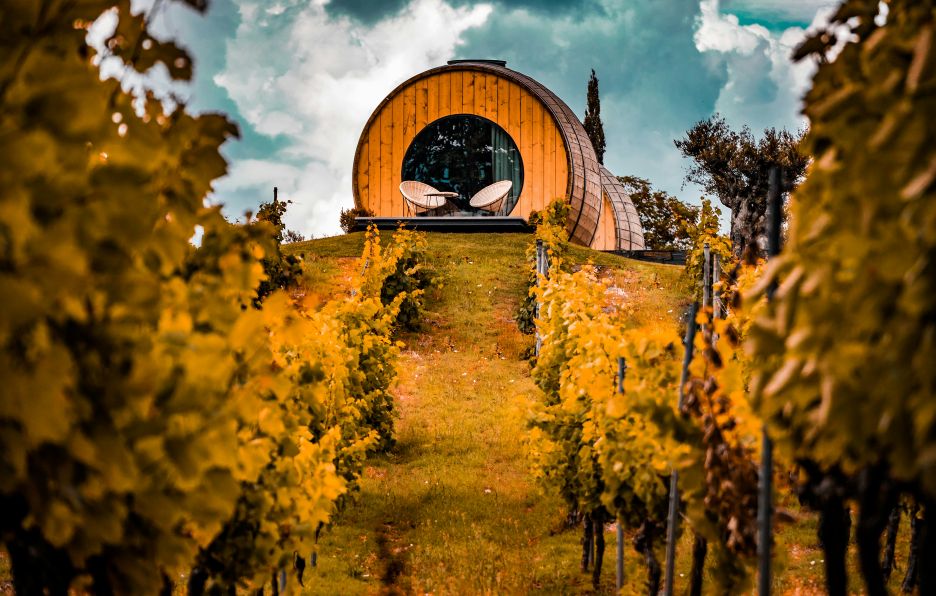
Viking balances included sightseeing with optional tours, scenic drives, tastings, and limited independent time. The experience feels culturally focused, yet firmly organized. Couples who dislike daily decisions may find that structure wonderfully freeing.
However, much of the Douro’s sightseeing happens beyond the riverbanks. Coaches connect remote docks with vineyards, hill towns, palaces, and Salamanca. Beautiful scenery softens those drives, but it does not shorten them.
The strongest excursions reveal Portugal through history, food, wine, architecture, and local traditions. Others provide polished introductions before moving onward. That difference matters when a destination deserves more time than the schedule allows.
Included Tours in Portugal and Spain
Lisbon introduces Portugal through historic districts, grand monuments, tiled buildings, and the country’s maritime past. Porto adds riverfront neighborhoods, port traditions, churches, and layered city history. Both cities receive meaningful attention, though neither feels completely explored.
Beyond Porto, excursions reach Régua, Pinhão, wine communities, historic estates, and smaller towns. Salamanca provides the itinerary’s major Spanish experience, reached through a lengthy coach journey. Its golden stone, university history, and elegant plazas reward the effort.
Walking conditions deserve honest consideration. Cobblestones, slopes, stairs, standing, and uneven surfaces appear throughout Portugal and Spain. Viking often offers different activity levels, but couples should confirm each tour’s demands beforehand.
Included tours provide context and logistical ease. Independent exploration offers greater freedom, slower lunches, and unexpected discoveries. Travelers who value those moments may find Viking’s timetable slightly restrictive.
For deeper cultural perspective, explore Portugal experiences that reveal traditions beyond famous landmarks. The article highlights encounters that can make familiar destinations feel more personal. Those details often separate genuine connection from another pleasant overview.
Optional Experiences Worth Considering
Optional tours can add depth where Viking’s included program stays broad. Wine estates, culinary walks, fado evenings, and private city tours provide more focused encounters. Choose carefully, because more touring does not always create a richer trip.
In Lisbon, a private sunset walk with dinner and a live fado performance explores Alfama and Mouraria after daytime crowds fade. The experience combines neighborhood history, panoramic views, Portuguese food, and traditional music. It suits couples seeking intimacy beyond a daytime overview.
Before booking independently, compare the tour with Viking’s included activities. Check duration, group size, walking demands, meeting locations, cancellation terms, and return timing. Missing the ship would certainly make the evening memorable, though perhaps not romantically.
Most couples overbook because every experience sounds irresistible from home. Leave space for rest, conversation, and an unscheduled glass of wine. The Douro often reveals its finest moments when nobody is checking a departure time.
What Makes the Douro Different From Other River Cruises
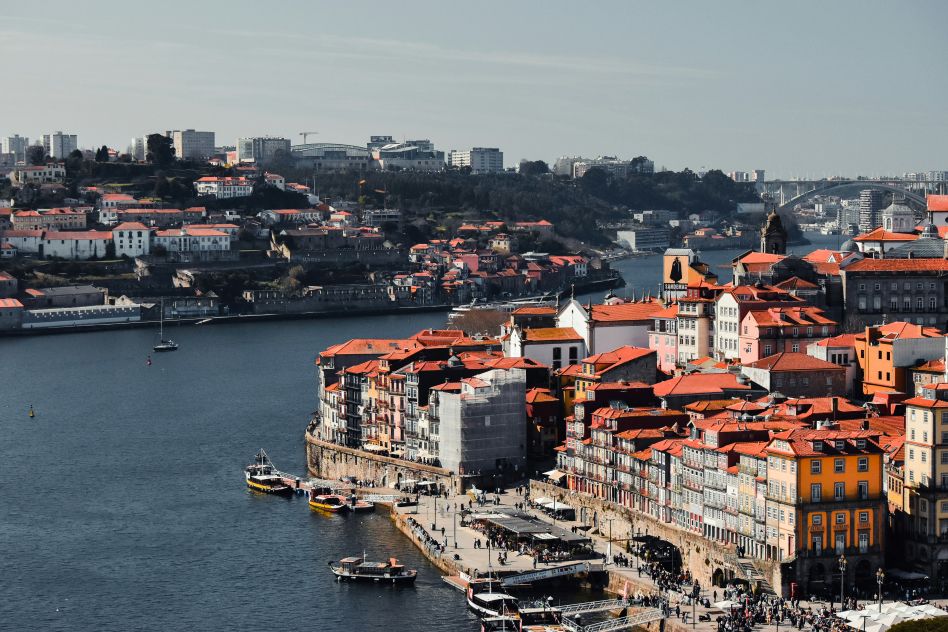
The Douro feels quieter, narrower, and more rural than the Rhine or Danube. Terraced vineyards replace long stretches of castles, capitals, and industrial riverfronts. Small communities appear briefly, then disappear behind steep hills.
Five navigation locks help ships climb through the Portuguese waterway toward Spain. Dams, tight passages, and scheduled lock movements influence each sailing day. River operations also favor daylight navigation, making daytime cruising a central part of the experience.
That creates an important tradeoff. The scenery feels extraordinary, but fewer major cities sit directly beside the river. Couples wanting famous capitals every morning may prefer another route.
Scenic Sailing, Vineyards, and Locks
Leaving Porto, urban riverbanks gradually give way to bridges, wooded slopes, and increasingly dramatic vineyard terraces. Whitewashed quintas appear above the water, often surrounded by precise rows of vines. Farther east, the landscape becomes drier, rougher, and more remote.
The Portuguese Douro waterway stretches toward Vega de Terrón near the Spanish border. Along the route, ships pass five locks and climb roughly 125 meters. Watching that engineering unfold adds unexpected drama to an otherwise peaceful afternoon.
Do not treat every sailing period as convenient downtime. The best views often arrive between excursions, when many passengers consider returning to their cabins. Protecting deck time can become one of the smartest choices you make.
You may see stone villages, railway lines, high bridges, vineyard estates, and hills folded around narrow river bends. UNESCO recognizes the Alto Douro Wine Region’s historic cultural landscape. Its winemaking traditions have shaped these slopes for nearly two thousand years.
The Douro’s Slower and More Rural Character
Danube cruises often connect cities such as Vienna, Budapest, and Bratislava. The Douro follows a different rhythm, built around vineyards, villages, scenic sailing, and regional history. Wine estates frequently carry more importance than major urban landmarks.
That quieter focus suits couples who value conversation, landscape, and cultural detail. Days feel less like collecting cities and more like understanding one distinctive region. The difference sounds subtle until you experience it.
A well-planned Douro Valley wine tour reveals details casual visitors often miss. Smaller producers, family estates, and slower tastings can deepen the river journey considerably. They also explain why the valley deserves more than passing admiration.
However, passengers wanting many independent port choices may feel constrained. Smaller docking areas offer fewer restaurants, museums, and spontaneous evening options. The Douro rewards curiosity, but it rarely offers endless choice.
For some couples, that simplicity feels restorative. Others may miss the energy and variety of Europe’s larger rivers. Knowing which reaction sounds familiar could determine whether this itinerary feels perfect or surprisingly limited.
The Biggest Strengths and Weaknesses of Viking on the Douro
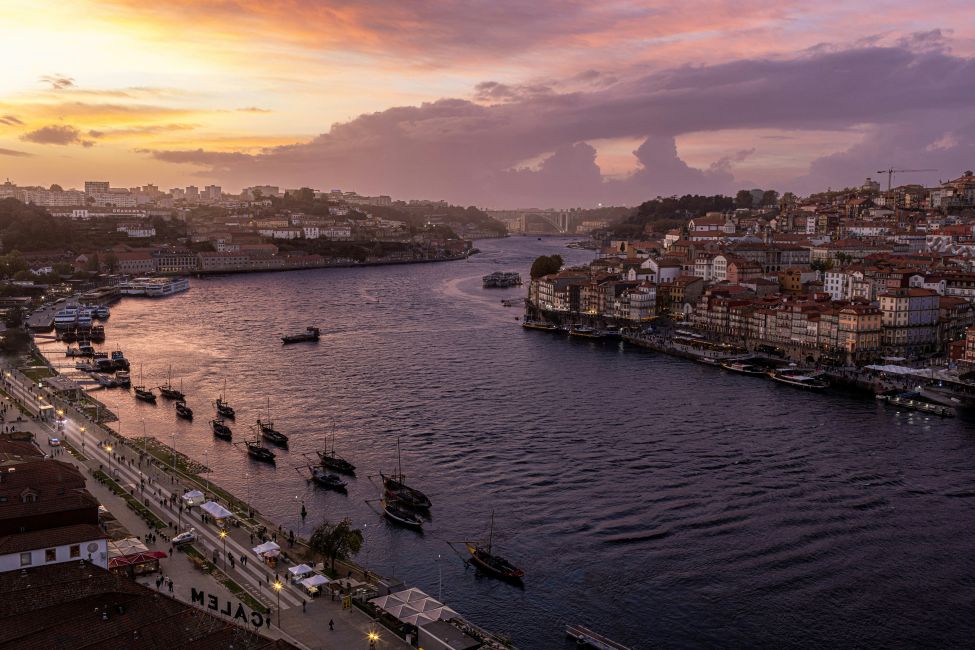
Viking handles complicated travel logistics with impressive consistency. Hotels, transfers, tours, meals, and sailing days connect without demanding constant decisions. For many couples, that coordination feels more luxurious than another marble bathroom.
The tradeoffs appear just as clearly. Cabins feel compact, schedules remain structured, and some sightseeing requires meaningful coach travel. Quiet evenings and limited independent time will delight certain travelers while frustrating others.
A genuine weakness affects comfort or access. A personal preference reflects how you enjoy traveling. Knowing the difference prevents a beautiful cruise from feeling strangely mismatched.
Where Viking Performs Well
Viking keeps the destination at the center of the journey. Guided tours, port talks, regional menus, and onboard lectures add context before unfamiliar places blur together. That educational layer gives the Douro more meaning than scenery alone provides.
Clear logistics remove several common travel burdens. You unpack once aboard, follow coordinated transportation, and avoid arranging separate guides across unfamiliar regions. After years of organizing family vacations, surrendering that responsibility can feel remarkably satisfying.
The ships also offer a consistent design and an adult-focused atmosphere. Couples who value predictable schedules, quiet surroundings, and organized sightseeing will likely settle comfortably into Viking’s rhythm. The structure creates confidence, although it leaves less room for improvisation.
Where Viking May Disappoint
Viking’s calm approach can feel restrictive when you want more choice. Fixed dining times, group touring, compact cabins, and limited nightlife shape most days. Travelers craving spontaneous evenings may begin watching the schedule too closely.
Bus journeys also play a larger role than many first-time Douro passengers expect. Several cultural highlights sit beyond riverside docks, including Salamanca and inland wine communities. The countryside looks lovely, but a scenic coach remains a coach.
River conditions can also change the planned experience. Low water, high water, lock delays, or operational issues may alter sailing times and excursions. No river cruise line can completely control those realities.
Travelers wanting broader inclusions, active choices, livelier evenings, or greater flexibility should compare alternatives carefully. This AmaWaterways and Viking Danube comparison shows how similar brands can create very different daily experiences. The better cruise depends less on reputation and more on how you want each day to feel.
Viking Douro Pricing, Inclusions, and Overall Value
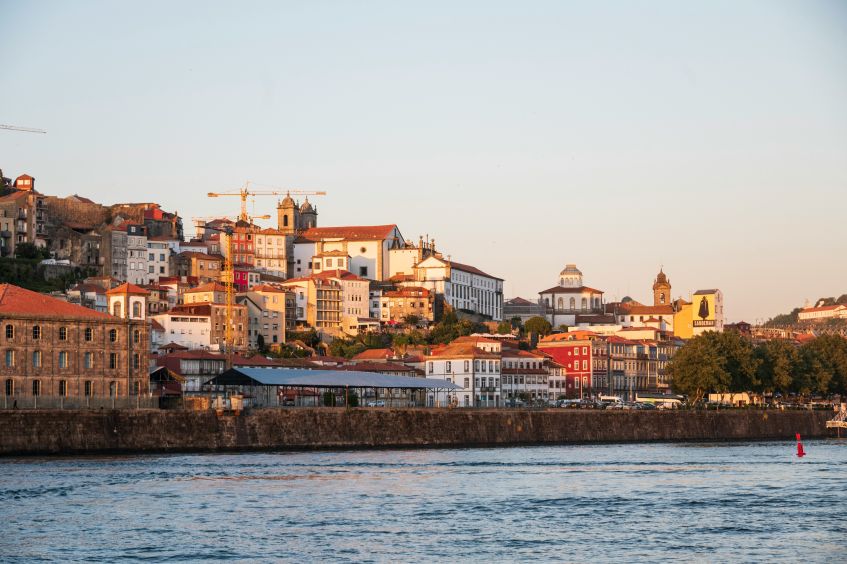
Viking Douro pricing changes with cabin category, sailing month, availability, extensions, airfare offers, and booking timing. Promotional fares can look compelling, but they rarely represent every departure. Your final cost depends on choices made long after the first attractive number appears.
Value comes from more than meals and transportation. Viking coordinates hotels, transfers, guided touring, cultural programming, and river cruising within one organized journey. Couples who value convenience may find that structure worth paying for.
Still, advertised pricing never tells the entire story. Insurance, gratuities, optional experiences, upgrades, and personal spending can change the total considerably. The real question concerns what that higher total buys you emotionally and practically.
Costs Travelers Need to Calculate
Always compare current fares for your preferred month and cabin. Treat limited promotions as temporary opportunities, not standard pricing. A reduced fare today may disappear tomorrow or apply only to selected departures.
Calculate airfare, extensions, gratuities, insurance, optional tours, premium drinks, airport transfers, and independent meals. Add shopping and personal spending honestly. Portugal has a remarkable talent for turning one harmless purchase into several.
Cabin upgrades can create the largest price difference. A French balcony offers fresh air without usable outdoor space. Veranda cabins provide privacy outside, although public decks already deliver excellent scenery.
Consider how you actually spend mornings and sailing hours. Couples who enjoy private coffee outdoors may value a veranda. Others may prefer spending that money on better flights or additional nights in Portugal.
How Viking Compares With Other Douro Cruise Lines
Viking emphasizes cultural structure, recognizable design, included touring, and a calm adult atmosphere. AmaWaterways often places greater emphasis on wellness, active excursions, and varied activity levels. This guide explains why AmaWaterways appeals to active empty nesters.
Uniworld generally offers richer décor, broader beverage inclusions, and a more traditional luxury style. Scenic often attracts travelers wanting wider inclusions and elevated service. Avalon may suit couples who prefer contemporary cabins and greater daily flexibility.
No company wins every comparison. Examine cabin dimensions, dining choices, beverages, gratuities, excursion styles, and staff ratios carefully. Brand reputation cannot decide which daily rhythm feels right for you.
Viking offers strong value when organization and cultural access matter most. More active or indulgent travelers may prefer a competitor. The smartest choice begins with your habits, not the lowest advertised fare.
Who Should Book a Viking Douro Cruise
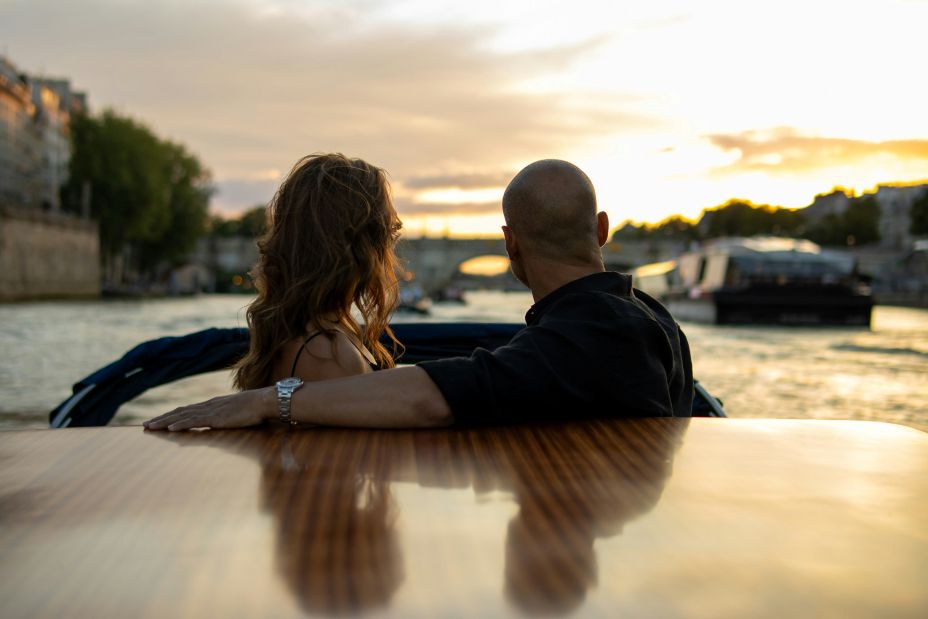
A Viking Douro cruise suits travelers who value cultural depth, thoughtful organization, and scenery more than endless onboard choices. The itinerary rewards curiosity, patience, and comfort with guided schedules. It will not satisfy every sophisticated traveler, and that honesty matters.
Before booking, consider the physical demands, social atmosphere, touring pace, and limited evening entertainment. Hills, cobblestones, coach journeys, and scheduled departures shape the experience. Brand loyalty cannot overcome a poor match between itinerary and travel style.
Travelers Most Likely to Enjoy It
History lovers will appreciate guided context surrounding Portugal’s cities, vineyards, maritime heritage, and centuries-old wine traditions. Scenic sailing adds another layer, especially when terraced hills glow beneath late afternoon sunlight. Quiet evenings allow those impressions to settle rather than compete with production shows.
First-time river cruisers may welcome Viking’s recognizable daily routine. Breakfast leads into touring, sailing, cultural programming, dinner, and evening conversation. That predictability removes uncertainty without making every day feel identical.
The itinerary also fits couples who prefer cultural discovery without arranging hotels, transfers, guides, and regional transportation independently. You unpack, follow the program, and let Viking manage the complicated connections. After decades of planning for everyone else, that relief can feel surprisingly valuable.
Socially, the ship favors conversation over spectacle. Couples who enjoy meeting fellow travelers often appreciate shared tables and familiar faces. Those craving private anonymity may find the atmosphere more communal than expected.
Travelers Who Should Consider Another Option
Travelers prioritizing nightlife, large cabins, flexible dining, extensive fitness facilities, or family activities should compare other cruises. Viking’s Douro ships remain intentionally quiet and compact. The destination carries the entertainment, especially after sunset.
Independent travelers may also resist scheduled touring and limited spontaneous time. Group departures keep logistics efficient, yet they can interrupt leisurely lunches or unexpected discoveries. Freedom feels different when a coach departure quietly controls the afternoon.
Mobility deserves careful review before booking. Portugal brings hills, uneven cobblestones, stairs, standing, walking tours, and frequent coach access. A beautiful itinerary loses charm quickly when daily movement creates anxiety or discomfort.
Consider whether a river ship or larger vessel better matches your habits. This comparison of Danube river cruises and ocean cruises after 50 clarifies the practical differences. Ship size often changes the experience more than couples expect.
Finally, ask yourselves four direct questions. Do you prefer structure or independence, compact comfort or generous space, guided touring or personal discovery? Would calm service feel restorative, or would you miss broader luxury and nightly energy?
How to Make a Viking Douro Cruise Better
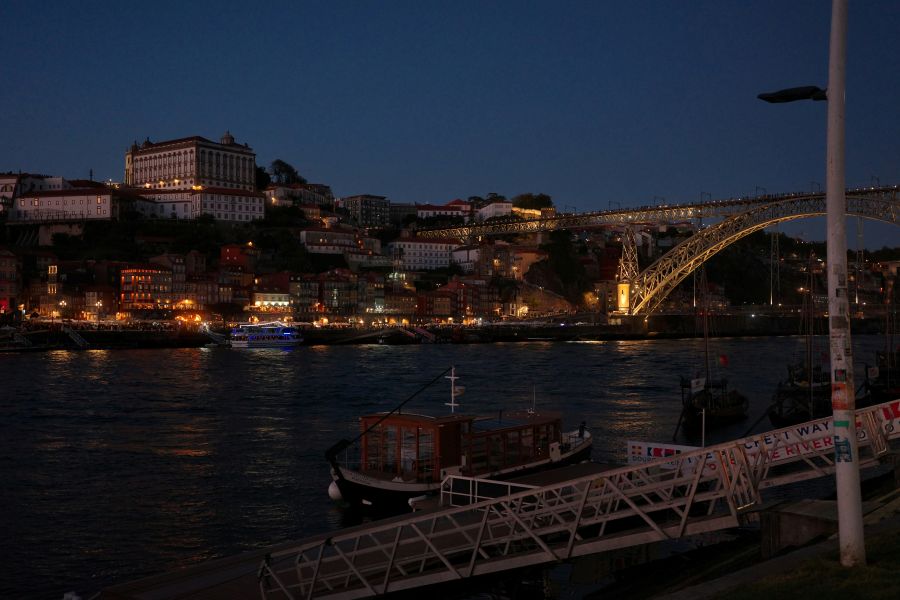
A better Viking Douro cruise begins with decisions made before departure. Cabin location, arrival timing, footwear, and physical preparation influence daily comfort. Small choices matter more once the schedule starts moving.
Most couples try adding everything that looks appealing. That approach often creates fatigue, duplicated experiences, and unnecessary rushing. A richer trip usually comes from choosing fewer additions more carefully.
Personal experiences can deepen the journey when they fit Viking’s schedule. They should create connection, not anxiety about returning late. Portugal rewards curiosity, but it also rewards breathing room.
Before the Cruise
Review the complete itinerary before selecting flights, extensions, excursions, or cabins. Check walking demands, transfer rules, ship access, and scheduled hotel arrangements. Surprises feel less charming when they involve stairs and luggage.
Arriving early can protect your trip from missed connections or delayed baggage. Extra time also allows quieter exploration in Lisbon or Porto. That first relaxed dinner may improve the entire journey.
Cabin location deserves equal attention. Review stairs, elevator access, engine proximity, window style, and available storage. A balcony only provides value when you will actually use it.
Pack supportive walking shoes, layered clothing, sun protection, rain protection, adapters, and a compact day bag. Portugal’s hills punish attractive shoes with questionable engineering. Your feet will remember every optimistic packing decision.
During the Cruise
Attend port talks because they clarify timing, walking conditions, and excursion expectations. Ask guides specific questions instead of quietly following the group. Local context often hides inside details no brochure mentions.
Protect scenic sailing time whenever possible. Vineyard terraces, locks, bridges, and hillside quintas deserve your attention. Another optional tour may add less than one unhurried afternoon together.
Independent experiences work best with generous scheduling margins. The Complete Douro Valley Wine Tour with lunch, tastings, and river cruising suits an additional Porto stay. Its ten-hour schedule makes it unsuitable during tightly planned cruise days.
Balance guided touring with rest, private conversation, and local meals. Leave room for one unscheduled glass of wine. Those quieter hours often become the moments couples remember most.
Is a Viking Douro Cruise Right for You?
Viking’s strongest qualities appear in its organization, cultural focus, scenic sailing, and calm adult atmosphere. The itinerary removes logistical friction while keeping Portugal’s history, wine, and landscapes central. For many couples, that balance creates genuine value.
However, the cruise asks travelers to accept compact cabins, scheduled touring, coach journeys, and quiet evenings. Independent time can feel limited, especially for couples who enjoy wandering without watching the clock. Those compromises matter more than Viking’s reputation.
A Viking Douro cruise fits best when you value structure, cultural context, and peaceful scenery. Your preferred pace, mobility, cabin expectations, and touring style should guide the final decision. Luxury feels disappointing when it solves problems you never had.
Picture your ideal morning in Portugal. Would you prefer a guide waiting downstairs, or another hour deciding where the day might lead? That answer reveals more than any brochure.
Ready for help choosing the right ship, cabin, and itinerary? Start planning your personalized Portugal journey with guidance shaped around how you actually travel. Your trip should fit your life, rather than forcing you into someone else’s version of luxury.
You can also join our private Facebook community for empty nester travelers. You will find destination ideas, practical discussions, and travelers considering many of the same choices. Sometimes the clearest answer begins with hearing how other couples travel.
P.S. Want to keep researching Douro River cruises? These four articles will help you compare the options and figure out which cruise line may fit you best.