
A Windstar Croatia review starts with one question: do you want Croatia, or do you want a cruise ship? Those experiences can feel surprisingly different. Windstar puts the destination far closer to the center of your trip.
Its small yachts carry far fewer guests than the floating cities many cruisers know. That changes the atmosphere before you reach your first Croatian port. You trade sprawling entertainment complexes for quieter spaces, smaller harbors, and more attention on what waits ashore.
For couples who have finished the theme-park phase of family travel, that difference can matter. Maybe you now want long lunches, historic streets, and evenings that feel unhurried. Windstar’s Mediterranean small-ship approach is built around that kind of travel.
This review looks closely at the ships, Croatian ports, cabins, dining, excursions, service, pace, costs, and overall value. I have not personally sailed Windstar in Croatia. Everything here comes from current research, verified itineraries, and careful comparison rather than claimed firsthand experience.
That distinction matters because Windstar will not suit every experienced traveler. Some couples may find its smaller scale refreshing. Others may discover they actually miss several things larger ships provide, and that becomes important very quickly.
What a Windstar Croatia Cruise Actually Feels Like
A Windstar Croatia cruise feels less like entering a floating resort and more like boarding a private yacht. Windstar’s Mediterranean yachts carry only 148 to 342 guests. That scale changes almost everything about your days aboard.
You will not find endless decks packed with attractions, crowds, and competing announcements. Instead, the ship feels quieter, simpler, and easier to navigate. Getting from your cabin to dinner should never require studying a deck map like tomorrow’s final exam.
That smaller scale also shifts attention toward Croatia itself. The ship supports the journey instead of competing with it. For many experienced travelers, that distinction becomes the real luxury.
The Small-Ship Difference
Passenger numbers affect far more than the length of a buffet line. Embarkation, tendering, dining, and simply moving around can feel noticeably easier. You also start recognizing fellow passengers and crew members much sooner.
Windstar describes short tender lines and dining rooms where guests quickly recognize familiar faces. Crew interactions can become more personal when thousands of passengers are not competing for attention. Small moments begin replacing large spectacles.
Of course, intimacy comes with a tradeoff. You will have fewer restaurants, pools, entertainment venues, and organized activities than aboard large ships. There is simply less stuff.
That may sound limiting until you consider what you actually use on most cruises. Comparing smaller cruises with traditional ocean ships can reveal how much variety you truly need. Sometimes twenty choices create less pleasure than three good ones.
Who Will Feel Comfortable on Windstar
Windstar makes the most sense when the destination already provides most of your entertainment. You spend days exploring Croatian towns, eating well, and returning aboard without needing another major production. Evenings can revolve around dinner, conversation, music, and the sea.
Couples who already enjoy boutique European hotels may recognize that rhythm immediately. You value good service without needing constant attention. A quieter atmosphere feels comfortable rather than empty.
The opposite traveler should notice that distinction before booking. If casinos, Broadway-style productions, water parks, and nonstop activities define cruising for you, Windstar may feel restrained. Larger ships deliver those experiences far better.
Neither preference makes someone a better traveler. The important question involves what you want your Croatia vacation centered around. On Windstar, Croatia gets the starring role.
The Croatia Itinerary and Ports Are the Main Attraction

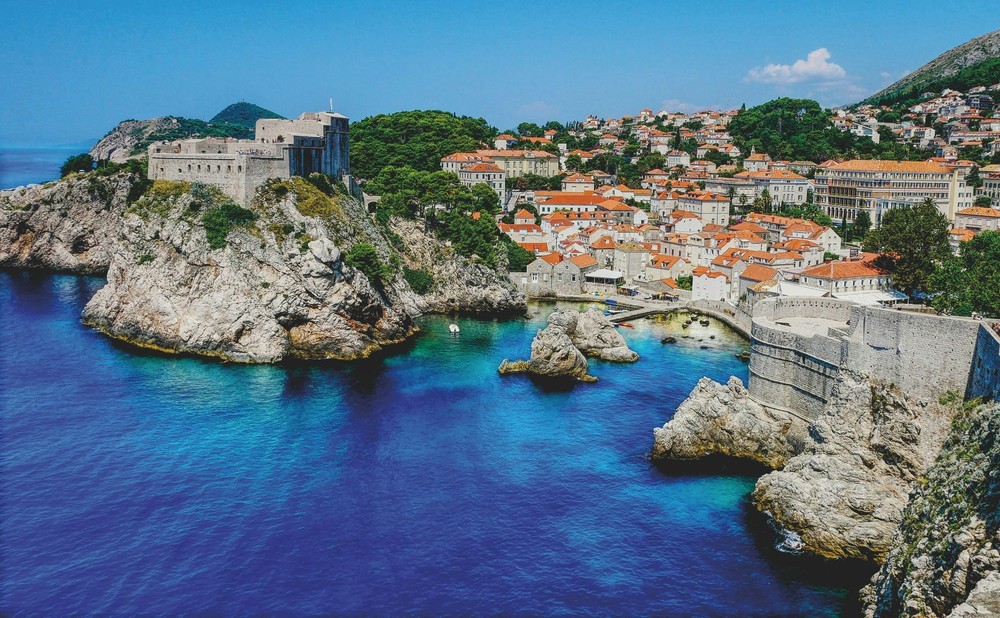
A Windstar Croatia cruise becomes most interesting when the ship fades into the background and the coastline takes over. Current Adriatic sailings can include Dubrovnik, Hvar, Split, Rovinj, and other Croatian ports. The exact combination depends heavily on your departure date.
That variety matters because Croatia refuses to give you one simple version of itself. One morning brings medieval walls, while another delivers Roman ruins, island harbors, beaches, wine, and waterfront cafés. You can cover centuries before dinner.
However, compare individual sailings carefully before choosing one. Ships, voyage lengths, port combinations, and time ashore can change between departures. The prettiest itinerary map is useless if it skips the places you actually want.
Dubrovnik, Split, and Croatia’s Historic Cities
Dubrovnik rewards travelers who give it more than a hurried photograph from outside the walls. Its UNESCO-listed Old City preserves Gothic, Renaissance, and Baroque buildings beside centuries of maritime history. Views across the Adriatic add another layer entirely.
Split offers a different encounter with the past. Diocletian’s Palace does not sit behind museum ropes like some preserved Roman monument. Shops, homes, cafés, and narrow passageways still occupy the ancient complex.
A guide can make these cities considerably richer. Independent wandering gives you freedom, but several centuries can blur together surprisingly quickly. Our Croatia historical tour guide explores how expert guidance changes that experience.
Hvar, Islands, and the Scenic Side of Croatia
Then Croatia changes the mood again. Hvar surrounds its harbor with stone streets, cafés, restaurants, historic buildings, and a fortress rising above town. Nearby islands stretch across intensely blue Adriatic water.
These island stops keep a Windstar Croatia itinerary from becoming a continuous history lesson. You can explore ruins one day and spend the next surrounded by water. That contrast gives the journey breathing room.
From Split, travelers can also reach the Blue Cave, Hvar, and neighboring islands by speedboat. This Blue Cave and five-island tour shows what a full day can include. Weather and sea conditions still make the final decisions.
Cabins, Dining, Service, and Life Onboard
A Windstar Croatia cruise keeps onboard life comfortable without trying to turn the ship into the destination. Cabins provide thoughtful storage, quality bedding, private bathrooms, and ocean views suited to longer Mediterranean voyages. The experience feels polished, but deliberately restrained.
Dining follows the same philosophy. You choose when and with whom to eat, rather than following assigned tables and fixed seating times. Evening dress stays casually elegant, so jackets and formal gowns can remain happily at home.
Service becomes more noticeable because the ships remain small. Crew members have fewer guests to recognize, and familiar faces appear quickly. That personal rhythm matters after several days aboard.
Cabins and Public Spaces
Accommodation varies considerably between Windstar’s sailing yachts and its all-suite Star Class ships. Star Class standard suites measure about 277 square feet, giving couples genuine breathing room. Storage, sitting areas, and well-designed bathrooms make unpacking worthwhile.
Travelers accustomed to enormous luxury suites may still notice limitations. A smaller ship cannot create endless residential spaces without sacrificing the intimacy that defines it. Fortunately, Croatia gives you excellent reasons to leave your cabin.
Days often revolve around ports, coastline views, and time outside. Back aboard, quieter lounges and open decks replace soaring atriums and shopping promenades. The atmosphere encourages conversation rather than constant stimulation.
That difference sounds subtle on paper. After several days, it can shape the entire vacation. You begin noticing how little onboard spectacle you actually miss.
Food and Service
Windstar approaches dining with variety, but without overwhelming you with twenty restaurants. Amphora handles dinner, while Veranda serves breakfast and lunch with buffet and made-to-order choices. Other venues add casual meals, specialty dining, and outdoor options.
Open seating keeps evenings flexible. You can dine together privately or join people you met earlier that day. Room service also gives you another option when lingering ashore leaves dinner plans uncertain.
Mediterranean sailings feature regional influences, while chefs also use locally sourced ingredients when available. Still, Croatia itself deserves some of your appetite. Our guide to Mediterranean food and wine worth seeking in port explains why.
Personalized service should feel practical rather than theatrical. Staff may remember preferences, recognize you around the ship, and make dining interactions feel less anonymous. Sometimes luxury simply means nobody treats you like passenger number 4,217.
Shore Excursions and How to Spend Your Port Time

A Windstar Croatia cruise gives you several ways to experience each port, and the smartest choice may change daily. Ship excursions offer convenience and clearer return-to-ship protection. Independent guides and third-party tours often provide smaller groups and more flexibility.
Croatia rewards travelers who mix structure with freedom. A guided morning can give meaning to ancient stones, old walls, and complicated history. Then an unscheduled afternoon lets you follow a quiet lane, linger over lunch, or simply stop.
That balance matters more than filling every hour. Empty nest travel often works better when you stop planning like a family cruise director. Croatia gives you plenty to see, but it also gives you reasons to slow down.
Practical details deserve equal attention. Cobblestones, stairs, summer heat, and boat conditions can change an excursion from memorable to miserable. Comfortable shoes may become your most glamorous travel accessory.
Dubrovnik Excursions
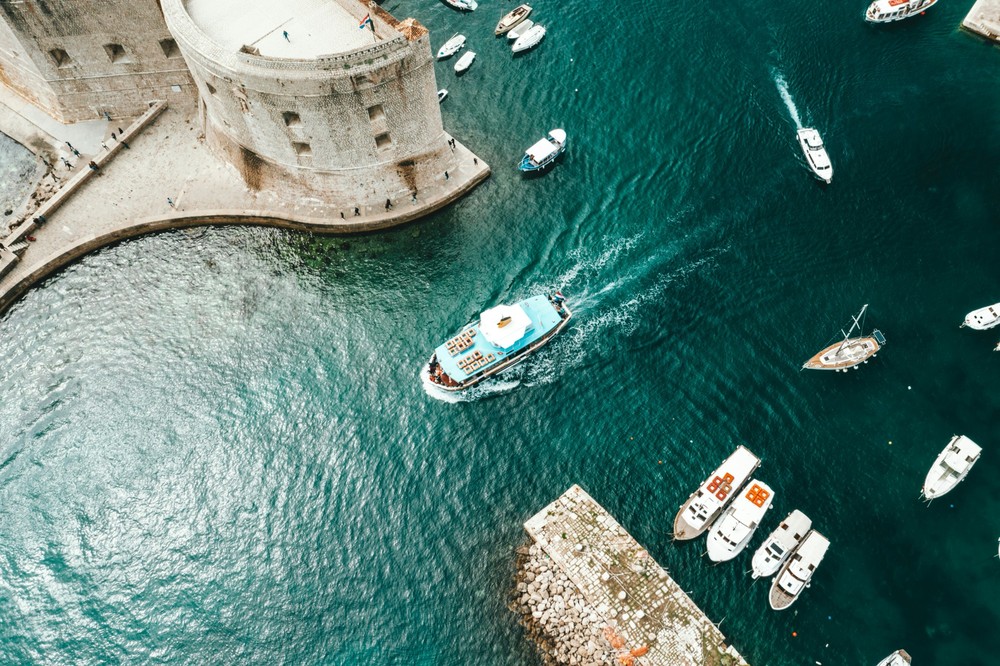
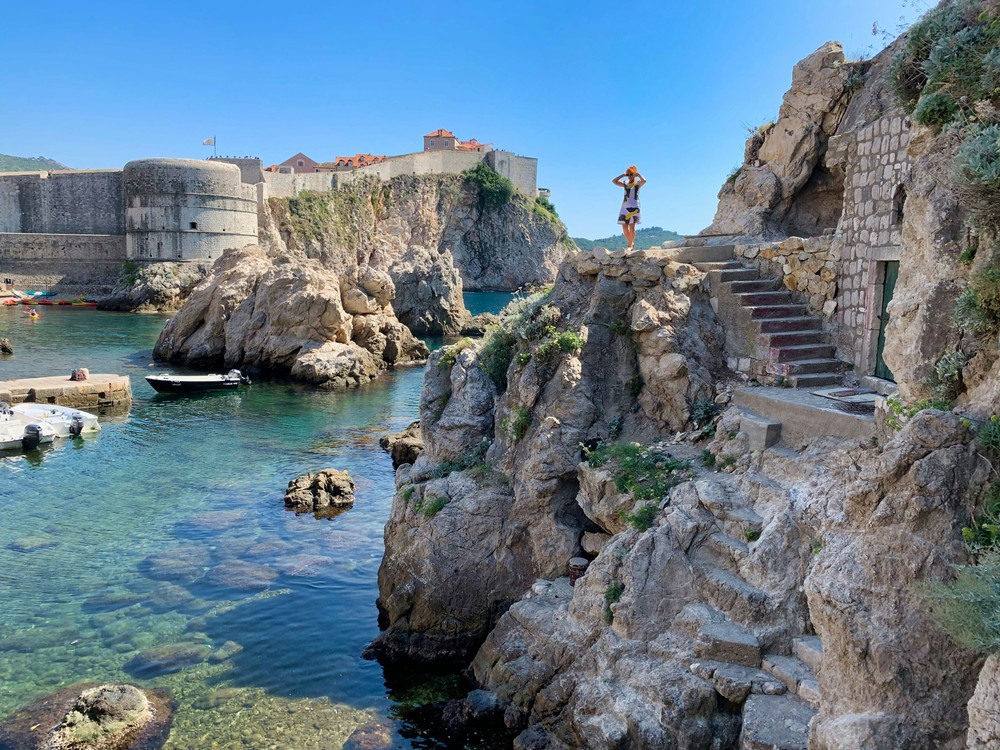
For first-time visitors, Dubrovnik’s walls and Old Town make a strong starting point. The elevated route reveals rooftops, fortifications, the Adriatic, and the city’s layered history. A knowledgeable guide can connect those views to stories you might otherwise walk past.
The Dubrovnik Ancient City Walls and Wars walking tour lasts about two hours. Expect numerous stairs, limited shade, and significant sun exposure during warmer months. Anyone with mobility concerns should assess the route realistically.
Exploring independently gives you more control over pace and photography stops. Guided touring adds context about architecture, warfare, politics, and daily life inside the walls. Sometimes knowing what happened there makes the view far more powerful.
Split and Island Excursions
Split offers an easier choice between history and adventure. A small-group walking tour with a history professor explores the Riva, Diocletian’s Palace, gates, squares, and later city layers. The compact route leaves room for independent wandering afterward.
A full-day island excursion creates a completely different experience. Speedboat tours can reach Hvar, Vis, the Blue Cave, and swimming locations across the Adriatic. That sounds irresistible until the sea decides otherwise.
Rough water can make long speedboat days physically demanding. Travelers with back problems or limited mobility should consider that carefully. Sometimes the shorter excursion leaves you with the better day.
Is a Windstar Croatia Cruise Worth the Cost?
A Windstar Croatia cruise can offer strong value, but only when you value what the smaller ship actually provides. You are paying for access, atmosphere, service, and destination time. You are not buying the longest list of onboard attractions.
That distinction matters when comparing prices. A cheaper mainstream cruise may offer more restaurants, entertainment, pools, and elaborate public spaces. Windstar makes more sense when those extras matter less than Croatia itself.
For many empty nest couples, that shift comes naturally. Travel changes when you stop planning around everyone else, including how you define value. The best cruise may no longer be the one offering the most stuff.
What to Include When Comparing Prices
Start with the complete trip cost, not the headline cruise fare. Compare cabin category, airfare, hotels, transfers, insurance, excursions, drinks, gratuities, and Wi-Fi. Specialty purchases and meals ashore belong in the calculation too.
Windstar currently offers different fare structures and promotions that can change what your cruise includes. Some offers bundle Wi-Fi, gratuities, and selected beverages into the fare. Others may leave more expenses separate.
Cabin choice can also move the final number considerably. Promotions change, and different departures can carry different pricing or inclusions. Always compare the exact sailing you would actually book.
The mistake is comparing Windstar against a deeply discounted mainstream fare without matching the entire vacation. That comparison can make either cruise look misleadingly expensive. Your real question is what each dollar buys you.
Who Should Book Windstar Croatia, and Who Should Not
Windstar fits travelers who want historic ports, regional food, quieter evenings, smaller ships, and substantial time ashore. Couples who enjoy boutique hotels may feel particularly comfortable here. The ship supports Croatia rather than competing with it.
You may feel differently if evening entertainment drives your cruise choice. Travelers wanting casinos, numerous restaurants, massive suites, and constant activities will find larger ships stronger. Paying more for fewer attractions would make little sense.
So, is Windstar Croatia worth the cost? For the right travel style, yes, because its strengths align closely with the destination. For everyone else, another cruise line may provide better value.
Could Windstar Be the Way You Want to See Croatia?
Windstar makes the strongest case when Croatia matters more to you than the ship itself. Small yachts create quieter days, while historic ports and island scenery provide the real entertainment. Relaxed evenings give you space to enjoy the experience together.
Still, the tradeoffs deserve attention. Windstar offers fewer restaurants, fewer entertainment choices, and smaller public spaces than major cruise ships. Excursions can also increase the total cost faster than the original fare suggests.
The right itinerary matters just as much as the cruise line. Dubrovnik, Split, Hvar, Rovinj, and other ports create very different experiences. Choose the sailing around the Croatia you actually want to experience.
If that quieter style sounds right, start planning your Croatia vacation and tell me how you want the trip to feel. We can look at Windstar alongside other options instead of forcing one cruise line into every situation. The goal is finding the experience that fits the two of you.
Not ready to plan yet? Join our Luxury Travel by Eric: Empty Nester Couples Vacations Facebook group and stay connected with other travelers in this stage of life. You may discover that your next trip starts with a conversation rather than a booking.
P.S. If you’re considering Croatia and want to dig a little deeper before deciding how you want to experience it, these articles may help. I cover everything from overall cost and value to several of the small-ship cruise options available along the Croatian coast.