
Some of the best cultural experiences in Portugal aren’t the places you rush through with a checklist. They’re the evenings listening to Fado in Lisbon, meeting artisans who still paint azulejos by hand, tasting wine where the grapes are grown, walking through Évora with someone who knows its history, and sitting down to a meal that tells you something about the region you’re visiting.
For empty nesters, Portugal is especially well suited to this kind of travel because you finally have the freedom to slow down. You don’t need to see Lisbon, Porto, the Douro, Sintra, Alentejo, and the Algarve in one frantic trip. Pick the regions that interest you most and leave enough time to actually experience them.
If cultural experiences are a priority, I’d put Lisbon’s Fado and tile traditions, Porto’s art and craftsmanship, Évora and the Alentejo countryside, Sintra and Colares, traditional Portuguese food, and at least one local festival or market high on the list.
Below, we’ll look at those experiences, where to find them, and which ones may be worth building into your Portugal itinerary.
What Are the Best Cultural Experiences in Portugal?
Some of the best cultural experiences in Portugal include hearing Fado in Lisbon, learning about traditional azulejos, exploring Porto’s art and craftsmanship, visiting Évora and an Alentejo cork estate, tasting wine in Colares, exploring Quinta da Regaleira, meeting Algarve artisans, trying traditional Portuguese foods, and experiencing a local festival.
For a first trip, don’t try to do all of them. Choose the experiences that fit your interests and build enough time into the itinerary to actually enjoy them.
What Makes Portugal So Good for Cultural Travel?
Portugal’s culture isn’t confined to museums and monuments. You encounter it in neighborhood restaurants, Fado houses, markets, wineries, religious traditions, family-run businesses, and crafts that are still practiced today.
That makes Portugal particularly rewarding if you’d rather understand a destination than simply photograph its major sights. You can certainly visit the castles, churches, palaces, and viewpoints, but some of the experiences you’ll remember most may come from talking with a local guide, meeting an artisan, or spending a few hours around a table.
The other advantage is variety. Lisbon and Porto give you city culture, Alentejo offers smaller towns and rural traditions, the Douro connects landscape with wine, and places such as Sintra and the Algarve add their own history and regional character. You don’t have to experience all of them on one trip.
Best Cultural Experiences in Lisbon
Lisbon is an easy place to fill a sightseeing list, but I’d leave room for experiences that help you understand the city rather than simply move through it.
Alfama and Mouraria are particularly useful places to start. Fado, traditional neighborhoods, azulejos, small restaurants, viewpoints, and everyday street life give you several ways to experience Portuguese culture within a relatively compact part of the city.
You don’t need to turn this into another checklist. Give yourself time to walk, stop for something to eat, and explore with a knowledgeable guide when the history or traditions deserve more explanation.
Hear Fado in Alfama
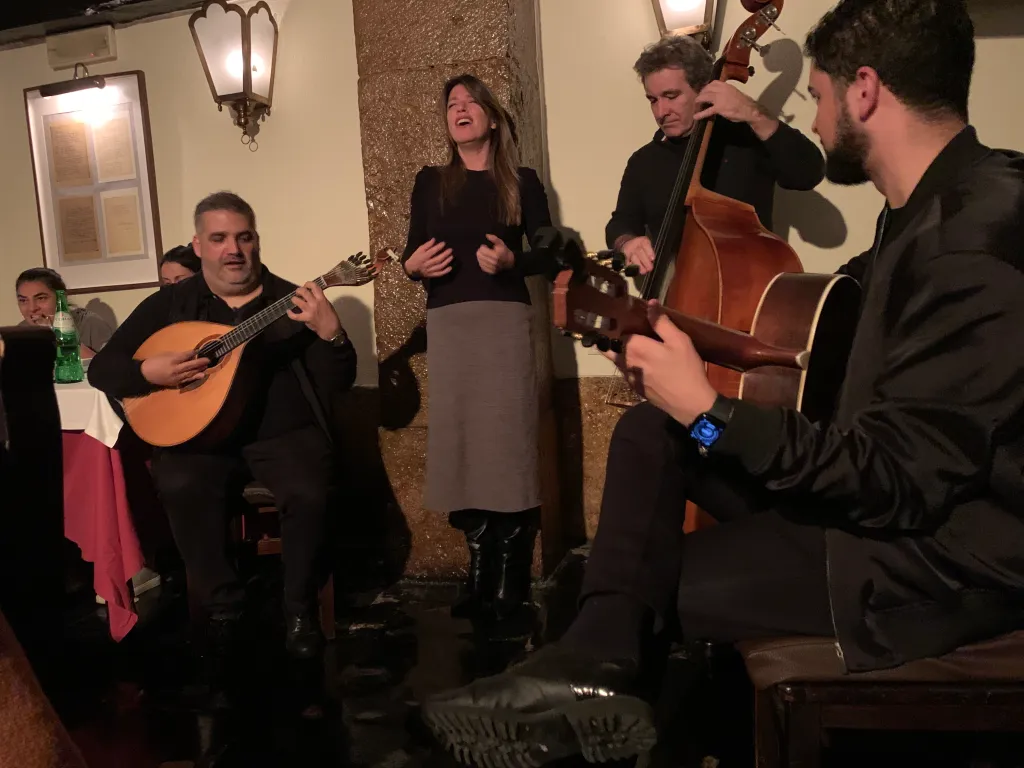
Fado is one of the cultural experiences I’d make time for in Lisbon. The music is closely associated with neighborhoods such as Alfama and Mouraria, and hearing it performed in an intimate setting gives you something very different from another evening of sightseeing.
You can book dinner at a Fado house or choose a guided experience that combines the music with neighborhood history, food, or wine. I’d choose the experience based on the atmosphere you want rather than simply picking the first Fado show that appears in a search. A smaller setting with some context about the music and neighborhood will usually tell you more about Lisbon than treating Fado as just another nighttime attraction.
Learn About Portuguese Azulejos
Portugal’s painted ceramic tiles, or azulejos, are everywhere in Lisbon, but it’s easy to admire them without understanding much about the tradition behind them.
A tile workshop or artisan visit can change that. Instead of simply photographing tiled buildings, you can learn how the designs are created, how the craft developed, and in some workshops even paint a tile of your own.
For empty nesters who enjoy hands-on experiences, this is the kind of activity I’d consider adding between the major Lisbon sights. You come away with a better understanding of something you’ll continue seeing throughout Portugal—and possibly a much more meaningful souvenir than whatever was sitting near the airport checkout line.
Best Cultural Experiences in Porto
Porto is closely associated with Port wine, but don’t make the mistake of treating the city as simply the place you stay before visiting the Douro Valley.
Architecture, art, churches, markets, craftsmanship, food, and the neighborhoods along the Douro give Porto plenty of cultural depth of its own. It’s also a city that rewards walking rather than racing from one attraction to another.
Two experiences worth considering beyond the usual sightseeing are the Serralves Foundation for art, architecture, and gardens, and the traditional filigree craftsmanship associated with nearby Gondomar.

Explore Art and Gardens at Serralves
The Serralves Foundation is a good addition if you want something in Porto beyond churches, wine cellars, and historic streets. The property brings together contemporary art, architecture, and extensive gardens in one place.
The Art Deco Serralves Villa is one of the highlights, but I’d give yourself time for the grounds as well. The gardens, sculptures, wooded areas, and museum make this less about checking off another attraction and more about spending a few hours somewhere that feels completely different from central Porto.
This is especially worth considering if one or both of you enjoy art but don’t necessarily want to spend half a day inside a traditional museum.
See Traditional Portuguese Filigree in Gondomar
Just outside Porto, Gondomar has a long connection to Portuguese goldsmithing and filigree, the delicate technique of creating intricate designs from fine metal threads.
If craftsmanship interests you, look for an opportunity to visit a working atelier or learn about the process from an artisan. Seeing how much skill and patience goes into a single piece gives you a very different appreciation for the jewelry you’ll see throughout Portugal.
This is exactly the kind of experience I like adding to a trip when it fits the travelers. It isn’t a famous monument everybody feels obligated to visit. It’s a chance to meet someone keeping a Portuguese tradition alive and understand the work behind it.
Cultural Experiences in Alentejo
Alentejo is where I’d send travelers who want to slow Portugal down. Instead of another major city, you get whitewashed towns, vineyards, cork forests, historic sites, regional food, and considerably more room to breathe.
Évora makes a particularly good base because you can combine an important historic city with experiences in the surrounding countryside. Rather than packing and moving every day, you can explore the region at a more comfortable pace.
For empty nesters interested in history, wine, food, agriculture, and local traditions, Alentejo can easily become one of the most memorable parts of a Portugal itinerary.
Explore the History of Évora
Évora is one of the places I’d strongly consider including if you want history without the pace of another major city. Its historic center is a UNESCO World Heritage Site, and Roman, medieval, and later Portuguese history sit surprisingly close together.
You can walk between the Roman Temple, cathedral, old streets, churches, and other historic sites without spending the day getting from one side of a large city to the other. That compactness makes Évora particularly appealing for travelers who like exploring on foot but don’t want every sightseeing day to feel like a marathon.
This is also a place where a knowledgeable guide can add real value. You can certainly walk around on your own, but understanding what you’re looking at—and how the different periods of Portuguese history fit together—can turn a pleasant afternoon into one of the more interesting days of the trip.
Visit a Cork Estate in Alentejo
One of the more unusual experiences you can add in Alentejo is a visit to a cork estate. Cork is an important part of the region’s landscape and economy, and seeing where it comes from makes all those cork products you’ll encounter around Portugal considerably more interesting.
A good estate visit can explain how cork oaks are grown, how the bark is harvested, and why the trees can continue producing cork over many years. Depending on the property and tour, the experience may also include the surrounding farm, local products, wine, or a meal.
I’d consider this especially worthwhile if you enjoy experiences where you actually learn how something is produced. It’s a nice change from another palace or church and gives you a reason to spend time in the Alentejo countryside rather than treating Évora as a quick day trip.
Cultural Experiences Beyond Sintra’s Palaces
Sintra deserves more than a quick stop at Pena Palace. The palaces may be what first bring you here, but the surrounding area also gives you opportunities to explore Portuguese wine, history, architecture, and some genuinely unusual places.
Quinta da Regaleira is one of the most interesting examples, especially if you enjoy symbolism and architecture. Nearby Colares offers a completely different experience through a wine tradition shaped by its location close to the Atlantic.
If your schedule allows it, I’d rather give Sintra enough time to explore a couple of these experiences than rush through several palaces simply because they’re on every sightseeing list.
Taste the Wines of Colares
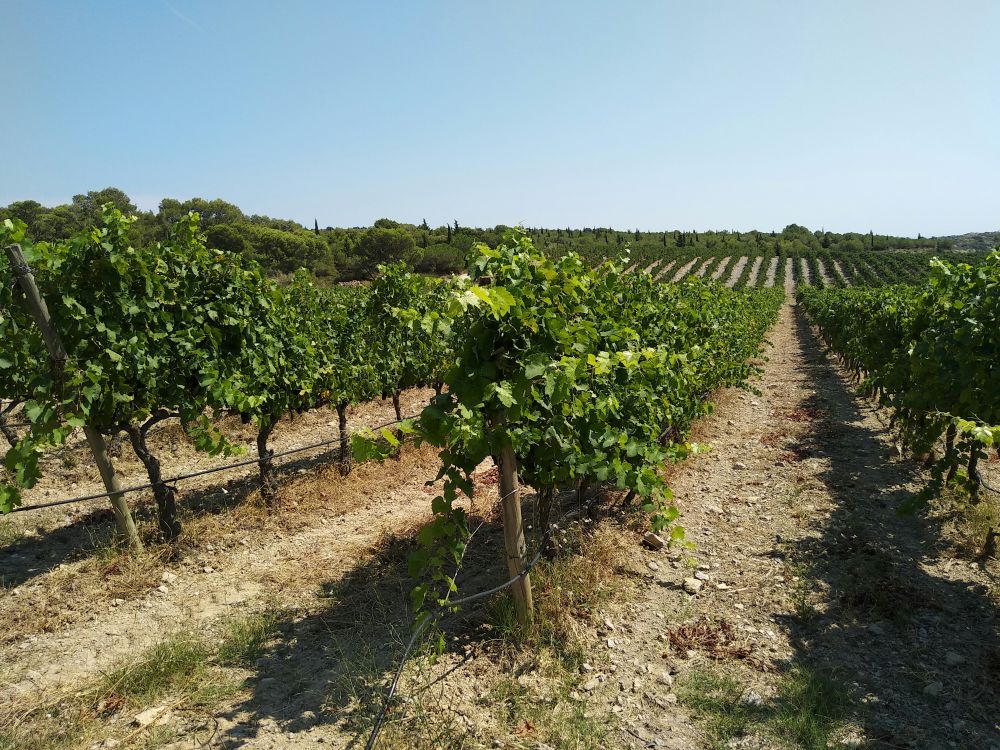
Colares gives wine lovers a reason to spend more time around Sintra. The wine region sits close to the Atlantic, where sandy soils, coastal conditions, and traditional growing methods have helped create a distinctive local wine culture.
Rather than treating this as another generic wine tasting, look for an experience that explains why wine production here is different. Learning about the vineyards and local grape varieties before tasting the wine gives the glass considerably more context.
For couples who already enjoy visiting wineries when they travel, Colares can be an interesting contrast to Portugal’s much better-known Douro Valley. You don’t need to be a wine expert to enjoy it—curiosity will do just fine.
Explore Quinta da Regaleira
Quinta da Regaleira is one of Sintra’s most unusual places to explore. The estate combines architecture, gardens, tunnels, towers, grottoes, and the famous Initiation Well, so this is somewhere I’d give yourself time to wander rather than race through.
The symbolism throughout the property is part of what makes it interesting, but it’s also easy to walk past details without understanding what you’re seeing. If that side of Regaleira interests you, a knowledgeable guide can provide historical context and explain some of the ideas and influences associated with the estate.
Even without turning the visit into a history lesson, Regaleira offers a completely different experience from Pena Palace. If you’re spending more than a few hours in Sintra, I’d seriously consider making room for both.
Cultural Experiences in the Algarve Beyond the Beaches
The Algarve is best known for beaches, cliffs, and resort towns, but there’s more to the region than its coastline. Historic villages, traditional crafts, markets, and the area’s long Portuguese and Islamic history give you plenty to explore away from the beach.
That’s worth remembering if you’re spending several days in the Algarve. You don’t have to choose between relaxing and experiencing the region’s culture. Spend one day along the coast and another exploring a town, market, workshop, or historic site.
Cacela Velha and Loulé are two places worth considering if you’d like to see a different side of southern Portugal.
Explore the History of Cacela Velha
Cacela Velha is a small historic village overlooking the Ria Formosa, and it’s the kind of place that works well when you want a quieter break from the Algarve’s busier resort areas.
The village and surrounding area reflect different periods of southern Portugal’s history, including centuries of Islamic rule before the Christian reconquest. Rather than trying to turn every building into a history lesson, spend some time walking the village, enjoying the views, and learning how this part of the Algarve developed.
If you’re particularly interested in the region’s history, a knowledgeable local guide can provide context that isn’t obvious when you’re walking around on your own. It’s a relatively small place, so this experience works especially well as part of a broader day exploring the eastern Algarve.
Meet Local Artisans in Loulé
Loulé is a good choice if you’d like to see some of the traditional crafts that are still part of life in the Algarve. Its historic center, market, and artisan workshops give you an easy way to spend several hours away from the beach.
Depending on what’s available during your visit, you may find artisans working with ceramics, leather, metal, or other traditional materials. A workshop or demonstration gives you a chance to see how something is actually made rather than simply buying the finished product in a souvenir shop.
I’d combine this with time at Loulé’s market and historic center rather than making the workshop your only reason for visiting. That gives you a more complete look at the town and makes for an easy cultural day while you’re staying in the Algarve.
Experience Portuguese Culture Through Food
Food is one of the easiest—and most enjoyable—ways to understand Portugal. Regional dishes, neighborhood restaurants, markets, bakeries, wine, and long meals around the table can tell you as much about a place as another hour inside a museum.
The key is to go beyond simply asking what Portuguese foods you should try. Learn where a dish comes from, why it’s associated with a particular region, and how people actually eat it.
You don’t need every meal to become a culinary tour. A food walk in Lisbon or Porto, a cooking experience in Alentejo, a visit to a traditional bakery, or simply asking a good local guide where they’d eat can add a lot to the trip.
Try Portugal’s Traditional Convent Sweets
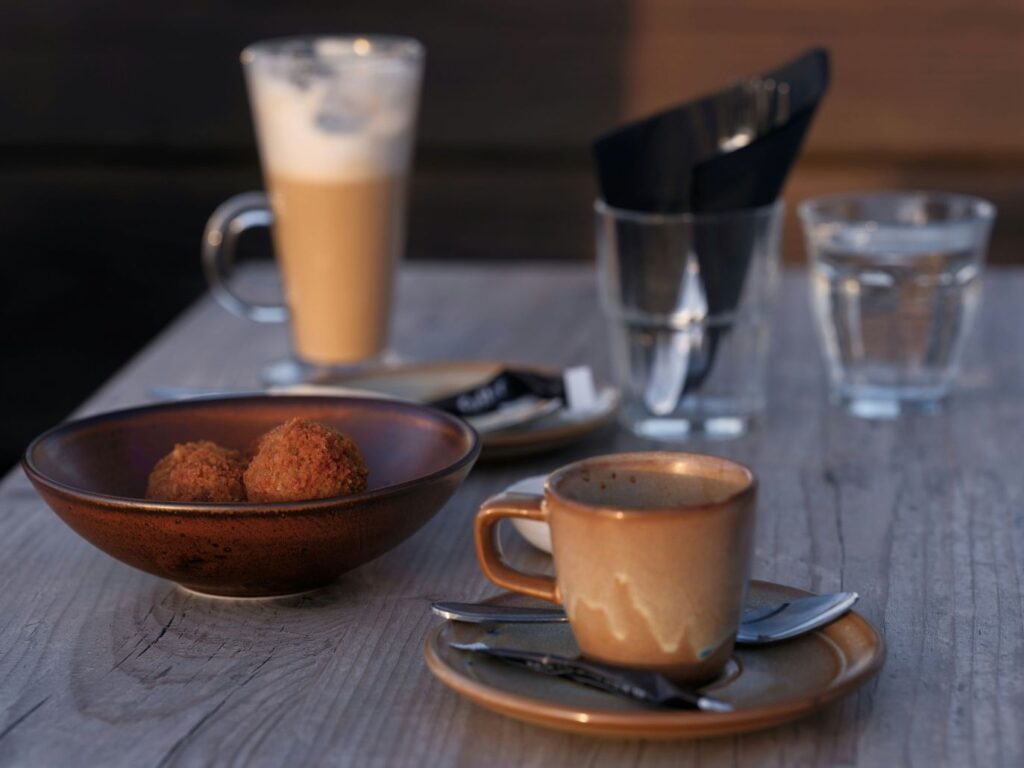
Portugal has a long tradition of sweets associated with convents and monasteries, many built around ingredients such as egg yolks, sugar, and almonds. You’ll find different specialties as you travel, which gives you a good excuse to try more than one. I’m willing to make that sacrifice in the name of cultural research.
Pastéis de Tentúgal and Aveiro’s ovos moles are two examples, but they’re far from the only ones. Rather than hunting for one particular pastry everywhere you go, ask what sweet is traditional in the town or region you’re visiting.
A historic bakery or food tour can add some context to what you’re tasting. And even if you forget half the history by the time you get home, there’s a pretty good chance you’ll remember the pastry.
Book a Portuguese Food Experience
If food is an important part of your trips, consider going beyond restaurants and booking an experience that gives you some interaction with the people, ingredients, and traditions behind Portuguese cooking.
In Lisbon or Porto, that might mean a small-group food tour through neighborhood restaurants, markets, and traditional shops. In Alentejo, you might choose a cooking experience, winery lunch, or meal built around regional ingredients and recipes.
For couples, these experiences also make a nice change of pace. Instead of spending another afternoon sightseeing, you get a few hours to eat, talk, learn something, and enjoy Portugal at a slower pace.
Experience a Traditional Portuguese Festival
Portugal’s festivals can give you a completely different look at local life, but I wouldn’t plan an entire trip around one unless the festival itself is especially important to you.
A better approach is to check what’s happening in the places you’re already considering. Religious celebrations, harvest festivals, street parties, food events, and local fairs can turn an ordinary day into one of the experiences you remember most.
Just understand the tradeoff. Major festivals can also mean bigger crowds, higher hotel demand, street closures, and late nights. Sometimes that’s exactly what you want. Other times you’d rather visit three days later when everybody has gone home.
Join Portugal’s Summer Saints Festivals
If you’re traveling in June, Lisbon and Porto host two of Portugal’s best-known summer celebrations.
Lisbon celebrates Santo António with decorated streets, music, neighborhood parties, parades, and the smell of grilled sardines seemingly everywhere. Porto’s São João celebrations bring crowds into the streets for music, festivities, and fireworks.
These can be terrific experiences, but don’t expect a quiet evening. If one falls during your trip, plan ahead for accommodations and transportation, wear comfortable shoes, and go into the night knowing that the crowds are part of the experience.
Look for Autumn Harvest Traditions
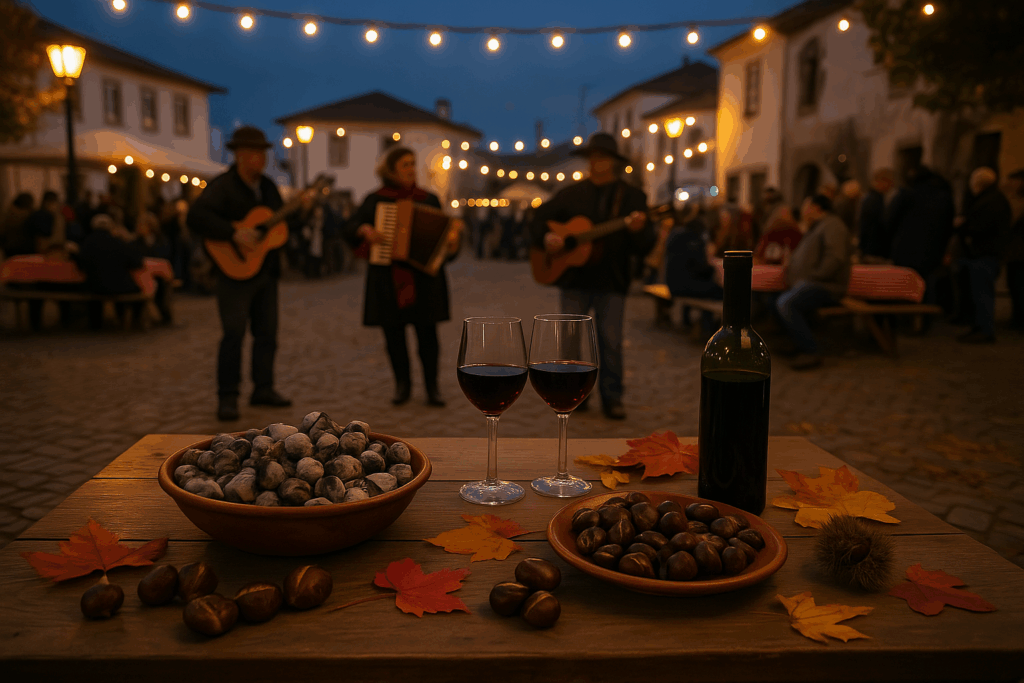
Traveling in autumn gives you opportunities to encounter seasonal traditions that are very different from Portugal’s summer festivals.
Depending on the region and timing, you may find celebrations connected with chestnuts, olives, wine, or other agricultural traditions. Smaller communities often combine these events with local food, music, markets, and regional products.
Rather than building your itinerary around a generic harvest-festival date, check the official tourism information for the specific towns and regions you’ll be visiting. Festival schedules can change from year to year, and a little research shortly before the trip can uncover something you wouldn’t have known to look for months earlier.
Where to Stay for a More Cultural Portugal Experience
Where you stay can become part of the experience too. Portugal has historic hotels, restored manor houses, vineyard properties, and family-run countryside estates that offer much more personality than simply choosing the closest large hotel.
That doesn’t mean you need to sacrifice comfort. For the kind of Portugal trip I’d recommend to most empty-nester couples, the sweet spot is a comfortable property with a strong sense of place and a location that makes exploring easy.
In the countryside, a quinta can be especially appealing. In Lisbon or Porto, I’d look for a smaller property in a neighborhood that lets you walk out the door and actually experience the city.
Stay in a Historic Portuguese Hotel
Portugal has converted former palaces, manor houses, monasteries, and other historic buildings into hotels, giving you the opportunity to stay somewhere that actually feels connected to the destination.
The best properties balance that history with the comfort you expect on vacation. Original architectural details, azulejos, courtyards, gardens, and locally influenced design can make the hotel part of the trip rather than simply the place where you sleep.
Location still matters, though. A beautiful historic hotel isn’t much help if it makes everything you want to do unnecessarily difficult. I’d choose character and convenience together rather than sacrificing one completely for the other.
Stay at a Quinta in the Portuguese Countryside
Outside Portugal’s major cities, a stay at a quinta can give you a completely different experience. These countryside properties range from working wine estates to beautifully restored family properties and small luxury hotels.
Depending on the property, your stay might include wine tastings, estate tours, regional meals, walking trails, cooking experiences, or simply time to slow down and enjoy the landscape.
This can work particularly well in Alentejo and the Douro Valley. Instead of visiting the countryside for a few hours and heading back to the city, staying overnight lets the region become part of the trip.
How to Plan a Cultural Trip to Portugal
The biggest mistake I’d avoid is trying to fit every experience in this article into one trip. Portugal looks relatively small on a map, which makes it tempting to keep adding another city, another day trip, and another experience.
Don’t.
Choose the regions and experiences that matter most to you and leave some breathing room between them. A Portugal itinerary built around four meaningful experiences will usually be more enjoyable than one built around fourteen things you barely have time to see.
For most empty-nester couples, I’d also spend money selectively on good local guides and private or small-group experiences when they genuinely add something you couldn’t easily get on your own.
Use Local Guides Where They Add Real Value
You don’t need a guide for everything you do in Portugal. Sometimes wandering around on your own is exactly the point.
But a good local guide can be worth the money when history, culture, food, wine, or local access is central to the experience. That’s especially true in places where simply looking at a building or landscape doesn’t tell you much about why it matters.
I’d use guides selectively: perhaps for a Lisbon neighborhood experience, Évora’s history, a specialized food or wine experience, or somewhere else where the guide’s knowledge meaningfully changes what you’ll get out of the day.
A Few Practical Tips Before You Go
A little preparation makes these experiences easier. Comfortable walking shoes matter more than people sometimes expect, particularly in Lisbon, Porto, Sintra, and Évora, where hills, cobblestones, and uneven surfaces can turn the wrong pair of shoes into a very long day.
When visiting churches or religious sites, dress respectfully and check any site-specific requirements before you go. Learning a few basic Portuguese words and greetings is also appreciated, even though you’ll encounter plenty of people who speak English in the major visitor areas.
Most importantly, don’t schedule every hour. Leave enough room for a longer lunch, an interesting shop, a conversation with a guide, or something you didn’t know existed until you got there. That’s often where the best parts of a Portugal trip come from.
Which Portugal Cultural Experiences Are Worth Your Time?
You don’t need to do everything on this list to have a culturally rich trip to Portugal. In fact, I’d recommend the opposite.
If this is your first trip, choose a few experiences that match what you already enjoy. Love music? Make time for Fado in Lisbon. Food and wine people? Build in a food experience, Colares, Alentejo, or the Douro. History gets you excited? Give Évora and Sintra enough time to actually explore them. Prefer meeting people and seeing how things are made? Look at tile, filigree, cork, or other artisan experiences.
That’s one of the reasons Portugal works so well for empty nesters. You finally have the freedom to travel based on what interests the two of you instead of trying to keep an entire family entertained.
And you don’t have to figure out how to fit all those pieces together yourself. If you’d like help designing a Portugal itinerary around your interests, travel pace, and the experiences you actually care about, that’s exactly what we do at Empty Nester Getaways.
Ready to plan your Portugal getaway? Start planning with us.