
Historical tours France offer couples something deeper than sightseeing. These journeys create space to slow down, reflect, and connect. It’s not about ticking off monuments. It’s about experiencing places with meaning. When travel isn’t rushed, it changes the way people see the world—and each other.
Couples often choose historical tours France because they want their travel to feel personal. A good tour doesn’t just explain what happened. It helps you imagine it. You’re not looking at ruins; you’re walking through someone else’s yesterday. That emotional connection is what stays with you long after you return home.
These tours also bring balance. They’re paced thoughtfully. There’s time to relax in a garden, chat over a long lunch, or linger in a museum without pressure. You can enjoy the rhythm of the day without feeling pushed. That’s a major reason couples favor this kind of travel.
Many couples say historical tours France feel different than any other type of travel. That difference often comes down to depth. When you visit a place with historical weight, you’re not just seeing stones or statues—you’re stepping into a moment. A battle, a decision, a celebration, a loss. You can feel it.
This kind of travel appeals to couples because it’s shared. Not in a group-tour way, but in a way that invites reflection. You talk about what moved you. You share what surprised you. And often, you remember it far more than any picture-perfect view.
Travel like this doesn’t happen by accident. It requires thoughtful planning and a guide who understands how to bring the past into the present. That’s why small-group or private historical tours France are the best fit for travelers who want substance without the stress.
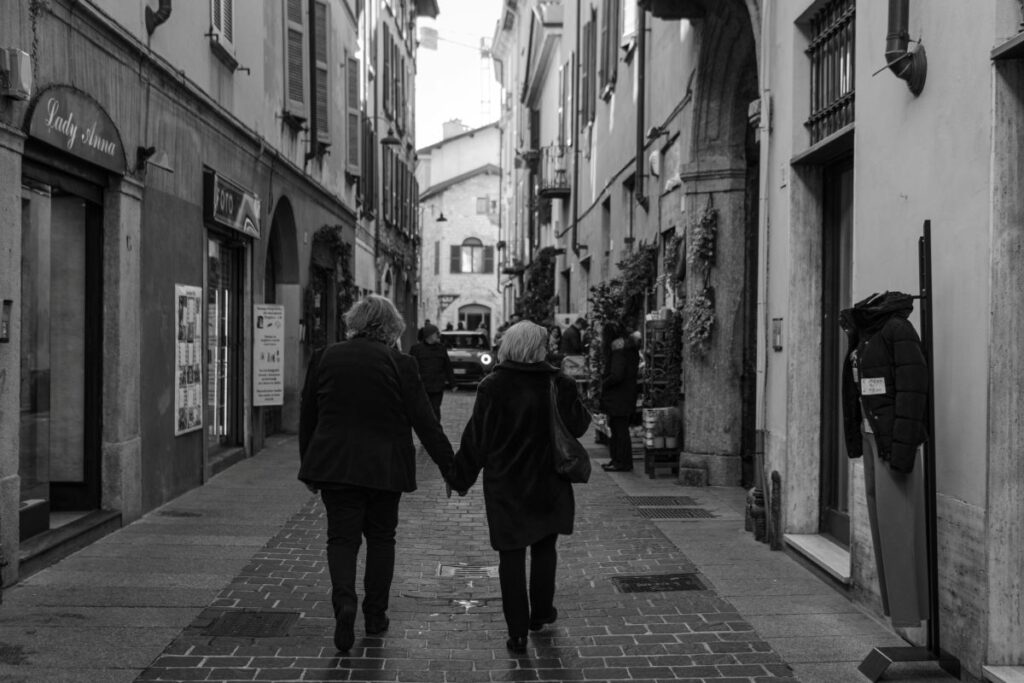
Normandy: Standing in the footsteps of history
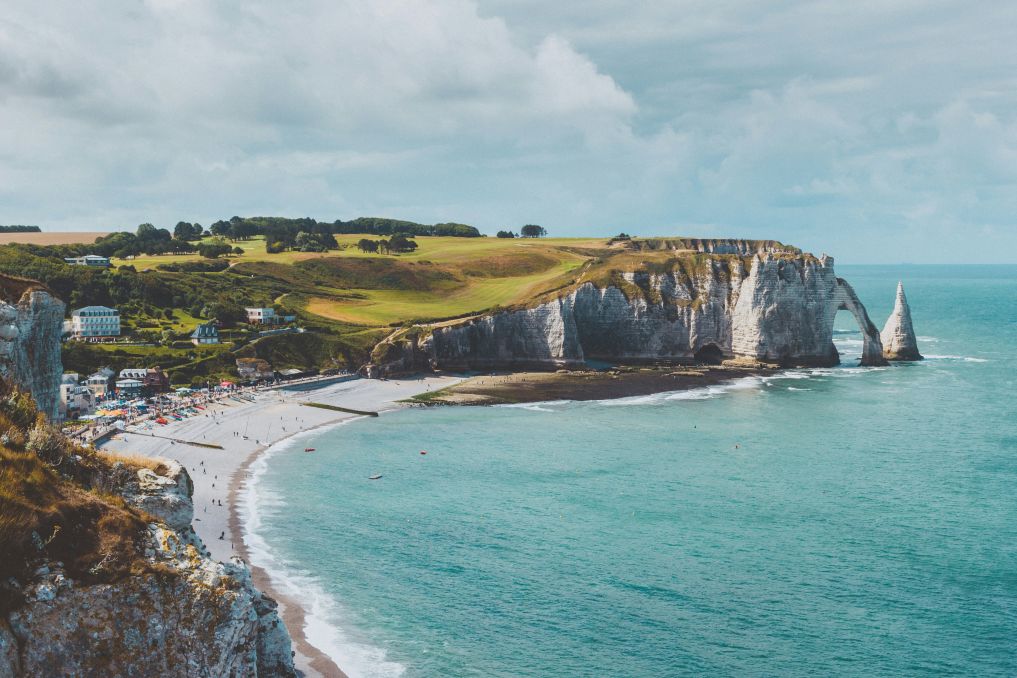
Many historical tours France begin in Normandy, and for good reason. This region carries the weight of World War II in its sand, cliffs, and towns. Walking the beaches—Omaha, Utah, Gold—you don’t just see history. You feel it.
At Omaha Beach, silence speaks volumes. The American Cemetery nearby holds more than 9,000 white crosses. It’s not just about loss—it’s about connection. Couples often pause here, hand in hand, taking it all in. The Normandy Memorial Trust helps visitors learn the personal stories behind the names.
Inland, Bayeux adds calm to the experience. Its cathedral stands untouched by war, and the famous 11th-century tapestry offers a window into a much earlier invasion. Staying in Bayeux lets you explore deeply without leaving comfort behind.
At Pointe du Hoc, you’ll walk past craters and bunkers. Guides share the story of the Rangers who scaled those cliffs under fire. It’s powerful, not polished. Raw, and real.
Historical tours France use Normandy to show how recent history still lives in the land. Sainte-Mère-Église, with its story of John Steele and the paratroopers, brings D-Day to life. The Airborne Museum adds depth to that moment.
But it’s not all famous sites. Small towns still carry memories. A quiet café where someone remembers the war. A field once crossed by tanks. Normandy’s power is in the details—layered, lived-in, and unforgettable.
Loire Valley: Royal drama in wine country
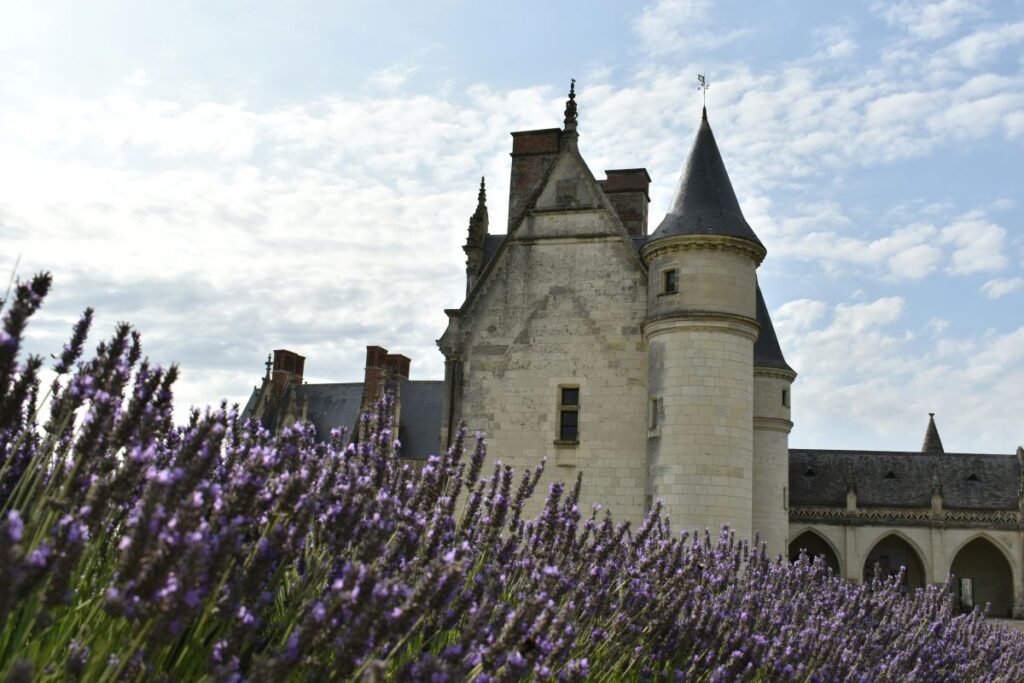
The Loire Valley is famous for its castles, but historical tours France show there’s more here than grand façades. This region tells stories of rivalry, rebellion, and legacy—served with world-class wine.
At Château de Chenonceau, every hallway has seen strategy and survival. Once owned by powerful women, it was used as a hospital in World War I and a resistance route in World War II. Walking through, it’s clear this place was more than decoration—it was a lifeline.
Then there’s Chambord, a symbol of royal ambition. Its double-helix staircase and sweeping forest views recall hunting parties and court gatherings. From the rooftop, history feels surprisingly close.
In Amboise, Clos Lucé offers something different—Leonardo da Vinci’s final home. The gardens are filled with his inventions, and the town’s calm invites quiet evenings along the river.
Traveling between towns by bike or boat adds to the charm. These slower routes let you feel the rhythm of the land. You’re not just visiting—you’re inhabiting it.
Blois offers four styles of architecture and layers of political drama. Plots, betrayals, and royal tensions all unfolded within those walls. And a good guide doesn’t just repeat facts—they make the past feel personal.
Even wine tells a story here. Monks once planted these vines. Wars were partly paid for with their harvest. Today, tastings connect visitors with centuries-old traditions. In the cool cellars, history is literally bottled.
Historical tours France that include the Loire Valley bring beauty, yes—but also surprise. It’s in the guide’s quiet story, the echo of footsteps in a garden, the sip of a wine with a past.
Provence: Roman roads, medieval popes, and timeless villages
In southern France, Provence offers a rare blend of sunshine, scenery, and layered history. Historical tours France often highlight this region for couples who want meaning without rush.
Start at Pont du Gard, a massive Roman aqueduct that’s over 2,000 years old. Walking across it, you feel more than awe—you feel the weight of time. It’s quiet, open, and still doing its job: connecting.
In Arles, Roman life comes into focus. The amphitheater still hosts events. Nearby, ruins mix with markets and cafés, some on streets Van Gogh once painted. With a walking tour, you get the facts—and time to take it all in.
Then there’s Avignon. The Palais des Papes tells a deeper story of religion and power. Standing in its frescoed halls, you see how France briefly took the papacy from Rome. It’s political, personal, and easy to imagine with the right guide.
Markets bring the past down to earth. Local olives, herbs, and bread tell you what mattered to people here, centuries ago. Food and history go hand in hand.
Vaison-la-Romaine adds the final touch. Roman streets, a still-used bridge, and a hillside amphitheater that hosts modern concerts—all without big crowds. These aren’t frozen in time. They’re still part of everyday life.
The difference here? Many guides are locals. Their stories go beyond dates. “My uncle hid this bell during the war.” “My grandfather grew herbs for the church.” That personal layer stays with you.
Historical tours France that include Provence give you ruins you can touch—and stories you’ll never forget.
Alsace: A region shaped by borders
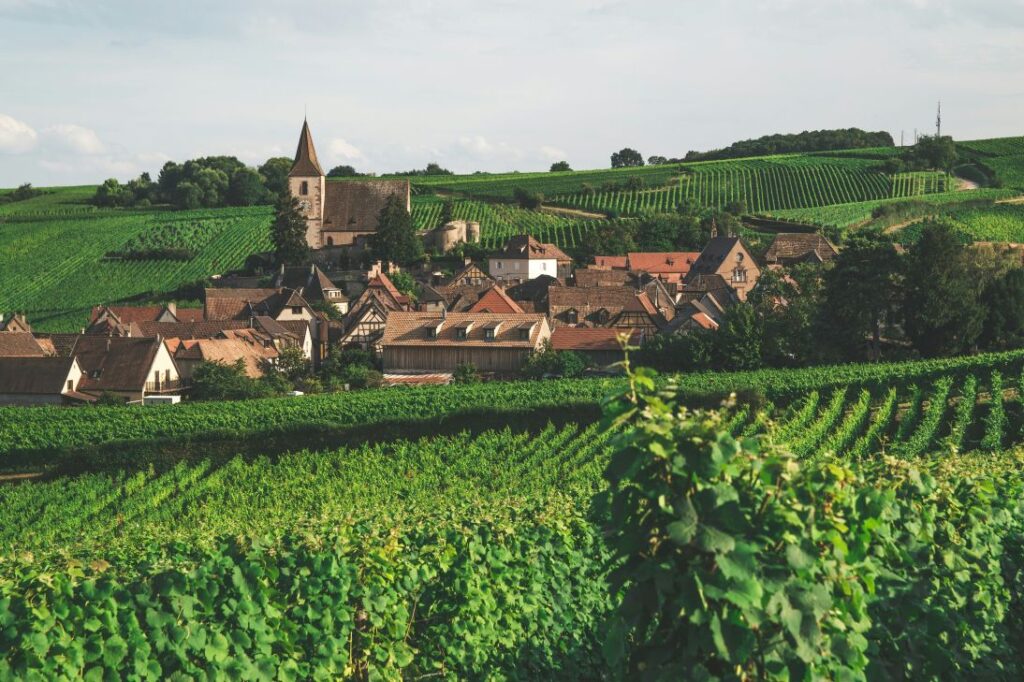
Alsace sits along the German border. It’s changed hands many times, and that history shows. On historical tours France, Alsace stands out. It’s French, but not only French.
Strasbourg’s cathedral is Gothic and grand. You can climb the tower or stand in the square below. Its clock still keeps time. But the stories inside—about war, peace, and power—are what draw people in.
The Petite France area feels like a postcard. Yet its past includes difficult stories of occupation and survival. The Alsace-Moselle Memorial gives a clear picture of how shifting borders impacted real lives.
Colmar offers a softer side. Its canals and colorful houses hide complex tales. From medieval trade to World War II resistance, a private tour can uncover more than meets the eye.
Along the wine route, towns like Eguisheim and Riquewihr feel untouched. But dig deeper and you’ll find layers. The food is rich. The language unique. The history deeply personal.
Alsace’s mix of cultures makes it feel different from other parts of France. You’ll see it in the buildings, taste it in the food, and hear it in the language. Historical tours France that include Alsace offer a new perspective—how identity shifts when borders move.
The region’s World War II history is especially personal. Many residents were forced to fight for Germany, despite being French. The Struthof concentration camp is a stark reminder of that conflict. Visiting with a guide helps make sense of what otherwise feels overwhelming.
But Alsace also offers stories of resilience. Resistance fighters. Hidden radios. Smuggled messages. A walking tour through a village might include a tale of a baker who helped Jews escape, or a schoolteacher who refused to teach Nazi propaganda. These aren’t legends. They’re real.
Historical Tours France: Stories Paris Rarely Tells
Paris has been called many things—romantic, elegant, timeless. But for couples on historical tours France, it reveals a layered identity. This city isn’t just the Eiffel Tower and croissants. It’s also revolution, resistance, and reinvention.
A walking tour through the Marais can show you traces of the French Revolution. Streets where mobs gathered, where leaders hid, where the echoes of 1789 still whisper in the buildings. The Carnavalet Museum takes that history off the page and into view, with everyday objects that witnessed dramatic change.
The Latin Quarter tells a different story—of students, thinkers, and underground networks. You’ll find bookshops that once distributed banned materials, and cafés that once hid resistance fighters during WWII. Some tours include lesser-known WWII routes through the city, giving you a deeper look at Paris’s resilience.
Paris also holds stories of quiet persistence. The Shoah Memorial honors Jewish lives lost and saved. And at the Pantheon, you’ll see the tombs of figures like Marie Curie and Voltaire—each with a story that shaped the country.
Historical tours France that include Paris show you more than monuments. They give you moments of reflection. The grandeur of the Louvre is real, but so is the quiet ache at a memorial or the surprise of a back-alley plaque.
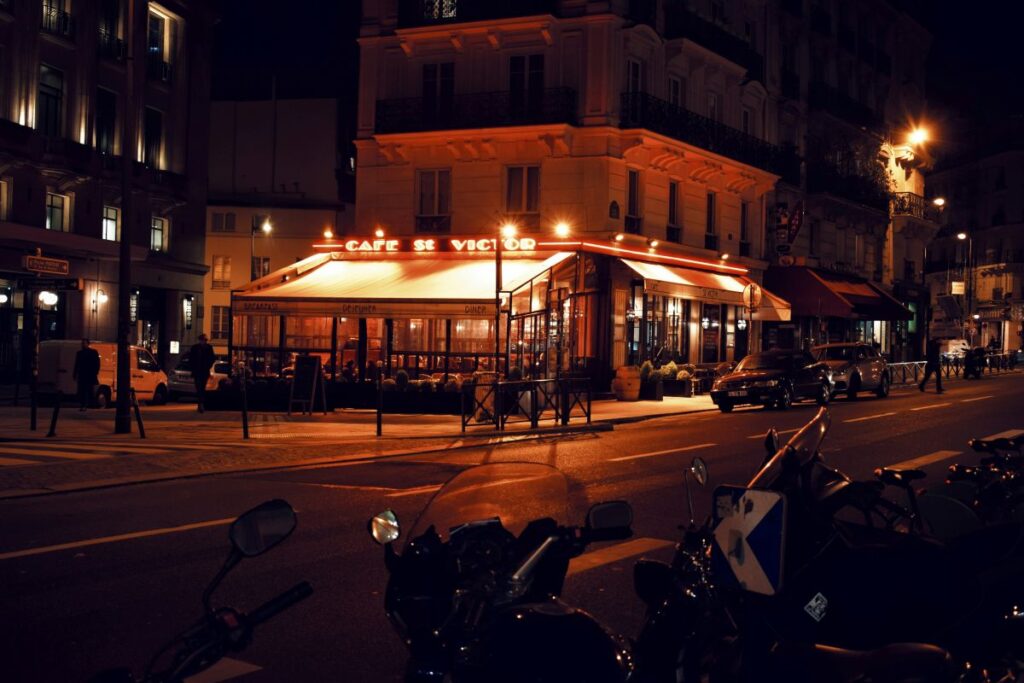
Historical Tours France Couples Say Move at the Right Pace
Couples often say the best part of historical tours France isn’t a single sight—it’s the pacing. These trips don’t rush. They allow time to connect the dots, not just take the photos.
After years of structured schedules—raising kids, busy careers—this stage of life offers a new rhythm. And history-based travel fits perfectly into that. You explore at a slower pace, but with more meaning.
One day might include just one or two key stops: a fortress in the morning, then a wine tasting in the afternoon. But that’s often enough. You have time to ask questions. To talk. To reflect. No need to rush from site to site just to feel like you’re “doing enough.”
Luxury here isn’t about flashy perks. It’s about a guide who adjusts based on your energy that day. Or a boutique hotel that feels like home after a full day of walking through centuries.
Historical tours France appeal to couples because they create space. Space for learning, yes—but also for rest. You might sit in a quiet square after visiting a museum and realize you’ve just had one of your favorite moments of the trip.
This kind of travel feels intentional. And that’s why so many couples come back from these trips feeling more connected—to the world and to each other.
Historical Tours France and the Best Destinations to Pair With
Many couples who book historical tours France also want to see what’s next. Where else can you go that offers this balance of history, culture, and ease? Luckily, Europe offers some perfect pairings.
Germany is a natural add-on. A short flight or train ride from Paris, cities like Berlin offer powerful WWII sites and Cold War stories. If you enjoyed Normandy, you’ll find Berlin’s Topography of Terror and its East Side Gallery both eye-opening and memorable. For more tips, read How to Enjoy a Berlin Historical Tour in Style.
England is another strong choice. London’s museums and royal history are one thing, but Bath and York offer deeper dives. Roman baths, medieval walls, and World War II bunkers all in one trip. Why Couples Love a Historic Bath England Tour covers what makes it a favorite.
Or head further afield to Southeast Asia. It might sound like a contrast, but Luxury Angkor Wat Travel brings together ancient history and modern luxury in one place. The pacing is different, but the spirit of cultural immersion is the same.
These destinations don’t compete with France—they complement it. Each adds a layer. Each gives you a new lens to view the world. And each makes the whole journey feel richer.
Historical Tours France: Why These Trips Matter More Now
Historical tours France give you more than stories. They offer a kind of grounding that’s hard to find in fast-paced vacations. They let you slow down, not just physically but mentally.
You start to notice the little things—how cobblestones feel under your shoes, how quiet a cathedral becomes when you pause, how a guide’s personal story lingers longer than a plaque. These details form memories that stick.
For many couples, these trips also open up new conversations. About legacy, About values. About what matters now. Standing in places where history turned forces reflection. You walk away not just entertained, but changed—even in small, important ways.
Historical tours France are about stepping into the past, yes. But they also help you stay present. And for couples looking to reconnect, reflect, and recharge, that’s the most powerful experience of all.
Historical Tours France: Planning the Perfect Trip for Two
Planning historical tours France doesn’t have to be overwhelming. When done right, it’s part of the fun. Start by narrowing your focus. France has it all—World War II landmarks in Normandy, royal history in the Loire Valley, and Roman ruins in Provence. Choose the stories that matter most to you.
Next, think about pacing. These trips aren’t about cramming in every site. They’re about depth, not volume. Three or four meaningful stops a day is plenty. Build in time for long lunches, quiet walks, and reflection. That’s when moments tend to stick.
Where you stay shapes the experience. A riverside inn in Bayeux, a monastery in Avignon, or a château in the countryside all add to the story. Look for places that feel part of the setting—not just places to sleep.
A good guide makes history personal. Private or small-group tours let you move at your pace and dive deeper. A great guide won’t just recite facts—they’ll share details and stories you’d never find in a book.
What Makes Historical Tours France Memorable
History lives in the meals, too. Try Normandy cider, Burgundy’s coq au vin, or Provençal stews. Local dishes often carry centuries of stories. Ask questions. Taste what’s native to the region.
How you get around matters. Some couples drive, others take trains, and many prefer having a travel advisor handle it all. Pick what keeps things simple.
Mix famous sites with quieter ones. Normandy’s beaches are unforgettable, but so is a small village chapel with shrapnel scars. The contrast adds richness.
And remember, not every powerful moment is photogenic. Sometimes it’s the silence in a cathedral or a story you hear over dinner that stays with you.