
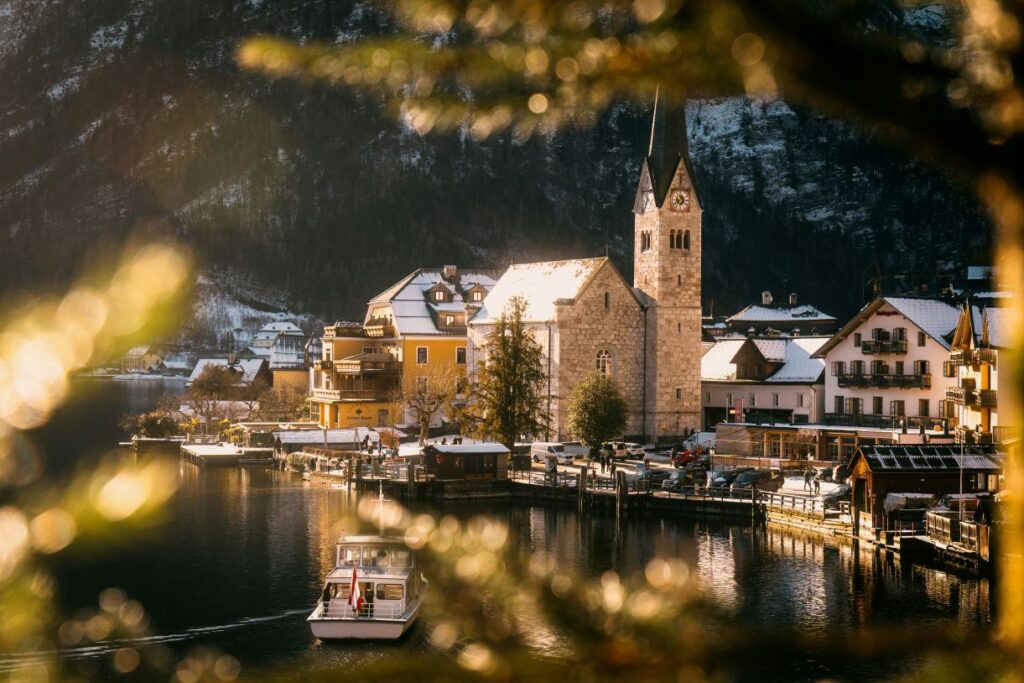
Nestled between towering mountains and a crystal-clear lake, Hallstatt offers cultural experiences that transport visitors back through centuries of Austrian heritage. This UNESCO World Heritage village presents the perfect backdrop for couples seeking authentic adventures without the hassle of planning everything themselves. You’ll find Hallstatt cultural experiences range from exploring the world’s oldest salt mines to participating in age-old traditions still practiced by locals today.
Many travelers miss the hidden cultural gems of this picturesque village because they stick to obvious photo spots. Yet the true magic of Hallstatt lies in its rich cultural fabric that has evolved over 7,000 years of continuous habitation. These authentic Hallstatt cultural experiences provide meaningful connections to both the place and its people.
What makes these experiences truly special is how they cater to mature travelers who crave depth and context in their journeys. You won’t find rushed tour groups hurrying through attractions here. Instead, Hallstatt cultural experiences unfold at a relaxed pace, allowing you to absorb the village’s unique atmosphere and stories.
The village itself feels like an open-air museum where every corner reveals something new about Austrian Alpine culture. From traditional architecture to local craftsmanship, Hallstatt cultural experiences engage all your senses and create memories that last far longer than typical tourist activities.
Exploring the World’s Oldest Salt Mine: A Journey Through Time
The salt mines of Hallstatt represent one of the most fascinating cultural experiences available in the region. Dating back over 7,000 years, these mines tell the story of how “white gold” shaped the entire region’s development and prosperity. Your journey begins with a scenic funicular ride up the mountainside, offering breathtaking views of the lake and surrounding Alps.
Once you arrive at the mine entrance, guides dressed in traditional miners’ clothing welcome you to a world few get to experience. They share tales of ancient mining techniques and the harsh conditions faced by generations of miners. These stories connect you directly to the human history that unfolded beneath these mountains for millennia.
The highlight for many visitors comes when you slide down authentic miners’ slides, just as workers did centuries ago. This hands-on element makes Hallstatt cultural experiences accessible and enjoyable regardless of your age or physical ability. The smooth wooden slides provide an unexpected thrill while demonstrating practical mining innovations.
Inside the cool tunnels, multimedia presentations bring ancient mining practices to life through light and sound. You’ll witness how salt extraction evolved from primitive tools to more sophisticated methods over centuries. This educational aspect of Hallstatt cultural experiences appeals particularly to curious travelers who appreciate historical context.
According to the Salzwelten official website, archaeologists have discovered numerous well-preserved artifacts within these mines, including a prehistoric wooden staircase dating back to 1344 BCE. The perfect preservation conditions created by salt allowed these items to survive through millennia, providing unique insights into ancient European life.
Traditional Festivals and Local Customs: Living Heritage
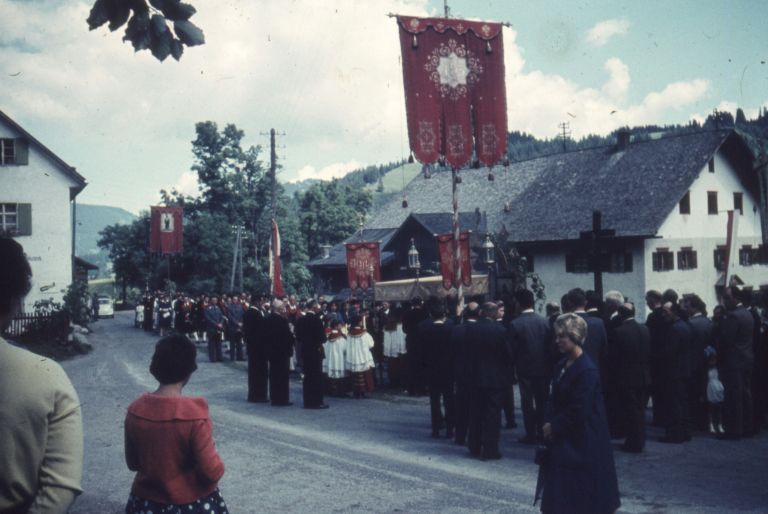
Timing your visit to coincide with local festivals adds another dimension to Hallstatt cultural experiences. The village maintains a calendar of traditional celebrations that follow ancient seasonal patterns and religious observances. These events showcase authentic Austrian customs rarely seen in more commercialized destinations.
During summer months, the Corpus Christi procession transforms the village into a colorful spectacle of faith and tradition. Locals dress in regional costumes and parade through flower-decorated streets, often in boats across the lake. This water procession represents one of the most photogenic Hallstatt cultural experiences and dates back hundreds of years.
Fall brings the Almabtrieb, when farmers adorn their cattle with elaborate headdresses and bells before bringing them down from summer mountain pastures. This agricultural tradition becomes a community celebration with music, food, and dancing. Visitors can join locals in welcoming the herds and celebrating a successful summer grazing season.
Winter in Hallstatt offers perhaps the most magical cultural experiences of all. The Krampuslauf tradition features locals dressed as fearsome Krampus figures, complete with carved wooden masks and fur costumes. This Alpine tradition predates Christianity and adds a thrilling element to December visits.
The Glöcklerlauf in early January presents a gentler winter tradition, where participants wear elaborate illuminated headdresses and process through the darkened village. According to Austrian tourism researcher Andrea Fischbacher, these rituals symbolize driving away winter spirits and welcoming the return of light after the solstice.
The Hallstatt Museum: Cultural Treasures Revealed
No exploration of Hallstatt cultural experiences would be complete without visiting the village museum. Located in a historic building near the main square, this institution houses an impressive collection of artifacts spanning thousands of years of local history. The museum provides crucial context for understanding the village’s significance in European cultural development.
The museum’s collection includes remarkably preserved items from the Iron Age Hallstatt Culture, which was so significant it gave its name to an entire archaeological period. You’ll see intricate bronze jewelry, tools, and everyday objects that reveal sophisticated craftsmanship from over 2,800 years ago. These displays make Hallstatt cultural experiences tangible through physical connections to the past.
Interactive exhibits explain how salt trading routes connected this remote Alpine village to distant parts of Europe, creating wealth and cultural exchange. Maps and models show ancient trade networks that spread Hallstatt’s influence far beyond its mountain valley. This historical context enriches your appreciation of the village you’re exploring.
Perhaps most fascinating are the preserved remains of ancient miners, whose bodies were naturally mummified by salt. Treated with appropriate respect, these displays connect visitors directly to the individuals who once worked these mountains. Their personal belongings, clothing, and even meals have survived, making Hallstatt cultural experiences uniquely intimate and human.
The museum also documents how archaeological discoveries here revolutionized our understanding of European prehistory. According to Dr. Kerstin Kowarik of the Natural History Museum Vienna, ongoing excavations continue to yield new insights into early European societies and technologies.
Culinary Traditions: Tasting Hallstatt’s Heritage

The gastronomic landscape of Hallstatt offers some of the most delicious cultural experiences in Austria. Local cuisine reflects centuries of Alpine traditions, with recipes passed down through generations of village families. These authentic dishes provide literal tastes of regional heritage not found in guidebook restaurants.
Traditional Hallstatt meals feature freshwater fish from the lake, particularly char and trout prepared according to recipes dating back hundreds of years. Local chefs still smoke fish using methods their grandparents taught them, creating distinctive flavors unique to this region. These smoking techniques represent living Hallstatt cultural experiences maintained through practical daily use.
Restaurants like Braugasthof serve hearty Alpine classics including Tafelspitz (boiled beef with apple and horseradish sauce) and Kaiserschmarrn (shredded pancake with fruit compote). These dishes tell stories of Austrian imperial history and rural ingenuity through their ingredients and preparation methods. Eating here becomes one of the most enjoyable Hallstatt cultural experiences available.
Don’t miss sampling local Schnapps varieties, particularly those made from mountain herbs and berries gathered around Hallstatt. Small-batch distillers create these spirits using traditional methods that concentrate the essence of Alpine botanicals. According to Austrian culinary historian Elisabeth Ruckser, these distillation practices represent some of Austria’s oldest continuous food traditions.
For those interested in hands-on Hallstatt cultural experiences, several restaurants offer cooking classes where you can learn to prepare traditional dishes yourself. These sessions typically include stories about the dishes’ origins and cultural significance, adding depth to what might otherwise be just a meal.
The Bone House: Unique Funeral Traditions
Among the most unusual Hallstatt cultural experiences is a visit to the Beinhaus (Bone House) located in St. Michael’s Chapel. This ossuary contains over 1,200 human skulls, with about 600 of them hand-painted with decorative motifs, names, and dates. The tradition represents a fascinating intersection of necessity and artistic expression unique to Hallstatt.
The practice began due to practical space limitations in the tiny village cemetery. With little room for new burials, older remains were exhumed after 10-15 years to make space. Rather than disposing of these remains, villagers created an elaborate system of secondary burial that honored their ancestors through artistic decoration.
Family members would clean and sun-bleach the skulls before professional painters adorned them with delicate floral patterns, crosses, and identifying information. Different design styles evolved over centuries, allowing researchers to date skulls by their decorative elements. This macabre yet beautiful tradition continues to fascinate visitors seeking authentic Hallstatt cultural experiences.
The most recent skull added to the collection dates from 1983, showing how this tradition has continued into modern times. According to anthropologist Dr. Maria Teschler-Nicola, who studies these remains, the practice represents “a unique cultural response to death that combines practicality with profound respect for ancestors.”
Viewing the Bone House requires appropriate reverence, as these are actual human remains of Hallstatt’s former residents. Many visitors report that this experience prompts meaningful reflection on mortality and remembrance. The Bone House exemplifies how Hallstatt cultural experiences often combine beauty with deeper philosophical dimensions.
Traditional Craftsmanship: Living Cultural Heritage
Artisan workshops throughout Hallstatt preserve traditional crafts that have defined the region for centuries. These skilled craftspeople maintain techniques passed down through generations, creating authentic Hallstatt cultural experiences for visitors interested in material culture and handmade goods.
Woodcarving remains particularly significant in Hallstatt’s cultural landscape. Local artisans create everything from practical household items to elaborate decorative pieces using traditional hand tools and native timber. Watching these craftspeople work provides insight into pre-industrial production methods still valued for their quality and artistry.
Many workshops welcome visitors to observe their processes and explain the cultural significance of their crafts. Some even offer hands-on experiences where you can try these traditional techniques yourself. These interactive Hallstatt cultural experiences create personal connections to Alpine craft traditions that mere observation cannot match.
Textile arts also flourish in Hallstatt, with embroidery and traditional costume-making maintaining patterns and techniques unique to this region. The distinctive Dirndl and Lederhosen styles seen here differ subtly from those in other parts of Austria, reflecting local aesthetic preferences developed over centuries.
According to European craft preservation specialist Hans Meier, Hallstatt’s isolation historically fostered the development of distinctive regional styles that now form an important part of Austria’s cultural heritage. These living traditions make Hallstatt cultural experiences particularly valuable for those interested in authentic European craftsmanship.
Musical Traditions: The Sounds of Hallstatt
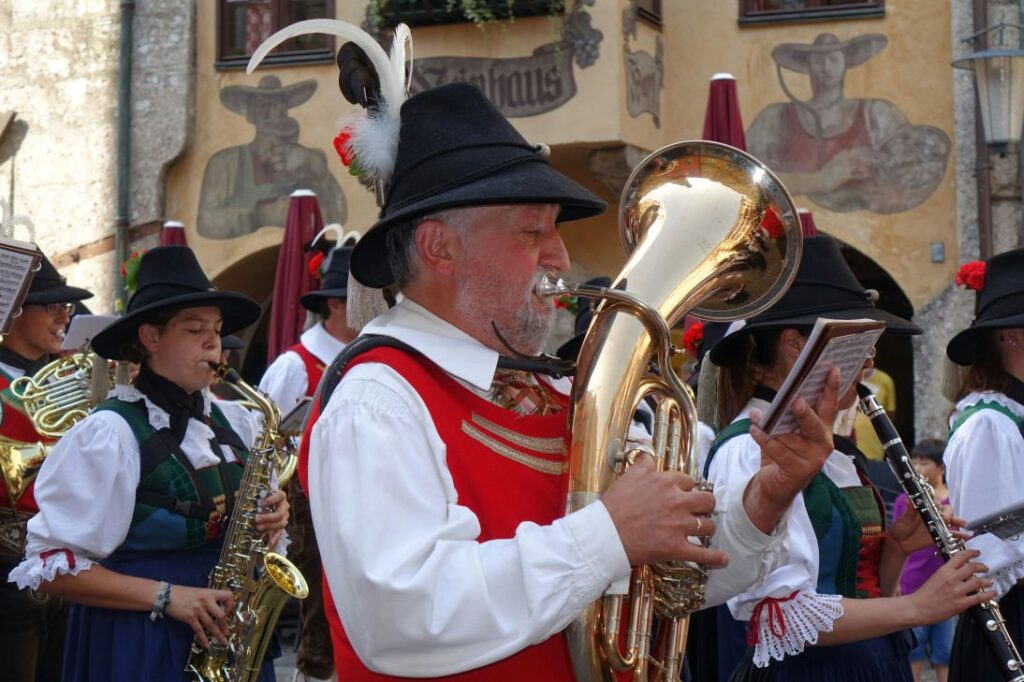
Music forms an integral part of Hallstatt cultural experiences, with traditional Alpine sounds filling the village during festivals and regular performances. Local brass bands maintain a continuous musical tradition dating back hundreds of years, playing compositions specific to this region of Austria.
The distinctive sound of alphorns echoes across Lake Hallstatt during special events, creating an atmospheric soundtrack for your visit. These enormous wooden instruments were historically used for communication between Alpine settlements before modern technology. Today, they represent cherished Hallstatt cultural experiences that connect visitors to mountain traditions.
Church music plays a significant role in village life, with the Catholic parish maintaining choral traditions that blend religious observance with cultural expression. During services and concerts, these choirs perform pieces written specifically for Hallstatt’s acoustic environments and religious calendar.
Folk dancing accompanies many village celebrations, with locals performing choreography passed down through generations. Visitors can often join in simpler dances during festivals, creating participatory Hallstatt cultural experiences that break down barriers between tourists and residents.
For those seeking elegant French cultural experiences, Hallstatt offers an interesting counterpoint in musical styles. While French traditions emphasize refinement and formality, Austrian Alpine music celebrates rustic vitality and community participation. Experiencing both traditions provides fascinating cultural contrasts.
Seasonal Hallstatt Cultural Experiences
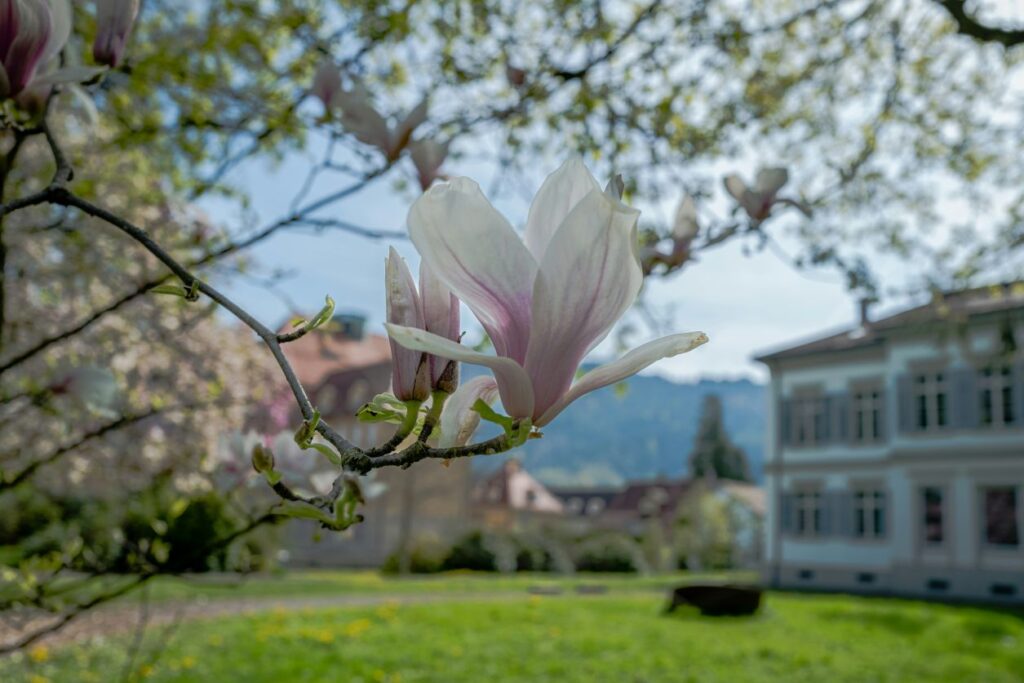
Each season brings distinct cultural activities to Hallstatt, making the timing of your visit crucial for experiencing specific traditions. The village transforms throughout the year, with each season highlighting different aspects of local heritage and customs.
Spring awakens Hallstatt with Easter traditions that blend Christian observances with ancient fertility symbols. Elaborately decorated eggs become works of art using techniques specific to this region. Local families still maintain secret dye recipes and pattern-making methods passed down through generations of women.
Summer brings outdoor cultural festivals featuring regional music, dance, and theatrical performances against the backdrop of the lake and mountains. These events showcase Hallstatt cultural experiences at their most vibrant and accessible. Evening concerts often take place on floating stages, creating magical acoustic experiences as music drifts across the water.
Autumn harvest celebrations honor agricultural traditions that sustained Hallstatt for millennia before tourism. Apple pressing demonstrations, grain harvesting reenactments, and seasonal food festivals connect visitors to the agricultural cycles that shaped village life. These authentic Hallstatt cultural experiences reveal the practical foundations of Alpine traditions.
Winter transforms the village into a wonderland of lights and ancient solstice traditions. Beyond Christmas markets, you’ll find pre-Christian rituals still observed in remote Alpine communities. These winter Hallstatt cultural experiences often feel more authentic than commercialized holiday celebrations found elsewhere.
Visitors interested in Barcelona cultural highlights will notice interesting parallels with Hallstatt’s seasonal celebrations. Both regions maintain distinctive local traditions while adapting to modern tourism demands. The contrast between Mediterranean and Alpine cultural expressions proves fascinating for cultural travelers.
Photography and Art: Capturing Cultural Moments
Hallstatt’s photogenic qualities have made it world-famous, but moving beyond postcard views reveals deeper cultural photography opportunities. The village offers countless chances to capture authentic moments of traditional life rather than just scenic landscapes.
Morning light illuminates fishermen using techniques unchanged for generations, creating perfect conditions for cultural documentary photography. These early hours before tour groups arrive present Hallstatt cultural experiences at their most authentic and visually compelling. The interplay of light on water with traditional wooden boats makes these scenes particularly striking.
Architectural details throughout the village tell stories of Alpine building traditions adapted to this challenging mountain environment. Close observation reveals distinctive regional characteristics in everything from window placements to roof angles. These elements provide insight into practical Hallstatt cultural experiences related to survival in Alpine conditions.
Local art galleries showcase works by regional artists interpreting traditional themes through contemporary perspectives. These creative expressions demonstrate how Hallstatt cultural experiences continue to evolve rather than remaining frozen in time. Supporting these artists helps maintain living cultural traditions rather than just preserving past ones.
For those who have enjoyed hidden gems unveiled on luxury Sicily tours, Hallstatt offers similar opportunities to discover overlooked cultural treasures. Both destinations reward curious travelers willing to venture beyond obvious attractions into authentic local experiences.
Connecting with Locals: The Heart of Cultural Immersion
The most meaningful Hallstatt cultural experiences often come through personal connections with village residents. Despite tourism pressures, many locals remain willing to share their heritage with respectful visitors who show genuine interest in their way of life.
Small-group walking tours led by village residents provide insider perspectives impossible to find in guidebooks. These guides share family stories and personal connections to traditions that bring Hallstatt cultural experiences to life through firsthand accounts. Their subjective viewpoints offer more authentic insights than standardized tour narratives.
Participating in community events rather than just observing them creates deeper cultural connections. When possible, join local celebrations as a participant rather than spectator. These interactive Hallstatt cultural experiences foster genuine exchanges that benefit both visitors and residents.
Learning even a few phrases of Austrian German demonstrates respect for local culture and often opens doors to more authentic experiences. Shopkeepers and restaurant staff typically respond warmly to visitors making this effort, sometimes sharing personal recommendations for lesser-known cultural sites.
According to cultural anthropologist Dr. Stefan Wagner, who studies tourism impacts on Alpine communities, “meaningful cultural exchange happens when visitors approach local traditions with curiosity and respect rather than treating them as performances staged for tourists.”
Sustainable Cultural Tourism in Hallstatt
The popularity of Hallstatt creates challenges for preserving the authentic cultural experiences that draw visitors in the first place. Responsible tourism practices help ensure these traditions remain viable for future generations rather than becoming commercialized performances.
Visiting during shoulder seasons reduces pressure on the village while often providing more authentic Hallstatt cultural experiences. With fewer crowds, locals have more time for meaningful interactions with visitors, and cultural events maintain their community focus rather than catering primarily to tourists.
Supporting businesses that prioritize cultural preservation over mass tourism helps maintain Hallstatt’s authentic character. Family-owned restaurants serving traditional foods, artisan workshops maintaining historical techniques, and locally-guided tours all contribute to sustainable cultural tourism.
Respecting private spaces and religious observances demonstrates awareness that Hallstatt remains a living community, not just a tourist attraction. This mindfulness creates space for authentic cultural experiences to continue flourishing alongside tourism. Remember that some Hallstatt cultural experiences are not meant for visitor consumption.
For travelers who have enjoyed the most meaningful Lisbon cultural experiences for two, Hallstatt offers similar opportunities for intimate cultural discovery. Both destinations balance tourism with authentic local life, rewarding visitors who approach with respect and curiosity.
Beyond Hallstatt: Regional Cultural Connections
Expanding your exploration to surrounding villages enriches understanding of regional cultural patterns. Nearby communities like Gosau, Bad Goisern, and Obertraun maintain their own distinctive traditions while sharing broader Salzkammergut cultural characteristics.
Salt mining shaped the entire region’s development, creating connected yet distinct cultural expressions in each community. Comparing these variations provides context for Hallstatt cultural experiences, showing how geography and specific economic factors influenced local traditions.
The Imperial history of the Salzkammergut as a summer retreat for Habsburg royalty added another cultural layer to the region. Grand villas and formal gardens in nearby Bad Ischl contrast with Hallstatt’s working-class mining heritage. This juxtaposition creates fascinating cultural contrasts within a small geographic area.
Traditional folk music styles vary subtly between villages, with distinctive instrumentation and melodic patterns marking local identity. Attending performances in different communities reveals these nuanced regional variations. These musical Hallstatt cultural experiences connect to broader Alpine traditions while maintaining local distinctiveness.
According to Austrian cultural geographer Johanna Müller, “the Salzkammergut represents a microcosm of Austrian cultural diversity, where each valley developed unique expressions of shared Alpine heritage.” This regional context enriches the appreciation of specific Hallstatt cultural experiences.
Planning Your Cultural Journey to Hallstatt
Creating a meaningful cultural itinerary requires thoughtful planning that balances major attractions with authentic local experiences. Allow sufficient time to absorb Hallstatt’s atmosphere rather than rushing between sights.
Arrange accommodation within the village itself whenever possible to experience early mornings and evenings when day-trippers depart. These quieter hours offer the most authentic Hallstatt cultural experiences, when the village returns to its natural rhythm. Staying overnight transforms your relationship with the place.
Consider engaging a knowledgeable local guide for at least part of your visit to access cultural contexts and hidden spots not obvious to casual visitors. These guides facilitate deeper Hallstatt cultural experiences through their personal connections and historical knowledge.
Research specific cultural events or festivals that might coincide with your visit dates. Planning around these occasions can transform a pleasant sightseeing trip into an immersive cultural journey. Festival calendars typically appear on regional tourism websites months in advance.
Pack appropriate attire for cultural activities, including modest clothing for church visits and comfortable shoes for mining tours. Some Hallstatt cultural experiences involve physical activities requiring specific gear, so check the requirements before arriving.
The Lasting Impact of Hallstatt Cultural Experiences
Beyond providing enjoyable vacation memories, meaningful cultural encounters in Hallstatt often leave lasting impressions that change how travelers view their heritage and traditions. These transformative experiences represent the deepest value of cultural travel.
Many visitors report newfound appreciation for craftsmanship and handmade objects after witnessing traditional production methods in Hallstatt. This awareness often influences purchasing decisions and aesthetic preferences long after returning home. Authentic Hallstatt cultural experiences can shift perspectives on consumption and quality.
Exposure to community traditions maintained over centuries despite modernization pressures prompts reflection on what traditions deserve preservation in visitors’ communities. This cultural exchange benefits both travelers and the visited community through mutual appreciation and learning.
The visible timeline of human adaptation to environmental challenges throughout Hallstatt’s history provides perspective on contemporary sustainability issues. Seeing how past generations developed ingenious solutions to resource limitations inspires creative thinking about current challenges.
According to visitors who have experienced both, Hallstatt cultural experiences complement discoveries made during the Barcelona cultural highlights tours. Each destination reveals how geography, resources, and history shape distinctive cultural expressions, enriching appreciation of European cultural diversity.
Practical Tips for Authentic Cultural Immersion
Maximizing authentic Hallstatt cultural experiences requires strategies that go beyond standard tourist approaches. These practical suggestions help connect with the village’s heritage in meaningful ways.
Rise early to experience traditional morning routines before tour groups arrive. Bakeries open before dawn, fishermen head out on the lake, and church bells mark the day’s beginning. These quiet morning hours reveal Hallstatt cultural experiences impossible to find during busy midday periods.
Learn about salt mining history before visiting the mines to appreciate the technical and social aspects of this industry. This background knowledge transforms a pleasant attraction visit into a deeper cultural understanding. The same applies to other Hallstatt cultural experiences—preparation enhances appreciation.
Engage respectfully with older residents when appropriate opportunities arise. Their firsthand memories of traditional practices provide irreplaceable insights into changing village life. These conversations often reveal Hallstatt cultural experiences that have faded from common practice.
Sample local specialties at small family restaurants rather than international cuisine at tourist establishments. Food remains one of the most accessible entry points to authentic culture. Ask servers about dish origins for additional cultural context during your meal.
Document your experiences through more than just photographs—consider journaling, sketching, or audio recording to capture the multisensory aspects of Hallstatt cultural experiences that images alone cannot convey.
The Timeless Appeal of Hallstatt’s Cultural Heritage
Hallstatt’s cultural landscape represents a remarkable convergence of natural beauty, historical significance, and living traditions. The village offers experiences that connect visitors to thousands of years of continuous human adaptation and creativity in this Alpine setting.
The most valuable Hallstatt cultural experiences often come unexpectedly—a conversation with a shopkeeper, stumbling upon a local celebration, or quiet moments observing traditional practices. Approaching your visit with openness to these unplanned encounters enriches the journey immeasurably.
What distinguishes truly meaningful cultural travel is the willingness to move beyond surface observations into deeper engagement with places and people. Hallstatt rewards this approach with experiences that resonate long after returning home. The village’s traditions, crafts, music, and cuisine create multifaceted connections to Austrian heritage.
For couples seeking shared cultural discoveries, Hallstatt provides perfect settings for creating memories grounded in authentic experiences rather than tourist clichés. These shared moments often become relationship touchstones that partners revisit in conversations for years afterward.
The ultimate souvenir from Hallstatt isn’t a photograph or purchased item but the expanded cultural awareness that comes from genuine engagement with another way of life. This intangible yet invaluable takeaway represents the true promise of cultural travel—not just seeing new places but seeing through new perspectives.
Ready to experience Hallstatt without the stress of planning every detail? Contact Empty Nester Getaways today to start crafting your custom Austrian journey. We’ll handle the logistics while you focus on creating memories that last a lifetime. Your perfect blend of structure and freedom awaits in this Alpine gem—just say when you’re ready to go.