
Buenos Aires culinary travel offers more than just steak and wine. It’s a deep dive into tradition, hospitality, and bold local flavor. From open-air parrillas to quiet cafés tucked behind ivy walls, this city pulls you in through its food. You don’t need to be a professional chef or adventurous eater to enjoy it. You just need time, curiosity, and a loose waistband.
Buenos Aires is one of South America’s great food cities. Its rich culinary heritage pulls from Italian, Spanish, indigenous, and African influences. What makes it stand out is the city’s ability to turn everyday meals into events. Even a casual lunch here often involves multiple courses, table wine, and conversation that lingers.
You’ll find that Buenos Aires culinary travel isn’t about rushing from one trendy restaurant to the next. It’s about slowing down. It’s about treating each meal as a chance to connect—with the culture, the chef, or the couple seated next to you. And it all starts with the steak.
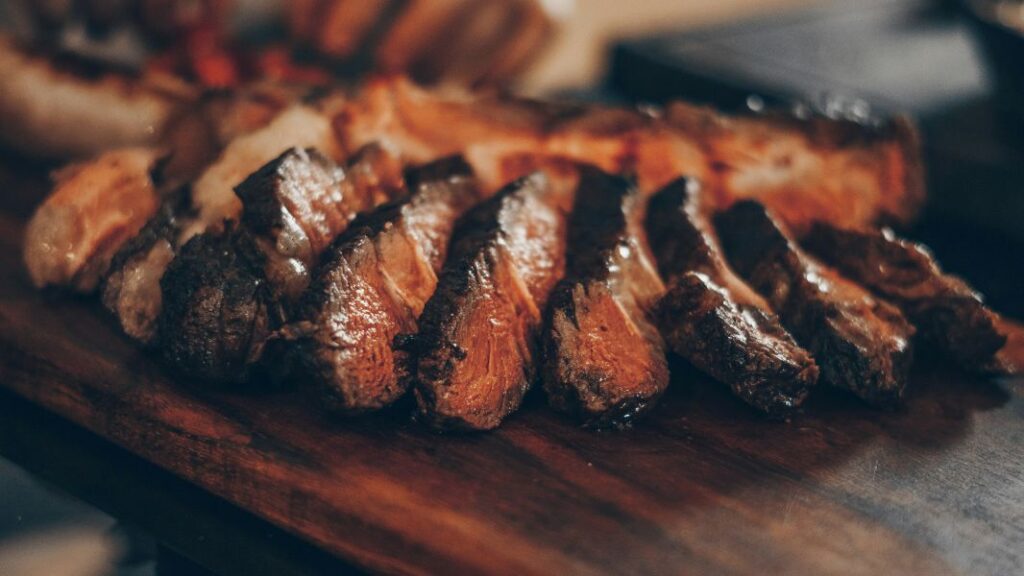
Buenos Aires Culinary Travel Starts with Asado
If you’re looking for a starting point for Buenos Aires culinary travel, it’s hard to beat the asado. This isn’t just barbecue—it’s a national ritual. Families gather in backyards and on rooftops. Friends take turns at the grill. Smoke rises slowly, carrying the smell of sizzling ribeye, blood sausage, and short ribs across city blocks.
In restaurants, asado takes center stage. Parrillas like Don Julio, which has earned international acclaim, serve cuts of beef that are both simple and perfect. No heavy sauces. Just salt, fire, and time. That’s the beauty of it. And the best part? You don’t need a reservation at a five-star place to enjoy an incredible meal. Even small neighborhood joints often serve meat better than what you’d find in top steakhouses abroad.
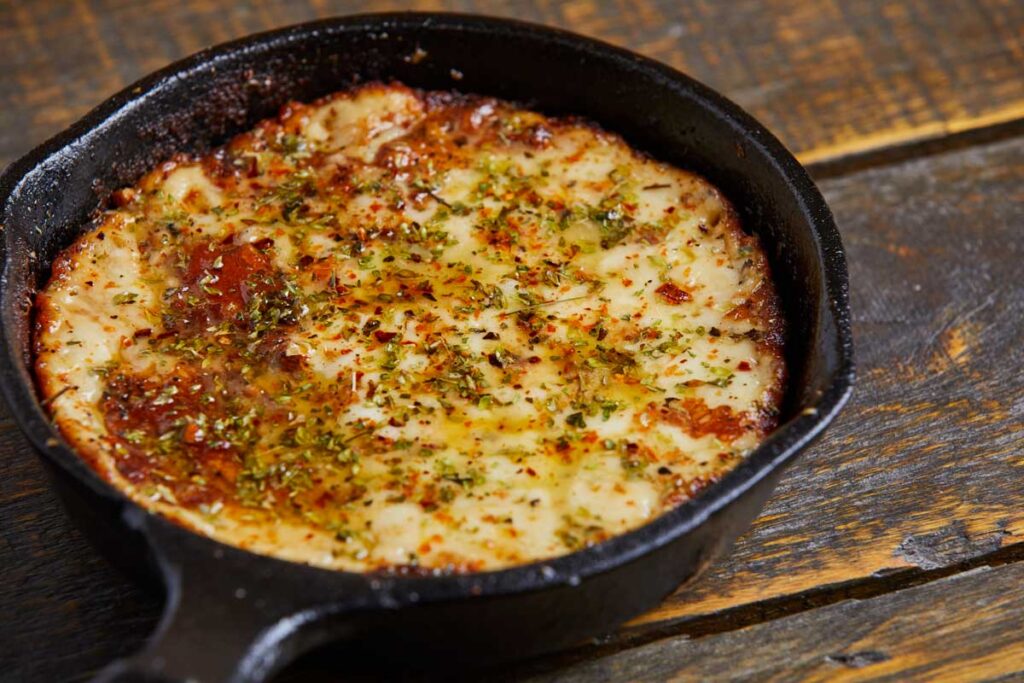
Don’t skip the sides. Provoleta (grilled provolone), papas fritas, and crisp salads round out the experience. Then there’s chimichurri, the tangy herb sauce that adds a punch to every bite. Locals may argue over which spot has the best version, but that’s part of the fun.
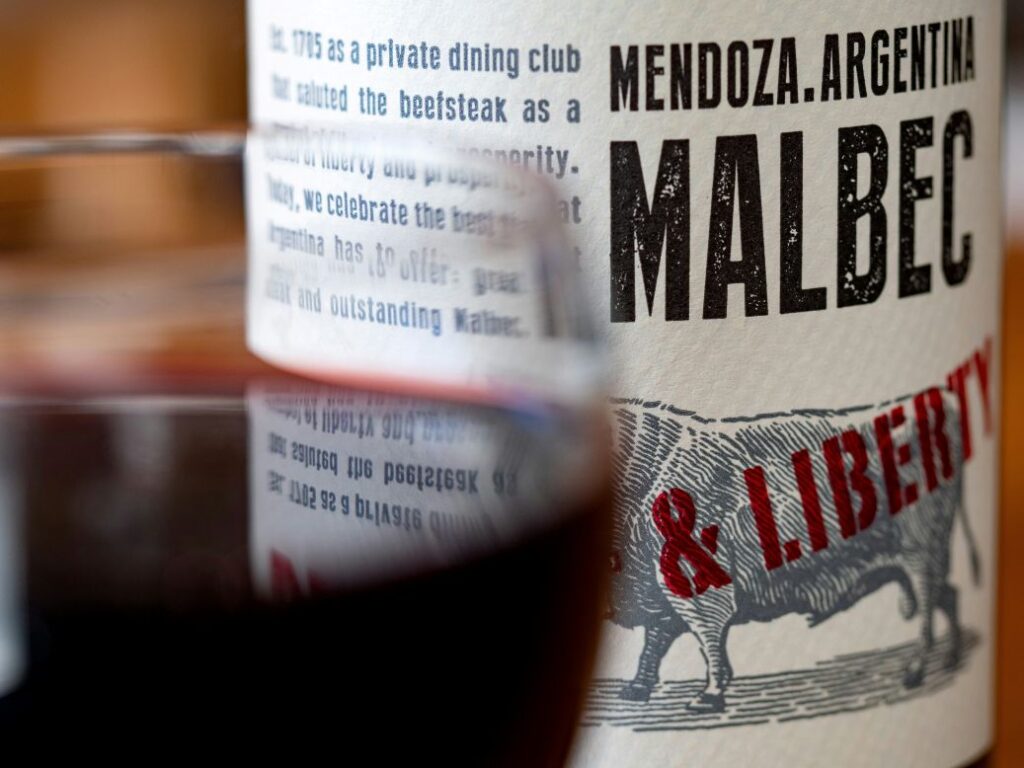
Malbec, Wine Bars, and Buenos Aires Culinary Travel
Of course, meat calls for wine. Buenos Aires culinary travel wouldn’t be complete without a glass (or two) of Argentine Malbec. While you can find Malbec just about anywhere, it’s worth seeking out a wine bar or two for the full effect.
Places like Pain et Vin in Palermo Soho blend wine education with relaxed atmosphere. You won’t find pretentious pours or overwhelming menus. What you will find are small producers, thoughtful tastings, and passionate owners who are happy to guide you.
For a deeper look, many travelers enjoy private wine tastings hosted in historic homes. These intimate experiences often include food pairings that go far beyond cheese and crackers. Think empanadas, roasted vegetables, or dulce de leche for dessert.
Argentina is also known for Torrontés, a bright white wine that pairs well with lighter dishes. If you’re planning your Buenos Aires culinary travel in the warmer months, this is the perfect midday option.
Where Coffee Is More Than a Wake-Up Call
Coffee in Buenos Aires is a cultural experience in its own right. Most locals don’t grab their drink and go—they sit, chat, and sip. That’s the rhythm of the city, and it’s one of the charms of Buenos Aires culinary travel.
Café culture is strong here. You’ll see older men playing cards, couples lingering over cortados, and artists writing in their notebooks. The drinks themselves are usually simple: espresso, café con leche, and cortado are the favorites. The emphasis is on company and conversation, not customization.
Historic cafés like Café Tortoni have been serving coffee and pastries for over a century. While it’s a tourist draw, it still holds onto its charm. For something quieter, head to Lab in Palermo Hollywood or Coffee Town inside the San Telmo Market. These modern spots combine quality beans with cozy ambiance.
Pair your drink with medialunas (small, slightly sweet croissants) or a slice of cake. Then settle in. This isn’t just breakfast. It’s part of the cultural rhythm.
Hands-On Buenos Aires Culinary Travel: Cooking Classes
To go beyond the table, get into the kitchen. Buenos Aires culinary travel often includes hands-on experiences like cooking classes, which are equal parts entertainment and education.
Many classes start at the market. You’ll walk through stalls, pick out produce, and talk with vendors. The atmosphere is colorful and energetic. Once you’re back in the kitchen, the cooking begins. You might learn how to make empanadas from scratch or craft handmade pasta, a nod to the city’s Italian roots.
One highly-rated experience is with Argentine Cooking Classes, a local group offering sessions in a relaxed home kitchen. The classes are small, personal, and built around traditional family recipes. It’s not a chef-led masterclass. It’s something more personal—and more fun.
Another option is to combine food and drink. Some classes include lessons in making traditional cocktails like the fernet con coca or pairing homemade dishes with Argentine wines. These are the kinds of moments that stick with you, long after the trip ends.
Exploring San Telmo and La Boca Through Food
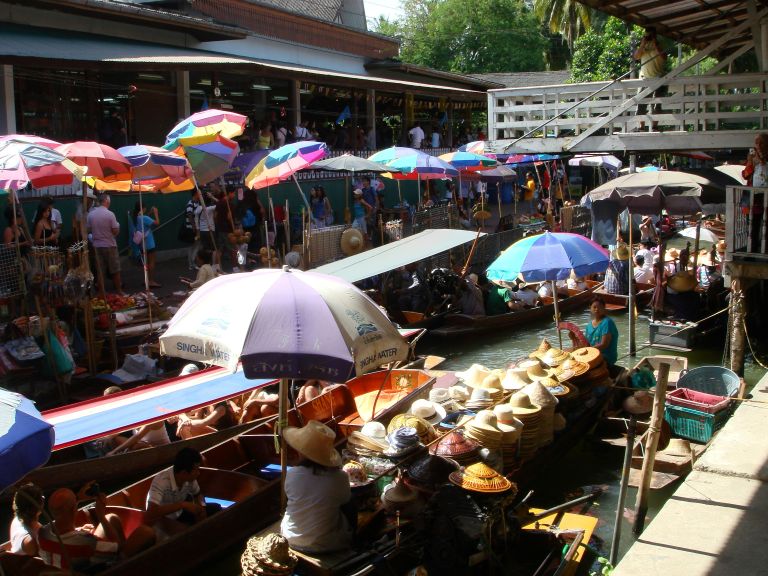
Two of Buenos Aires’ most iconic neighborhoods—San Telmo and La Boca—are perfect for food lovers. San Telmo, with its cobbled streets and antiques markets, has a bohemian feel. La Boca, famous for its colorful buildings and tango, leans vibrant and theatrical. And both offer rich food experiences that add texture to your Buenos Aires culinary travel.
In San Telmo, the covered market is a highlight. Inside, you’ll find everything from aged cheeses and fresh produce to spicy choripán (grilled chorizo sandwich). Tucked between stalls are tiny restaurants serving regional dishes from across Argentina. Some specialize in Andean food, others in Patagonian trout or goat.
La Boca offers a different kind of culinary energy. The tourist-heavy Caminito can feel crowded, but just a few blocks away you’ll find family-run places that serve old-school Argentine comfort food. Try locro, a hearty stew made with corn, beans, and meat. Or milanesa, the local version of a breaded cutlet. These spots may not have flashy decor, but they do have loyal locals and strong opinions about seasoning.
Both neighborhoods are walkable and photogenic, making them ideal for a food-focused day trip.
Beyond Argentina: Culinary Context and Comparisons
Buenos Aires culinary travel shares something with a few other iconic destinations: a deep love of food that’s tied to culture, history, and pride. If you’ve explored Barcelona’s culinary experiences, you’ll notice a similar rhythm in how locals eat, drink, and socialize.
The same goes for other food-forward cities across South America. If Lima was on your radar, our Lima culinary tour walks you through Peru’s fresh seafood, rich sauces, and stylish fusions. Buenos Aires is more rustic, heartier, and less flashy—but no less rewarding.
If you’ve ever dreamed of coastal indulgence, don’t miss our guide to the ultimate Amalfi Coast food tour. There’s a similar emotional pull in sharing seafood at a beachside trattoria and slicing steak under the Buenos Aires sun.
And for those who love digging deeper into regional specialties, the Basque Country culinary journey is another great comparison. All of these destinations offer a sense of place through taste.
Food Markets That Shape Buenos Aires Culinary Travel
If you’re serious about Buenos Aires culinary travel, you’ll want to spend time in the city’s food markets. These aren’t sterile supermarkets. They’re places where you’ll see a butcher trimming steaks by hand, or a grandmother picking through herbs for her Sunday stew.
One of the most well-known is the Mercado de San Telmo, a classic indoor market built in the 1890s. It’s a maze of food stalls, antique vendors, and casual eateries. You might stop for a choripán sandwich, buy a wedge of local cheese, or sip wine at a stand-up bar between market aisles. It’s all laid-back and full of personality.
Another strong choice is Mercado de Belgrano, which is less touristy but just as flavorful. You’ll find better produce here than in most grocery stores and a strong presence of Italian-Argentine ingredients—fresh pasta, prosciutto, and tomato sauces that taste like they’ve simmered for hours.
For something more modern, check out Patio de los Lecheros, an open-air space with food trucks, pop-up kitchens, and live music. This spot has become a weekend favorite among locals, especially those looking for new spins on Argentine classics.
Sweet Endings: Desserts and Dulce de Leche
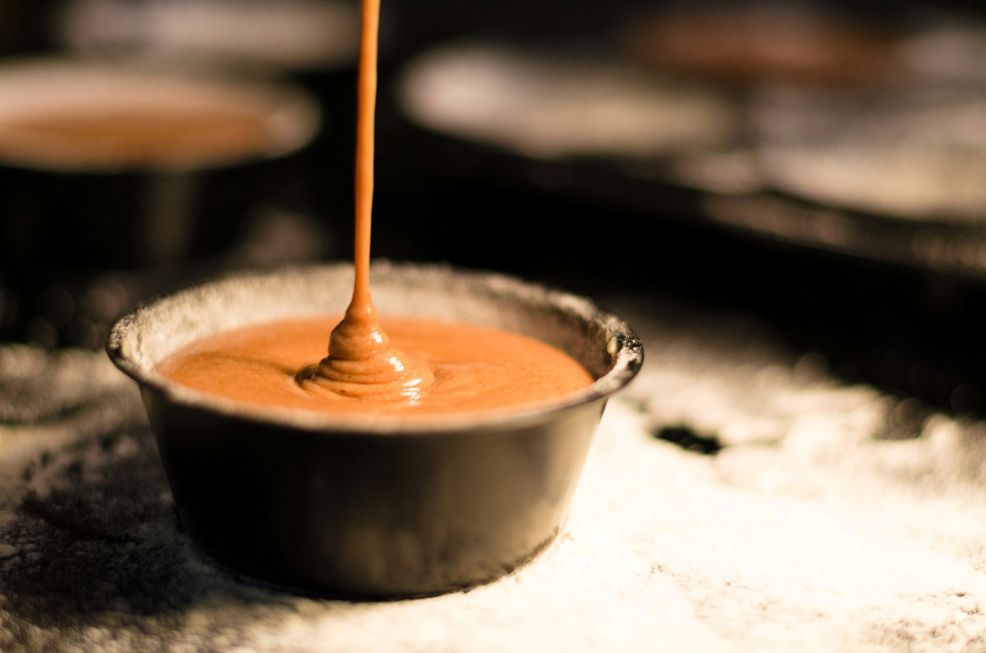
It’s hard to talk about Buenos Aires culinary travel without mentioning dessert. Argentines love sweets, and you’ll see proof in every bakery window. Cakes tower under glass domes. Alfajores (soft cookie sandwiches filled with dulce de leche) come in every variety. And nearly every menu offers at least one item dripping in caramel.
The most iconic ingredient is dulce de leche, a thick caramel made from milk and sugar. It finds its way into pastries, toast, cakes, and even coffee. Locals grow up on the stuff, and once you try it, you’ll understand why.
Head to Las Violetas, a stunning belle époque café known for towering dessert trays and ornate interiors. Or go casual and pick up a box of alfajores from Havanna, Argentina’s beloved national chain. Both are worth your time.
Gelato is also huge in Buenos Aires, thanks to the Italian influence. You’ll find creamy scoops of sambayón (a custard-like flavor made with Marsala) and dark chocolate studded with almonds at heladerías on nearly every block. Try Cadore or Rapa Nui for a strong first impression.
Unexpected Twists in Buenos Aires Culinary Travel
Not everything in Buenos Aires culinary travel is traditional. In fact, part of what makes the food scene exciting is how it’s evolving. New chefs are experimenting with native ingredients and presentation while holding onto local roots.
At Tegui, one of Buenos Aires’ most acclaimed restaurants, you’ll find multi-course tasting menus that include native herbs, wild mushrooms, and reinvented classics like humita (a corn-based dish wrapped in husks). The space is minimalist, the flavors are bold, and the experience feels personal.
For something more relaxed, consider Gran Dabbang, a tiny spot blending Argentine ingredients with Indian and Southeast Asian spices. You might start with roasted carrots in yogurt and end with curry-style lamb over rice. It’s creative without being fussy.
Then there’s El Baqueano, a restaurant that highlights native meats and lesser-known products from across Argentina. Think llama tartare or river fish ceviche. It’s not for everyone, but it’s deeply rooted in place and well-executed.
These spots remind you that food in Buenos Aires is not stuck in the past. It’s alive, changing, and willing to surprise you.
When to Plan Buenos Aires Culinary Travel
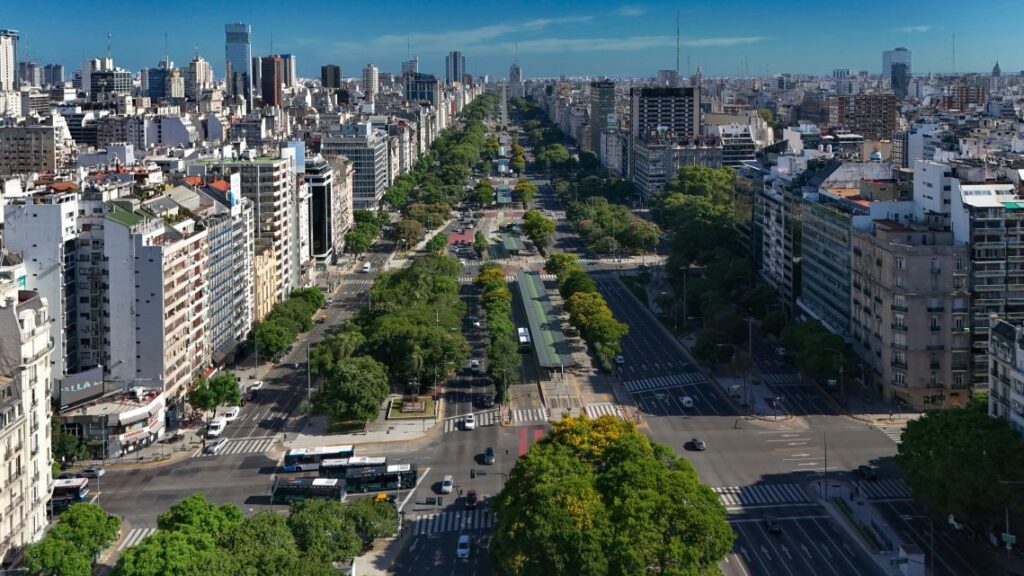
Timing matters. Buenos Aires has four seasons, and while food is great year-round, some seasons offer special advantages for culinary travel. Fall (March to May) is ideal for mild weather, changing leaves, and harvest-season produce. Think mushrooms, squash, and fresh-picked grapes.
Spring (September to November) brings flowers and bright seasonal dishes. You’ll see lighter meals, more salads, and chilled wines on menus. It’s also a pleasant time for outdoor dining, especially in leafy neighborhoods like Palermo.
Avoid high summer (December to February) if you don’t love heat. While you can still enjoy Buenos Aires culinary travel during those months, temperatures climb and some restaurants may close for holidays.
For wine lovers, Mendoza’s harvest festival in March is worth noting. While not in Buenos Aires, it pairs well with a culinary trip and makes a strong extension for anyone looking to explore Argentina’s wine culture further.
How to Plan a Buenos Aires Culinary Travel Experience
Planning a culinary trip to Buenos Aires doesn’t have to be overwhelming. Start by picking a neighborhood that matches your travel style. Palermo Soho offers trendy cafés, design-forward restaurants, and boutique hotels. Recoleta brings quiet charm and elegant accommodations. San Telmo leans artistic and authentic, especially on weekends.
Then choose your experiences. Aim for a mix of guided and self-directed outings. A market tour or cooking class adds context. But leave room for slow meals, surprise discoveries, and recommendations from locals.
Consider building in time to compare Buenos Aires to other food-focused places you’ve loved. If you’ve taken a Basque Country culinary journey, you’ll appreciate how Argentine food leans earthier and less seafood-driven. If you loved the Amalfi Coast food tour, Buenos Aires offers similar joy in its pacing—even if the plates look different.
And don’t over-schedule. Culinary travel works best when it’s balanced. Plan one or two special meals a day, with flexible time in between for walking, coffee, or sitting still.
Why Buenos Aires Culinary Travel Leaves a Mark
You don’t have to be a foodie to appreciate what Buenos Aires offers. The flavors are honest. The meals are long. And the people want you to enjoy both. Whether you’re eating steak off a sidewalk grill, sipping Torrontés in a tiled courtyard, or learning how to crimp empanadas from a home cook, it all sticks with you.
Buenos Aires culinary travel isn’t built around flashy trends or gimmicks. It’s steady, warm, and layered. It’s the kind of travel that creates memories not just of meals, but of feelings—the ones tied to taste, time, and place.
And if you miss a few things? That’s alright. You’ll want to come back