
Lake Como is famous for beautiful scenery, but some of its best experiences have very little to do with simply admiring the view.
For empty nesters, I’d make time for the lake’s historic villas and gardens, ferry rides between villages, Como’s centuries-old silk tradition, local food, and at least one town you can explore without rushing.
Villa Carlotta and Villa del Balbianello are two of the standout cultural sights. Bellagio and Varenna are worth exploring beyond their waterfronts, while Como itself adds churches, museums, architecture, and the region’s silk story.
The biggest mistake is trying to see too much in one day. Lake Como works better when you choose a few experiences, use the ferries, and leave enough time to enjoy where you are.
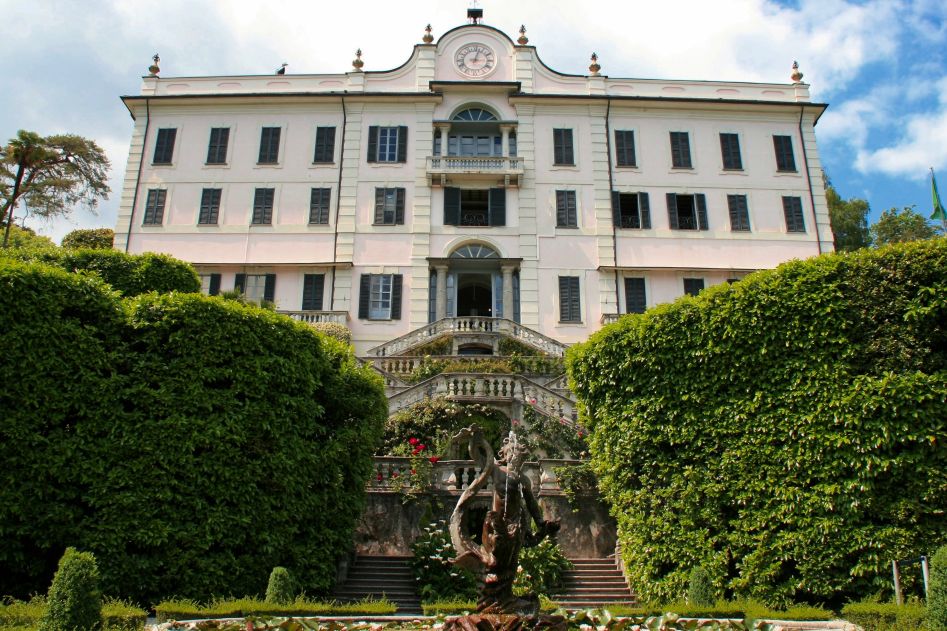
Best Lake Como Cultural Experiences at a Glance
| Experience | Best For | Time to Allow |
|---|---|---|
| Villa Carlotta | Art, history and gardens | 2–3 hours |
| Villa del Balbianello | History, architecture and gardens | 2–3 hours |
| Como Silk Museum | Local history and craftsmanship | 1–2 hours |
| Bellagio | Village life, shops and walking | Half day |
| Varenna | Slower pace, history and waterfront | Half day |
| Public ferry | Scenery and getting between towns | Part of your day |
| Food or cooking experience | Local cuisine and hands-on culture | 3–4 hours |
| Como | Churches, architecture and museums | Half to full day |
Use the Lake Como Ferries as Part of the Experience
The ferry isn’t simply transportation at Lake Como. It’s one of the easiest ways to experience the lake.
Routes connect many of the towns travelers most want to visit, including Bellagio, Varenna, Menaggio, Como, and destinations around Tremezzina.
For a first visit, I’d build several days around the ferry rather than spending the entire trip relying on a car. You avoid some of the road traffic and get the lake views at the same time.
Bellagio, Varenna, and Menaggio are especially easy to combine because of their ferry connections.
Check the current Navigazione Laghi timetable before each travel day, particularly outside peak season. Schedules change during the year.
Explore Lake Como’s Villages on Foot
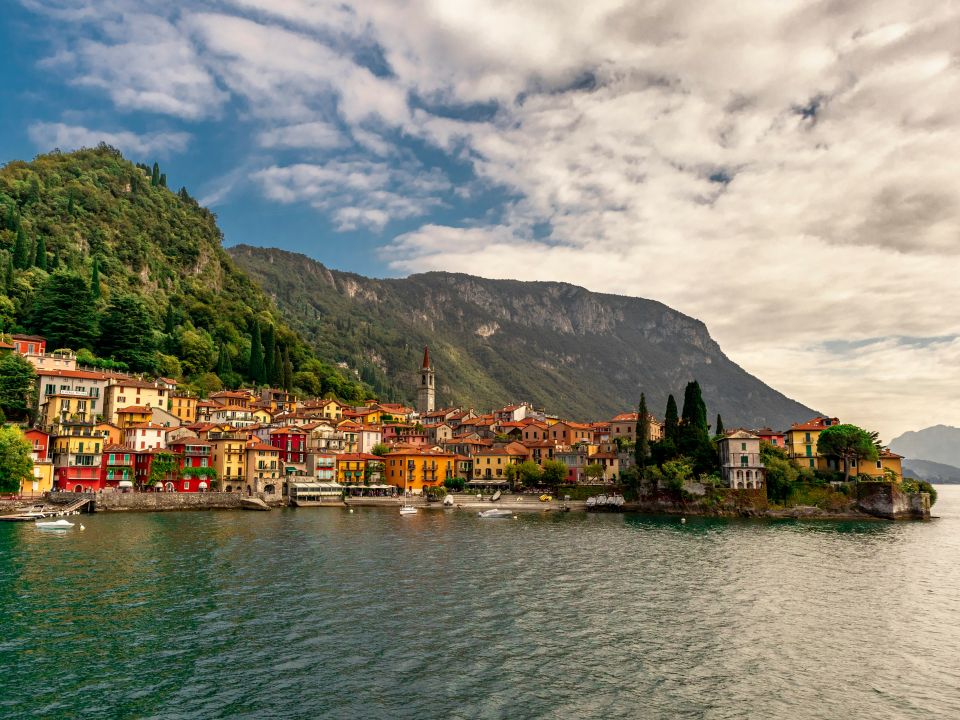
Once you get off the ferry, walking is often the best way to explore.
Varenna is a good example. You can wander the waterfront, climb through older streets, visit historic sites, stop for lunch, and spend time simply enjoying the town rather than racing toward another ferry.
Bellagio offers a different experience, with busier central streets, shops, restaurants, gardens, and quieter areas once you move away from the busiest waterfront routes.
Just remember that “walkable” doesn’t always mean flat. Lake Como has hills, stone streets, steps, and uneven surfaces, so comfortable shoes matter.
For more context, hiring a local guide who specializes in history and culture is well worth it. Platforms like ToursByLocals offer vetted, private guides who know how to adapt the pace and focus to what you want to learn.
Visit Lake Como’s Historic Villas and Gardens
If you only choose one category of paid cultural sightseeing at Lake Como, I’d put the historic villas near the top of the list.
Villa Carlotta in Tremezzina combines a historic residence, art collection, and botanical garden. Its museum includes works connected to artists including Antonio Canova, Francesco Hayez, and Bertel Thorvaldsen.
Villa del Balbianello offers a different experience. Its spectacular setting gets much of the attention, but the villa also tells the story of its last private owner, explorer Guido Monzino, whose collections and travels became part of the property.
Film fans may recognize Balbianello from Casino Royale and Star Wars, but don’t visit only because you’ve seen it on screen. The villa, gardens, setting, and history are worthwhile on their own.
Both deserve enough time to explore rather than being squeezed between several other stops.
Learn About Como’s Silk-Making Tradition
Como’s connection with silk gives you a cultural experience that has nothing to do with villas or lake views.
The Museo della Seta, or Silk Museum, explores the area’s textile history through machinery, tools, production methods, designs, and other material connected with the industry.
This is a good addition if you’re staying in Como itself or if you’re interested in fashion, design, manufacturing, or local history.
I’d choose the museum over trying to hunt down supposedly “hidden” artisan workshops. If you happen to discover a good working studio or silk shop while you’re there, consider that a bonus rather than something your itinerary depends on.
Check What’s Happening During Your Visit
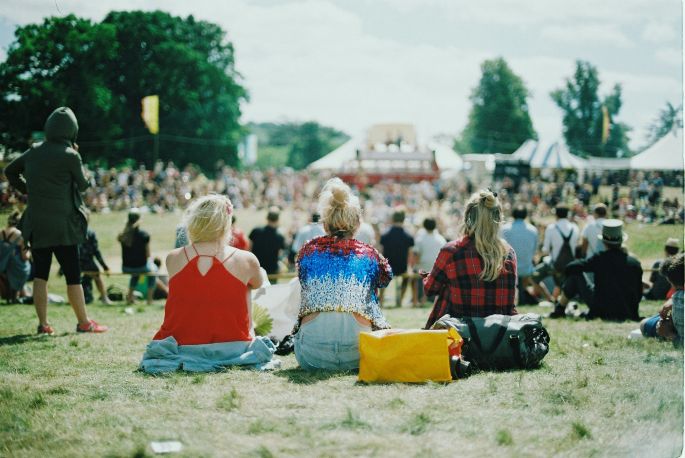
Lake Como’s cultural calendar changes throughout the year, so this is one part of the trip I’d research shortly before you leave.
Depending on your dates, you may find concerts, exhibitions, food events, performances, or programs hosted at villas and other historic venues.
Don’t build an evergreen itinerary around an event mentioned in an older travel article. Check the current calendar for your actual travel dates and add something if it genuinely interests you.
Bellagio or Varenna: Which Should You Visit?
If you have enough time, visit both. Bellagio and Varenna are close enough by ferry to experience on the same trip, but they don’t feel identical.
Bellagio is generally the busier of the two and offers plenty of restaurants, shops, lake views, and places to wander beyond the waterfront.
Varenna feels smaller and is easy to combine with Villa Monastero, waterfront walking, and Castello di Vezio if you’re comfortable with the climb.
If you’re trying to squeeze Bellagio and Varenna into the same day, resist the temptation to keep adding stops. Two towns enjoyed properly are better than four towns seen from the ferry dock.
Experience Lake Como Through Food and Wine
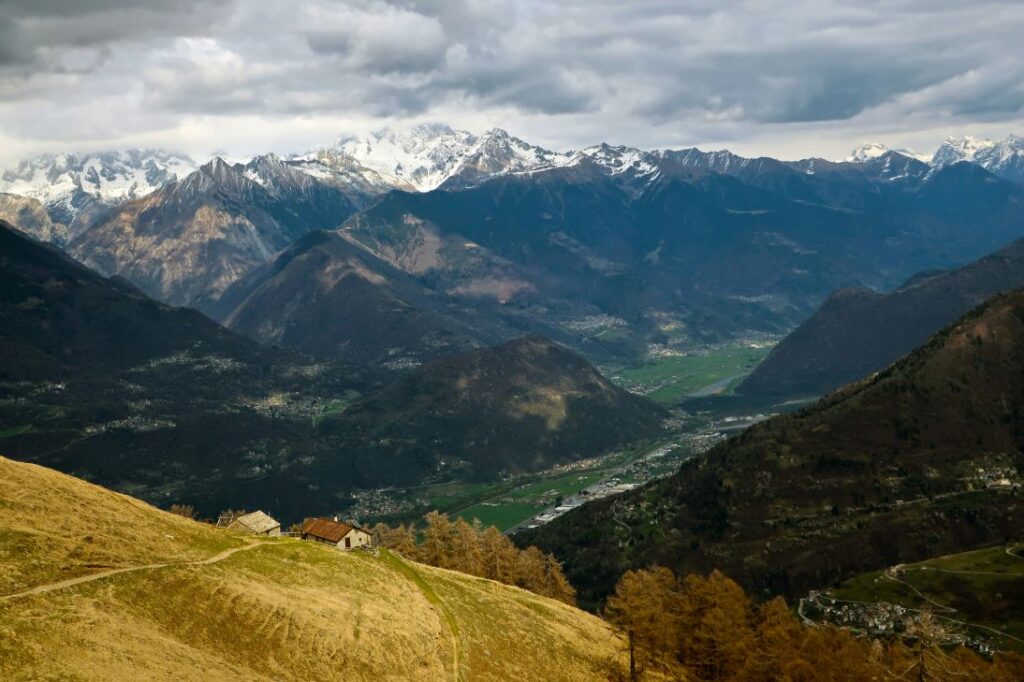
Lake Como’s food reflects both its lakeside setting and its location in northern Lombardy.
Rather than arriving with a checklist of dishes, ask what is local and seasonal wherever you’re eating. Polenta, freshwater fish, cheeses, cured meats, and regional wines can all become part of the experience.
A cooking class can also be worthwhile if you enjoy hands-on experiences, especially when it focuses on regional dishes rather than a generic “Italian cooking” menu.
If wine interests you, look beyond Lake Como itself. Nearby Valtellina is particularly known for Nebbiolo-based wines and adds another regional connection to the food you’re eating.
Shop for Local Products With Some Context
Lake Como has a long connection with design, textiles, craftsmanship, and regional food products.
If shopping is part of your trip, look for something connected to the area rather than buying a souvenir simply because it says Lake Como on it.
Como’s silk tradition gives you an obvious place to start. Food products, locally made goods, art, and design can also make more meaningful purchases when you know something about who produced them.
Ask questions. Find out where something was made. If the answer is vague, don’t feel obligated to buy it.
Visit Lake Como’s Historic Churches
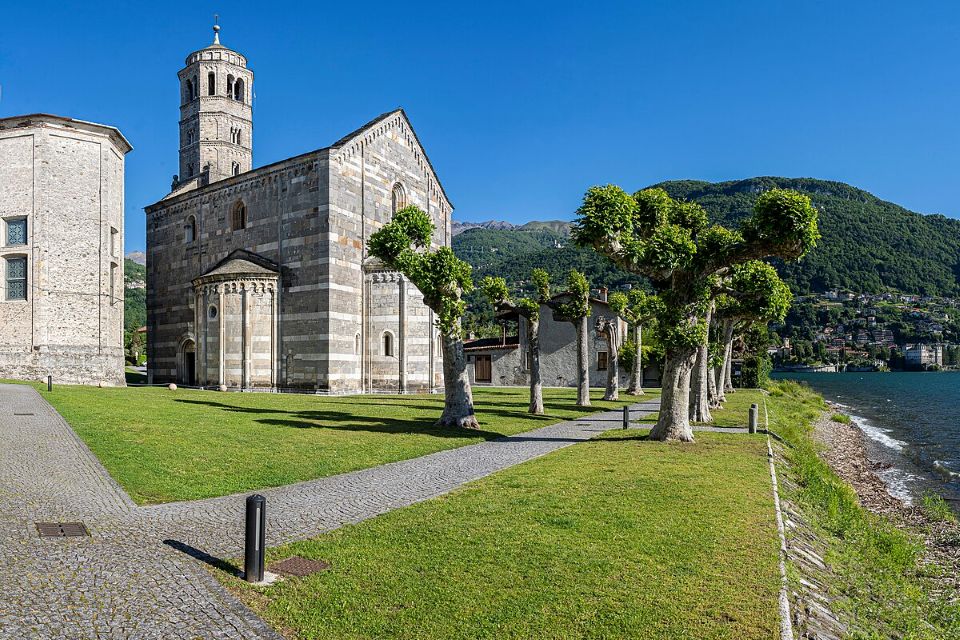
Historic churches offer another way to explore the region beyond villas and waterfront towns.
Santa Maria del Tiglio in Gravedona is particularly interesting if your itinerary takes you toward the northern lake.
The Abbey of San Benedetto requires more effort to reach, making it better suited to travelers who specifically enjoy walking, religious history, or quieter historic sites.
You don’t need to seek out every church around the lake. Add one or two that fit naturally with the towns you’re already visiting.
Museums Worth Visiting in Como
If you’re spending time in Como itself, choose museums based on what genuinely interests you rather than trying to see everything.
The Silk Museum is the obvious choice if you want to understand the industry that helped shape Como’s identity.
Architecture enthusiasts may also want to explore Como’s Rationalist architecture, including Giuseppe Terragni’s work. That gives you a completely different perspective from the villas and medieval streets elsewhere around the lake.
I’d treat museums as part of a day in Como rather than traveling across the lake solely to check another museum off a list.
Where Should You Stay on Lake Como?
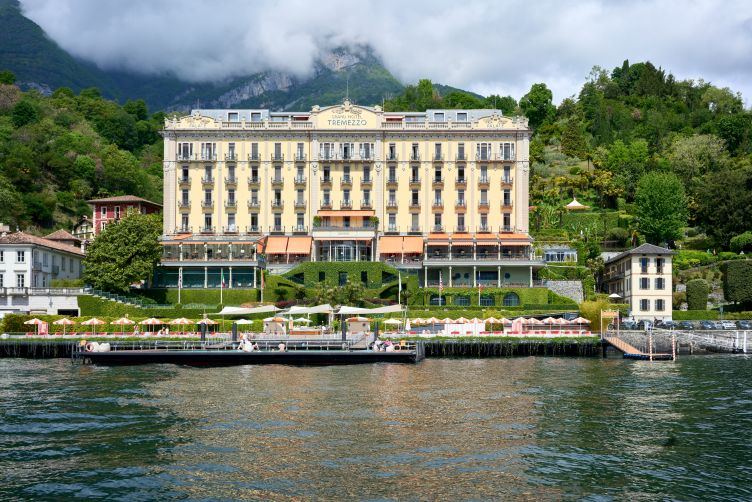
Where you stay can have a bigger effect on your Lake Como trip than the hotel brand you choose.
For first-time visitors who want to explore the central lake, Bellagio, Varenna, Menaggio, and the Tremezzina area can all work well because of their access to ferries and major sights.
Varenna also has the advantage of a rail connection, which can make arriving from or returning to Milan easier.
Como can make sense if you want a larger town, easier transportation connections, restaurants, shopping, museums, and access to the southern end of the lake.
Before choosing a hotel, look at the exact location on a map. A beautiful property isn’t much help if reaching the ferry requires a difficult walk every morning.
For empty nesters, I’d pay particular attention to hills, steps, distance from the ferry, air conditioning, elevators, and how easily you can reach restaurants without arranging transportation every evening.
How to Plan a Lake Como Trip Without Rushing
Lake Como looks compact on a map, which makes it easy to underestimate how long moving between places can take.
Start by choosing where you’ll stay. Then group each day’s sightseeing geographically instead of bouncing back and forth across the lake.
Use ferries when they make sense, but check schedules before leaving your hotel. Build extra time around connections rather than planning every transfer down to the minute.
You can explore this idea in more detail in Plan a Luxury Europe Trip Without Losing Control, including how to use expert planning help while keeping the trip aligned with your priorities, budget, and travel style.
I would also avoid planning several major attractions every day. One villa, one town, and a good meal can easily become a full and satisfying Lake Como day.
Book experiences with limited availability in advance, especially important villa visits and cooking experiences. Leave ordinary meals, walks, shopping, and some afternoons flexible.
The goal isn’t to see every famous place around Lake Como. It’s to enjoy the places you chose without spending half the vacation watching the clock.
Which Lake Como Cultural Experiences Are Worth Your Time?
For a first Lake Como trip, I’d prioritize a historic villa, time in Bellagio or Varenna, a ferry ride across the central lake, and one experience connected with the region’s food or silk tradition.
Then stop adding things.
If you have more time, explore Como itself, visit another villa, spend a day farther north, take a cooking class, or simply give yourselves another afternoon with nowhere you have to be.
Lake Como doesn’t require a packed itinerary to justify the trip. In fact, packing every day with reservations can work against what makes the lake enjoyable.
For empty nesters, that’s one of its biggest advantages. You finally have the freedom to spend two hours over lunch or change your plans because you found somewhere you want to stay longer.
If you’d like help deciding where to stay and building a Lake Como itinerary that gives you enough time to actually enjoy the lake, Empty Nester Getaways can help you put the pieces together.