Most luxury europe trip planning starts with the same goal. You want something easy, smooth, and predictable. You want to unpack once, avoid stress, and enjoy each day without thinking too much about logistics. That sounds reasonable, and it is exactly what most travel marketing promises.
But here is the problem. What looks easy on paper often removes control in real life. And once control is gone, the trip stops feeling relaxed. It starts feeling rigid, rushed, or frustrating.
I see this play out all the time. A couple chooses a structure that feels simple upfront. They book a cruise or a tightly scheduled itinerary. Everything looks organized. Then something shifts, and they realize they cannot adjust anything. That is where the experience breaks down.
Here’s where luxury europe trip planning usually goes wrong
Here is what usually happens step by step. First, you pick a format that promises convenience. That could be a river cruise or a multi-city itinerary with every detail locked in. It feels like the safest option since everything is handled.
Then the trip begins. You follow a fixed schedule. You move when the plan says to move. You visit places at specific times. At first, it feels efficient.
But then small problems start to show up. You feel rushed in one place. You wish you had more time in another. Or your energy is lower one day, and the schedule does not allow for it. Now you are adjusting yourself to the trip instead of the trip working for you.
That is the hidden tradeoff. Convenience at the start often reduces flexibility later. And that is a tradeoff most people do not see during luxury europe trip planning.
Cruise convenience vs land control in luxury europe trip planning
Let’s look at a clear example. A river cruise promises simplicity. You unpack once, your meals are handled, and your route is set. That sounds like the easiest way to experience Europe.
But here is the reality. Your entire trip depends on conditions you cannot control. Water levels, port access, and schedule changes all affect your experience. If one piece shifts, the whole structure shifts with it.
Now compare that to a land-based approach in places like the Douro Valley or Lake Como. You still unpack once. You still have a clear base. But your days are flexible. You can adjust timing, pacing, and activities without disrupting the entire trip.
This is where the Control vs Chaos Filter starts to matter. A river cruise often reduces decision-making upfront but introduces risk later. A well-planned land base keeps things simple without taking away your ability to adjust.
A better way to approach luxury europe trip planning
Here is the shift I recommend. Stop asking which option is easier. Start asking which option gives you more control during the trip.
That question changes everything. It forces you to think about how your days will actually feel. It helps you avoid building a trip that looks good but feels off once you arrive.
For example, if your goal is a calm experience, a single base in Lake Como often works better than multiple hotel changes. For a similar slow, base-first approach, see Luxury Tuscany Travel.
That is the foundation of strong luxury europe trip planning. You are not chasing convenience. You are protecting your experience.
The Control vs Chaos Filter in luxury europe trip planning
Most luxury europe trip planning decisions feel overwhelming at first. You are choosing between destinations, hotels, tours, and travel styles. Each option looks good in isolation, which makes the decision harder, not easier.
That is exactly why I use a simple framework called the Control vs Chaos Filter. It gives you a clear way to evaluate every decision without overthinking it. And it removes a lot of the noise that causes confusion.
The idea is straightforward. Every choice either gives you more control over your trip or introduces more chaos. Once you start looking at your plan this way, patterns become obvious.
What the Control vs Chaos Filter actually means
Let’s break this down in practical terms. Control means you can adjust your day without breaking the entire plan. Chaos means small changes create bigger problems.
For example, staying in one location for five nights gives you control. You can shift a tour, rest longer, or explore something new without affecting everything else. But changing hotels every two nights introduces chaos. Each move requires packing, transfers, and check-ins that eat into your time.
This is not about avoiding structure. It is about choosing the right structure. A well-designed plan gives you a strong base and flexible days. A weak plan locks everything in and leaves no room to adjust.
Here’s a real planning scenario. A couple is deciding between a Danube cruise stop in the Wachau Valley or staying in the region for several nights. The cruise gives them a fixed schedule and limited time. Staying in the Wachau Valley gives them control over how long they spend in each village, when they tour, and how fast they move.
Same destination. Very different experience.
Why this filter works so well in luxury europe trip planning
Luxury travel is not about having more included. It is about having fewer problems during the trip. That is the difference most people miss.
When you apply the Control vs Chaos Filter, you stop focusing on what is included and start focusing on how the trip feels. That shift leads to better decisions almost every time.
Take Lake Como as an example. If you stay in one town like Bellagio or Varenna, you can explore the lake at your own pace. Ferries run often, and you can adjust your day easily. That is control.
But if you try to combine Lake Como with multiple other regions in a short time, the experience changes. You spend more time moving and less time enjoying the setting. That is where chaos starts to creep in.
The same logic applies in the Douro Valley. Staying at a single wine estate allows you to relax into the rhythm of the region. Day trips and tastings become part of a calm flow. Moving between multiple towns quickly breaks that rhythm. To learn more abou tthe Douro Valley go to the Portugal Tourism site.
Mistake to avoid when using the Control vs Chaos Filter
The most common mistake I see is assuming that more structure equals more control. It does not. In many cases, it does the opposite.
A tightly scheduled itinerary looks organized. Every day is planned. Every activity is booked. But once you are on the trip, that structure limits your ability to adjust.
Here is a real example. A couple books guided tours every morning for a week. By day three, they feel tired. They want a slower day. But every tour is prepaid and non-refundable. Now they are stuck following a schedule that no longer fits how they feel.
That is not control. That is commitment without flexibility.
A better approach is to plan anchor points, not every detail. You secure the key experiences and leave space around them. That gives you structure without locking you in.
How to apply this filter to your own luxury europe trip planning

Start with one simple question for every decision. Does this give me more control during the trip or less?
Use that question when choosing your base, your daily structure, and your excursions. If something reduces your ability to adjust, it likely adds unnecessary friction.
For example, choosing a single base in the Douro Valley or Lake Como usually passes the filter. It simplifies your logistics and gives you flexibility. Booking a series of short stays across multiple regions often fails the filter. It increases movement and reduces your margin for adjustment.
This is not about doing less. It is about doing the right things in the right way. When your structure supports your experience, the trip feels easier without sacrificing quality.
Cruise vs land base in luxury europe trip planning
One of the biggest decisions in luxury europe trip planning is choosing between a cruise and a land-based itinerary. Both can deliver a high-end experience. But they create very different day-to-day realities.
Most couples start with a cruise. It feels simple. You unpack once, meals are included, and the route is set. On paper, it looks like the easiest way to see multiple regions without stress.
But this is where the Control vs Chaos Filter becomes critical. You need to look beyond the convenience and ask how much control you actually have during the trip. That is where the difference shows up.
What a river cruise actually gives you
A river cruise offers a structured experience. Your schedule is fixed, and your days follow a set pattern. Excursions happen at specific times, and the ship moves on regardless of how you feel about a location.
For some travelers, this works well. If your goal is to sample several destinations quickly, a cruise can deliver that. You get a broad overview without managing logistics yourself.
But here is the tradeoff. You are trading flexibility for simplicity. If you want more time in one place, you cannot extend your stay. If you feel tired one day, the schedule does not slow down for you.
There is another factor many people overlook. River conditions can affect your route. Low water levels or high currents can force changes. In some cases, that leads to long bus transfers between ports. Now your “easy” trip includes hours on the road.
That is a clear example of chaos entering the plan. The structure looks stable, but it depends on variables you cannot control.
What a land base approach gives you instead
A land-based approach works differently. You choose one strong base and build your experience from there. Places like the Douro Valley, the Wachau Valley, and Lake Como are perfect for this structure.
You still get the benefit of unpacking once. You still have access to curated experiences. But your days are flexible. You can adjust timing, choose your pace, and change plans without disrupting the entire trip.
For example, in Lake Como, you might plan a day to visit Bellagio and Varenna. If you decide to stay longer in one village, you can. Ferries run frequently, and your schedule is not locked in.
In the Douro Valley, staying at a wine estate gives you access to tastings, local experiences, and scenic drives. But you control when and how you experience them. That creates a calmer rhythm.
This is where luxury europe trip planning shifts from convenience to control. You are not removing structure. You are choosing a structure that supports your experience instead of limiting it.
The key tradeoff in cruise vs land decisions
The real decision is not cruise versus land. It is control versus convenience.
A cruise simplifies your planning before the trip. But it reduces your flexibility during the trip. A land base requires a bit more thought upfront. But it gives you far more control once you arrive.
Here is a practical example. A couple considering a Danube cruise might spend several hours in the Wachau Valley as part of the itinerary. They visit one or two towns, follow a guided tour, and return to the ship.
Now compare that to staying in the Wachau Valley for three or four nights. You can explore smaller villages, visit wineries at your own pace, and enjoy evenings without a departure deadline. The experience becomes deeper and more relaxed.
Both options visit the same region. But one allows you to shape the experience. The other asks you to follow it.

How to choose the right approach for your trip
Start by thinking about how you want your days to feel. If you want a structured overview with minimal decisions, a cruise can work. But you need to accept the tradeoffs that come with it.
If your goal is a calm, immersive experience with flexibility, a land base is usually the better choice. It aligns more closely with what most empty nesters are actually looking for at this stage.
The Control vs Chaos Filter makes this decision clearer. Look at each option and ask how much control you will have when plans need to adjust. The answer will guide you toward the right structure.
If your trip depends on staying flexible and enjoying each moment, the land base approach almost always wins.
Destination fit in luxury europe trip planning: Douro Valley vs Wachau Valley vs Lake Como
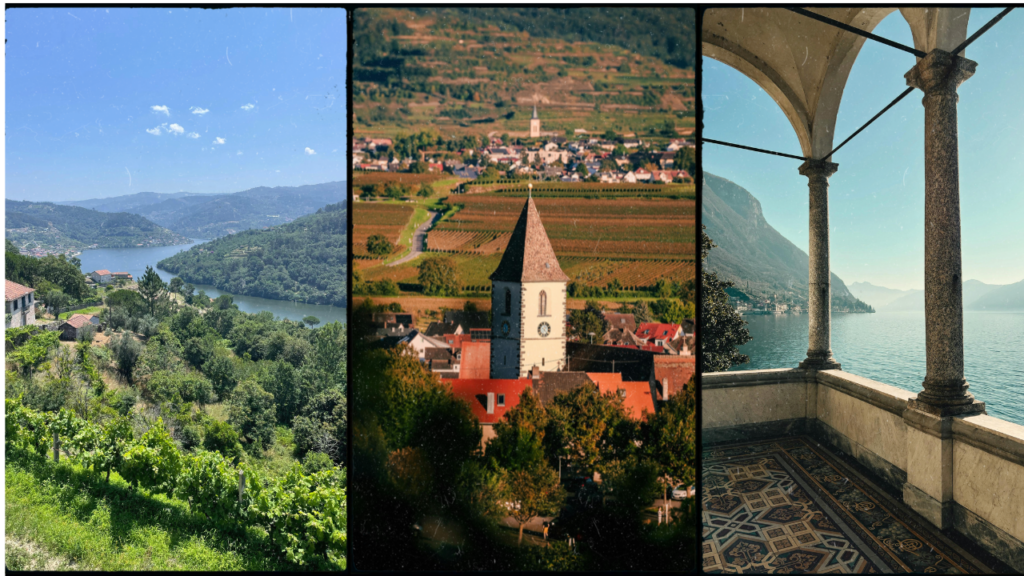
Luxury europe trip planning often starts with a destination list. You see beautiful images, read a few guides, and narrow it down to a few strong options. Places like the Douro Valley, the Wachau Valley, and Lake Como all rise to the top for a reason.
But choosing between them based on visuals alone usually leads to the wrong decision. Each of these destinations delivers a different daily experience. If you ignore that, the trip can feel off even if the setting is beautiful.
This is where the Control vs Chaos Filter becomes useful again. Instead of asking which place looks best, you ask which place supports the kind of days you want.
What the Douro Valley feels like day to day
The Douro Valley is built for slow travel. You stay in one place, often at a wine estate, and your days revolve around simple, focused experiences. Wine tastings, scenic drives, and long meals define the rhythm.
A typical day might start with breakfast overlooking the vineyards. You might visit a nearby winery in the late morning. Then you return for a relaxed lunch and spend the afternoon by the pool or exploring a small village.
This structure gives you a high level of control. You are not moving often. You are not rushing between sites. And you can adjust your day based on how you feel.
The tradeoff is variety. You are not seeing multiple regions in one trip. But what you gain is depth and calm. For many couples, that is the better outcome.
What the Wachau Valley feels like in practice
The Wachau Valley sits along the Danube and offers a mix of structure and flexibility. Small towns like Dürnstein and Melk are easy to access, and the region is compact enough to explore without long transfers.
A typical day here might include a bike ride along the river, a visit to a monastery, and a wine tasting in the afternoon. You can cover more ground than in the Douro Valley, but you still maintain a manageable pace.
This makes the Wachau Valley a middle-ground option in luxury europe trip planning. It gives you more variety than a single wine estate stay. But it still allows you to control your schedule if you base yourself in one location.
The mistake to avoid here is trying to treat it like a quick stop. Many travelers only see the Wachau Valley as part of a cruise itinerary. They spend a few hours there and move on.
That approach misses what makes the region special. Staying for several nights gives you the ability to explore beyond the main stops and enjoy the slower moments.
What Lake Como delivers that the others do not
Lake Como offers a more refined and polished experience. The setting is dramatic, and the towns around the lake each have their own character. It feels more elevated than the other two options.
A typical day might include a ferry ride between villages, a long lunch by the water, and an afternoon exploring gardens or historic villas. Evenings are relaxed and centered around the lake.
This destination works well for couples who want a mix of comfort and flexibility. You can plan a few key activities and leave the rest open. That balance gives you control without making the trip feel empty.
The tradeoff here is cost. Lake Como tends to be more expensive than the Douro Valley or the Wachau Valley. But the experience often justifies it if the goal is a refined and relaxed atmosphere.
Choosing the right destination for your luxury europe trip planning
The right choice depends on how you want your days to feel, not just where you want to go. That is the shift most people need to make.
If you want the slowest pace and a strong focus on wine and scenery, the Douro Valley is a strong fit. If you want a mix of activity and flexibility, the Wachau Valley works well. If you want a polished setting with easy movement between locations, Lake Como stands out.
The Control vs Chaos Filter helps you make this decision with clarity. Look at how each destination supports your desired pace and flexibility. The one that gives you the most control is usually the right choice.
Structuring your days in luxury europe trip planning for control

Luxury europe trip planning often focuses on where you go. But how you structure each day matters just as much. The wrong daily structure can turn a beautiful destination into a tiring experience.
Most trips start with good intentions. You want to make the most of your time. So you add tours, reservations, and activities to each day. It looks efficient on paper.
But this is where things start to break down. When every hour is planned, there is no room to adjust. That is where the Control vs Chaos Filter becomes critical again.
Why over-planned days fail in luxury europe trip planning
A fully scheduled day removes flexibility. You wake up to a set plan, and you follow it regardless of how you feel. That might work for a day or two. But over a week, it becomes exhausting.
Here is a real example. A couple plans their stay in Lake Como with morning tours every day. By the third day, they feel tired. They want a slow morning and a late start.
But their schedule is locked. The tours are prepaid, and the timing cannot shift. Now they are following a plan that no longer fits their energy.
This is a common mistake in luxury europe trip planning. People confuse activity with value. They assume more booked experiences will make the trip better. In reality, it often creates friction.
The better structure: anchor points with flexible space
A stronger approach is to build your days around anchor points. These are the key experiences that define your trip. Everything else remains flexible.
For example, in the Douro Valley, you might anchor your day with a private wine tasting in the afternoon. The morning stays open. You can sleep in, enjoy breakfast, or explore at your own pace.
In the Wachau Valley, you might plan a bike ride along the river as your main activity. The rest of the day adjusts around that. If you want to stop longer in one village, you can.
This structure gives you control without removing direction. You know what matters in your day. But you are not locked into a rigid schedule.
Tradeoff: planning less vs experiencing more
This approach can feel uncomfortable at first. It looks like you are doing less. You are not filling every hour. You are leaving space in your itinerary.
But that space is what allows the trip to feel relaxed. It gives you time to enjoy where you are instead of moving through it.
If this is part of the trip you are considering, Europe Travel Itinerary Planning: The Better Way to Structure Your Trip takes a closer look at how to build a European itinerary with fewer rushed moves and more time to enjoy each stop.
Here is the tradeoff. Planning less detail upfront often leads to a better experience during the trip. Planning every detail can create a sense of pressure that follows you each day.
This is where the Control vs Chaos Filter becomes practical. If a decision reduces your ability to adjust your day, it likely adds unnecessary complexity.
A clear recommendation for structuring your days
Limit your structured activities to one or two per day. Choose experiences that matter and build around them. Leave the rest of your time open.
For example, in Lake Como, you might plan a boat tour one day and leave the afternoon open. You can explore a village, relax by the water, or extend lunch if you find a place you love.
In the Douro Valley, you might plan a vineyard visit and leave the rest of the day free. The slower pace becomes part of the experience.
This is not about doing less. It is about doing the right things without crowding your schedule.
If your days feel balanced on paper, they will feel balanced in real life. That is the goal of strong luxury europe trip planning.
Excursions in luxury europe trip planning: private vs group
Excursions shape how your trip feels each day. Yet many luxury europe trip planning decisions focus more on hotels than on daily experiences. That is where problems start.
A beautiful hotel sets the stage. But your day unfolds outside that room. The way you explore each destination determines whether the trip feels calm or rushed.
This is where the Control vs Chaos Filter becomes very practical. The type of excursion you choose either supports your pace or works against it.
What group tours actually feel like in practice
Group tours look appealing at first. They cost less, and they cover key highlights. Everything is arranged, and you do not need to think about logistics.
But the experience often feels very different from what people expect. You follow a fixed schedule. You move with a group. You wait for others at each stop.
Here is a real example. A couple in the Wachau Valley joins a group tour that includes several towns and a winery. The day is structured down to the minute. They spend more time keeping pace with the group than enjoying each location.
By the end of the day, they feel rushed. They saw a lot, but they did not fully enjoy it. That is the hidden cost of group tours in luxury europe trip planning.
They introduce small points of friction throughout the day. Those small points add up.

What private experiences give you instead
Private excursions shift the experience completely. You set the pace. You decide how long to stay in each place. The day adjusts to your energy.
In Lake Como, a private guide might take you to quieter villages and adjust the route based on your interests. If you find a place you love, you stay longer. If you want a break, you take it.
In the Douro Valley, a private wine tour can focus on the types of tastings you enjoy. You are not following a generic route. The experience feels tailored.
This level of flexibility increases control. And that control makes the day feel easier.
Tradeoff: cost vs experience in luxury europe trip planning
The main reason people choose group tours is cost. They appear more affordable upfront. And in some cases, they are.
But the tradeoff is not always obvious. You save money, but you give up flexibility and pace. That can change how the entire trip feels.
A private experience costs more. But it often delivers a better return on your time and energy. You are not spending your day waiting, rushing, or adjusting to others.
Here is a clear way to think about it. You are not paying for transportation or access. You are paying for control over your day.
This is one of the most important decisions in luxury europe trip planning. It directly affects how each day feels.
A clear recommendation for choosing excursions
Use private experiences for the moments that matter most. These are the days where pace and enjoyment are critical.
You can still mix in lighter, less structured activities on other days. The goal is not to make everything private. The goal is to protect your experience where it counts.
For example, in the Wachau Valley, you might choose a private guide for a full-day exploration. On another day, you might rent bikes and explore on your own.
In Lake Como, a private boat tour can define your trip. Other days can remain open and unstructured.
Apply the Control vs Chaos Filter to each excursion. If the experience limits your flexibility, it may not be the right fit.
Putting it all together in luxury europe trip planning
At this point, the pattern should be clear. Luxury europe trip planning is not about picking the most popular option. It is about building a structure that supports how you want to travel.
Most people start with destinations. They look at maps, lists, and recommendations. That approach feels logical, but it often leads to confusion.
A better approach starts with the experience. You decide how you want your days to feel. Then you choose the structure that supports that feeling.
This is where the Control vs Chaos Filter brings everything together. It gives you a consistent way to evaluate each part of your trip.
How all the pieces connect in real planning
Let’s walk through a simple example. A couple wants a relaxed, high-end Europe trip with great food and scenery. They want to avoid stress and constant movement.
Using the Control vs Chaos Filter, they start with one strong base. They choose Lake Como for its accessibility and flexibility. That decision removes the need for multiple hotel changes.
Next, they structure their days around key experiences. They plan a private boat tour and a guided villa visit. The rest of their time stays open.
Then they choose their excursions carefully. They prioritize private experiences for important days. They leave room for unplanned moments.
Each decision builds on the last. The result is a trip that feels calm, flexible, and enjoyable from start to finish.
This is the difference between a trip that works on paper and a trip that works in real life.
Where most luxury europe trip planning still goes wrong
Even with good intentions, many trips still fall into the same pattern. People try to combine too much into one itinerary. They mix multiple regions, frequent hotel changes, and packed schedules.
It looks like a once-in-a-lifetime trip. But it often feels rushed and disconnected.
Here is a clear example. A couple tries to combine the Douro Valley, Lisbon, and the Algarve in one week. Each destination is strong on its own. But the constant movement reduces the quality of the experience.
They spend more time traveling than enjoying each place. That is where chaos enters the plan.
The better approach is to simplify. Choose one region, build a strong base, and let the experience unfold naturally.
A final recommendation for your next trip
If you take one thing from this guide, make it this. Protect your control during the trip.
Every decision in luxury europe trip planning should support that goal. From your base to your daily structure to your excursions, each choice either helps or hurts your experience.
Start with fewer locations. Build your days with space. Choose experiences that match your pace.
If you do that, your trip will feel easy without sacrificing quality. That is what most couples are actually looking for.
If you are starting to plan and want help applying this approach, that is exactly what I do. I help you take ideas and turn them into a clear, workable plan.
Join my Facebook group: https://www.facebook.com/groups/emptynestergetaways