
Budapest food and wine experiences reflect the city itself. They feel layered, slightly misunderstood, and far more refined than outsiders expect. Many couples arrive planning one traditional dinner. Then suddenly, they start rearranging entire afternoons around restaurant reservations.
Part of that shift comes from Budapest’s history. Ottoman influence shaped its spice usage and coffee culture for centuries. Austro-Hungarian traditions added elegance, pastries, and formal dining rituals that still linger today. Communist-era survival cooking also left marks, though locals rarely romanticize those years. Frankly, nobody dreams nostalgically about canned peas and mystery meat.
That tension matters more than most travelers realize. Budapest never developed a polished culinary identity designed purely for tourists. Instead, the city evolved through occupation, scarcity, reinvention, and pride. You can actually taste those transitions across a single evening here. Few European capitals feel that honest anymore.
The pacing changes everything too. Paris often pushes performance. Rome rewards energy. Budapest feels more conversational, especially for couples traveling slower after years of rushed vacations and packed itineraries. Dinner stretches longer here without feeling forced. Wine bars encourage lingering instead of turnover. Nobody subtly drops the check after ninety minutes like an impatient New York server.
Even Hungarian wine surprises experienced travelers. Most Americans recognize Tokaji if they recognize anything at all. Yet volcanic whites from Somló and balanced reds from Villány deserve far more attention. Local sommeliers speak about regional wines with genuine emotion, not rehearsed theater. That difference becomes obvious after your second glass.
The hidden truth involves atmosphere. Budapest rarely overwhelms couples with culinary hype before they even arrive. Expectations stay modest, which allows the city to quietly outperform them. That emotional contrast creates memorable meals people discuss months later. Sometimes years later, honestly.
And once couples understand that rhythm, restaurant choices suddenly matter much more.
Why Budapest Food and Wine Experiences Feel Different From Other European Cities
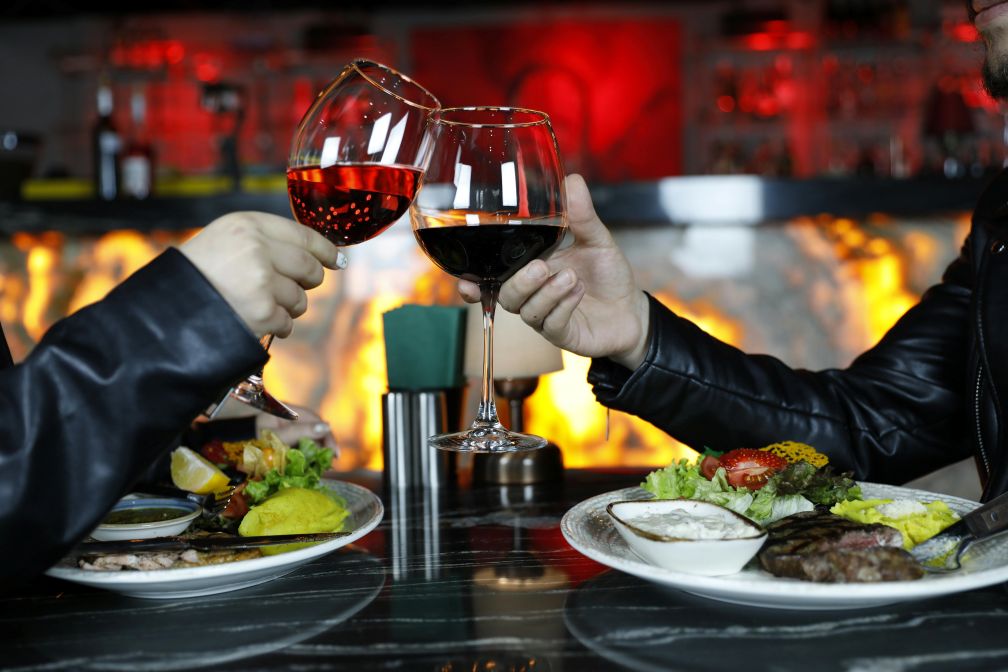
Budapest food and wine experiences feel confident without begging for applause. The city does not perform like Paris, and that helps. Couples can settle in without feeling judged by the room.
One evening may begin in a grand café with chandeliers and polished marble. Another may end in a neighborhood wine bar with candlelight and unfamiliar Hungarian labels. Somehow, the city keeps elegance relaxed, which feels rare now.
That contrast gives Budapest its quiet power. Historic market halls, Jewish Quarter bakeries, Danube dining, and elegant restaurants all share the same city. Yet none of it feels overpackaged for visitors.
Affluent empty nester couples often want beauty without fuss. Budapest understands that better than many capitals. Nobody needs a four-month reservation to feel well fed and well treated.
The smartest trips connect food with culture, architecture, and neighborhood wandering. That is where Budapest becomes more than a dinner destination. For deeper planning, pair this section with Elegant Budapest Cultural Experiences You’ll Never Forget.
Eventually, couples stop chasing one famous dish. They begin noticing mood, setting, wine, and story. That is where the real meal begins.
The hidden truth about Hungarian food
Many travelers reduce Hungarian food to goulash, then move along too quickly. That misses the better story. Budapest is not a one-dish city. It is a city that rewards curiosity.
Traditional cooking includes layered sauces, rich soups, freshwater fish, game dishes, pastries, and market-driven meals. Jewish-Hungarian influences add another important layer. You taste history here, but not in a dusty museum way.
Modern chefs also treat Hungarian classics with restraint. They update familiar dishes without turning dinner into a laboratory. Thankfully, most plates still look like food, not architectural homework.
Wine changes the picture even more. Tokaji may get the fame, but Hungary offers far more depth. Mineral whites, elegant reds, and regional bottles often surprise well-traveled couples.
Most couples make the same mistake. They book one traditional restaurant, order goulash, and decide they understand Hungarian food. Budapest deserves more patience than that.
The better approach starts with curiosity. Visit market halls, linger in wine bars, and ask servers what locals actually order. For broader trip context, Visit Hungary is a useful planning resource.
Start With the Food Experiences That Reveal Budapest’s Personality
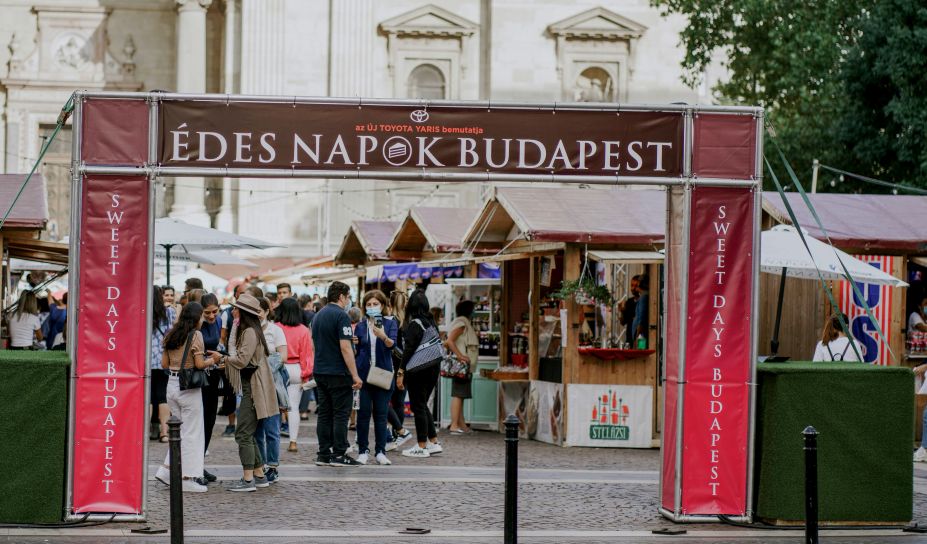
Many couples waste their first Budapest meals guessing instead of learning. They book attractive restaurants online and hope for the best afterward. Sometimes that works. Often, it creates expensive confusion and very average paprika chicken.
A guided tasting experience solves that problem surprisingly well. Budapest food tours introduce neighborhoods, wine traditions, pastries, market culture, and local etiquette within a few relaxed hours. Couples gain context before making bigger dining decisions later.
Small-group or private tours usually work best for affluent travelers. You keep flexibility while avoiding the exhausting herd mentality common on larger excursions. Nobody wants to fight twenty strangers for sausage samples before noon.
Taste Hungary offers thoughtful culinary experiences that match slower, culturally focused travel styles well. Their tours balance storytelling with actual eating, which sounds obvious but rarely happens consistently. Readers can explore options here: Taste Hungary
The hidden benefit appears later. Once couples understand Hungarian ingredients and wine regions, restaurant menus suddenly feel far less intimidating. That confidence changes the rest of the trip quietly but significantly.
The market hall experience needs strategy, not just a quick walk-through
Central Market Hall overwhelms many visitors within ten minutes of entering. Crowds surge downstairs while tourists photograph paprika displays like competitive wildlife photographers. Meanwhile, genuinely interesting food experiences hide in plain sight nearby.
Most couples arrive during peak lunch hours without any real plan. They eat something random, feel crowded, then leave assuming the market feels overrated. Budapest deserves a better first impression than that.
Timing matters more than people expect. Early mornings feel calmer, cleaner, and far easier to navigate comfortably. Couples wanting photos may prefer wandering independently through quieter aisles first.
Guided visits work better for travelers wanting tastings, history, and cultural context without logistical stress. Budapest Cooking Class explains the market experience thoughtfully here: Great Market Hall Budapest Guide
Before visiting, couples should quietly decide what experience actually matters most. Do you want photographs, tastings, historical insight, or simply fewer crowds? That answer changes everything afterward.
Hungarian Wine Is the Part Most Couples Do Not See Coming
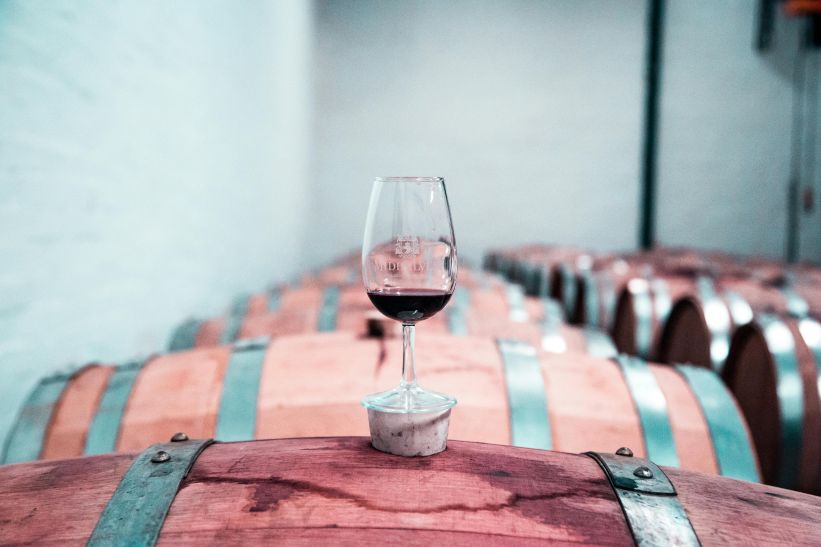
Most travelers encounter Hungarian wine accidentally during dinner in Budapest. A server recommends something unfamiliar, usually with quiet confidence. Then suddenly, couples spend the rest of the trip discussing grape varieties they cannot pronounce correctly.
Tokaji deserves its reputation honestly. This historic wine region produces rich dessert wines with remarkable balance and depth. The region became so important historically that UNESCO eventually recognized its cultural significance: Tokaj Wine Region Historic Cultural Landscape
Yet Hungarian wine experiences extend far beyond sweet wines. Dry Furmint offers crisp minerality that surprises Sauvignon Blanc drinkers immediately. Kékfrankos creates lighter reds with freshness many couples prefer during longer dinners.
That discovery process becomes strangely memorable. Couples learn together instead of pretending expertise they never actually wanted. Frankly, that feels far more enjoyable than listening to somebody describe “notes of wet stone and forest floor” for twenty minutes.
Royal Tokaji offers excellent background on Hungary’s most internationally recognized wine region here: Royal Tokaji
The hidden truth involves confidence, not expertise. Budapest wine culture rewards curiosity far more than technical knowledge. That difference changes how couples approach tastings afterward.
The best Budapest wine tasting is not about becoming a wine expert
Many travelers avoid wine tastings because they fear feeling uninformed or intimidated. Budapest handles wine differently. Tastings here often feel conversational, relaxed, and pleasantly free from performance.
Guided Budapest wine tasting experiences help couples connect familiar preferences with Hungarian varieties naturally. Guests who enjoy Sauvignon Blanc usually appreciate dry Furmint surprisingly quickly. Pinot Noir drinkers often gravitate toward lighter Hungarian reds like Kékfrankos afterward.
Small moments matter during these tastings. One wine suddenly pairs perfectly with buttery pastries or paprika-spiced dishes. Another completely changes after a few quiet minutes in the glass.
Taste Hungary explains Tokaji and regional wine styles clearly without sounding academic or exhausting: Understanding Tokaj Wine
| Hungarian Wine Style | Familiar Reference Point | Best For |
| Dry Furmint | Riesling | Crisp white wine lovers |
| Tokaji Aszú | Sauternes | Dessert wine lovers |
| Kékfrankos | Pinot Noir | Lighter red wine lovers |
Eventually, wine stops feeling intimidating altogether. Couples simply start ordering what sounds interesting. That mindset usually leads somewhere memorable next.
Where Budapest Dining Feels Romantic Without Feeling Stiff
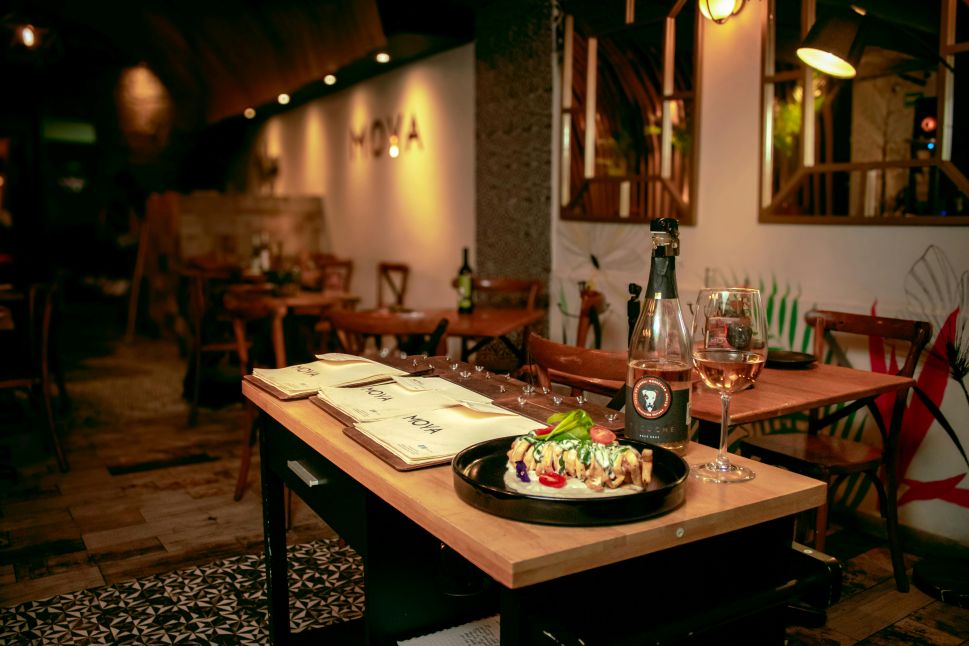
Many couples overplan restaurant reservations before arriving in Budapest. They chase famous dining rooms every evening and accidentally exhaust themselves. Romantic travel should feel enjoyable, not like a competitive eating schedule.
Budapest works better with contrast. One night may deserve white tablecloths, polished wine service, and a beautifully paced tasting menu. The following evening might feel better inside a candlelit wine bar sharing small plates beside locals.
That rhythm matters more than travelers expect. Couples remember emotional atmosphere long after they forget individual menu descriptions. Nobody returns home reminiscing fondly about “the foam course.” Usually, anyway.
The Michelin Guide helps couples identify elevated restaurants worth considering for milestone evenings: Michelin Guide Budapest Restaurants
Yet Budapest dining experiences rarely succeed through luxury alone. A relaxed riverside dinner with Hungarian wine can feel equally memorable after a slower sightseeing day. Timing, mood, and pacing quietly shape the entire experience.
Affluent empty nesters often understand this instinctively after years of rushed travel. They stop trying to maximize every meal and start choosing experiences matching the moment instead. Budapest rewards that maturity beautifully.
The mistake most couples make with special occasion restaurants
Most couples assume the most famous restaurant automatically creates the best romantic dinner. That logic sounds reasonable until the atmosphere feels formal, rushed, or emotionally disconnected. Reputation alone rarely guarantees chemistry.
The better question involves travel style. Some couples genuinely love Michelin dining for anniversary evenings and milestone celebrations. Others feel happier lingering beside the Danube with wine, soft lighting, and less culinary theater.
Wine bars often create Budapest’s most relaxed romantic experiences. Conversations last longer there because nobody hurries the table turnover aggressively. Couples settle in, order another glass, and suddenly lose track of time pleasantly.
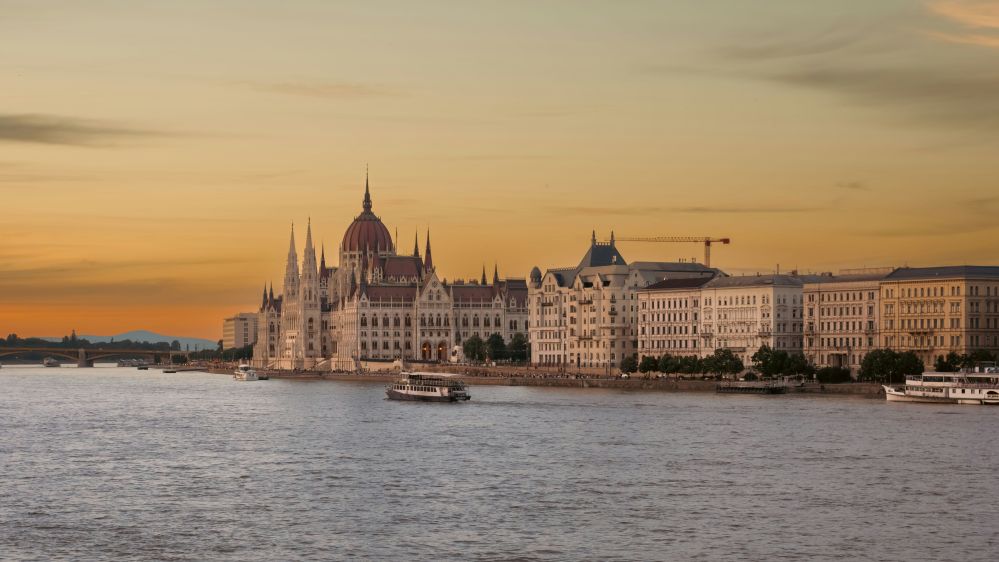
River-view restaurants work differently. The atmosphere carries much of the emotional weight automatically once Parliament begins glowing after sunset. Even simple dishes feel elevated beside that backdrop.
The hidden truth surprises many visitors later. Some of Budapest’s strongest food memories happen outside traditional restaurants entirely. That realization usually changes how couples explore the city afterward.
Budapest Food and Wine Experiences Work Best When You Pace Them Like a Luxury Trip
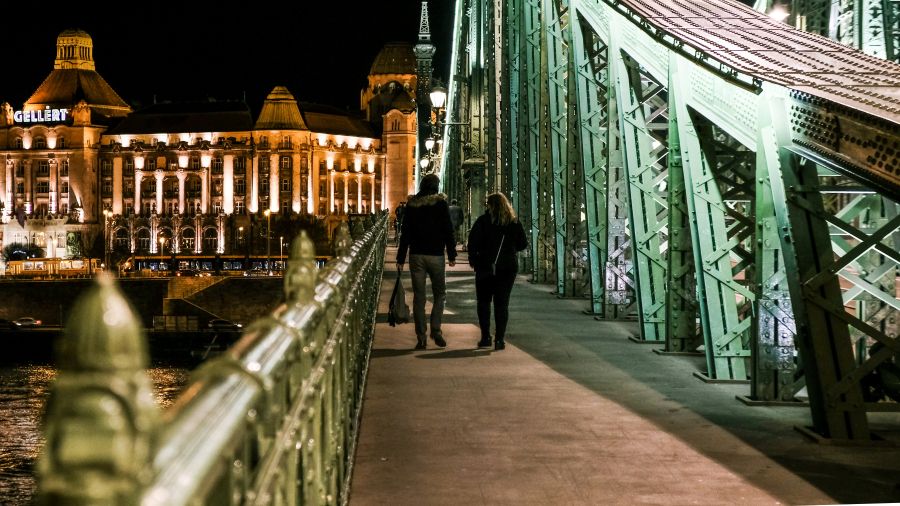
Many couples accidentally overbook Budapest food and wine experiences during trip planning. Every restaurant sounds appealing after the third glass of Tokaji and late-night scrolling. Suddenly, the itinerary starts resembling a competitive eating event instead of a luxury vacation.
Budapest works better with breathing room. One memorable food experience per day beats four rushed reservations. That rhythm creates anticipation instead of exhaustion.
A relaxed wine bar might anchor the first evening comfortably. The following day could center around a guided tasting tour through local neighborhoods and market halls. Another night may deserve an elevated dinner beside the Danube.
Everything else should support that anchor naturally. Couples often enjoy Budapest more when meals fit the emotional pace of the day itself. A slower afternoon usually creates a better dinner afterward too.
Affluent empty nesters understand this instinctively after years of overpacked travel schedules. They value energy, conversation, and atmosphere more than checking every restaurant off a list. Budapest rewards that approach generously.
The hidden truth involves memory formation. Couples rarely remember every dish from overloaded itineraries clearly afterward. They remember how one evening felt instead.
Do not underestimate how rich Hungarian food can feel
Hungarian cuisine satisfies quickly, especially during cooler months. Rich sauces, pastries, slow-cooked meats, and generous portions build up faster than many travelers expect. By day three, some couples quietly crave vegetables and a long walk beside the river.
Balance matters here. Heavier dinners pair better with lighter lunches, wine-focused evenings, or slower mornings afterward. Budapest feels far more elegant when couples stop treating every meal like a final exam.
Small self-checks help surprisingly well during planning. Did we already schedule a tasting today? Would a lighter meal actually feel better tonight? Are we booking this because it genuinely fits us?
Those questions prevent decision fatigue later. They also create space for spontaneous discoveries, which often become the strongest memories unexpectedly. Sometimes the best Budapest dinner begins with absolutely no reservation at all.
The Café, Pastry, and Dessert Side of Budapest Deserves Its Own Moment
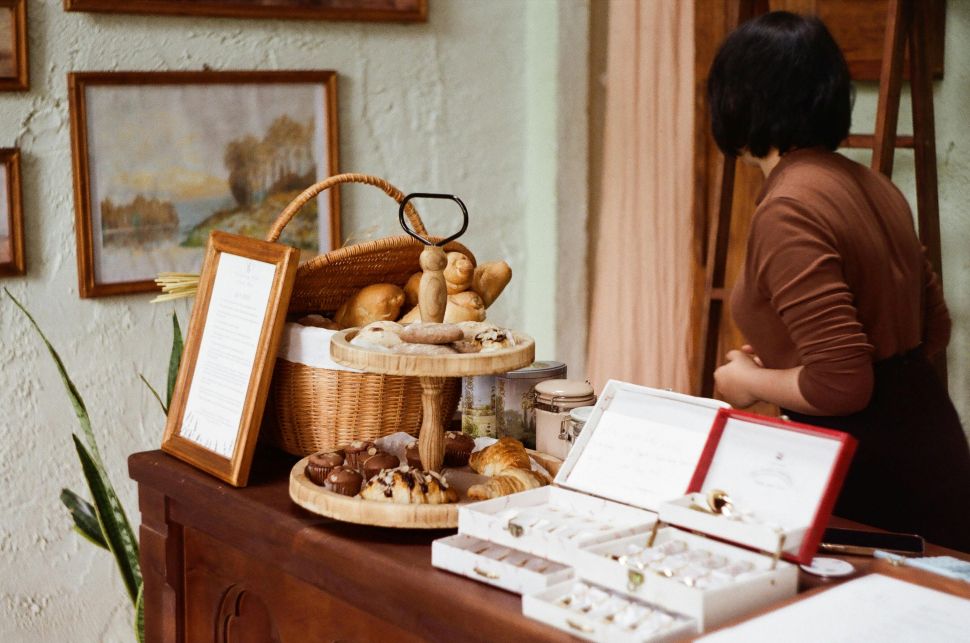
Budapest cafés slow people down almost against their will. Couples step inside planning a quick coffee, then remain seated an hour later watching the room carefully. Velvet chairs, mirrored walls, and soft piano music quietly reshape the pace of the afternoon.
These cafés function as cultural pauses, not caffeine stops. Travelers rest tired feet while layered cakes arrive beside polished silver trays and strong espresso. Outside noise fades surprisingly fast once conversations soften around you.
Budapest still protects this slower café tradition better than many European capitals. Some cities modernized themselves into exhaustion years ago. Budapest kept a little elegance intact, thankfully.
Affluent empty nesters often appreciate this rhythm immediately. They no longer travel only to accumulate landmarks and photographs at maximum speed. Instead, they notice atmosphere, comfort, and conversation much more intentionally.
Prague offers a similarly emotional café culture for couples wanting another slower Central European experience later: Prague Cultural Experiences You’ll Fall in Love With
The hidden beauty appears between scheduled activities. A lingering café stop can quietly reset the emotional tone of an entire day. Budapest understands that instinctively.
Pastry stops can become built-in travel pauses
Many travelers underestimate how exhausting constant sightseeing becomes after fifty. Museums blur together, church interiors start looking suspiciously similar, and knees begin negotiating terms privately. Budapest pastry culture solves that problem elegantly.
Short pastry breaks create breathing room between larger experiences naturally. Couples step inside for flaky rétes, layered Dobos tortes, or warm poppy seed pastries without needing formal plans. Suddenly, the afternoon feels slower and far more enjoyable again.
The sweetest Budapest moments may happen between the reservations.
That truth surprises people afterward. Travelers often remember relaxed pastry stops more vividly than crowded attractions they rushed through earlier. Sensory details stay longer when nobody feels hurried.
Consider this honestly for a moment. Which travel day feels more memorable now? The one packed with six landmarks, or the slower day where you actually enjoyed being there?
Budapest rewards couples who leave space for those smaller pleasures. Another pastry stop usually starts sounding reasonable remarkably quickly afterward.
How to Choose the Right Budapest Food and Wine Experiences for Your Travel Style
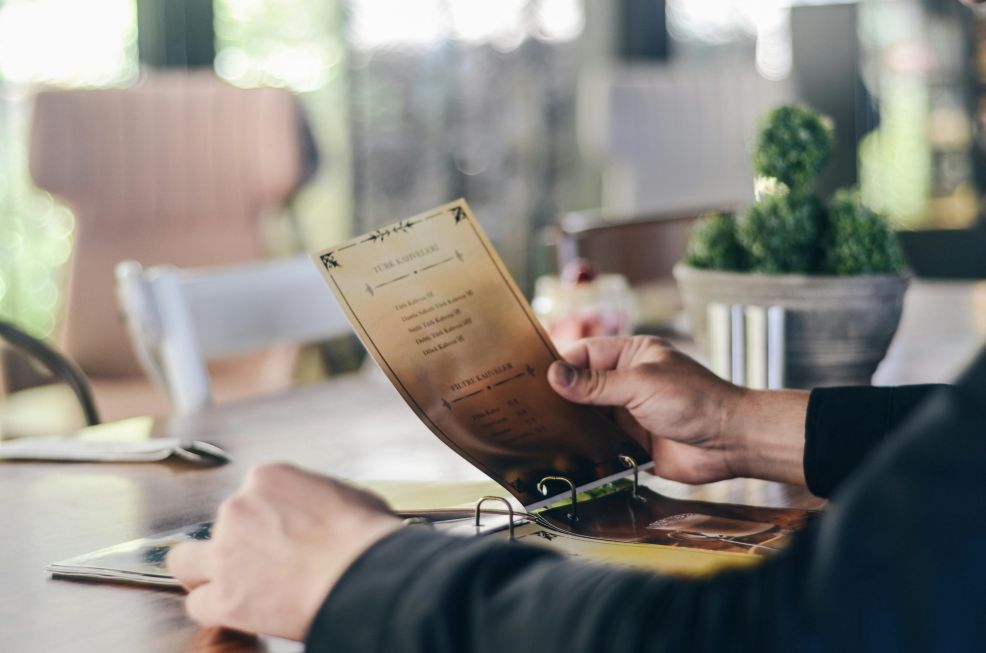
Self-check: what kind of culinary traveler are you as a couple?
Budapest food and wine experiences feel better once couples stop chasing somebody else’s perfect itinerary. Travel styles matter more than trend lists or viral restaurant videos. The right experience should feel energizing, not performative.
Couples who love storytelling usually enjoy guided food tours most. Those experiences connect dishes with neighborhoods, history, and local traditions naturally. Suddenly, dinner conversations become much more interesting afterward.
Other travelers care more about atmosphere than education. They prefer candlelit wine bars, slow evenings, and conversations stretching comfortably past dessert. Budapest handles that style beautifully.
Hands-on couples often enjoy cooking classes instead. Preparing Hungarian dishes together creates stronger memories than passively watching another tasting arrive. Besides, paprika stains make surprisingly specific souvenirs.
The hidden truth surprises many travelers later. Luxury does not always mean the most expensive reservation available. Sometimes the better experience simply matches your energy that evening.
That self-awareness prevents decision fatigue quickly. Couples stop trying to maximize every possible experience and start choosing intentionally instead. Budapest becomes calmer once that pressure disappears.
Comparison opportunity: guided vs independent food discovery
Independent food discovery sounds romantic in theory. Wandering unfamiliar neighborhoods while “finding hidden gems” photographs beautifully online afterward. Realistically, some couples end up tired, hungry, and quietly irritated by seven o’clock.
Guided experiences remove friction without removing spontaneity completely. Travelers gain confidence navigating menus, wine lists, and neighborhoods much faster afterward. That foundation makes independent exploring easier later in the trip.
Some couples genuinely love researching restaurants themselves beforehand. Others prefer letting knowledgeable locals shape the first few culinary experiences instead. Neither approach feels wrong when expectations stay realistic.
The better question involves emotional fit, not status. Do you want learning, romance, structure, spontaneity, or deeper cultural understanding tonight? Budapest rewards honest answers to those questions surprisingly well.
Eventually, couples stop asking what travelers “should” do here. They start choosing experiences reflecting who they already are together. That shift usually creates the strongest memories afterward.
The Biggest Mistakes Couples Make With Budapest Food and Wine Planning
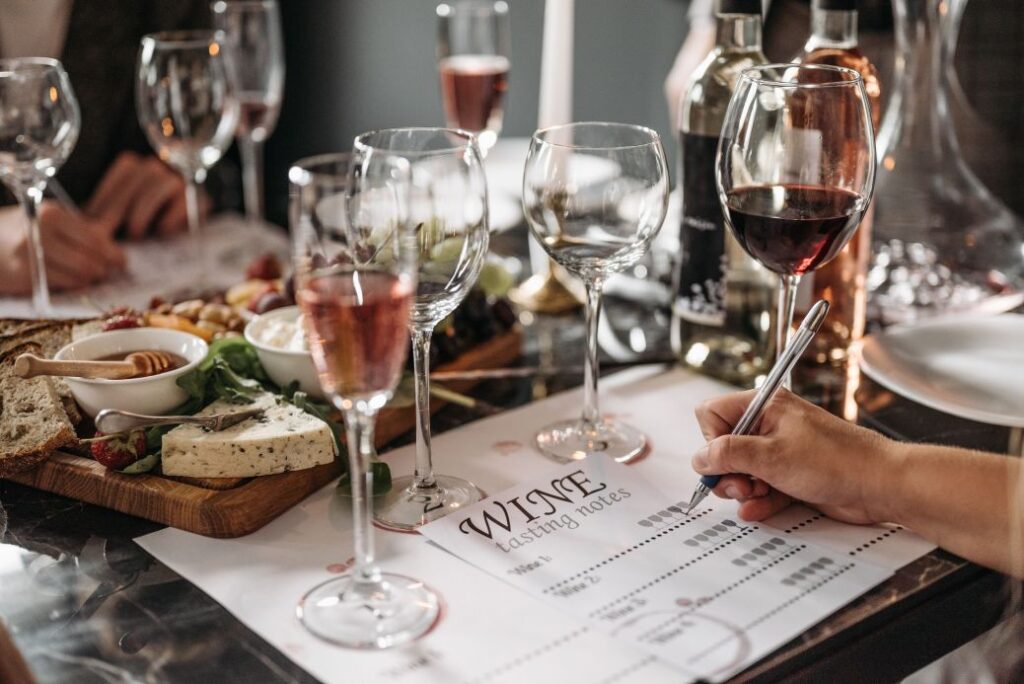
Mistake 1: Treating Budapest like a one-night food stop
Many travelers squeeze Budapest between Vienna and Prague with barely enough time for dinner. They assume one good restaurant somehow captures the city’s culinary personality completely. Budapest quietly punishes that assumption.
Food culture here unfolds gradually across neighborhoods, wine bars, cafés, and market halls. Couples need enough time to notice the emotional rhythm behind the meals themselves. That rhythm rarely appears during rushed overnight visits.
Affluent travelers often regret overscheduling Central Europe afterward. Barcelona creates similar problems for couples trying to “sample” a city too quickly. Readers considering broader culinary travel should also explore Where to Find the Best Barcelona Culinary Experiences
The hidden truth feels surprisingly simple. Budapest becomes far more memorable once couples stop treating meals like itinerary checkpoints. That shift changes everything afterward.
Mistake 2: Chasing only the best restaurants lists
Restaurant rankings create more confusion than confidence for many travelers now. Couples scroll endlessly through articles promising “must-visit” dining experiences before eventually booking whatever appears most frequently. Unfortunately, popularity rarely guarantees compatibility.
The right restaurant on the right night often beats the famous restaurant on the wrong night.
A crowded tasting menu after an exhausting sightseeing day may feel emotionally flat. Meanwhile, a quiet wine bar with simple dishes can become the evening couples remember most vividly later. Context matters more than internet prestige.
Many affluent travelers already understand this instinctively after years of disappointing “famous” reservations. They value atmosphere, pacing, and emotional fit far more than status signaling. Budapest rewards that maturity beautifully.
Mistake 3: Forgetting that wine is part of the cultural experience
Some visitors focus entirely on food while ignoring Hungarian wine altogether. That decision removes half the cultural story without them realizing it initially. Budapest wine experiences deepen the city emotionally in ways meals alone often cannot.
Wine here connects directly to geography, history, and regional identity. Tokaji especially carries centuries of cultural importance across Hungary and Europe. Wine Folly explains that background thoughtfully here: The Story of Tokaji Wine
Couples do not need expertise to appreciate those experiences either. Curiosity works far better than technical knowledge in Budapest wine bars. Another glass usually helps too, within reason obviously.
A Smart Budapest Food and Wine Itinerary Flow for Couples
A relaxed 4-night food and wine rhythm
Budapest food and wine experiences work best when couples build rhythm instead of constant activity. The city rewards pacing far more than aggressive sightseeing schedules. Travelers who understand that usually enjoy Budapest much more deeply afterward.
The first evening should stay simple and relaxed. A neighborhood wine bar helps couples settle into the city without overwhelming themselves immediately. Good wine and quiet conversation often outperform ambitious dinner reservations after a flight day.
The second day works well for guided food experiences and market exploration. Couples gain cultural context early, which improves every later dining decision naturally. That evening usually feels better with a relaxed neighborhood dinner afterward.
Day three should slow down intentionally. Café culture, pastry stops, and wandering beautiful streets create emotional breathing room between larger experiences. Budapest feels remarkably elegant once couples stop rushing through it.
Night three deserves something elevated. A refined dinner beside the Danube or inside a historic dining room creates memorable contrast after slower daytime pacing. Suddenly, the city feels layered instead of busy.
The final evening can stay flexible. Some couples prefer Hungarian wine tastings while others choose romantic Danube dining instead. Either option works beautifully when the trip already feels balanced.
When to book private help instead of piecing it together yourself
Many affluent travelers enjoy researching destinations independently at first. Eventually, though, too many restaurant reviews and conflicting recommendations create mental exhaustion instead of excitement. Budapest can reach that point surprisingly quickly.
Private planning becomes valuable once couples want experiences matching their travel style specifically. The right pacing, neighborhoods, wine experiences, and dining rhythm matter more than generic “top ten” lists. Thoughtful planning removes friction without removing spontaneity.
The hidden truth involves emotional energy. Couples enjoy luxury trips more when they stop managing logistics constantly during the experience itself. Nobody wants to debate dinner options for forty-five minutes every evening.
If Budapest sounds like the kind of trip you would love, but not the kind you want pieced together through review sites, custom planning helps considerably. Readers ready for more personalized guidance can start here: Start Planning Your Trip
Final Thoughts on Budapest Food and Wine Experiences That Go Beyond Goulash
Budapest rewards couples who stay curious
Budapest food and wine experiences rarely succeed through checklists alone. The city reveals itself gradually through slower evenings, unexpected conversations, and small moments between reservations. Couples who remain curious usually leave feeling emotionally connected to the city afterward.
Years from now, most travelers will not remember every individual dish clearly. They may remember candlelight reflecting across wine glasses inside a quiet bar instead. Others will remember golden café light, warm pastries, and Parliament glowing beyond the Danube after dinner.
That emotional layering matters. Budapest feels different from cities constantly demanding attention and performance from visitors. Couples can settle into this city comfortably without feeling rushed every hour.
The hidden truth involves pace more than luxury. Shared experiences become more memorable once travelers stop trying to optimize every possible moment. Sometimes the strongest memories begin during completely unplanned evenings.
Many affluent empty nesters quietly crave that style of travel now. They want beauty, atmosphere, and meaningful experiences without exhausting themselves chasing trends constantly. Budapest understands that balance remarkably well.
Food and wine simply become the doorway into something larger. Couples start with Tokaji tastings, café stops, and neighborhood dinners. Then suddenly, they begin imagining a return visit before the first trip even ends.
If Budapest sounds like the kind of experience you would love sharing together, custom planning can help simplify the process considerably. Readers wanting personalized guidance can start here: Start Planning Your Trip
Travel becomes far more enjoyable when couples exchange ideas with like-minded travelers too. Readers wanting additional inspiration, discussions, and luxury couples travel insights can join the community here: Luxury Travel by Eric: Empty Nester Couple Vacations
P.S. Budapest deserves more than a quick visit. If you’re planning a future trip, these guides will help you experience the city with greater confidence and less stress:
• Why Couples Fall in Love With Budapest Cultural Experiences
• The Best Way to Experience Budapest Without Travel Burnout
• How to Plan Romantic Budapest Evenings You’ll Never Forget
• The Best Luxury Hotels in Budapest for an Unforgettable Stay
Whether you’re interested in history, food, luxury hotels, or simply slowing down and enjoying the city, these articles will help you make the most of your time in Budapest.