
The benefits of traveling in shoulder season often appear only after you stop planning trips around everyone else’s calendar. These quieter weeks sit between a destination’s busiest months and its slower low season. They offer something peak travel rarely provides: breathing room without sacrificing the experiences you came to enjoy.
Spring and fall commonly serve as shoulder seasons, though every destination follows its own rhythm. Italy may soften after summer, while the Caribbean follows weather patterns rather than school schedules. Choosing the right window requires more thought than simply circling April or October.
That extra thought can change the entire trip.
Airfares may fall, better rooms may open, and crowded landmarks can feel surprisingly personal. Local restaurants regain their natural pace, while guides have time for conversations instead of rehearsed speeches. Most couples focus only on savings, yet the hidden rewards reach much further.
Shoulder season travel can create easier days, richer encounters, and more space for each other. It may even reveal what your favorite vacations were missing. The most valuable benefit, however, often has little to do with price.
What Shoulder Season Travel Really Means
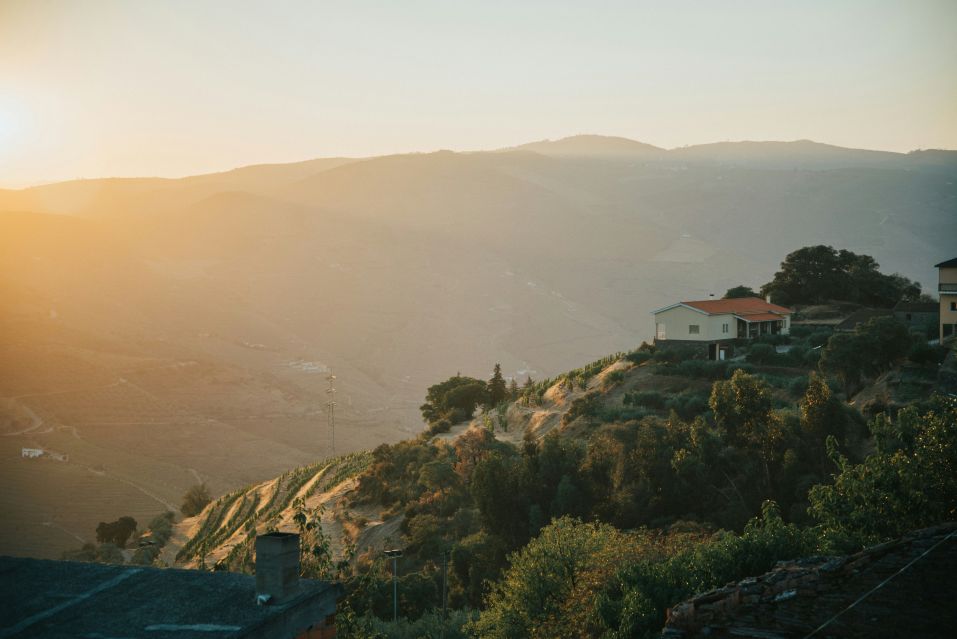
The benefits of traveling in shoulder season begin with understanding what this slippery phrase actually means. Shoulder season sits between peak crowds and the quietest off-season weeks. However, it does not arrive everywhere on the same date.
Climate shapes the calendar, but geography, holidays, festivals, and school schedules also matter. Mediterranean Europe often quiets during spring and fall, while Northern Europe has a shorter comfortable window. Tropical islands and mountain regions follow weather patterns that can rewrite the usual rules.
That difference matters.
Shoulder Season Versus Peak Season
Peak season offers reliable weather and the fullest schedule of tours, restaurants, and transportation. It also brings higher hotel demand, crowded attractions, packed trains, and reservations that disappear quickly. Flexibility becomes expensive, assuming you can find it at all.
Paris in October often feels calmer than Paris during the summer rush. Lisbon in May offers long, pleasant days before intense heat and larger crowds arrive. Florence in late September begins relaxing, although popular landmarks still require advance planning.
Most couples compare only prices. The hidden truth is that crowd levels can shape a trip more deeply than the hotel rate. A quieter street or unhurried dinner may become the luxury you remember.
For a closer look at enjoying France with greater comfort, explore Luxury Paris Vacation: From Michelin Stars to Hidden Gems. The article reveals how thoughtful choices can make Paris feel more personal. That becomes much easier when fewer visitors compete for every table and viewpoint.
Shoulder Season Versus the Off-Season
True off-season travel pushes the trade-off further. Prices may fall again, but restaurants, hotels, ferries, tours, and seasonal attractions can reduce hours or close. Weather may also turn colder, wetter, or far less predictable.
Shoulder season often preserves the experiences that made you choose the destination. You can still find guided tours, comfortable hotels, lively neighborhoods, and practical transportation. Yet the atmosphere feels less hurried and more connected to local life.
That balance answers the question many couples quietly ask. Can we avoid peak-season chaos without sacrificing the trip itself? Often, yes, but only when you choose dates based on the destination.
The official Visit Europe shoulder-season guide shows how quieter periods vary across countries. Climate, terrain, holidays, and festival calendars all influence those seasonal shifts.
The calendar may look simple. The experience rarely is. Choosing the right version of “quiet” leads directly to the next hidden benefit.
Better Value Without Sacrificing Comfort
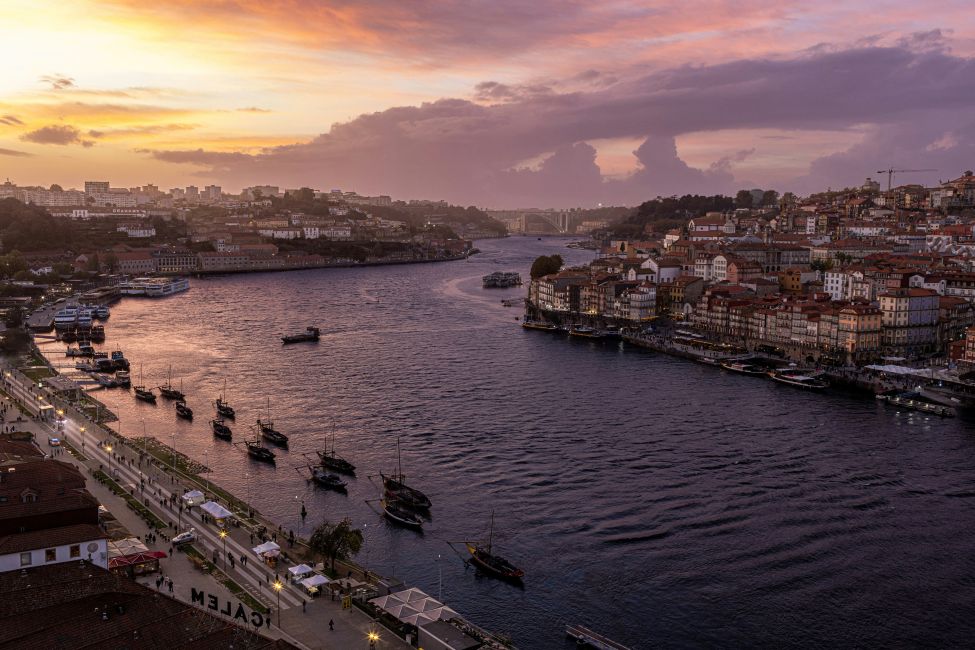
The benefits of traveling in shoulder season extend far beyond cheaper airfare or discounted hotel rooms. Lower demand can improve flight choices, transfer availability, tour access, and premium room options. The real opportunity involves upgrading the entire experience without increasing your planned budget.
Consider two couples spending roughly the same amount in Florence. One books a standard summer room, shared transfers, and tightly scheduled sightseeing. Another travels later, enjoys a preferred room, private transportation, and enough breathing room for a second espresso.
Comfort wins quietly.
More Value From Hotels and Flights
Flexible dates can uncover lower fares, added-night offers, better room categories, and useful hotel benefits. A standard room during peak season might cost more than a spacious suite weeks later. That preferred view suddenly feels less indulgent and more sensible.
Still, advertised savings can mislead. A cheaper room means little when inconvenient flights, costly transfers, or closed attractions erase the difference. Compare the complete trip, including luggage fees, transportation, tours, meals, and cancellation terms.
Most couples make one predictable mistake. They chase the lowest nightly rate instead of measuring the comfort purchased by their total budget. Shoulder season travel rewards travelers who evaluate value rather than price alone.
A Better Luxury Experience for the Same Budget
Potential savings can fund private airport transfers, smaller tours, memorable dinners, or another night abroad. Each upgrade removes friction while adding time, privacy, and choice. Those benefits become increasingly valuable when you no longer enjoy rushing through vacations.
Imagine upgrading your Florence room, then joining this Tuscany wine tour with two wineries and San Gimignano. The experience includes Tuscan countryside, winery visits, tastings, and time in San Gimignano. Outside summer, the landscape often feels calmer and the day less crowded.
Luxury sometimes means spending less. More often, it means spending wisely.
The same principle shapes thoughtful Dolomites luxury travel, where comfort depends on pacing, access, and meaningful choices. Premium hotels can arrange transfers, private guides, and elevated outdoor experiences. Yet timing often determines how easily those details fall into place.
Fewer Crowds Create Better Travel Days
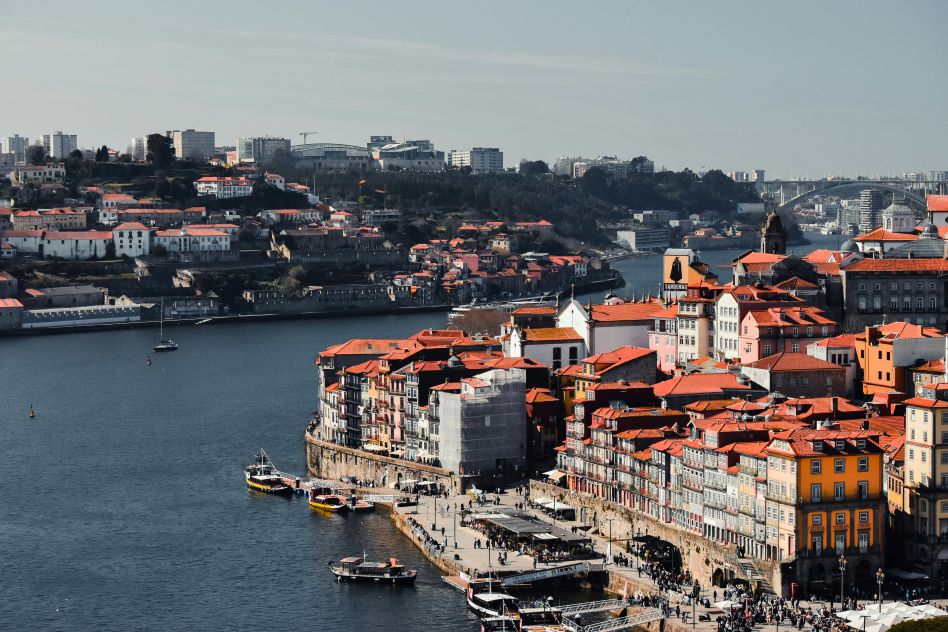
Fewer crowds can transform shoulder season travel before you notice any savings. Streets feel calmer, trains become easier, and restaurant tables stop feeling like competitive prizes. Your energy lasts longer because every simple task requires less patience.
Smaller crowds also return control to your day. You can adjust a tour, pause for photographs, or change dinner plans without creating logistical chaos. That freedom often matters more than squeezing another landmark into an already crowded afternoon.
Summer rewards travelers who plan every detail early. Spring and fall leave more room for instinct, conversation, and the occasional beautiful distraction. That is where better travel days often begin.
Major Attractions Feel More Enjoyable
Crowded museums can make priceless art feel strangely exhausting. You watch shoulders, dodge raised phones, and struggle to hear explanations through the surrounding noise. Eventually, even the Mona Lisa starts resembling another appointment.
A reserved Louvre Museum Masterpieces Guided Tour offers structured access and focused guidance. During quieter months, you can hear more clearly and examine important works without constant jostling. The museum remains popular, but the experience can feel far less frantic.
Less congestion improves churches, monuments, historic districts, and museums alike. Details emerge when distractions fade, from carved stonework to expressions within a centuries-old painting. You stop collecting proof that you visited and start experiencing where you are.
Less Waiting Creates More Flexible Itineraries
Reduced demand can make restaurant reservations, taxis, train seats, and preferred tour times easier to secure. You still need planning, especially for famous attractions. However, your schedule gains enough flexibility to breathe.
Perhaps a quiet café catches your attention after lunch. Instead of checking the clock nervously, you order coffee and watch the neighborhood continue around you. Later, an unplanned walk reveals the street you remember most.
Advance reservations still matter for celebrated museums, signature restaurants, and limited-capacity experiences. Shoulder season reduces pressure, but it does not eliminate popularity. Smart planning creates structure while leaving space for worthwhile surprises.
That balance also shapes the most rewarding Prague cultural experiences. Historic neighborhoods and intimate cultural spaces become more meaningful when you can explore them patiently. Once you experience that rhythm, crowded travel becomes harder to tolerate.
Milder Weather Can Make Exploring Easier
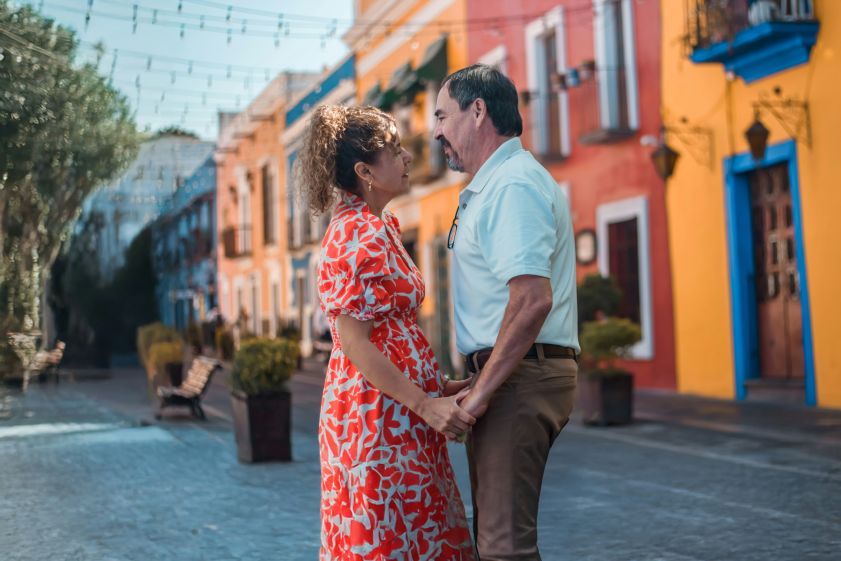
Milder weather often makes the benefits of traveling in shoulder season feel surprisingly personal. You walk farther, linger longer, and finish the day with energy left for dinner. That changes more than comfort.
Summer heat can turn beautiful cities into endurance tests. Stone streets radiate warmth, crowded buses feel oppressive, and every shaded bench becomes valuable real estate. Cooler spring or autumn temperatures usually create gentler conditions for sightseeing, outdoor meals, and active excursions.
Still, shoulder season weather never follows one universal calendar. Lisbon, Rome, Kyoto, mountain regions, and tropical islands each respond differently to changing seasons. Smart travelers research exact destinations and dates rather than trusting broad seasonal labels.
Cooler Temperatures Support Longer Days
Moderate temperatures can reduce fatigue during city walks, archaeological visits, and countryside excursions. Your attention stays on the surroundings instead of locating water, shade, or air conditioning. That small shift can transform the day.
Picture climbing Lisbon’s hills beneath soft May sunshine. Imagine exploring Rome’s ruins without summer heat rising from ancient stone. Even Kyoto’s temple districts become easier to absorb when humidity stops dominating every decision.
A thoughtfully paced Kyoto cultural walking tour visits Fushimi Inari, Tofukuji Temple, and Gion. The experience covers roughly eight kilometers, making comfortable weather especially valuable. Its small-group format also allows more personal guidance and cultural context.
Most couples underestimate how strongly temperature controls their pace. Cooler conditions can support longer outdoor days without forcing constant breaks. Yet better weather does not remove every seasonal complication.
Seasonal Weather Still Requires Smart Planning
Shoulder season can bring rain, shifting temperatures, shorter daylight, and occasional seasonal closures. A sunny morning may become a cool, wet afternoon. Fortunately, thoughtful preparation handles most surprises without ruining the day.
Pack layers that work together instead of one bulky coat. Waterproof walking shoes and compact rain protection also earn their luggage space quickly. Flexible daily plans let you exchange an outdoor walk for a museum without sacrificing the experience.
Weather forecasts should guide your plans, not control them. Pair outdoor priorities with appealing indoor alternatives, then choose tours with reasonable cancellation or adjustment terms. That balance protects the trip while preserving spontaneity.
Portugal offers an ideal example because coastal, inland, and northern conditions can differ considerably. Exploring Portugal’s cultural experiences also reveals why flexibility matters. Markets, historic neighborhoods, wine regions, and local traditions reward travelers who leave room for changing conditions.
The goal is not perfect weather. It is weather that supports how you actually want to travel. Sometimes, one comfortable degree changes everything.
Local Culture Becomes Easier to Experience
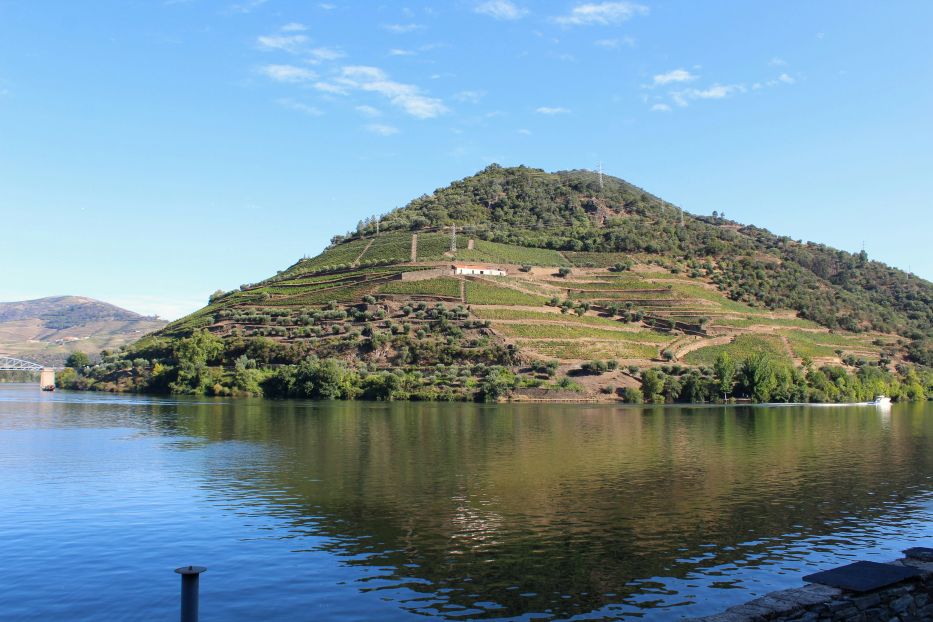
Local culture often returns to the foreground once peak-season crowds begin thinning. Neighborhoods settle into familiar routines, and public spaces feel less arranged for visitors. You begin seeing the destination people actually live in.
Restaurant staff may have time to explain a regional dish or recommend tomorrow’s market. Guides can answer thoughtful questions without racing toward the next crowded stop. Even artisans may pause long enough to discuss their craft, materials, and family traditions.
Summer can still deliver wonderful experiences, but tourism often dominates the rhythm. Shoulder season travel reveals harvests, neighborhood gatherings, and ordinary evenings that feel unexpectedly memorable. That quieter version often stays with you longer.
Restaurants and Neighborhoods Feel More Authentic
Fewer visitors make local markets, cafés, wine bars, and residential districts easier to appreciate. You hear nearby conversations instead of competing tour groups. The atmosphere feels lived in rather than performed.
Imagine lingering over dinner in Lisbon while the staff discusses their favorite regional wine. In Florence, a sunset food and wine tour explores local flavors through intimate tastings and neighborhood streets. A morning market can offer similar insight without requiring any formal tour.
The hidden truth involves where you spend your money. Locally owned businesses often sit beyond landmark squares and heavily promoted dining streets. Look for seasonal menus, neighborhood regulars, regional products, and staff who speak confidently about local suppliers.
Spain rewards that same curiosity through markets, tapas traditions, and deeply regional cooking. This ultimate Spanish food trip shows how cuisine can reveal history, identity, and place. Food becomes more meaningful when you understand the people behind it.
Seasonal Festivals Reveal Another Side of a Destination
Shoulder seasons often overlap with harvest celebrations, spring festivals, and regional food traditions. Tuscany marks the grape harvest, while Portuguese communities celebrate olives, chestnuts, wine, and seasonal produce. These gatherings offer cultural access that summer sightseeing rarely provides.
Spring brings flower festivals, religious events, and community celebrations across Europe. Autumn often feels earthier, with smoky air, market stalls, new wines, and long communal tables. Suddenly, the calendar matters as much as the weather.
Never assume dates remain fixed. Confirm schedules, tickets, transportation, and holiday closures before building the itinerary. A local festival can enrich your trip, but poor planning can leave you admiring locked doors.
Shoulder Season Encourages Slower and More Personal Travel

Shoulder season travel makes relaxed itineraries easier because fewer reservations control every hour. You can protect important experiences without scheduling breakfast through bedtime. That freedom changes how a destination feels.
Quieter days leave room for neighborhood walks, scenic drives, longer meals, and honest conversations with local guides. Instead of racing toward another landmark, you notice what happens between them. Those unscheduled moments often reveal more than another admission ticket.
Peak-season travel can become a checklist completed under pressure. A slower journey favors depth, comfort, and experiences you can absorb together. The difference may appear small on paper, but it feels enormous by day three.
More Space Creates Better Shared Moments
Uncrowded viewpoints and walking routes help couples stay present with each other. You hear the water, notice the light, and finish conversations without sidestepping another tour group. Privacy returns in small, meaningful ways.
Imagine a quiet Lake Como ferry ride as villages slide past the windows. Picture Prague after dinner, when lamplight settles across cobbled streets. A Portuguese vineyard offers another rhythm, with open views and nowhere urgent to be.
These moments rarely appear as itinerary highlights. Yet they become the stories couples retell years later. Exploring Lake Como’s cultural experiences reveals why patient travel uncovers more than scenery.
Flexible Travelers Gain the Greatest Benefits
Empty nesters often possess something families with school calendars cannot easily claim. They can compare several departure windows before selecting flights. That flexibility creates access to quieter dates, stronger availability, and better pacing.
Most couples choose travel dates first, then research conditions afterward. Reverse that order by comparing weather, local events, transportation schedules, and seasonal closures before booking airfare. One week can separate pleasant energy from unnecessary friction.
Increasing popularity means shoulder season no longer guarantees empty streets or last-minute bargains. Plan major international trips six to twelve months ahead, especially when premium rooms matter. Retired couples and flexible workers may still find late opportunities, but desirable choices disappear first.
Tourism seasonality affects destinations economically, culturally, and environmentally, not simply through visitor counts. UN Tourism’s research on seasonality explains those broader consequences. Choosing quieter periods can improve your experience while easing pressure on the places you came to appreciate.
How to Choose the Right Shoulder Season for Your Trip
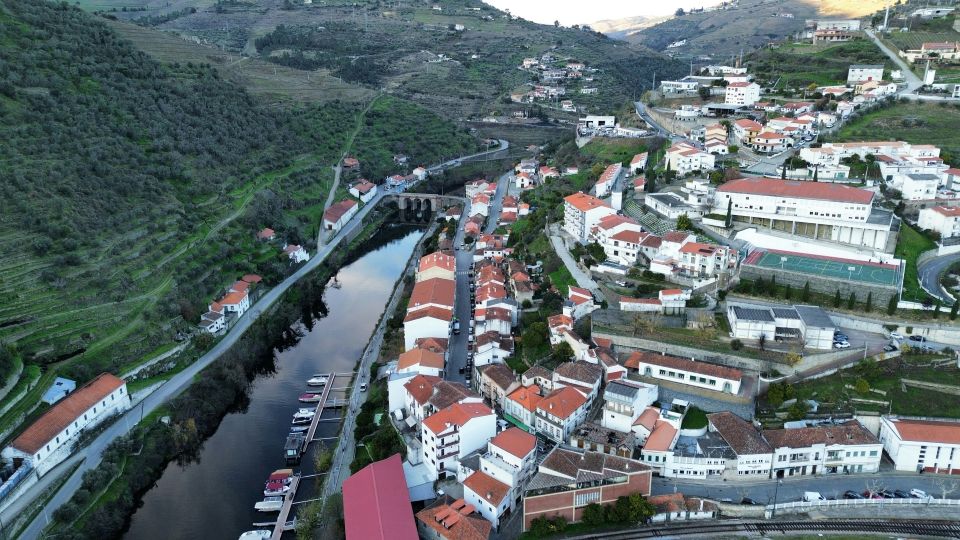
The best shoulder season depends on far more than finding a quieter month. Your weather tolerance, preferred activities, and destination geography should guide the decision. Local schedules can change the experience just as quickly.
Start by studying monthly temperatures, rainfall, daylight, and regional differences. Then check transportation timetables, attraction hours, festivals, cruise schedules, and holiday closures. A pleasant forecast means little when the ferry you need stops running.
Spring and fall offer different rewards. One brings fresh landscapes and lengthening days, while the other delivers harvests and lingering warmth. Your ideal choice depends on what you want to feel each morning.
When Spring Shoulder Season Works Best
Spring suits travelers who enjoy flowers, cooler temperatures, and destinations gradually returning outdoors. Longer daylight supports relaxed sightseeing without summer’s intense heat. Reopened gardens, cafés, and seasonal attractions add a welcome sense of renewal.
Portugal and Southern Italy often invite outdoor exploration before summer temperatures climb. Paris offers blooming parks, while the Netherlands becomes famous for spring flowers. Japan combines mild conditions with extraordinary blossoms, although popularity can quickly erase any crowd advantage.
Spring carries complications. Easter increases demand, rain can interrupt plans, and pollen may bother sensitive travelers. Mountain snow, holiday closures, and unpredictable weather also deserve careful research.
Pack flexibility alongside your raincoat.
When Fall Shoulder Season Works Best
Fall rewards travelers drawn to harvest traditions, autumn color, and comfortable temperatures. Tuscany and Portugal’s wine regions feel especially alive during harvest. Croatia and Greece may retain warm seas after summer crowds begin leaving.
Prague offers crisp evenings and golden streets, while tourism services usually remain established. However, daylight shortens, ferries may reduce schedules, and coastal storms become possible. Seasonal businesses can also close earlier than expected.
The hidden truth is simple. Fall often feels dependable until one regional schedule quietly changes everything. Confirm transportation and operating dates before booking flights.
Northern destinations require especially careful timing. Tallinn’s cultural experiences show how spring and autumn offer milder weather and fewer crowds. Choosing wisely protects the experiences that made you consider the destination.
Your Best Trip May Begin Between the Seasons
The benefits of traveling in shoulder season reach beyond savings, pleasant temperatures, and smaller crowds. You gain calmer days, richer conversations, and more freedom to follow your curiosity. Travel begins feeling personal again.
Still, shoulder season never fits every destination equally. Weather patterns, ferry schedules, festivals, and local closures can shift within weeks. The right dates depend on what you value and how you prefer to travel.
Most couples choose flights first and investigate conditions later. Reverse that order. Compare several travel windows before committing to dates, accommodations, or airfare.
Perhaps spring offers gardens, longer evenings, and cool walks through historic neighborhoods. Fall may bring harvest dinners, warm coastal waters, and vineyard landscapes washed in gold. Either season can work beautifully when the timing matches your priorities.
That decision deserves more than guesswork.
Ready to explore your options? Click Start Planning and share what you want from your next vacation. We will help you choose the destination, timing, and pace that fit you both.
You can also join our private Facebook group for travel ideas, honest conversations, and inspiration from fellow empty nesters. Your next journey may already be taking shape there. Sometimes, the smartest travel decision begins with seeing what you never considered.