A Douro River cruise may be worth the cost for travelers who value scenic sailing, included meals and tours, wine-country access, and the convenience of unpacking once.
It is not automatically the best or least expensive way to see Portugal. The value depends on the cruise line, cabin, sailing date, included services, and how closely the itinerary matches the experience you want.
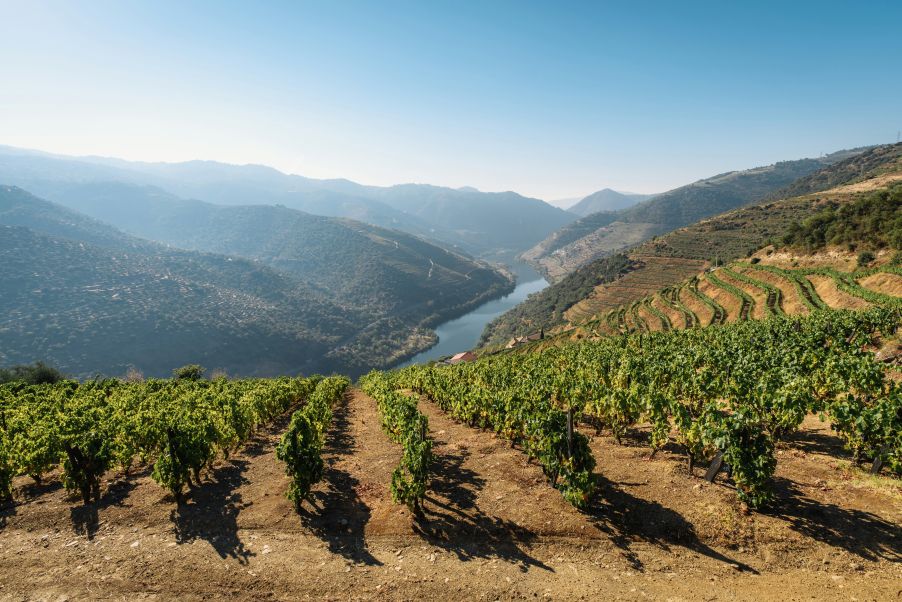
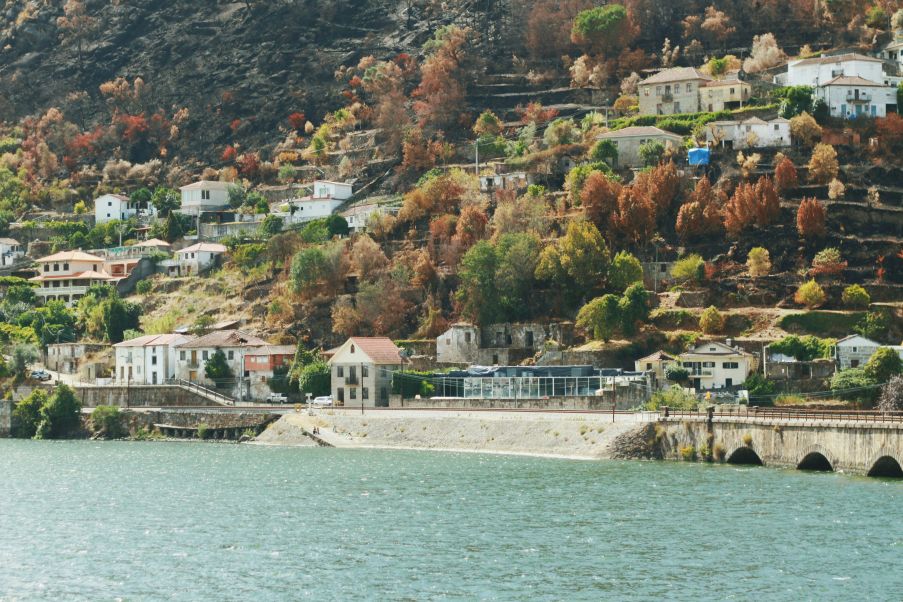
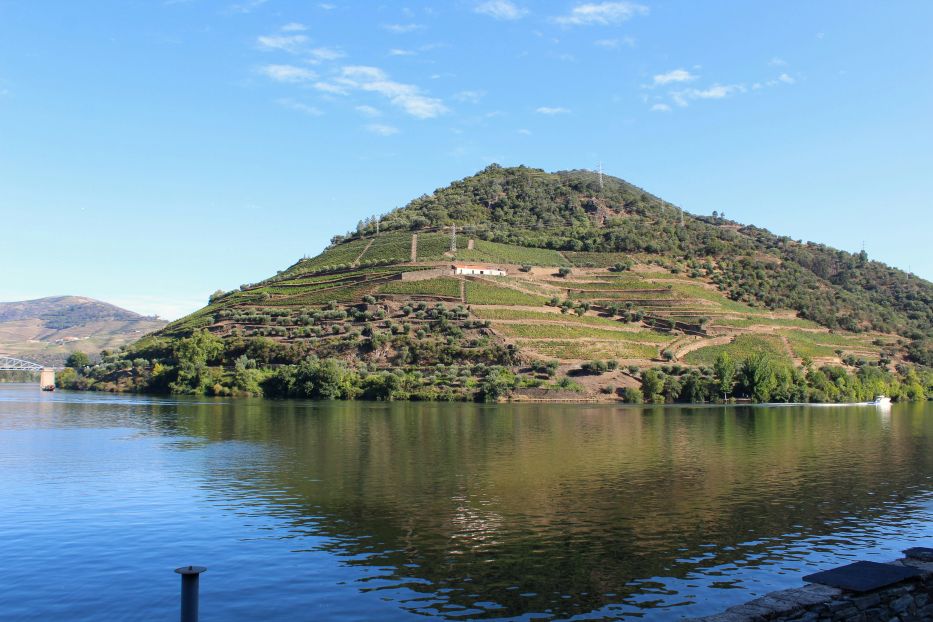
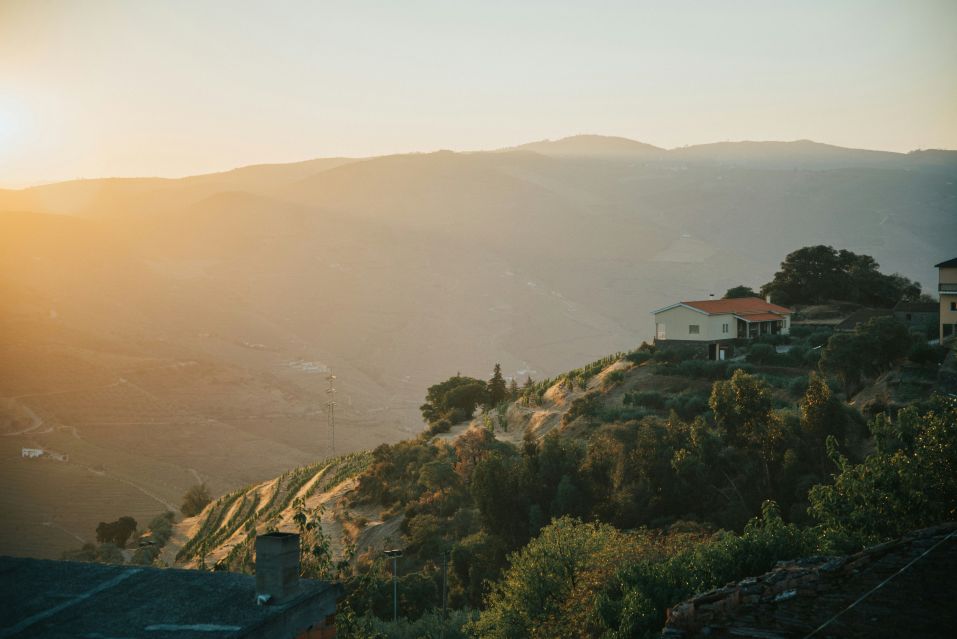
That distinction matters because the Douro is different from many other European river cruise routes. The main attraction is not a long list of major cities. It is the river itself, the steep vineyard-covered hills, the small towns, the wine estates, and the slower pace of northern Portugal.
For the right empty nest traveler, that combination can justify the price. For someone who wants nightlife, large-ship entertainment, complete independence, or the cheapest possible vacation, it may not.
This guide will help you compare the real value, understand the tradeoffs, and decide whether a Douro River cruise fits the way you want to travel.
What Makes a Douro River Cruise Different?
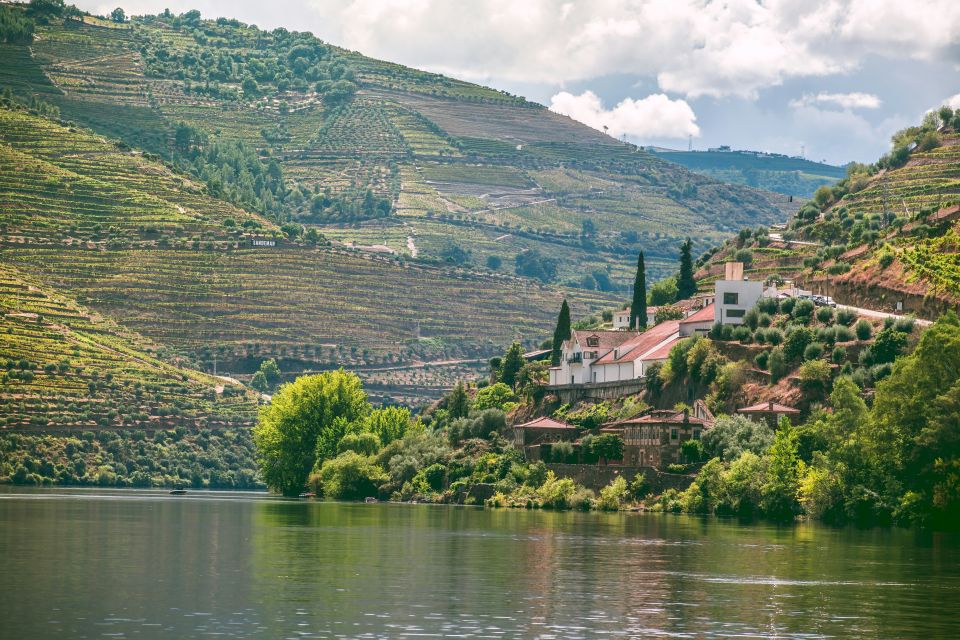
The Douro River passes through one of Europe’s most important wine regions. The Alto Douro Wine Region is recognized by UNESCO for its long history of wine production and its human-shaped landscape of terraces, roads, villages, and estates.
That scenery is a major part of the trip. On many cruises, time spent sailing is not simply transportation between ports. Watching the hills, vineyards, villages, locks, and riverbanks pass by is one of the reasons people choose the Douro.
The ships are also smaller than most ocean cruise ships. Current Douro vessels operated by companies such as AmaWaterways and Avalon typically carry about 100 passengers, although capacity varies by ship. This creates a more contained experience with fewer restaurants, entertainment venues, and onboard activities than travelers may expect from a large cruise ship.
Most mainstream Douro cruises last about seven nights and operate round trip from Porto. Some cruise-tour packages add Lisbon, Madrid, or other land stays before or after the sailing.
The route often includes towns and areas such as Régua, Pinhão, Barca d’Alva, Porto, and sometimes an overland excursion to Salamanca, Spain. Exact stops and excursion choices vary by cruise line and sailing.
The Douro Is More About Scenery Than Major Cities
A Rhine or Danube cruise may place several major European cities within one itinerary. The Douro provides a different kind of value.
You are paying for access to a rural landscape that can be time-consuming to navigate independently, especially if you want to visit wineries without driving, arranging transfers, or changing hotels.
That makes the Douro especially appealing to travelers who want Portugal’s wine country without managing rental cars, train schedules, luggage transfers, restaurant reservations, and separate day tours.
Travelers who want a deeper understanding of the country beyond the cruise can also explore cultural experiences throughout Portugal that go beyond standard sightseeing.
What Are You Actually Paying For?
Travelers sometimes look at a river cruise fare and compare it with the nightly price of a hotel. That comparison usually makes the cruise look expensive, but it does not show the full picture.
A more useful comparison includes the cabin, transportation through the Douro Valley, daily meals, guided sightseeing, wine tastings or cultural visits, entertainment, port charges, beverages, gratuities, transfers, and any pre-cruise or post-cruise hotel nights.
Not every cruise line includes all of these items.
The word “included” does not mean the same thing across every cruise line. One line may cost more upfront but include gratuities, premium beverages, airport transfers, and most excursions. Another may advertise a lower fare but charge separately for several parts of the trip.
The only fair comparison is a line-by-line comparison of the total trip cost.
Who Is a Douro River Cruise Right For?
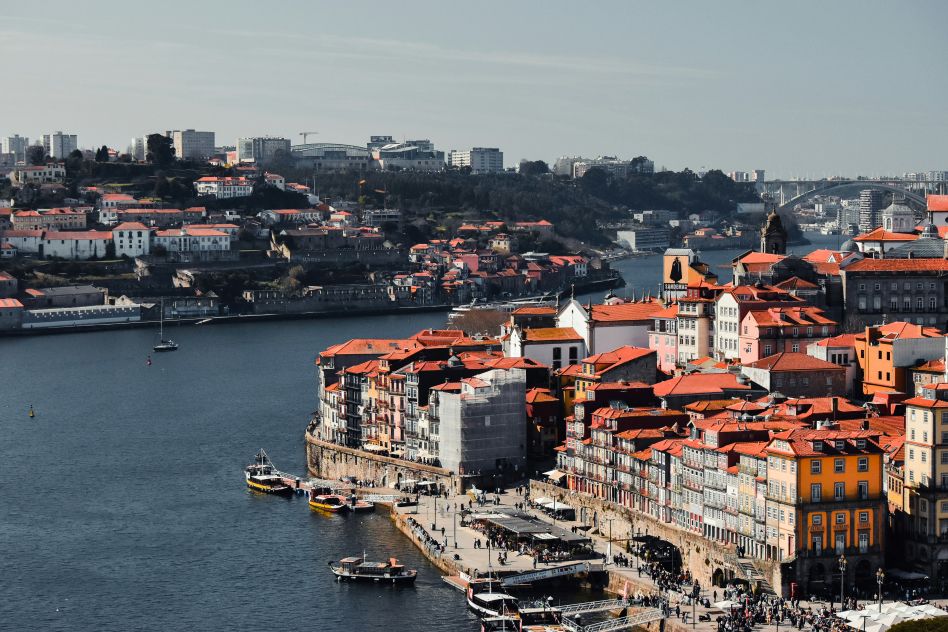
A Douro River cruise may be a strong fit for empty nesters who enjoy wine, regional food, historic towns, guided sightseeing, beautiful scenery, and a relaxed pace.
It can work particularly well for travelers who want their vacation to feel organized without feeling like a large escorted bus tour.
Travelers Who Want Less Daily Planning
A river cruise removes many of the decisions that make a multi-stop trip tiring.
You do not need to find a new hotel every few nights, determine how to reach the next town, carry luggage through train stations, or decide where to eat every evening.
This can be valuable after a long overnight flight from the United States. It also gives couples more time to enjoy the trip together instead of having one person manage directions, confirmations, and daily logistics.
Wine and Food Travelers
The Douro is a natural match for travelers interested in Port wine, Douro table wines, vineyard landscapes, and Portuguese cuisine.
Cruise excursions may include winery visits and tastings, but the exact experience varies. Some visits are educational and detailed. Others are shorter stops designed for a general audience.
Travelers who want a more focused wine experience could consider adding a pre-cruise or post-cruise day in Porto. One option to compare is a full-day Douro Valley wine tour with lunch, tastings, and a short river cruise.
This type of day trip should not be viewed as a replacement for a seven-night cruise. It can, however, help travelers decide whether they want a brief introduction to the valley or the slower immersion of a full cruise.
Solo Empty Nest Travelers
A river cruise can provide helpful structure for widows, widowers, divorcees, single parents, and other solo empty nest travelers who want companionship without joining every activity.
Meals, tours, and onboard spaces create natural opportunities to meet people. At the same time, travelers can return to their cabin or skip an activity when they want time alone.
The challenge is the single supplement. Some cruise lines reduce or waive it on selected departures, but the offer may apply only to certain dates and cabin categories. Solo travelers should compare the total single-occupancy fare rather than assuming the advertised per-person price applies.
Who Should Think Twice?
Travelers Who Want Complete Independence
A cruise follows a set route and schedule. You may receive several excursion choices, but you will not have unlimited time in every town.
Travelers who want to choose their own wineries, dine at different restaurants each night, sleep at vineyard hotels, or change plans during the trip may prefer a customized land itinerary.
A land trip can also make it easier to combine Porto and the Douro with areas such as Braga, Guimarães, Coimbra, the Alentejo, or the Portuguese coast.
Travelers Looking for Large-Ship Entertainment
Douro river ships do not offer the same range of activities as large ocean ships.
You should not expect multiple specialty restaurants, casinos, Broadway-style shows, waterslides, large spas, or a long schedule of entertainment.
Evening activities tend to be quieter. They may include local performers, talks, tastings, music, or conversation in the lounge.
Some travelers find that relaxing. Others may feel there is not enough to do after dinner.
Travelers Focused Mainly on Price
A carefully planned independent trip can cost less than a river cruise, especially for travelers comfortable using trains, renting a car, choosing moderately priced hotels, and booking group tours.
A lower-cost land trip will not provide the same experience, but it may meet the traveler’s goals.
The question is not whether a Douro cruise is cheaper than every alternative. It usually is not. The question is whether the added convenience, structure, scenery, service, and inclusions are worth the difference to you.
Important Tradeoffs to Understand
The central tradeoff is simple.
You gain convenience, scenic transportation, and an organized experience, but you give up some freedom to choose your own daily schedule and spend longer in each place.
Convenience Versus Flexibility
On a cruise, your accommodations and transportation move together. That removes stress but ties you to the ship’s schedule.
On a land itinerary, you control your route and timing. That creates freedom but requires more planning and coordination.
Neither approach is automatically better.
A traveler who wants to explore independently for several hours each day may find the cruise schedule limiting. A traveler who wants to wake up knowing the day has already been arranged may see the same schedule as one of the trip’s greatest benefits.
River Views Versus Vineyard Stays
A cruise gives you days of river scenery and the ease of unpacking once.
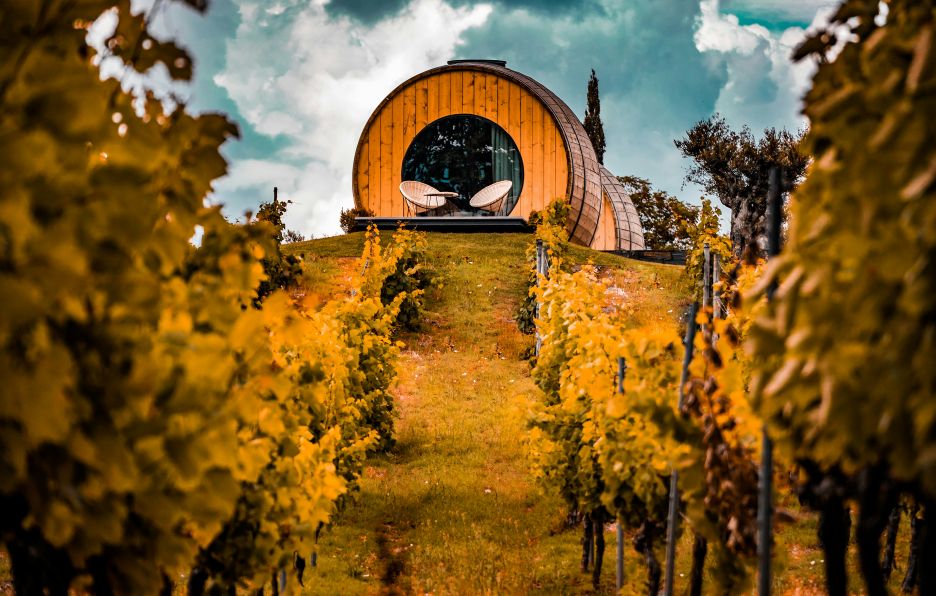
A land trip allows you to stay overnight at a quinta or vineyard hotel, dine at local restaurants, and experience the valley after day visitors leave.
Some travelers solve this tradeoff by combining both. They take the cruise and add two or three nights in Porto or the Douro Valley before or after sailing.
Included Touring Versus Personal Interests
Included excursions add value when they match your interests.
They provide less value when you routinely skip them or replace them with private tours.
Before booking, review the itinerary day by day. Do not count every included excursion as valuable simply because it is included.
A walking tour, winery visit, coach trip to Salamanca, and museum visit may all sound appealing, but they require different amounts of time, walking, and energy.
Common Mistakes to Avoid
Comparing Only the Advertised Fare
The lowest starting price may apply to a limited number of cabins, dates, or promotions.
Compare the actual cabin category you would book and include airfare, transfers, gratuities, beverages, excursions, insurance, hotel nights, and any required overnight stays before your flight home.
A cruise with a higher fare may provide better total value if it includes services you would otherwise purchase separately.
Choosing the Cruise Line Before Studying the Itinerary
Travelers sometimes begin with a familiar brand and assume its Douro itinerary will fit them.
Start with the experience you want.
Look at how much time the itinerary spends sailing, which towns it visits, whether it includes Salamanca, how Porto and Lisbon are handled, and how many excursion choices are offered.
Then compare ships, cabin designs, dining, service levels, and inclusions.
Ignoring Walking and Mobility Demands
A river cruise may feel physically easier than an independent road trip, but it is not always a low-mobility vacation.
Porto and many towns in Portugal have hills, stairs, uneven pavement, and cobblestones. Winery visits can involve slopes, gravel, steps, and older buildings. Gangways may change angle as river levels rise or fall.
Travelers with mobility concerns should ask about the exact walking demands of each excursion, access to coaches, ship elevators, gangways, and whether a slower-paced option is available.
Booking Flights Too Close to Embarkation
Arriving in Portugal on the day the cruise begins creates unnecessary risk.
Flight delays, missed connections, baggage problems, and travel fatigue can affect the start of the trip. Arriving at least one or two nights early provides a buffer and gives travelers time to adjust before boarding.
A longer stay also creates space to explore Lisbon’s food, neighborhoods, music, and cultural experiences rather than treating the city as a quick hotel stop.
What May Be Worth Paying Extra For?
A Cabin With Better River Views
A cabin with a larger window, French balcony, open-air balcony, or true exterior balcony may provide meaningful value because the landscape is central to a Douro cruise.
However, cabin labels can be confusing.
A “balcony” may refer to a window that opens, a small exterior platform, or a larger outdoor sitting area. Review photographs, measurements, deck plans, and the exact cabin design before paying more.
Also consider where you will spend your sailing time. Some travelers prefer the lounge or sun deck and use the cabin mainly for sleeping. For them, a lower cabin category may be enough.
A Small-Group or Private Experience
An upgraded winery visit or smaller excursion may be worth considering if wine and regional culture are major reasons for the trip.
A smaller group can allow more conversation, easier movement, and more time for questions. It may also feel less rushed than a standard coach excursion.
Travelers extending their stay in Porto could compare a small-group Douro Valley tour with winery visits, lunch, and a traditional boat ride.
The purpose is not to add activities simply because they are available. It is to choose one experience that adds something the cruise itinerary does not already provide.
Extra Time in Porto or Lisbon
Additional hotel nights may offer more value than upgrading to the largest suite.
A seven-night cruise gives travelers a strong introduction to the Douro Valley, but it does not always provide enough time to understand Portugal’s major cities.
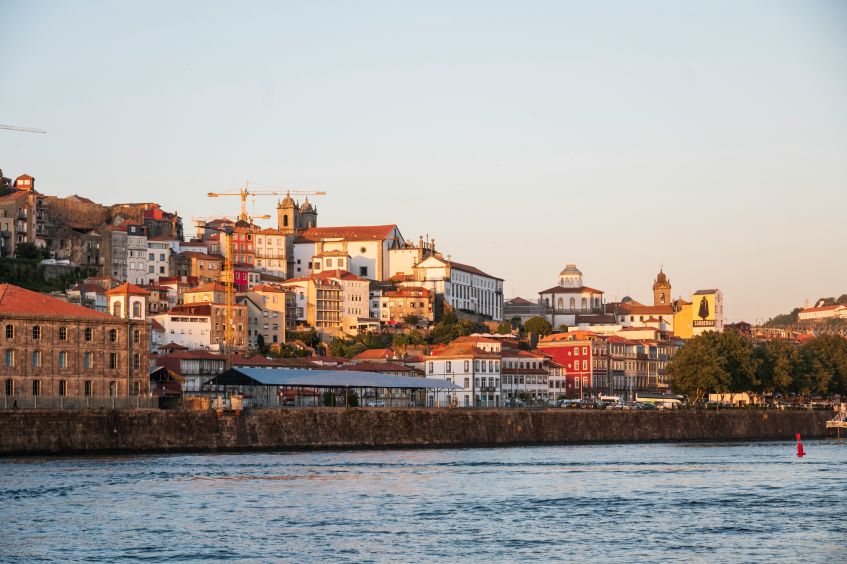
Porto deserves time for its historic center, riverfront, food, architecture, markets, and Vila Nova de Gaia wine lodges. Lisbon deserves more than a quick panoramic tour.
What May Not Be Worth the Cost?
The Largest Suite
The largest suite may not provide enough added value for travelers who expect to spend most daylight hours touring, dining, sailing from the lounge, or using the sun deck.
A suite can still be worthwhile for travelers who need more space, prefer private downtime, or plan to enjoy the scenery from their room.
The decision should be based on how you will use the space, not simply the cabin’s position in the cruise line’s category list.
Overlapping Tours
Paying for an outside excursion that repeats an included winery visit, Porto tour, or Pinhão boat ride may add cost without adding much depth.
Compare the details before booking independent activities.
One experience to evaluate is a Douro Valley day tour combining two wine estates, lunch, and a river ride. It may suit a pre-cruise stay, but it could feel repetitive if the cruise already includes similar visits.
Excursion schedules, details, availability, and pricing can change. Verify the current listing and compare it with your cruise itinerary before booking.
A Beverage Package You Will Barely Use
Some cruise fares include wine, beer, or soft drinks with meals. Others include a wider beverage selection.
A premium package may not provide good value for travelers who drink little, spend much of the day ashore, or are satisfied with the beverages already included.
Review what is covered and estimate what you would realistically order. Do not buy the package simply to make the trip feel more inclusive.
Douro Cruise Versus an Independent Land Trip
A useful planning question is whether a couple would receive better value from a Douro cruise or from independently combining Porto, a vineyard hotel, private transportation, and guided wine experiences.
Choose the Cruise When You Value Ease
The cruise may be the stronger choice when you want one room for most of the trip, organized transportation, predictable daily arrangements, included meals and tours, a social environment, scenic travel without driving, and less responsibility for logistics.
Choose a Land Trip When You Value Control
A land itinerary may be the stronger choice when you want longer stays at wineries or villages, a wider choice of restaurants, boutique or vineyard hotels, private guides and drivers, unscheduled time, more regions of Portugal, and a trip built around highly specific interests.
Consider a Combination
For many empty nest travelers, the strongest trip design may be a combination.
A Douro cruise can handle the difficult logistics of moving through the valley. Extra nights in Porto, Lisbon, or a vineyard property can add the independence and local dining that the cruise provides in smaller amounts.
This approach costs more than taking the cruise alone, but it can create a more complete Portugal experience.
Questions to Ask Before You Book
- What is included in the fare?
- Which excursions cost extra?
- Are gratuities included?
- Which beverages are included and when?
- Does the fare include airport or hotel transfers?
- How many nights are spent aboard the ship?
- Are Porto or Lisbon hotel stays included?
- How much daytime sailing is scheduled?
- What happens if river conditions affect the itinerary?
- How much walking is required on each excursion?
- Are easier walking options available?
- Does the ship have an elevator, and which decks does it reach?
- What type of balcony or window does the cabin have?
- How much free time is built into the itinerary?
- Does the sailing include Salamanca?
- What are the single-occupancy costs?
- Will the cruise line accommodate dietary needs?
- Which experiences would be repeated if you added a separate Douro Valley tour?
These answers often reveal more about value than the advertised price.
My Honest Take
A Douro River cruise may be worth the cost for travelers who value scenic sailing, included meals and tours, wine-country access, and the convenience of unpacking once.
The strongest reason to book is not that a cruise is the cheapest way to see Portugal. It is that the cruise combines accommodations, transportation, sightseeing, dining, and access to the Douro Valley in a format that reduces daily planning.
The weakest reason to book is simply that the itinerary is advertised as luxurious or all-inclusive. Those terms mean different things across cruise lines, and a premium fare does not guarantee that the itinerary fits your interests.
I would compare the total cruise fare with the cost of hotels, transportation, meals, tours, and wine experiences you would book separately before deciding whether it fits your priorities.
I would also look closely at the schedule. The right Douro cruise should provide enough scenic sailing, the types of excursions you enjoy, reasonable physical demands, and enough time in Porto or Lisbon to keep the trip from feeling incomplete.
Final Thoughts
A Douro River cruise offers a specific kind of value.
You receive a scenic, organized, and comfortable way to experience Portugal’s wine country. You avoid frequent hotel changes and much of the transportation planning. In exchange, you follow a fixed schedule, accept less independence, and may pay more than you would for a carefully planned land trip.
For empty nesters who want culture, food, wine, scenery, and a slower pace, that tradeoff may make sense.
For travelers who want nightlife, extensive onboard entertainment, complete flexibility, or the lowest possible price, another travel style may offer better value.
Empty Nester Getaways can help you compare cruise lines, cabin categories, inclusions, land options, and trip extensions so you can choose the experience that fits your pace, interests, comfort, and budget.
Ready to experience Portugal without managing every reservation, transfer, and hidden detail yourself? Start planning your trip with Empty Nester Getaways, and we will help you build a comfortable journey around your interests, pace, and budget.
Still gathering ideas? Join Luxury Travel by Eric: Empty Nester Couples Vacations on Facebook to connect with other empty nesters, explore destination ideas, and make smarter travel decisions.
P.S. Want to learn more about planning a Douro River cruise? These articles will help you understand the costs, what is included, and whether the experience is worth it for you: