
Japan for empty nesters begins with a quiet surprise: comfort and wonder can share the same itinerary.
You can step from a sleek Tokyo hotel into a lantern-lit lane by evening. You can taste perfect sushi at lunch, then find stillness inside a moss garden tomorrow. Japan rewards curiosity, but it also respects travelers who value order, service, and breathing room.
That balance matters more than most couples expect.
Many first-time visitors try to see too much, too fast. They pack Tokyo, Kyoto, Osaka, Hakone, Hiroshima, and three food tours into one heroic blur. Then they come home needing a vacation from the vacation, which feels unfair after flying that far.
Japan works better when you give it space.
A thoughtful trip blends the famous sights with slower, well-planned days. Tokyo brings energy, design, food, and polished hotel comfort. Kyoto brings temples, tea, gardens, and the kind of quiet that sneaks up on you.
Between them, the journey starts to feel less like sightseeing and more like permission.
Permission to linger over breakfast. Permission to let a private guide handle the details. Permission to choose one beautiful temple well, instead of racing through five with sore feet.
That is the hidden truth about Japan travel for couples over 50. The magic rarely lives in doing everything. It lives in choosing the right rhythm before the country chooses one for you.
This guide will walk through the destinations, food experiences, ryokans, trains, seasons, and sample pacing that make Japan feel rich, comfortable, and deeply memorable.
Why Japan Works So Well for Empty Nesters
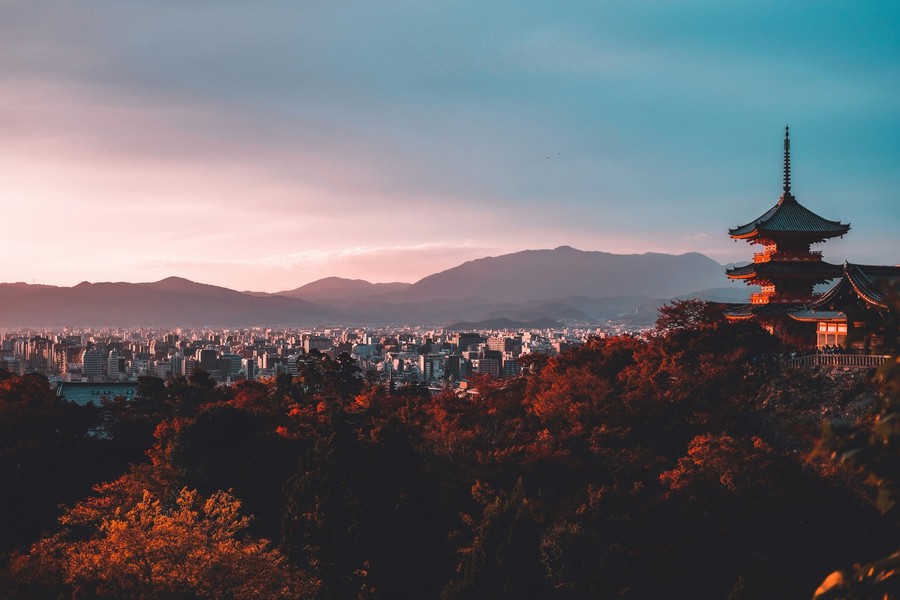
Japan for empty nesters works because it respects both curiosity and comfort. That combination sounds simple until you experience it. Few countries handle depth, order, food, history, and service with such quiet precision.
You can feel the difference almost immediately. Stations run with purpose, hotels anticipate needs, and restaurants often treat detail like a moral obligation. Even a simple bowl of ramen can make you rethink every airport meal you ever tolerated.
Yet Japan does not work well when couples treat it like a contest. The hidden truth is that Japan rewards restraint more than ambition. Too many hotel changes can turn elegance into logistics, which nobody flies twelve hours to enjoy.
Compared with faster bucket-list trips, Japan asks for a different kind of energy. It does not require rugged trails or loose guesswork. It asks you to slow down enough to notice what most rushed visitors miss.
Culture Without Constant Rushing
Culture in Japan rarely announces itself loudly. It waits inside temple courtyards, garden paths, shrine rituals, food stalls, and quiet side streets. That makes slow exploration feel less optional and more essential.
Kyoto proves this better than almost anywhere. A morning in Higashiyama can include stone lanes, wooden houses, temple bells, and tea shops opening their doors. Rush it, and you collect photos instead of memories.
Tokyo offers the same lesson in a different voice. Older neighborhoods like Asakusa and Yanaka reveal small shrines, family shops, and streets with lived-in character. They feel worlds away from neon Tokyo, yet both versions belong together.
This is where a private guide can change the trip. A good guide explains etiquette, history, religion, architecture, and neighborhood rhythm without turning the day into homework. You understand why things matter, not just where to stand.
That matters for couples who want meaning without exhaustion. You can visit a garden, pause for tea, and still have energy for dinner. Culture feels richer when nobody checks a stopwatch.
You can explore this idea in more detail in Angkor Wat Luxury Travel for Couples Who Want More, including how to experience Angkor’s temples with private guiding, thoughtful timing, and more comfort.
Comfort Without Losing Authenticity
Comfort in Japan does not have to dilute the experience. High-end hotels, excellent rail service, precise hospitality, and strong dining standards can support deeper travel. They do not have to replace it.
That distinction matters.
Many couples assume authentic travel requires discomfort. Japan quietly disagrees. You can stay in a polished city hotel, ride the Shinkansen, and still spend the afternoon inside a centuries-old temple district.
Ryokans add another layer, but they require the right match. Some feel deeply traditional, with tatami rooms, futons, and elaborate seasonal meals. Others blend Japanese design with more familiar luxury comforts.
For many couples, the best trip uses both. A full-service Tokyo or Kyoto hotel creates ease and access. A boutique ryokan adds atmosphere, stillness, and a different sense of time.
What most couples do wrong is confuse comfort with distance. They fear that planning well will make Japan feel less real. In practice, the right structure lets you move closer without draining yourself.
That same planning lesson appears in The Hidden Luxury Travel Mistake Couples Make. The destination matters, but the pace often matters more. Japan simply makes that truth harder to ignore.
For official destination details, Japan National Tourism Organization offers helpful trip information at https://www.japan.travel/en/. Use it as a reference, not a replacement for thoughtful pacing. Japan gets better when the plan protects your attention.
The Best Japan Destinations for a Comfortable First Trip
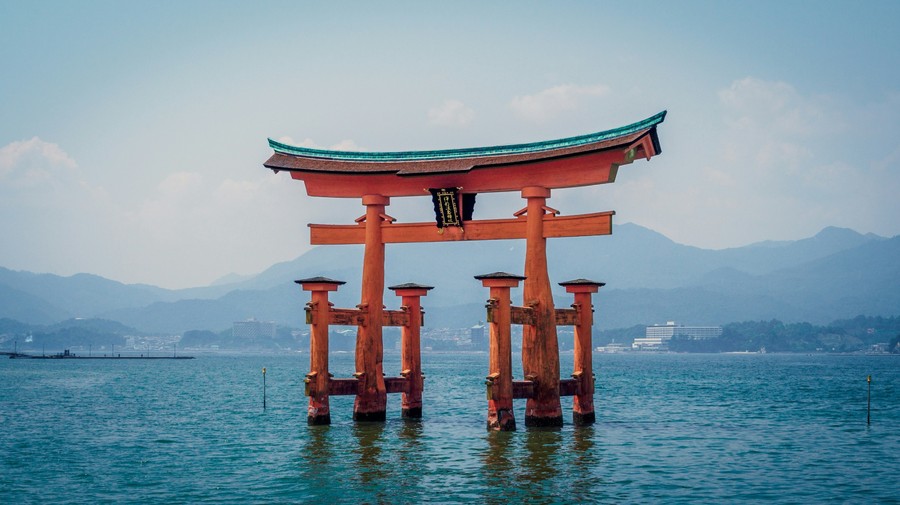
Japan travel for couples over 50 works best when the first trip has restraint. Tokyo and Kyoto give you contrast without chaos. Add one easy extension, and the trip starts breathing properly.
Most couples get tempted by the map. Osaka looks close, Hakone sounds lovely, and Hiroshima feels important. Suddenly, every morning starts with luggage, train platforms, and mild marital negotiations.
A better first trip chooses depth over collection. Tokyo gives energy, food, design, and modern Japan. Kyoto gives temples, tea, gardens, and the quieter story behind the country.
Tokyo for Energy, Food, Design, and Neighborhood Variety
Tokyo can feel intimidating until you stop trying to understand all of it. Treat it like several cities sharing one address. That shift changes everything.
Ginza suits couples who want polished shopping, excellent dining, and easy hotel access. Marunouchi feels calm, efficient, and useful for rail connections. Shinjuku and Shibuya bring energy, but they need careful pacing.
The gentler Tokyo often leaves the stronger impression. Meiji Shrine offers forested calm beside the city’s speed. Hamarikyu Gardens lets you pause near water, tea, and skyline views.
Food adds another layer of discovery. Tsukiji Outer Market still delivers texture, movement, and morning flavor. Department-store food halls may become your most dangerous travel weakness.
Modern Tokyo deserves time too. teamLab Planets brings immersive digital art without requiring museum stamina. Even skeptical travelers often leave quietly impressed, which is always slightly annoying.
Kyoto for Temples, Tea, Gardens, and Traditional Japan
Kyoto should never be treated like a rushed day trip. That mistake drains the beauty from the place. Give it several nights, and Kyoto starts revealing itself slowly.
Higashiyama works well for atmosphere, temple access, and evening walks. Gion adds tradition, dining, and a sense of old Kyoto nearby. Kyoto Station offers convenience, though it feels less intimate.
The famous sights still matter. Fushimi Inari feels best early, before the crowds claim the pathways. Kiyomizu-dera brings scale, views, and that unmistakable Kyoto drama.
Arashiyama needs a thoughtful plan. The bamboo grove draws attention, but nearby temples and gardens often feel richer. Nishiki Market adds food, texture, and just enough beautiful confusion.
A private guide can make Kyoto feel less like a checklist. This Kyoto 4-hour private tour with a government-licensed guide fits that purpose well. The right guide explains what your eyes cannot catch alone.
If you enjoy cities where culture rewards slower attention, bookmark Prague Cultural Experiences You’ll Fall in Love With. Prague and Kyoto differ completely, yet both punish rushing. That comparison becomes useful when planning the rhythm of Japan.
Japan Food Experiences Worth Planning Around
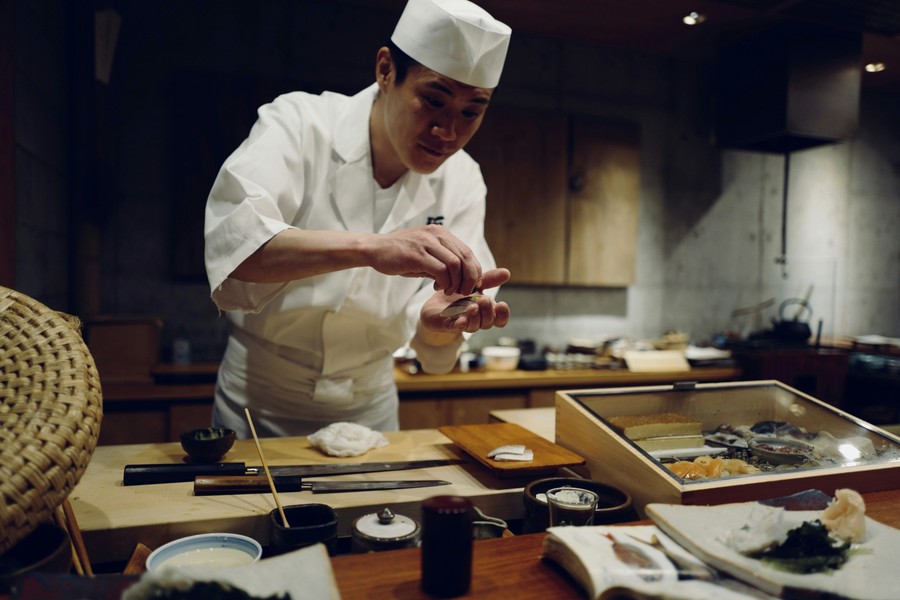
Japan food travel should shape the itinerary, not fill the spaces between temples and trains. Meals carry memory differently here. One perfect bite can outlast three famous landmarks.
That surprises many couples. They plan the gardens, museums, and shrines first, then squeeze dinner wherever fatigue permits. Japan deserves better than a reservation made from a hotel pillow.
Food gives the trip its rhythm. Market mornings feel casual, textured, and wonderfully imperfect. Reserved dinners bring precision, seasonality, and a quiet kind of theater.
Tokyo Food Experiences for Curious Travelers
Tokyo makes eating feel like exploration with better lighting. Sushi, tempura, ramen, wagyu, izakaya dinners, and tasting menus all compete for attention. Somehow, this feels exciting instead of excessive.
Start with something guided and grounded. Tsukiji Outer Market offers seafood stalls, knives, tea, snacks, and controlled chaos. A guided walk helps you taste more and guess less.
This Tokyo Tsukiji Fish Market Food Walking Tour with 5 Tastings fits that first-day curiosity well. It gives structure without making breakfast feel like homework. That matters when jet lag still has opinions.
Later, Tokyo can turn elegant fast. Ginza sushi counters feel almost ceremonial. Depachika food halls prove department-store basements should embarrass every food court in America.
Izakaya dining adds a different pleasure. It feels social, warm, and less polished. Sometimes that is exactly what a refined trip needs.
Kyoto Food, Tea, and Seasonal Dining
Kyoto changes the mood completely. Food here often whispers instead of shouts. Kaiseki turns season, service, texture, and presentation into one slow conversation.
This is not dinner for rushing. Each course reflects something small and deliberate. A leaf, a bowl, or a sauce can say more than another sightseeing stop.
Tea deserves the same respect. A formal tea ceremony suits travelers who enjoy ritual, quiet, and cultural detail. A casual tea house works better when you want beauty without sitting quite so correctly.
Nishiki Market brings Kyoto back to earth. Matcha sweets, tofu dishes, pickles, seafood, and traditional shops create an easy afternoon. It balances the refinement before things become too precious.
That balance also appears in Luxury Culinary Tour in Tuscany: Indulge in the Best Food and Wine Experiences. Tuscany and Japan differ completely, of course. Yet both remind you that food can become the trip’s deepest cultural doorway.
Comfort, Hotels, Ryokans, and Easy Logistics
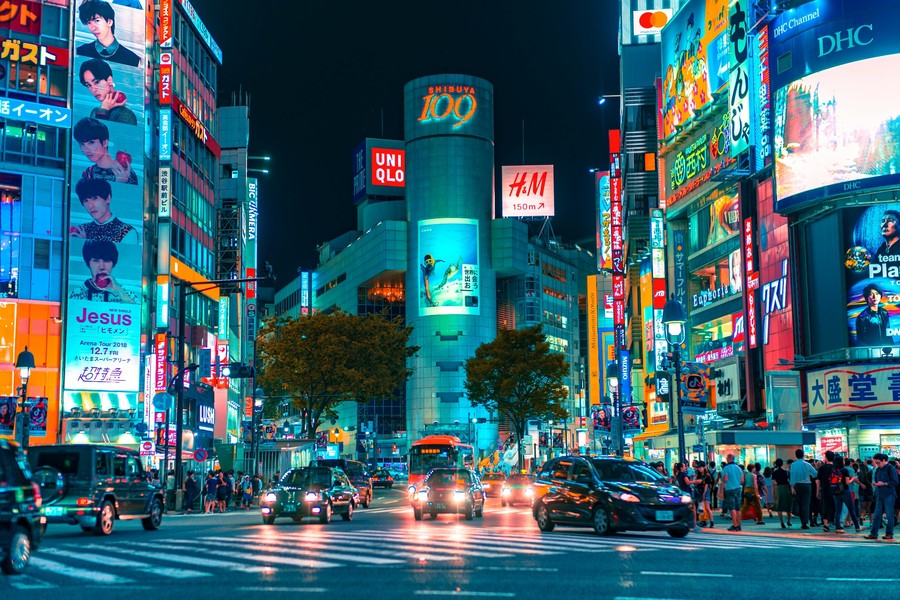
Japan for empty nesters becomes far easier when comfort gets planned before excitement. That may sound unromantic, but it matters. Beautiful trips can fall apart over luggage, stations, and badly timed hotel changes.
Smart lodging creates the base. Rail planning keeps travel days clean. Guided experiences reduce friction before small confusion starts nibbling at the day.
What most couples do wrong is assume Japan’s efficiency will handle everything. Japan runs beautifully, but it still expects you to know the system. That gap can feel small until you face a massive station before breakfast.
Choosing Between Luxury Hotels and Ryokans
A ryokan offers one of Japan’s most memorable stays. Expect tatami rooms, quiet service, seasonal kaiseki meals, and often an onsen bath. Some include futons, while others offer Western-style beds.
Traditional ryokans feel atmospheric and deeply Japanese. Modern luxury ryokans add privacy, softer bedding, and more familiar comforts. That difference matters after a long sightseeing day.
One ryokan night suits many first-time couples. Several nights work better for travelers who enjoy stillness, ritual, and slower evenings. Others may prefer luxury hotels with larger rooms, lounges, and easier dining choices.
That is not a failure of taste. It is honest planning. The best Japan trip matches romance with real comfort, which sounds obvious until shoes come off indoors.
Trains, Luggage, Private Guides, and Pacing
The Shinkansen makes Japan feel wonderfully connected. Tokyo, Kyoto, Osaka, and other cities link with speed and precision. Still, the train itself is only one part of the travel day.
Stations can feel overwhelming at first. Reserved seats help, especially when timing matters. Luggage forwarding can turn a transfer day from stressful to almost elegant.
Oversized baggage rules also deserve attention before departure. Central Japan Railway explains Shinkansen luggage guidance here: Central Japan Railway Company Luggage Information. Know the basics early, and you avoid platform drama.
A smooth day might look simple. Send larger luggage from Tokyo to Kyoto ahead of time. Then ride the reserved Shinkansen with only smaller bags and your dignity intact.
Private guides add another layer of ease. They help with timing, etiquette, neighborhood flow, and the quiet details travelers often miss. Independent travel can work, but curated planning removes decisions when energy matters.
That same comfort-first thinking appears in Experience the Best Bali Wellness Escape for Couples. Bali and Japan feel different, of course. Yet both reward travelers who protect rest as carefully as experiences.
The Best Time to Visit Japan for Culture, Food, and Comfort
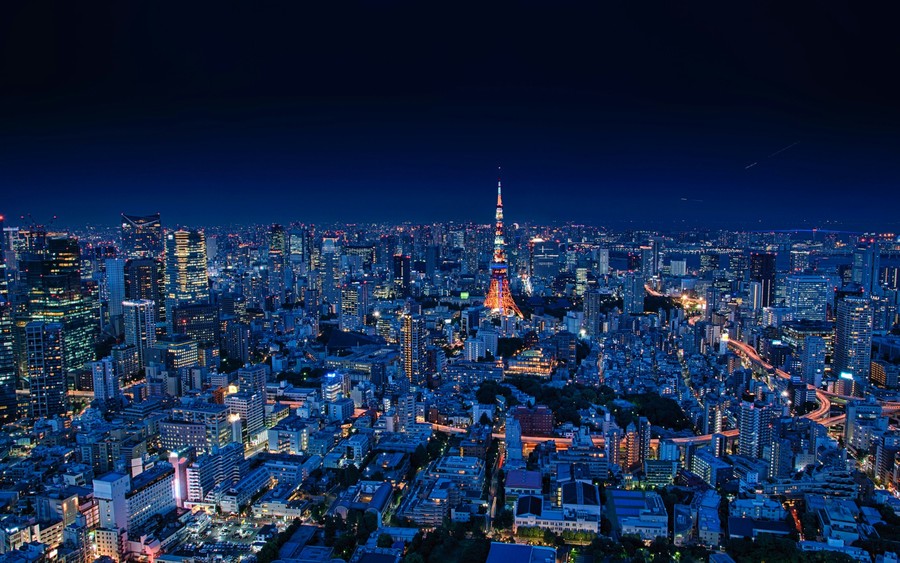
Japan for empty nesters changes dramatically with the season. Weather shapes the walking. Crowds shape the mood, and hotel pricing can shape your patience.
That is the part many couples underestimate. They picture blossoms, temples, sushi, and soft lantern light. Then they discover peak-season crowds also enjoy blossoms, temples, sushi, and soft lantern light.
Timing does not need to feel complicated. It just needs honesty. The best season depends on whether you value scenery, space, food, or easier movement most.
Spring and Autumn for Classic Japan Beauty
Spring gives Japan its most famous image. Cherry blossoms soften parks, rivers, temple grounds, and ordinary city streets. Mild days make walking feel pleasant, especially when pacing stays realistic.
Yet spring requires early planning. Hotels book quickly, guides fill calendars, and popular sights grow crowded. Beauty has a fan club, apparently.
Autumn offers a different kind of richness. Temple gardens turn red, gold, and copper. Seasonal food feels deeper, warmer, and beautifully suited to longer dinners.
For many couples, autumn can feel easier than spring. The scenery still feels memorable, but the travel window often feels broader. That small difference can protect the whole trip.
Winter and Summer for Specific Travel Styles
Winter suits travelers who like quiet, food, hot springs, and clearer mountain views. A ryokan stay feels especially good when cold air meets warm onsen water. Mount Fuji can also reward patient travelers with sharper visibility.
A private Mount Fuji day can work well in the right season. This Mt. Fuji private tour from Tokyo with an English-speaking driver offers a comfortable structure. It keeps the day scenic without turning it into a transportation puzzle.
Summer requires more caution. Heat and humidity change how much walking feels enjoyable. Festivals can add color, but July and August demand slower mornings and shaded afternoons.
That does not make summer impossible. It makes pacing nonnegotiable. Evening walks, garden shade, and well-timed breaks become part of the experience.
The same seasonal thinking applies beyond Japan. The Most Meaningful Lisbon Cultural Experiences for Two shows how timing shapes cultural travel. In both places, the calendar quietly decides more than most travelers expect.
A Comfortable 10 to 14 Day Japan Itinerary
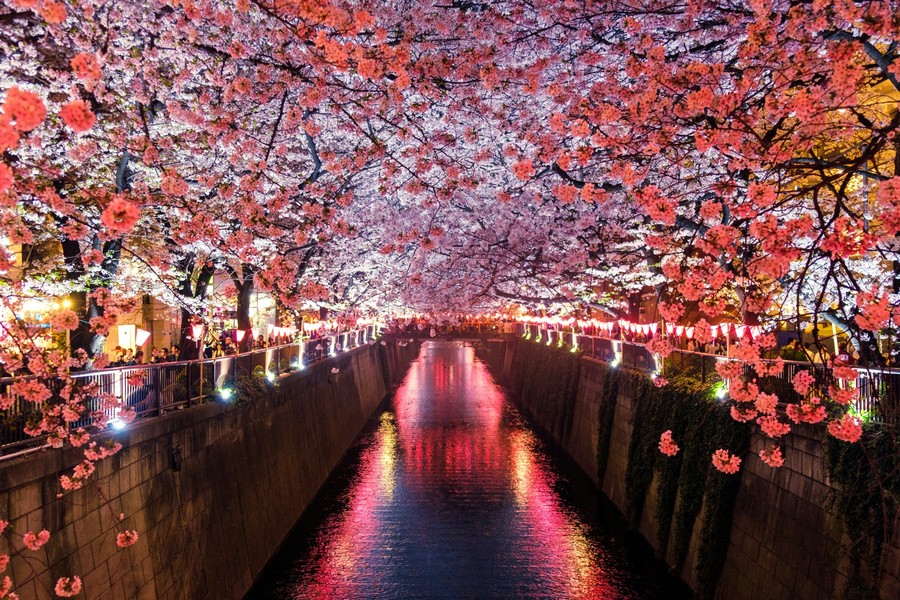
Japan for empty nesters works best when the itinerary protects both wonder and stamina. Ten days can feel rich. Fourteen days can feel graceful, if the extra time gets used wisely.
The key is not adding more stops because the map looks tempting. That is how couples create a trip full of train platforms and half-unpacked suitcases. Japan deserves more dignity than that.
A comfortable plan builds in guided mornings, open afternoons, and food-focused evenings. It also leaves room for silence. Sometimes the best travel moment arrives when nothing official appears on the schedule.
A 10-Day Tokyo and Kyoto Itinerary
A strong 10-day trip can stay beautifully simple. Start with four nights in Tokyo, then spend four nights in Kyoto. Finish with one easy night near Tokyo or the airport.
Tokyo should carry the arrival rhythm. Add a guided food walk, a garden visit, and a neighborhood day with time to wander. Let the first dinner feel easy, not heroic.
Kyoto should slow the pace. Plan temple mornings, tea, gardens, Gion, Nishiki Market, and relaxed dinners. This is where a private guide can save both time and patience.
Leave out more than you expect. Skip the frantic Osaka stop if it creates a rushed transfer. Avoid too many day trips, unless you secretly enjoy luggage as a travel companion.
A 14-Day Japan Itinerary with One Scenic Add-On
A 14-day trip gives Japan more room to unfold. Keep Tokyo and Kyoto as anchors. Then add Hakone or Kanazawa before one final easy return night.
Hakone works well for hot springs, ryokans, slower scenery, and possible Mount Fuji views. Kanazawa offers gardens, preserved districts, seafood, and a calmer cultural rhythm. Both add depth without making the route feel scattered.
This is also where luggage forwarding earns its reputation. Send larger bags ahead, ride trains lightly, and let travel days feel civilized. That small decision can change the whole mood.
Guided experiences still matter in a longer trip. A Kyoto tea experience can deepen the cultural texture without adding physical strain. This Kimono Tea Ceremony at Kyoto Maikoya, NISHIKI fits well within a slower Kyoto stay.
The hidden truth is simple. More days only help when they create space, not clutter. Plan the route carefully, and Japan starts feeling less like a trip and more like a turning point.
Ready for a Japan Trip That Feels Effortless?
Japan for empty nesters works best when the trip has space, structure, and a little restraint. Tokyo brings energy, design, food, and modern ease. Kyoto brings temples, tea, gardens, and the quieter beauty many couples remember longest.
The best itinerary does not chase everything. It blends guided experiences, open afternoons, ryokan stays, rail travel, and dinners worth planning around. That balance keeps Japan from becoming another impressive trip that felt strangely exhausting.
Plan early, especially for guides, hotels, dining, trains, and seasonal timing. Spring and autumn reward patience, but they punish last-minute planning. Japan saves its best moments for travelers who protect their pace.
If Japan is starting to feel like your kind of trip, start planning before the best options disappear. We can help shape the trip around comfort, culture, food, and the way you actually travel.
You can also join our private Facebook group for more travel ideas and trip inspiration. Join Luxury Travel by Eric: Empty Nester Couples Vacations here: https://www.facebook.com/groups/emptynestergetaways. It is a good place to keep dreaming while the next trip starts taking shape.