
New Zealand scenic journeys for couples over 50 begin with a surprising truth: the journey often outshines the destination. Here, getting somewhere becomes part of the pleasure. Mountains rise beside the road, fiords appear beyond glass, and coastlines unfold before lunch.
That changes how you plan. Instead of racing between highlights, you can let trains, cruises, scenic drives, and short flights shape the experience. Each route reveals landscapes no single hotel base can fully deliver.
The TranzAlpine crosses the Southern Alps with windows framing rivers, gorges, and snow-covered peaks. Milford Sound adds waterfalls, dark water, and cliffs that seem almost too theatrical. New Zealand has little interest in subtle scenery.
Later, the Coastal Pacific follows the sea toward Kaikōura, where mountains press close against the shoreline. The Southern Scenic Route rewards slower travelers with wild beaches, empty roads, and quiet southern towns. Rotorua then shifts the mood with steaming earth, volcanic colors, and living Māori culture.
What most couples get wrong is assuming New Zealand rewards constant movement. It rarely does. The best journeys leave space for silence, conversation, and the view that makes you forget your camera. That slower rhythm will matter more as each route unfolds.
Why New Zealand Is Made for Scenic Travel After 50
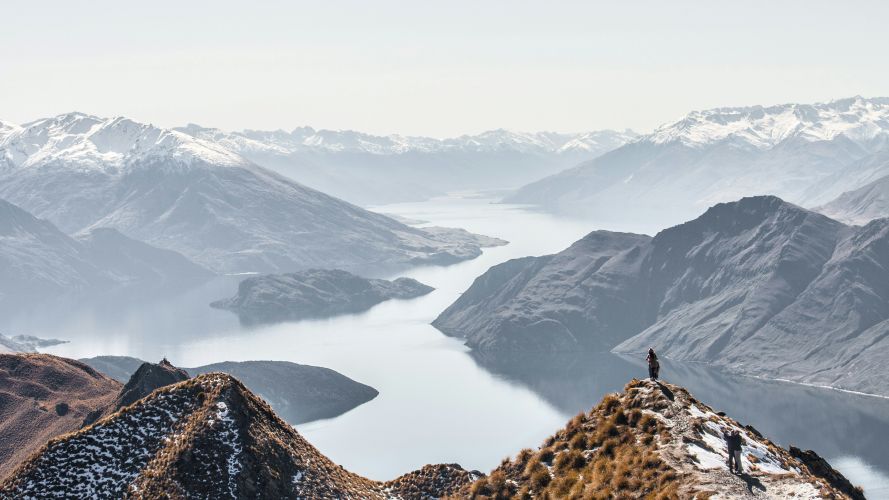
New Zealand compresses an astonishing range of landscapes into distances that remain practical for thoughtful travelers. Alpine peaks, fiords, vineyards, forests, and geothermal valleys can appear within one carefully paced itinerary. You experience dramatic variety without spending every day trapped in transit.
That balance matters after 50. You may still crave discovery, but perhaps no longer admire vacations requiring daily suitcase wrestling. Comfortable trains, guided drives, scenic cruises, and short flights preserve your energy for experiences that deserve it.
The hidden truth is that New Zealand does not require athletic heroics to feel adventurous. Panoramic windows can reveal landscapes that demanding trails sometimes miss. A glass of wine and a comfortable seat occasionally beat another pair of hiking boots.
Independent driving provides freedom, privacy, and spontaneous stops. Organized tours remove navigation stress and explain what you might otherwise pass without noticing. Rail journeys and cruises offer greater comfort, while scenic flights deliver extraordinary views with minimal physical effort.
Each style involves tradeoffs. Freedom demands planning, while convenience requires surrendering some control. Choosing wisely starts with understanding what comfort actually means to you.
What Makes a Journey Comfortable and Rewarding
Comfort involves more than padded seats. Panoramic windows, reliable rest stops, sensible walking distances, and hotel transportation can transform an exhausting day. Good logistics remain invisible until something goes wrong.
Small-group tours often strike the strongest balance. You gain local stories, well-timed viewpoints, and someone else watching the road. Private drivers offer greater flexibility, especially when one partner enjoys lingering while the other prefers moving onward.
Before booking, ask about total journey time, restroom access, luggage handling, and walking surfaces. Confirm mobility requirements and weather cancellation policies. Those details rarely appear in dreamy photographs, yet they determine whether the day feels effortless.
Choosing Between the North and South Islands
The South Island holds New Zealand’s greatest concentration of mountains, glaciers, fiords, rugged coastlines, and scenic rail routes. It rewards couples who want visual drama without changing regions constantly. The TranzAlpine and other luxury experiences show how comfort and wilderness can coexist.
The North Island offers a different rhythm. Volcanic plateaus, geothermal valleys, Māori culture, farmland, and lively coastal cities create greater cultural variety. Tourism New Zealand provides a useful overview of both islands and their distinct regions.
With ten days, focus primarily on the South Island. Two weeks allows deeper exploration or a carefully selected North Island addition. Three weeks gives both islands room to breathe, which most couples appreciate more than another hurried overnight.
Ride the TranzAlpine Through the Southern Alps
The TranzAlpine turns a rail crossing between Christchurch and Greymouth into one of New Zealand’s most scenic journeys. It begins across the broad Canterbury Plains, where farmland stretches toward an approaching wall of mountains. Soon, the Waimakariri River appears below, flashing blue through steep gorges and braided channels.
Inside, panoramic windows rise toward the ceiling and keep the landscape visible from comfortable seats. The open-air carriage offers clearer photographs, sharper mountain air, and considerably less concern for your hairstyle. A licensed café serves drinks, snacks, and meals while commentary adds context to the passing scenery.
Couples can ride the complete route to Greymouth or leave the train at Arthur’s Pass. The full crossing delivers greater variety and opens the West Coast for deeper exploration. A guided day trip offers easier logistics, hotel transportation, and a comfortable Christchurch return.
Neither choice works for everyone. The better option depends on whether you value convenience or the freedom to keep moving west.
Christchurch to Arthur’s Pass
The journey begins gently, passing farms and small communities beyond Christchurch. Springfield marks the final approach before the railway enters river valleys, viaducts, tunnels, and increasingly dramatic alpine terrain. Lake Pearson and Castle Hill add still water and sculpted limestone to the changing view.
Arthur’s Pass suits couples who enjoy mountain scenery without committing to an exhausting expedition. Short walks, local lunch stops, and nearby viewpoints provide flexibility when knees or weather suggest restraint. Devil’s Punchbowl offers a longer option for travelers wanting more movement.
Keep watching the surrounding slopes and railway platforms. Kea sometimes appear near the village, inspecting visitors with the confidence of birds accustomed to attention. They possess charm, intelligence, and absolutely no respect for personal property.
The TranzAlpine, Arthur’s Pass, and Castle Hill day trip includes selected hotel pickup and return transportation. It also combines the train with guided sightseeing and time in Arthur’s Pass National Park. That arrangement removes several moving parts from an already full day.
Arthur’s Pass to Greymouth and the West Coast
Beyond Arthur’s Pass, the Southern Alps begin revealing their wetter, greener side. Alpine valleys give way to dense rainforest, rushing rivers, and vegetation that appears almost aggressively healthy. The transformation happens quickly enough to make the train feel like a moving border between two climates.
Greymouth gives couples several choices. You can return promptly, stay overnight, or continue toward Punakaiki, Hokitika, and glacier country. Most couples go wrong by reaching the West Coast, glancing around, and leaving before it becomes interesting.
An overnight stay creates room for wild beaches, limestone formations, artisan studios, and quieter roads. Continuing south opens access toward Franz Josef and Fox Glacier. That choice adds travel time, yet it also changes the journey from an excursion into something more substantial.
The guided day tour favors simplicity, while the complete crossing rewards curiosity. Similar choices shape outdoor travel elsewhere, including exploring the Amalfi Coast without sacrificing comfort. Beautiful landscapes feel different when your itinerary gives them enough time to register.
Travel from Queenstown to Milford Sound
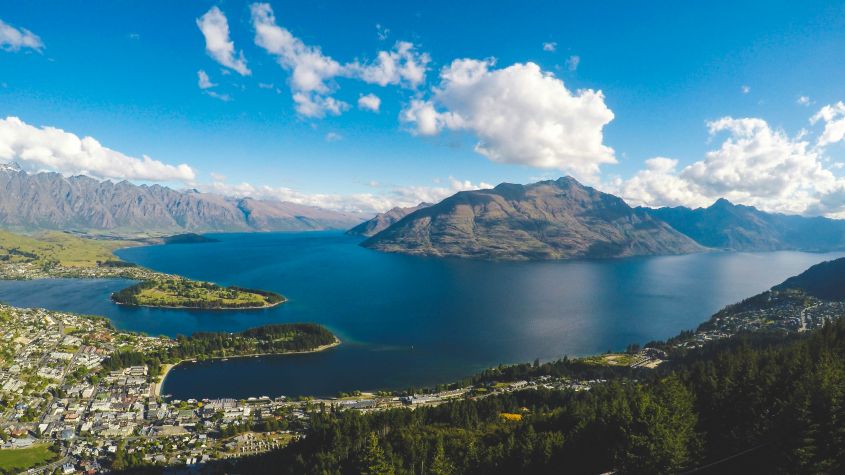
New Zealand scenic journeys rarely build suspense as patiently as the road from Queenstown to Milford Sound. Lake Wakatipu disappears behind you as farmland yields to mountains, lakes, and increasingly untamed country. By Te Anau, the landscape already feels remote, yet Fiordland has barely introduced itself.
Beyond town, the road enters the Eglinton Valley and passes Mirror Lakes beneath forested peaks. Waterfalls streak dark cliffs as the route climbs toward Homer Tunnel. Emerging from that tunnel feels like crossing into another world, because Milford’s enormous valley suddenly opens below.
Most couples assume the cruise provides the day’s main event. The hidden truth is that the road delivers nearly equal drama. Racing through it would miss half the experience.
A coach offers comfort and commentary, while private travel provides control over timing and stops. Scenic flights reduce travel time but skip the unfolding landscape along the road. Coach, cruise, and flight combinations deliver all three perspectives, though Fiordland weather always keeps the final decision.
The Scenic Coach Journey Through Fiordland
The coach journey passes broad valleys, clear lakes, dense rainforest, alpine viewpoints, and waterfalls fed by frequent rain. A glass roof keeps mountain peaks visible without requiring passengers to twist toward every window. Small-group vehicles feel quieter and usually allow more conversation with the guide.
Hotel pickup removes an early logistical headache. Scheduled stops provide photographs, fresh air, and welcome restroom breaks before the next striking viewpoint. Guide commentary also explains landscapes that otherwise pass as beautiful scenery without context.
This remains a long day, often exceeding twelve hours when travelers return entirely by road. Early departures feel less painful once sunrise begins touching Lake Wakatipu. Still, comfort matters when several hours separate Queenstown from Milford Sound.
Weather can shift quickly across Fiordland. Rain creates more waterfalls and deeper atmosphere, although it may cancel flights or obscure mountain views. Most couples do better by expecting changing conditions rather than waiting for fictional perfection.
Cruising and Flying Over Milford Sound
Once aboard, the cruise moves beneath Mitre Peak and alongside cliffs rising sharply from dark water. Waterfalls drift across the vessel as wind carries their spray toward the deck. Seals often rest on rocks, while dolphins and penguins appear when timing and luck cooperate.
Standard nature cruises provide commentary and broad sightseeing. Smaller vessels may approach waterfalls and wildlife more closely, while premium cruises offer extra space and comfort. Overnight cruises reveal the fiord after day visitors leave, which changes its entire character.
The Premium Milford Sound coach, cruise, and flight experience returns travelers to Queenstown by scenic aircraft. The flight crosses mountains, lakes, glaciers, and hidden valleys that roads never reach. It also avoids repeating several hours by coach.
That return carries a practical luxury. You arrive earlier, less tired, and still emotionally awake enough to discuss what you saw. Travelers who value that balance may recognize it from Hawaii’s quieter luxury experiences, where scenery and comfort share equal importance.
Milford Sound rewards every perspective differently. The road builds anticipation, the cruise provides intimacy, and the flight reveals scale. Choosing among them sounds simple until you understand what each one would make you miss.
Follow the Coastal Pacific and Cook Strait
The Coastal Pacific delivers one of New Zealand’s most scenic train journeys between Christchurch and Picton. South Island farmland gradually gives way to vineyards, mountains, rocky beaches, and startling Pacific views. At times, only a narrow strip separates the railway from the sea.
Kaikōura creates the route’s natural pause. Here, the Seaward Kaikōura Range rises almost directly behind the coastline. Few journeys place snow-dusted mountains and deep ocean within the same window.
Farther north, vineyards announce the approach to Marlborough and Blenheim. Couples can pause for wine touring before continuing toward Picton and the Cook Strait ferry. That combination turns practical transportation into several distinct experiences.
Most travelers use the train simply to reach another destination. However, a slower rail-focused itinerary allows time for wildlife, wine, and coastal towns. The difference seems small on paper, yet it changes the entire journey.
Christchurch to Kaikōura Along the Pacific Coast
North of Christchurch, open farmland eventually tightens between mountains and ocean. The railway follows sections of coastline where waves break beneath the tracks. Meanwhile, the Kaikōura Range creates a dramatic backdrop inland.
An overnight stay gives the landscape time to settle. Couples can add whale watching, dolphin encounters, coastal walks, and unhurried seafood dinners. Without that pause, Kaikōura becomes another beautiful place viewed through glass.
Boat-based whale watching offers water-level encounters and the excitement of searching open seas. This Kaikōura whale-watching cruise uses a catamaran to seek sperm whales, dolphins, and seals. Scenic flights provide broader views and may suit travelers concerned about mobility or motion.
Weather influences both choices. Boats feel more immersive, while aircraft reveal the relationship between mountains, coast, and deep ocean. Your preferred perspective may surprise you.
Kaikōura to Picton and the Marlborough Sounds
Beyond Kaikōura, the Coastal Pacific continues through small communities, farmland, coastal scenery, and New Zealand’s largest wine region. Blenheim offers an appealing overnight stop for couples who enjoy sauvignon blanc and relaxed vineyard lunches. The train makes that indulgence remarkably practical.
Afterward, the route continues to Picton, where passengers can connect with the Wellington ferry. Great Journeys New Zealand specifically supports stops in Kaikōura and Blenheim before the Picton connection. This flexibility makes the railway more useful than a single sightseeing day.
The Cook Strait crossing adds one final shift in scale. Ferries leave Picton through Queen Charlotte Sound, passing forested hills, islands, hidden bays, and open water. Wellington Harbour eventually appears ahead, returning civilization with suspicious efficiency.
Allow roughly three and a half hours for the crossing. Conditions can change, so avoid arranging a tight onward connection. New Zealand rewards flexible travelers, and Cook Strait occasionally insists upon it.
Drive the Southern Scenic Route at a Relaxed Pace
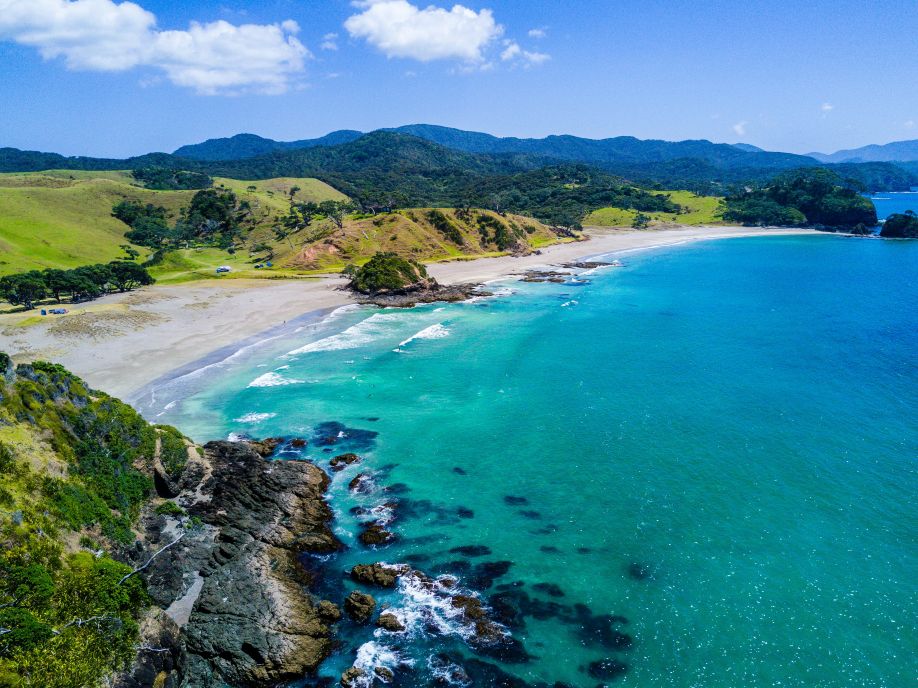
The Southern Scenic Route rewards couples who prefer discovery without constant deadlines. It links Queenstown, Te Anau, Invercargill, the Catlins, and Dunedin through striking southern landscapes. Mountains gradually yield to farmland, forests, cliffs, beaches, and small towns that still feel genuinely local.
This route suits travelers who enjoy deciding when to stop and when to continue. Quiet viewpoints, wildlife encounters, and uncrowded roads create room for shared curiosity. That freedom feels luxurious, especially after years of vacations organized around everyone else.
Self-driving offers the greatest flexibility, but New Zealand drives on the left. Roads can feel narrow, weather changes quickly, and distances often take longer than expected. Private transportation removes that tension, while customized guided journeys add local knowledge without sacrificing privacy.
The real mistake is treating the route like a transfer between major attractions. Its smaller stops often become the stories you remember later. Southern New Zealand reveals itself slowly, and impatience carries a cost.
Queenstown, Te Anau, and the Southern Lakes
Leaving Queenstown, the road follows Lake Wakatipu beneath the Remarkables before bending south toward Kingston. Water and mountains remain close, creating views that seem carefully arranged. Fortunately, nobody expects you to remain emotionally casual about them.
Te Anau deserves two or three nights rather than one hurried sleep. That time allows Milford Sound, Doubtful Sound, lake cruises, and peaceful evenings beside Lake Te Anau. Couples often underestimate how restorative this quieter base feels after Queenstown’s energy.
Fuel before remote stretches, allow generous driving time, and keep clothing ready for sudden weather changes. Mountain roads demand attention, even when the scenery keeps competing for it. Planned pauses protect both comfort and concentration.
Most couples rush through Te Anau because the famous fiords wait beyond it. Yet the town provides something equally valuable: breathing room. The next section of the route becomes wilder, so that pause matters.
The Catlins Coast and Dunedin
The Catlins feels wonderfully removed from New Zealand’s polished tourism circuit. Forests meet cliffs, waterfalls tumble through native bush, and beaches stretch beneath restless skies. Here, scenic travel becomes quieter and slightly unpredictable.
Nugget Point pairs a lighthouse with rugged offshore rocks and possible seal sightings. Pūrākaunui Falls offers a short forest walk, while Curio Bay reveals wildlife and an ancient petrified forest. Cathedral Caves adds scale, tides, and timing, because nature refuses convenient opening hours.
Penguins, sea lions, and dolphins may appear, but none accept appointments. That uncertainty keeps each stop emotionally alive. You begin watching more carefully, which changes how the entire coastline feels.
Dunedin restores urban comforts without ending the scenic story. Historic architecture, gardens, restaurants, and the Otago Peninsula create an elegant final chapter. Wildlife cruises add another perspective before a comfortable dinner and a well-earned early night.
That balance resembles the appeal of Costa Rica’s hidden luxury experiences. Both destinations reward couples who look beyond obvious highlights. The quieter choice often leaves the stronger memory.
Explore the North Island’s Volcanic and Rural Landscapes
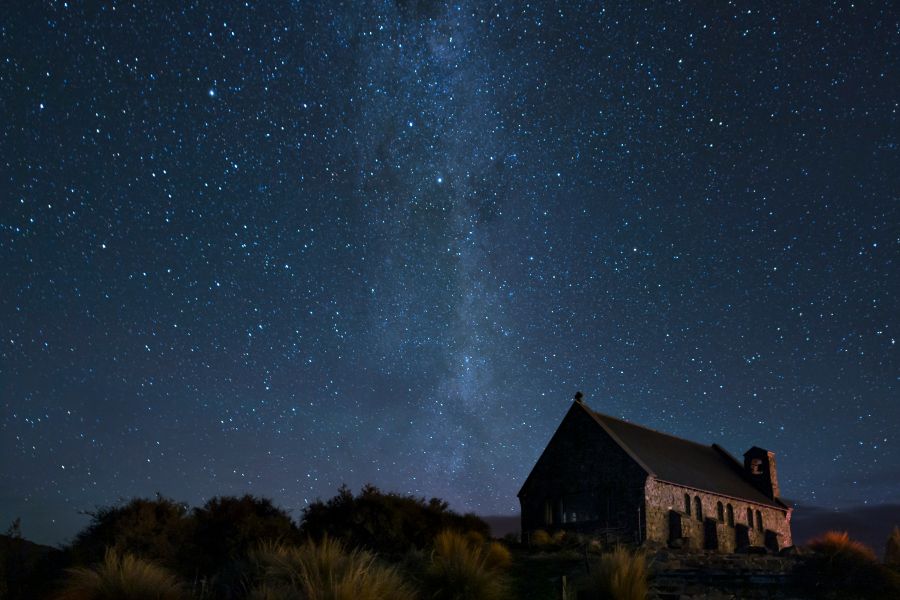
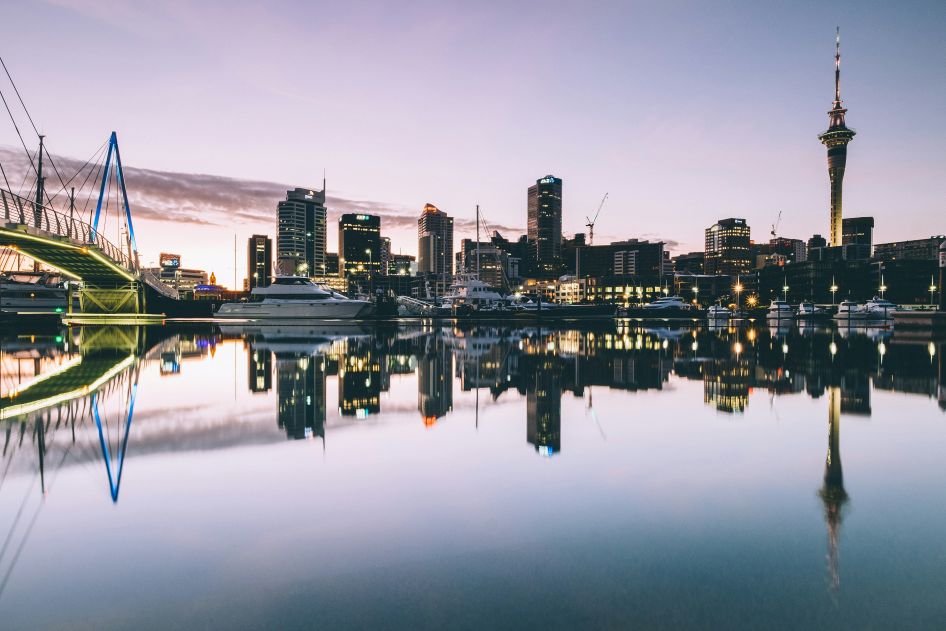
The North Island reveals New Zealand scenic journeys through farmland, steaming valleys, volcanic peaks, lakes, and deeply rooted Māori culture. From Auckland, the route reaches Waitomo, Hobbiton, Rotorua, Taupō, Tongariro, and eventually Wellington. Each region changes the mood before the previous landscape feels familiar.
Renting a car provides freedom, especially for countryside stops and flexible departures. Private transfers remove left-side driving concerns while preserving control over timing. Small-group tours add commentary, though fixed schedules can compress places deserving more attention.
The Northern Explorer offers another perspective between Auckland and Wellington. Its route crosses rural heartland, high plains, viaducts, and the volcanic plateau beneath three major volcanoes. Couples can combine selected rail segments with guided touring rather than choosing one travel style entirely.
That combination often works best. You keep independence where it matters and surrender logistics where they become tiring. New Zealand rarely rewards stubborn commitment to one transportation method.
Waitomo, Hobbiton, and Rotorua
South of Auckland, Waikato’s rolling farmland creates a gentle introduction before Waitomo takes the journey underground. Glowworms illuminate limestone caves with tiny blue lights above dark water. The effect feels quiet, strange, and far removed from ordinary sightseeing.
Hobbiton changes the tone completely. Landscaped hills, gardens, pathways, and detailed film sets create an experience even nonfans often enjoy. The setting works because the countryside feels convincing before the fantasy begins.
Rotorua brings sharper contrasts through geysers, colorful pools, volcanic valleys, forests, lakes, and Māori cultural experiences. Steam rises beside ordinary roads, which quickly resets your definition of normal. The scent of sulfur also ensures nobody mistakes the landscape for decorative scenery.
The Hobbiton and Te Puia day tour combines two major attractions with transportation and hotel pickup. However, it lasts approximately nine hours and follows a structured schedule.
Most couples do better with two or three nights in Rotorua. That pace leaves room for geothermal sites, cultural evenings, forest walks, and slower mornings. It also prevents memorable places from becoming a checklist with better scenery.
Lake Taupō, Tongariro, and the Volcanic Plateau
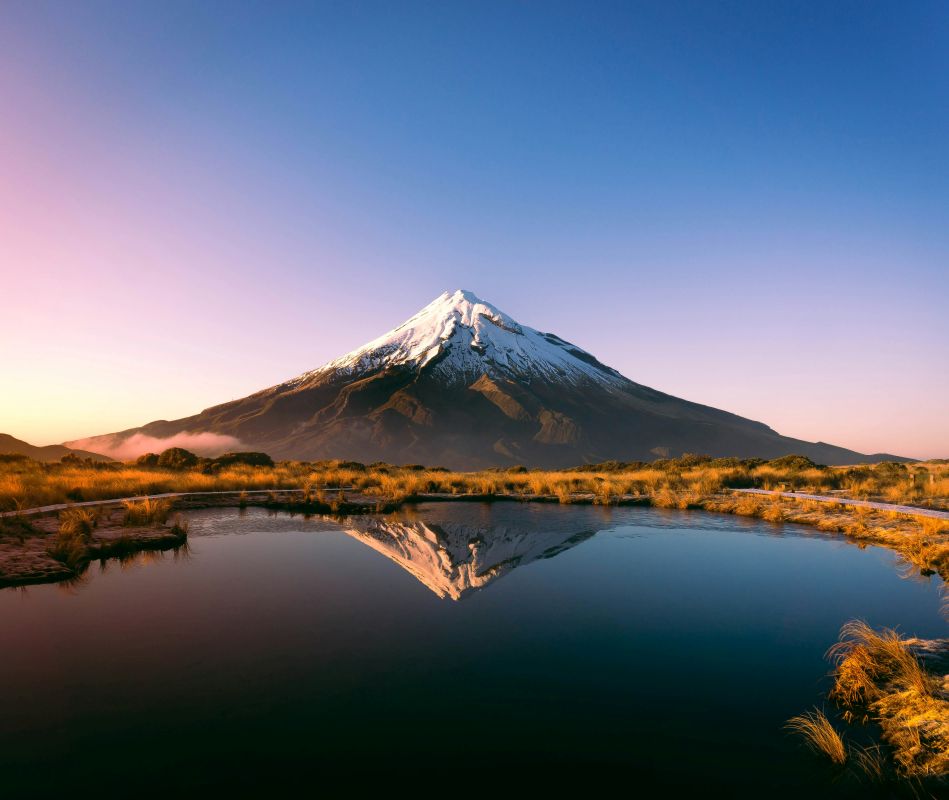
Lake Taupō opens across the landscape with distant volcanoes often visible beyond its blue water. Farther south, Ruapehu, Tongariro, and Ngauruhoe rise above forests and golden tussock country. The terrain feels spacious, exposed, and slightly otherworldly.
Couples can explore through lakeside drives, cruises, short viewpoints, and gentle walks. The Northern Explorer crosses the volcanic plateau and passes beneath the region’s three dominant volcanoes. These choices deliver scale without demanding an extreme physical effort.
The Tongariro Alpine Crossing belongs in a different category. New Zealand’s Department of Conservation rates the route for high fitness across steep, undulating terrain. Its 20.2-kilometer distance usually requires seven or eight hours during warmer months.
Winter brings snow, ice, avalanche danger, and subzero temperatures. Alpine skills become essential from May through October, and officials recommend guided travel. Admiring the volcanoes without crossing them does not count as missing out.
That distinction matters after 50. Good travel respects ambition without confusing exhaustion with achievement. Couples seeking similar restorative pacing may also appreciate these wellness retreats designed around reconnection.
Build the Right Scenic New Zealand Itinerary
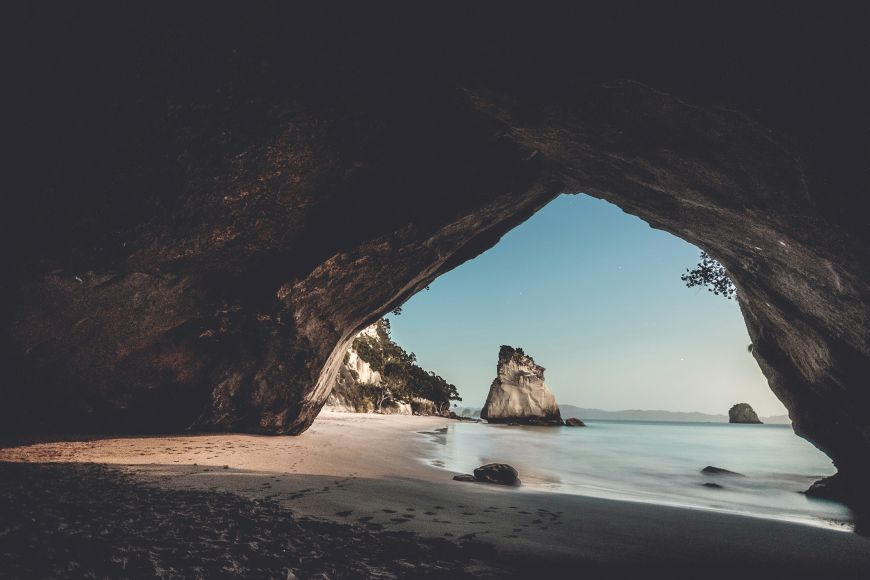
The best New Zealand scenic journeys connect trains, roads, ferries, cruises, and flights without creating nightly packing rituals. Choose several comfortable bases, then explore demanding routes through guided day trips. Your suitcase deserves a vacation too.
Ten days usually suits one island and three major bases. Fourteen days allows a rewarding South Island circuit with time for rail and fiord experiences. Three weeks gives both islands enough space without turning every morning into another departure.
Spring and autumn often provide pleasant temperatures with fewer peak-season crowds. Summer offers longer daylight, while winter brings snow scenery and possible weather disruptions. Each season changes the journey, so flexibility matters more than chasing perfection.
Reserve scenic trains, premium seating, ferries, popular tours, and limited flights early. Great Journeys New Zealand advises advance rail booking because fully booked trains cannot accept walk-on passengers.
Check luggage limits before combining different transportation types. Build weather alternatives into Milford Sound and mountain days. Comprehensive travel insurance also protects the expensive connections that make these itineraries work.
A Relaxed Fourteen-Day South Island Route
Begin with two or three nights in Christchurch, followed by the TranzAlpine toward Greymouth and the West Coast. Continue south through glacier country before reaching Queenstown for several nights. Then slow down again in Te Anau.
Use Queenstown as a base for local scenery rather than repacking immediately. From Te Anau, take guided excursions into Milford Sound or Doubtful Sound. Finish through Invercargill, the Catlins, and Dunedin, depending on your available driving time.
Private transfers work best after long rail journeys or before early departures. Guided tours help on demanding roads where scenery competes aggressively for your attention. Scenic flights save hours when Fiordland weather cooperates.
Premium rail seating adds space, service, and comfort during longer journeys. Great Journeys New Zealand operates the TranzAlpine between Christchurch and Greymouth with panoramic viewing-focused carriages.
Most couples make one predictable mistake. They add destinations instead of adding time. Two peaceful nights often create richer memories than three rushed stops.
A Three-Week Two-Island Journey
Start in Auckland, then travel through Rotorua and the volcanic plateau before reaching Wellington. Spend several nights in Rotorua rather than compressing geothermal sites, Māori experiences, and countryside touring. That pause sets the journey’s rhythm.
The Northern Explorer can connect Auckland and Wellington through rural heartland and volcanic landscapes. Continue across Cook Strait to Picton, then ride the Coastal Pacific through Kaikōura toward Christchurch. Great Journeys New Zealand operates all three principal scenic rail routes.
After Christchurch, cross the Southern Alps aboard the TranzAlpine. Continue toward Queenstown, Te Anau, and Milford Sound through selected transfers or guided touring. This approach reduces demanding driving without sacrificing landscape variety.
Add unscheduled afternoons in Rotorua, Christchurch, Queenstown, and Te Anau. Keep at least one weather backup day near Fiordland. The empty hours may become your favorite ones.
That slower philosophy also shapes a successful luxury wellness trip in Hawaii. Rest does not interrupt a meaningful itinerary. It allows the experience to reach you before the next journey begins.
Let New Zealand’s Scenery Set the Pace
New Zealand’s finest trains, drives, cruises, ferries, and flights do more than connect places. They become defining moments within the vacation itself. The journey often delivers the view you remember longest.
Yet most couples make the same mistake. They include too many routes, change hotels constantly, and leave little time for anything unexpected. New Zealand rewards restraint far more generously than ambition.
Choose fewer destinations and stay longer in the places that feel most compelling. Allow quiet afternoons between major journeys. Comfortable downtime protects the pleasure that rushed itineraries slowly erase.
The right route should also fit both of you. Consider your shared interests, mobility, preferred pace, and comfort with long travel days. One partner may love scenic drives, while the other quietly dreads six hours inside a car.
That difference matters.
A thoughtful itinerary balances independence with support. Private transfers can replace stressful drives, while scenic flights can shorten demanding days. Guided tours add local knowledge without requiring you to manage every detail yourselves.
Your best New Zealand journey will not resemble anyone else’s. It should leave room for alpine railways, hidden coastlines, long conversations, and mornings without alarms. That balance takes careful planning, but the result feels wonderfully personal.
Ready to explore New Zealand without managing every reservation and connection yourself? Click Start Planning and tell us how you want the journey to feel. We will help shape the route around your pace, interests, comfort, and priorities.
Still gathering ideas? Join our private Facebook group for travel conversations, destination inspiration, and practical guidance for empty nesters. Your next journey may begin with a simple question shared there.