
If you’re drawn to cobblestone streets, grand palaces, and stories that have stood the test of time, a Portugal historical tour offers the perfect path. This kind of trip doesn’t just tick off landmarks—it creates shared moments you’ll talk about long after you return. For couples who want to connect through culture, food, and history, Portugal quietly delivers.
And let’s be honest—Portugal is underrated. Many people head straight to France or Italy, but the Iberian Peninsula holds just as many architectural wonders, layered histories, and immersive experiences. On a Portugal historical tour, you don’t just see the past—you feel it.

Start in Lisbon: Portugal Historical Tour Highlights Begin Here
Lisbon is the capital for a reason. It blends old-world charm with a modern rhythm. But the real appeal for couples lies in its deep-rooted history. A walk through the Alfama neighborhood feels like stepping into a time capsule. Narrow alleys, faded tiles, and viewpoints over the Tagus River offer more than a pretty photo—they set the tone for what’s to come.
Take the historic tram 28 for a scenic ride through the city’s oldest quarters. Stop at the Sé Cathedral, which dates back to the 12th century, then visit the Carmo Convent ruins, open-air remnants of the 1755 earthquake. You’ll want a guide here—context adds richness to every cracked wall and stone arch.
Many travelers rush past Lisbon on their way to the beaches or wine regions. But if you give it time, the capital reveals layers: Moorish influences, Age of Discovery monuments, and tales of explorers who set out to map the world. A well-paced Portugal historical tour makes room for these details.
Day Trips from Lisbon Worth Every Minute

If you’re staying in Lisbon for a few days, it’s easy to fit in some remarkable side trips. Sintra is a short train ride away and feels like something out of a fairy tale. Its colorful palaces, misty forests, and hidden trails make it a dream for couples looking to explore hand in hand.
Start with the Palácio Nacional da Pena, a 19th-century gem perched high above the town. Its bright colors and romantic design reflect the personality of Portugal’s past kings and queens. Then walk down to the Moorish Castle, where the stone walls stretch along the hilltop with views that stretch all the way to the Atlantic.
Another standout nearby is the Jerónimos Monastery in Belém, just outside Lisbon proper. Built to honor Vasco da Gama’s voyage to India, this UNESCO World Heritage Site is a perfect stop for history lovers. Try to time your visit in the morning—crowds are lighter, and the sunlight brings out the intricate stonework.
Coimbra: Where Academic History and Romance Meet
Coimbra doesn’t always make the first page of Portugal travel guides, but it should—especially for couples looking for a quieter, more intimate stop. Once the capital of Portugal, it’s home to one of the oldest universities in Europe and carries a rich academic and cultural legacy.
The University of Coimbra, founded in 1290, is more than just a campus. Its Baroque library, Joanina Library, is one of the most stunning in the world. You’ll need to book ahead for access, but it’s worth it. Imagine standing under carved wood ceilings and towering bookcases in silence. It’s the kind of place that leaves an impression.
In the old town, visit the Monastery of Santa Clara-a-Velha, partially ruined but evocative. The riverside setting and faded Gothic arches make for a peaceful break. And don’t miss a fado performance—Coimbra has its own version of this soulful music, sung only by men and steeped in academic tradition.
Porto: The Soul of the North on a Portugal Historical Tour

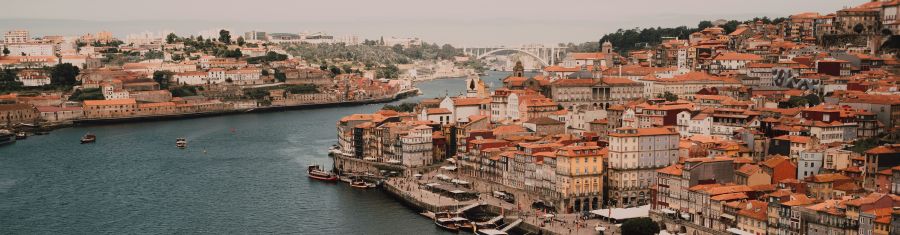
Porto wears its age proudly. The historic Ribeira district, with its colorful buildings stacked along the Douro River, is a postcard come to life. But behind the cheerful facades are stories of trade, resilience, and centuries of seafaring tradition.
Start with a walk across the Dom Luís I Bridge, which connects the city to Vila Nova de Gaia. This is where you’ll find the famous port wine cellars, each offering tours and tastings. Many of them still operate in family-run facilities that have kept original architecture intact.
One of Porto’s standouts is the Palácio da Bolsa, once the stock exchange and now a masterpiece of 19th-century design. The Arab Room, modeled after the Alhambra, is particularly striking. Booking a guided tour adds detail to every corner.
Unlike the grandeur of other European cities, Porto feels grounded. A Portugal historical tour that includes Porto adds balance—offering both beauty and grit, polished history and worn stone.
Évora: Layers of Time in One Walkable Town
Few places in Portugal pack as much history into such a compact space as Évora. This walled city in the Alentejo region offers Roman ruins, medieval churches, and cobbled streets all within an easy stroll.
The Temple of Diana stands as one of the best-preserved Roman structures on the Iberian Peninsula. Nearby, the Évora Cathedral blends Romanesque and Gothic styles in a way that feels both raw and elegant. Climb to the roof for a view of the terracotta rooftops and olive groves beyond.
One of the most talked-about stops here is the Capela dos Ossos—the Chapel of Bones. It’s built from the bones of over 5,000 monks, a stark reminder of life’s fragility. While it might sound dark, many visitors describe it as reflective rather than grim.
Évora also makes a great overnight stop on a Portugal historical tour, especially if you’re taking the scenic route between Lisbon and the Algarve. Its slow pace and compact center make it ideal for couples who like to wander without an agenda.
Discovering History Through Portugal’s Regional Cuisine

On any meaningful Portugal historical tour, meals are more than fuel—they’re part of the story. Each region has its own flavor, shaped by centuries of conquest, exploration, and local pride. From Moorish spices to convent-made desserts, the country’s history shows up on every plate.
In Lisbon, try bacalhau à Brás, a comforting dish made with shredded cod, eggs, and potatoes. It tells a story of Portugal’s seafaring past. In Porto, taste francesinha, a sandwich layered with cured meats, cheese, and spicy tomato beer sauce. It’s a modern favorite with working-class roots.
The Alentejo region, home to Évora, is known for migas—bread-based dishes flavored with garlic, pork, and herbs. They reflect a rural past where nothing went to waste. And in Sintra, travesseiros (almond cream pastries) are a must. Many of these recipes date back to the kitchens of monasteries and royal courts.
Food tours and market visits often add depth to your understanding of a place. They’re worth building into your itinerary. And since many are guided by locals, you get first-hand stories that don’t appear in guidebooks.
More European Inspiration for History-Loving Couples
If a Portugal historical tour sparks something in you, it’s worth looking at other places that offer similar experiences with their own flavor. In fact, many couples who enjoy Portugal also rave about other destinations across Europe that blend charm and history.
A great next step could be reading about the historical tours France couples secretly love most. Or if Roman baths and Georgian elegance are more your style, you might enjoy why couples love a historic Bath England tour.
For a more urban take, how to enjoy a Berlin historical tour in style offers the perfect balance of history and edge. And for something a bit more refined, check out the ultimate luxury Paris history tour.
Guimarães: Birthplace of Portugal and Perfect for Two
Few places can match the charm and historical significance of Guimarães. Known as the “Cradle of Portugal,” this UNESCO World Heritage Site is believed to be where the country was born. For couples interested in the roots of a nation, Guimarães adds rich context to any Portugal historical tour.
Begin at the Guimarães Castle, where Portugal’s first king, Afonso Henriques, is said to have lived. The fortress feels both austere and intimate, offering panoramic views of the town. It’s easy to imagine medieval life as you walk along the ramparts hand in hand.
Next, step into the Ducal Palace of the Bragança family, an impressive 15th-century estate that still holds original furnishings and tapestries. The contrast between this and the starkness of the castle shows how quickly Portugal evolved from feudal to regal.
Wander through the Largo da Oliveira square for a coffee or quiet lunch. The stone arcades and timbered buildings feel like a film set, but this is real history lived-in by real people. The slower pace makes Guimarães ideal for couples looking to explore at their own rhythm.
Tomar and the Templars: Mystical Stops on a Portugal Historical Tour

Tomar offers something a little different. While many places in Portugal reflect royal or Roman legacies, this small city tells the story of the Knights Templar. It’s mysterious, atmospheric, and endlessly interesting.
The Convent of Christ is the main draw—and once you see it, you’ll understand why. Built over centuries, it combines Romanesque, Gothic, Manueline, and Renaissance styles. Walking through it feels like flipping through a well-kept secret. The centerpiece is the Charola, a round Templar chapel that predates most of what surrounds it. Light streams through narrow windows in a way that almost feels theatrical.
Tomar is a great stop if you’re the kind of couple who likes to explore less-traveled paths. The town itself is quiet but has enough local restaurants and hidden alleyways to hold your attention for a full day or two.
And because it’s less known, you often get sites like the aqueduct or synagogue to yourself. That space to reflect—without crowds or noise—makes this a great addition to a Portugal historical tour.
Monuments and Museums to Prioritize on Your Portugal Historical Tour
Even the best-paced itinerary can’t cover every site, so it helps to prioritize. Portugal has no shortage of museums and historical centers, but a few really stand out—both for their storytelling and their ambiance.
In Lisbon, the Museu Nacional do Azulejo offers a vibrant look at Portugal’s tile-making heritage. Set in a former convent, the museum blends art and architecture beautifully. It’s small enough to enjoy without fatigue but rich enough to linger in.
In Porto, make time for the Museu Militar do Porto if you’re interested in Portugal’s military history. Though not as polished as some museums, it offers a raw, behind-the-scenes view of how Portugal defended itself through centuries of upheaval. And in Coimbra, the Machado de Castro Museum, built over Roman ruins, creates a powerful experience that literally takes you underground.
Each of these museums contributes something unique to your journey. Including them on your Portugal historical tour ensures a mix of intellectual engagement and sensory pleasure.
Where to Stay: Historic Hotels with Modern Comfort
A historical trip doesn’t mean sacrificing comfort. In fact, Portugal offers a wide range of boutique hotels, palace conversions, and heritage properties that make your nights just as memorable as your days.
In Lisbon, the Palácio Belmonte sits right near the castle and offers suites in a 15th-century structure once home to nobles. The views over the city and river are stunning, and each room is unique. It’s ideal for couples looking for quiet elegance.
In Porto, the Torel Avantgarde combines art deco design with Douro River views and easy access to historic neighborhoods. While it’s not centuries old, it was inspired by Portugal’s cultural greats and still fits seamlessly into a Portugal historical tour.
And for a real splurge, look into the Pousadas de Portugal—a network of state-run hotels set in historic buildings like monasteries, castles, and forts. These properties are spread across the country, and they give you a chance to sleep in the past without giving up things like luxury bedding or spa services.
Planning Tips for a Portugal Historical Tour

A smooth trip makes space for surprise. That’s especially true when you’re balancing multiple cities and regions on a cultural tour. While Portugal is smaller than many European countries, its sights are spread out. Planning your route thoughtfully matters.
Start with Lisbon as your base, then add Sintra and Évora as side trips. From there, head north to Coimbra and Porto. If you have extra days, add Guimarães and Tomar. This path minimizes backtracking and gives you a clean north-south flow.
Hiring private guides at key locations—like Sintra, Évora, and the Convent of Christ—can bring depth to your visit without making the whole trip feel too structured. These guides often share personal stories or local insights that you won’t find in books or audio tours.
Renting a car gives flexibility, especially for rural areas. But trains are reliable between major cities, and Portugal’s rail network is easy to navigate. For couples who like a slower pace, rail travel can become part of the experience itself.
Why Portugal Is a Perfect Fit for Culture-Loving Couples
So why does a Portugal historical tour work so well for two people traveling together? It comes down to tone. Portugal doesn’t shout its history. It reveals it. The country is full of small details that invite conversation, exploration, and shared discovery.
You’ll find quiet alleys that lead to Roman ruins, cafés with pastries from centuries-old recipes, and museums inside palaces that never feel cold or distant. The lack of crowds in many locations means you can take your time. And time is what makes travel feel meaningful.
For couples stepping into a new phase of life together, Portugal is welcoming but not overwhelming. You won’t be racing to see ten monuments in a day. Instead, you’ll savor each stop. And by the end, you’ll carry those stories—and each other—a little differently.