
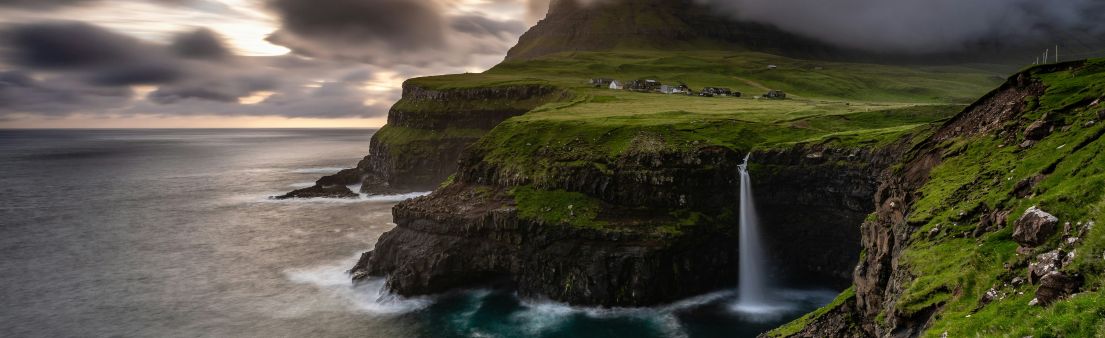
The Faroe Islands bucket list deserves a top spot for couples seeking meaningful travel experiences after years of family-focused vacations. Nestled between Iceland and Norway, these 18 islands offer dramatic landscapes, authentic cultural encounters, and luxurious experiences tailored for discerning travelers. Let’s explore this remarkable archipelago with its green cliffs, charming villages, and pristine nature that remains largely undiscovered by mass tourism.
Preparing for Your Faroe Islands Bucket List Adventure

Planning a journey to the Faroe Islands requires thoughtful consideration to make the most of this unique destination. The islands experience a maritime climate with rapidly changing weather conditions throughout the year. Summer months (June through August) offer longer daylight hours, with the sun barely setting in June, perfect for extended exploration of your Faroe Islands bucket list attractions.
Spring and early fall present fewer tourists while still providing reasonable weather for outdoor activities. These shoulder seasons allow for a more intimate experience with nature and local culture. Many travelers find May and September particularly rewarding for photography, with dramatic lighting conditions highlighting the islands’ rugged beauty.
Winter visits have their own charm for those seeking solitude and the possibility of witnessing the Northern Lights. However, some attractions become inaccessible due to weather conditions during this time. No matter when you choose to visit, packing layers and waterproof clothing remains essential for enjoying your Faroe Islands bucket list comfortably.
Getting to the Faroe Islands has become increasingly convenient with direct flights from several European cities. Atlantic Airways, the national carrier, operates regular flights from Copenhagen, Edinburgh, and Bergen, among others. For those with extra time, the Smyril Line ferry offers a scenic journey from Denmark and Iceland, allowing you to bring your own vehicle for exploring the islands.
When creating your Faroe Islands bucket list, consider renting a car for maximum flexibility. The islands feature an excellent road network, including undersea tunnels connecting major islands. Public transportation exists but runs on limited schedules that may restrict your exploration options.
Must-See Natural Wonders on Your Faroe Islands Bucket List

The Faroe Islands bucket list must include Múlafossur Waterfall in Gásadalur. Here, water cascades directly into the ocean against a backdrop of steep cliffs. This iconic spot became accessible by road only in 2004 when a tunnel was built.
The dramatic setting creates perfect photo opportunities, especially during sunset. Golden light bathes the scene, making it a photographer’s dream and a highlight of any Faroe Islands bucket list.
Lake Sørvágsvatn, also known as Leitisvatn, offers an optical illusion that amazes visitors. From certain vantage points, this lake appears to hover hundreds of feet above the ocean.
The hike to the famous viewpoint takes approximately one hour each way across private land. A small fee and respect for the environment are required. This natural wonder consistently ranks among visitors’ favorite Faroe Islands bucket list experiences.
Sea Stacks and Dramatic Coastlines
The sea stacks at Drangarnir, accessible only by boat or guided hike, present another remarkable formation. These massive rock formations rise from the sea with a distinctive arch that seems almost too perfect to be natural.
According to Visit Faroe Islands, boat tours to Drangarnir offer perspectives impossible to achieve from land. This makes them essential for photography enthusiasts completing their Faroe Islands bucket list.
Kallur Lighthouse on Kalsoy Island delivers panoramic views worth the journey. Reaching this spot requires a ferry ride followed by a hike. The effort proves worthwhile when standing at the edge of dramatic cliffs with ocean stretching beyond.
This location appeared in recent James Bond films, adding cultural significance to its natural beauty. It deserves a prominent place on any Faroe Islands bucket list.
Cultural Experiences for Your Faroe Islands Bucket List
Traditional Dining and Local Life
No Faroe Islands bucket list would be complete without experiencing Heimablídni, the traditional home dining concept. Local families open their homes to visitors for authentic Faroese meals.
According to Guide to Faroe Islands, these intimate dining experiences often feature traditional dishes like fermented lamb and wind-dried fish. Recipes passed down through generations make this a cultural highlight.
The capital city, Tórshavn, offers a blend of history and contemporary Faroese life. Tinganes, the old town, features red-painted wooden buildings with grass roofs dating back to the Viking age.
These buildings once served as a meeting place for the Viking parliament. Today, they house government offices, creating a fascinating contrast between ancient and modern governance.
Cultural Traditions and Arts
Traditional Faroese chain dancing continues to play an important role in local culture. Unlike many cultural traditions that exist primarily for tourists, this dancing remains an authentic community practice.
Participants form a chain, moving in a circle while singing ballads that tell stories from Norse mythology. Some ballads last for hours, creating a hypnotic cultural experience for your Faroe Islands bucket list.
The Nordic House in Tórshavn serves as the islands’ primary cultural center. It hosts concerts, exhibitions, and performances showcasing Faroese arts throughout the year.
The building itself, designed by Norwegian architect Ola Steen, incorporates elements of traditional Faroese architecture. Checking the event calendar before your visit might reveal unique cultural opportunities.
Hidden Villages for Your Faroe Islands Bucket List

Gjógv and Northern Village Treasures
The village of Gjógv, named after its natural sea-filled gorge, deserves a prominent place on your Faroe Islands bucket list. This charming settlement of colorful houses sits nestled between mountains and sea on Eysturoy island.
The 200-meter gorge that gives the village its name once served as a natural harbor for fishing boats. Today, visitors can descend stone steps to the water’s edge for a unique perspective of the rugged coastline.
Tjørnuvík, the northernmost village on Streymoy island, offers a glimpse into traditional Faroese life. The small black sand beach provides views of the famous Risin and Kellingin sea stacks in the distance.
According to local legend, these formations represent a giant and his witch wife who attempted to drag the Faroe Islands to Iceland. This remote village, similar to destinations featured in our Luxury Travel Lofoten: Savor Norway’s Hidden Arctic Beauty guide, offers authentic experiences.
Island Villages and Historic Sites
The island of Mykines, the westernmost of the Faroe Islands, hosts a village that seems frozen in time. This should feature prominently on any Faroe Islands bucket list. Accessible only by helicopter or ferry, this isolated community provides sanctuary for thousands of puffins during summer.
The hike to the lighthouse offers breathtaking views across the Atlantic. Close encounters with seabird colonies that nest on the cliffs make this a nature lover’s paradise and a highlight of any Faroe Islands bucket list.
Bøur village near Gásadalur presents perfectly preserved traditional architecture. Its cluster of black-tarred wooden houses with characteristic green turf roofs creates a postcard-perfect scene.
The panoramic view of Tindhólmur islet and Drangarnir sea stacks from the village makes it a favorite spot for photographers. Despite its small size, Bøur delivers an authentic atmosphere that larger settlements sometimes lack.
Unique Outdoor Activities for Your Faroe Islands Bucket List
Hiking and Land Adventures
Hiking remains the quintessential activity for any Faroe Islands bucket list. Trails range from easy walks to challenging mountain treks across the archipelago. The hike from Bøur to Gásadalur through the old postal route offers spectacular views.
This moderate 3-4 hour trek takes you over the mountain pass that villagers once used as their only connection to neighboring communities. Before the tunnel was constructed, this was the lifeline for Gásadalur residents.
Sea kayaking provides a distinctive perspective of the dramatic coastline. Paddling alongside towering cliffs and into sea caves reveals landscapes inaccessible by land. Local operators offer guided excursions suitable for various experience levels.
According to Atlas Obscura, the unique rock formations visible from water level create an otherworldly experience for kayakers exploring their Faroe Islands bucket list.
Wildlife and Aerial Experiences
Bird watching enthusiasts will find paradise in the Faroe Islands. Opportunities to observe puffins, storm petrels, and rare seabirds abound in their natural habitat. Mykines island, known as “Puffin Island,” hosts thousands of these charismatic birds during summer months.
The western cliffs of Vestmanna offer another spectacular location for bird watching. Boat tours navigate through narrow sounds and close to vertical cliff faces where guillemots and kittiwakes nest.
For those seeking adrenaline and unique perspectives, helicopter tours offer unparalleled views. The local helicopter service, primarily used by residents to reach remote islands, allows tourists to book available seats.
These flights provide spectacular aerial views of waterfalls, villages, and coastlines. They reveal the true scale and beauty of the archipelago’s geography, creating unforgettable Faroe Islands bucket list memories.
Luxury Accommodations for Your Faroe Islands Bucket List

Premium Hotels and Guesthouses
While the Faroe Islands may not offer the extensive luxury options found in our Luxury Amalfi Coast Travel: Secrets Only Insiders Know guide, the archipelago provides unique high-end accommodations. Hotel Føroyar in Tórshavn, built into a hillside, offers sophisticated rooms with panoramic windows framing the landscape.
The property provides spectacular views over the capital and harbor. Its design incorporates elements of traditional Faroese architecture while offering modern comforts and amenities.
Boutique guesthouses like Gjáargarður in Gjógv provide intimate luxury with personalized service. The property’s turf-roofed design harmonizes with the surrounding village while offering modern comforts inside.
The restaurant specializes in traditional Faroese cuisine elevated to gourmet standards. Dishes like slow-cooked lamb and fresh-caught fish prepared with contemporary techniques delight culinary enthusiasts.
Exclusive Accommodations
For the ultimate exclusive experience, private home rentals in remote villages allow complete immersion in the landscape. Companies like REMÓT Travel offer curated luxury properties featuring designer furnishings and floor-to-ceiling windows.
Amenities like private hot tubs overlooking the ocean enhance the experience. These accommodations provide perfect bases for exploring your Faroe Islands bucket list while enjoying privacy and comfort.
The historic Hotel Hafnia in downtown Tórshavn combines central location with upscale amenities. Recently renovated rooms feature Scandinavian design elements while the rooftop restaurant offers panoramic views of the harbor.
This property provides easy access to shopping, dining, and cultural attractions in the capital. Its sophisticated atmosphere makes it a favorite among travelers seeking comfort alongside convenience.
Culinary Experiences for Your Faroe Islands Bucket List
Traditional Faroese Cuisine
The Faroe Islands’ isolation has created a unique culinary tradition centered around preserved foods and local ingredients. Traditional methods like wind-drying, fermenting, and smoking developed out of necessity in this harsh climate.
Today, these techniques contribute to a distinctive cuisine gaining international recognition. The flavors and preparations offer a window into Faroese history and culture for culinary-minded travelers.
KOKS, the Faroe Islands’ first Michelin-starred restaurant, revolutionized perceptions of Faroese cuisine. Set in a remote valley, the restaurant serves multi-course tasting menus featuring hyperlocal and often foraged ingredients.
Dishes might include fermented lamb, mahogany clams that can live for centuries, and seabirds prepared according to traditional methods. According to The Common Wanderer, securing a reservation requires planning months in advance.
Local Beverages and Food Experiences
Sampling local beer from microbreweries like Okkara and Føroya Bjór adds another dimension to your Faroe Islands bucket list. These breweries incorporate local ingredients like rhubarb, angelica, and even sheep’s wool in the brewing process.
This creates distinctive flavors you won’t find elsewhere. Brewery tours offer insight into how these enterprises balance tradition with innovation while navigating the challenges of brewing in a remote location.
Foraging excursions with local guides introduce visitors to the edible landscape of the Faroe Islands. During summer months, the hills fill with wild herbs, berries, and plants used in traditional cooking for generations.
Learning to identify and gather these ingredients connects you to the landscape in a meaningful way. It also provides the freshest possible flavors for your meals and a deeper appreciation of Faroese cuisine.
[Suggested image: Professional photograph of a beautifully plated dish from KOKS restaurant showing the artistic presentation of local Faroese ingredients with the dramatic landscape visible through windows in the background.]
Planning Your Faroe Islands Bucket List Itinerary

Creating a Balanced Schedule
Creating a balanced itinerary proves essential for maximizing your Faroe Islands bucket list experience. Most travelers find 7-10 days ideal for exploring the main islands without feeling rushed. This timeframe allows for weather contingencies, which can significantly impact outdoor activities.
As we discuss in our guide on Why Empty Nesters Should Stop Overplanning Their Luxury Trips, building flexibility into your schedule enhances the travel experience. This approach works perfectly in the Faroe Islands.
Basing yourself in Tórshavn for part of your stay provides convenient access to restaurants and cultural attractions. The capital city offers the widest selection of accommodations and serves as a transportation hub for the archipelago.
From here, you can easily reach popular Faroe Islands bucket list destinations like Kirkjubøur, Vestmanna bird cliffs, and the villages of Saksun and Tjørnuvík. Day trips allow you to explore while returning to comfort each evening.
Multi-Island Exploration Strategies
Spending several nights on Vágar island puts you close to iconic Faroe Islands bucket list locations. Múlafossur Waterfall, Lake Sørvágsvatn, and the village of Bøur are all within easy reach. This western island hosts the international airport and features some of the most photographed landscapes.
Several guesthouses and rental properties offer comfortable bases for exploration of this remarkable region of the Faroe Islands bucket list. The island makes an excellent starting point for your adventure.
For a comprehensive experience, consider dividing your stay between several islands. This approach reduces daily driving time and allows full immersion in different regions. The northern islands of Kalsoy, Kunoy, and Viðoy offer remote beauty and fewer tourists.
Meanwhile, Suðuroy in the south presents distinct cultural traditions and landscapes. Ferry connections between islands generally run multiple times daily but require advance planning for your Faroe Islands bucket list journey.
Practical Tips for Your Faroe Islands Bucket List Journey
Weather and Driving Considerations
Weather preparedness tops the list of practical considerations for your Faroe Islands bucket list adventure. The local saying that you can experience all four seasons in one day holds true year-round. Packing layers, waterproof outerwear, and sturdy hiking boots ensures comfort.
The changeable weather creates dramatic lighting and atmosphere that photographers particularly appreciate. These conditions contribute to the unique character and beauty of the Faroe Islands.
Driving in the Faroe Islands presents unique challenges and rewards. Narrow roads, single-lane tunnels, and free-roaming sheep require attentive driving. Weather conditions can change rapidly, with fog reducing visibility within minutes.
However, the road infrastructure remains surprisingly well-maintained. Tunnels connect major islands, eliminating the need for ferry crossings in many cases. This makes self-driving an excellent option for your Faroe Islands bucket list exploration.
Budget and Cultural Etiquette
Budgeting appropriately helps prevent surprises during your Faroe Islands bucket list journey. Like other Nordic destinations, the Faroe Islands command premium prices for accommodations, dining, and activities. Grocery stores offer reasonable alternatives to restaurant meals every day.
Booking accommodations and excursions well in advance generally secures better rates. Transportation costs, including tunnel tolls and fuel, should factor into your budget planning for a stress-free experience.
Understanding local customs enhances cultural connections during your Faroe Islands bucket list experience. Removing shoes when entering homes (including some guesthouses) shows respect for Faroese traditions.
Modest tipping practices differ from American expectations, with 10% sufficient in restaurants if service charges aren’t already included. Learning a few basic Faroese phrases like “takk” (thank you) demonstrates appreciation for the local culture.
Sustainable Tourism and Your Faroe Islands Bucket List
Responsible Travel Practices
The growing popularity of the Faroe Islands bucket list raises important questions about sustainable tourism. The islands’ dramatic increase in visitors has prompted local authorities to implement thoughtful management strategies. The “Closed for Maintenance, Open for Voluntourism” initiative invites tourists to participate in conservation projects.
This innovative approach differs from destinations that simply restrict numbers. It creates a model for responsible tourism that benefits both visitors and the local environment.
Supporting locally-owned businesses directly benefits communities while enhancing your Faroe Islands bucket list experience. Choosing local guides, family-run accommodations, and restaurants serving Faroese cuisine creates meaningful connections.
These businesses often provide more authentic experiences than international chains. They also ensure tourism revenue remains within the islands to support the local economy.
Cultural and Environmental Sensitivity
Respecting natural environments must remain paramount when pursuing your Faroe Islands bucket list. Staying on marked trails, properly disposing of waste, and maintaining distance from wildlife preserves these pristine landscapes for future generations.
Some sensitive areas, particularly bird nesting sites, have seasonal restrictions to minimize human impact. Similar to principles we discuss in The Ultimate Bucket List Provence Experience Guide, responsible tourism enhances natural beauty.
Cultural sensitivity plays an equally important role in sustainable tourism practices. The Faroese maintain strong cultural traditions that may differ from visitor expectations. Approaching these differences with respect and openness rather than judgment creates positive interactions.
This might mean accepting that certain traditional practices continue despite controversy. Understanding the cultural context helps visitors appreciate the complex heritage of these islands.
Capturing Memories from Your Faroe Islands Bucket List
Photography Tips and Techniques
Photography presents both opportunities and challenges when documenting your Faroe Islands bucket list adventures. The dramatic landscapes, with their sharp contrasts between land and sea, reward thoughtful composition. Early morning and evening light cast magical qualities across the terrain.
Cloudy conditions often create moody atmospheres perfect for capturing the essence of these remote islands. The changing weather provides constantly shifting lighting conditions for creative photography.
Specialized equipment enhances photographic results in the Faroe Islands’ unique conditions. Weather-sealed cameras withstand misty environments, while wide-angle lenses capture expansive landscapes. A sturdy tripod proves essential for low-light situations and long exposures.
Neutral density filters help manage the extreme contrasts often found between bright skies and dark cliffs. These tools help create lasting visual memories of your Faroe Islands bucket list journey.
Meaningful Souvenirs and Memories
Beyond technical considerations, photographing with intention creates more meaningful Faroe Islands bucket list memories. Rather than simply collecting images of iconic locations, take time to observe how light changes the landscape. Capture details that tell stories about the place.
Including elements of local life—from colorful houses to grazing sheep—adds context and scale to grand vistas. These thoughtful images will bring back the feeling of your journey for years to come.
Collecting thoughtful souvenirs supports local artisans while providing tangible reminders of your Faroe Islands bucket list journey. Handcrafted wool products, including the distinctive Faroese sweater patterns, represent centuries of tradition and practical adaptation to the climate.
Locally made ceramics, music recordings, and art offer authentic connections to the islands’ creative culture. These meaningful items will remind you of your journey long after you return home.
Beyond the Faroe Islands: Extending Your Nordic Bucket List
Complementary Nordic Destinations
Combining your Faroe Islands bucket list with visits to neighboring Nordic destinations creates a comprehensive exploration of the North Atlantic region. Iceland, with its volcanic landscapes and geothermal features, offers fascinating contrasts to the Faroe Islands’ green mountains and sea cliffs.
Direct flights connect Vágar Airport with Reykjavík, making this combination logistically straightforward and culturally enriching for travelers with additional time.
Norway’s western fjords present natural landscapes with similarities to the Faroe Islands but on a grander scale. The cultural connections between these regions date back to Viking times, with shared linguistic and historical elements visible today.
Coastal Norway provides another perspective on how communities adapt to dramatic maritime environments. The similarities and differences enhance appreciation of both destinations.
Historical and Geographic Connections
Scotland’s northern isles of Shetland and Orkney share historical ties with the Faroe Islands through their Norse heritage. These archipelagos offer their own distinctive landscapes, archaeological sites, and cultural traditions that complement a Faroe Islands bucket list journey.
Ferry connections from Aberdeen make this extension possible for travelers with flexible schedules who prefer sea travel to flying. The maritime journey itself becomes part of the adventure.
Denmark, as the sovereign nation that includes the Faroe Islands, provides essential historical context. Beginning or ending your journey in Copenhagen allows exploration of the political, economic, and cultural relationships between these regions.
The Danish National Museum houses significant Faroese artifacts and historical documentation worth exploring before or after your island adventure. This adds depth to your understanding of the Faroe Islands.
Making Your Faroe Islands Bucket List Reality
The Faroe Islands bucket list offers a perfect balance of natural wonder, cultural authenticity, and comfortable accommodation. The archipelago’s dramatic landscapes—from towering sea cliffs to cascading waterfalls—create unforgettable backdrops for adventure and reflection.
Unlike heavily touristed locations, these islands maintain their working character, where traditional livelihoods continue alongside thoughtful tourism development.
Timing your visit requires balancing several factors to optimize your experience. Summer provides extended daylight and milder temperatures but brings more visitors to popular sites. Shoulder seasons offer fewer crowds with still-reasonable weather conditions.
Winter presents the islands at their most dramatic and solitary. Each season reveals different aspects of Faroese life and landscape worth experiencing.
The rewards of completing your Faroe Islands bucket list extend beyond spectacular photographs and memories. Connections formed with local guides, accommodation hosts, and community members provide insights into a sustainable way of life that balances tradition with innovation.
The perspective gained from experiencing this remote archipelago often prompts reflection on our relationship with landscape, community, and cultural heritage.