
A Danube River cruise is one of the easiest ways to experience several European destinations without changing hotels every few days. You unpack once, travel between cities while onboard, and wake up near places such as Budapest, Vienna, Bratislava, Melk, and Passau.
For first-time river cruisers, the biggest difference from an ocean cruise is the focus. The ship isn’t the destination. Europe is.
Most days revolve around exploring a city or smaller port, enjoying a guided excursion, spending some time on your own, and returning to the same ship for dinner and the next leg of the journey.
For empty nesters who enjoy history, food, culture, scenery, and a comfortable pace, the Danube can be an excellent introduction to European river cruising. But it isn’t right for everyone.
Here’s what a Danube River cruise is actually like, where you’ll go, what happens onboard, and how to decide whether this style of travel fits you.
What Is a Danube River Cruise?
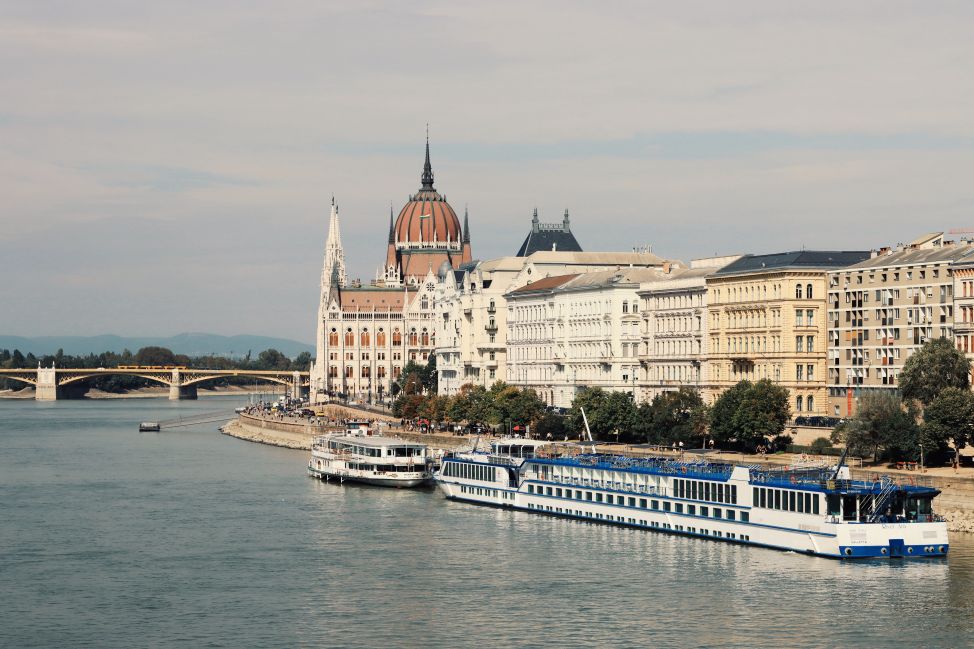
A Danube River cruise is a multi-day journey along the Danube River aboard a small river ship that serves as your hotel, restaurant, and transportation between destinations.
Unlike most ocean cruises, the emphasis is primarily on the places you visit rather than elaborate attractions onboard. River ships are much smaller than ocean ships, and many carry fewer than 200 passengers.
Instead of spending full days crossing open water, you’ll often sail past towns, vineyards, castles, churches, and countryside. Depending on the itinerary, the ship may also travel during the evening or overnight so you wake up somewhere new.
The result feels less like a traditional cruise vacation and more like a European touring trip where your hotel happens to travel with you.
Danube River Cruise at a Glance
| Question | What to Expect |
|---|---|
| Typical trip length | About 7 nights for many first-time itineraries |
| Common countries | Germany, Austria, Slovakia and Hungary |
| Popular stops | Budapest, Vienna, Bratislava, Melk and Passau |
| Ship size | Usually far smaller than an ocean cruise ship |
| Daily focus | Ports, excursions, culture and scenery |
| Excursions | Guided sightseeing is commonly offered |
| Onboard atmosphere | Relaxed and quieter than most large ocean ships |
| Best for | Culture, history, food, scenery and slower-paced travel |
How a Danube River Cruise Works
Most itineraries begin in cities such as Budapest, Vienna, Passau, Vilshofen, or Nuremberg. After boarding, guests settle into their cabins while the ship begins moving toward the next destination. Unlike traditional touring, there is no packing and unpacking every few days.
A typical day feels remarkably relaxed.
You might wake up in Vienna, enjoy breakfast onboard, and join a guided walking tour. Later, you could spend the afternoon sailing through a scenic river valley while enjoying lunch and panoramic views. By evening, the ship may already be docked in an entirely different city.
What Makes the Danube Different From Other European Rivers
The Rhine often receives attention for castles and dramatic scenery. The Danube counters with grand capitals, imperial history, classical music, and a deeper connection to Central and Eastern Europe. Cities such as Budapest, Vienna, and Bratislava create a cultural concentration few river itineraries can match.
The landscapes tell a compelling story as well.
Vineyard-covered hills rise above the Wachau Valley. Baroque abbeys appear along the shoreline. Historic bridges connect centuries of history while small riverside villages drift quietly past.
Where Do Danube River Cruises Go?
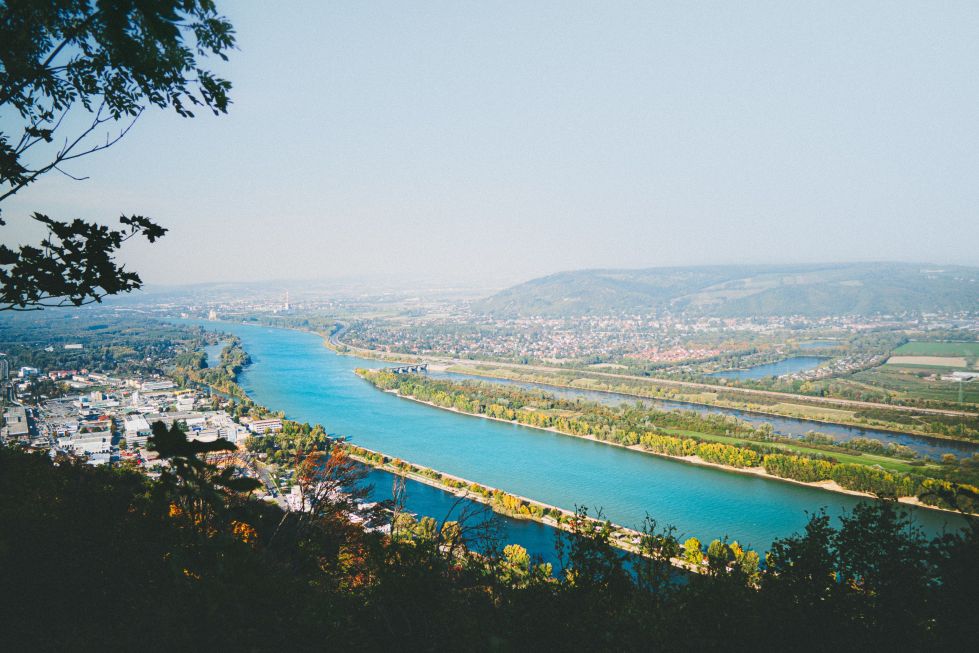
One reason the Danube River cruise remains so popular is the variety packed into a single itinerary. In the span of a week, you can wake up in multiple countries without changing hotels. Few European travel experiences make cross-border exploration feel so effortless.
Most first-time itineraries focus on four countries.
Germany, Austria, Slovakia, and Hungary form the heart of the classic Danube experience. Along the way, travelers encounter imperial capitals, charming riverside villages, vineyard-covered hillsides, and centuries of European history.
That combination is difficult to match elsewhere.
What Is the Classic Danube River Cruise Route?
The classic Upper Danube itinerary usually connects Budapest, Bratislava, Vienna, Melk, Passau, and nearby Bavarian towns. Each stop offers a different perspective on the region. Together, they create one of Europe’s most balanced travel experiences.
This route works particularly well for first-time river cruisers.
Budapest delivers dramatic architecture and rich history. Vienna adds imperial grandeur and cultural depth. Smaller ports provide a slower pace that prevents the itinerary from feeling overwhelming.
The rhythm feels remarkably natural.
Some cruises sail from Budapest toward Germany. Others begin in Germany and end in Budapest. The destinations remain largely the same, but the flow and pacing can feel surprisingly different.
The Lower Danube and Longer Itineraries
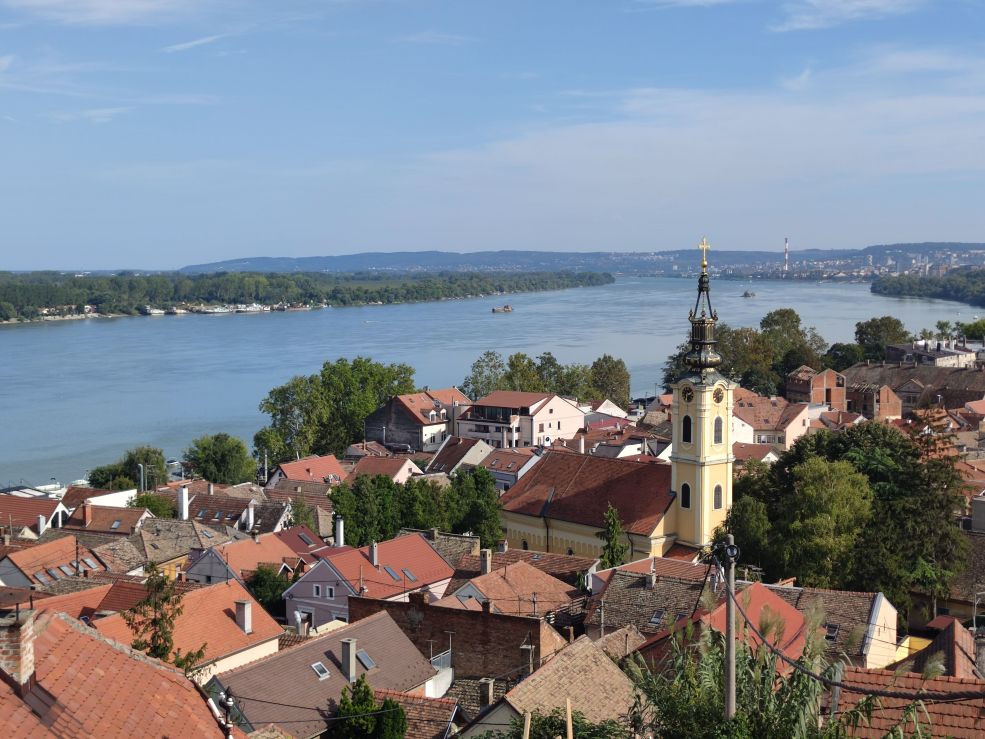
Beyond Hungary, the Danube reveals a different side of Europe. Longer itineraries venture into Croatia, Serbia, Bulgaria, and Romania. These routes often feel less familiar and more adventurous.
History becomes even more prominent.
Travelers may visit Belgrade, explore the dramatic Iron Gates gorge, or continue toward Bucharest and the Black Sea. The Upper Danube often feels polished and elegant. The Lower Danube tends to feel deeper, more complex, and less frequently explored.
That contrast appeals to many repeat cruisers.
The Wachau Cultural Landscape, one of the Danube’s most celebrated regions, is recognized by UNESCO for its historical significance and scenery.
What Do You See on a Danube River Cruise?
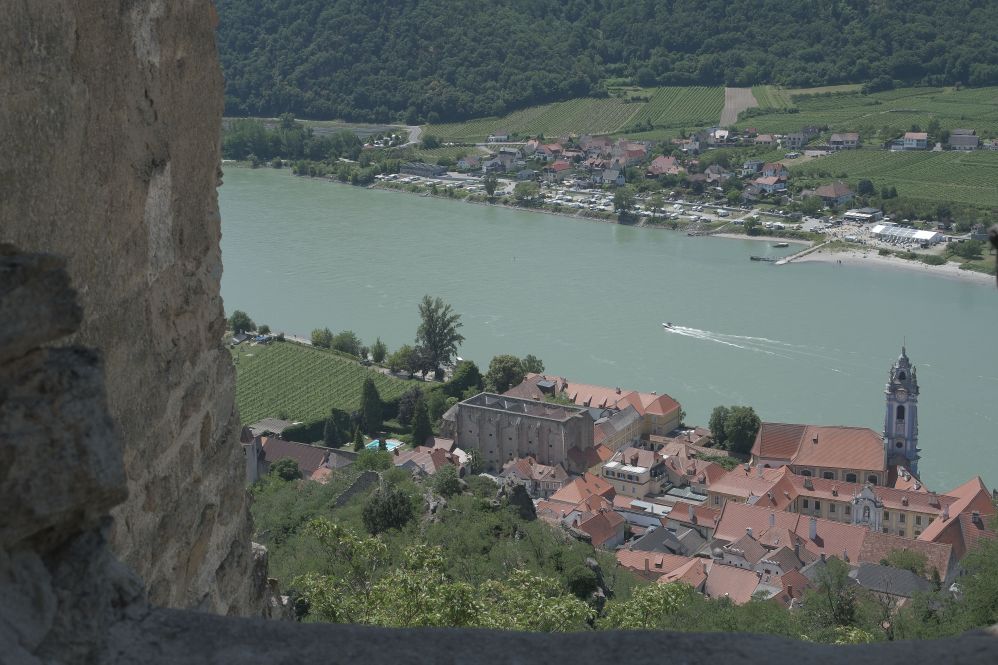
One of the biggest surprises for first-time travelers is how much variety appears along a single Danube River cruise. The landscape changes constantly. So does the culture, architecture, food, and atmosphere from one stop to the next.
That variety keeps the journey interesting.
One morning may begin in a grand European capital. The next day could unfold in a vineyard-covered valley dotted with medieval villages. Along the way, travelers encounter historic abbeys, hilltop castles, elegant cafés, local markets, and centuries of history.
Few itineraries deliver such a diverse collection of experiences.
Budapest, Vienna, and Bratislava
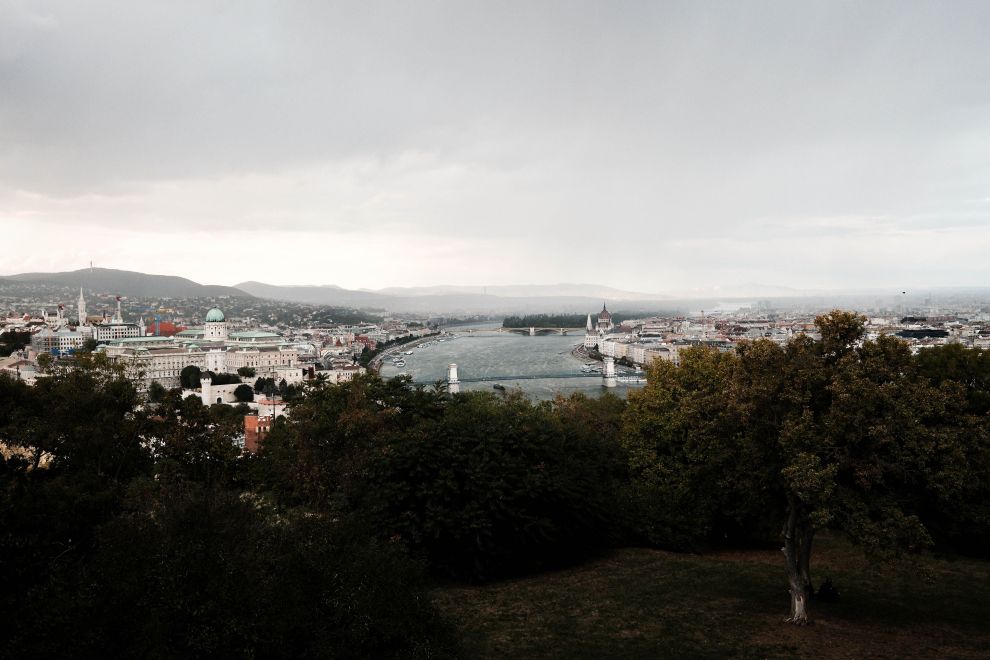
Budapest often creates the strongest first impression. The Hungarian Parliament Building dominates the riverfront. Historic bridges connect the city’s two sides while Buda Castle rises above the skyline.
The city feels dramatic from the water.
Vienna offers a different experience. Imperial palaces, classical music, grand boulevards, and legendary coffeehouses define much of its character. History feels present almost everywhere you look.
Then comes Bratislava.
Slovakia’s capital feels smaller, friendlier, and easier to explore on foot. Its compact old town creates a pleasant contrast between the larger capitals. Many travelers find themselves unexpectedly charmed by the city.
Melk, Wachau Valley, and Riverside Villages
The Wachau Valley reveals another side of the Danube entirely. Vineyards stretch across steep hillsides. Apricot orchards and small villages appear around nearly every bend.
This is where the pace changes.
Melk Abbey stands as one of the river’s most famous landmarks. Its golden-yellow façade overlooks the valley from above. The setting feels almost too picturesque to be real.
Scenic sailing days offer a welcome contrast to busy sightseeing ports. Instead of rushing between attractions, travelers relax on deck and watch Europe drift by.
For travelers who enjoy culturally rich journeys, The Best Egypt Experiences for Empty Nesters explores another destination where history shapes every day.
To experience Budapest from the water, this Danube sightseeing cruise offers a closer look at the city’s iconic riverfront landmarks. The scenery is impressive. Life onboard adds another layer to the experience.
What Is a Danube River Cruise Ship Like?
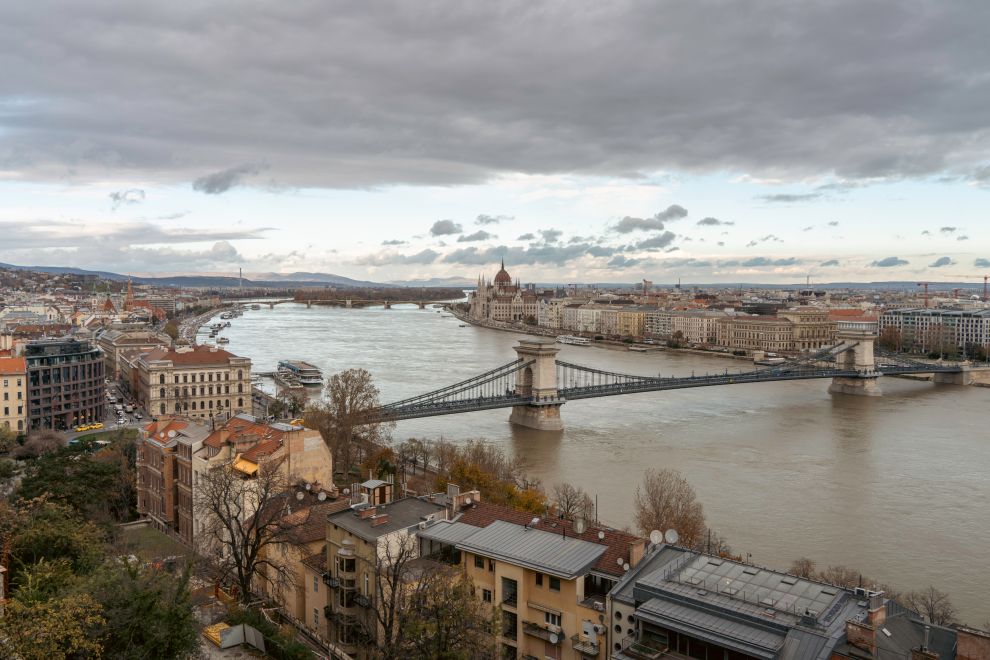
One of the biggest misconceptions about a Danube River cruise involves the ship itself. Many first-time travelers picture a smaller version of an ocean cruise ship. The reality feels completely different.
River ships are designed around the destination.
Most carry fewer than 200 guests. Public spaces feel intimate rather than crowded. Instead of spending hours navigating a massive vessel, everything sits just a short walk away.
The atmosphere tends to be calm and comfortable.
Conversations replace loud entertainment. Scenic views become part of the experience. Even the pace onboard feels noticeably more relaxed than many travelers expect.
What Are the Cabins and Dining Like?
Accommodations vary by deck and ship category. Some cabins feature fixed windows near the waterline. Others offer French balconies or full balconies that open directly to river views.
Those views become part of daily life.
Meals often highlight regional specialties inspired by the countries along the route. Local wines frequently accompany dinner. Service tends to feel personal because staff quickly learn guest preferences.
The daily rhythm rarely feels rushed.
Most mornings begin with breakfast before heading ashore. Afternoons may include sightseeing, scenic sailing, or time relaxing onboard. Evenings usually feature dinner, conversation, and quiet enjoyment rather than packed entertainment schedules.
What River Ships Usually Do Not Have
This is where some travelers experience a pleasant surprise. River ships generally do not offer casinos, water slides, giant theaters, or endless activity lists. Most guests never miss them.
The destination becomes the entertainment.
Ocean cruises often emphasize onboard attractions. Danube river cruises focus on the places outside the ship. One approach centers on the vessel. The other centers on the journey.
That distinction matters.
Travelers who value culture, scenery, food, history, and meaningful experiences often appreciate the simplicity. The quieter atmosphere creates space to actually enjoy where you are.
For an example of the kinds of excursions many river cruisers enjoy, this Wachau Valley small-group wine tour highlights one of the Danube’s most celebrated regions. Of course, the onboard experience only matters if the itinerary fits your travel style in the first place.
Who Is a Danube River Cruise Best For?
A Danube River cruise is a particularly good fit for travelers who want to see several European destinations without repeatedly changing hotels, arranging transportation, and managing every day’s logistics themselves.
It tends to work especially well for couples interested in history, architecture, food, wine, scenery, and guided cultural experiences.
The tradeoff is independence. Your ship has a schedule, and your itinerary determines where you’ll be each day. If you prefer making every decision yourself and changing plans at the last minute, another style of European travel may suit you better.
A Danube River Cruise May Be a Good Fit If You…
A Danube cruise may be a good fit if you enjoy:
- History, architecture and European culture
- Guided sightseeing with some independent time
- Food and wine experiences
- Scenic cruising
- Smaller ships and quieter evenings
- Unpacking once instead of changing hotels
- Visiting several destinations in one trip
- A structured itinerary without having to plan every detail yourself
For many empty-nester couples, that combination provides enough structure to make the trip easy without making every day feel overly scheduled.
A Danube River Cruise May Not Be the Best Fit If You…
You may prefer another type of trip if you want:
- Lots of nightlife and late-night entertainment
- Casinos, large shows and resort-style ship amenities
- Beach-focused days
- Complete control over your daily schedule
- Significant flexibility to change destinations at the last minute
- Several full days in each city rather than shorter port visits
None of those preferences are better or worse. They simply point toward a different kind of vacation.
A Mediterranean ocean cruise may offer more onboard entertainment. Independent rail travel provides more flexibility. A land itinerary can give you additional nights in individual cities.
The right choice depends on how you want the trip to feel.
Is a Danube River Cruise Right for You?
A Danube River cruise makes the most sense if you want the cultural rewards of traveling through Europe without managing a complicated multi-city trip yourself.
You unpack once. Transportation between destinations is handled. You have access to guided sightseeing, meals onboard, and a comfortable place to return to every day.
But choosing “a Danube cruise” isn’t really the final decision.
The cruise line, itinerary, cabin, included excursions, activity level, time in port, and overall pace can make two Danube cruises feel very different.
That’s why I’d choose the cruise based on how you want to travel—not simply which brochure has the prettiest pictures of Budapest.
If you value culture, comfort, scenery, good food, and seeing several places without constantly packing and unpacking, the Danube deserves a serious look.
Ready to Start Planning Your Danube River Cruise?
If the Danube sounds like your kind of trip, we can help you compare cruise lines, itineraries, cabin choices, excursions, and travel styles so you can choose the cruise that actually fits the two of you.
Join the Conversation in Our Facebook Community
Have questions about river cruising? Curious which itinerary might fit your travel style? Join our community of travel-loving couples and continue the conversation with travelers exploring the same exciting possibilities. Join Luxury Travel by Eric: Empty Nester Couples Vacations on Facebook: https://www.facebook.com/groups/emptynestergetaways.
P.S. Want more help planning the right Danube River cruise? These articles will help you compare your options: