
Smaller hotels for empty nesters often reveal something surprising: fewer amenities can create a richer, more satisfying stay. Once family logistics disappear, your priorities begin shifting quietly. You stop asking whether everyone stays entertained and start asking whether you feel comfortable.
A large resort can still look impressive. Its pools, restaurants, music, and activity schedules promise endless choice. Yet endless choice sometimes feels suspiciously like another family calendar wearing a tropical shirt.
Smaller properties offer a different rhythm. Staff may recognize you, breakfast feels unhurried, and the neighborhood waits beyond the front door. That intimacy often appeals to couples who now value connection, ease, and meaningful time together.
This shift does not mean resorts suddenly lose their appeal. Your travel style may now favor service, location, local character, and genuine comfort. Many couples discover this after avoiding common empty nest travel mistakes and reconsidering what a great stay requires.
Smaller Hotels Often Provide More Personal Service

Smaller hotels for empty nesters often deliver what sprawling resorts struggle to provide: genuine recognition. Fewer rooms give staff time to notice patterns. Your name may become familiar before your second morning.
Large resorts usually divide service across reception, concierge, dining, housekeeping, and guest relations. One simple request can travel farther than you did. At smaller properties, you often speak directly with someone who can solve it.
That difference becomes valuable after years of travel. Another pool rarely matters more than thoughtful attention. Experienced couples often value ease, warmth, and capable people over facilities they may never use.
Staff Can Learn What Guests Actually Prefer
Good staff notice the details that quietly shape your stay. They remember your coffee, preferred table, breakfast timing, or room location. Those small choices create comfort without requiring repeated explanations.
Perhaps they reserve a peaceful corner away from a lively group. Maybe they suggest a restaurant matching your pace and tastes. Housekeeping can also arrive after breakfast, rather than during your carefully protected slow morning.
Costa Rica shows how smaller properties can combine natural beauty with personal hospitality. These luxury Costa Rica hidden gems include intimate stays where thoughtful service supports the destination experience.
Still, a low room count guarantees nothing. A tiny hotel can provide indifferent service with remarkable efficiency. Recent reviews should confirm consistency, staff responsiveness, and how management handles genuine problems.
Problems May Be Easier to Resolve
When something goes wrong, access matters. Speaking directly with an owner or manager can shorten an unpleasant afternoon considerably. Large resorts may instead send you between departments, extensions, and polite apologies.
Fast communication helps when a room feels unsuitable or transportation changes suddenly. It also matters when dietary requirements or accessibility needs require immediate action. Nobody wants an urgent concern becoming tomorrow’s departmental meeting.
Before booking, ask who manages guest concerns during evenings and weekends. Confirm whether staff remain onsite overnight. Also ask how they handle airport delays, mobility requests, dietary restrictions, and unexpected room issues.
Technology can support service, although it cannot replace human judgment. Cornell’s discussion of customer satisfaction in a technology-driven hospitality environment explores that balance. The best smaller hotels use efficient systems while keeping real people available when circumstances become complicated.
A Quieter Setting Can Make the Stay More Restful
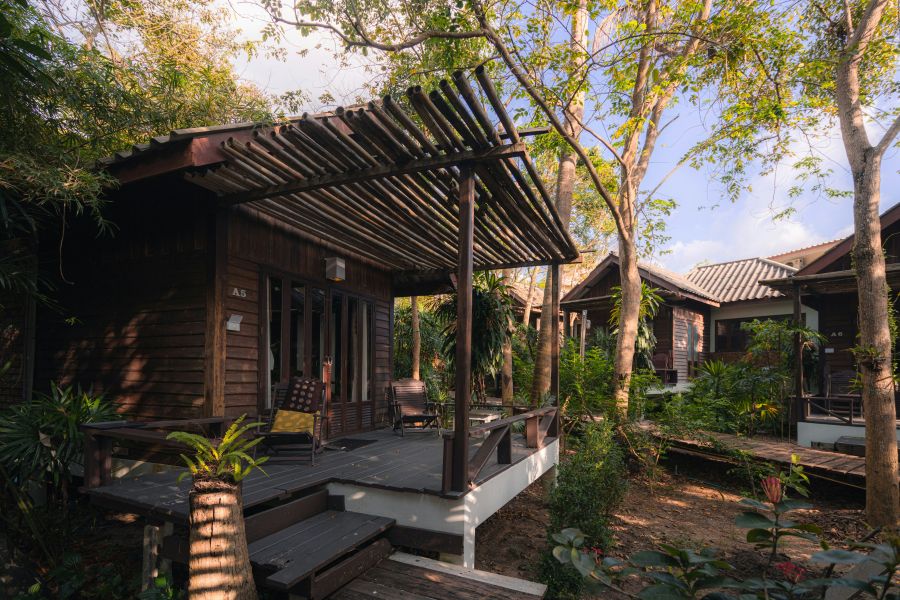
Large resorts rarely whisper. They hum with suitcases, elevator chimes, pool music, and families negotiating breakfast before anyone finds coffee. Smaller hotels often replace that movement with a calmer, more measured rhythm. That difference can change how rested you feel before the day begins.
Fewer guests can mean shorter elevator waits, quieter breakfasts, and less competition for shaded loungers. You may walk thirty steps to dinner instead of crossing a property designed like a small municipality. Luxury sometimes looks remarkably simple, especially when your knees have already toured Europe.
Still, small does not automatically mean silent. A charming hotel above a nightclub can outshout any resort pool. Check the neighborhood, room position, nearby bars, and recent noise comments before booking. Peace depends on placement as much as property size.
Fewer Shared Spaces Can Mean Fewer Crowds
A small breakfast room can change the entire morning. Coffee arrives without a buffet line resembling airport security. You can discuss the day without competing against announcements, entertainment rehearsals, or energetic convention groups.
Picture a shaded courtyard with six tables and soft morning light. One couple reads while another slowly finishes breakfast. Nobody circles the terrace hunting for two empty chairs beside each other.
That gentler pace also shapes wellness-focused travel. The realities of Yucatán wellness retreats show how setting and daily rhythm influence genuine restoration. Sometimes the surroundings matter more than another treatment menu.
Compact Properties Can Be Easier to Navigate
Smaller hotels often keep the lobby, restaurant, entrance, and guest rooms conveniently close. That compact layout reduces unnecessary walking before dinner or after sightseeing. It also eliminates many golf carts, shuttles, and confusing pathways.
Large resorts can require lengthy outdoor routes between rooms and restaurants. Heat, rain, uneven paths, or poor lighting can make those distances tiring. The inconvenience often appears only after arrival, when changing hotels feels rather ambitious.
Before booking, ask about elevators, stairs, bathroom access, entrance slopes, and room locations. Confirm whether staff can assist with luggage or mobility equipment. Request precise distances rather than accepting the wonderfully vague phrase “a short walk.”
Room control matters too. Cornell research found that letting hotel guests customize their rooms can strengthen satisfaction and loyalty. Comfort often begins with small choices that help the room work for you.
Smaller Hotels Can Create a Stronger Connection to the Destination

Small hotels for empty nesters often reveal the destination before you finish unpacking. Local stone, regional artwork, and neighborhood sounds establish an immediate sense of place. The property becomes part of the journey rather than a comfortable escape from it.
Independent hotels may occupy residential streets, historic districts, or buildings shaped by generations of local life. Resorts often create self-contained worlds with restaurants, entertainment, and polished boundaries. Both offer comfort, yet only one encourages you to notice what waits outside.
That distinction changes your evenings. A neighborhood hotel places cafés, markets, galleries, and dinner tables within easy reach. Instead of arranging transportation, you simply step outside and follow the streetlights.
The Hotel Can Feel Like Part of the Place
Some memorable hotels began as townhouses, family homes, historic villas, or former monasteries. Their staircases creak, courtyards collect afternoon light, and walls carry visible history. Standardized resort rooms rarely offer that particular kind of character.
Regional fabrics, handmade tiles, local paintings, and traditional menus can deepen your understanding. Even breakfast may introduce unfamiliar cheeses, pastries, or recipes. These details quietly connect comfort with culture.
However, charm can become expensive inconvenience when practical details receive less attention. Confirm soundproofing, elevators, climate control, bathroom layouts, and recent renovations. Ancient stairs remain ancient, however beautifully someone photographs them.
Neighborhood Locations Encourage Independent Exploration
A central hotel gives you choices without demanding a schedule. You can walk toward a museum, pause at a café, or browse a neighborhood shop. Evening plans may begin with curiosity rather than another transportation reservation.
Resorts often require taxis, shuttles, or organized excursions before local life becomes accessible. That separation suits some vacations perfectly. Yet couples seeking cultural connection may eventually feel insulated from the place they traveled so far to experience.
Lisbon makes the difference especially clear. A boutique stay in Alfama places tiled streets, small plazas, and intimate restaurants nearby. Our guide to meaningful Lisbon cultural experiences for couples explores how slower discovery creates richer memories.
Pair that location with a small-group walking tour through historic Lisbon for useful context. A knowledgeable guide explains details you might otherwise pass unnoticed. Afterward, you can revisit favorite streets together, now understanding what those faded walls have witnessed.
Smaller Hotels May Better Support a Slower Travel Style

Smaller hotels for empty nesters often support days shaped by interest rather than schedules. Mornings can unfold slowly over coffee and breakfast. Nothing demands your attention before you feel ready.
Large resorts often tempt guests with entertainment calendars, dining reservations, and activities competing for every open hour. Choice sounds luxurious until managing it becomes another responsibility. Many experienced couples now prefer breathing room over constant options.
An intimate hotel creates a useful base for that freedom. Choose one meaningful experience, then leave space around it. The unplanned hours often become the ones you remember.
The Hotel Does Not Need to Be the Entire Vacation
When exploring a city, location and comfort may matter more than several pools. A quiet room and walkable neighborhood can transform each day. Daily entertainment matters less when Vienna, Lisbon, or Florence waits outside.
Resort rates may include facilities you never use. That money could secure a better room, memorable dinners, or private sightseeing. Paying for six restaurants seems unnecessary when the neighborhood offers twenty worth discovering.
Imagine breakfast without an alarm, followed by an afternoon exploring nearby streets. Later, you return briefly before dinner around the corner. This gentler rhythm reflects why empty nesters should stop overplanning luxury trips.
Smaller Tours Can Match the Hotel Experience
Small-group excursions preserve the personal pace that makes intimate hotels appealing. Guides can answer questions, adjust their delivery, and notice individual interests. You experience the destination without disappearing inside a crowd.
In Vienna, pair a central boutique hotel with an Old Town walking tour limited to six guests. The route includes major landmarks while keeping conversation personal. Afterwards, the afternoon remains yours.
Before booking, review the group limit, walking distance, duration, and cancellation terms. Ask about stairs, seating opportunities, uneven surfaces, and accessibility. Small groups feel intimate, but aching feet remain impressively democratic.
Smaller Hotels Are Not Always the Better Choice

Smaller hotels for empty nesters can feel personal, peaceful, and connected. However, they do not win every comparison. Some trips simply work better when everything sits within one well-managed property.
The right choice depends on your destination, purpose, preferred activities, mobility, and service expectations. A city stay rewards location and neighborhood access. A beach retreat may reward convenience, variety, and fewer daily decisions.
Think about how you want each day to feel. Then choose the property supporting that rhythm. Accommodation size matters less than whether the experience fits your life now.
When a Resort May Offer More Value
Resorts often make sense when beaches, golf, spas, and multiple restaurants shape the trip. Organized entertainment can also simplify evenings. All-inclusive plans reduce repeated decisions, receipts, and uncomfortable conversations about another poolside cocktail.
Multigenerational groups may benefit from varied dining, children’s programs, activities, and spacious grounds. Couples may also prefer everything onsite. Sometimes leaving the property feels unnecessary, especially when rest remains the primary goal.
Compare the full cost before assuming a smaller hotel saves money. Add meals, transfers, activities, spa access, and service fees. Resort inclusions may provide genuine value when you will actually use them.
This choice reflects how empty nest travel becomes different rather than better. Your priorities changed. The strongest trip honors those priorities without forcing an outdated travel style.
How to Choose the Right Smaller Hotel
Start with recent reviews, not polished photographs. Compare room sizes, elevator access, air conditioning, dining choices, and front-desk hours. Charming architecture loses appeal quickly when luggage meets three flights of stairs.
Investigate street noise, nearby construction, transportation access, cancellation terms, and luggage assistance. Ask where quieter rooms sit. Confirm whether staff remain available when evening plans suddenly unravel.
Barcelona rewards careful hotel selection. A central property can place historic streets, cafés, and cultural sites within comfortable walking distance. Location then becomes an amenity you use every day.
Pair that stay with a guided walking tour through Barcelona’s Old Town and Gothic Quarter. Review duration, group size, cancellation rules, and accessibility before booking. The right experience should deepen your day, not exhaust it.
Choose the Stay That Fits the Way You Travel Now
Smaller hotels for empty nesters can offer personal service, quieter spaces, easier navigation, and a deeper local connection. Resorts can deliver broader amenities, onsite convenience, and effortless days beside the pool. Neither choice wins automatically.
The better question concerns how you want each day to feel. Consider your preferred pace, location, comfort, service, dining, and planned activities. Your hotel should support the trip you imagine, rather than quietly controlling it.
Ready for help finding the right property and experience? Start planning your trip with Empty Nester Getaways and share what matters most. Together, we can create a vacation shaped around your priorities.
Still gathering ideas and comparing possibilities? Join Luxury Travel by Eric: Empty Nester Couples Vacations for practical inspiration and honest travel conversations. You may discover that other couples are asking the same questions.