
Porto for empty nester couples offers something many European cities make surprisingly difficult: the freedom to enjoy where you are. You can spend the morning exploring centuries of history, then let lunch take as long as it takes. Nobody needs another attraction simply because the afternoon remains open.
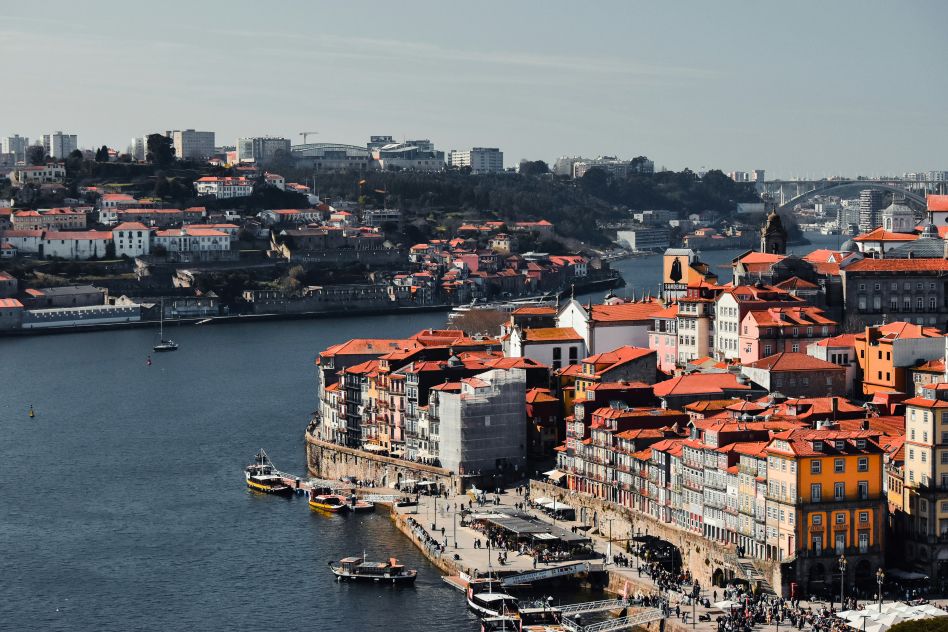
Porto feels built for couples who value substance without constant motion. Historic neighborhoods tumble toward the Douro, while tiled facades and church towers rise above narrow streets. Across the river, Vila Nova de Gaia adds port wine traditions and some unforgettable views.
Food matters here, and meals deserve time. So do quiet walks, neighborhood discoveries, cultural landmarks, and evenings beside the river. Better still, the Douro Valley sits close enough to become part of the same journey.
Yet Porto rewards thoughtful planning more than ambitious planning. Its hills can humble anyone who trusted a map showing something only ten minutes away. Choosing the right hotel and daily pace can completely change how the city feels.
So, how many days should you spend in Porto? Which experiences actually deserve your time, and where should you stay? More importantly, how do you enjoy those famous hills without needing a vacation after your vacation?
This guide answers those questions while leaving room for something equally important. Porto should never feel like a list you conquered. It should feel like a place you experienced together.
Why Porto Works So Well for Empty Nester Couples
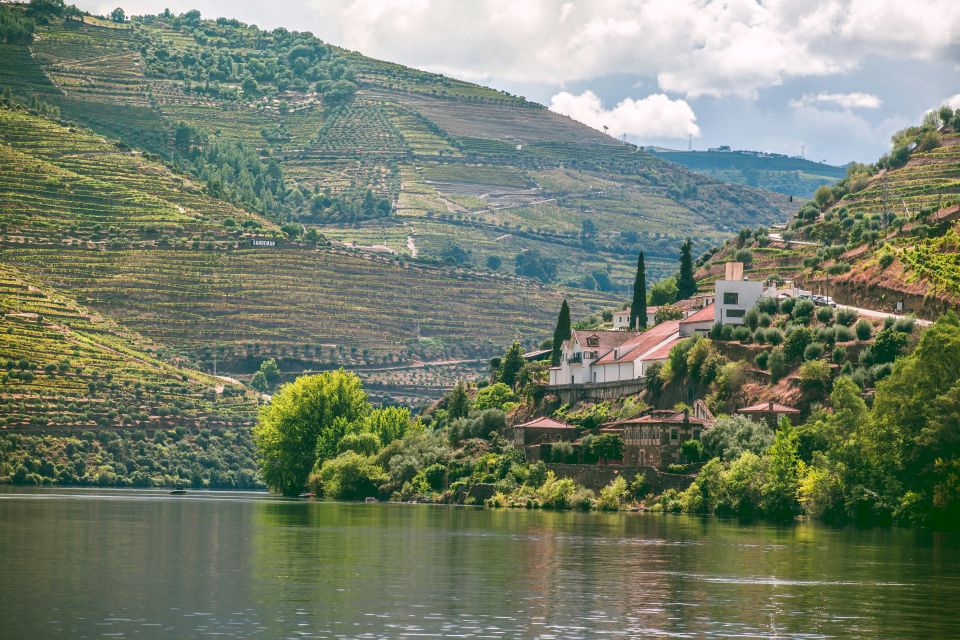
Porto gives empty nester couples something increasingly valuable in Europe: plenty to experience without feeling constantly behind schedule. Culture, food, wine, and river scenery sit surprisingly close together. That compactness leaves room for slower mornings and lunches nobody needs to rush.
Larger capitals can consume hours through transfers, long distances, and complicated sightseeing plans. Porto keeps many rewarding experiences within a more manageable area. You spend less time navigating and more time enjoying where you already are.
Historic architecture fills the center, while the Douro creates a natural focal point. Across the river, Gaia adds wine culture and remarkable city views. Nearby countryside offers another change of scenery without requiring another hotel.
Porto Feels Interesting Without Feeling Overwhelming
You can concentrate much of your time around Ribeira, Baixa, Cedofeita, and neighboring Vila Nova de Gaia. Each area feels distinct, yet moving between them rarely requires crossing a sprawling city. That makes relaxed exploration much easier.
A satisfying day might begin with one historic landmark. Follow it with a long lunch, then wander without another reservation waiting. Finish overlooking the Douro while Porto begins glowing across the water.
Compare that with collecting six landmarks before dinner. You may see more addresses, but remember fewer moments. Porto rewards couples who resist turning every available hour into an assignment.
The City Naturally Encourages Couples to Slow Down
Porto keeps offering reasons to linger. Waterfront cafés invite another coffee, while viewpoints make rushing onward feel slightly ridiculous. Wine tastings, gardens, neighborhood walks, and riverfront evenings create natural pauses.
Former family travelers may struggle with that freedom initially. Years of vacations built around schedules can make an empty afternoon feel strangely irresponsible. Our guide to why empty nesters should stop overplanning luxury trips explores why that instinct deserves reconsideration.
Try sitting along Ribeira without deciding what comes next. Cross into Gaia because the afternoon feels right, rather than because your itinerary demands it. If lunch stretches longer than expected, perhaps nothing has gone wrong at all.
That slower rhythm reveals Porto’s real appeal. The city offers enough variety to keep you curious without demanding constant movement. For many empty nester couples, that balance feels remarkably close to freedom.
Explore Porto’s Historic Heart Without Turning It Into a Checklist
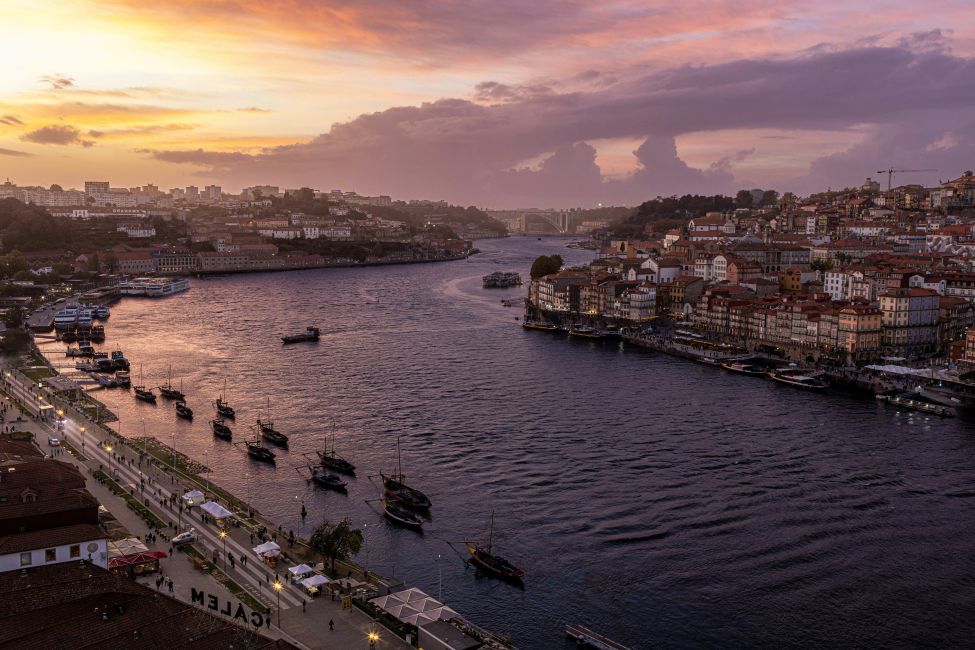
Porto’s historic center deserves attention, but it does not reward frantic sightseeing. Its streets reveal centuries through churches, tiled facades, bridges, squares, and riverfront buildings. The pleasure comes from noticing how those layers connect.
The city’s major landmarks also sit close enough for thoughtful grouping. São Bento Station, Porto Cathedral, Clérigos, Ribeira, and Dom Luís I Bridge can complement one another. You rarely need to treat each sight as a separate mission.
That matters for empty nester couples who prefer depth over mileage. Porto’s historic center holds UNESCO World Heritage status, including the Luiz I Bridge and Serra do Pilar. Understanding that larger setting makes individual landmarks more meaningful.
Start With Ribeira, São Bento, and Porto’s Historic Streets
Begin around São Bento Station, where dramatic azulejo panels depict scenes from Portuguese history. Look beyond their beauty and notice the stories covering the walls. Then continue toward Porto Cathedral before gradually descending toward Ribeira.
Below, narrow streets open onto colorful buildings and the Douro waterfront. Restaurants, boats, balconies, and river views create plenty of reasons to linger. This area works best when curiosity sets the pace.
You can also explore Portugal’s deeper cultural traditions before planning your time here. Porto becomes richer when tiles, craftsmanship, food, and architecture carry context. Suddenly, those beautiful streets tell a much bigger story.
Cross the Dom Luís I Bridge and See Porto From Gaia
Crossing the Douro changes everything about the view. Porto’s steep historic center rises across the water, revealing its geography much more clearly. The city suddenly makes visual sense.
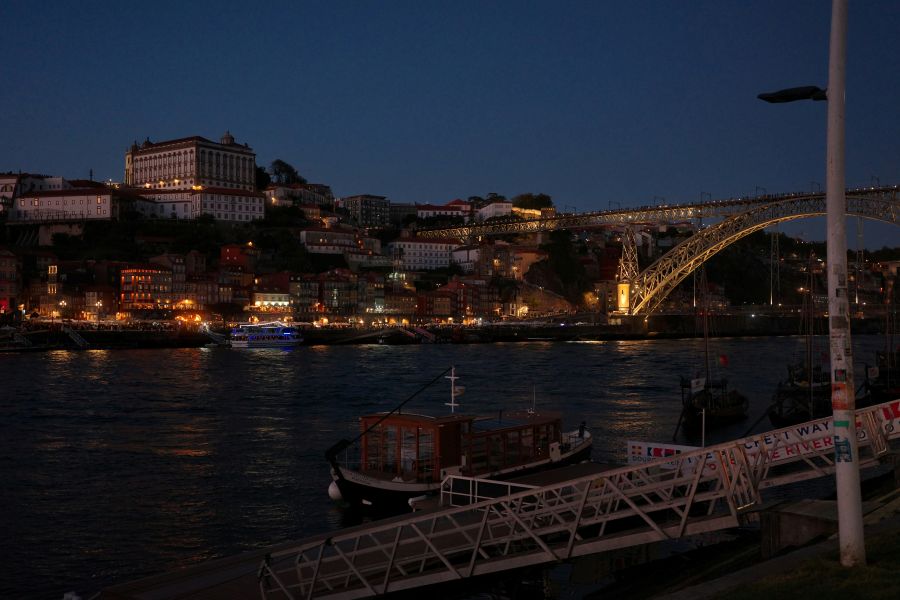
Vila Nova de Gaia deserves more than a quick photograph. Its waterfront combines port lodges, restaurants, river activity, and memorable views back toward Porto. Evening brings another atmosphere as lights begin appearing along both banks.
Still, respect the terrain. Porto’s short distances can hide steep climbs, stairs, and tiring elevation changes. Couples with mobility concerns should combine walking with transportation rather than proving anything to a hill.
That small adjustment preserves energy for experiences that actually matter. You can explore history without finishing the day exhausted. Porto becomes far more enjoyable when the city remains something to experience, not complete.
Experience Porto Through Food, Port Wine, and Local Traditions
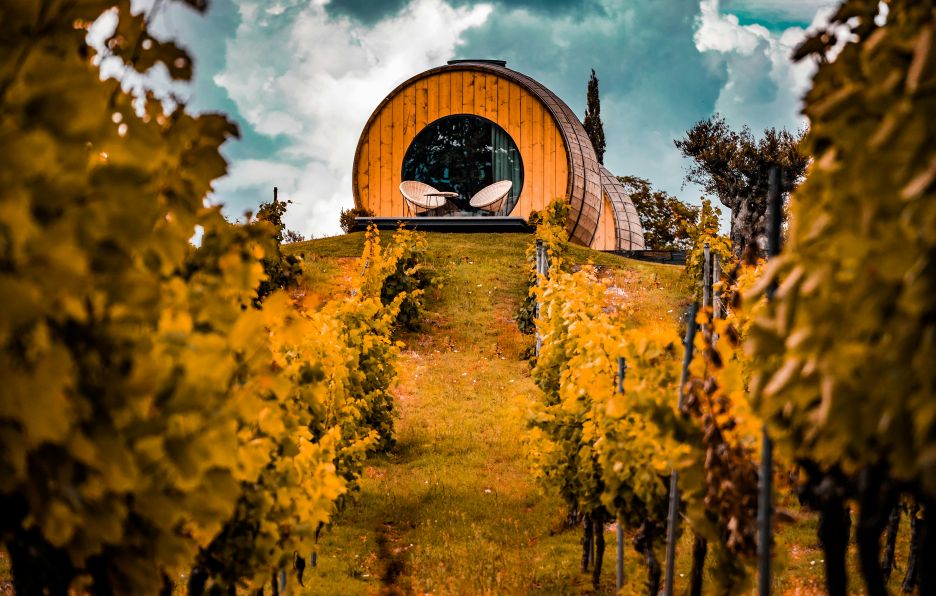
Food reveals Porto in ways landmarks cannot. Recipes carry family habits, regional ingredients, trade history, and northern Portugal’s unmistakable personality. For empty nester couples, tasting becomes another form of cultural exploration.
Look beyond one famous dish. Try petiscos, fresh seafood, regional cheeses, pastries, vinho verde, and several styles of port. Each adds another piece to Porto’s story.
Highly rated restaurants can provide excellent meals. Yet a knowledgeable local guide can explain why particular foods matter. That context often changes what you notice during every meal afterward.
Make One Meal or Food Tour Part of the Experience
Consider scheduling one guided culinary experience near the beginning of your stay. You learn local dishes, dining customs, neighborhoods, and useful places quickly. Later meals become easier to choose with confidence.
The verified Porto private food and drink tasting tour combines ten tastings with city exploration. The itinerary also includes time around Bolhão. That makes it especially useful for first-time visitors.
Mercado do Bolhão adds another layer. Browse produce, seafood, meats, flowers, cheeses, and regional specialties while watching everyday Porto unfold. Markets explain local food culture better than another carefully staged photograph ever could.
Resist booking every meal before leaving home. Choose several meals that truly matter, then leave room for discoveries. Sometimes your favorite table begins with simply noticing where locals keep walking.
Understand Port Wine Instead of Simply Tasting It
Port wine connects Porto with the Douro Valley upriver. Grapes grow among the Douro’s steep vineyards before the wine reaches its historic relationship with Gaia. Understanding that connection makes the glass far more interesting.
One thoughtful lodge visit usually offers more than racing through several tastings. Learn how producers make, age, and serve different styles. Then actually taste what those choices change.
You may encounter ruby, tawny, white, and vintage ports during your visit. A guided tasting can explain their differences without turning wine into homework. Nobody traveled to Porto hoping for an exam afterward.
More importantly, slow down enough to notice what you enjoy. Wine culture here deserves curiosity, not collection. The best tasting may simply leave you wanting to understand the Douro next.
See Porto From the Douro River
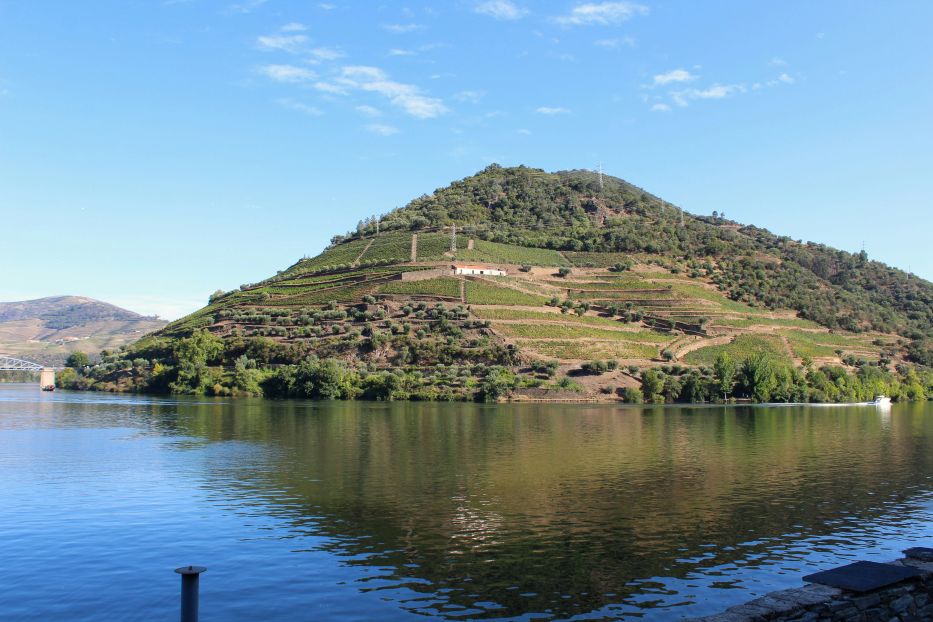
Porto for empty nester couples looks entirely different once you leave the pavement behind. From the Douro, the city’s steep geography finally becomes clear. Hills, bridges, waterfront neighborhoods, and Gaia’s wine lodges suddenly connect.
The river also reveals how closely Porto lives beside the water. Ribeira rises along one bank while Gaia stretches across the other. Farther west, the Douro opens toward Foz and the Atlantic.
Timing matters. Late afternoon works beautifully after several hours exploring Porto on foot. Your legs get a break while the city keeps unfolding around you.
A River Cruise Offers a Different View of the City
From the water, Dom Luís I Bridge becomes part of a larger architectural story. Additional bridges appear upriver, while hillside neighborhoods stack above the shoreline. Porto feels less like separate attractions and more like one connected place.
That perspective comes with another advantage. Sitting aboard feels wonderful after cobblestones, stairs, and steep streets. Even enthusiastic walkers eventually appreciate sightseeing that requires absolutely no climbing.
Treat the cruise as part of the day, not transportation between activities. Leave time afterward for drinks or an unhurried dinner. Another scheduled attraction can wait.
River cruising may also appeal beyond Porto. Our guide to why active empty nesters love AmaWaterways explores how river travel blends activity, comfort, and choice.
Consider a Smaller Boat Instead of the Most Crowded Option
Traditional sightseeing boats offer the classic river experience. Smaller vessels can provide more space, easier conversation, and a quieter atmosphere. For couples, that difference may matter more than another ten minutes of commentary.
Before booking, compare group size, departure point, duration, accessibility, and included refreshments. Also check transportation back to your hotel afterward. Porto’s hills remain remarkably committed to their job.
One appealing option is this small luxury yacht cruise with wine tasting and snacks. It pairs river scenery with Portuguese wine and light bites. That combination can replace another afternoon attraction instead of competing with one.
Sometimes the smarter Porto itinerary contains fewer reservations. A comfortable boat, a glass of wine, and nowhere urgent to be next can accomplish plenty.
Give the Douro Valley Its Own Day
Porto makes an excellent base for seeing the Douro Valley without another hotel change. You leave the city after breakfast and return that evening. Between those moments, northern Portugal changes dramatically.
Terraced vineyards replace Porto’s tiled streets and riverfront buildings. Wine estates appear above the Douro, while small towns settle along the water. Viewpoints reveal landscapes that photographs rarely explain properly.
You have several ways to experience the region. Driving offers independence, while rail travel delivers scenery without navigation. Guided touring usually works better when both partners want to enjoy the wine.
A Guided Wine Day Removes the Driving Problem
Wine country presents an obvious logistical problem. Somebody must drive, unless nobody does. A guided excursion lets both of you participate without quietly assigning one spouse designated-driver duty.
A balanced day should offer more than repeated tastings. Look for wineries, regional wine education, lunch, scenery, and time on the river. The Douro Valley tour with two wineries, lunch, and a river cruise combines those elements.
Before booking, compare group size and the wineries included. Check pickup arrangements, walking demands, meal details, and total duration too. Small differences can change how relaxed the day feels.
Porto and the Douro Valley Offer Two Different Sides of Northern Portugal
Porto brings architecture, restaurants, markets, and lively riverfront neighborhoods. The Douro Valley replaces that energy with vineyards, estates, villages, and open landscapes. Seeing both creates a much richer picture of the region.
The connection becomes especially clear through port wine. Gaia introduces the historic cellars and traditions surrounding it. The Douro shows you the landscape where those wines begin.
That relationship may even change how you think about river travel. Our guide to why empty nesters fall in love with Danube river cruises explores a similar combination of culture, wine, and scenery.
A day trip works well when your Portugal schedule remains tight. An overnight stay gives the valley more breathing room. Wine lovers and slower travelers may find one day leaves them wanting more.
Either choice adds something Porto alone cannot provide. The city introduces northern Portugal beautifully. The Douro Valley shows you what lies beyond its hills.
Choose the Right Porto Neighborhood and Plan for the Hills
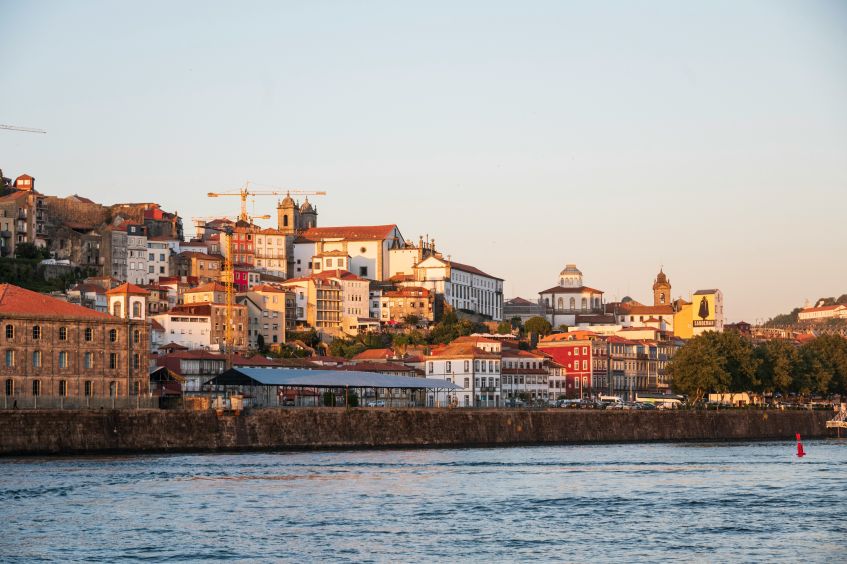
Choosing where to stay in Porto affects far more than your morning view. Steep streets, stairs, and cobblestones can turn short walks into serious exercise. The wrong location may quietly shape every day of your trip.
Ribeira puts you beside the Douro, restaurants, and Porto’s most recognizable scenery. Baixa offers easier access to central sightseeing and transportation. Cedofeita feels more residential, with restaurants and shops away from the busiest waterfront streets.
For affluent empty nester couples, comfort should influence the decision. Check elevator access, vehicle access, nearby transportation, and the terrain outside your hotel. A spectacular river view means less when reaching it becomes tonight’s final endurance test.
Decide Whether You Want Riverfront Atmosphere or Easier Access
Ribeira delivers atmosphere immediately. You can walk beside the river after dinner and reach Gaia easily across the Dom Luís I Bridge. However, many attractions sit uphill from the waterfront.
Baixa can reduce some of that backtracking while keeping restaurants and major sights nearby. Cedofeita may appeal more to couples wanting quieter evenings and neighborhood character. Neither choice works perfectly for everyone.
Before booking, examine the exact route between your hotel and places you expect to visit frequently. A description saying “ten minutes from Ribeira” tells only part of the story. Porto measures distance vertically too.
Porto’s Hills Should Shape Your Daily Plan
Porto rewards walking, but it does not require unnecessary suffering. Cobblestones, stairways, and steep grades can make half a mile feel considerably longer. Anyone managing knees, hips, or stamina should plan accordingly.
Combine downhill walks with Porto’s Metro network, taxis, or other transportation when useful. The Guindais Funicular also connects the Ribeira area with higher ground near Batalha. Smart transportation preserves energy for experiences you actually came to enjoy.
Try pairing active mornings with relaxed afternoons. Explore historic streets early, then choose lunch, wine tasting, or river time later. Your evening will feel considerably better when your legs still agree to participate.
Porto for empty nester couples becomes much easier when the terrain shapes the itinerary. You do not need to conquer every hill. You only need enough energy to enjoy what waits at the top.
Build a Porto Itinerary That Leaves Time to Actually Enjoy Porto
Porto for empty nester couples works best when the itinerary leaves room for the city itself. Three or four nights provide a strong introduction. Longer stays let you explore neighborhoods and the Douro Valley without constantly watching the clock.
The mistake is stacking every major experience into consecutive days. Historic sightseeing, wine tasting, river cruising, and memorable dinners all deserve breathing room. Spreading them out makes each experience feel distinct.
Porto also fits naturally into a longer Portugal vacation. You can pair it with Lisbon, the Douro Valley, or another region. Fewer hotel changes usually mean more actual vacation.
What a Relaxed Three-Day Porto Stay Could Look Like
Use your first day to settle into the historic center. Explore São Bento, Porto Cathedral, Ribeira, and Gaia at an easy pace. End near the river instead of adding another evening attraction.
Day two can move deeper into Porto’s culture. Visit a market, enjoy a food experience, taste port, and leave part of the afternoon open. That unclaimed time often becomes surprisingly memorable.
On day three, choose between the Douro Valley and more Porto. Wine lovers may want the countryside, while others may prefer neighborhoods missed earlier. Your energy level should help make that decision.
Know When Porto Deserves More Than Three Days
Four or five nights make sense for couples who enjoy food, wine, photography, architecture, or slower travel. Extra time lets you revisit places instead of constantly finding new ones. That changes how a city feels.
Pairing Porto with Lisbon can create an excellent Portugal itinerary. However, rushing both cities into a short trip weakens what makes each appealing. Our guide to meaningful Lisbon cultural experiences for couples shows why Lisbon also deserves breathing room.
Leave at least one half-day completely unscheduled. Return somewhere you loved, follow a recommendation, or let lunch stretch into the afternoon. The official Visit Porto guide can help you explore additional possibilities once you arrive.
A good Porto itinerary should feel spacious, not unfinished. You are not missing something because an afternoon remains open. You may finally be giving Porto enough room to surprise you.
Porto Is the Kind of Trip You Should Enjoy, Not Complete
Porto for empty nester couples works best when you stop measuring the trip by how much you accomplish. Culture, food, wine, and river scenery offer plenty to fill your days. The real luxury comes from having enough time to enjoy them together.
Choose a well-located hotel that makes exploring comfortable. Plan around Porto’s hills instead of pretending they do not exist. Experience the city from its streets, viewpoints, neighborhoods, and the Douro itself.
Then give the Douro Valley enough time to matter. Wander vineyards, understand the region’s wine traditions, and enjoy the countryside without rushing back toward another reservation. That contrast between city and valley adds depth to the entire trip.
Most importantly, build your vacation around who you are now. Maybe long lunches matter more than another museum, or wine interests you more than shopping. There is no prize for completing somebody else’s Porto checklist.
Ready to experience Portugal at your own pace? Start planning your trip with Empty Nester Getaways and tell us what would make the journey meaningful for you. We can help create a vacation shaped around your interests, comfort, and preferred pace.
Still dreaming and gathering ideas? Join Luxury Travel by Eric: Empty Nester Couples Vacations to connect with other travelers over 50. You will find destination ideas, travel conversations, and inspiration for whatever trip starts calling next.
P.S. Looking for more help planning your Portugal trip? Check out these articles:
- Portugal by Season: When to Go for the Best Experience – See what each season is like and which time of year may fit your travel style best.
- Lisbon Extensions Worth Adding – Discover easy add-ons that can turn a Lisbon stay into a fuller Portugal experience.
- Best Douro Valley Wine Experiences – Explore the wine tastings, vineyard visits, river views, and food experiences worth considering in the Douro Valley.