The best Douro Valley wine experiences do something unexpected. They make you care about the place long before you finish your glass. Vineyards climb impossible hillsides while the river quietly curves below, connecting estates that families have tended for generations.
You may arrive thinking this trip is mainly about Port. That assumption usually lasts until you step inside your first family-run quinta. Suddenly, the wine has a landscape, a history, and someone standing beside you explaining why it tastes that way.
Food becomes part of that story too. Long lunches introduce regional flavors that make much more sense when enjoyed beside the vineyards producing your wine. Portugal’s local traditions and cultural experiences reveal why these connections matter beyond the tasting room.
Choosing how you experience the valley becomes the interesting part. Private tastings offer intimacy, while small-group tours can balance personal attention with an easy social atmosphere. A Douro Valley small-group wine tour with two wineries, lunch, and a river cruise combines several experiences in one day.
Yet you do not have to squeeze the Douro into one ambitious afternoon. Vineyard lunches, private river trips, harvest activities, and multi-day stays can reveal entirely different sides of the region. The real question is not how many wines you can taste.
It is how deeply you want to experience where they came from.
What Makes a Douro Valley Wine Experience Different
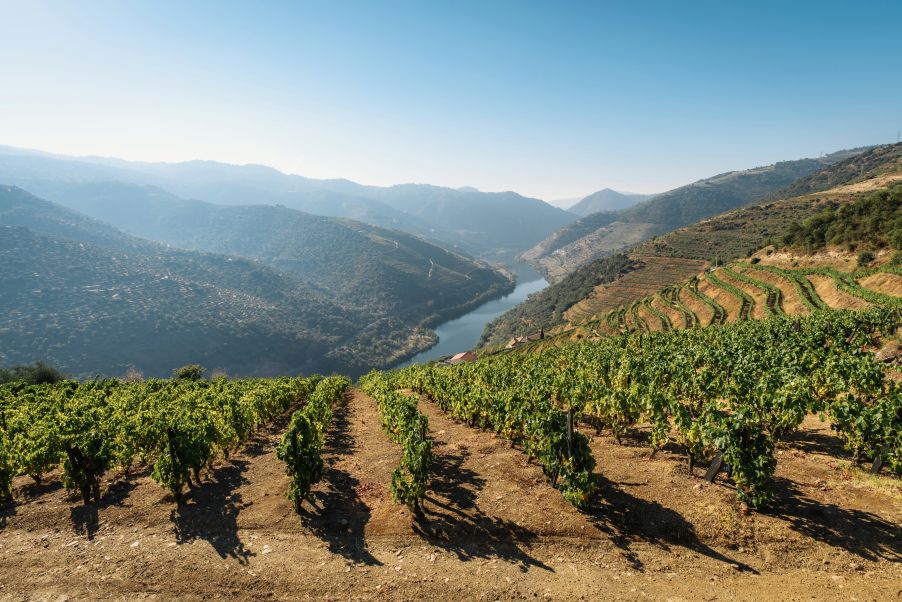
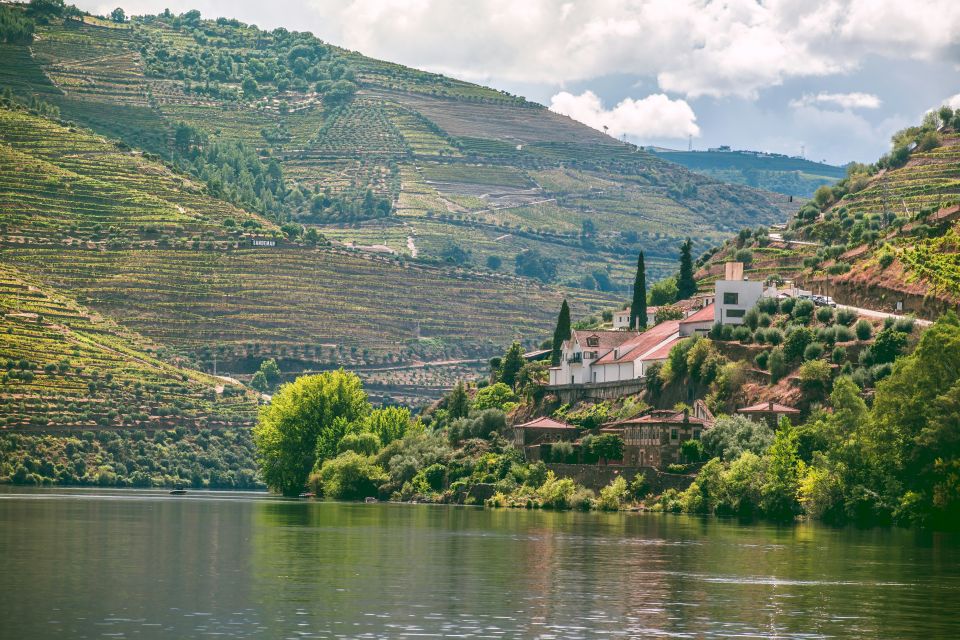
The Douro makes wine growing look almost unreasonable. Vineyards climb steep terraces where machinery often struggles, while the river twists through the valley below. Generations of growers learned to work with those demanding slopes rather than flattening them into something easier.
That relationship between people and landscape helped earn the Alto Douro Wine Region UNESCO World Heritage recognition. The designation protects a cultural landscape shaped by centuries of wine production. Once you see those terraces up close, the achievement feels far less abstract.
Porto offers excellent tastings, but the valley gives those wines context. Visit a working quinta, and you see vineyards, production spaces, cellars, kitchens, and family history together. That changes a Douro Valley wine tasting from sampling into understanding.
Understand Port Wine and Douro DOC Wines
Port may dominate the Douro’s reputation, but it represents only part of what local producers create. Port receives fortification during production, which preserves sweetness and raises its alcohol level. Douro DOC wines remain unfortified and include excellent reds, whites, and increasingly interesting rosés.
A thoughtful tasting should include several styles. Comparing a structured Douro red with a white and Port reveals how differently local grapes can behave. You begin tasting the valley rather than simply deciding which glass you prefer.
Couples sometimes make the mistake of booking experiences focused entirely on Port. That can leave an incomplete impression of modern Douro winemaking. Seek tastings combining Port with Douro DOC wines, especially when visiting producers making both.
Experience the Douro Through Its Quintas
A quinta is more than a winery with an attractive tasting room. Many operate as vineyards, production facilities, family properties, restaurants, tasting venues, or intimate accommodations. Their character often reflects generations of decisions made on the same land.
Large producers can deliver polished experiences, yet smaller estates often create more personal encounters. You might walk through vines before entering the cellar. Later, someone connected to the estate may explain family choices behind the wines you just tasted.
Those conversations often become more memorable than another generous pour. Views across terraced hillsides certainly help, but personal connection gives the scenery meaning. These Douro Valley wine tour insights explore why choosing the right quintas changes the entire experience.
The difference becomes surprisingly simple once you experience both approaches. One gives you excellent wine. The other helps you understand why that wine could only come from here.
Private and Small-Group Douro Valley Wine Tours
Choosing between private and small-group Douro Valley wine tours changes more than who shares your vehicle. It affects pacing, winery access, conversation, and how much control you keep throughout the day. That difference matters when you want an experience rather than a checklist.
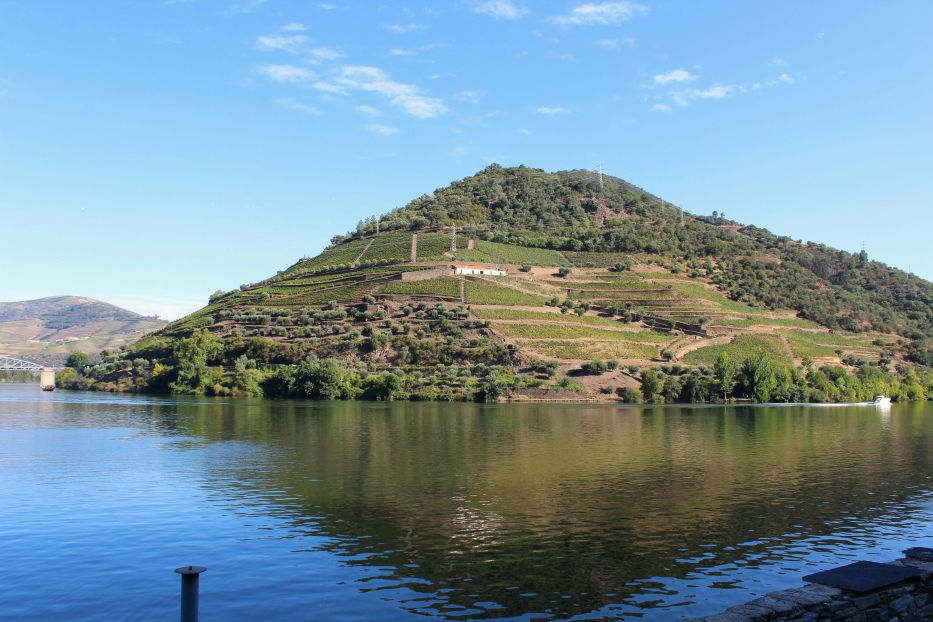
The valley’s roads twist through steep hillsides between scattered estates. A professional driver lets both of you enjoy the tastings without debating who gets the keys afterward. More importantly, you can watch the landscape instead of watching the next hairpin turn.
A strong full-day tour should leave breathing room between wineries. Look for meaningful tastings, a proper lunch, knowledgeable guidance, and time to enjoy the valley itself. Three rushed wineries rarely beat two excellent visits with conversations you actually remember.
Private Wine Tours for a More Personal Day
Private touring gives you something valuable here: control over your time. Your guide can adjust winery choices, meal timing, viewpoints, and tasting lengths around your interests. Nobody needs to sprint because strangers finished their tasting fifteen minutes earlier.
That flexibility especially suits couples who prefer smaller estates, photography, food pairings, or particular wine styles. It also helps when you simply travel more slowly now. There is nothing luxurious about paying more money to feel rushed.
Private tours cost more, but the value reaches beyond exclusivity. Dedicated transportation removes compromises, while personalized guidance lets the day evolve around what interests you. That philosophy also shapes why protecting your energy can improve luxury travel planning.
Small-Group Wine Tours That Still Feel Personal
A well-chosen small-group tour can offer excellent value without sacrificing connection. Check the maximum group size, transportation, winery count, lunch quality, tasting depth, and guide experience. Those details tell you far more than a glossy photograph.
Large coach tours often lose time loading passengers and keeping everyone together. Smaller groups usually allow better conversations with guides and winery staff. They can also feel more relaxed when plans shift slightly.
One appealing option combines two wine estates, lunch, scenic valley travel, and time on the Douro River – private Douro Valley wine tour with two estates, lunch, and a river cruise. Experiences like this show why thoughtful pacing often matters more than squeezing another winery into the afternoon.
Combine Wine Tastings With Food and the Douro River
Wine makes more sense in the Douro when you stop treating every tasting room as the destination. Food and river time reveal how deeply wine belongs to this landscape. Suddenly, your day becomes about the valley rather than another lineup of glasses.
A balanced Douro Valley wine tour should give you room between tastings. Two thoughtful winery visits can leave space for lunch, viewpoints, and the river. That pace feels especially good when you no longer measure a vacation by how much you squeezed into Tuesday.
Vineyard Lunches and Regional Food Pairings
There is a noticeable difference between eating lunch and experiencing lunch in the Douro. A basic tour meal refuels you before the next winery. A slower vineyard lunch invites you to stay, talk, taste, and notice what appears beside your wine.
Douro reds pair naturally with hearty meats and regional dishes. Whites can shine beside cheeses, olive oil, breads, and lighter courses. Port finally makes sense alongside dessert when someone explains why the pairing works.
These meals also create something tasting counters rarely provide: time. Conversations with local hosts can wander toward family traditions, harvest memories, or regional cooking. Those moments echo the deeper connections found throughout Portugal’s local traditions and cultural experiences.
Wine Tastings With a Pinhão River Cruise
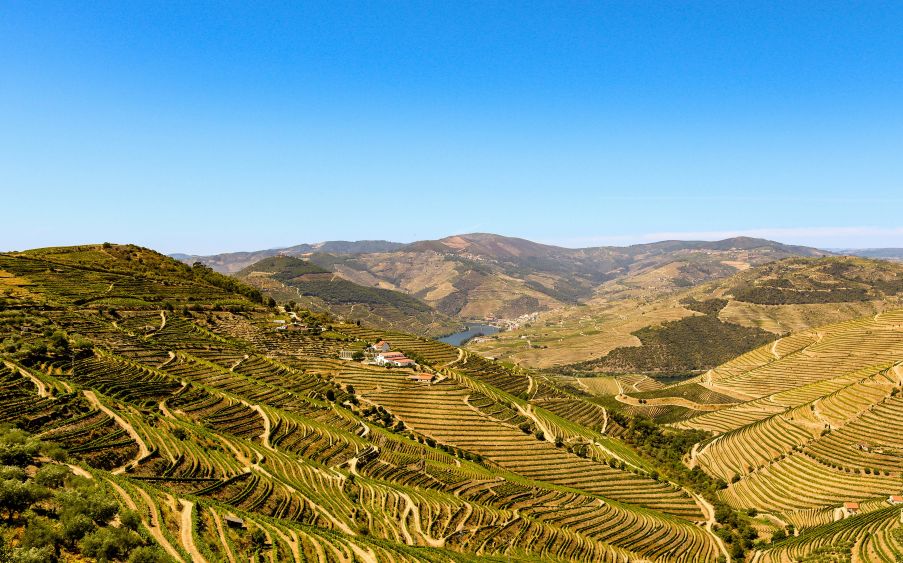
The valley looks entirely different from the Douro River. From the water, those vineyard terraces suddenly reveal their height and improbable angles. You may wonder who first looked at those slopes and thought, “Perfect place for grapes.”
Many full-day tours combine winery visits, regional lunch, scenic driving, and a traditional cruise near Pinhão. This Douro Valley small-group tour with wineries, lunch, and a river cruise offers that balanced approach. It gives wine lovers variety without turning the day into an endurance event.
A shorter cruise works well when wine remains your priority. Longer private boating experiences shift attention toward scenery, conversation, and unhurried river time. Neither approach wins automatically, because the better choice depends on how you want the Douro to feel.
Harvest Season and Hands-On Douro Wine Experiences
Harvest season changes the Douro from peaceful wine country into a working agricultural landscape. Vineyards fill with picking crews, arriving grapes, and production activity. Suddenly, you see the effort behind every polished tasting room.
That energy creates some of the best Douro Valley wine experiences for curious travelers. You can watch production, walk working vineyards, and sometimes participate in traditions yourself. These experiences reveal far more than another carefully arranged flight of wines.
Timing matters, however. Harvest dates depend on grape maturity, weather, estate schedules, and the wines being produced. Visit Portugal specifically encourages travelers to experience the region’s grape harvest.
Experience the Douro Grape Harvest
Locals call the harvest vindima, and working wineries feel completely different during this period. You may see grapes arriving while cellar teams move quickly between production tasks. The usually quiet estate suddenly carries a noticeable sense of purpose.
Some estates still use traditional stone lagares for foot treading certain wines. Participation varies widely, so never assume a September visit automatically includes grape stomping. Ask exactly what your harvest experience includes before booking.
That small question prevents a surprisingly common disappointment. Watching harvest work can feel meaningful even without climbing into a lagar. Sometimes observation gives you a better understanding of the people doing this work every year.
Look Beyond Standard Wine Tastings
The most memorable winery visits often involve much more than sitting beside several glasses. Look for vineyard walks, specialized Port tastings, food pairings, cellar visits, or estate-led educational experiences. Barrel tastings may also appear when producers offer them.
Conversations can become the real highlight. Winemakers and knowledgeable estate guides can explain choices that tasting notes never capture. Their stories connect weather, family traditions, vineyards, and production decisions to what sits inside your glass.
Depth usually beats quantity here. Fourteen samples sound impressive until every wine begins blending into the previous one. A slower experience often leaves you remembering more, which reflects why slower travel feels better after 50.
How to Choose the Best Douro Valley Wine Experience for Your Trip
The best Douro Valley wine experience depends less on popularity and more on how you actually enjoy traveling. Time, pace, wine interest, transportation, and comfort should shape the decision. Your preferred depth matters just as much.
If this is part of the trip you are considering, Luxury Douro Valley Travel for Couples: Beautiful Slow Escape takes a closer look at how the Douro Valley works for couples who want wine, scenery, beautiful hotels, and a slower pace.
A Porto day trip works beautifully when your schedule stays tight. Private touring adds flexibility, while small groups often provide strong value and easy logistics. Multi-day stays and river cruises trade efficiency for deeper immersion.
The mistake comes when couples choose from photographs and ratings alone. Beautiful vineyard views tell you little about group size, pacing, or tasting quality. The details buried beneath those images often determine whether your day feels memorable or exhausting.
Day Trip, Overnight Stay, or River Cruise
Staying in Porto keeps things simple. You can leave after breakfast, spend a full day exploring wineries, then return for dinner. However, several hours of driving become part of that experience.
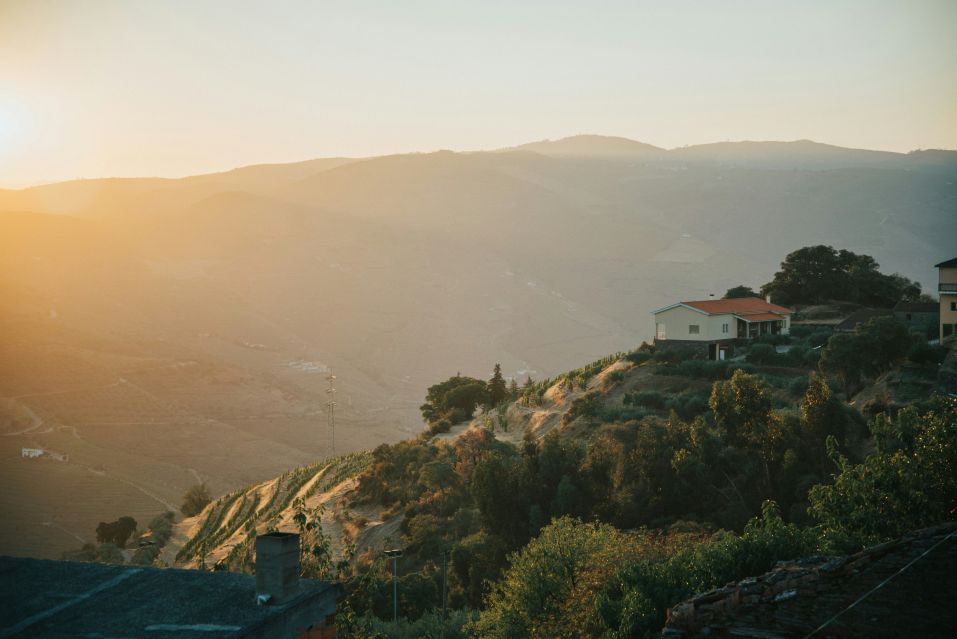
An overnight stay around Pinhão or Peso da Régua changes the rhythm considerably. You can visit fewer wineries, linger over dinner, and watch evening settle across the vineyards. Morning also arrives without another long transfer from Porto.
River cruising offers another kind of convenience. You unpack once while transportation, meals, and much daily planning happen around you. Land-based stays usually provide more flexibility and deeper winery access.
Couples who enjoy comfort alongside active exploration may appreciate why AmaWaterways works especially well for active empty nesters. The right choice depends on whether convenience or independence matters more.
Questions to Ask Before Booking
Before booking, confirm the actual group size and wineries included. Ask how many tastings you receive and which wine styles appear. Then check lunch arrangements, pickup location, river time, and total duration.
Comfort deserves equal attention. Ask about walking distances, stairs, vineyard slopes, vehicle access, heat exposure, and available shade. Dietary needs and mobility concerns should enter the conversation before payment, not afterward.
Read cancellation terms carefully and ask whether wineries can change without notice. Confirm which activities come included and which require additional payment. Most importantly, determine how long you actually spend at each estate.
A small-group Douro Valley tour featuring three wineries and a winery lunch shows why those details matter. Three wineries sound appealing, but pacing should still guide your decision. More stops do not automatically create a better wine day.
Let the Douro Match the Way You Want to Travel
The best Douro Valley wine experiences are rarely the ones with the longest tasting list. They combine wine with people, food, vineyards, river scenery, and traditions that give each glass meaning. Those connections are what you will remember after the bottles disappear.
For some couples, that means a private guide and two unhurried winery visits. Others may prefer a vineyard lunch, river cruise, harvest experience, or several nights among the vines. Your perfect combination should reflect your interests, energy, and preferred pace.
Trying to collect wineries can actually work against you. Fewer, deeper experiences leave more room for conversations, long lunches, and unexpected discoveries. At this stage of life, you have earned the right to stop treating vacation like a scavenger hunt.
If the Douro is calling, start planning your Portugal vacation with Empty Nester Getaways. We can help you build the right balance of wine, culture, comfort, and time together. Your trip should feel designed around you, not borrowed from somebody else’s itinerary.
Still gathering ideas before you are ready to plan? Join Luxury Travel by Eric: Empty Nester Couples Vacations on Facebook and stay connected with travelers who share your interests. Your next great trip may begin with one idea you had not considered yet.
P.S. Looking for more help planning your Portugal trip? Check out these articles:
- Portugal by Season: When to Go for the Best Experience – See what each season is like and which time of year may fit your travel style best.
- Lisbon Extensions Worth Adding – Discover easy add-ons that can turn a Lisbon stay into a fuller Portugal experience.
- Porto for Empty Nester Couples – Find out why Porto works so well for couples who want great food, culture, scenery, and a slower pace.