
The best time to visit Portugal is not one magical month, despite what many travel calendars suggest. Portugal works beautifully throughout the year. The better question is what you want your days to feel like.
Picture lingering over dinner outside in Lisbon without planning every reservation weeks ahead. Imagine walking Porto’s riverfront before returning to your hotel for an unhurried afternoon. Portugal’s official tourism information explains how climate conditions vary between coastal, inland, northern, and southern regions.
Spring and fall often create an appealing middle ground. Days can feel comfortable for exploring, while evenings still invite another glass of wine outside. You also avoid choosing an entire vacation around temperature alone.
That matters when your plans extend beyond one city. Lisbon, Porto, the Douro Valley, and the Algarve can each reward different timing. Our guide to Portugal’s cultural experiences shows how much the experience itself can influence when you should visit.
For many couples, April through June and September through October deserve serious attention. The official Visit Portugal climate guide explains Portugal’s regional weather differences and seasonal patterns. Yet choosing between those months requires looking beyond temperature.
Your ideal timing may depend on vineyards, beach afternoons, long walking days, or enjoying dinner without peak-season pressure. Portugal gives you plenty of options. The interesting part comes when we separate the genuinely great months from those that merely look good on paper.
Preview the seasonal, regional, and experience-based comparisons that will help travelers choose the right travel dates.
When Is the Best Time to Visit Portugal?
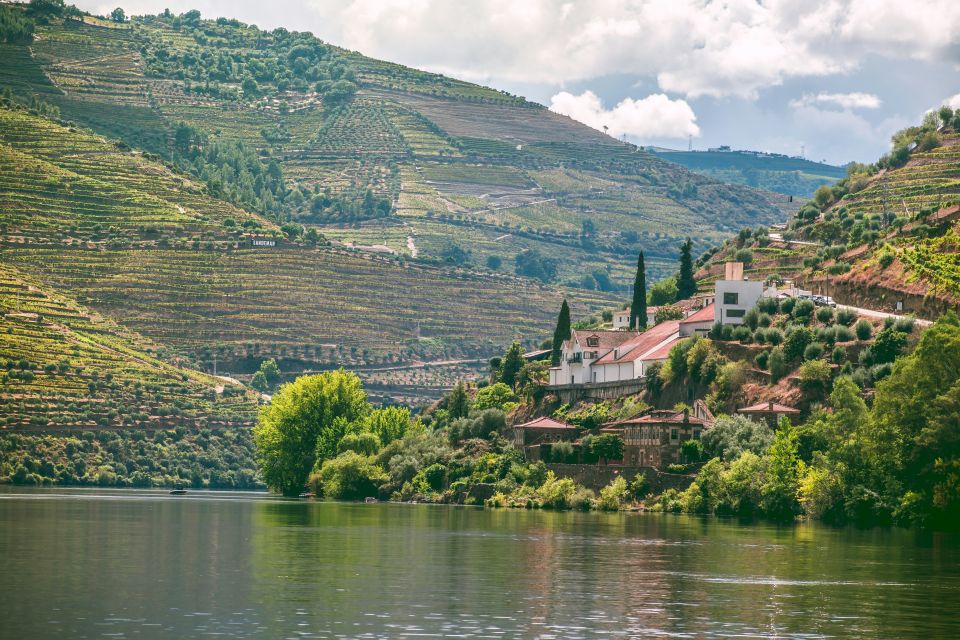
Choosing the best time to visit Portugal gets easier once you stop searching for one perfect month. April through June offer comfortable sightseeing, longer days, and an increasingly lively atmosphere. September and October bring another appealing window, especially after the busiest summer weeks.
Portugal complicates the decision in a good way. Lisbon rewards walkers, while the Douro revolves around vineyards, scenery, and wine experiences. The Algarve adds beaches, and Porto brings cooler northern conditions into the equation.
Temperature tells only part of the story. Portugal’s official weather guidance from Visit Portugal explains how climate varies significantly between regions. Crowds, rainfall, daylight, and seasonal atmosphere can matter just as much.
Why Spring and Fall Work So Well
April feels fresh, green, and comfortable, although showers remain possible. May brings warmer afternoons while keeping long sightseeing days manageable. By June, summer begins announcing itself without fully taking over.
September offers a different reward. Warm days continue, while the Douro enters one of its most interesting wine periods. October cools noticeably and brings a softer atmosphere to cities, vineyards, and countryside.
These months suit couples who actually want to spend their vacation outside. Lisbon’s hills feel friendlier without intense summer heat. Porto walks, vineyard visits, coastal drives, and long lunches become easier to combine.
Season can also change how deeply you experience the country. Portugal’s less obvious cultural experiences become easier to appreciate when your schedule has breathing room. That difference matters more than many travelers expect.
When Summer or Winter May Be the Better Choice
July and August still make sense for certain trips. Beach lovers gain hot weather, long daylight, and a lively coastal atmosphere. Summer festivals can also give an itinerary energy that quieter months simply cannot reproduce.
The tradeoff arrives quickly. Popular cities and attractions become busier, while inland heat can make afternoon sightseeing uncomfortable. Couples who enjoy slower mornings and coastal stays may handle summer better.
Winter flips those compromises. Lisbon and southern Portugal can offer mild days, quieter streets, and easier cultural sightseeing. Porto brings more rain, while shorter daylight reduces how much you can comfortably fit outside.
For some couples, that sounds wonderful. Others will miss warm evenings, vineyard activity, and long outdoor dinners. The right season depends less on averages and more on how you actually like traveling.
Portugal in Spring and Summer
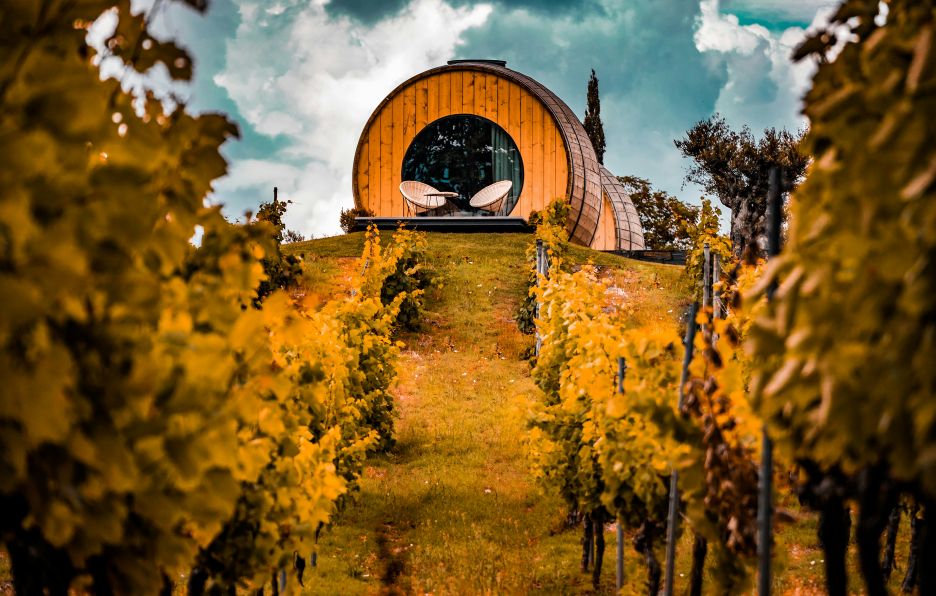
Portugal changes quickly once winter loosens its hold. March and April bring greener landscapes, cooler mornings, and comfortable walking weather. By May, warmer evenings begin shifting daily life outdoors.
June feels noticeably more summery without August’s full intensity. Longer days invite coastal drives, outdoor dinners, beaches, and relaxed day trips. That balance makes early summer especially appealing for couples who value flexibility.
July and August create a different experience. Portugal becomes hotter, especially inland, while major destinations welcome larger summer crowds. Beaches thrive, but walking-heavy itineraries require more thoughtful timing.
Visiting Portugal From March Through June
March often feels fresh and pleasantly uncrowded. Gardens brighten, countryside views turn greener, and sightseeing rarely revolves around escaping afternoon heat. Rain remains possible, so flexibility still helps.
April offers a stronger balance between pleasant temperatures and lighter crowds. May brings warmer evenings and more dependable outdoor dining. June adds longer daylight, making ambitious day trips easier without feeling rushed.
Lisbon and Sintra especially reward these spring conditions. Their hills, palace grounds, and historic streets involve more walking than many visitors expect. Cooler temperatures can make those miles much more enjoyable.
Porto follows a slightly cooler rhythm. Riverfront walks and neighborhood exploring often feel easier before summer heat settles in. Inland sightseeing also becomes more comfortable when sunshine does not dictate your entire schedule.
This is where your travel style matters. Our guide to meaningful Lisbon cultural experiences for couples shows why slower exploration often beats landmark collecting. Those experiences become even better when the weather encourages wandering.
Visiting Portugal in July and August
Summer works beautifully when beaches and long evenings lead your priorities. Lisbon stays bright and lively, while the Algarve settles fully into beach season. Inland Alentejo and the Douro can feel much hotter.
Heat changes how you experience historic cities. Palace grounds, steep neighborhoods, and exposed viewpoints feel very different at three o’clock. Suddenly, an afternoon hotel break looks remarkably intelligent.
Sintra offers a perfect example. A private full-day Sintra tour from Lisbon can simplify transportation and sightseeing. That matters when summer crowds make logistics less forgiving.
Smart summer planning starts earlier. Explore historic areas before midday, enjoy a long lunch, then retreat during the hottest hours. Return later for dinner when streets cool and evenings feel easier.
Porto often feels gentler than inland Portugal during summer. The Algarve suits travelers who truly want substantial beach time. Douro touring remains rewarding, but midday vineyard heat deserves respect.
Summer is not automatically the wrong choice. It simply asks more from your daily schedule. Couples who adjust their rhythm can still enjoy Portugal without turning vacation into an endurance test.
Portugal in Fall and Winter
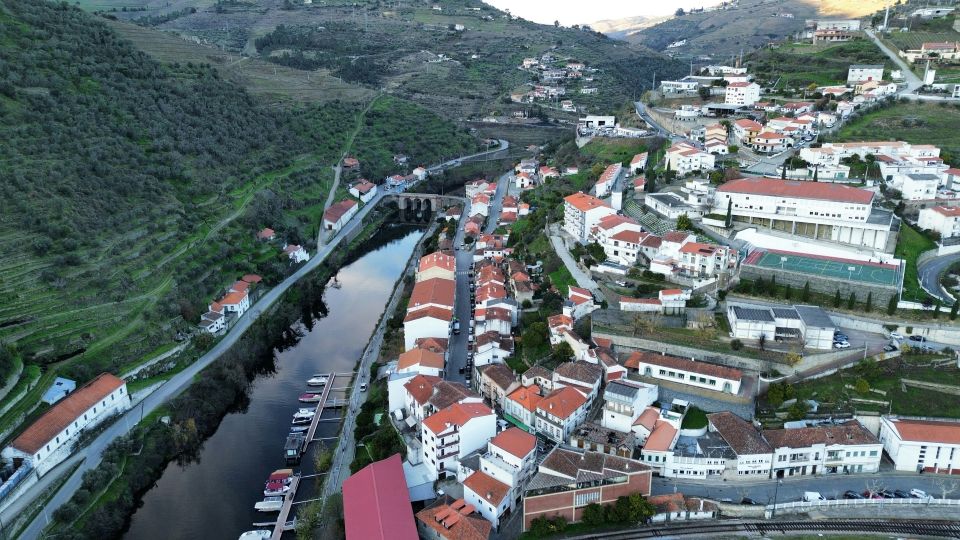
Portugal changes character as summer fades. September often keeps warm days, while October brings cooler evenings and richer countryside colors. Autumn also makes long sightseeing days easier than midsummer.
By November, the pace softens noticeably. Cities feel calmer, restaurants feel less pressured, and cultural sightseeing becomes easier to enjoy slowly. Winter can suit couples who prefer atmosphere over constant sunshine.
Northern Portugal generally feels cooler and wetter than Lisbon. Inland areas can become colder, while the Algarve usually remains milder. That regional contrast matters when choosing the best time to visit Portugal.
September and October for Wine, Food, and Sightseeing
September deserves special attention for wine lovers. The Douro harvest brings visible activity throughout the vineyards, while warm afternoons still encourage time outdoors. River views and long lunches can feel especially rewarding.
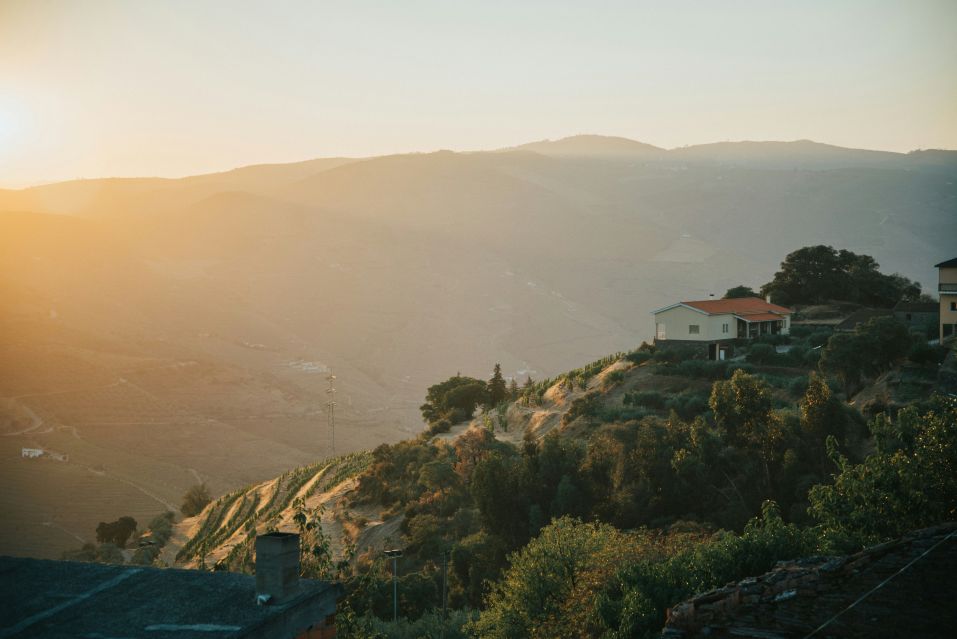
Lisbon remains comfortable for walking and dining outside. Porto often feels cooler as October approaches, while the Douro begins changing dramatically. Green terraces gradually shift toward gold and warmer autumn tones.
That transformation changes more than photographs. Our guide to planning a memorable Douro Valley wine tour explores how the region feels beyond the obvious viewpoints. Autumn brings a distinctive mix of vineyard activity and slower sightseeing.
Couples wanting an organized day can consider this Douro Valley tour with lunch, wine tastings, and river cruise. It combines several regional experiences without requiring separate transportation planning. That simplicity matters when you would rather enjoy the valley than manage logistics.
November Through February for Quieter Travel
Winter rewards travelers who enjoy cities at a slower pace. Museums become more inviting, neighborhoods feel calmer, and long lunches suddenly seem perfectly reasonable. Lisbon works particularly well for this style.
Porto and northern Portugal bring cooler, wetter conditions. Lisbon generally stays milder, while the Algarve offers gentler winter weather. The difference becomes meaningful when outdoor time matters.
Rain and shorter daylight still require flexibility. Some seasonal attractions may operate on reduced schedules, especially outside major cities. A loose itinerary creates room for museums, markets, cafés, and spontaneous discoveries.
For some couples, that trade feels refreshing. You exchange long summer evenings for quieter streets and more breathing room. Sometimes that slower rhythm becomes the part you remember most.
Best Time to Visit Different Regions of Portugal
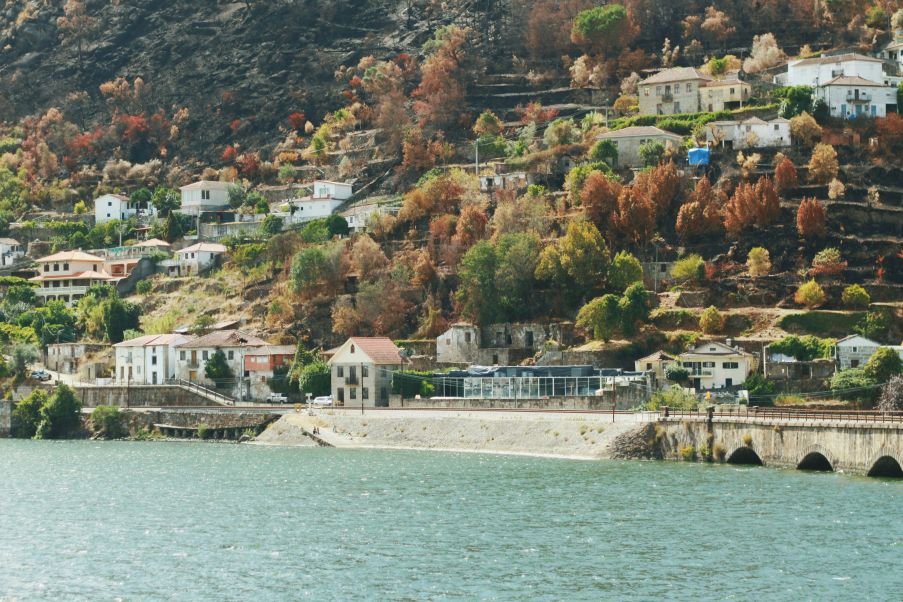
Portugal refuses to fit neatly into one seasonal recommendation. The north, central cities, inland valleys, and southern coast follow different rhythms. That matters when your itinerary crosses several regions.
Lisbon and Sintra reward comfortable walking weather. Porto and the Douro add cooler conditions, vineyards, and seasonal wine experiences. The Algarve changes again, especially when beaches become the priority.
For multi-region trips, compromise often works better than chasing perfection. May, June, September, and early October can balance several competing needs. The smartest dates support your whole itinerary, not one postcard moment.
Best Time to Visit Lisbon and Sintra
April through June suit long days exploring Lisbon’s hills, viewpoints, neighborhoods, and waterfront areas. September and October bring similar advantages with a different seasonal atmosphere. Both periods also support relaxed outdoor meals.
Summer heat changes the experience quickly. Alfama’s slopes feel steeper, while Belém’s exposed areas can become tiring. Sintra’s famous palaces also attract heavier visitor traffic during peak months.
That matters at Pena Palace and Quinta da Regaleira. Earlier visits can help you avoid some midday pressure. Cooler months make wandering the gardens and historic center noticeably easier.
Winter offers another option. Expect cooler or wetter days, but also calmer streets and easier museum visits. Some couples gladly trade perfect weather for more breathing room.
Best Time to Visit Porto and the Douro Valley
Northern Portugal changes dramatically through the year. Spring brings greener hillsides, while summer adds heat and longer touring days. September introduces harvest energy before autumn colors deepen.
Porto and the Douro also reward different priorities. City-focused travelers may prefer comfortable walking weather and quieter streets. Wine lovers often care more about vineyard activity, scenery, and seasonal experiences.
River cruising adds another consideration. Operating dates can shape when you visit, especially when the Douro anchors the itinerary. Why active empty nesters enjoy AmaWaterways offers a useful look at that travel style.
Vineyard visits also deserve advance checking. Harvest activities, boat trips, and estate experiences can follow seasonal schedules. Those details can matter more than a five-degree temperature difference.
Best Time to Visit the Algarve
May and June offer warm coastal conditions before the busiest summer stretch. September can feel especially attractive after peak-season crowds begin easing. Early October remains worth considering for sightseeing-focused trips.
Beach travelers and explorers should choose differently. Swimming and long beach days favor warmer periods. Villages, coastal walks, golf, and scenic drives can work beautifully outside midsummer.
July and August bring the Algarve’s strongest beach atmosphere. They also bring heavier demand for restaurants, accommodations, and popular coastal experiences. Planning becomes less forgiving during those weeks.
A Benagil caves boat cruise from Albufeira shows why warmer months remain tempting. Coastal scenery takes center stage when conditions cooperate. Yet winter reveals a quieter Algarve that feels entirely different.
How to Choose the Best Month for Your Portugal Trip
The best time to visit Portugal depends less on rankings and more on how you want to travel. Beach days require different conditions than vineyard visits. A walking-heavy Lisbon itinerary creates another set of priorities.
Think about your tolerance for heat, crowds, rain, and long sightseeing days. Then consider how much movement your itinerary includes. A three-region journey usually benefits from more moderate weather than a single coastal stay.
Many couples choose dates first and force the trip around them. Reversing that order often produces a better experience. Our guide to avoiding common luxury travel planning mistakes explores why matching the trip to your energy matters.
Choose Your Month Based on What You Want to Experience
Cultural sightseeing in Lisbon and Porto works especially well during spring and fall. Comfortable temperatures make hills, waterfront walks, viewpoints, and outdoor dining easier. You can spend more time exploring without constantly negotiating with the weather.
Wine travelers may prefer September, when harvest activity adds another dimension to the Douro. Spring offers greener landscapes and a calmer visual mood. Fall gradually replaces those greens with warmer vineyard colors.
Beach-focused travelers should look harder at June through September. Festival lovers may prefer summer’s longer evenings and livelier calendar. Couples seeking quieter cities can find surprising appeal from November through February.
Two couples could reasonably choose opposite seasons. One might pick September for wine, walking, and the Douro. Another might choose January for museums, restaurants, quieter neighborhoods, and Portugal’s winter sunshine.
A Simple Month-by-Month Portugal Guide
January favors quiet cities, museums, dining, and cooler-weather travel. February remains calm while spring begins feeling closer. March brings greener landscapes and increasingly comfortable sightseeing days.
April offers pleasant walking conditions with spring color. May adds warmer evenings, outdoor dining, and longer days. June moves toward summer while remaining attractive for multi-region itineraries.
July suits beaches, festivals, and travelers comfortable with heat. August brings peak summer energy, larger crowds, and strong coastal appeal. September combines warmth with wine harvests and increasingly comfortable sightseeing.
October brings cooler days, autumn scenery, and fewer peak-season pressures. November favors culture, food, and quieter city breaks. December works well for slower sightseeing, seasonal atmosphere, and travelers comfortable with shorter days.
The Best Time to Visit Portugal Is the Time That Fits You
The best time to visit Portugal depends on the trip you want, not a single perfect month. April through June offer comfortable sightseeing, longer days, and increasingly warm evenings. September and October bring another strong balance of pleasant weather, wine experiences, and fewer summer pressures.
Yet Portugal rarely rewards blanket recommendations. Lisbon and Porto favor comfortable walking conditions, while the Douro adds vineyards and seasonal wine experiences. The Algarve may push your ideal dates warmer if beaches matter most.
Think about what you want to remember afterward. Maybe it is wandering Lisbon, sharing wine overlooking the Douro, or spending unhurried afternoons beside the Atlantic. Your preferred pace matters just as much as weather forecasts and crowd charts.
If Portugal has moved from “someday” to something you genuinely want to experience, start planning your Portugal trip. We can shape the itinerary around your interests, pace, travel style, and the season that serves you best. You should not have to squeeze your vacation into somebody else’s idea of Portugal.
Still deciding what kind of trip sounds right? Join Luxury Travel by Eric: Empty Nester Couples Vacations and continue exploring with other travel-minded couples. Sometimes the next great trip starts with a simple conversation.
P.S. Looking for more help planning your Portugal trip? Check out these articles:
- Lisbon Extensions Worth Adding – Discover easy add-ons that can turn a Lisbon stay into a fuller Portugal experience.
- Best Douro Valley Wine Experiences – Explore the wine tastings, vineyard visits, river views, and food experiences worth considering in the Douro Valley.
- Porto for Empty Nester Couples – Find out why Porto works so well for couples who want great food, culture, scenery, and a slower pace.