
Meaningful travel after the kids leave home begins with a strange realization: for once, the vacation can actually belong to you. For years, trips revolved around school calendars, meal schedules, budgets, activities, and keeping everyone reasonably happy. Somewhere along the way, your own travel preferences probably moved quietly toward the bottom of the list.
Then the house gets quieter. Suddenly, nobody needs a hotel with the perfect pool or dinner before someone gets cranky. You can ask a question that once felt almost selfish: What would we choose if we only considered us?
That freedom changes more than your destination. You might discover that three nights somewhere feels rushed, even though you once considered it efficient. Perhaps another famous attraction matters less than a long lunch, private guide, neighborhood walk, or completely unscheduled afternoon.
Travel after the kids leave home can also reveal how much you have changed together. You have more control over your time, but you also bring decades of perspective with you. Experiences start competing less for attention and connecting more deeply with who you are now.
That is when travel can become surprisingly personal. The goal stops being keeping everybody entertained or proving how much you managed to see. Instead, you finally get to discover what traveling well together actually means.
Travel Stops Being Built Around Everyone Else

Family vacations teach parents to become excellent logistical managers. You balance meals, school breaks, entertainment, energy levels, and everyone’s competing opinions. Eventually, planning around other people feels completely normal.
Then the kids leave home, and the rules quietly disappear. Hotels can reflect your tastes, restaurants can become experiences, and mornings no longer need predetermined agendas. Empty nester travel suddenly offers choices that family travel rarely allowed.
That freedom can feel unfamiliar at first. For decades, compromise kept family vacations moving smoothly. Now, the challenge becomes remembering what the two of you actually prefer.
The Old Family Travel Habits Do Not Disappear Automatically
Freedom arrives faster than old habits disappear. Couples often keep overpacking, overplanning, and scheduling every hour because those habits once worked. Familiar routines can survive long after the reason for them disappears.
You might still choose a sprawling resort because everyone once needed activities. Perhaps you book attraction after attraction because an empty afternoon feels strangely irresponsible. Old habits have remarkable job security.
Our own experience with empty nester travel mistakes showed how easily family travel patterns follow couples into this stage. The itinerary may look impressive while quietly exhausting the people taking it.
A trip for two needs different breathing room. You can linger over breakfast or abandon an afternoon plan without disappointing anyone. That flexibility becomes meaningful once you actually allow yourself to use it.
Freedom Forces Couples to Ask a Better Question
Many couples begin with the destination. Paris sounds wonderful, so Paris becomes the plan. Yet choosing where to go answers only the easiest question.
Start instead with how you want each day to feel. Do you picture museums and history, neighborhood wandering, long dinners, or quiet mornings? Perhaps one of you wants activity while the other needs more space.
That conversation matters because life changes after children leave home. The American Psychological Association’s look at the empty nest transition explores how this stage can include meaningful gains. Travel can become one place where those new possibilities feel especially tangible.
Discuss comfort, pace, food, independence, cultural interests, and activity levels before choosing flights. Ask how much unscheduled time feels enjoyable rather than wasteful. Your answers may change the destination completely.
Paris could still win. But now you choose it for art, cafés, history, food, or evenings together. That is a very different vacation from simply choosing Paris because everyone says you should.
Couples Can Finally Choose Depth Instead of Coverage

For years, vacation success may have meant fitting everything possible into limited family time. Three cities sounded better than one because everyone wanted something different. Empty nest travel gives you permission to stop keeping score.
You may also want to read How Empty Nest Travel Helps Couples Reconnect for a closer look at how time away together can help couples reconnect after years of family schedules and responsibilities.
Now you can stay somewhere long enough for unfamiliar streets to become recognizable. A neighborhood café becomes your morning place, and the nearby market stops feeling like an attraction. Familiarity begins replacing the constant rush toward whatever comes next.
That shift can make meaningful travel after the kids leave home feel remarkably different. You sacrifice some coverage, but gain time to notice where you actually are. Our look at the hidden luxury travel mistake couples make explores that tradeoff more deeply.
Doing Less Can Make a Trip Feel Fuller
A three-city itinerary can look fantastic before departure. Then come the hotel changes, transfers, packing, navigation, and early alarms. Every move quietly takes something from the day.
Compare that with staying five or six nights in one place. You can revisit a neighborhood, return to a favorite café, or leave an afternoon completely open. Suddenly, changing plans does not threaten the entire itinerary.
Lisbon rewards that kind of freedom particularly well. A small-group Lisbon food and culture walking tour can introduce neighborhoods, food, and local stories together. The next day, you can return independently instead of racing toward another city.
That is the hidden advantage of doing less. Places begin developing layers instead of becoming photographs separated by train rides. You start recognizing details that hurried travelers simply never have time to notice.
Presence Becomes a Different Kind of Luxury
Some of your best travel memories may never appear on an itinerary. Think about conversations over long lunches or evenings spent watching a plaza slowly change. Those moments rarely require reservations.
Meaningful travel leaves room for them. You might talk longer with a guide, sit beside a river, or order another coffee without checking your watch. The National Institute on Aging’s guidance on enjoyable activities as we age reinforces the value of staying engaged with experiences you enjoy.
Constant sightseeing can crowd those moments out. Another landmark may eventually blur into the twenty others you photographed that week. Yet one unexpected conversation can remain vivid for years.
Luxury begins looking different when time becomes the scarce resource. The finest hotel cannot compensate for an itinerary that leaves you exhausted. Sometimes the richer choice is simply having nowhere else you need to be.
Shared Experiences Give Couples New Things to Discover Together
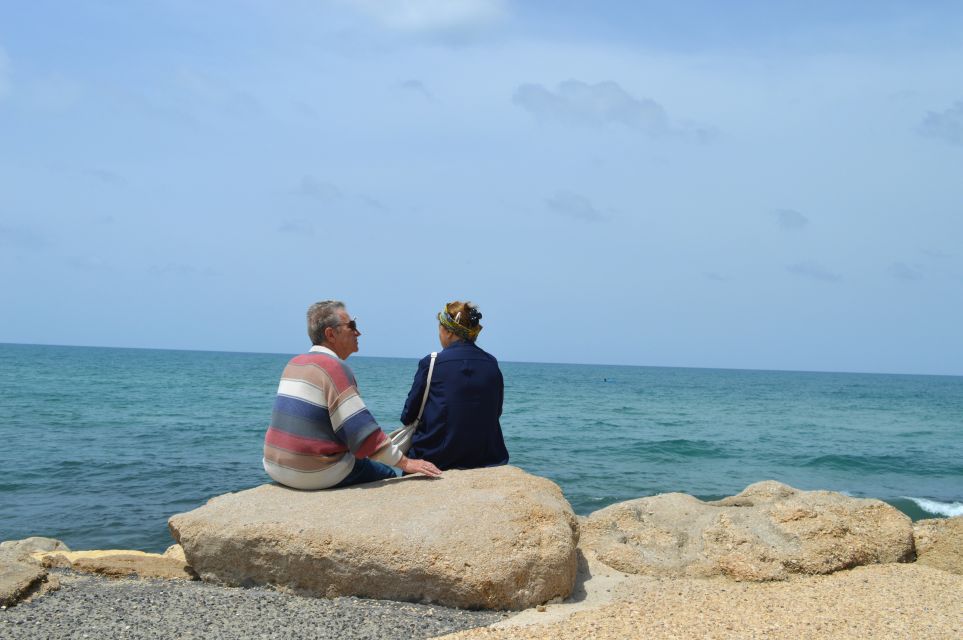
Years of parenting can quietly turn marriage into an efficient partnership built around schedules, responsibilities, and keeping family life moving. You solve problems together, but novelty rarely appears between grocery lists and household routines. Travel changes the setting, and sometimes that changes the conversation too.
Suddenly, you are tasting unfamiliar food, navigating new streets, and deciding together what looks interesting enough to follow. Neither person already knows every answer. That small shift can make a familiar relationship feel unexpectedly fresh.
Possessions rarely create stories quite the same way. Shared experiences can become memories, traditions, private jokes, and conversations that resurface years later. Meaningful travel after the kids leave home gives couples more opportunities to collect those moments together.
A Familiar Relationship Feels Different in an Unfamiliar Place
A new destination can reveal sides of your partner that ordinary life rarely invites forward. Curiosity appears differently when neither person knows what comes next. You may even discover interests you never realized the other person had.
Try preparing unfamiliar dishes together during a cooking class. Navigate an old neighborhood without rushing, or learn history from someone who lives there. A traditional Kyoto tea ceremony inside a historic townhouse offers another kind of shared discovery.
Small challenges often create the stories couples remember. Maybe you mispronounce something spectacularly or take the scenic route by accident. Travel does not need discomfort to create connection, but a little unpredictability certainly helps.
Meaning Does Not Require Spending Every Minute Together
Here is another freedom empty nesters sometimes overlook. A couples vacation does not require both people to choose every activity together. Spending a few hours apart can actually give the trip more dimension.
One partner might explore a museum while the other cycles, photographs, shops, or visits a spa. Later, both return with different observations and stories. Nobody needs to endure an activity simply because marriage apparently requires matching excursion tickets.
River cruising can make this flexibility especially easy. Our guide to why empty nesters fall in love with Danube river cruises shows how varied excursion choices can support different interests.
Before traveling, identify the experiences you consider essential together. Then discuss which activities each person would happily enjoy independently. That conversation protects individual interests without weakening the shared journey.
The goal is not constant togetherness. It is creating a trip that gives both people something worth bringing back to each other.
Culture Starts Mattering More Than Simply Seeing the Sights

After enough trips, famous landmarks can stop feeling like the entire point. You still want to see them, of course. Yet meaningful travel after the kids leave home often creates a hunger for something deeper.
You begin wondering how people actually live there. Food, music, architecture, traditions, crafts, and conversations start revealing what photographs cannot. Suddenly, understanding the place matters as much as standing beside its famous monument.
That shift changes how you choose experiences. Another attraction ticket may lose to a neighborhood walk, market visit, or conversation with someone local. Our guide to meaningful Lisbon cultural experiences for couples explores exactly how that deeper approach can transform a city.
Local Experiences Give Famous Destinations More Context
Lisbon becomes richer when someone explains how Fado connects longing, neighborhood identity, and Portuguese history. Kyoto changes when tea becomes tradition rather than simply a beverage. Tuscany deepens when winemaking becomes a family story instead of another glass poured at dinner.
A knowledgeable guide can connect those pieces quickly. Buildings suddenly relate to religion, politics, trade, food, or neighborhood history. Details you might have walked past begin carrying meaning.
Private guides work beautifully when you want flexibility and conversation. Small groups can add energy without feeling impersonal. Workshops, markets, and culinary experiences become especially valuable when participation teaches more than observation.
Food Becomes a Way to Understand a Place
Regional food can explain geography surprisingly well. Ingredients reveal what grows nearby, while recipes carry migration, agriculture, family traditions, and economic history. Dining customs add another layer entirely.
Consider Chianti. Drinking it in a Florence restaurant can be lovely, but the experience ends largely inside the glass. A small-group Tuscany wine tasting with a vineyard visit takes you directly into the landscape behind it.
Walking the vines changes your perspective. Meeting producers gives those labels names, families, and stories. Suddenly, the wine becomes connected to soil, weather, work, and place.
Cooking classes can create that same connection through recipes. Market tours reveal what locals actually buy and cook. Neighborhood food walks often explain communities one bite at a time.
That is when travel starts sticking differently. You stop remembering only what something looked like. You remember how the place made sense.
Meaningful Travel Starts Matching the Life You Have Now

The perfect vacation at 35 does not automatically remain perfect at 55 or 65. Your interests change, and so does your definition of comfort. Meaningful travel after the kids leave home should reflect the life you actually live now.
That does not mean choosing easier trips because of age. It means becoming more selective about where your energy goes. Comfort, mobility, sleep, food, downtime, and activity levels all deserve a place in the planning.
Some couples still chase itineraries because they look impressive. Yet impressive and enjoyable are not always close relatives. The better trip usually fits both travelers instead of impressing people scrolling through photographs afterward.
For more help with why the first vacation after the kids are grown can require more adjustment than couples expect, read Why Your First Post-Kids Vacation Can Feel Surprisingly Hard.
Your Energy Is Part of the Itinerary
Energy affects far more than how many attractions you can visit. It should shape hotel location, transportation, excursion difficulty, and the rhythm of each day. Ignoring it can turn wonderful destinations into endurance tests.
Europe adds its own complications. Cobblestones, stairs, summer heat, early mornings, hills, and long transfers can quietly drain your reserves. Several demanding days together can make even dinner feel suspiciously ambitious.
That does not mean abandoning adventure. Private transportation can replace exhausting connections, while strategic breaks protect the experiences you value most. Our guide to experiencing Budapest without travel burnout shows how thoughtful pacing can actually deepen a trip.
The National Institute on Aging’s guidance on maintaining mobility also reinforces why movement matters as we age. You can keep exploring while making smarter choices about how you explore. Good planning protects possibility rather than shrinking it.
The Best Question Is What You Want to Remember
Think about your favorite trips from years ago. Which moments still come up during dinner conversations? Now consider how many famous attractions you barely remember visiting.
Your answers reveal more than any bucket-list ranking. Perhaps you remember an incredible meal, mountain scenery, a private guide, or an unhurried morning together. Maybe the best memory involves getting pleasantly lost somewhere neither of you expected to love.
Those patterns deserve attention. They tell you whether food, culture, nature, boutique hotels, activity, or slower mornings consistently make travel meaningful. Someone else’s dream itinerary cannot answer that for you.
Choose future trips around what has already proven meaningful. Keep the challenges you enjoy and remove the exhaustion you do not. The result may look less impressive on paper while feeling considerably richer once you are there.
Your Next Chapter Deserves a Different Kind of Trip
Meaningful travel after the kids leave home is not about replacing family vacations with more expensive ones. It is about finally choosing experiences around the two people taking the trip. That freedom can change what travel means entirely.
For more help with why many empty nesters are choosing to spend more on travel and shared experiences instead of more things, read Why More Empty Nesters Are Choosing Experiences Over Things.
You no longer need to measure a vacation by distance, price, or how many landmarks fill your camera roll. A slower morning can matter more than another attraction. One extraordinary conversation might outlast memories from an entire packed sightseeing day.
The deeper question is how you want to feel while traveling together now. Maybe you want curiosity, connection, beautiful food, or enough breathing room to notice your surroundings. Perhaps you simply want somebody else handling the details while you enjoy being there.
Those answers should shape the destination, hotel, experiences, and pace. They should also guide what you intentionally leave out. The best trip does not need to impress anyone except the two people taking it.
If you are ready to build a vacation around what matters to you now, start planning your trip with Empty Nester Getaways. We will help you sort through destinations, pacing, hotels, and experiences without forcing someone else’s travel style onto you. Your trip should feel right for your life, not merely look impressive on paper.
Still exploring what this next chapter could include? Join Luxury Travel by Eric: Empty Nester Couples Vacations and spend time with couples asking many of the same questions. You may discover that the most exciting part of the empty nest is deciding what comes next.