
How empty nest travel helps couples reconnect often begins with something surprisingly simple: the family calendar finally goes quiet. For years, school schedules, sports, holidays, and children’s needs quietly decided when you could leave and where you went. Then, almost overnight, those rules disappear, leaving two people with more freedom and a surprisingly unfamiliar question. What do we actually want to do together now?
Travel gives that question room to breathe because home carries habits, chores, screens, errands, and familiar distractions. A few days away can create longer conversations, slower mornings, and stretches of time nobody else gets to claim. That does not mean a beautiful hotel or European sunset can repair serious relationship problems. Vacations are not couples therapy with better room service.
What travel can do is change the setting enough for you to notice each other differently. You may solve a missed train together, linger over dinner, or discover that one of you loves wandering without a plan. Research on couples’ vacations suggests shared experiences matter more than simply taking more trips. The interesting part is what happens between the big moments.
Those moments can include teamwork, laughter, better conversation, quiet companionship, and memories that belong entirely to the two of you. They can also reveal where your travel styles differ, which is useful information before planning something bigger. Maybe one of you wants museums until closing, while the other considers a three-hour lunch a perfectly valid itinerary. Neither approach is wrong, but learning how to travel together again can become part of learning each other again.
Travel Gives Couples Something They Have Been Missing: Uninterrupted Time

Empty nest travel helps couples reconnect partly because it removes something ordinary life rarely protects: uninterrupted time together. You may spend every evening near each other while still juggling separate responsibilities. Being in the same room does not always mean sharing the same attention.
Travel temporarily clears much of that background noise. Work emails, household chores, errands, and family obligations stop controlling every hour. Suddenly, breakfast can last longer than necessary because nobody needs to be anywhere.
The most meaningful moments often look completely unremarkable. You might wander through a quiet neighborhood, sit beside a river, or order another coffee after breakfast. Conversation arrives naturally because nothing demands that you manufacture it.
That difference matters after decades of schedules built around other people. Research into shared novel activities and relationship quality found meaningful connections between shared experiences and relationship quality. Travel creates plenty of opportunities for those experiences, including surprisingly simple ones.
The First Trip Without the Kids Can Feel Surprisingly Different
For years, family vacations required constant calculations. Meals needed broad approval, activities needed enough appeal, and transportation involved moving an entire small organization. Then you take a trip where only two opinions matter.
The freedom can feel wonderful and oddly unfamiliar. You can choose dinner without checking a children’s menu or wondering whether everyone will eat something. Sleeping late suddenly creates no scheduling crisis.
Perhaps you planned a museum afternoon, then discovered perfect weather and changed everything. Maybe you spent three hours over lunch because the wine was excellent and nobody complained. Doing absolutely nothing can become a legitimate afternoon plan.
That adjustment explains why travel changes when you are no longer the family tour guide. The biggest change often involves releasing responsibilities you carried for years. At first, you may keep managing people who are not even there.
Quiet Time Creates Room for Real Conversation
Daily conversation easily becomes a running operations meeting. You discuss bills, appointments, work, groceries, home repairs, and whatever your adult children currently need. Important topics remain, but curiosity about each other can get crowded out.
Travel gives conversation more room without requiring a formal relationship summit. Train rides, scenic drives, long walks, balcony mornings, and lingering dinners create easy side-by-side time. Nobody needs to announce that a meaningful discussion will begin at 7:30.
At first, the quiet can expose something uncomfortable. You may realize how often the children provided the subject, structure, and energy for conversation. That discovery does not mean anything has gone wrong.
Give yourselves time to become curious about each other again. Talk about the place around you, what surprised you, or what you would change tomorrow. One subject often leads somewhere neither of you expected.
That quieter rhythm captures why empty nest travel is different rather than simply better. You gain freedom, but you also discover what you want to do with it. Sometimes the most revealing part of the trip begins when nobody has anything scheduled.
New Experiences Give Couples New Things to Share

Travel changes the rhythm because unfamiliar places invite you to participate instead of repeat. You taste something new, learn something together, or try an activity neither of you controls. That shift can make empty nest travel feel surprisingly fresh.
For more help with how empty-nest travel can bring back curiosity, spontaneity, and the fun of exploring together, read Why Couples Fall in Love With Travel Again.
A cooking class, food tour, wine tasting, kayak trip, dance lesson, or guided walk creates shared participation. You stop observing from the sidelines and start reacting together. Sometimes that means confidence, curiosity, or mild confusion over instructions delivered faster than expected.
Research on shared self-expanding activities in established relationships found associations with desire and relationship satisfaction. Those findings do not mean every new experience strengthens every relationship. They do suggest that novelty can matter when couples participate together.
The key is choosing experiences with enough space to actually enjoy them. A packed itinerary can turn interesting activities into appointments you race between. That is why doing less can create a stronger couples trip when the right experiences get more breathing room.
Shared Experiences Create Stories That Belong to the Two of You
Seeing the Colosseum gives you a photograph. Struggling together through fresh pasta dough gives you a story. The difference comes from participation, especially when something goes slightly sideways.
In Rome, a pasta and tiramisu cooking class with drinks gives couples something to create together. One person may master the dough while the other produces something resembling edible shoelaces. Both versions usually make better memories than another rushed photo stop.
Shared stories can begin almost anywhere. You might mispronounce a local phrase, discover an unfamiliar wine, or get mildly lost before dinner. Those moments become references that belong only to you.
That matters after decades filled with memories centered around children. Family stories remain important, of course. Travel simply gives you new material where the two of you return to the center.
Trying Something New Can Reveal Different Sides of Each Other
Travel can uncover interests that everyday life never gave much room. Your spouse may suddenly love local markets, sailing, photography, architecture, hiking, or regional cooking. You may discover something equally unexpected about yourself.
The mistake comes when one partner designs the entire trip around personal interests. Five museum days may sound wonderful to one person and suspiciously like punishment to another. Shared experiences work better when both people feel genuine curiosity.
Passive sightseeing still has value, especially when the place itself deserves quiet attention. Interactive experiences simply create more chances to react, cooperate, ask questions, and laugh together. A tasting, workshop, boat ride, or guided walk can change how you experience the same destination.
Think about your favorite trips together. The strongest memory may not involve the most famous landmark. Often, it involves something you did together that neither of you could have predicted.
Slower Travel Makes It Easier to Enjoy Each Other
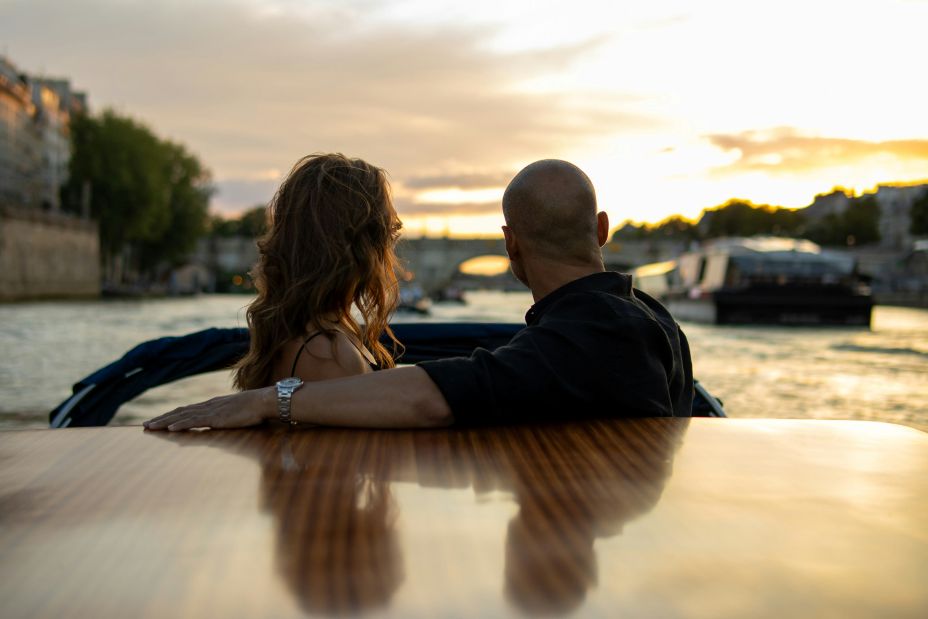
Reconnecting gets harder when every vacation day feels like a relay race. Early departures, timed tickets, transfers, tours, and dinner reservations can consume your attention. By evening, meaningful conversation competes with sore feet and tomorrow’s alarm.
A slower trip changes that rhythm. Longer stays, open afternoons, relaxed meals, and hotel time give couples space to enjoy where they are. You stop treating every unscheduled hour like evidence of poor planning.
That mindset matters when empty nest travel becomes less about managing children and more about enjoying each other. An expensive trip does not require squeezing value from every waking minute. Sometimes protecting free time creates the moments you remember longest.
The challenge is allowing that space without feeling guilty. Most couples spent years maximizing family vacations because time and money felt precious. Empty nest travel can reward a different calculation, especially when energy matters as much as sightseeing.
Doing Less Gives Couples More Time Together
Changing hotels every night or two quietly consumes hours. You pack, check out, transfer, check in, unpack, and make another round of decisions. Repeat that several times, and your vacation starts resembling logistics training.
Staying three or four nights changes the experience dramatically. Familiar streets appear, favorite cafés emerge, and you stop constantly wondering where everything is. More importantly, downtime becomes possible without sacrificing the destination.
An open afternoon might lead you into a neighborhood café you never researched. Another evening could end with sunset drinks on your hotel terrace. Later, you might return to yesterday’s restaurant because the owner remembered your wine.
There is no perfect amount of downtime for every couple. Balance your must-see experiences with open periods that match your energy and travel style. Some couples need one relaxed afternoon every few days, while others prefer space daily.
Budapest shows how well this approach can work. Experiencing Budapest without travel burnout means choosing fewer priorities and giving the city time to unfold. That philosophy travels well beyond Hungary.
Meals Can Become One of the Best Parts of the Trip
Food changes completely when you stop treating meals as interruptions between attractions. Breakfast can become conversation, lunch can stretch comfortably, and a wine tasting can anchor an afternoon. Even a simple café stop creates time to notice each other again.
Paris makes this especially easy. A Montmartre gourmet food and wine walking tour combines neighborhood exploration with tastings and conversation. Instead of racing past storefronts, you experience the neighborhood through flavor, stories, and shared reactions.
The same principle works beautifully in Porto, Tuscany, Budapest, and along the Amalfi Coast. Local meals give you a reason to stop moving. That matters more than another rushed attraction sometimes does.
Compare two evenings. One involves checking the time throughout dinner because another reservation waits across town. The other leaves room for dessert, a walk, or one final drink without watching the clock.
Most couples already know which evening sounds better. The harder part is leaving enough empty space for it to happen.
The Right Trip Can Help Couples Discover What Their Next Chapter Looks Like

Empty nest travel can help couples reconnect by replacing old family patterns with choices that fit who they are now. You no longer need every vacation to satisfy teenagers, school calendars, or competing family interests. That freedom sounds simple, but it can reveal preferences you barely noticed before.
Maybe you now prefer countryside over cities, or guided experiences over figuring everything out yourselves. One partner may crave activity, while the other values unhurried mornings and comfortable hotels. These differences do not weaken the trip. They help define what your shared travel life should become.
Reconnecting does not require enjoying every experience together. Healthy travel can include shared adventures, different interests, and time apart without making either partner feel neglected. The goal is finding a rhythm that respects both people.
That may become one of travel’s unexpected gifts. You start discussing more than where you want to go next. You begin discovering how you want this next stage of life to feel.
Planning the Trip Together Matters
Start by having each person identify several experiences that genuinely matter. One might choose a vineyard lunch, while the other prioritizes architecture or history. Those preferences give the itinerary a better foundation than simply collecting famous attractions.
Different interests do not require compromise every hour. One partner could visit an art museum while the other explores a market. Meeting later for dinner gives both people something new to share.
That approach also prevents one traveler from becoming the permanent cruise director. Couples usually enjoy trips more when both voices shape the experience. Nobody wants ten days built entirely around someone else’s passions.
Planning together also creates anticipation before departure. You discuss what excites you, what feels tiring, and where you want more freedom. Those conversations can reveal nearly as much as the trip itself.
Meaningful Moments Often Matter More Than Famous Sights
Seeing twenty attractions gives you an impressive list. Choosing fewer experiences gives you more time to absorb what actually happened. Years later, the second approach often produces stronger stories.
Imagine watching Budapest illuminate across the Danube after dinner. Romantic Budapest evenings built around the river and city lights can turn an ordinary evening into something deeply memorable. You remember the view, but you also remember who stood beside you.
Santorini offers another version of that feeling. A private sunset catamaran cruise around Santorini creates hours to sail, talk, swim, and watch daylight fade. The experience matters because you participate in it together.
A vineyard lunch can work the same way. So can wandering an unfamiliar neighborhood without checking the time. Neither experience needs a famous monument to become important.
When choosing between another attraction and a meaningful shared experience, ask a different question. Which moment will you still discuss five years from now? That answer may tell you more than any top-ten sightseeing list.
The Best Empty Nest Trips Leave Room for the Two of You
How empty nest travel helps couples reconnect depends less on the destination than on how they experience it together. Leaving home creates opportunity, but the trip still needs room for connection. Fewer distractions, slower days, and shared experiences give that opportunity somewhere to grow.
For more help with how traveling together can create more conversation, shared memories, and connection after the kids leave home, read How Empty Nest Travel Can Strengthen Your Marriage.
Think about what you want this stage of life to include. Maybe you want new cultures, longer dinners, beautiful hotels, adventurous days, or mornings without an alarm. The right trip should reflect both of you, including different interests, energy levels, and comfort zones.
You do not need to fill every day to make an expensive vacation worthwhile. Choose experiences you will enjoy together, then protect enough open time to actually enjoy each other. Years later, those quiet conversations and unexpected afternoons may matter more than another attraction checked off a list.
If you are ready to create that kind of trip, start planning your next getaway together. We can build the experience around how you actually want to travel now. Your next chapter deserves a trip designed for the people you have become.
Still exploring what empty nest travel could look like for you? Join our private Facebook community for empty nesters who love to travel and be part of the conversation. Sometimes another couple’s story sparks an idea you never considered.