
Slower travel after 50 often begins with a simple realization: seeing more does not always mean experiencing more. Earlier vacations may have rewarded speed, packed schedules, and heroic levels of family coordination. Now, depth often feels more valuable than another rushed landmark photograph.
During the parenting years, travel usually followed school calendars, limited vacation days, and everyone else’s competing priorities. Couples learned to squeeze an entire country into one exhausting week. Nobody called it relaxing, but everyone survived.
Empty nest travel offers something different. You can stay longer, leave later, and change plans without negotiating with a committee. That freedom sounds small until you finally experience it.
If this topic is shaping your trip, Why Empty Nesters Don’t Need to See Everything Anymore is a useful next read for why doing less and staying longer can make empty-nest travel more satisfying.
A slower journey favors fewer hotel changes, flexible afternoons, and meaningful conversations with local guides. It allows time for long lunches, quiet neighborhoods, and places you never planned to find. The surprising part is how quickly this gentler pace begins to feel richer.
What Slower Travel Actually Means
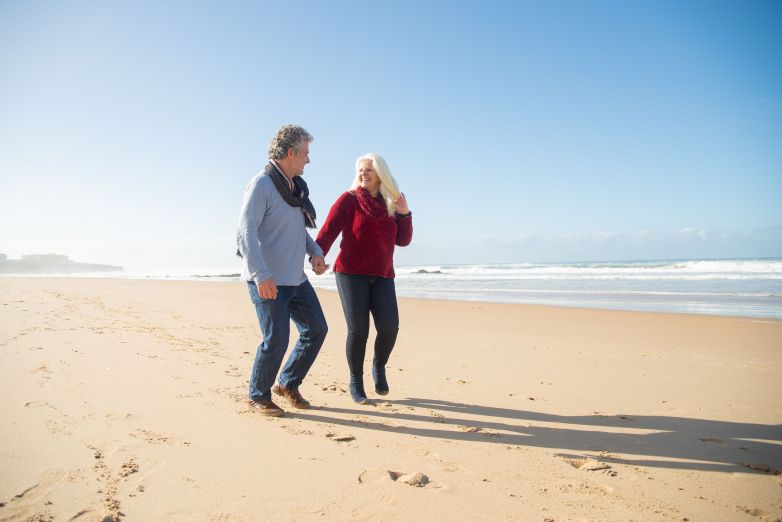
Slow travel means spending more time in fewer places, without treating Europe like an expensive scavenger hunt. You stop measuring success by hotel keys collected and landmarks photographed. Instead, you give each destination enough time to reveal something beyond its famous sights.
That approach can shape almost any journey. A slower itinerary might include a city stay, countryside retreat, river cruise, or scenic rail journey. Luxury still matters, but constant movement no longer defines the experience.
Some couples mistake slower travel for doing very little. In reality, you may experience more because fatigue stops stealing entire afternoons. The difference becomes especially clear once you compare two common itineraries.
Fewer Destinations and More Time in Each Place
Three or four nights let you understand a destination rather than simply locate its major attractions. You can revisit a neighborhood, linger over dinner, and explore beyond the busiest streets. Those small choices create memories that rushed overnight stops rarely deliver.
Consider a seven-city itinerary filled with packing, transfers, and unfamiliar hotel rooms. Now compare it with Lisbon, the Douro Valley, and several thoughtfully chosen day trips. The second option sacrifices destination count, yet often delivers a richer experience.
Lisbon rewards this kind of patience. Its tiled lanes, neighborhood cafés, and Fado traditions deserve more than a hurried glance. Our guide to meaningful Lisbon cultural experiences for two shows what appears when you stop rushing.
Vienna offers another strong pairing with the Wachau Valley. One elegant city base can support museums, concerts, wine villages, and riverside scenery. Suddenly, fewer hotel changes create more genuine variety.
A Flexible Schedule Instead of an Empty Schedule
A slower itinerary still includes museums, markets, historical sites, guided tours, and memorable meals. It simply avoids stacking them until pleasure starts resembling project management. Nobody needs a vacation that requires another vacation.
Free afternoons create room for unexpected discoveries. A rainy morning might shift a walking tour toward a museum or lingering lunch. An unscheduled evening might become the night you remember most.
You also do not need a month abroad. Even a seven-day journey feels slower when you choose two bases instead of five. The official Visit Europe travel portal offers destination ideas that can help shape those focused combinations.
The hidden truth is simple. Slower travel does not reduce what you experience. It removes the distractions that prevent you from fully experiencing it.
Constant Movement Becomes Less Appealing After 50
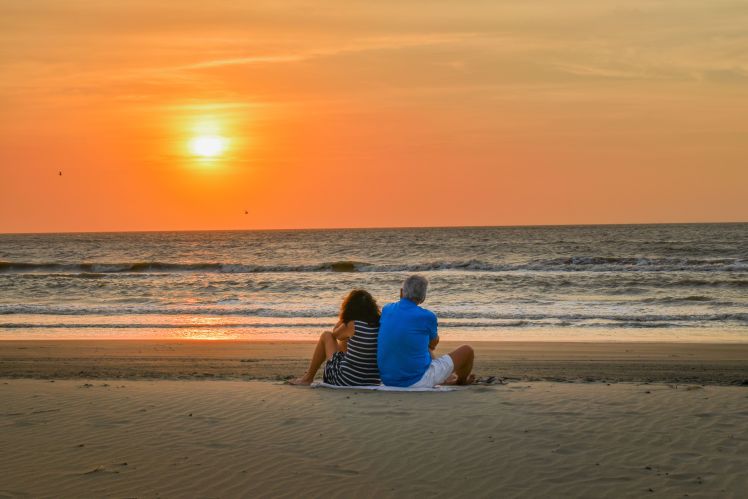
Travel after 50 often reveals how much energy transportation quietly consumes. Early flights, changing hotels, and long transfers can drain enthusiasm before sightseeing begins. You arrive somewhere beautiful, yet your body still feels trapped in yesterday’s journey.
Comfort starts carrying more weight now. Reliable routines, thoughtful pacing, and occasional recovery time protect the experiences you traveled so far to enjoy. The hidden truth is that constant movement rarely creates more vacation.
Instead, it often steals from it.
The Hidden Cost of Changing Hotels
Every hotel change creates another small production. You pack, check out, manage luggage, travel, wait, unpack, and learn another unfamiliar neighborhood. Even efficient couples lose valuable hours repeating this routine.
Consider two nights across four hotels versus eight nights across two carefully chosen properties. The first itinerary offers more addresses, but the second gives you more usable time. That difference matters when every transfer interrupts the rhythm you finally established.
A short journey between European cities can still consume most of a day. Checkout may happen at eleven, while the next room opens after three. Add transportation, luggage, and lunch, and the afternoon quietly disappears.
Most couples do not count those lost hours when planning. They only count destinations. That arithmetic changes once comfort becomes part of the experience.
Why Recovery Time Belongs in the Itinerary
International travel asks more from your body than brochures suggest. Jet lag, summer heat, cobblestones, hills, and long museum days gradually collect their payment. Pride may ignore the warning signs, but knees rarely share that optimism.
A lighter day does not waste vacation time. It protects tomorrow’s walking tour, dinner reservation, and cathedral visit from preventable exhaustion. Slower travel after 50 works because recovery becomes part of the design.
That might mean a scenic cruise, spa appointment, café morning, or leisurely lunch beneath striped awnings. In Lisbon, a small-group food and culture walk through Mouraria can replace another demanding day of independent navigation. You still explore, but someone else handles the route.
Cruising can reduce those repeated transitions even further. Our comparison of Danube river cruises and ocean cruises reveals how each style affects daily comfort. The answer may challenge what you previously considered an easy vacation.
Slower Travel Creates Deeper Cultural Experiences

Slower travel after 50 gives you time to experience a destination beyond its famous landmarks. Longer stays reveal residential streets, family traditions, regional flavors, and the quiet routines locals rarely explain. Those details often become the memories you discuss years later.
Repeated encounters deepen that connection. A guide remembers your interests, a café owner recognizes your order, and hotel staff share places tourists overlook. Gradually, the destination stops feeling like scenery and starts feeling human.
Most couples do the opposite. They photograph each landmark, check another box, and hurry toward the next reservation. Yet understanding what happened there often matters more than securing another nearly identical photograph.
Local Food Becomes Part of the Journey
A slower schedule gives food enough time to become cultural discovery. You can browse markets, attend cooking classes, visit wineries, and linger through meals without watching the clock. Every table begins telling a larger story.
Convenient restaurants beside major attractions solve hunger, but they rarely reveal much about local life. Neighborhood dining introduces seasonal ingredients, regional customs, and conversations that polished tourist districts often filter out. Sometimes, the best meal requires walking three extra blocks.
Lisbon’s markets offer bright produce, salted fish, warm pastries, and vendors who know exactly what belongs together. Outside Vienna, family wineries connect local grapes with generations of farming. Venice offers cicchetti, small bites traditionally enjoyed with wine and conversation.
A small-group Venice food tour with a local explores that tradition through neighborhood stops. You taste more than snacks. You begin understanding how Venetians actually eat.
Familiarity Changes How a Destination Feels
Returning to the same café creates a small ritual. Walking familiar streets removes the constant need for maps and decisions. Soon, you notice the flower seller arranging buckets before breakfast.
These ordinary details remain invisible during hurried visits. You hear church bells marking the afternoon and recognize which square fills with families after school. Familiarity sharpens discovery rather than weakening it.
Prague rewards travelers who stay curious beyond its busiest sights. Lesser-known neighborhoods, historic cafés, local food, and quiet gardens reveal different layers over several days. Our guide to Prague cultural experiences you’ll fall in love with explores those quieter discoveries.
The hidden truth feels almost contradictory. The more familiar a place becomes, the more clearly you see its differences. That deeper recognition changes what travel means.
Traveling Slowly Gives Couples More Time Together
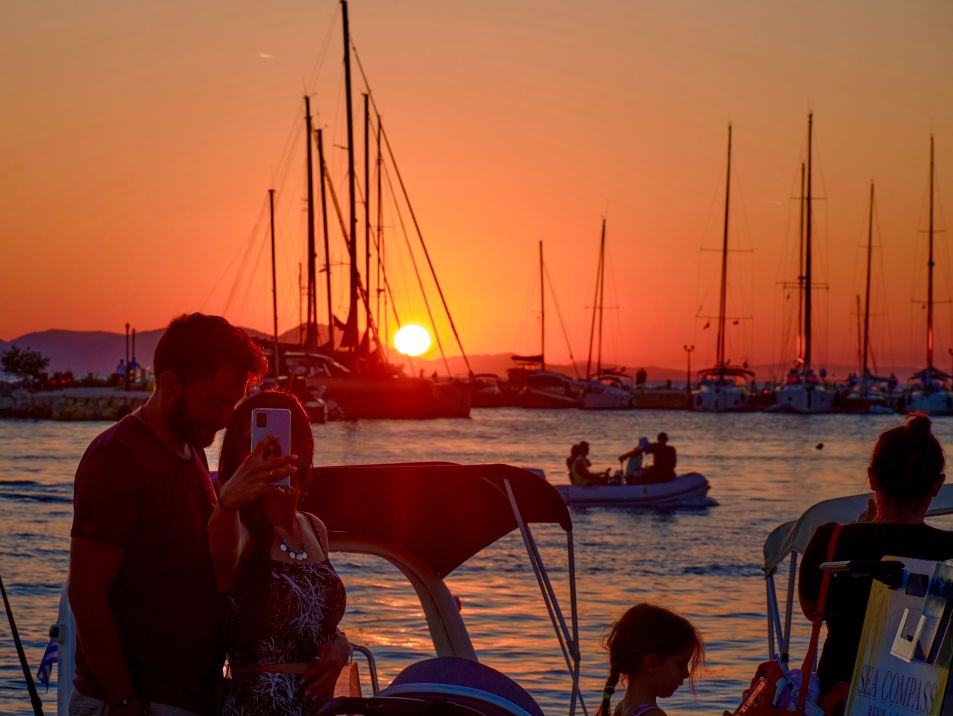
Slower travel after 50 removes many distractions that quietly dominate traditional vacations. Fewer transfers mean fewer decisions about tickets, luggage, directions, and check-in times. That leaves more attention for each other.
After years of planning around children, couples often need to rediscover their natural travel rhythm. One partner may crave museums, while the other prefers cafés and wandering. Neither choice needs to control the entire day.
A tightly scheduled itinerary turns couples into logistics managers. Longer stays let you make thoughtful choices based on energy, weather, and genuine interest. That freedom can reveal more about your relationship than another packed sightseeing list.
Shared Moments Replace Travel Logistics
Frequent transfers create practical conversations, but rarely memorable ones. You discuss departure times, platform numbers, suitcase weight, and who misplaced the hotel key. Romance struggles when every morning begins with luggage inspection.
Fewer moves create space for experiences that appear almost insignificant. You might linger over breakfast, watch vineyards pass, or return to yesterday’s favorite restaurant. Those unplanned moments often outlast memories of crowded landmarks.
Picture yourselves sailing into Budapest while evening lights shimmer across the Danube. No directions need checking, and nobody watches the clock. The river handles the movement while you remain present.
Our guide to why empty nesters fall in love with Danube river cruises explores that quiet shift. The appeal reaches beyond convenient transportation. It changes how couples experience their time together.
Different Energy Levels Become Easier to Manage
Even compatible couples rarely share identical energy every day. One partner may welcome another walking tour, while the other needs a quiet afternoon. A flexible itinerary makes both choices reasonable.
You can explore a museum separately, browse local shops, or relax onboard without creating disappointment. Later, you reunite for dinner with different stories to share. Independence can strengthen togetherness when neither person feels dragged along.
Some days invite more activity. A Budapest food and wine tasting tour with pálinka offers guided discovery without demanding constant navigation. Other days may call for panoramic sightseeing or an afternoon beside the river.
What most couples do wrong is expect matching energy from breakfast through bedtime. Slower travel removes that pressure. The surprising result often feels more connected, not less.
How to Plan a Slower Trip Without Missing the Highlights

Slower travel after 50 does not require surrendering the places you have waited years to see. It requires choosing locations that make those experiences easier. The right base can unlock several destinations without another suitcase appearing on the bed.
Centrally located accommodations also reduce wasted effort. Realistic schedules leave space for meals, rest, and unexpected discoveries. Efficient transportation should support the journey, rather than becoming the journey.
Thoughtful planning creates fuller days with less pressure. You can still visit celebrated landmarks, museums, and landscapes. The difference lies in how much energy remains when you reach them.
Choose Better Bases Instead of More Stops
One connected city can provide access to remarkable towns, vineyards, coastlines, and historic sites. Vienna opens the Wachau Valley without requiring another hotel. Lisbon places Sintra and Cascais within reach while keeping evenings comfortably familiar.
Florence works similarly for Tuscany. You can visit hill towns, wineries, and countryside estates, then return to one welcoming room. That sounds simple, but simplicity often requires better planning.
Day trips also preserve your mornings and evenings. Changing hotels introduces packing, checkouts, transfers, and another unfamiliar neighborhood. A guided excursion usually returns you before dinner, with your clothes still hanging peacefully upstairs.
This principle also shapes river cruise choices. Our Danube versus Rhine cruise comparison shows how one unpacking can support several distinctive destinations. The rivers differ, but both remove a surprising amount of travel friction.
Build Each Day Around One Main Experience
Choose one primary experience before filling the remaining hours. That anchor might involve a museum, palace, historical site, or guided excursion. Everything else should support it, rather than compete for attention.
Grouping nearby activities prevents backtracking and protects your energy. Visit a morning landmark, then choose lunch within walking distance. Leave the afternoon open before considering an evening concert or neighborhood dinner.
Imagine touring Vienna’s Schönbrunn Palace before a relaxed lunch nearby. You return to your hotel for several quiet hours. Later, you decide whether live music sounds delightful or mildly exhausting.
That final choice matters.
Research also connects tourism with physical, psychological, and social benefits for older adults. The National Library of Medicine study examines those broader health connections. A better itinerary helps preserve those benefits instead of burying them beneath exhaustion.
The Best Trips Leave More Than Photographs
Slower travel after 50 changes how you measure a successful vacation. Instead of counting cities, you remember conversations, flavors, quiet mornings, and places that felt unexpectedly personal. Comfort and flexibility stop feeling indulgent because they protect the experiences that matter most.
Think about your favorite past trip. You probably remember one unplanned dinner more clearly than another crowded landmark. That contrast reveals what a rushed itinerary often hides.
A better journey leaves room for curiosity. It creates cultural depth without constant packing, and shared time without endless logistical decisions. Most importantly, it lets a destination become part of your story.
Which place deserves that kind of attention next? Perhaps it is somewhere you rushed before or postponed for years. This time, give it more than a quick stop.
Ready to create a journey built around your pace and interests? Start planning your trip with Empty Nester Getaways, and let us handle the complicated details. For travel ideas and conversations with like-minded couples, join our private Facebook group.