Europe travel itinerary planning often goes wrong at the first step. Many couples start with a map, not the feeling they want each day to bring. That choice looks smart at first. Yet it often builds a trip that feels rushed from day one.
A nine-day trip with five stops can look exciting on paper. Still, every move cuts into the part you paid to enjoy. Check-out, transfer time, and hotel check-in eat hours fast. So the trip starts to feel like movement dressed up as value.
The Experience Allocation Rule gives you a better lens here. Your budget should fund your days, not the system around your days. That is the real planning shift in Europe travel itinerary planning. You are not choosing where to go first. You are choosing how the trip will feel.
Europe travel itinerary planning looks different when ease comes first

A couple can spend the same amount two very different ways. One version packs in Florence, Siena, Lucerne, and two Loire stops in one sweep. The other version picks one base and protects the flow of each day. The second trip usually feels better, even with fewer stops.
That tradeoff matters more than many people expect. More variety can sound richer at first. Yet more variety often cuts into ease, depth, and recovery time. So a trip that looks impressive can still feel thin.
My recommendation is simple at this stage. Pick your pace before you pick your route. Then test every stop against that pace. If a stop adds stress, cut it.
Itinerary planning breaks down when you plan by map
Europe travel itinerary planning often looks clean on a map. Cities line up. Distances seem short. The route feels efficient. Yet that map hides the real cost of each move.
A train from Florence to Lucerne can take most of a day. A drive in the Loire Valley can look simple, yet still break the rhythm of your trip. Each transfer brings packing, check-out, waiting, and check-in again. Those steps repeat, and they drain time and energy.
This is the planning mistake I see most. Couples design routes that look logical, yet feel exhausting. The map becomes the guide, instead of the experience. That choice leads to a trip filled with motion instead of meaning.
Europe travel itinerary planning should follow a radius, not a route
A better structure starts with one base and a clear radius. In Tuscany, that might mean six nights in one villa near Siena, like I break down in my guide to Luxury Tuscany Travel: Slow Days, Better Nights. Day trips to Florence, San Gimignano, and local wineries stay within an hour. Your days stay full, yet your pace stays calm.
In the Loire Valley, one château stay can anchor the entire trip, which I outline in The Most Meaningful Loire Valley Experiences for Couples. You can visit multiple castles without changing hotels. You return each evening to the same room, the same setting, and the same rhythm. That consistency changes how the trip feels.
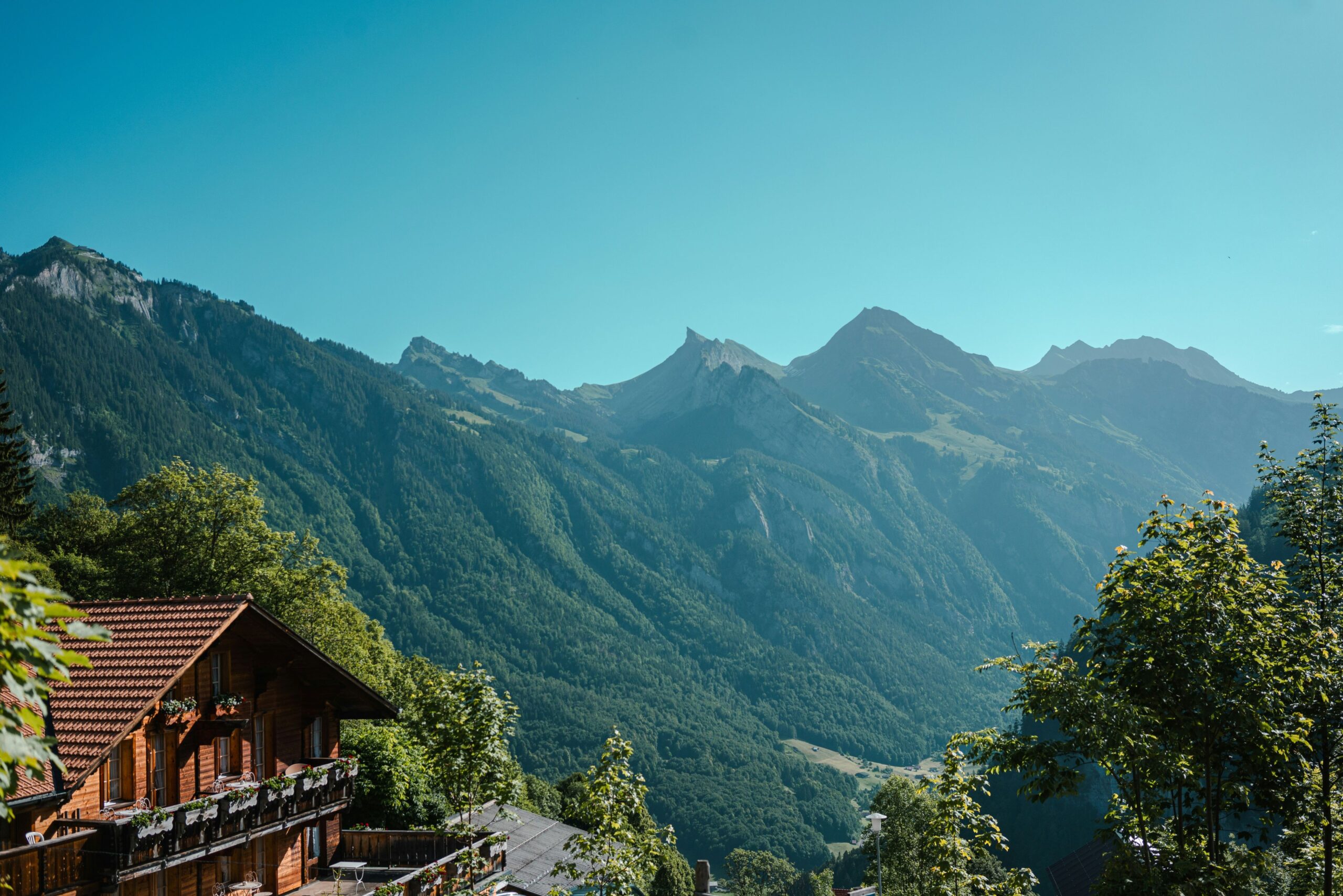
The Swiss Alps offer the same pattern, especially when you use one base as described in my Swiss Alps Luxury Lodges guide. A base in Lucerne gives you access to mountain towns by train. You can see different places each day, yet avoid the cost of moving. This is how Europe travel itinerary planning shifts from movement to experience.
Here is the tradeoff you need to see clearly. Planning by map gives you coverage. Planning by radius gives you depth. You cannot fully optimize for both. If your goal is a trip that feels relaxed, depth wins every time.
Europe travel itinerary planning fails when you default to cruises
Europe travel itinerary planning often defaults to cruises for one reason. They feel simple to book and easy to follow. You unpack once, the route is set, and the logistics seem handled. That sense of ease pulls many couples in.
Yet that ease comes from a fixed system. Your schedule is not yours. Port times are short, crowds are shared, and your days follow a set pattern. You can see many places, yet you rarely settle into any of them.
This is where the Experience Allocation Rule becomes clear. When you choose a cruise, part of your budget goes into the system itself. The ship, the operations, and the structure all take a share. That leaves less of your time and money focused on the actual experience in each place.
Europe travel itinerary planning shifts when you compare cruise vs land clearly
A ten-day cruise might include five or six ports. You wake up, follow a set schedule, and return to the ship each evening. You see highlights, yet you do not shape your own pace. The structure limits how deeply you engage with each stop.
Now compare that to a land-based trip in the Loire Valley. One château stay anchors the trip. A private driver or short drives connect you to nearby sites. You control when you leave, how long you stay, and what you skip. Your days feel open, not managed.
The same shift applies in Tuscany. Instead of moving from city to city, you stay in one villa. You plan a wine tasting, a market visit, and a relaxed dinner without rushing. You return to the same place each night, which builds a sense of calm.
Here is the tradeoff you need to face. Cruises offer convenience and coverage. Land-based trips offer control and depth. You cannot fully maximize both. If your goal is to feel relaxed and present, control matters more.
My recommendation is to decide what matters most before you choose the format. If you value ease during the trip, not just ease of booking, then a well-designed land itinerary usually delivers a better result.

Europe travel itinerary planning improves when you stay longer in one place
Europe travel itinerary planning often feels better the moment you remove unnecessary moves. A longer stay in one place changes the rhythm of your days. You wake up without a packing plan, and your time stays focused on the experience.
In Tuscany, a six-night stay in one villa can reshape the entire trip. You can plan a winery visit one day, a market visit the next, and leave space for a quiet afternoon. Each day builds on the last, instead of starting over.
This is where many couples see the biggest difference. The trip starts to feel settled, not transitional. You are not managing logistics each day. You are simply moving through a well-designed experience.
Travel benefits from fewer transitions
Every transition comes with a cost. Packing takes time. Transfers add stress. Check-in resets your day. These small steps stack up quickly, and they take away from the part of the trip you value most.
Now compare two versions of the same trip. One version includes four hotel changes in nine days. The other includes one base with short day trips. The second version usually feels calmer, even if both cover similar ground.
The Swiss Alps show this clearly. A base in Lucerne allows you to explore different regions by train. You can visit mountain villages, lakes, and viewpoints without changing hotels. You return to the same room each night, which keeps your energy steady.
Here is the tradeoff you need to accept. More movement can increase variety, yet it reduces ease. Fewer transitions reduce variety, yet they improve how the trip feels. If your goal is a relaxed experience, fewer transitions win.
My recommendation is to limit your trip to one or two bases at most. Then design your days within a clear radius. This approach protects your time and gives your trip a natural flow.
Europe travel itinerary planning gets clearer when you see the tradeoff
Europe travel itinerary planning improves once you name the tradeoff directly. You are choosing between variety and ease. That choice sits under every route, hotel, and transfer you consider.
Many couples try to balance both sides at once. They want to see many places and still feel relaxed. That plan sounds reasonable, yet it often leads to a trip that feels rushed and fragmented.
The Experience Allocation Rule brings clarity here. Your time and energy are limited. Each added stop takes a share of both. When you spread those resources thin, the experience weakens.
Travel planning works when you choose depth on purpose

A focused plan gives you stronger days. In the Loire Valley, staying in one château lets you visit multiple sites without changing hotels. You can spend more time in each place and less time in transit.
In Tuscany, a single villa stay creates a steady rhythm. You plan a few meaningful activities and leave space for slower moments. That balance allows you to enjoy each day instead of managing it.
The Swiss Alps follow the same pattern. A base in Lucerne connects you to several regions by train. You can see different landscapes without resetting your trip each night.
Here is the key insight. Variety gives you more places, yet it often reduces how much you enjoy each one. Depth gives you fewer places, yet it increases the quality of each day. You cannot fully optimize for both.
My recommendation is to decide your priority early. If you want your trip to feel calm and rewarding, choose depth. Then build your itinerary around that decision.
Europe travel itinerary planning comes together when you apply the Experience Allocation Rule
Europe travel itinerary planning starts to make sense once you apply one clear lens. The Experience Allocation Rule helps you decide where your time and money should go. It shifts your focus from covering ground to improving each day.
Most couples plan trips based on what they can fit in. That approach spreads time across many places. It often leads to short stays, frequent moves, and limited depth. The result looks full, yet feels rushed.
The Experience Allocation Rule asks a different question. How can you use the same budget to improve the quality of each day? That shift changes every planning decision you make.
Europe travel itinerary planning improves when you allocate for experience, not movement
Take a nine-day trip as an example. One version includes four or five cities. Another version includes one base with focused day trips. Both may cost the same, yet the second version often feels far better.
In Tuscany, that means choosing a villa stay over multiple hotel changes. You use your budget for a better property and curated experiences. Your days feel relaxed, and your evenings feel settled.
In the Loire Valley, it means anchoring your trip in one château. You can explore nearby sites without packing and moving. Your time stays focused on what you came to experience.
In the Swiss Alps, it means choosing a base like Lucerne. You can reach mountain regions by train without changing hotels. You see a range of places while keeping your structure simple.
Here is the tradeoff to keep in mind. Allocating for movement increases coverage. Allocating for experience increases quality. If your goal is a trip that feels rewarding, the second option delivers more value.
My recommendation is to review your itinerary through this lens. Look at each move and ask if it improves your day. If it does not, remove it or replace it with a better experience.
Europe travel itinerary planning works best when you design your next step with intention
Europe travel itinerary planning only delivers results when you apply these ideas to your own trip. At this point, you have a clear lens. You know the tradeoff between variety and ease. You understand how structure shapes the experience.
Now the focus shifts to action. You need to translate that understanding into a plan that protects your time and energy. That step is where most couples either improve their trip or repeat the same pattern.
Start by reviewing your current plan. Look at how many stops you have and how often you move. Each move should earn its place. If it adds stress without improving the day, it does not belong.
Europe travel improves when you simplify and refine

A simple structure often leads to a better outcome. One or two bases can support a full and rewarding trip. You can still see multiple places, yet your days feel connected instead of fragmented.
In Tuscany, that might mean choosing one villa and limiting day trips to nearby towns. With the Loire Valley, it could mean selecting one château and building your days around it. In the Swiss Alps, it often means staying in one town with strong train access.
This approach does not reduce what you experience. It improves how you experience it. You spend less time managing the trip and more time enjoying it.
Here is the final tradeoff to accept. Simplicity reduces variety, yet it increases clarity and ease. Complexity increases variety, yet it often reduces enjoyment. If your goal is a trip that feels right, simplicity usually wins.
My recommendation is to finalize your plan with this structure in mind. Choose your base, define your radius, and remove any unnecessary moves. That step will protect the quality of your trip.
If you want help applying this to your own travel plans, join my Facebook group: https://www.facebook.com/groups/emptynestergetaways . I walk through these decisions and help you refine your approach