
The habits empty nesters need to unlearn before traveling often begin with one quiet assumption: the trip still belongs to everyone.
For years, travel meant school calendars, sports schedules, snack logistics, and someone asking where the charger went. You planned around bedtimes, budgets, moods, and the nearest acceptable chicken fingers. Even the good trips carried a small committee meeting inside them.
Then the house changes.
Suddenly, nobody needs a spring break window. Nobody has a tournament on Saturday morning. Nobody cares whether the hotel pool has a slide, which feels oddly freeing and slightly suspicious.
Yet many couples keep traveling like the kids are still in the next room. They overpack, overplan, and rush through places that deserve slower attention. The trip looks adult on paper, but the rhythm still feels borrowed from family travel.
That hidden truth matters. Empty nester travel can feel richer, calmer, and more personal, but only when old habits stop driving. You do not need to prove the vacation was worth it by exhausting yourself.
Most couples do not need a bigger itinerary. They need a better relationship with time, comfort, and choice. Before planning the next getaway, these ten habits deserve a closer look.
Stop Planning Every Trip Around Everyone Else

Habit 1: Letting the Kids’ Preferences Still Lead the Trip
Many empty nesters still choose destinations through a lens they no longer need. Years of family travel create habits that feel normal, even after the family dynamic changes. The surprising part is how often those habits quietly shape every decision.
Maybe you automatically look for the busiest attractions first. Perhaps you still prioritize convenience over atmosphere without realizing it. Old instincts tend to linger long after the minivan leaves the driveway.
Family-centered travel often rewards efficiency. Couple-centered travel rewards enjoyment. Those sound similar, but they create very different vacations.
You may also want to read Travel After 50: It’s Finally About You for a closer look at how travel changes after 50 when your own interests, pace, and priorities can lead the planning.
Consider the difference between rushing between attractions and lingering over lunch in a vineyard. Compare a crowded resort schedule with a river cruise drifting past castles and vineyards. Picture wandering through Prague or Lisbon without anyone asking where the nearest pizza place is.
That shift feels small at first. Yet it changes everything that follows.
Many couples discover they enjoy travel differently than they expected. Some realize they prefer cultural cities over amusement parks. Others find they value slower mornings more than packed itineraries.
The hidden truth is that your next trip should reflect who you are now. Not who your family needed you to be fifteen years ago.
Habit 2: Feeling Guilty About Spending More on Comfort
Years of family budgeting teach valuable lessons. They also create travel habits that deserve a second look. What made sense for five people may no longer serve two.
Many couples still book inconvenient flights to save a few dollars. Others choose hotels far from city centers because that once stretched the vacation budget. Those decisions often create more stress than savings.
Comfort is not the same as excess.
A private transfer can eliminate hours of frustration. A balcony cabin creates space to watch a river town wake up quietly. Better flight schedules protect energy for experiences that actually matter.
This is where many travelers get stuck. They view comfort as a luxury instead of a tool. Because one overlooked question remains. What if the best travel investment is not more sightseeing, but a better experience from the moment you leave home?
Stop Packing and Moving Like You Still Have Kids With You

Habit 3: Packing for Every Possible Problem
Many empty nesters still pack as if they are responsible for an entire traveling team. Years of family vacations trained you to prepare for every scenario. Those instincts once served a purpose.
Today, they often create unnecessary stress.
One suitcase becomes two. Then a backup bag appears. Before long, you are dragging enough luggage to survive a small expedition.
The hidden truth is that most couples use only a fraction of what they bring. Heavy bags slow airport connections, complicate transfers, and clutter hotel rooms. Every extra item quietly demands attention during the trip.
Instead, focus on flexibility. Pack clothing that works across multiple settings and weather conditions. Keep medications, travel documents, valuables, and one change of clothes in your carry-on.
Suddenly, travel feels lighter.
That feeling matters more than many people realize. Because physical baggage often creates mental baggage, and the next habit amplifies that problem.
Before your trip, review the TSA liquids guidelines at https://www.tsa.gov/travel/security-screening/liquids-aerosols-gels-rule. A few minutes of preparation can prevent surprisingly frustrating airport delays.
Habit 4: Changing Hotels Too Often
Family travel often rewards efficiency. Empty nester travel rewards immersion. Those priorities rarely produce the same itinerary.
Many couples still schedule vacations like a race against time. Three cities in six days sounds impressive during planning. It feels very different while unpacking for the third time.
Every hotel change costs more than most travelers calculate. You lose a morning packing, checking out, transferring, checking in, and getting oriented again. Hours disappear without creating a single meaningful memory.
Imagine spending four nights in Lisbon instead. Picture learning the rhythm of a neighborhood café and recognizing familiar faces. Experiences become deeper when you stop treating destinations like collectibles.
That idea sits at the heart of slow, meaningful travel.
Because the next mistake many empty nesters make has nothing to do with luggage. It has everything to do with time itself.
Stop Trying to See Everything

Habit 5: Building a Checklist Instead of an Experience
One of the most common empty nester travel tips sounds surprisingly simple. Stop measuring a trip by how many attractions you visited. Start measuring it by what you actually remember.
Many couples fall into checklist travel without realizing it. They race between landmarks, snap photos, and move immediately to the next stop. By day four, the memories begin blending together.
The hidden truth is that too much sightseeing often creates less connection.
Think about your favorite past trip. Chances are, it was not built around checking boxes. More likely, you remember a conversation over lunch, an unexpected discovery, or a view that stopped you cold.
Meaningful travel rarely announces itself in advance.
A private museum tour can reveal more than five rushed attractions. One market visit often teaches more than an entire day of sightseeing. A long lunch overlooking a vineyard can become the memory that stays with you for years.
That shift becomes even more powerful when you look at how you schedule your days.
Habit 6: Scheduling Every Hour
Many travelers still approach vacation like a project plan. Every hour receives an assignment. Every moment needs a purpose.
Unfortunately, travel does not always cooperate.
A charming café appears. A local recommendation changes your plans. A scenic square invites you to sit longer than expected. Over-scheduled itineraries leave no room for those moments.
What most couples do wrong is assume empty space equals wasted time. In reality, empty space often creates the best stories.
Imagine starting with one anchor experience. Perhaps it is a morning food tour like the Barcelona Tapas Walking Tour. Afterward, leave the afternoon open. Wander. Pause. Follow curiosity instead of a timetable.
If cultural travel appeals to you, explore Prague Cultural Experiences You’ll Fall in Love With because the next habit has less to do with where you go. It has everything to do with who handles the details.
Stop Handling Every Detail Yourself

Habit 7: Assuming DIY Always Saves You
For many couples, planning everything yourself feels responsible. It feels efficient. It even feels a little satisfying.
Until something goes sideways.
Flights, hotels, transfers, tours, and restaurant reservations rarely operate as separate decisions. Each piece affects the next. When one part changes, the ripple often reaches farther than expected.
A delayed flight can trigger a missed transfer. A poorly timed excursion can eliminate a relaxing afternoon. One hotel location mistake can add hours of unnecessary transportation.
What most couples do wrong is calculate only the financial cost.
They rarely calculate the energy cost.
That distinction becomes more important as trips become longer, more complex, and more experience-focused. Empty nester travel often includes multiple moving parts. The more pieces involved, the more valuable thoughtful coordination becomes.
Saving money matters. Saving vacation time often matters more.
The hidden truth is that convenience rarely feels important during planning. It feels incredibly important when something goes wrong.
Habit 8: Avoiding Guides Because You “Can Figure It Out”
Many experienced travelers pride themselves on independence. They enjoy researching destinations and finding places on their own. That confidence often serves them well.
Yet great guides provide something Google never can.
Context changes everything.
A beautiful building becomes more interesting when you understand its story. A local food market feels different when someone explains the traditions behind it. Historic neighborhoods reveal details most visitors walk past without noticing.
Compare wandering through the Louvre alone with a guided experience that highlights the collection’s most important works. The difference is not just information. The difference is focus.
Because the next habit has nothing to do with logistics. It starts with a surprising belief about rest that many travelers never question.
Stop Traveling Like Rest Is Wasted Time
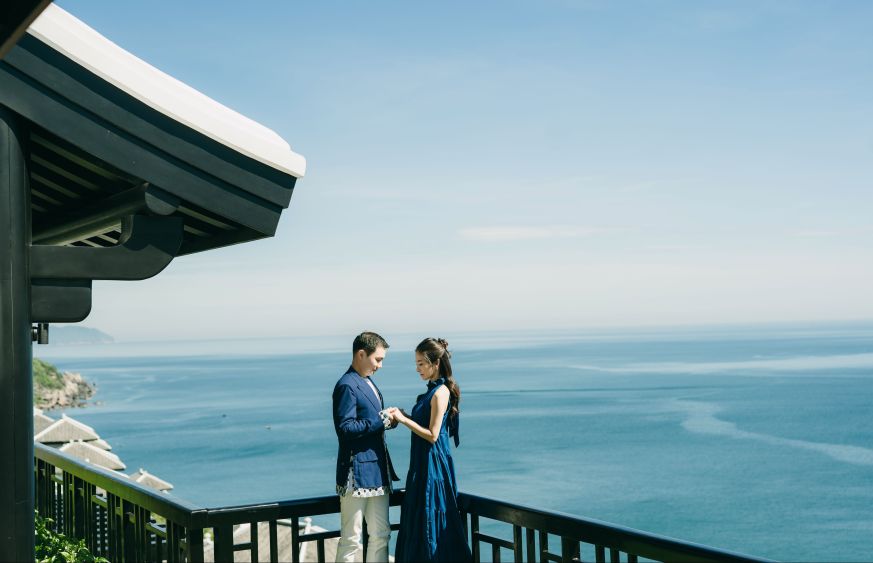
Habit 9: Treating Downtime Like Failure
Many travelers still believe every vacation hour needs a purpose. That mindset made sense when family schedules felt compressed. Empty nest travel offers a different opportunity.
Yet old habits linger.
Some couples feel guilty sleeping late. Others rush through breakfast because they fear missing something important. Ironically, that urgency often causes them to miss the experience itself.
The hidden truth is that rest creates space for better memories.
A slow breakfast overlooking a river can feel more meaningful than another crowded attraction. An afternoon at a spa can restore energy for a wonderful evening. A quiet walk before dinner often reveals details that busy travelers never notice.
Afterward, resist the urge to schedule something else. Let the afternoon unfold naturally. Those unscripted hours often become the stories couples tell later.
That realization leads directly into another uncomfortable question.
Habit 10: Ignoring Your Current Energy Level
Travel style should evolve as life evolves. Unfortunately, many people still plan vacations for the energy they had twenty years ago. That comparison rarely ends well.
Energy is more than physical stamina.
Mental bandwidth matters. Patience matters. The ability to navigate unfamiliar places for twelve straight hours matters. Smart travelers recognize those realities and plan accordingly.
One couple may thrive on an active itinerary packed with walking tours. Another may prefer a river cruise where logistics disappear into the background. Neither approach is better.
The goal is alignment.
What most couples do wrong is choosing trips based on who they were. Successful travelers choose trips based on who they are today. That distinction quietly transforms the entire experience. If restoration sounds appealing, explore Wellness Retreat Costa Rica: Hidden Luxury You Deserve.
Because the best vacations rarely leave you needing another vacation afterward.
The Real Freedom Begins When You Leave These Habits Behind
Many empty nesters assume better travel comes from finding the right destination. The hidden truth is often much simpler. Better trips usually begin by letting go of habits that no longer serve you.
For years, family travel required flexibility, sacrifice, and constant planning. Those skills helped create wonderful memories. Yet this season of life allows something different.
You can choose slower mornings. You can stay longer in places you love. You can prioritize comfort without apology and curiosity without a schedule. That shift matters.
The most memorable trips rarely come from seeing more places. They come from experiencing places more deeply. Fewer obligations, smarter pacing, and more intentional choices often create richer travel experiences.
Perhaps the biggest change is this.You no longer have to travel for everyone else. You can travel for yourselves. The next chapter of travel may look very different from the last one. In many cases, it feels better than couples ever expected. That possibility is worth exploring.
Ready to start planning a trip that actually fits this stage of life? Click Start Planning to schedule your complimentary planning conversation. Want more travel ideas, destination inspiration, and conversations with like-minded travelers? Join our private Facebook community: https://www.facebook.com/groups/emptynestergetaways/