
Travel after 50 can feel almost suspiciously selfish at first. For decades, family vacations meant compromise, coordination, and making sure everyone else enjoyed themselves. School calendars, meal preferences, budgets, room arrangements, and constant logistics shaped nearly every decision.
Then one day, the equation changes. You no longer need a family vote before choosing a museum, boutique hotel, late dinner, or quiet morning. That freedom can feel strange before it feels wonderful.
Suddenly, your interests matter differently. Comfort stops feeling indulgent, and slower travel can feel smarter than squeezing everything into one exhausting itinerary. Travel after the kids leave home often reveals how much planning once revolved around everyone else.
The real surprise comes when you stop asking what everyone would enjoy. Instead, you start asking what the two of you actually want now. That question can reshape everything from the destination to the pace.
If nobody else needed accommodating, what would your trip feel like? Would you linger over breakfast, choose history over theme parks, or book the hotel you always skipped? The answer may tell you more about your next trip than any destination list ever could.
For more help with how couple-focused travel changes when you are no longer organizing every day around the kids, read Travel Is Different When You’re Dating Your Spouse Again.
You Can Finally Stop Planning Around Everyone Else

Travel after 50 changes the rules because the family committee has officially adjourned. For years, school calendars, sports seasons, college breaks, and everyone’s preferences shaped where you went. Even choosing dinner could feel like negotiating a small international treaty.
Now, two adults can make decisions around their own interests. You can choose the hotel for atmosphere, the restaurant for curiosity, and the destination because it fascinates you. That freedom can feel surprisingly unfamiliar at first.
The biggest shift is not luxury or convenience. It is permission. You no longer need everyone else to approve the trip before you enjoy it.
The Family Vote Is No Longer Required
Parents often became experts at finding destinations with something for everyone. Beaches needed activities, cities needed familiar food, and museums needed nearby entertainment. Somebody always needed convincing.
Travel for two changes that equation quickly. Lisbon can win because you love food and history. Tuscany can make sense because wine, scenery, and long lunches sound perfect.
Santorini offers another example. A customizable private Santorini tour can focus on the island you actually want to see. Nobody needs a water park added to keep the peace.
The choice becomes more personal. You can select cultural cities, wine regions, historic sites, small ships, or quieter resorts without campaigning for votes. That may be the first real luxury of empty nest travel.
Your Calendar Belongs to You Again
For years, school breaks often dictated your departure dates. Summer became the default, even when heat, crowds, and higher demand made other months more appealing. You worked around everyone else’s calendar.
Now May becomes possible. September and October can work too, depending on the destination and weather you prefer. Midweek departures may suddenly fit without disrupting anyone’s semester or sports schedule.
You can also stay longer. A seven-night cruise might become twelve days with thoughtful stays before and afterward. Returning Sunday night because school starts Monday no longer controls the plan.
That flexibility changes how a trip feels. How travel changes when you’re no longer the family tour guide explores what happens when those old responsibilities disappear. Once the calendar becomes yours again, the destination is only part of the freedom.
Your Travel Style May Be Different Now
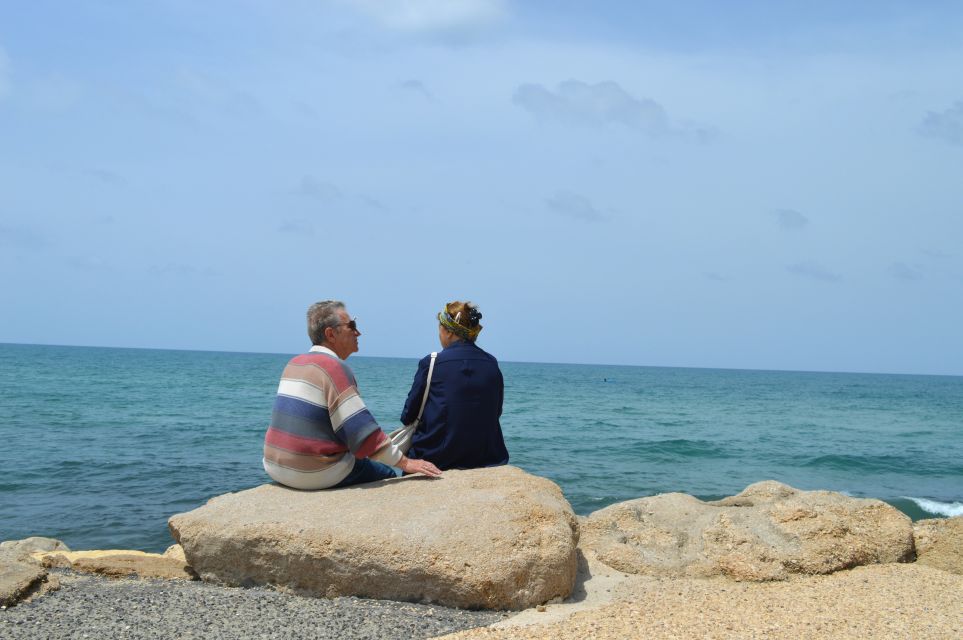
The way you traveled at 35 does not need to follow you into your fifties. Back then, early flights and packed days may have felt efficient. Four hotels in ten days might even have sounded exciting.
After decades of work, parenting, and limited vacation time, your priorities can change. Comfort matters more because your time matters more. So does having enough energy to enjoy what you traveled thousands of miles to experience.
Travel after 50 gives you permission to question old habits. Do you still want breakfast at sunrise before eight hours of sightseeing? Does changing hotels every second night actually improve anything?
The answers may surprise you. Your ideal trip today might include fewer transitions, later mornings, and much better dinners. That is not slowing down because you cannot keep up.
It is choosing differently because you finally know what deserves your time.
You May Want More Comfort Without Wanting Less Adventure
Comfort and adventure do not cancel each other out. A better flight can leave you fresher for your first day in Europe. A central hotel can replace transportation headaches with an evening walk.
Private transfers can remove stressful connections without removing discovery. Balcony cabins can provide private downtime between ports. Slower mornings can preserve energy for active afternoons exploring somewhere remarkable.
The key is spending on comfort that improves the experience itself. Sitting in traffic because your cheaper hotel lies outside town rarely creates a treasured memory. Neither does dragging luggage across another railway platform unnecessarily.
Before international travel, the CDC Travelers’ Health destination guidance can also help you prepare for destination-specific health considerations. Good preparation protects your freedom once you arrive. Then adventure can remain the interesting part.
Doing Less Can Make the Trip Feel Bigger
More sightseeing does not always produce more memories. Sometimes it creates one large blur of churches, museums, reservations, and alarm clocks. By Thursday, even magnificent places can start competing for your attention.
Compare three rushed attractions with one thoughtful guided experience. Add a long lunch, some wandering, an afternoon break, and an unhurried evening. Which day would you probably remember six months later?
That is the logic behind doing less during luxury travel and experiencing more. Stay longer in one city. Schedule one important experience each day and leave room around it.
You might even deliberately skip something famous. Yes, the world will continue turning if you miss one museum. What matters is whether you actually experienced the place you came to see.
Open time creates those opportunities. A café becomes lunch because you are enjoying yourselves. A neighborhood walk becomes the afternoon because neither of you wants to leave.
You Can Spend More on What Actually Matters to You

Travel after 50 can change the math in ways that feel almost liberating. You may no longer buy four airline tickets, adjoining rooms, and meals for everyone. Family entertainment costs can disappear too.
That does not mean every upgrade suddenly makes sense. Spending more only improves a trip when the extra money changes something you genuinely value. Otherwise, expensive can become another word for unnecessary.
One couple may spend on comfort. Another may care more about food, culture, or access. The smartest travel budget reflects your priorities rather than someone else’s definition of luxury.
Stop Upgrading Everything and Start Choosing
Luxury travel becomes more satisfying when you stop treating every category like a competition. Business class can matter tremendously on an overnight flight. A suite may matter much less if you rarely use it.
Another couple might skip the premium cabin and choose an exceptional hotel location instead. Private guides can transform complicated destinations. Memorable dinners may matter more than either.
The question is simple. Which upgrades will change how your trip actually feels? Rank those first, then spend accordingly.
This approach also protects you from overbuilding the vacation. Overplanning luxury trips can quietly reduce the freedom you wanted. More money should create better experiences, not more obligations.
Experiences Can Become More Important Than Possessions
At this stage, another object for the house may struggle to compete with a remarkable afternoon together. Travel creates opportunities to do things you postponed while careers and family filled the calendar. Those experiences often stay vivid because you participated.
You may also want to read Why More Empty Nesters Are Choosing Experiences Over Things for a closer look at why many empty nesters are choosing to spend more on travel and shared experiences instead of more things.
Imagine learning to make fresh pasta together in Rome. You knead dough, compare imperfect ravioli, laugh at your technique, and eventually eat your work. That feels different from simply ordering dinner.
A pasta and tiramisu cooking class near Piazza Navona turns a meal into something you created together. Similar experiences might include wine tastings, photography lessons, concerts, or local craft workshops. Participation gives the memory more texture.
The shift is subtle but important. You stop asking what you can buy and start asking what you still want to experience. That question can lead somewhere far more interesting.
You Can Choose Experiences Because They Interest You
Travel after 50 lets curiosity influence the itinerary in ways family vacations rarely allowed. History can lead one trip, while food shapes another. Wine, art, music, nature, architecture, or wellness can finally receive your full attention.
That freedom changes how you choose destinations. You stop asking which famous attractions belong on everybody’s checklist. Instead, you begin asking what actually interests the two of you.
A trip can even reconnect you with interests that disappeared during busy decades. Careers and parenting demanded time, and personal curiosities often waited politely. Now they can help determine where you go next.
Rediscover the Interests That Got Put Aside
Think about what fascinated you before family life became wonderfully complicated. Maybe you loved photography, gardening, history, classical music, hiking, or cooking. Perhaps another interest never received enough time to become more than a someday idea.
Travel gives those interests somewhere to go. Wine might lead you toward Tuscany, while classical music pulls you toward Vienna. Architecture could shape Barcelona without requiring every afternoon to involve another building.
The goal is not turning vacation into a specialized seminar. One personal interest can simply give the journey a stronger identity. Everything around it can remain flexible.
Portugal works particularly well for this approach. Why empty nesters are falling in love with Portugal shows how food, wine, history, and culture can share one relaxed itinerary. Personal curiosity begins shaping the trip instead of somebody else’s must-see list.
Try Something Neither of You Has Done Before
Even experienced travelers can still collect firsts together. That matters because novelty changes the way you experience a place. It also gives both of you something new to discover simultaneously.
Passive sightseeing certainly has its place. Yet participating creates a different memory because you taste, ask, learn, attempt, and occasionally make a mess. Those imperfect moments often become surprisingly memorable.
Imagine exploring Lisbon through its food instead of simply photographing another square. A small-group Lisbon food tour with Portuguese tastings and wine adds local stories to every bite. Suddenly, lunch becomes part history lesson and part shared experiment.
Other possibilities work the same way. Learn regional cooking, explore with a private cultural guide, or try a local craft together. You do not need to become experts.
You only need to remain curious. After decades together, finding something neither of you has experienced still feels remarkably good. And there are plenty of firsts left.
The Best Trip Now Should Fit the Life You Have Today

Travel after 50 works best when the trip reflects the people boarding the plane today. Your energy, interests, comfort, time, and priorities may look very different now. That should shape the itinerary.
Yet many couples still plan from old habits. Others copy a friend’s vacation because the photos looked impressive. Both approaches can produce a beautiful trip that somehow feels wrong.
A better question comes before destinations and reservations. How do you want your days to feel? That answer can reveal more than another list of famous places.
Stop Planning for the Travelers You Used to Be
Maybe you once loved sunrise departures and twelve-hour sightseeing days. Changing hotels every two nights might have felt efficient. Nightlife after dinner may even have sounded reasonable.
Preferences change. Long transfers can become less appealing, while better locations and slower mornings become more valuable. That does not mean adventure disappeared.
Ask what still excites you from earlier travels. Then identify what you tolerate simply because you always traveled that way. Those answers deserve different treatment.
A frantic ten-city itinerary may look ambitious on paper. Three well-chosen bases can provide deeper experiences, easier logistics, and room for unexpected afternoons. Empty nest travel feels different because your priorities have changed.
Build the Trip Around How You Want to Feel
Start with the feeling, then build the logistics. Do you want relaxed mornings, cultural depth, romance, activity, indulgence, spontaneity, or some deliberate combination? Your answer should influence nearly everything.
A relaxed trip favors central hotels and fewer transfers. Cultural travel may justify private guides and longer museum visits. Romance might require protecting evenings instead of filling them.
Picture one day in Europe. Begin with a meaningful morning tour, then settle into an unhurried lunch. Leave the afternoon open before enjoying dinner somewhere worth lingering.
That rhythm still allows discovery. It simply prevents discovery from becoming another endurance test. The difference often determines whether you remember the experience or merely survive the schedule.
Before international travel, the State Department’s international travel checklist can help cover practical preparation. Handle those details before departure. Then your energy can stay focused on the trip itself.f
This Time, Build the Trip Around the Two of You
Travel after 50 gives you something family vacations rarely offered: complete permission to choose for yourselves. You can decide where to go, when to leave, and how quickly to move. Best of all, you can decide why the trip matters.
For more help with why travel can take on a different meaning when couples have more freedom to choose trips for themselves, read Why Travel Becomes More Meaningful After the Kids Leave Home.
The strongest choices reflect who you are today, not the travelers you were twenty years ago. You do not need another couple’s itinerary or somebody else’s must-see checklist. Your pace, interests, comfort, and curiosity deserve to shape what happens next.
Before booking anything, ask one question: if this trip truly belonged to us, what would we choose? Your answer might involve slower mornings, better hotels, deeper experiences, or somewhere you have postponed for years. Once you know, start planning a trip built around the two of you.
You also do not have to figure out this stage of travel alone. Other empty nesters are asking similar questions, sharing ideas, and discovering what they want next. Join the Empty Nester Getaways Facebook group and continue the conversation with people traveling through the same chapter.