
Peru and Machu Picchu offer empty nesters far more than a famous photograph beside ancient stone walls. It blends Inca history, dramatic mountain scenery, refined hotels, and cuisine that rewards curiosity. The result feels adventurous without demanding discomfort.
That balance matters now. You may want discovery, but you probably no longer enjoy rushed mornings and endless transfers. Peru works best when comfort and wonder receive equal attention.
Machu Picchu can suit couples who value expert guides, thoughtful pacing, and transportation that removes unnecessary strain. Scenic trains replace punishing treks, while private guides turn ruins into stories. Luxury stays add restorative evenings after demanding days.
Still, this journey requires careful choices. Trip length, altitude adjustment, hotel locations, train schedules, entrance circuits, and walking demands all shape the experience. Get those decisions right, and Peru becomes deeply rewarding rather than needlessly exhausting.
Is Peru and Machu Picchu Right for Empty Nesters?
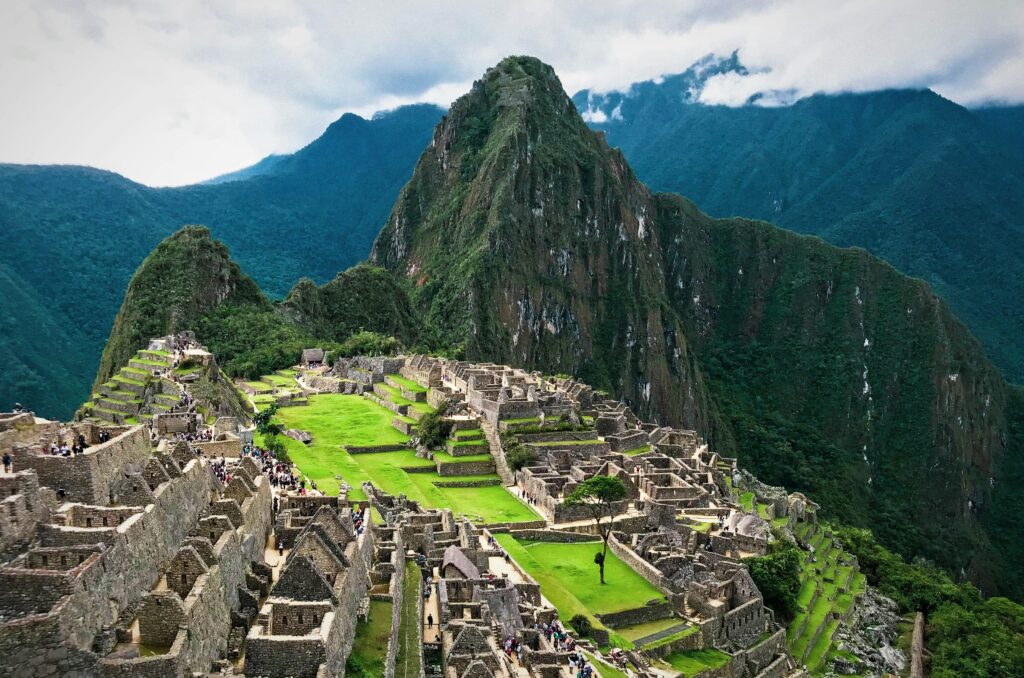
Peru rewards couples who still crave discovery, but no longer confuse exhaustion with adventure. Ancient cities, layered cuisine, and vast landscapes create a journey with real substance. You return with stories, not merely photographs.
The hidden truth is that Machu Picchu does not require camping, blisters, or heroic suffering. Comfortable trains, excellent guides, and polished hotels make the experience surprisingly manageable. Luxury and history coexist here quite happily.
Still, Peru asks more from you than a European city break. Altitude, uneven stones, crowds, and limited bathrooms require honest planning. Those details should shape your itinerary before the scenery steals your attention.
What Makes Peru Appealing After the Children Leave Home?
Empty nest travel often feels different because time finally belongs to you again. Peru offers a major shared experience without demanding an expedition-style vacation. That distinction matters more than many couples expect.
If Machu Picchu is one of the trips you have talked about for years, Why Now Is the Best Time for Empty Nesters to Take Bucket List Trips looks at why this stage of life can be the right time to stop postponing those plans.
Private guides slow the day down and explain what hurried groups miss. Inca walls become engineering stories, while village traditions gain personal meaning. You stop collecting landmarks and begin understanding the place.
Picture tasting ceviche in Lima, meeting weavers in the Sacred Valley, then boarding a panoramic train. Each experience feels distinct, yet the journey remains connected. For another culture-rich comparison, explore the best Egypt experiences for empty nesters.
Who May Find This Journey More Challenging?
Machu Picchu includes steep stairs, irregular stones, narrow passages, and few convenient resting places. Balance problems or limited stamina can turn wonder into worry. A slower route helps, but it cannot remove every obstacle.
Travelers with heart, lung, altitude, or mobility concerns should speak with their medical professionals first. Cusco sits high enough to challenge even active travelers. Confidence helps, but oxygen levels remain unimpressed by optimism.
Most couples do not need the Classic Inca Trail or Huayna Picchu to feel accomplished. A comfortable rail journey still delivers remarkable scenery and meaningful access. UNESCO’s Historic Sanctuary of Machu Picchu offers the context behind that extraordinary setting.
How Many Days Should You Spend in Peru?
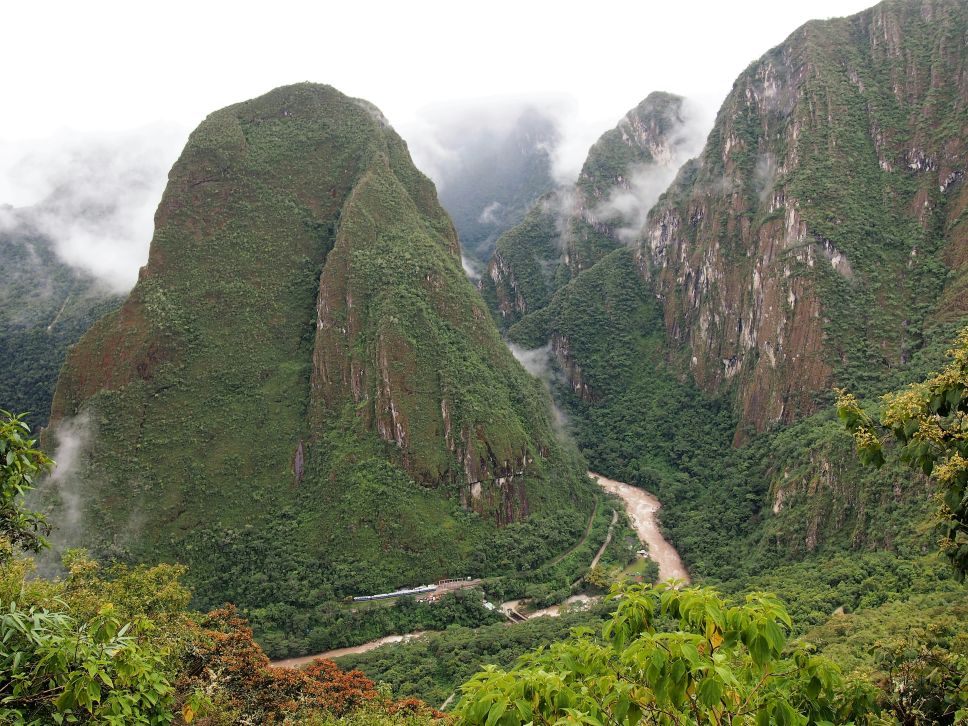
Peru rewards patience, especially when Machu Picchu anchors the journey. Ten to fourteen days gives most couples enough breathing room. Anything shorter can feel like a luggage relay at altitude.
Extra nights support gradual adjustment, reliable transportation, and deeper cultural experiences. They also protect your trip when weather disrupts flights or trains. That flexibility becomes valuable surprisingly quickly.
A focused itinerary connects Lima, the Sacred Valley, Machu Picchu, and Cusco. Longer journeys may add Lake Titicaca or the Amazon. However, more destinations do not always create a richer vacation.
A Comfortable Ten-Day Peru Itinerary
Begin with two nights in Lima and let your body settle after the flight. Explore the city through architecture, markets, and a guided food experience. Then continue privately to the Sacred Valley.
Three valley nights allow time for Maras, Moray, Ollantaytambo, and quiet afternoons. Add one night near Machu Picchu for a calmer visit. Finish with three nights in Cusco after some altitude adjustment.
Private transfers remove unnecessary friction between hotels, stations, and airports. Guided sightseeing adds context without forcing you into a rigid group pace. Most couples appreciate one lighter day more than another checklist attraction.
When a Twelve-to-Fourteen-Day Trip Makes More Sense
Additional days create space for weather delays, cooking experiences, markets, and slow mornings. They also let you linger when somewhere feels unexpectedly special. That moment often becomes the trip’s strongest memory.
Consider adding Lake Titicaca, the Amazon, or another Sacred Valley night. Each choice creates a different journey, so avoid treating them as interchangeable extras. Another quiet valley day may offer more than another domestic flight.
Most couples should resist adding another South American country simply because the map makes it look convenient. Peru already contains several distinct worlds. For another example of slower luxury travel, explore Costa Rica’s hidden gems.
How to Handle Peru’s Altitude Comfortably
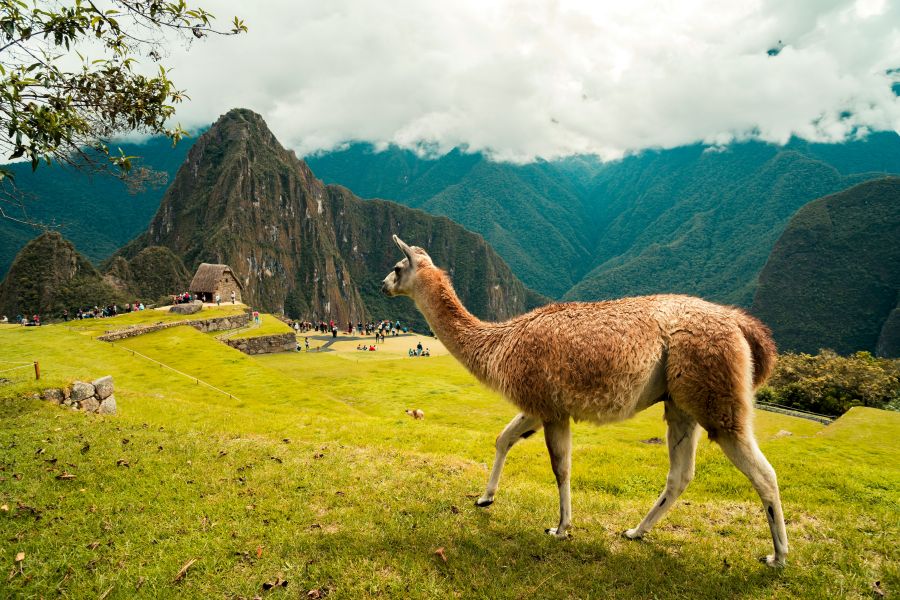
Altitude can shape a Peru and Machu Picchu journey before the first ruin appears. Lima sits near sea level, while Cusco reaches roughly 11,000 feet. Machu Picchu and much of the Sacred Valley sit lower, making itinerary order surprisingly important.
Some travelers notice headaches, fatigue, nausea, dizziness, or restless sleep. Others feel little beyond heavier breathing on stairs. Your fitness level alone cannot predict how your body will respond.
The smartest approach feels almost suspiciously simple. Adjust gradually, drink water, eat lightly, rest well, and avoid proving anything. Personalized medical advice matters more than internet confidence.
Why Starting in the Sacred Valley May Be Easier
Flying from Lima into Cusco creates an immediate jump to high elevation. Continuing into the lower Sacred Valley may reduce that first-day strain. It also places you closer to several remarkable Inca sites.
Spend two or three nights there before sleeping in Cusco. Gentle sightseeing can include gardens, village markets, or a short walk through Ollantaytambo. Comfortable hotels also make doing very little feel wonderfully productive.
Many couples schedule a major tour immediately because every vacation day feels valuable. At altitude, restraint often protects the experiences ahead. The valley gives your body time while Peru quietly introduces itself.
Practical Ways to Reduce Altitude Problems
Avoid strenuous exercise, excessive alcohol, heavy meals, and tightly packed touring after arrival. Carry water, prescribed medicine, and familiar pain relief. Know where nearby medical assistance is available before you need it.
Never push through worsening symptoms simply to preserve the schedule. Confusion, severe breathlessness, poor coordination, or symptoms worsening during rest require medical attention. Descending may become necessary when serious altitude illness develops.
Before departure, review the CDC’s current Peru health guidance with your medical professional. That conversation may influence your itinerary, medications, and pacing. The next planning choice can make adjustment even easier.
Choosing the Best Places to Stay in Peru
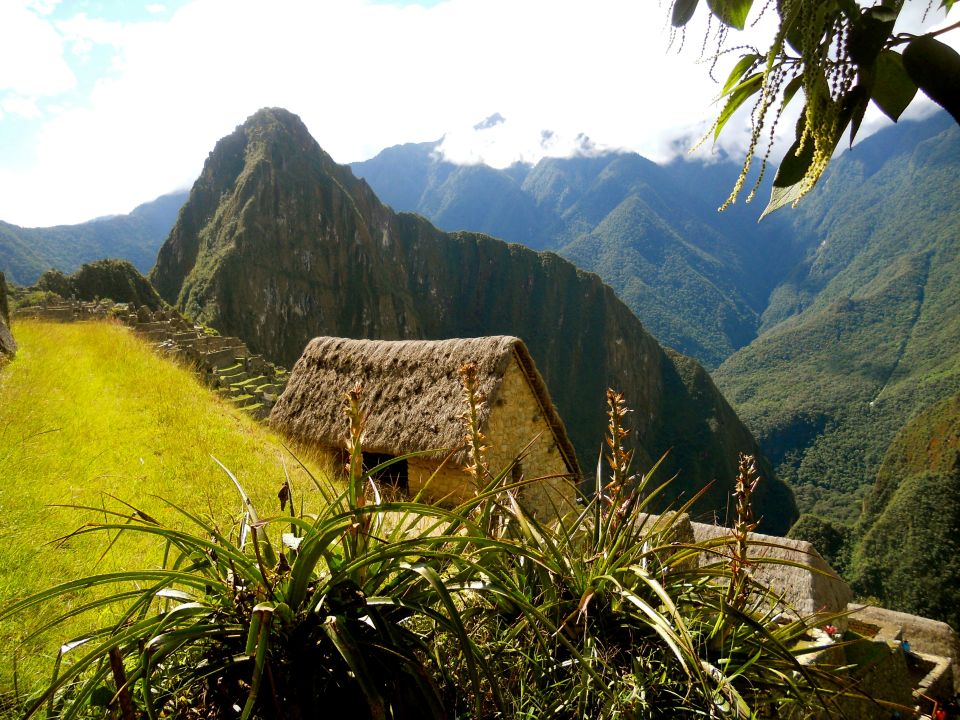
A Peru and Machu Picchu vacation works best when each hotel supports the next stage. Lima, the Sacred Valley, Aguas Calientes, and Cusco serve different purposes. Treating them as interchangeable usually creates unnecessary strain.
Historic boutiques offer atmosphere, while countryside resorts provide space, gardens, and quieter evenings. International luxury properties deliver familiar service standards. Station-area hotels trade romance for useful convenience.
Comfort depends on details that glossy photographs rarely show. Elevators, oxygen support, accessible rooms, quiet locations, and reliable transfers matter. The wrong hillside hotel can make every dinner feel like training.
Where to Stay in Lima, the Sacred Valley, and Cusco
Miraflores suits couples wanting ocean views, polished dining, parks, and convenient sightseeing. Barranco feels more artistic, with galleries, historic homes, and lively evenings. Your preferred pace should guide the choice.
In the Sacred Valley, countryside resorts offer restorative grounds and mountain views. Ollantaytambo provides easier station access and immediate historical atmosphere. However, its stone streets and tourist traffic may feel less restful.
Cusco’s historic center places churches, restaurants, and museums within easy reach. Yet elevation, steep lanes, traffic, stairs, and nighttime noise can complicate that convenience. A beautiful address means little when reaching it becomes exhausting.
Should You Spend a Night Near Machu Picchu?
A same-day visit from the Sacred Valley reduces hotel changes and luggage handling. However, it creates an early start and tighter train coordination. One delay can quickly consume your carefully planned cushion.
Spending one night nearby supports earlier entry and a calmer morning. It also provides flexibility around trains, weather, and crowds. That extra breathing room often changes the emotional tone completely.
Aguas Calientes feels busy, compact, and built around arriving travelers. Dining quality varies, while luggage usually requires careful coordination. For another perspective on choosing comfort over convenience, explore these luxury Dolomites escapes.
Getting to Machu Picchu by Train
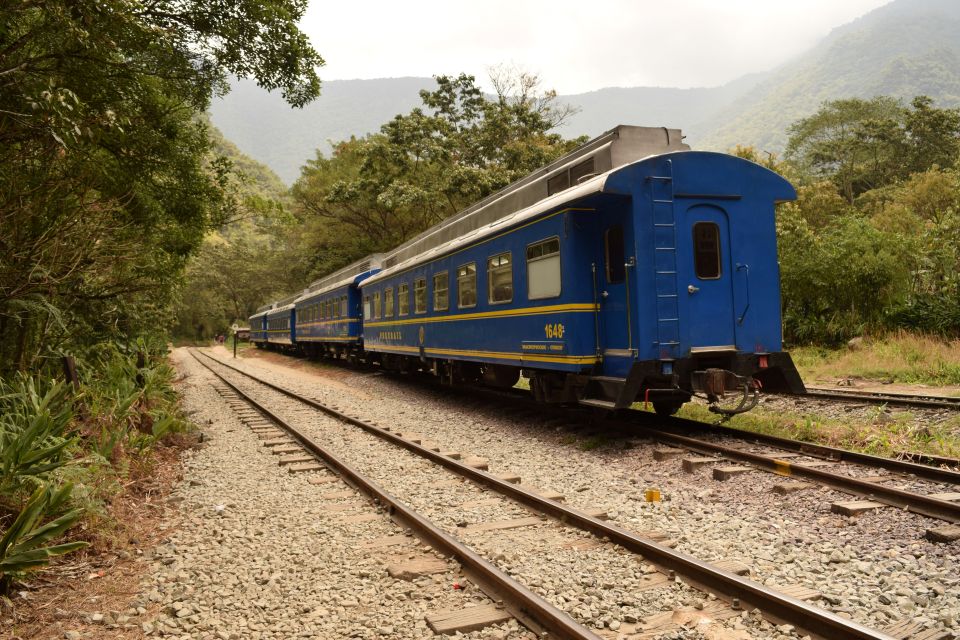
Reaching Machu Picchu by train feels wonderfully civilized, but the journey still involves several moving parts. Most travelers transfer from Cusco or the Sacred Valley to their departure station. The train then follows the Urubamba River toward Aguas Calientes.
From there, buses climb the winding mountain road to the sanctuary entrance. Every connection must align with your timed admission. A beautiful train means little when its schedule conflicts with your entrance slot.
Most services provide assigned seating, but luggage space remains limited. Large suitcases usually stay at your previous hotel. Coordinated transfers prevent station confusion, missed departures, and unnecessary marital negotiations before breakfast.
Which Machu Picchu Train Experience Should You Choose?
PeruRail and Inca Rail offer several comfort levels between Ollantaytambo, Cusco-area stations, and Machu Picchu Pueblo. Standard services provide practical transportation and broad windows. Premium trains add panoramic glass, upgraded seating, refreshments, entertainment, or observation areas.
Luxury services may include refined meals, attentive service, and more elaborate surroundings. Yet the highest price does not guarantee the best itinerary. Departure time and station location often matter more.
Compare the scenery, service, schedule, and transfer distance before choosing. Also check whether your route uses a combined bus-and-train service. The most elegant option should simplify your day, not decorate a difficult one.
What Happens After You Reach Aguas Calientes?
Aguas Calientes introduces movement, noise, and mild confusion after the peaceful rail journey. Travelers cross town, locate the bus queue, and meet their guide. Clear instructions make this transition far easier.
Allow time for restrooms, changing weather, and possible lines. Keep tickets, passports, rain protection, and valuables within easy reach. Your guide should confirm the meeting point before arrival.
After visiting Machu Picchu, buses return you to town. You may collect stored luggage, eat, and wait before boarding. That final margin protects the day when crowds or weather ignore your schedule.
Planning the Right Machu Picchu Visit
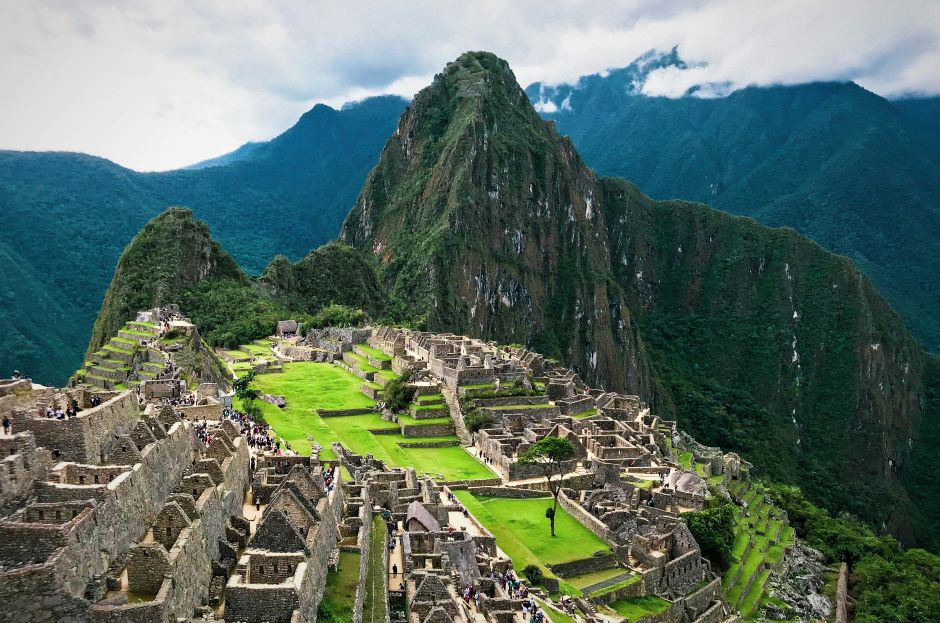
Machu Picchu does not allow visitors to roam freely across the entire sanctuary. Each ticket includes a timed entrance and designated circuit. That choice shapes nearly every moment inside the site.
Your route determines viewpoints, stairways, photography angles, and available structures. Some circuits emphasize sweeping panoramas, while others explore the Inca city more closely. Choosing by entrance time alone can create an expensive disappointment.
Tickets, guides, trains, buses, passports, and hotel transfers must work together. One mismatched reservation can disrupt the entire day. Careful coordination protects your schedule and preserves the excitement you traveled so far to feel.
Understanding Machu Picchu Circuits and Entrance Times
Official circuits create fixed paths through different areas of Machu Picchu. Available routes may change because of seasons, conservation needs, or government regulations. Always review current options before purchasing tickets.
Panoramic circuits favor elevated views and recognizable photographs. Classic routes reveal temples, plazas, terraces, and remarkable stonework more closely. Mountain additions require stronger legs, extra time, and an honest conversation with your knees.
Travelers arranging their own guide can purchase a Machu Picchu official entrance ticket. Check the selected circuit, entrance time, passport requirements, and included services carefully. A ticket alone does not solve every logistical detail.
Private Guide Versus Group Tour
A shared tour usually costs less and follows a fixed pace. Private guidance provides deeper explanations, personal assistance, and greater flexibility. That difference becomes valuable on crowded pathways and steep stairs.
Your guide can adjust walking speed, photography pauses, and historical detail within official rules. First-time visitors often understand far more with expert interpretation. Ancient stones become human stories rather than attractive mysteries.
The Machu Picchu Circuit 2 entrance ticket with guided tour combines admission with licensed guidance. Confirm whether buses, transfers, and your preferred circuit appear in the selected option. Availability may require an alternative route.
Independent entry suits confident travelers who already understand the site and its procedures. Most couples gain more from informed guidance and thoughtful pacing. For another culture-rich comparison, explore Portugal’s local cultural experiences.
Walking Conditions, Mobility, and Physical Preparation
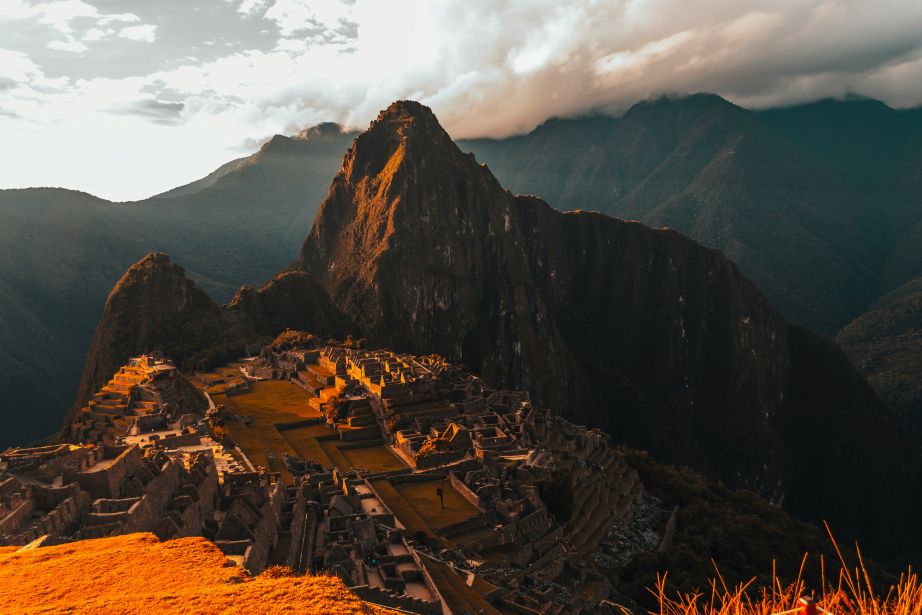
Machu Picchu rewards preparation more than bravado. Uneven stones, narrow passages, sloping paths, and steep staircases shape every route. Seating remains limited, while mountain weather can change quickly.
Your circuit choice affects both effort and confidence. A private guide can adjust pacing, explain difficult sections, and protect valuable rest time. Supportive, broken-in shoes matter far more than stylish travel footwear.
Most couples do not need an added mountain hike. Machu Picchu Mountain, Huayna Picchu, and the Short Inca Trail demand greater stamina. The main citadel already delivers a meaningful physical and cultural experience.
How Physically Demanding Is Machu Picchu?
A standard visit requires steady walking, balance, and repeated stair climbing. However, it differs greatly from completing a mountain trek. You will work, but you should not suffer.
Elevation, humidity, rain, and crowds can make moderate walking feel harder. Wet stones require patience, while narrow passages may slow everyone. Pride rarely improves traction.
Prepare with regular walks, stairs, and simple balance exercises before departure. Wear your travel shoes often enough to reveal hidden pressure points. Your feet should meet Peru as old friends.
Alternatives to a Full Inca Trail Trek
Traveling entirely by train offers scenery without demanding several days of hiking. You still reach Machu Picchu through a memorable mountain journey. For many empty nesters, that balance feels exactly right.
The Short Inca Trail creates a more active alternative. This two-day Short Inca Trail hike with permits includes guided hiking, archaeological sites, accommodation, and a Machu Picchu visit.
Expect extended hiking, elevation changes, permits, and advance physical preparation. Couples who prefer archaeological depth may choose scenic rail travel instead. The better option reflects your travel style, not someone else’s achievement.
If Machu Picchu is already on your list, Empty Nester Bucket List: 25 Experiences Worth Planning For offers 24 more experiences worth considering alongside it.
What Else Should You Experience in Peru?
Machu Picchu may inspire the journey, but Peru offers far more than one celebrated mountaintop. Lima, the Sacred Valley, and Cusco reveal distinct flavors and rhythms. Together, they give your trip greater depth.
For another perspective on this part of the trip, Best Luxury Cusco and Sacred Valley Trip for Couples explains how to combine Cusco and the Sacred Valley with good pacing, cultural depth, and comfortable stays.
What most couples do wrong is treat every attraction as mandatory. A crowded checklist leaves little room for curiosity or conversation. Choose several substantial experiences, then protect time for discoveries you never scheduled.
Balance major landmarks with private meals, artisan workshops, local markets, quiet gardens, and open afternoons. Those unscripted hours often reveal the Peru you remember most. First, however, Lima deserves more than a hurried overnight.
Lima’s Food, History, and Coastal Culture
Lima introduces Peru through salt air, colonial architecture, contemporary art, and remarkable food. Miraflores overlooks the Pacific, while Barranco brings galleries, color, and creative energy. The historic center adds another layer entirely.
One night covers little beyond airport logistics and dinner. Two or three nights allow neighborhood exploration, museum visits, and a thoughtful food tour. Suddenly, Lima becomes part of the journey rather than its waiting room.
Taste bright ceviche, delicate causa, traditional criollo dishes, and inventive tasting menus. Peru’s cuisine tells stories through migration, geography, and memory. Food-focused travelers may also enjoy Spain’s most rewarding culinary experiences.
Sacred Valley Villages and Cusco Experiences
The Sacred Valley holds far more than beautiful scenery between train stations. Ollantaytambo, Pisac, Chinchero, Maras, and Moray each reveal different Inca achievements. Their stories reward time and expert interpretation.
Consider weaving demonstrations, market visits, private cooking classes, and meals inside historic buildings. Cusco adds museums, ornate churches, and layered streets built across centuries. Yet constant touring can flatten those differences.
A full-day circuit covers more ground, but shorter private outings preserve energy and attention. Leave time to wander, rest, or revisit somewhere that moved you. Peru often speaks most clearly when nobody rushes the conversation.
When Is the Best Time to Visit Peru and Machu Picchu?
Peru and Machu Picchu for empty nesters changes noticeably with the seasons. Mountain weather affects visibility, walking conditions, crowds, and transportation. Your ideal month depends on which compromise feels most comfortable.
Dry months usually bring clearer skies and stronger demand. Rainier periods create greener landscapes, softer crowds, and occasional travel disruptions. Meanwhile, Lima may feel cloudy while Cusco enjoys bright mountain sunshine.
Festivals and holidays can add color, noise, traffic, and limited availability. Maintenance schedules may also affect trekking routes or transportation. Peru rewards travelers who check the calendar before choosing dates.
Dry Season Versus Rainy Season
May through September generally offers drier conditions and better visibility around Machu Picchu. However, mornings feel colder, crowds grow larger, and preferred hotels fill quickly. Clear skies rarely come without competition.
Rainier months can deliver lush terraces, misty mountains, and fewer visitors. They can also bring slippery stones, clouded views, and transportation delays. Pack patience beside the waterproof jacket.
April, May, September, and October often provide a useful middle ground. Conditions may feel pleasant, while demand can ease outside major holidays. Still, no month guarantees perfect mountain weather.
How Far Ahead Should You Book?
Machu Picchu tickets, preferred circuits, train seats, private guides, and leading hotels have limited availability. Couples traveling during popular months should begin planning six to twelve months ahead. Shorter notice usually means accepting less convenient choices.
Secure Machu Picchu admission and the matching train schedule first. Next, confirm hotels, private guides, transfers, and any limited-capacity experiences. Restaurant bookings and flexible city touring can usually wait.
The hidden truth is that early planning buys better pacing, not merely better rooms. Review Peru Travel’s current Machu Picchu ticket guidance before finalizing arrangements. Rules and availability can change before your departure.
What to Pack and Prepare Before Traveling to Peru
Packing for Peru requires more thought than filling a suitcase with attractive layers. Your journey crosses coastal cities, cool mountains, sunny terraces, and polished dining rooms. Versatility matters more than volume.
Bring clothing that works across changing temperatures without demanding constant outfit changes. Keep medications, documents, valuables, and one fresh outfit inside your carry-on. Checked luggage occasionally develops its own travel plans.
Preparation extends beyond clothing. Review entry rules, insurance coverage, health needs, payment options, communications, and emergency contacts. Small decisions made at home can prevent large problems abroad.
Clothing and Equipment for Machu Picchu
Choose broken-in walking shoes with firm traction and dependable support. Add lightweight layers, a warm jacket, rainwear, sun protection, and a refillable bottle. Pack everything inside a small day bag.
Mornings can feel cool, especially before clouds lift. Afternoon sunshine may bring warmer or more humid conditions. Layers let you adjust without carrying half your wardrobe.
Machu Picchu prohibits bags larger than 40 by 35 by 20 centimeters. Food, umbrellas, tripods, selfie sticks, and most walking sticks also face restrictions. Leave unnecessary equipment at your hotel and review current official rules before visiting.
Documents, Health, Money, and Connectivity
Check passport validity long before departure. Peru currently requires six months of validity upon entry for United States travelers. Review the U.S. Department of State’s Peru information before finalizing arrangements.
Carry travel insurance details, prescription supplies, emergency contacts, and digital document copies. Store essential records offline in case hotel Wi-Fi becomes temperamental. Preparation feels boring until it becomes invaluable.
Cards work across many hotels and established restaurants. Peruvian soles remain useful for tips, markets, taxis, and smaller purchases. Tell your banks about the trip when required.
Finally, compare international roaming with a reputable eSIM before departure. Confirm electrical needs and carry a suitable adapter. Reliable access helps when train details, transfers, or medical information suddenly matter.
Image Suggestion:
• An organized Machu Picchu day bag beside layered clothing, walking shoes, rain protection, a hat, and travel documents.
Search Terms:
• Machu Picchu packing essentials
• Peru travel packing list
• Machu Picchu day bag
• Andes layered clothing travel
Alt Text:
• Machu Picchu packing essentials including walking shoes, layered clothing, rain gear, sun protection, and a small day bag.
Your Machu Picchu Journey Should Feel Remarkable, Not Relentless
Peru and Machu Picchu for empty nesters can deliver wonder without sacrificing comfort. The difference lies in thoughtful planning, not heroic endurance. Your journey should respect both your curiosity and your preferred pace.
Allow enough time for altitude adjustment, slower mornings, and unexpected changes. Choose hotels that support rest, transportation that removes friction, and entrance circuits matching your abilities. An experienced guide can reveal details that hurried visitors walk straight past.
This journey should reflect your health, interests, comfort, and shared travel style. Perhaps you want cultural depth, refined meals, and gentle exploration. Maybe you prefer greater physical challenge, followed by a very good glass of wine.
Either approach can work beautifully.
Ready to create a Peru journey designed around you? Start planning your trip with Empty Nester Getaways. We will help coordinate the details while you focus on the experience ahead.
You can also join our private Facebook group for empty nester travelers. Share ideas, discover new destinations, and connect with couples planning their next meaningful escape. Your Machu Picchu story may begin with a simple conversation.