
An empty nester bucket list begins with something you probably waited decades to have: genuine freedom over your travel calendar. School breaks no longer dictate departure dates. Children’s schedules no longer decide whether September, May, or next Tuesday works better.
That freedom changes more than timing. It lets you choose experiences around weather, crowds, personal interests, and the pace you actually enjoy. Suddenly, travel can fit your life instead of squeezing into whatever week remains available.
But there is a catch. A bucket list can quickly become another collection of places someone says you should see. Machu Picchu means little if ancient history and mountain landscapes do not excite you.
Your list should reflect the travelers you have become. Maybe wildlife matters more than museums, or food matters more than famous landmarks. Perhaps comfort, mobility, available time, or one deeply personal dream now carries more weight.
The 25 experiences ahead are possibilities, not assignments. Some require stamina, serious planning, and substantial budgets, while others reward patience and curiosity. Your job is deciding which ones would mean something to both of you.
That is where the real bucket list begins. Not with how many places you can collect, but with which experiences deserve your time. And a few may belong much higher on your list than you expected.
Wildlife and Natural Wonders Worth Traveling Far to Experience

Some empty nester bucket list experiences justify every hour spent reaching them. Wildlife encounters and remote landscapes often linger because they feel genuinely different from everyday travel. They also reward travelers who plan carefully.
If a safari belongs on your empty-nester bucket list, South Africa Safari Guide for Empty Nester Couples walks through the mix of wildlife, comfort, pacing, and logistics that can make the trip work well.
These journeys usually demand more preparation than a European city break. Seasons, long flights, specialized lodging, physical ability, and local expertise can shape the entire experience. Choosing the right guide can improve comfort while adding context you would otherwise miss.
Independent travel still works in many destinations. However, knowledgeable guides often provide better access, safer logistics, and more responsible wildlife encounters. Sometimes expertise becomes the luxury that matters most.
1. Go on Safari in South Africa
Safari mornings often begin before sunrise, when the air feels cool and the bush starts waking. Open vehicles carry you alongside trackers who notice signs most visitors would completely miss. Evening drives bring different wildlife, changing light, and another rhythm entirely.
Kruger National Park offers enormous scale and substantial wildlife diversity. Travelers can self-drive, stay in public camps, or choose private lodges within the park. SANParks provides current Kruger information for travelers comparing those options.
Private reserves usually emphasize exclusivity, lodge comfort, guided drives, and fewer vehicles around sightings. Neither choice automatically creates the better safari. Your preferred balance of independence, service, privacy, and budget should decide.
Do not squeeze safari into two nights because another destination looks tempting. Several nights give wildlife, weather, and luck more chances to cooperate. A private full-day Kruger safari can also provide a more personalized introduction.
2. Explore the Galápagos Islands
The Galápagos rewards travelers who enjoy wildlife at remarkably close range. Small expedition vessels connect islands, beaches, volcanic landscapes, snorkeling sites, and places difficult to reach independently. Naturalist guides add meaning to what you are seeing.
If the Galápagos is one of the experiences on your list, Why Couples Over 50 Love the Galápagos explains why it combines wildlife, discovery, and a comfortable sense of adventure so well.
Land-based stays provide more hotel space and greater evening independence. Expedition cruising reduces repeated transfers while carrying you between islands as you sleep. That convenience can significantly change the experience.
Activity levels deserve careful attention before booking. Wet landings, small boats, uneven trails, snorkeling, and changing seas may appear throughout an itinerary. Choosing the right vessel and excursion level matters more than choosing the fanciest cabin.
3. Experience Patagonia
Patagonia does not require becoming a serious trekker. Glaciers, turquoise lakes, mountain ranges, scenic drives, comfortable lodges, and carefully selected walks can create an extraordinary journey. The landscape provides plenty of drama without demanding constant physical punishment.
Argentine Patagonia offers experiences around El Calafate and its famous glacier landscapes. Chile’s Torres del Paine brings sharp peaks, open plains, wildlife, and remote lodge experiences. Combining both regions creates variety, although logistics require thoughtful planning.
If this topic is shaping your trip, Why More Empty Nesters Are Choosing Experiences Over Things is a useful next read for why many empty nesters are choosing to spend more on travel and shared experiences instead of more things.
Weather can change quickly, so rushing works against you here. Extra nights create flexibility when conditions disrupt hiking, sightseeing, or transportation. Patagonia rewards couples who leave enough space for nature to rewrite the schedule.
4. See Machu Picchu and the Sacred Valley
Machu Picchu deserves more than a rushed arrival, hurried tour, and immediate departure. Peru works better when Lima, Cusco, and the Sacred Valley support the main event. The surrounding journey provides cultural depth that photographs cannot capture.
Altitude changes everything. Stairs, uneven stone surfaces, train logistics, timed entry requirements, and fatigue deserve serious consideration. Private guiding and deliberate pacing can make the experience far more comfortable.
Several Sacred Valley nights can also provide valuable acclimatization before higher elevations. That slower approach leaves room for villages, archaeological sites, local food, and actual rest. The Truth About Luxury Machu Picchu Travel explains why pacing matters so much.
5. Watch the Northern Lights in Iceland
Northern lights photographs make the experience look wonderfully predictable. Reality includes clouds, solar activity, darkness, location, patience, and occasionally several disappointing hours staring upward. Nature refuses to accept reservations.
Reykjavík makes a comfortable starting point, but city lights can limit viewing conditions. Countryside stays provide darker skies while adding waterfalls, geothermal landscapes, coastlines, and quieter Icelandic evenings. That combination protects the trip from becoming entirely aurora-dependent.
Give yourself several possible viewing nights instead of betting everything on one evening. Poor weather can ruin tonight and produce spectacular conditions tomorrow. When the sky finally moves with green light, the waiting suddenly feels very small.
Great Journeys Where the Transportation Becomes Part of the Experience
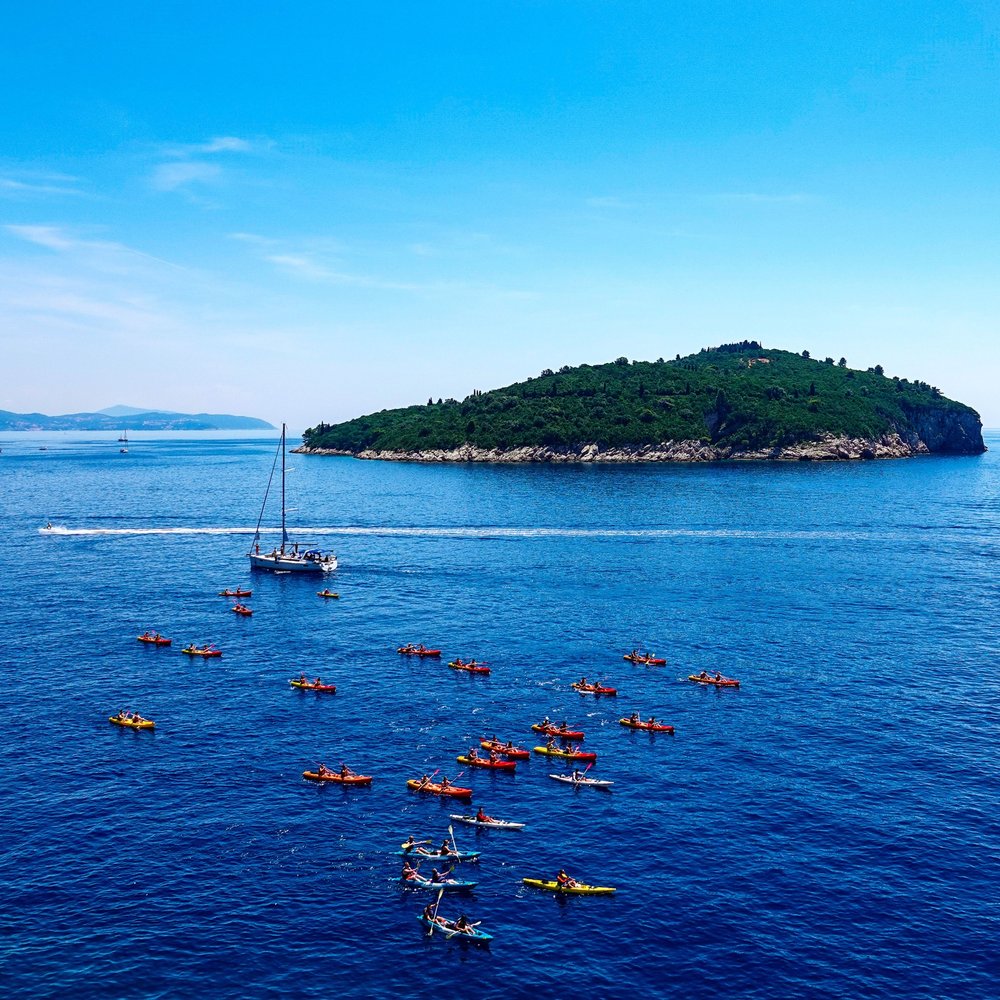
Some empty nester bucket list trips become memorable because the journey itself matters as much as the destination. Scenic trains and ships turn movement into part of the experience. That changes how the entire trip feels.
Repeated hotel changes can quietly drain energy. Trains and cruises often let you see multiple regions while unpacking less and resting more. That tradeoff becomes increasingly valuable when comfort matters as much as discovery.
Route choice still matters. Seating class, cabin location, season, journey length, and stopovers can dramatically affect comfort. The best version usually balances movement with enough time to enjoy where you arrive.
6. Cross Switzerland on Scenic Trains
Switzerland turns transportation into sightseeing. The Glacier Express, Bernina Express, and GoldenPass Express connect lakes, mountains, resort towns, and dramatically different regions. Switzerland Tourism’s Grand Train Tour shows how these routes connect.
The mistake is riding every famous train too quickly. Staying in Zermatt, St. Moritz, Interlaken, Lucerne, or Montreux gives each journey room to breathe. Overnight stops also reduce the feeling of constantly moving.
First-class seating can provide more space and quieter surroundings. Reservations, luggage planning, and hotel locations matter just as much. My guide to Swiss Scenic Rail Journeys for Empty Nester Couples explores those details further.
7. Cruise the Danube Through Central Europe
A Danube cruise can connect Budapest, Vienna, Bratislava, the Wachau Valley, and smaller riverside communities without constant packing. You wake somewhere new while your hotel moves with you. That convenience changes the rhythm considerably.
Independent city-hopping offers more freedom, but it also creates more transfers, luggage handling, and navigation. River cruising simplifies those logistics while adding guided touring and onboard meals. Neither approach automatically suits every couple.
Cruise lines also differ more than many first-time river cruisers expect. Excursions, cabins, dining, inclusions, activity levels, and atmosphere vary widely. Choosing the right line can matter as much as choosing the river.
8. Sail Through Portugal’s Douro Valley
The Douro feels different from Europe’s major river routes. Vineyard terraces rise above the water while ships pass through locks and smaller communities. Porto anchors the journey with architecture, food, and wine culture.
Compared with the Danube, the Douro offers fewer major cities and more regional immersion. Scenery and wine country often take center stage. That slower focus suits couples who value atmosphere over constant sightseeing.
Consider adding Porto before or after the cruise. A Douro Valley wine tour with lunch and river cruise can deepen the experience beyond the ship.
9. Take an Antarctic Expedition Cruise
Antarctica makes transportation inseparable from the adventure. Ships cross remote seas before Zodiacs carry travelers toward penguins, seals, ice, and isolated landing sites. The scale feels difficult to understand until you stand inside it.
Expedition ships differ significantly. Passenger count, landing access, cabin comfort, onboard experts, activities, and expedition style all affect the experience. Smaller does not always mean better, but it often changes access.
Physical realities deserve attention before booking. Zodiac boarding, uneven surfaces, cold weather, and sea conditions can require balance and stamina. For some couples, that makes Antarctica a trip worth prioritizing sooner.
10. Cruise Alaska’s Inside Passage
Alaska delivers glaciers, forests, whales, fjords, and coastal towns within one journey. Much of the scenery unfolds directly from the ship. Shore excursions then add wildlife, culture, and closer access to the landscape.
Large ships provide extensive amenities and entertainment. Premium ships often emphasize comfort, while smaller expedition vessels can focus more heavily on wilderness access. Your preferred balance should determine the vessel.
Do not assume the cruise tells the whole Alaska story. An inland extension can add mountains, wildlife, rail travel, and landscapes completely different from the coast. That extra time can turn a strong cruise into a much broader journey.
Cultural Experiences That Reward Slower, Deeper Travel
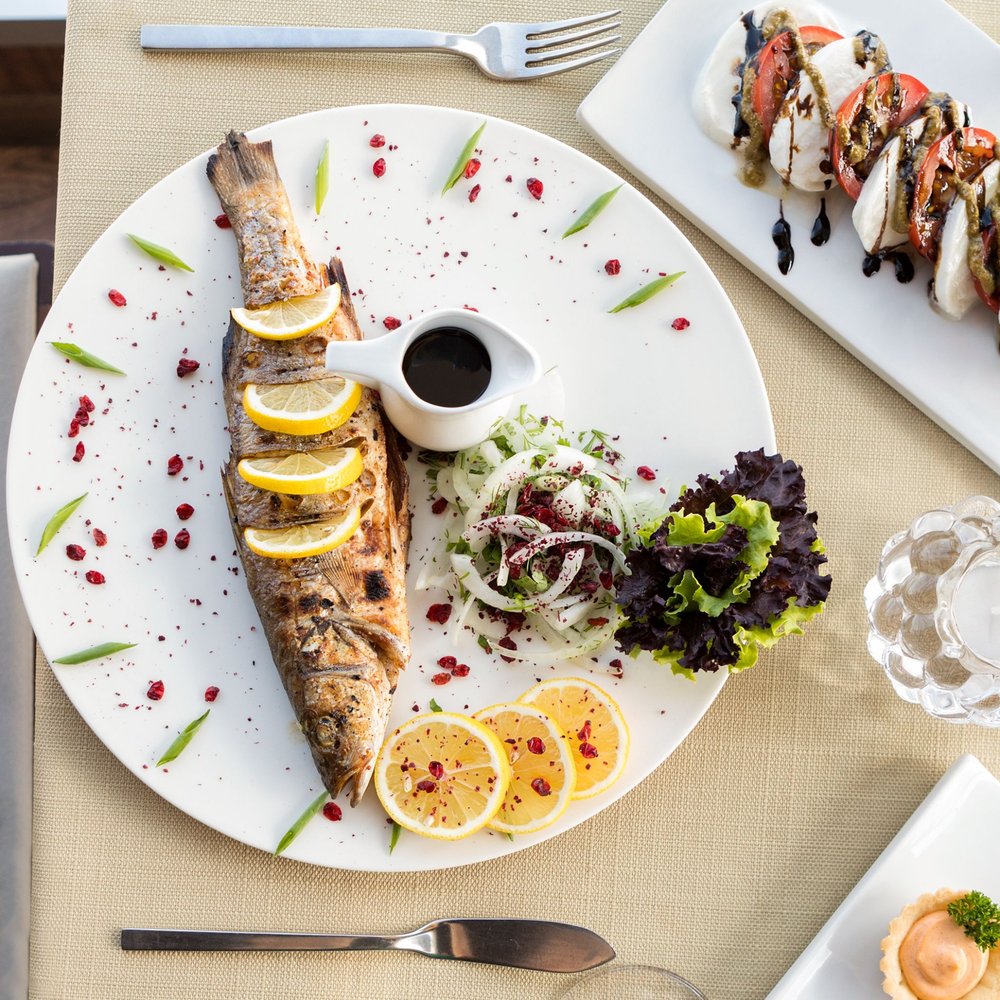
The best empty nester bucket list experiences often begin where sightseeing ends. Culture lives in food, stories, traditions, neighborhoods, and everyday rituals. Those details rarely reveal themselves on a rushed itinerary.
Slower travel gives them time to surface. A local guide can explain what you are seeing, while meals and workshops add texture. Longer stays also create room for small discoveries you never could have scheduled.
Fast travel collects landmarks. Deeper travel creates context, familiarity, and memories that feel personal. That difference becomes more noticeable the more experienced you become.
11. Experience Kyoto Beyond Its Famous Temples
Kyoto deserves more than a parade of temples. Tea ceremonies, gardens, traditional neighborhoods, local cuisine, crafts, and quiet evening walks reveal another side. Those slower moments often become the ones couples remember.
Large sightseeing tours can cover more ground quickly. Private guides or carefully paced independent days usually create more flexibility and better conversation. They also let you pause when something unexpectedly captures your interest.
Give Kyoto several nights if your schedule allows. Early mornings reveal quieter streets, while evenings change the atmosphere completely. UNESCO’s Historic Monuments of Ancient Kyoto offer useful context before you arrive.
A private tea ceremony experience with Japanese lunch can add cultural depth beyond sightseeing. It slows the day down and invites participation instead of observation. That distinction matters.
12. Explore Egypt’s Ancient Sites and the Nile
Egypt rewards travelers who connect its major sites rather than treating each as an isolated attraction. Cairo, Giza, Luxor, temples, tombs, museums, and the Nile tell one larger story. Seeing them together creates context.
A traditional Nile cruise offers convenience and familiar onboard comforts. Smaller luxury vessels and dahabiyas can provide a quieter pace and more intimate atmosphere. Your preferred balance should guide the choice.
Heat, walking, and long touring days deserve careful planning. Skilled guides help with history, logistics, and pacing. Comfortable accommodations matter even more after demanding days among temples and archaeological sites.
13. Follow Scotland’s Castles, Highlands, and Whisky Trails
Scotland becomes richer when Edinburgh leads into the Highlands rather than becoming the entire trip. Castles, lochs, estates, distilleries, villages, and open landscapes create strong regional contrast. Each deserves time.
Self-driving offers freedom, but narrow roads and unfamiliar routes can create stress. Whisky tastings also make a private driver-guide rather appealing for obvious reasons. Sometimes convenience improves the experience more than independence.
Several regional bases usually work better than constant long-distance day trips. Staying longer lets you explore nearby communities and adjust around weather. Scotland rewards flexibility more than frantic mileage.
14. Walk Through Normandy’s D-Day History
Normandy’s D-Day sites become more powerful when you understand how they connect. Beaches, cemeteries, museums, villages, and preserved positions reveal different parts of the story. Geography suddenly starts making sense.
Independent travel can show you the locations. A specialist guide can connect military decisions, personal stories, timelines, and family histories. That context often changes how couples remember the day.
Normandy also combines well with Paris or another French region. Still, avoid reducing it to a rushed day trip. Meaningful historical travel needs enough time for reflection between stops.
15. Experience Portugal Through Food, Wine, Music, and Tradition
Portugal reveals itself slowly through markets, Fado, regional cooking, vineyards, crafts, and historic neighborhoods. Major landmarks matter, but everyday traditions often create stronger memories. This is where lingering pays off.
Lisbon and Porto provide excellent starting points. Adding the Douro Valley, Alentejo, or smaller communities creates a broader picture of Portuguese life. Regional differences become easier to notice once you slow down.
Private food tours, winery visits, and cultural guides can reveal details casual sightseeing misses. Long meals also create space for conversation and local flavors. Our guide to Cultural Experiences Portugal: Secrets Only Locals Know explores those possibilities further.
The hidden truth is simple. Cultural travel improves when you stop asking how much you can fit into one day. Start asking what deserves enough time to actually understand.
Coastlines, Islands, and Small-Ship Experiences Worth Building a Trip Around
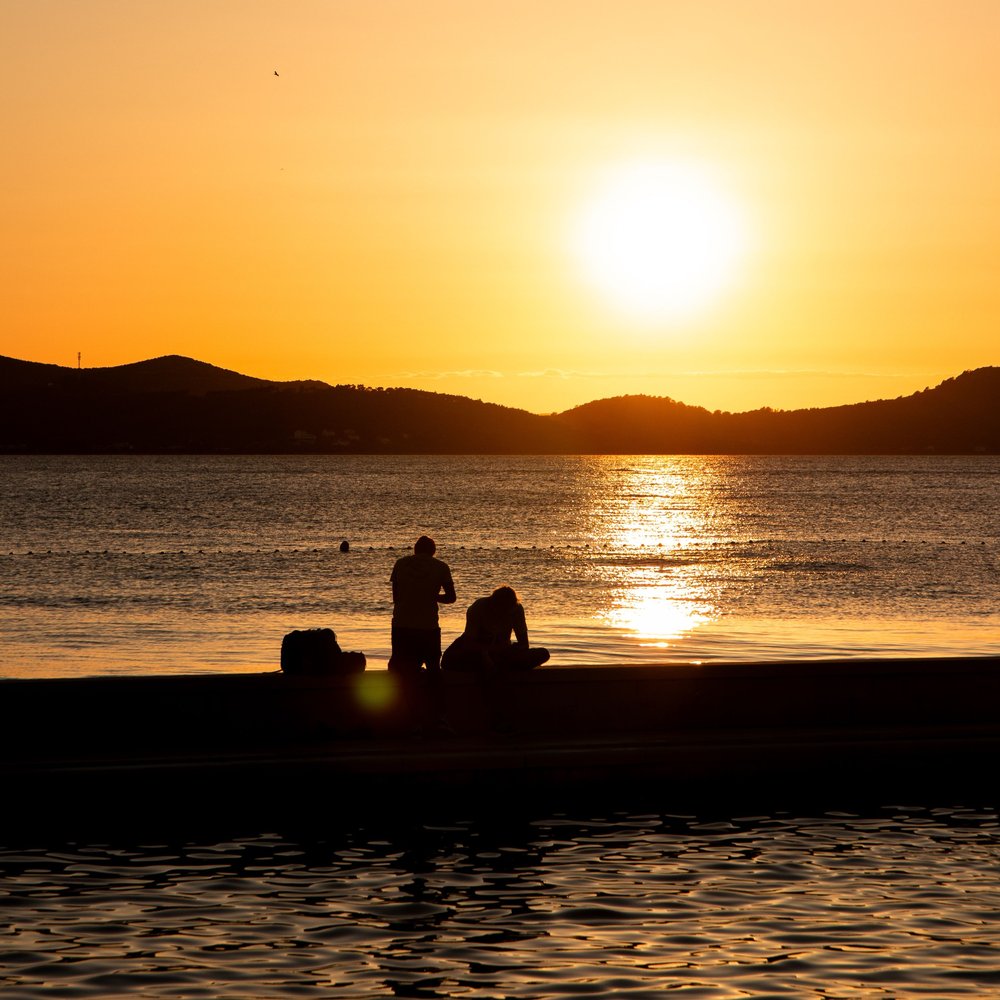
Coastal travel becomes richer when you experience the shoreline from both land and water. Roads reveal villages, viewpoints, and beaches. Boats reveal hidden coves, cliffs, islands, and perspectives you simply cannot get from shore.
The vessel matters more than many couples expect. Large ships offer amenities, while small ships provide access and intimacy. Private boats add flexibility, while ferries keep independent island trips practical.
The best coastal itineraries balance exploration with time to actually enjoy the setting. Swimming, waterfront lunches, beaches, and wandering deserve space alongside sightseeing. Otherwise, paradise can start feeling suspiciously like another schedule.
16. Sail Croatia’s Adriatic Coast on a Small Ship
Croatia suits small-ship travel beautifully because islands and historic coastal towns sit relatively close together. You can wake near Hvar, Korčula, or Dubrovnik without repacking. Your hotel simply travels with you.
Independent island-hopping offers more control over hotels and daily schedules. However, ferries, luggage transfers, check-ins, and changing accommodations create additional logistics. A small ship removes much of that friction.
Vessel size and itinerary style deserve careful comparison. Cabin standards, swimming stops, dining, port time, and onboard atmosphere vary considerably. Our guide to What Is a Croatia Small-Ship Cruise? explains those differences in detail.
17. Take a Private Boat Along the Amalfi Coast
The Amalfi Coast looks completely different from the water. Positano rises above the sea while cliffs, caves, beaches, and villages unfold without road traffic. Suddenly, the famous coastline makes more geographic sense.
Ferries provide efficient transportation, but they follow fixed schedules and routes. Private boats offer swimming stops, flexibility, privacy, and control over your day. Weather still gets the final vote, of course.
A private Amalfi Coast boat tour can become the day’s main event. Leave the surrounding schedule intentionally light. You may appreciate that empty evening more than another reservation.
18. Island-Hop Through Greece at a Slower Pace
Greek islands share a country, but their personalities differ dramatically. Santorini, Naxos, Paros, and Crete offer different landscapes, beaches, food, crowds, and rhythms. Choosing carefully matters more than collecting island names.
Four islands in eight days may look exciting on paper. In reality, ferries, packing, transfers, and hotel changes consume valuable time. Two or three islands often create a much richer trip.
Consider hills, hotel locations, beaches, ferry schedules, flight connections, and seasonal crowds before choosing. Santorini may suit dramatic scenery, while Naxos can feel calmer. Your travel style should decide the route.
19. Explore the Norwegian Fjords by Small Ship
Norway’s fjords reward travelers who spend time on the water. Mountains rise directly from narrow waterways while waterfalls appear beside tiny villages. The scale feels different when experienced from a ship.
Large cruise ships provide extensive facilities and familiar comforts. Smaller ships often emphasize scenery, longer port stays, outdoor exploration, and less crowded experiences. Neither option wins automatically.
Season changes the entire journey. Longer summer daylight expands sightseeing time, while weather and waterfall volume can vary significantly. Choosing when to travel can matter nearly as much as choosing the ship.
20. Experience French Polynesia From the Water
French Polynesia combines lagoons, volcanic islands, snorkeling, beaches, and Polynesian culture across enormous distances. Bora Bora may receive the attention, but one island cannot represent everything. That is where water-based travel becomes especially interesting.
A resort stay delivers relaxation and consistency. Adding a small-ship cruise or several islands introduces more landscapes, communities, reefs, and experiences. The choice depends on how much movement you actually want.
Travel time from the United States is substantial, so rushing makes little sense. Give the journey enough days to justify reaching it. After traveling that far, spending half the vacation in transit would be rather unfortunate.
Experiences That Turn a Great Vacation Into a Story You Keep Telling

One unforgettable experience can matter more than ten ordinary attractions. Years later, couples rarely remember every museum room or viewpoint. They remember the moment that felt different.
That is why an empty nester bucket list should reflect your interests, celebrations, curiosity, and comfort with adventure. Shared meaning matters more than bragging rights. Sometimes one exceptional experience deserves more budget than three rushed stops.
21. Float Above Tuscany in a Hot Air Balloon
A Tuscany balloon flight begins early, often before the countryside fully wakes. Vineyards, olive groves, villas, and hill towns stretch beneath you. From above, Chianti feels completely different.
Weather controls everything, including departure and landing. Mobility also matters because entering baskets and landing on uneven ground can require flexibility. Keep the rest of the morning light.
A Hot Air Balloon Ride over Chianti Hills can become the day’s defining experience. Another museum morning probably will not compete. Sometimes the unusual perspective is exactly what sticks.
22. Watch Santorini’s Sunset From the Water
Santorini’s cliffs become even more dramatic from the Aegean. A boat day can include swimming, volcanic scenery, coastal views, and sunset away from crowded overlooks. That contrast matters.
Small-group catamarans offer social energy and lower cost. Private charters add flexibility, privacy, and control over timing. Meals, swim stops, and atmosphere differ significantly.
The alternative is squeezing into Oia with hundreds of other people chasing the same sunset. That can still be beautiful. The boat simply gives the moment more room.
23. Spend a Day With a Private Local Guide
Private guides can reshape the day around your pace. They adjust walking, breaks, transportation, questions, and sightseeing priorities as needed. That flexibility often improves both comfort and understanding.
Large tours cover ground efficiently. Private guiding works better when history, local context, or logistics matter deeply. Ancient Rome, Kyoto, Machu Picchu, Lisbon, Edinburgh, and Dubrovnik all reward expert interpretation.
The hidden benefit is conversation. You can ask the questions that interest you instead of following a fixed script. That often changes what you remember afterward.
24. Plan a Food and Wine Journey Around One Region
Food-focused travel works best when it becomes part of the trip’s rhythm. Vineyards, markets, cooking, local producers, and long meals deserve several days. One tasting rarely tells the full story.
Tuscany, the Douro Valley, and French wine regions each create different experiences. Scenery, season, cuisine, and pace should guide the choice. Personal taste matters more than prestige.
Leave time around long lunches and tastings. Do not schedule another major attraction thirty minutes later. Good food travel needs space to linger.
Our guide to Luxury Travel Planning for Couples: Why Doing Less Leads to More explores why that breathing room matters. A slower schedule often creates stronger memories. It also makes the trip feel more like yours.
25. Take the Trip You Have Talked About for Years
Most couples have one trip that keeps getting postponed. Work, children, cost, timing, and uncertainty always supplied another reason. Eventually, waiting becomes a habit.
Name the destination clearly. Give it a season, trip length, approximate budget, and first planning step. Suddenly, the idea becomes much harder to ignore.
Do not choose the trip that sounds most impressive. Choose the one you would regret missing. That is the experience worth moving to the top.
Your Bucket List Should Become Memories, Not Someday Plans
The best empty nester bucket list reflects what matters to you, not what everyone else says belongs there. Your interests, abilities, time, and shared priorities should shape every choice. Popularity means very little if the experience itself does not excite you.
Rank your favorites by meaning, physical demands, season, distance, and how difficult each journey may become later. Then ask one harder question. Which experience would you genuinely regret never taking?
Choose that trip first. Give it a realistic timeframe, and start turning the idea into something you can actually experience. “Someday” becomes much more useful once it has a season and a plan.
If you are ready to move forward, Start Planning your trip with Empty Nester Getaways. We can help you shape the pace, accommodations, logistics, and experiences around how you want to travel. Your first step does not need to be complicated.
You can also join the Empty Nester Getaways Facebook group and continue the conversation with other empty nesters. Share your bucket list, ask questions, and see which experiences other travelers are planning. Your next great trip may begin with deciding that someday has waited long enough.

Leave a Reply