
River cruising for empty nesters often becomes appealing at the exact moment vacations finally stop revolving around everyone else. For years, family travel meant balancing school calendars, activities, appetites, budgets, and opinions from the back seat. Then the kids leave home, and something unexpectedly wonderful happens. You get to ask a different question: What do we actually want?
For many couples, the answer has less to do with doing more and everything to do with traveling better. Europe still calls, but hauling luggage between hotels suddenly feels less charming than it once did. Neither does spending precious vacation hours studying train platforms while wondering whether you boarded the right carriage.
That is where river cruising changes the equation. Your room travels with you while Europe’s cities, vineyards, castles, and villages appear outside your window. Meals, transportation, sightseeing, and lodging begin working together instead of competing for your attention. As this guide to first-time Danube river cruising shows, several remarkable destinations can unfold within one journey.
Yet convenience alone does not explain why so many couples fall hard for this style of travel. Luxury does not completely explain it either. The real attraction becomes clearer somewhere between morning coffee, an afternoon ashore, and dinner beside a moving river.
You suddenly have something family vacations often consumed without mercy: energy. There is time to notice where you are and enjoy who is beside you. And once couples experience that difference, river cruising starts becoming about something much bigger than the river.
River Cruising Changes How Couples Experience a Vacation
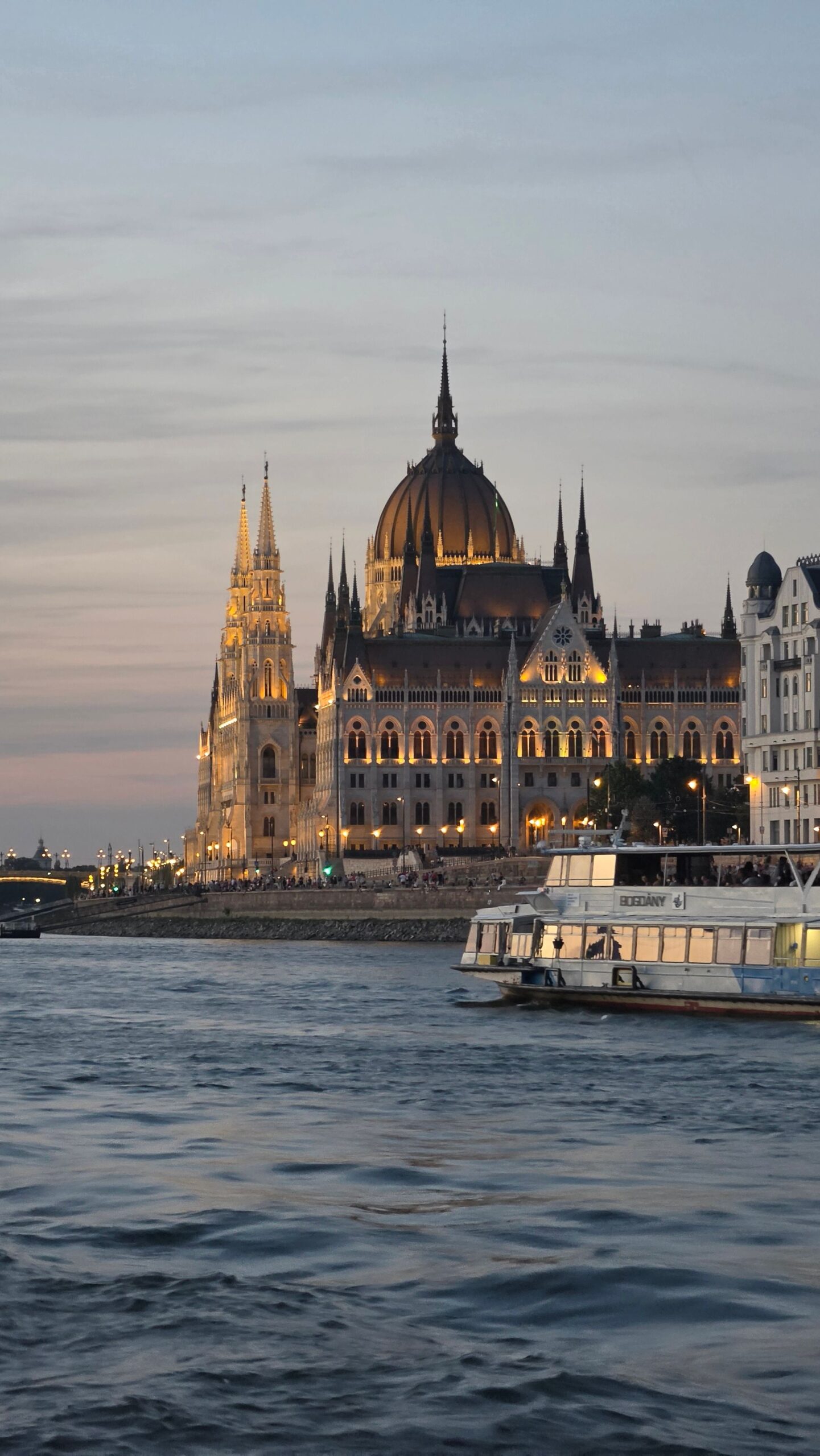
Empty nest travel changes when the daily schedule stops revolving around children, school calendars, and competing opinions. Suddenly, nobody needs convincing that another museum might actually be interesting. More importantly, you can finally build each day around how you want to feel.
That freedom often changes what couples value. Comfortable pacing begins beating frantic sightseeing, especially when the alternative involves dragging luggage through another crowded station. Meaningful experiences matter more than collecting cities simply because an itinerary says you should.
A traditional European trip can involve hotels, trains, transfers, reservations, packing, unpacking, and constant navigation. River cruising removes much of that work while keeping the destinations. Your cabin stays yours while the ship quietly handles the miles between them.
That distinction matters more than it sounds. Our comparison of Danube river cruises and ocean cruises explores how dramatically travel style can change the experience. Once logistics stop consuming your attention, something else starts filling that space.
You Stop Managing the Trip and Start Enjoying It
Think about the least memorable parts of your last multi-city European vacation. Hotel checkouts rarely make anyone’s highlight reel. Neither do train connections, luggage transfers, taxi lines, or deciphering transportation apps before breakfast.
River cruising for empty nesters changes that daily rhythm. You unpack once, settle into your room, and let the ship move while you sleep. According to the Cruise Lines International Association’s river cruising overview, river journeys connect destinations along inland waterways.
Morning might begin with coffee as a new town appears beyond your window. After breakfast, you step ashore for sightseeing, lunch, or independent exploring. Later, you return to familiar surroundings while the ship continues toward tomorrow’s destination.
Compare that with switching hotels every few nights. Each move requires packing, checking out, traveling, checking in, and learning another neighborhood. None feels disastrous alone, but together they quietly consume vacation time and energy.
The surprising benefit is not simply convenience. It is waking without immediately calculating what must happen next. That mental freedom changes the entire day.
The Vacation Finally Has Room to Breathe
Many travelers confuse a full itinerary with a fulfilling vacation. They schedule every available hour, then wonder why Europe feels strangely exhausting. River cruising creates pauses without forcing you to surrender the places you came to experience.
Imagine returning from a morning excursion and settling into lunch without checking another train departure. Later, vineyards slide past your window as the ship moves through Portugal’s Douro Valley. Tomorrow’s destination is already coming toward you.
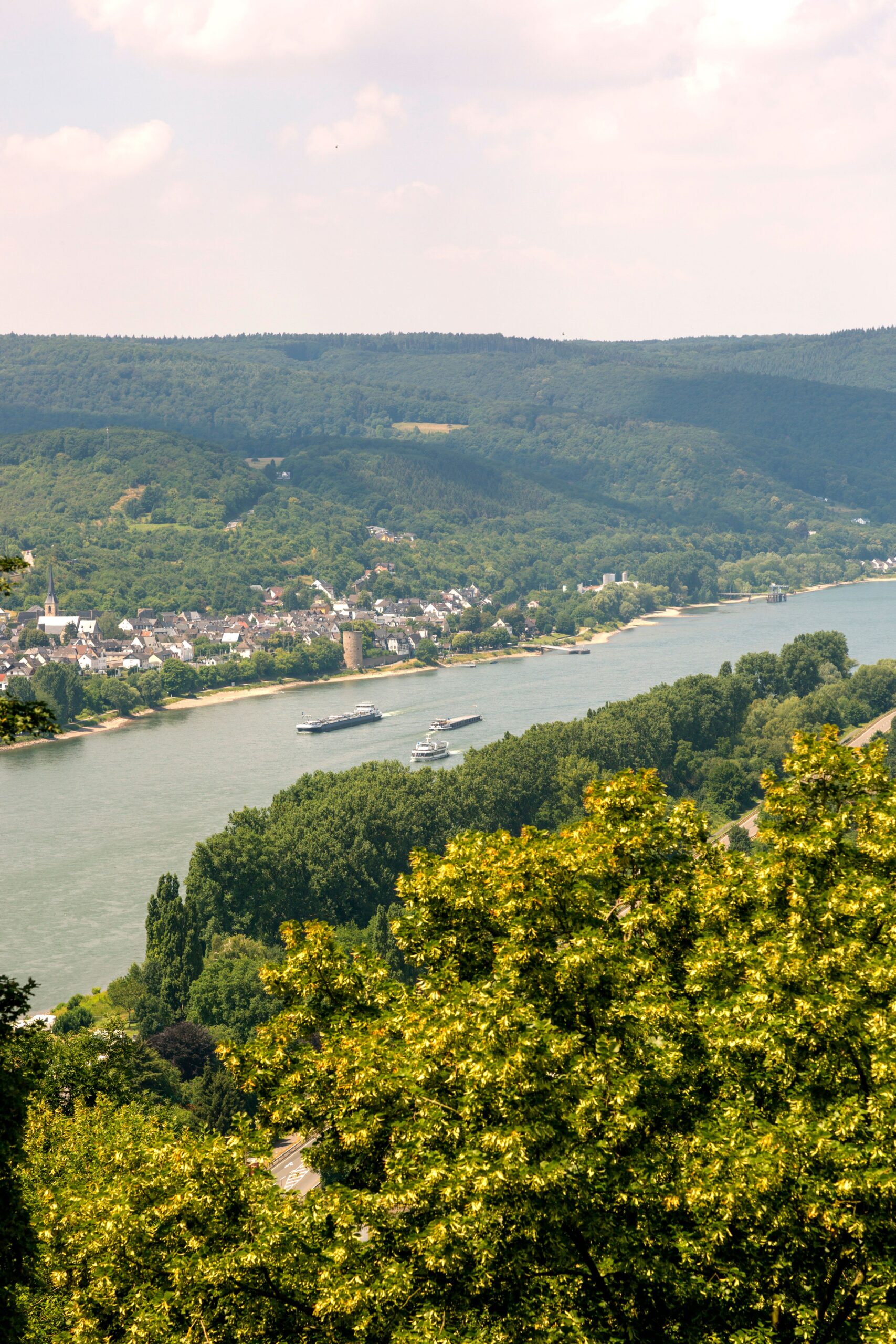
The Rhine offers a different scene. Medieval castles appear above wooded hills while villages gather beside the water below. You can watch it unfold from a lounge, balcony, or open deck without adding another appointment.
Those sailing hours create natural recovery time between experiences. Slower mornings become possible, lunches stop feeling rushed, and evenings can remain wonderfully unscheduled. Your vacation still covers remarkable ground, but your body no longer feels responsible for proving it.
That may be the overlooked luxury of river cruising. You are still going somewhere. You simply get to enjoy the space between destinations too.
Smaller Ships Create a Completely Different Kind of Cruise
A river ship does not feel like a downsized ocean ship. The entire experience follows a different philosophy. Instead of building the vacation around onboard attractions, river cruising keeps your attention focused beyond the railings.
Most Danube river ships carry fewer than 200 guests, while large ocean ships can carry thousands. That difference changes everything from navigation to conversation. You quickly recognize faces, find favorite seating areas, and stop needing a map to locate dinner.
For many empty nesters, that simplicity feels surprisingly luxurious. Quiet lounges replace sprawling entertainment districts, and evenings favor conversation over endless scheduled activities. You can explore the differences further in this simple guide to a first Danube river cruise.
Ocean ships can offer theaters, casinos, pools, specialty restaurants, shopping, and enough activities to require strategic planning. River ships usually make a different promise. As this overview of river cruising’s growing appeal explains, travelers increasingly value the destinations themselves.
You Feel Closer to the Places You Came to See
On a river cruise, Europe rarely disappears from view. Villages, vineyards, church towers, castles, bridges, and working communities remain surprisingly close. Even transportation becomes part of the sightseeing.
The Danube delivers imperial capitals and vineyard-covered valleys. Along the Rhine, medieval castles rise above wooded hillsides while riverside towns appear below. France’s Seine and Rhône bring different landscapes, architecture, cuisine, and cultural rhythms.
Then there is the Douro. Terraced vineyards climb steep slopes above the water, creating scenery that feels inseparable from Portugal’s wine culture. You are not merely traveling between places because the landscape keeps revealing something along the way.
That continuous connection changes how the journey feels. A train can move you efficiently across Europe, but much of the scenery flashes past. River cruising slows your perspective enough to notice what connects one destination with another.
Smaller Does Not Automatically Mean Better
This is where an honest conversation matters. River cruising for empty nesters works beautifully for certain travelers, but smaller ships require genuine tradeoffs. You usually sacrifice variety onboard to gain intimacy, simplicity, and stronger destination focus.
Do you love Broadway-style productions, sprawling pools, casinos, late-night entertainment, and dozens of dining choices? A river ship may feel limited. That does not make either cruise style superior.
The better question concerns what you want the ship to accomplish. Some travelers want the vessel itself to become the vacation. Others want comfortable surroundings that make exploring the destination easier.
Knowing which traveler you are matters enormously. Choose incorrectly, and even an excellent cruise can feel disappointing. Choose well, and the smaller ship suddenly stops feeling small.
River Cruising Makes Europe Feel More Accessible Without Making It Feel Watered Down
Europe becomes easier when transportation stops competing with the reason you traveled there. River cruising for empty nesters connects remarkable cities without turning every arrival into another logistical project. Your room moves while you sleep, and your next destination simply appears outside.
That convenience could sound suspiciously sanitized. It is not. The river still gives you historic streets, neighborhood cafés, markets, wineries, and places most rushed itineraries skip entirely.
Many Danube sailings connect Budapest, Vienna, Bratislava, and smaller communities within one journey. You gain variety without repeatedly navigating airports, stations, transfers, and unfamiliar hotels. That saved time becomes surprisingly valuable once you decide how to spend it.
Our guide to why empty nesters fall in love with Danube river cruises explores that balance more deeply. The easier logistics do not shrink Europe. They often create more room to experience it.
The Destination Starts Close to the Ship
Budapest demonstrates the difference immediately. The Danube runs directly through a cityscape recognized within Budapest’s UNESCO World Heritage area. You see bridges, monumental architecture, and historic riverbanks before deciding where the afternoon should lead.
Vienna brings grander scale, while Bratislava feels more intimate. Smaller Danube communities add another rhythm entirely. Instead of treating every stop equally, you begin noticing how differently each place deserves your time.
Fewer transfers also mean more usable hours. You can linger over lunch, wander independently, or return aboard when your feet request negotiations. That choice matters after several days of exploring Europe.
Compare this with flying between cities. Airports demand transfers, security, waiting, baggage, and another journey into town. River cruising removes much of that friction without removing the destination itself.
Famous Cities Become Part of a Larger Journey
Budapest feels grand from the water, especially when its riverfront lights begin reflecting across the Danube. Travelers wanting another perspective can take a Budapest Danube evening sightseeing cruise. Yet the capital represents only one chapter.
Soon, urban architecture gives way to smaller towns and open landscapes. Austria’s Wachau Valley replaces monumental buildings with vineyards, church towers, and steep hillsides. That contrast gives the journey texture a city-hopping itinerary can easily miss.
Traveling by river also reveals how places connect geographically. Bridges frame neighborhoods, historic centers hug waterfronts, and villages appear where trade routes once made practical sense. Europe begins feeling connected rather than collected.
That may be the deeper advantage. You still experience the famous places you traveled thousands of miles to see. Yet the spaces between them finally become part of the story.
Cultural Experiences Become the Main Event
River cruising for empty nesters often shifts attention away from entertainment and toward the places waiting just beyond the gangway. History, architecture, food, wine, and local traditions become part of the daily rhythm. The ship supports the experience instead of competing with it.
That difference matters because seeing Europe and understanding Europe are not the same thing. You can admire a monastery, castle, or market without knowing why it matters. A thoughtful guide can change that within minutes.
Included excursions often provide useful context without forcing couples into a rigid schedule. Optional tours can go deeper through food, wine, history, or active exploration. Independent time still matters, especially when curiosity pulls you down an unexpected street.
Excursions Can Turn Sightseeing Into Understanding
Walking past Melk Abbey independently gives you magnificent architecture and impressive photographs. Exploring it with historical context reveals centuries of religion, politics, scholarship, and regional influence. Suddenly, those ornate rooms become more than beautiful backdrops.
Vienna works the same way. A knowledgeable guide can connect imperial buildings, neighborhoods, cafés, and monuments into one larger story. Budapest’s riverfront becomes richer once you understand the history behind those dramatic buildings.
Smaller places can surprise you even more. Medieval Dürnstein sits among Wachau vineyards where wine culture and river history remain closely connected. Without context, you may photograph the scenery and miss half the story.
The best excursion style depends on how you like exploring. Some couples prefer guided walking tours, while others choose cycling, culinary experiences, or private guides. Independent wandering also deserves space because memorable discoveries rarely follow perfect schedules.
Food and Wine Connect the River to the Region
Food often explains a destination faster than another museum plaque. Local markets reveal what people actually eat, while wineries reveal how geography shapes tradition. Those experiences connect culture with something you can smell, taste, and remember.
The Douro Valley makes that relationship especially clear. Terraced vineyards climb above the river while centuries of port production shape communities throughout the region. Our guide to Douro Valley wine tour experiences explores how different touring styles change that connection.
Tasting Portuguese wine aboard your ship can be enjoyable. Visiting a quinta where those grapes grew creates an entirely different memory. You see the slopes, meet producers, and understand why the landscape matters.
A Douro Valley wine tour with tastings, lunch, and a river cruise combines several pieces of that story. Vineyards, local food, wine, and river scenery begin reinforcing one another. What looked like beautiful countryside suddenly becomes a living cultural landscape.
That may be why these experiences linger. You return home remembering more than what you saw. You remember why it mattered.
Couples Can Share the Trip Without Doing Everything Together

One overlooked benefit of river cruising for empty nesters is having freedom without turning the vacation into separate trips. Many river cruises offer several excursion styles within the same destination. That makes different interests and energy levels much easier to manage.
One partner might crave a bike ride, while the other prefers history, wine, or a quiet afternoon café. Neither person needs to sacrifice the day to keep the peace. Both simply return to the same ship afterward.
That flexibility can improve the trip in ways couples rarely expect. You stop negotiating every activity into a compromise neither person truly loves. Instead, you sometimes return to dinner with completely different stories.
Our look at why active empty nesters enjoy AmaWaterways explores how excursion choices can support different travel styles. Sometimes, a little independence makes traveling together considerably better.
Different Energy Levels Do Not Have to Become a Problem
Couples rarely travel at exactly the same speed. One person may happily cycle twenty miles before lunch. The other may consider that an excellent reason to order another cappuccino.
The Wachau Valley offers a perfect example. Its UNESCO-recognized cultural landscape combines Danube scenery, historic settlements, vineyards, and centuries of human cultivation. You can experience that setting in very different ways.
One traveler might choose a Wachau Valley wine-tasting bike tour. Another could spend the day tasting wine, walking gently, or enjoying relaxed sightseeing. Both experience the same region without forcing identical versions of it.
The important part comes before choosing excursions. Ask about walking distance, hills, cobblestones, stairs, heat, cycling difficulty, and recovery time. A beautiful tour becomes considerably less beautiful when your knees file an official complaint.
Energy also changes during a trip. What sounds easy on day two may feel ambitious by day six. Smart couples leave room to adjust rather than proving something to an itinerary.
Shared Evenings Bring the Day Back Together
Separate daytime experiences can make evenings more interesting. You return aboard with different photographs, observations, and stories. Dinner becomes a chance to discover part of the destination through your partner.
Perhaps one of you spent the afternoon cycling beside vineyards. The other found a quiet wine cellar and learned something unexpected from a local guide. By dinner, each person has something new to bring back.
Spending every vacation hour together does not automatically create closeness. Sometimes it quietly limits what each person gets to experience. A few hours apart can make the reunion surprisingly enjoyable.
Before sailing, talk about what matters most. Which experiences must you share together? Where would each person happily explore independently?
Discuss downtime too. Agree on preferred activity levels, meal expectations, and how much unscheduled time feels comfortable. Those conversations prevent small differences from becoming unnecessary vacation friction.
The goal is not independence for its own sake. It is giving each person enough freedom to enjoy the trip fully. Then you come back together because you want to, not because the schedule required it.
The Real Appeal Is How River Cruising Gives Couples Their Time Back
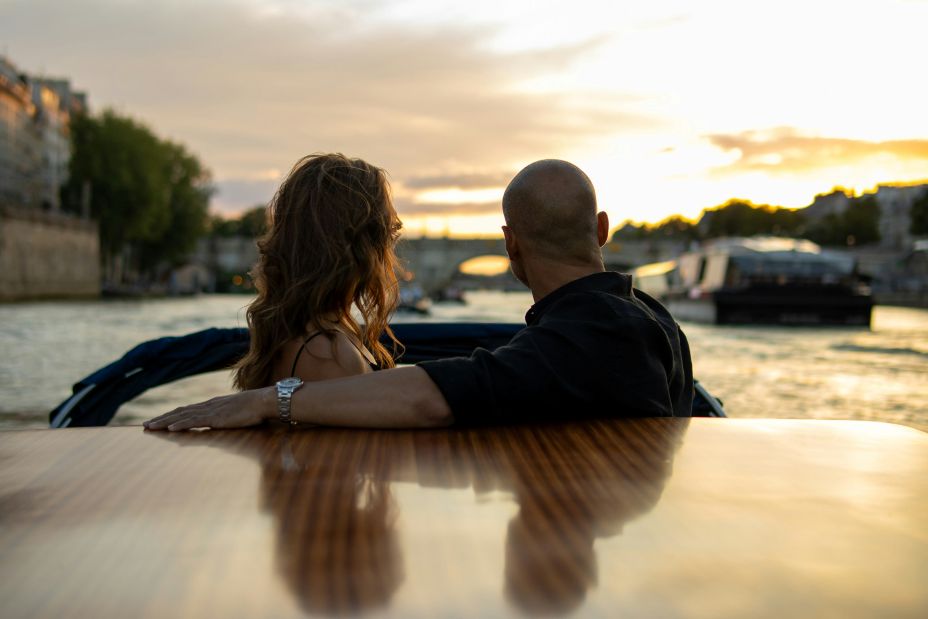
The greatest luxury in river cruising for empty nesters may have nothing to do with marble bathrooms or champagne. It is having enough energy left to enjoy where you are. Better logistics, smaller ships, cultural access, and flexible excursions quietly protect something far more valuable: your time.
That matters at this stage of life. You can finally choose trips around yourselves instead of school calendars, family schedules, or someone else’s preferences. Yet freedom loses its appeal when every vacation day becomes another endurance test.
A comfortable river cruise changes that equation. Transportation happens while you relax, destinations remain accessible, and sightseeing does not consume every waking hour. You experience more while managing considerably less.
Less Travel Friction Creates More Meaningful Time
Repeated packing steals more than minutes. Train schedules, hotel changes, transfers, navigation, and constant decisions quietly drain attention throughout a multi-city trip. Remove those tasks, and the emotional texture of travel changes.
Morning coffee can happen beside the river instead of beside an open suitcase. An afternoon might mean scenic sailing rather than racing toward another station. Dinner can stretch because tomorrow’s transportation already waits downstairs.
Those simple moments often become surprisingly important. You remember the evening waterfront walk after dinner or the conversation that continued over another glass of wine. Nobody remembers successfully completing seventeen hotel checkouts with tremendous affection.
There is a difference between completing Europe and experiencing it. One can send you home needing another vacation. The other leaves you feeling that you actually spent time somewhere.
River Cruising Works Best When the River Matches the Couple
Choosing river cruising is only the beginning. The Danube, Rhine, Douro, Seine, Rhône, and Nile create very different vacations. Your best choice depends on what consistently makes both of you happiest while traveling.
Culture lovers often gravitate toward the Danube’s Budapest, Vienna, and Bratislava experiences. The Rhine emphasizes castles, vineyards, and smaller historic towns. Our Danube versus Rhine cruise comparison shows how dramatically those personalities differ.
Wine lovers may feel differently again. The Douro pairs terraced vineyards and Portuguese wine traditions with slower, landscape-focused sailing. Its pleasures arrive quietly, which is precisely why some couples remember them so vividly.
First-time river cruisers often want variety and recognizable destinations. Active travelers may prioritize cycling and walking choices, while others crave slower afternoons and excellent wine. Neither approach needs defending.
The better question is deeply personal. What moments from your favorite vacations together still come up at dinner years later? Your answer may reveal the river you should choose next.
Your Best River Cruise Should Feel Like It Was Chosen for You
The real reason river cruising for empty nesters works so well comes down to something surprisingly simple. It gives you more usable time together. Less energy disappears into logistics, packing, transportation, and decisions that nobody came to Europe hoping to make.
Instead, that energy goes somewhere better. You can linger over dinner, watch vineyards pass from the deck, or wander a waterfront after sunset. Culture, scenery, conversation, and shared experiences finally get the space they deserve.
River cruising still needs to fit you. The right ship, activity level, destination, cabin, and daily pace matter. Mobility needs and personal interests deserve equal attention, because an expensive vacation can still be the wrong vacation.
Think about how you want your next trip to feel. Maybe you want active mornings and relaxed afternoons. Perhaps you want history, wine, smaller towns, or enough freedom to occasionally do absolutely nothing.
That answer should guide the river and cruise line you choose. If you want help sorting through those choices, start planning your trip with Empty Nester Getaways. We can build the experience around your pace, interests, comfort, and priorities.
Still gathering ideas before making that decision? Join Luxury Travel by Eric: Empty Nester Couples Vacations and connect with couples exploring this same stage of travel. Sometimes the next trip becomes clearer once you start imagining what you actually want from it.