
Empty nester travel conversations can surprise you, because suddenly nobody interrupts them. For years, vacation talk revolved around children, schedules, meals, directions, and keeping everyone reasonably happy. Someone always needed something, usually five minutes after you finally sat down.
Then you take a trip alone together, and the noise disappears. Breakfast can last an hour because nobody needs directions, tickets, or another reminder about departure time. That freedom changes more than your itinerary, as travel after the kids leave home often reveals.
Suddenly, you have hours together without everyday life competing for your attention. A quiet train ride can uncover an old memory neither of you has mentioned in years. Dinner somewhere unfamiliar can drift from wine into retirement, your children, your marriage, or dreams you quietly postponed.
None of these conversations appears on the itinerary. That may explain why they become some of the trip’s most memorable moments. Once the two of you have room to talk again, you might be surprised where the conversation goes.
Why Travel Changes the Way Empty Nester Couples Talk

At home, conversation often gets trapped inside the machinery of everyday life. You discuss groceries, appointments, repairs, work, and which adult child needs something. Even relaxed evenings can turn into another review of tomorrow’s responsibilities.
Travel strips much of that away. Suddenly, nobody needs groceries, the lawn can survive without you, and tomorrow’s biggest decision might involve lunch. That change creates room for empty nester travel conversations that rarely happen during ordinary weeks.
Long meals help. So do train rides, slow walks, scenic drives, and evenings when nobody feels pressured to accomplish anything else. You are together without needing to manufacture a meaningful moment.
That difference matters more than many couples expect. Travel after the kids leave home changes once you stop managing everyone else’s needs. Eventually, you may discover that silence was never the problem.
You Finally Have Time to Finish the Conversation
Think about how many conversations at home never actually finish. Work interrupts one, a phone interrupts another, and television quietly kills several more. Adult children remain remarkably talented at calling during dinner.
Travel gives a thought somewhere to go. An hour-long conversation can wander through memories, opinions, questions, disagreements, and stories you had almost forgotten. Nobody needs to hurry toward the next household obligation.
Imagine lingering over dinner in Paris after the plates disappear. Picture a European train carrying you through farmland while an old memory suddenly surfaces. Even sitting beside a river after sightseeing can open unexpected territory.
The surprising part is how little effort this requires. You do not need conversation cards or carefully prepared questions. Sometimes you simply need enough uninterrupted time for the second sentence to become the twentieth.
New Experiences Give You New Things to Talk About
Familiar surroundings tend to produce familiar conversations. A new place changes the material immediately. Food, architecture, history, customs, and local personalities give both of you fresh things to notice.
You might taste something unfamiliar and completely disagree about whether it deserves another bite. A local guide may tell a story that changes how you understand a neighborhood. Suddenly, you are comparing reactions instead of reviewing responsibilities.
That is why experiences often create better conversation than another packed sightseeing checklist. A small-group Lisbon food tour with local tastings gives you plenty to discuss afterward. Some opinions may become surprisingly strong once pastries and wine enter the discussion.
Trying something new together also changes the relationship dynamic. Neither person automatically becomes the expert, which can feel refreshing after decades together. Curiosity replaces routine, and that is where some very unexpected conversations begin.
Conversations About Who You Were Before Life Became So Busy

Travel has a strange talent for finding memories you were not looking for. A song, meal, building, or street can suddenly pull another decade into the present. Sometimes the memory surprises both of you.
That matters because long relationships often become focused on what needs attention now. Careers grew, children arrived, calendars filled, and responsibilities took over. Earlier versions of yourselves quietly moved into the background.
Empty nester travel conversations can bring those people forward again. One memory leads to another, then another story follows. Before long, you are talking about things neither of you has mentioned for years.
You may also want to read Why Couples Fall in Love With Travel Again for a closer look at how empty-nest travel can bring back curiosity, spontaneity, and the fun of exploring together.
That shift helps explain why empty nest travel feels different rather than simply better. The trip gives you more than distance from home. It can also give you distance from the roles you have carried for decades.
Remembering the People You Were When You First Met
Maybe you start talking about your first apartment together. Then someone remembers the terrible furniture, the cheap restaurant you loved, or an early vacation. Suddenly, those younger versions of you feel surprisingly close.
Seeing younger travelers can trigger the same reaction. So can finally visiting somewhere you once discussed when money, vacation days, or childcare made it impossible. Those old dreams often sound different now.
You may find yourself asking questions you have not considered recently. What did you imagine your life would become? Which ambitions disappeared because something more urgent arrived?
Then another question surfaces. What attracted you to each other before mortgages, careers, children, and responsibilities entered the picture? The answer can feel familiar, but rarely predictable.
A gourmet dinner cruise along the Seine creates exactly this kind of breathing room. Paris passes outside while dinner stretches beyond normal schedules. Conversation has time to wander somewhere more personal.
Stories You Somehow Never Heard
Years together do not mean you have heard every story. Most couples still carry childhood memories, old friendships, mistakes, adventures, and family moments their partner never encountered. Somehow, they simply never came up.
Travel creates unusual triggers for those forgotten stories. A crowded market might remind someone of shopping with a grandmother. Music drifting from a café can suddenly bring college back into focus.
Historic places can reach even deeper. A castle, memorial, church, or neighborhood may connect with family stories that once felt unrelated. One observation can open an entire chapter.
That is when travel becomes unexpectedly revealing. You may hear a story from thirty years ago and realize you never knew it. Better yet, you finally have time to ask what happened next.
The Conversation Eventually Turns Toward Your Children

You may be halfway across Europe when one of you suddenly mentions the kids. Nobody called. Nothing happened. Yet traveling without them makes their absence strangely noticeable.
That absence carries complicated feelings. You can love the freedom while missing the family vacations that once filled every meal with noise. Pride, relief, nostalgia, and concern can occupy the same dinner table surprisingly well.
Empty nester travel conversations eventually move beyond updates about jobs, relationships, and who called whom. With time, bigger questions surface. You begin talking about who your children are becoming and who you should become as parents.
Travel often makes that shift easier. A slower pace, like experiencing Budapest without travel burnout, leaves room for conversations rushed itineraries crowd out. Some of those conversations can surprise you.
Talking About the Kids Without the Kids Around
Without your children present, you sometimes talk about them differently. You notice their growth, admire choices they made, and admit concerns you rarely voice. Each child suddenly looks less like your kid and more like an adult.
Differences between you may surface too. One parent wants to offer advice immediately. The other believes silence might give an adult child room to solve things independently.
Neither approach automatically wins. Instead, you begin comparing when to help, when to ask questions, and when to simply listen. Those distinctions become increasingly important as family roles change.
Then something lighter happens. You discover a beautiful neighborhood and immediately say your daughter would love this. Perhaps a museum, mountain view, or dinner makes you imagine returning someday with future grandchildren.
Even while enjoying freedom, family remains part of the experience. That contradiction feels completely normal. You left home together, but you did not stop being parents.
Figuring Out What Being a Parent Means Now
For decades, parenting required action. You organized schedules, solved problems, planned holidays, offered rides, and kept family life moving. Those habits do not disappear when children become self-sufficient.
The harder question becomes when helping actually helps. Sometimes an adult child needs support. Other times, stepping aside may show more confidence in the person you raised.
Staying connected still matters as families change. The National Institute on Aging offers practical guidance for maintaining meaningful social connections. Connection, however, can look different once everyone builds an adult life.
Travel gives couples room to discuss what they want that changing family life to become. Which traditions still matter? How should holidays work when partners, grandchildren, careers, and distance enter the picture?
Future trips may become part of that conversation too. Perhaps some journeys remain yours alone, while others bring everyone together again. Deciding that intentionally can shape far more than your next vacation.
Travel Can Start Conversations About the Relationship Itself
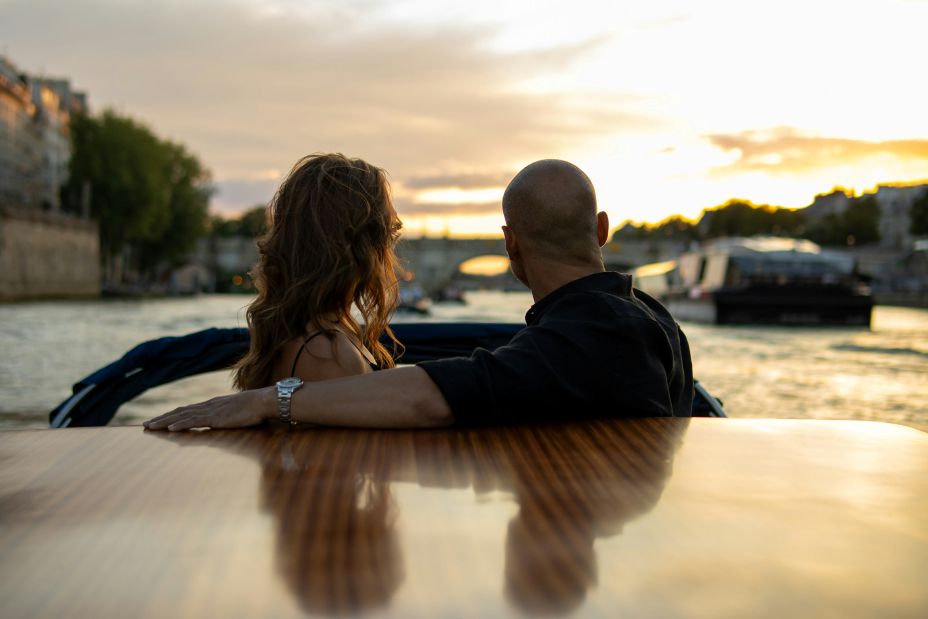
Travel removes many roles that normally define your days. Nobody needs groceries, yard work, appointments, or another household decision before dinner. For several days, you become a couple first again.
That can feel wonderful. It can also reveal small irritations that routine usually hides. Suddenly, you notice how differently you approach time, money, planning, sleep, and decisions.
None of that means something is wrong. Extended time together simply gives you better information about the relationship you have today. Empty nester travel conversations often become more personal because there is finally room for them.
The best trips leave space for those discoveries. Planning fewer activities can create more meaningful time together. Once the schedule loosens, the conversation often becomes more revealing.
Discovering What You Still Love Doing Together
One of travel’s nicest surprises is remembering what you genuinely enjoy together. Maybe history still absorbs both of you. Perhaps food, wine, music, photography, or long walks create the strongest connection.
Sometimes the discovery feels almost embarrassingly simple. You spend two hours over dinner and realize you still love doing exactly that. Daily life simply stopped providing many two-hour dinners.
A small-group wine experience in Chianti can create similar moments. You taste, compare opinions, laugh, and spend time together without accomplishing anything practical. That is precisely the point.
Those experiences often follow you home. You may start discussing more date nights, concerts, weekend outings, cooking classes, or future trips. The question quietly changes from what should we do to what have we missed doing together?
Discovering Where You Are Different Now
Travel also exposes differences, sometimes before breakfast. One person wants coffee at seven and sightseeing by eight. The other considers anything before nine a personal attack.
Pace creates another divide. You may love wandering without plans while your partner wants reservations, tickets, and a clear schedule. Neither preference makes someone difficult.
The mistake comes from assuming nothing has changed. Twenty years ago, you may have loved packed sightseeing days. Today, a slower morning or independent afternoon might make the trip much better.
That realization can start useful conversations. What helps each of you feel rested, comfortable, interested, and genuinely excited? How much togetherness feels good, and how much independence keeps everyone happier?
Those answers may surprise you. People change, even inside strong marriages. Travel simply gives both of you a clearer view of who came along this time.
The Biggest Conversations Are Often About What Comes Next

A good trip can make the future feel less theoretical. You are finally doing something you once postponed for work, children, or timing. That changes the conversation.
Suddenly, retirement feels closer. Health matters differently. Money becomes less about accumulation and more about what you want it to make possible.
Family enters the discussion too. So do places still unseen and experiences still waiting. Empty nester travel conversations often shift from someday toward something more specific.
That shift does not require dramatic decisions. Travel simply gives you evidence about what feels important now. Sometimes that clarity follows you home.
Are We Living the Life We Actually Want Now?
Travel creates useful distance from routines you rarely question at home. A slower morning somewhere beautiful can make an overloaded calendar look strangely unnecessary. Priorities become easier to examine.
You may start discussing how long you want to work. Perhaps retirement suddenly feels more appealing. Maybe downsizing, moving, or traveling more often enters the conversation.
Money can look different too. You might prefer fewer possessions and more experiences. Another couple may value a comfortable home base and several meaningful trips yearly.
If this topic is shaping your trip, Why Travel Becomes More Meaningful After the Kids Leave Home is a useful next read for why travel can take on a different meaning when couples have more freedom to choose trips for themselves.
None of this demands immediate action. One wonderful vacation should not trigger a house sale before you unpack. It should create better questions.
What deserves more of your time now? Which habits belong to an earlier stage of life? Where have you kept saying someday without noticing how quickly someday moves?
Where Do We Still Want to Go Together?
One memorable trip often creates another list before the first suitcase reaches home. The conversation starts with destinations, then becomes more personal. What do you still want to experience together?
Perhaps Europe keeps calling. A Danube river cruise designed around a slower travel rhythm might suddenly move higher on your list. Japan, New Zealand, or an African safari may follow.
But destination lists only reveal part of the story. Ask what you still want to learn, taste, see, or try. Those answers often create better trips.
Maybe you want northern lights overhead. Perhaps you want to return somewhere meaningful from your younger years. Another couple may want their first long European journey together.
Practical planning eventually enters the picture. The State Department’s international travel checklist can help turn distant ideas into realistic plans. That is when someday starts becoming a date on the calendar.
The Best Part of the Trip May Be the Conversation You Never Planned
Some of the moments you remember most will happen between the scheduled experiences. They show up over long dinners, quiet mornings, and walks with nowhere urgent to be. That is where empty nester travel conversations often become the part you carry home.
Travel gives you room to rediscover each other without forcing anything. Old stories return, new opinions surface, and future plans start sounding more real. Sometimes you simply remember how much you still enjoy talking to each other.
So leave space in the itinerary. Protect a few slow mornings, longer meals, and evenings without another reservation waiting. The conversations you never planned may become the ones you remember longest.
If you are ready to create a trip with enough room to actually enjoy it, start planning your getaway. And if you want more ideas, conversations, and travel inspiration for this stage of life, join our Empty Nester Getaways Facebook group.