
Slow travel for empty nesters often begins with one quiet realization: you no longer need to race through every destination. For years, vacations meant squeezing landmarks, cities, meals, and family logistics into one precious week. Efficiency mattered, even when everyone returned home needing another vacation.
Now, the calendar feels different. School schedules no longer control departure dates, and family routines no longer dictate every decision. That freedom invites a better question: what actually makes travel feel meaningful now?
Most couples still plan trips using habits built during busier years. They change hotels often, stack tours tightly, and treat open afternoons like wasted opportunities. Yet those empty spaces often hold the moments you remember longest.
You may also want to read 10 Hidden Habits Empty Nesters Need to Unlearn Before Traveling for a closer look at spotting family-travel habits that can make empty-nest trips more stressful than they need to be.
Seeing less can sharpen everything. A slower morning creates better conversation, while an unhurried meal reveals more than another rushed attraction. You notice the music from a nearby square, the scent of fresh bread, and your partner’s relaxed smile.
Perhaps the best trips no longer depend on how much you cover. They depend on how deeply you experience what you choose. That shift sounds simple, but it changes nearly every travel decision that follows.
If this topic is shaping your trip, Why Now Is the Best Time for Empty Nesters to Take Bucket List Trips is a useful next read for why the empty-nest years can be the right time to stop postponing long-discussed bucket-list trips.
The Checklist Travel Habit No Longer Serves You
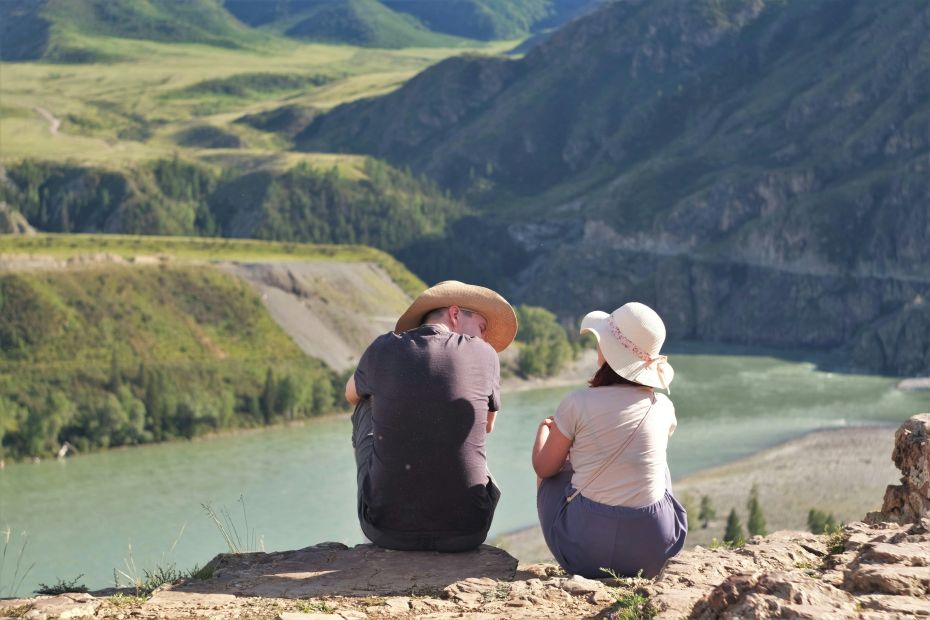
For years, family schedules taught you to treat vacation time like scarce currency. School calendars narrowed your choices, while work commitments compressed entire countries into seven hurried days. Naturally, you learned to pack every available hour.
That approach once made sense. However, the same efficient itinerary can now leave you tired, irritable, and strangely disconnected. You return with hundreds of photographs, yet struggle to recall how any place actually felt.
Slow travel for empty nesters offers another measure of value. Instead of counting landmarks, you begin noticing neighborhood rhythms, lingering lunches, and conversations that never appear on sightseeing lists. Those quieter details often reveal what constant movement hides.
Why Seeing More Does Not Guarantee a Better Trip
Three museums before lunch sounds impressive when written inside a polished itinerary. By late afternoon, however, marble statues begin blending with gilded ceilings and increasingly desperate searches for coffee. Your camera remembers everything, while your mind remembers remarkably little.
Consider the difference between visiting ten famous landmarks and sharing one memorable evening with a local guide. Years later, you may forget another cathedral’s name. Yet you will remember the musician playing nearby, the regional wine, and the story that made everyone laugh.
Frequent hotel changes create the same problem. One week across several cities promises variety, but packing, transfers, and check-ins quietly steal the experience. The hidden truth appears around day four, when excitement starts feeling suspiciously like work.
Recognizing When Your Itinerary Has Become Too Full
An overloaded itinerary usually reveals itself before departure. Every morning begins early, each afternoon holds timed reservations, and no evening remains open. Even dinner becomes another appointment you must reach.
Transportation also consumes more time than most couples expect. Stations, traffic, hotel changes, security lines, and unfamiliar streets can swallow several hours. Add navigation mistakes, because apparently medieval cities never consulted Google Maps.
Before adding another stop, ask what it truly contributes. Does it deepen your experience, or does a guidebook simply insist responsible tourists must see it? That question sits at the heart of luxury travel planning for couples.
Thoughtful travel also means respecting destinations rather than consuming them quickly. National Geographic offers practical ideas for becoming a more considerate traveler. Once you stop measuring success through quantity, a more rewarding way of traveling begins to emerge.
You Can Choose Depth Instead of Distance
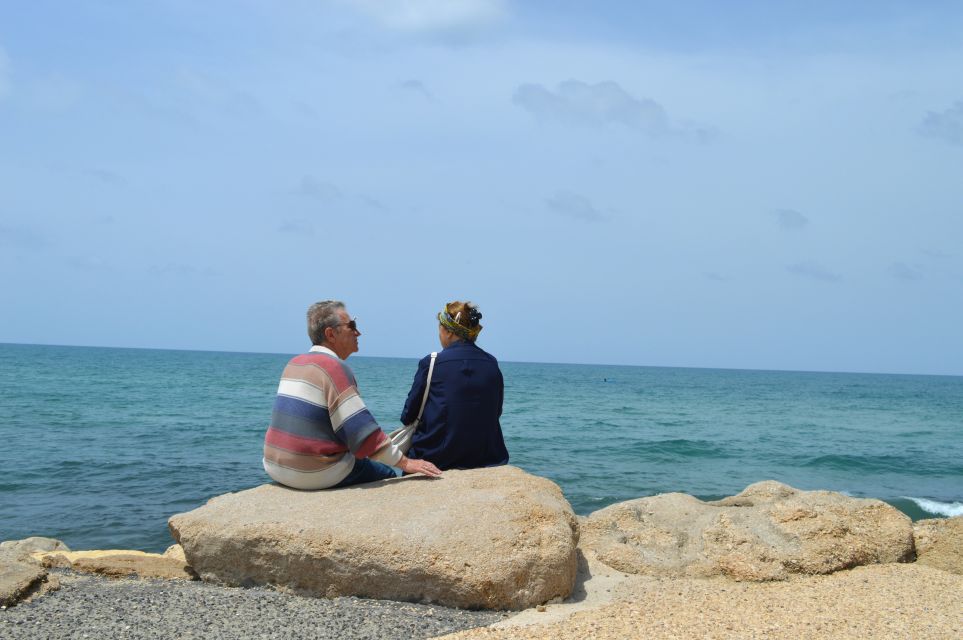
Spending another night rarely looks exciting beside adding another city. Yet slow travel for empty nesters rewards time more generously than distance. Familiarity begins replacing the restless need to keep moving.
A longer stay lets you learn which streets awaken slowly and which squares come alive after dinner. You notice neighborhood rhythms, local habits, and details that rushed visitors overlook. Eventually, the destination stops feeling like scenery and starts feeling briefly familiar.
Fewer hotel changes also return something valuable. Hours once lost to packing, transfers, check-ins, and unpacking become yours again. That time can hold long meals, evening walks, quiet mornings, or simply better conversations.
Most couples underestimate this trade. They count destinations gained but rarely calculate vacation time lost. Once you recognize that imbalance, faster travel becomes harder to defend.
What You Discover When You Stay Longer
During a short visit, every street feels unfamiliar. Stay longer, and the city gradually reveals patterns. You remember the café with warm pastries, the quiet waterfront bench, and the market vendor who recognizes you.
Returning somewhere changes the experience. Your second market visit feels less like sightseeing and more like participation. Instead of photographing every display, you begin asking questions and tasting what actually interests you.
Extra time also gives famous landmarks proper breathing room. You can visit the essential museum without sacrificing residential neighborhoods, small galleries, or an aimless afternoon. One morning may even remain completely unscheduled, which once sounded irresponsible.
That freedom often produces richer memories. Perhaps you return to a favorite restaurant because the first dinner felt unusually personal. Maybe you wander beyond the polished center and discover where ordinary evenings unfold.
These moments rarely survive an overloaded itinerary. They need time, curiosity, and enough confidence to stop chasing the next pin. Something subtler begins happening when you stay put.
Why One Meaningful Experience Can Define a Trip
A single thoughtful experience can reveal more than several hurried attractions. Private guides, cooking classes, concerts, and long meals invite conversation rather than simple observation. They also give a destination a human voice.
Tour buses show you buildings efficiently. Local residents explain why those places matter, who shaped them, and how daily life continues around them. That difference separates collecting sights from understanding a culture.
Lisbon’s Mouraria neighborhood offers a compelling example. Its steep lanes hold immigrant stories, traditional dishes, family businesses, and layers of Portuguese history. Exploring them slowly creates context that a quick photograph cannot capture.
The Lisbon Roots food and culture walking tour visits small local establishments while connecting food with neighborhood history. Tastings become part of a larger conversation about migration, tradition, and identity. Suddenly, lunch carries more meaning than another rushed viewpoint.
That depth explains why Lisbon’s most meaningful cultural experiences deserve thoughtful planning. The city rewards couples who linger long enough to hear its stories. Once one experience defines the journey, destination counting starts losing its appeal.
A Slower Pace Makes Travel More Enjoyable

A relaxed itinerary changes how your body experiences a destination. Long walking days, early departures, and repeated transfers create fatigue faster than most couples expect. By evening, even an excellent dinner can feel like another obligation.
Comfort matters more now, and that is hardly a character flaw. Good sleep, quiet mornings, and recovery time protect the experiences you traveled far to enjoy. They also prevent minor discomfort from shaping the entire trip.
The hidden truth feels almost unfair. Seeing everything often means enjoying less of what you see. A crowded schedule can turn remarkable places into attractive backgrounds for sore feet.
Slow travel for empty nesters offers a better result. You return home remembering flavors, conversations, and atmosphere instead of laundry piles and transportation delays. The difference becomes clearest when you reconsider how each day should feel.
Building Days That Leave Room to Breathe
A balanced day usually needs one meaningful experience. Add a relaxed meal and enough open time for wandering, resting, or following an unexpected recommendation. Anything beyond that should earn its place.
Major tours immediately after arrival often create avoidable frustration. Flights delay, rooms remain unavailable, and tired brains struggle with names, dates, and meeting points. Your first day deserves gentler expectations.
Back-to-back reservations cause similar trouble. A museum visit becomes rushed because lunch begins soon, while lunch feels hurried because another tour follows. Efficiency starts controlling the experience.
Instead, leave a free afternoon after a major museum. Protect a quiet evening following a countryside excursion. Those pauses help each experience settle before the next one competes for attention.
This approach shapes Budapest travel without burnout particularly well. Thermal baths, riverside walks, and long dinners need breathing room. Otherwise, relaxation becomes another timed appointment.
Letting Energy Levels Guide the Itinerary
Your actual energy should shape the itinerary, not an imaginary younger traveler with heroic knees. Choose sightseeing times, walking distances, and transportation honestly. Comfort creates better memories than stubbornness.
Centrally located hotels can reduce daily transportation and simplify evening plans. Private transfers remove stressful connections, while skip-the-line access limits unnecessary standing. Small-group experiences often provide richer interaction without overwhelming crowds.
The Ljubljana Small Group Food Walking Tour shows how gentle movement and cultural depth can work together. Couples explore the city through local food, neighborhood stories, and conversation. The pace supports discovery rather than competing with it.
Before booking any activity, consider the complete cost. Include travel time, physical effort, crowds, and the recovery required afterward. Does the experience still deserve half your day?
That question may remove several impressive options. It may also protect the moments you will value most. A better itinerary begins when comfort stops needing an apology.
You Have Earned the Right to Follow Your Own Interests
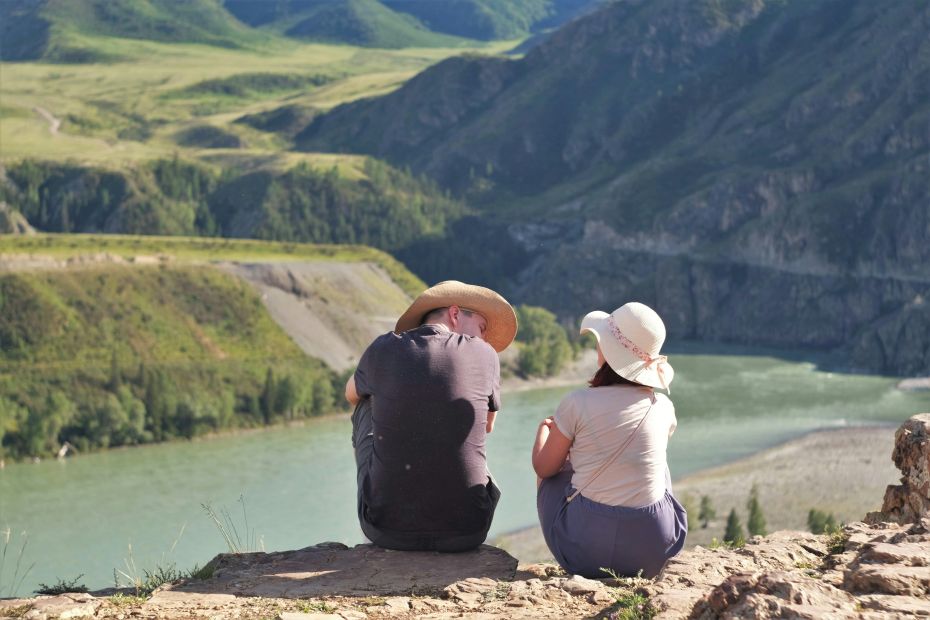
Mature travelers no longer need to organize every trip around somebody else’s definition of essential. You have earned preferences, standards, and perhaps stronger opinions about waiting in lines. Those preferences should shape your itinerary.
Slow travel for empty nesters works best when genuine interests determine where time goes. Food, history, gardens, music, wine, or scenery can provide the trip’s structure. Popularity alone offers a poor reason to surrender an afternoon.
Generic itineraries often follow the same predictable route. They connect famous landmarks, crowded viewpoints, and photographs everyone already recognizes. A personalized journey asks what you actually want to experience between those pictures.
That distinction matters. One trip collects proof that you visited. The other creates stories that still feel personal years later.
Deciding What Actually Deserves Your Time
Before booking anything, notice which experiences keep returning to your conversations. What do you discuss over dinner before departure? Which missed experience would genuinely disappoint you afterward?
Those questions separate curiosity from obligation. Social media, online lists, and well-meaning friends can make every attraction sound mandatory. Fear of missing out then turns vacation planning into unpaid administrative work.
Most couples make one mistake here. They protect famous attractions first, then squeeze personal interests into whatever time remains. Reversing that order creates a far more satisfying trip.
Perhaps a cooking class excites you more than another cathedral. A peaceful garden may offer more pleasure than a crowded observation deck. Neither choice requires an apology or a cultural defense.
Barcelona rewards this personal approach beautifully. Its markets, neighborhood kitchens, tapas traditions, and regional wines reveal the city through flavor. Explore Barcelona’s best culinary experiences before automatically reserving another landmark tour.
Replacing Famous Attractions with Personal Experiences
Skipping one celebrated attraction does not mean you somehow failed the destination. Another experience may hold greater meaning for both of you. Travel rarely awards medals for dutiful attendance.
Consider Venice. You could spend an hour standing in a famous line while studying the shoulders ahead. Alternatively, you could share cicchetti, local wine, and neighborhood stories with a knowledgeable guide.
The contrast reaches beyond comfort. Famous attractions show you what visitors expect to see. Personal experiences reveal how local people eat, gather, celebrate, and understand their city.
Venice’s narrow lanes and small bacari create an intimate setting for that discovery. The Eat Like a Local Venice food tour connects regional tastings with local dining knowledge. Small establishments and shared stories make the city feel less theatrical and more human.
Later, you may forget which palace room held which painting. You will probably remember the crisp cicchetti, cool wine, and conversation beside a quiet canal. That memory reveals what deserved your time all along.
Leaving Space Creates the Moments You Remember
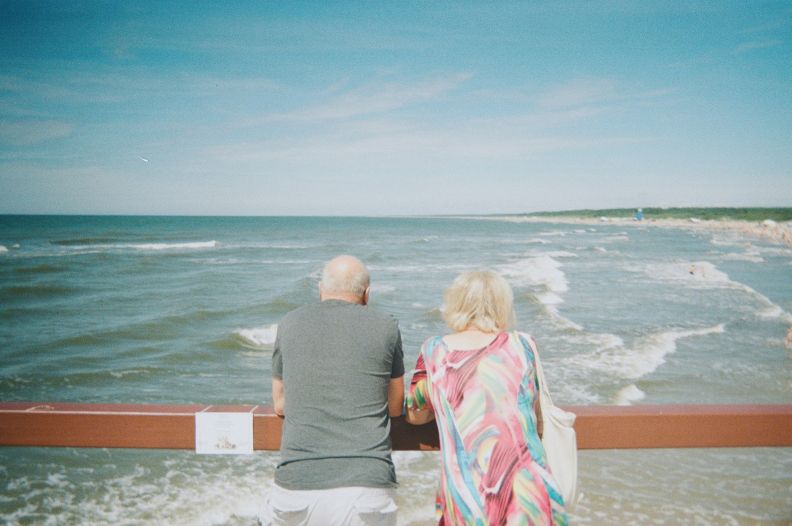
Unscheduled time can feel suspicious after decades of planning family vacations around school calendars and limited leave. Yet those open hours often become the memories you retell. They let a destination surprise you before another reservation interrupts.
A tightly controlled itinerary offers certainty, but it also closes doors. You cannot follow a guide’s dinner suggestion when every evening already belongs to a ticket. Spontaneity needs room, and room rarely appears by accident.
Slow travel for empty nesters balances structure with freedom. You still reserve meaningful experiences, comfortable hotels, and difficult-to-secure meals. However, you leave enough space to revisit somewhere wonderful or simply enjoy where you already are.
That distinction changes the trip’s texture. Instead of managing the clock, you notice church bells, lake reflections, and conversations drifting from nearby tables. The moments seem small until they become the ones you remember.
Why Unplanned Time Is Not Wasted Time
An afternoon beside a lake may accomplish nothing measurable. Still, sunlight changes across the water, lunch becomes another glass of wine, and neither of you checks the time. That is not wasted travel.
Open hours also help you respond honestly. Rain may favor a museum, while clear skies invite a boat ride or hillside walk. Tired legs may request coffee, despite your itinerary’s passionate objections.
Perhaps you enter a quiet church because music slips through an open doorway. Maybe a market vendor recommends a nearby village you had never considered. Later, you return to yesterday’s viewpoint because sunset promises an entirely different scene.
Lake Como rewards this kind of flexibility. Its ferries, villages, gardens, and waterfront cafés encourage gentle changes of plan. These Lake Como cultural experiences reveal what happens when curiosity outranks completion.
The surprising part comes later. You may forget the attraction booked months earlier. That unplanned lakeside hour, however, may remain remarkably clear.
Creating a Flexible Itinerary Without Missing the Essentials
Flexibility does not require careless planning. Choose one or two priorities in each destination, then protect enough time to enjoy them properly. Everything else can support those experiences rather than compete against them.
You can explore this idea in more detail in Europe Travel Itinerary Planning: The Better Way to Structure Your Trip, including how to build a European itinerary with fewer rushed moves and more time to enjoy each stop.
Label activities as essential, preferred, or optional. Essential choices earn reservations and protected time. Preferred plans stay adjustable, while optional ideas wait for energy, weather, and genuine interest.
Longer stays make this approach safer. A delayed train or rainy morning no longer threatens the entire visit. Fewer travel days provide space to move important experiences without creating a logistical domino disaster.
This structure also reduces disappointment. Removing an optional attraction feels sensible, while abandoning a supposedly mandatory landmark can feel like failure. The labels give you permission to adjust without questioning the trip’s value.
UN Tourism’s Best Tourism Villages can inspire quieter alternatives beyond major cities. These places often preserve local traditions, landscapes, and community life. They also reward travelers who arrive with enough time to notice.
A flexible itinerary still has direction. It simply refuses to control every hour. That freedom prepares you for another overlooked benefit, traveling together with fewer points of friction.
Seeing Less Can Help You Travel Together Better

A lighter itinerary gives you something crowded schedules quietly steal: time with each other. You can talk without checking departure times. Decisions feel shared rather than urgent.
Rushed days create friction in surprisingly ordinary places. One person wants lunch, while the other worries about missing a reservation. Soon, navigation, sore feet, and hunger become relationship issues.
Most couples do not argue about the destination itself. They argue about timing, energy, directions, and whether another attraction truly matters. An overloaded schedule simply provides more opportunities for tension.
Slow travel for empty nesters changes that dynamic. You stop moving like two efficient employees completing assignments. Instead, you travel as partners sharing experiences whose value cannot fit inside a checklist.
Making Room for Different Travel Styles
Even compatible couples rarely enjoy every experience equally. One partner may love museums and history. The other may prefer gardens, food, scenery, shopping, or a peaceful afternoon.
A slower trip makes those differences easier to respect. You can protect shared priorities while allowing occasional separate interests. Nobody needs to spend six hours pretending to admire pottery.
Kyoto offers an elegant example. Begin with a guided temple visit that provides history and cultural context. Follow it with an unhurried garden afternoon, tea, and quiet neighborhood walking.
The most beautiful Kyoto temples for couples work best when you balance culture with stillness. That rhythm creates space for different interests without dividing the day. Both partners leave feeling considered.
Similar balance works elsewhere. Pair a morning hike with an afternoon scenic train journey. One experience provides movement, while the other delivers comfort and uninterrupted views.
Measuring a Trip by Memories Instead of Miles
Destination counts offer an easy measurement. Memories resist tidy totals. They form through conversations, discoveries, meals, shared laughter, and moments neither partner planned.
Experiential travel shifts attention from places collected to experiences understood. National Geographic explores this change through the growing appeal of experiential travel. The idea feels especially relevant once quantity stops defining success.
Years later, you may forget which afternoon included which museum. However, you will remember warm bread at breakfast and rain tapping beside your café table. You may recall how relaxed your partner looked.
That feeling matters. A journey can cover fewer miles while bringing two people closer. Perhaps that represents travel’s most meaningful return.
Think about your last memorable vacation together. Which three moments would you still want to remember five years from now? Your answer may reveal what the next trip should contain, and what it can finally leave behind.
Your Best Trips May Be the Ones You Stop Rushing
Slow travel for empty nesters begins when every vacation stops feeling like your final chance to see everything. Another journey can hold the missed museum, distant village, or famous viewpoint. Leaving something behind gives you a reason to return.
Fewer destinations create room for longer stays, quieter mornings, and experiences chosen because they genuinely interest you. Flexible days protect your energy while making space for conversations, discoveries, and occasional changes of heart. That freedom feels far better than dragging luggage toward another hotel before breakfast.
The real measure of travel changes with this season of life. Success no longer depends on miles covered or landmarks photographed. It rests within the moments you still discuss months later.
Choose the experiences that deserve your time. Release the rest without guilt. The world will survive your decision to skip one more cathedral.
Ready to create a journey built around how you truly want to travel? Start planning your personalized vacation and tell us what would make the trip meaningful. We will help you shape the details without crowding out the pleasure.
You can also join Luxury Travel by Eric: Empty Nester Couples Vacations. The group connects you with travelers who value thoughtful pacing, comfort, culture, and shared discovery. Your next idea may begin with someone else’s unforgettable moment.