
The hidden costs of Portugal travel rarely arrive as one dramatic expense. They appear quietly through tourist taxes, tolls, transfers, restaurant extras, attraction fees, and payment charges that seemed too small to worry about.
Portugal can still offer excellent value, especially compared with many other European destinations. However, a low hotel rate or affordable meal does not always show the full amount you will spend.
The biggest budget surprises often come from several minor expenses adding up across the trip. Understanding the possible costs of lodging, transportation, dining, attractions, tours, and card payments helps you plan with confidence and enjoy Portugal without watching every euro.
Hotel Rates May Not Include Every Lodging Expense
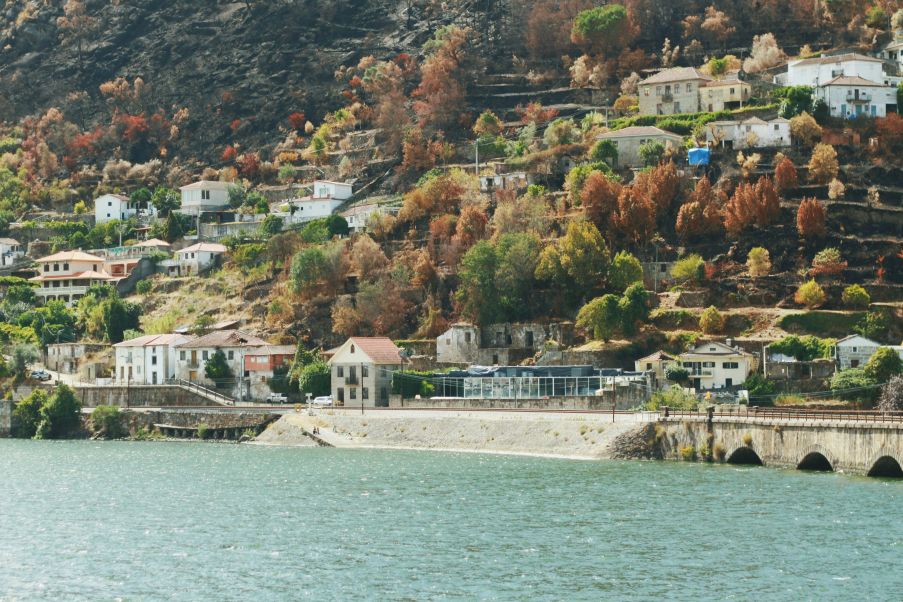
A Portugal hotel can look surprisingly affordable when you first see the nightly rate. However, that number may cover only the room. Taxes and optional services can quietly increase your final bill.
Two properties charging similar rates may deliver very different overall value. One might include breakfast and parking, while another charges separately for both. Those daily differences become meaningful during a weeklong stay.
Always compare the complete cost rather than the most attractive price on the booking page. Check the cancellation rules, included amenities, local taxes, and likely extras. A slightly higher room rate may ultimately cost less.
Municipal Tourist Taxes in Lisbon, Porto, and Other Destinations
Portugal does not have one tourist tax that applies equally across the country. Municipal governments establish their own rates, exemptions, and collection rules. Your tax can therefore change as you move between destinations.
Lisbon currently charges €4 per person, per night, for guests aged 13 and older. The charge applies for up to seven nights during the same stay. A couple spending seven nights in Lisbon would pay €56 beyond the advertised room rate.
Porto currently charges €3 per person, per night, with a seven-night maximum. That creates an additional cost of €42 for a couple staying seven nights.
Other municipalities may use different rates, seasons, age limits, or exemptions. Never assume the Lisbon or Porto rules apply throughout Portugal. Confirm the current tax for every place where you will stay overnight.
Hotel Extras That May Appear at Checkout
Tourist taxes are predictable once you know to look for them. Hotel extras can prove harder to anticipate. Each property decides which services belong in the room rate.
Breakfast may be included at one hotel and cost extra at another. Parking, spa access, laundry, minibar purchases, and room upgrades may also carry separate charges. Early arrival or late departure can produce another fee.
Vacation rentals present their own possible additions. Cleaning charges, service fees, security deposits, and utility costs may appear during checkout. Some are refundable, while others become part of your permanent trip cost.
Ask for an itemized estimate when parking, breakfast, or other services matter to you. Compare the final projected total for your entire stay. That figure offers a far more honest comparison than the nightly rate alone.
Rental Cars Can Cost Much More Than the Advertised Rate

That appealing rental car price can lose its charm quickly. The advertised rate often excludes insurance, tolls, fuel, parking, and several counter fees.
A car can still make sense for rural villages, vineyards, and less-connected regions. However, keeping one in Lisbon or Porto may create more expense and stress than freedom.
Compare the complete driving cost with trains and private transfers before booking. Include every rental day, toll, fuel stop, parking charge, and possible upgrade.
Insurance, Deposits, Fuel, and Rental Counter Add-Ons
The lowest rate usually includes only basic protection. Additional collision coverage, theft protection, and liability coverage can raise the daily price significantly.
Your credit card may provide rental coverage, but important limits can apply. Some policies exclude certain vehicles, countries, damages, or administrative charges.
Rental companies may also place a large security deposit on your card. Confirm the deposit amount and available credit before leaving home.
Automatic vehicles usually cost more than manual models in Portugal. Additional drivers, airport pickups, one-way rentals, and larger vehicles can add further charges.
Fuel policies also deserve attention. A prepaid fuel option may seem convenient, but you could pay for gasoline you never use.
Imagine finding a car for €35 per day. Insurance, an automatic transmission, airport fees, and an additional driver could push the real cost far higher.
Review every proposed charge before signing the rental agreement. Decline services you do not need, but never reject coverage without understanding your financial responsibility.
Electronic Tolls, Parking, and Restricted Driving Areas
Portugal uses traditional toll booths and roads with exclusively electronic toll collection. Electronic roads detect vehicles through overhead gateways rather than staffed payment booths.
Ask exactly how your rental company handles those tolls. Some companies provide a toll device, then charge the tolls and an administration fee afterward.
Never assume you can stop and pay cash on every road. Exclusively electronic toll lanes have no payment booths available.
Parking creates another regular expense. Central hotels may charge daily parking fees, while public garages can increase the cost of every city stay.
Historic neighborhoods can also have narrow streets, limited access, and scarce parking. A larger vehicle may become more burden than benefit.
Compare a Lisbon-to-Porto drive with the train using complete costs. Add rental days, gasoline, tolls, parking, insurance, and time collecting and returning the vehicle.
Rail travel may cost less for a city-focused itinerary. A private driver can also remove toll, parking, navigation, and luggage concerns.
Travelers wanting broader coverage without driving could consider a private multi-day tour. One current option travels from Lisbon through destinations including Sintra, Coimbra, Porto, and the Douro Valley. Accommodation, meals, and several attraction tickets remain separate, so travelers should review every inclusion before comparing costs.
A rental car works best when it solves a real transportation problem. It becomes an unnecessary expense when it spends most of the trip parked.
Local Transportation Costs Add Up Across a Multi-City Trip

Portugal makes it easy to underestimate transportation costs. One metro ticket feels insignificant, and a single taxi rarely changes the budget. The total becomes clearer after adding airport transfers, trains, rideshares, luggage transport, and private drivers.
Public transportation often costs less than a private transfer. However, the cheapest fare may require long walks, multiple connections, or lifting luggage across platforms. Those tradeoffs matter more after an overnight flight or during a busy multi-city itinerary.
Compare each option using the complete journey. Consider travel time, luggage, mobility, hotel location, and connection risks. Paying more for one convenient transfer can sometimes prevent several smaller expenses and a difficult travel day.
For a broader approach to building a comfortable itinerary, read Luxury Travel Planning for Couples: Why Doing Less Leads to More.
Airport Transfers and Transportation Between Cities
Lisbon offers several ways to travel between the airport and the city. The metro usually provides the lowest price, while taxis and rideshares offer direct service. Shared shuttles and private transfers sit between those choices in cost and convenience.
A private transfer can make sense after a long international flight. The driver meets you at the airport, assists with luggage, and takes you directly to your hotel. That service can feel especially valuable when you arrive late or stay far from a metro station.
Early departures can also raise transportation costs. Public service may run less frequently, and rideshare availability can become less predictable. A reserved transfer may cost more but reduce the risk of missing a flight or train.
Train travel works well between Lisbon and Porto. However, the ticket represents only part of the journey. You may still need transportation from your hotel to the station and from the arrival station to your next property.
A Lisbon, Porto, and Douro Valley itinerary may involve several separate costs. These can include a Lisbon airport transfer, train tickets to Porto, transportation to the Porto hotel, and a driver into wine country. The return journey creates another set of expenses.
Domestic flights may appear faster for longer routes. However, baggage fees, airport transfers, security lines, and waiting time can reduce the advantage. Compare the full door-to-door journey rather than the scheduled flight time.
Visit Visit Portugal’s Useful Information page for official guidance covering transportation and practical travel details.
Hills, Cobblestones, and the Cost of Convenience
Lisbon and Porto both reward travelers who explore on foot. They also feature steep hills, uneven pavements, stairways, and polished cobblestones. A short distance on a map can become a demanding walk.
These conditions matter when you carry luggage. They also matter when one traveler manages knee pain, back problems, balance concerns, or limited stamina. A taxi or private transfer may protect your energy for the experiences you traveled to enjoy.
Hotel location can change transportation spending throughout the trip. A cheaper property outside the center may require daily metro rides, taxis, or rideshares. Those repeated costs can reduce or eliminate the original savings.
A centrally located hotel may charge more per night. However, it can place restaurants, attractions, and meeting points within easier reach. It may also allow you to return for a midday break without paying for another ride.
Day tours can reduce the need to organize several separate forms of transportation. The Lisbon Small-Group Sintra, Cabo da Roca, and Cascais Tour includes transportation from Lisbon to several popular destinations. Travelers should still confirm pickup details, entrance fees, meals, and other exclusions before booking.
The lowest-priced transportation option does not always create the best value. Choose the option that fits your luggage, mobility, schedule, and comfort. A well-planned transfer can save time, reduce stress, and prevent unexpected costs later.
Meals, Drinks, and Tipping Can Exceed Casual Estimates

Portugal can feel wonderfully affordable at the table. However, the menu price rarely tells the entire story.
Dining costs vary by neighborhood, location, and restaurant style. A family-run café may charge far less than a waterfront restaurant, luxury hotel, or heavily visited tourist district.
Drinks, bottled water, appetizers, desserts, bread, and gratuities can raise the final total. None may seem expensive alone. Together, they can turn a modest dinner into a much larger expense.
Plan special meals separately from everyday dining. That approach lets you enjoy a memorable dinner without treating every evening as a major occasion.
For more ideas beyond standard sightseeing, read Cultural Experiences Portugal: Secrets Only Locals Know.
Bread, Water, Drinks, and Other Small Dining Charges
Portuguese restaurants may place bread, olives, cheese, or small appetizers on the table shortly after you sit down. These items may look complimentary, but restaurants can charge for anything you consume.
You do not have to eat them. Politely decline or leave them untouched when you do not want the extra cost.
Bottled water can also appear automatically unless you ask about available choices. Coffee, wine, cocktails, and after-dinner drinks add another layer to the bill.
A couple might begin with two reasonably priced main courses. Add bread, olives, bottled water, wine, dessert, and coffee, and the final check may look very different.
Hotel breakfasts deserve the same attention. Some properties include breakfast in the room rate, while others charge a significant daily amount per guest.
Compare the breakfast price with nearby cafés before adding it to your reservation. A hotel breakfast may still offer good value when convenience, variety, and an early departure matter.
Wine experiences can also combine several costs into one booking. The Small-Group Douro Valley Wine Tour with Lunch and Cruise includes transportation, winery visits, lunch, and a river cruise. Review the current inclusions carefully so you know which meals, tastings, and extras remain your responsibility.
Tipping Guides, Drivers, Hotel Staff, and Restaurant Teams
Tipping in Portugal differs from common practices in the United States. Travelers should not assume that the same percentages or expectations apply.
At restaurants, first review the bill for any included service charge. When service is not included, a tip can recognize attentive service, but it should remain voluntary.
Private guides and drivers often receive gratuities when they provide excellent service. The amount should reflect the length of the service, the quality of the experience, and what was already included.
Hotel porters and housekeeping staff may also receive modest tips. Budgeting a small amount for these services prevents repeated decisions during the trip.
Food tours and wine excursions create another tipping opportunity. Confirm whether gratuities are included before calculating the complete experience cost.
Keep some small euro notes available for tips. This makes it easier to thank someone directly without searching for change or adding a tip through a card terminal.
The goal is not to tip out of pressure. It is to understand local practices, check what the bill includes, and recognize genuinely helpful service when appropriate.
Attractions and Excursions Often Require More Than Admission

A ticket price rarely tells you what a full sightseeing day will cost. Transportation, reservations, guides, meals, tastings, and gratuities can all increase the total.
Independent visits often cost less upfront. However, small-group and private tours may include transportation, expert guidance, and several experiences in one booking.
Compare tours by their complete inclusions, not their headline prices. A higher-priced excursion may offer better value when it replaces several separate expenses.
Portugal’s official tourism website provides destination information that can help you identify attractions and plan realistic travel days: Visit Portugal.
Admission Tickets, Timed Entry, and On-Site Upgrades
Portugal’s palaces, museums, monasteries, gardens, and towers often charge separate admission fees. Audio guides, special exhibitions, transportation, and premium access may cost extra.
Sintra provides a clear example. Travelers may pay separately for palace admission, gardens, local buses, taxis, and transportation from Lisbon.
Trying to visit several Sintra attractions in one day can also increase costs. Timed tickets may limit flexibility, while missed entry windows could require a new reservation.
Check exactly what each ticket includes before buying it. Confirm whether it covers gardens, interior rooms, shuttle transportation, exhibitions, or only basic admission.
Combination tickets may save money when you plan to visit several related sites. However, they provide little value when your schedule allows time for only one or two attractions.
A realistic daily budget should include every part of the visit. Add transportation, admission, refreshments, guide services, and any optional upgrades.
Small-Group and Private Tour Pricing
Small-group tours usually charge per traveler. Private tours may use either per-person or per-group pricing, which can change their value for couples.
A private tour may cost more, but it can offer hotel pickup, flexible pacing, and personal attention. Those benefits can matter when comfort, mobility, or time is important.
Always check whether the quoted price includes attraction tickets, meals, wine tastings, boat rides, and hotel transportation. Also review cancellation terms and gratuity policies.
Lisbon and Sintra tours may include transportation but exclude palace admission. Porto tours may include walking guidance while leaving food, drinks, and attraction tickets separate.
Douro Valley excursions often combine transportation, winery visits, tastings, and lunch. Some also include a river cruise, while others focus on additional wineries.
The Small-Group Douro Valley Tour: Three Wineries and Winery Lunch currently lists transportation, a local guide, three winery experiences, guided tastings, and lunch among its inclusions. Pickup availability depends on the selected booking option, so travelers should review the details carefully.
For more help choosing a worthwhile wine experience, read Douro Valley Wine Tour: Secrets Insiders Know.
The best tour is not always the least expensive option. Choose the experience that provides the right inclusions, pace, access, and support for your trip.
Currency Conversion and Payment Choices Can Quietly Raise Costs

Currency fees are easy to miss because they rarely appear in the advertised price. They surface later through card charges, ATM fees, exchange-rate markups, and reduced VAT refunds.
Portugal uses the euro, but payment terminals may offer to charge your card in United States dollars. That option may feel easier because the amount looks familiar. However, familiarity does not guarantee a better exchange rate.
A practical payment plan should include a card without foreign transaction fees and access to a modest amount of cash. Review every payment screen carefully, and know which fees your bank charges before leaving home.
For broader advice on protecting the comfort and value of your trip, read The Hidden Luxury Travel Mistake Couples Make.
Foreign Transaction Fees and Dynamic Currency Conversion
Some credit cards charge a foreign transaction fee when you make purchases outside the United States. The fee may apply even when the charge appears in United States dollars.
Check your card agreement before traveling. Do not assume a rewards card or premium card automatically waives foreign transaction fees.
A card issuer might charge a percentage of every international purchase. The Consumer Financial Protection Bureau gives an example in which combined network and issuer charges total 3 percent.
A 3 percent fee would add $3 to a $100 purchase. Across $4,000 in hotels, meals, tours, and shopping, those fees would total $120.
Dynamic currency conversion creates a separate possible cost. A Portuguese merchant or ATM may offer to convert the transaction from euros into United States dollars before processing it.
The conversion offer should display the exchange rate and related markup. Visa explains that paying in your home currency through dynamic currency conversion can include additional fees.
Choosing euros usually allows your card network and issuer to handle the conversion. Visa advises travelers who want to avoid the merchant’s conversion markup to decline the conversion and choose the local currency.
Pay attention to the final screen before approving a purchase. Select euros when that is your preferred choice, and confirm that the terminal did not switch the transaction back to dollars.
ATM Fees, Cash Access, and VAT Refunds
Cards work for many purchases in Portugal, but some cash remains useful. You may need euros for small cafés, markets, tips, public restrooms, or businesses with minimum card purchases.
An ATM withdrawal can involve several charges. The local ATM operator may add a fee, your bank may charge an out-of-network fee, and your account may apply a foreign exchange markup.
Independent currency machines may use less favorable exchange rates than bank-operated ATMs. Review every fee and conversion offer before accepting the withdrawal.
Withdraw larger amounts less frequently when doing so safely reduces repeated bank fees. Avoid carrying more cash than you can protect comfortably.
Eligible travelers who live outside the European Union may request a VAT refund on qualifying goods taken out of the EU. The goods must leave the EU in the traveler’s personal luggage, and the required documents must be presented during departure procedures.
The goods generally must leave the EU within three months of purchase. Individual countries may also apply minimum purchase requirements, and retailers or refund companies may deduct processing fees.
VAT refunds apply to eligible physical goods, such as qualifying clothing, jewelry, or locally made products. They do not provide tourists with refunds for ordinary vacation services such as hotel stays, restaurant meals, or local transportation.
Ask participating retailers for the correct tax-free documents when making the purchase. Keep the goods, receipts, passport information, and forms available until customs completes the validation process.
Review the European Union’s official VAT Refund Information before traveling, since eligibility and procedures can change.
A refund may be smaller than the full VAT amount shown on the receipt. Processing fees and currency conversion can reduce the final payment, so treat the refund as a possible savings rather than guaranteed spending money.
A Realistic Portugal Budget Needs a Cushion

A strong Portugal budget should include more than flights and hotels. It should account for transportation, meals, excursions, gratuities, payment fees, and personal purchases.
Separate the budget into confirmed, estimated, optional, and emergency costs. This makes it easier to see which expenses are fixed and which may still change.
The goal is not to inflate the trip total. A reasonable cushion helps protect the experience when prices shift or an unexpected expense appears.
Build the Budget by Travel Day
Start with each travel day rather than one broad trip total. Create separate categories for lodging, meals, transportation, admissions, tours, tips, and personal purchases.
This method exposes costs that often disappear inside general categories. A daily food estimate may overlook coffee, bottled water, snacks, wine, and hotel breakfast charges.
A free afternoon rarely means a free afternoon. A couple might pay for a taxi, museum admission, coffee, pastries, and a small souvenir.
Imagine spending an open afternoon in Lisbon. Two metro fares, a museum visit, refreshments, and a modest purchase can create a meaningful unplanned expense.
Travel days deserve extra attention. Transfers, station meals, luggage storage, seat upgrades, and last-minute taxis can all increase the daily total.
Review every day from arrival through departure. Ask where you will sleep, how you will move around, what you will eat, and which experiences may require payment.
Add confirmed expenses first. Then include realistic estimates for anything that has not been booked.
Place optional experiences in a separate category. This helps you decide later without confusing possible spending with required costs.
Add a Sensible Contingency Without Overinflating the Trip
A contingency fund covers expenses that are possible but difficult to predict. These may include price changes, missed connections, replacement transportation, medical needs, or an unplanned experience.
The reserve should remain separate from everyday spending. It is not extra money that must be used before returning home.
Choose a cushion that matches the trip’s complexity. A multi-city itinerary with private tours and several transfers may need more flexibility than one hotel stay.
Use the reserve when an expense protects your health, safety, transportation, or overall trip. It can also support a meaningful opportunity that fits your priorities and available budget.
Do not use the cushion to hide unrealistic daily estimates. Meals, planned tips, transportation, and known attraction costs belong in the regular budget.
Before approving the final trip budget, answer these questions:
- What taxes, fees, and deposits are missing from the quoted prices?
- Which meals, transfers, tickets, and gratuities remain unpaid?
- What optional experiences might you realistically choose during the trip?
- How would you handle a missed connection or unexpected transportation change?
- Does your payment method add foreign transaction or withdrawal fees?
- How much could you spend unexpectedly without creating financial stress?
A well-built cushion provides choices without encouraging careless spending. It lets you respond calmly when plans change and return home without an unpleasant financial surprise.
Plan for the Costs You Can See and the Ones You Cannot
Portugal can still deliver excellent value, but the advertised price rarely tells the whole story. Tourist taxes, transportation, dining extras, attraction fees, gratuities, and currency charges can quietly change your final total.
Careful budgeting should not make you afraid to book the hotel, private guide, or memorable dinner you truly want. It should help you spend confidently because you understand what the trip will really cost.
Before booking, confirm what each price includes. Check local taxes, transfer needs, attraction tickets, cancellation terms, gratuities, and payment fees. Then add a reasonable cushion for the smaller expenses that may appear along the way.
Ready to experience Portugal without managing every reservation, transfer, and hidden detail yourself? Start planning your trip with Empty Nester Getaways, and we will help you build a comfortable journey around your interests, pace, and budget.
Still gathering ideas? Join Luxury Travel by Eric: Empty Nester Couples Vacations on Facebook to connect with other empty nesters, explore destination ideas, and make smarter travel decisions.
P.S. Want to learn more about planning a Douro River cruise? These articles will help you understand the costs, what is included, and whether the experience is worth it for you: