
Taking a trip without an itinerary can feel reckless after years of carefully managing work, family, and limited vacation time. Before departure, every dinner, museum, transfer, and afternoon somehow demands a reservation. By the time you leave, your vacation resembles a board meeting with better shoes.
Yet itinerary-free travel does not mean abandoning comfort, common sense, or the reservations that genuinely matter. Flights, hotels, essential transfers, and special experiences can remain protected. The rest of the day can breathe, leaving room for energy, weather, appetite, and curiosity.
That open space often changes the entire character of a trip. A quiet café becomes lunch, while an inviting side street claims the afternoon. Conversation finally stops competing with the clock.
For more help with how travel changes after 50 when your own interests, pace, and priorities can lead the planning, read Travel After 50: It’s Finally About You.
What begins as freedom from planning may reveal something richer about how you now want to travel. Unexpected discoveries feel personal because nobody scheduled them for you. The most memorable moment may still be waiting beyond the next unplanned turn.
Why Leaving the Schedule Open Feels So Liberating

A packed itinerary can make a vacation feel suspiciously like the calendar you hoped to escape. Breakfast has a deadline. Even relaxation waits for its assigned time.
Leaving space changes that rhythm almost immediately. You wake and ask what feels appealing, rather than what comes next. That small shift returns control to you.
Flexible travel does not remove structure entirely. It protects important reservations while allowing each day to breathe. Europe’s slow travel approach shows how fewer transitions can create richer, calmer experiences.
Freedom From the Vacation Checklist
Many travelers quietly measure success by the number of famous landmarks they complete. Ten attractions sound better than three. Photographs provide evidence, even when the memories feel strangely thin.
Rushing between landmarks steals more than time. It limits conversation, dulls observation, and turns comfortable shoes into survival equipment. Eventually, the destination becomes scenery behind another appointment.
Now compare that pace with one thoughtful afternoon in a single neighborhood. You notice balconies, bakery windows, local dogs, and changing light. Those details rarely appear on a checklist.
This slower approach does not mean seeing less. Luxury travel planning for couples who prefer depth over volume explains why fewer plans often create fuller experiences. The difference becomes obvious once you stop counting attractions.
The Pleasure of Choosing in the Moment
An open morning lets weather, energy, appetite, and curiosity influence the day. Sunshine might invite a long walk. Rain could lead you into a gallery you never planned to visit.
Perhaps breakfast stretches past eleven because the coffee tastes excellent. Later, music drifts into a public square nearby. You follow it because nothing demands your immediate return.
Spontaneity works best when couples avoid discussing every possible option. Choose two appealing ideas, then decide quickly. Save the committee meeting for something less important, like choosing a new refrigerator.
You can also take turns choosing the next experience. One person selects lunch, while the other chooses the afternoon direction. That simple agreement keeps freedom from becoming indecision.
How Unplanned Time Creates Better Travel Memories
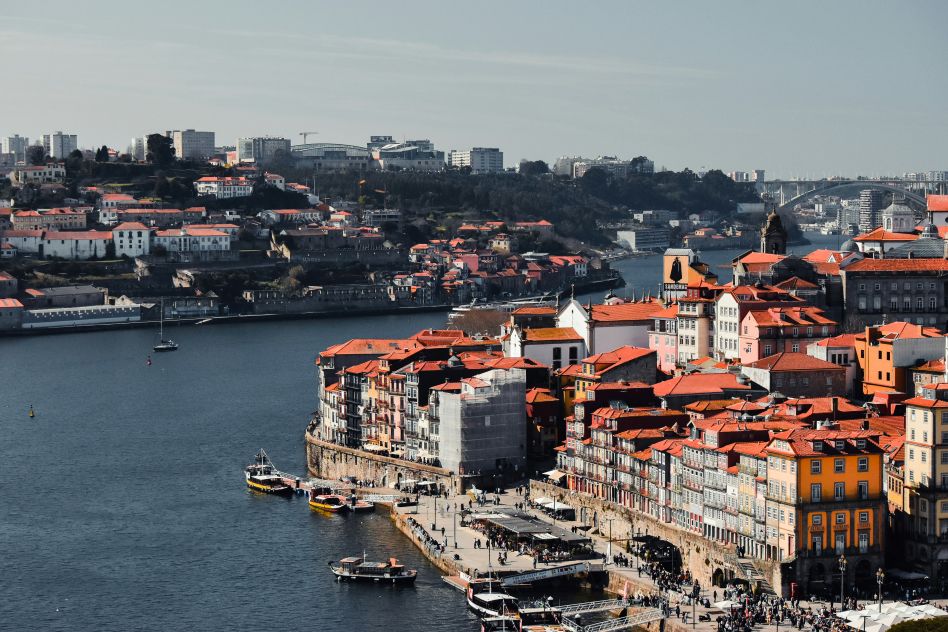
The moments you plan for months may impress you. Yet the moments you never expected often stay longer. They feel personal because nobody arranged them.
Open time changes what you notice. You see morning deliveries, neighbors greeting each other, and café tables filling after work. A hurried traveler misses those quiet rhythms.
Perhaps a shopkeeper suggests a nearby garden. Maybe a scenic detour ends beside the water at sunset. An unplanned dinner could become the meal you discuss for years.
That is the quiet gift of traveling without plans. You stop managing the destination and begin experiencing it. What appears ordinary at first may become the memory that defines everything.
Unexpected Places Become Personal Favorites
Wandering without a deadline can lead into a hidden courtyard, neighborhood market, or tiny independent bookstore. Nothing announces these discoveries as essential. That often makes them more meaningful.
Popular sightseeing lists tell millions of travelers where to stand. Personal discoveries give you a place that feels partly yours. The difference becomes clear when you remember how each experience felt.
Picture a quiet Lisbon street during late afternoon. Laundry moves above tiled buildings, while coffee scents drift through an open doorway. Nearby, tour groups crowd another famous viewpoint.
One setting offers proof that you visited. The other gives you a memory with texture. Lisbon experiences designed around slower, more meaningful discovery reveal why that distinction matters.
Local Encounters Happen More Naturally
Local conversations rarely appear when you rush past everyone. Sitting longer and walking slowly create openings. Returning to one café makes your presence familiar.
You may also want to read Why Empty Nesters Don’t Need to See Everything Anymore for a closer look at why doing less and staying longer can make empty-nest travel more satisfying.
A restaurant owner might explain an unfamiliar dish. Elsewhere, a shopkeeper may recommend a neighborhood that never appeared in your research. Simple directions can become an unexpected afternoon.
Respectful curiosity matters more than perfect language. Learn a greeting, say thank you, and ask before taking photographs. Those small courtesies can soften the distance between visitor and resident.
Guided experiences can also provide a thoughtful beginning. A private walking tour through Lisbon’s historic neighborhoods adds local context without controlling your entire day. Afterward, familiar streets may invite a very different kind of wandering.
Traveling Without an Itinerary Does Not Mean Traveling Unprepared
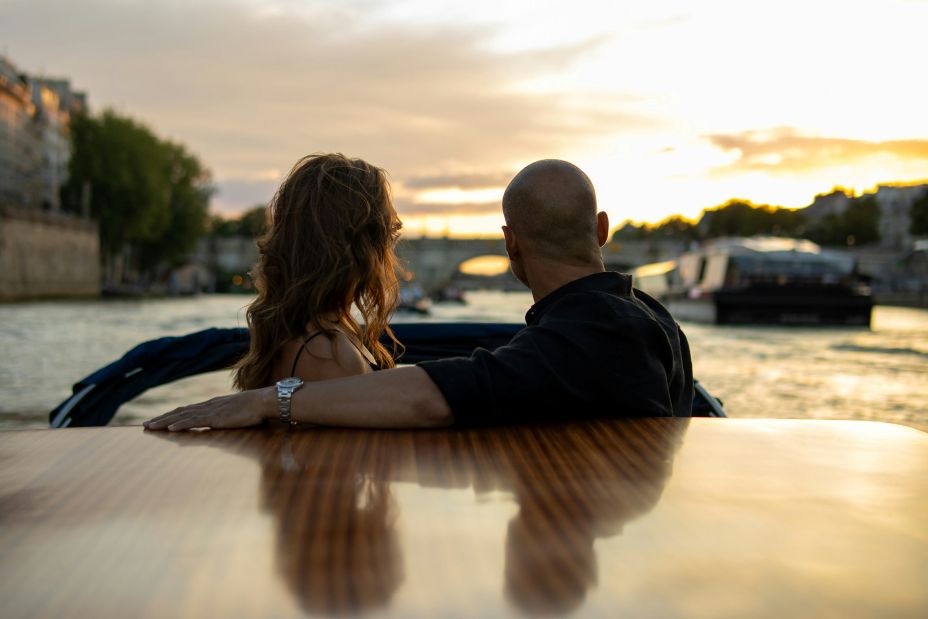
A trip without an itinerary still requires thoughtful preparation. Freedom feels wonderful only when lodging, transportation, documents, and emergency details remain secure. Otherwise, spontaneity quickly becomes expensive confusion.
The smartest approach separates essential arrangements from optional choices. Reserve anything protecting comfort, safety, access, or a cherished priority. Leave ordinary pleasures open, then follow the day rather than managing it.
This simple framework provides confidence without controlling every hour. You know where you will sleep and how you will arrive. Everything between those anchors can unfold more naturally.
What You Should Reserve Before Leaving
Confirm flights, accommodations, airport transfers, and essential tickets before departure. Secure limited experiences early, especially when traveling during popular seasons. Waiting rarely makes scarce reservations more romantic.
Protect arrangements involving mobility needs, medications, dietary requirements, or physical comfort. Anniversary dinners and lifelong priorities deserve equal attention. Some moments carry too much meaning for hopeful improvisation.
Celebrated restaurants, private guides, and popular museum entries can disappear months ahead. Reserve those experiences, then resist filling every remaining space. The State Department’s international travel checklist also covers documents, destination requirements, health planning, and emergency preparation.
What You Can Safely Leave Undecided
Casual meals, neighborhood walks, smaller museums, café stops, and shopping can usually remain flexible. Scenic breaks rarely need calendar invitations. Neither does that second espresso beside an unexpectedly lovely square.
Keep a short list of appealing possibilities instead of assigning each choice a day. Note locations, opening hours, and nearby neighborhoods. Then choose according to weather, energy, appetite, and curiosity.
Start with one open afternoon in each destination. More confident travelers might leave an entire day flexible. Why empty nesters should stop overplanning luxury trips explores how less scheduling can create greater satisfaction.
The hidden advantage appears when plans change. You can rest without feeling behind or linger without calculating losses. That freedom often becomes the luxury you remember most.
How Couples Can Enjoy Spontaneity Without Creating Conflict

An unplanned day can expose differences that a detailed itinerary quietly hides. One person wants another museum. The other wants coffee, shade, and absolutely no stairs.
Energy levels, interests, budgets, and decision styles rarely match perfectly. That does not ruin spontaneous travel. It simply requires a few boundaries before the day begins.
Agree on spending limits, rest needs, and experiences requiring joint approval. Leave everything else flexible. Freedom feels easier when neither person fears an exhausting afternoon or an unexpected credit card surprise.
Shared time still matters, but constant togetherness is unnecessary. One partner can browse a gallery while the other rests nearby. Reuniting later often improves the conversation.
Agree on Priorities Before the Trip
Each person should choose two or three experiences they would genuinely regret missing. Those priorities deserve reservations, budget space, and enough energy. Everything else can remain negotiable.
Protecting a few meaningful plans makes flexibility feel safer. You know the trip will include what matters most. That certainty reduces the urge to control every remaining hour.
Imagine reserving a private Paris food tasting and walking tour for late afternoon. Keep the morning open for breakfast, wandering, or rest. Dinner can depend on your appetite afterward.
This balance reflects how empty nest travel changes once the children no longer shape every decision. Empty nest travel creates different choices for couples, including permission to travel at separate speeds.
Use Simple Questions to Make Daily Decisions
Each morning, ask three practical questions. What do we have energy for? What sounds enjoyable, and does either person need rest?
Set a decision deadline before opening five travel apps. Ten minutes usually works. Otherwise, a free morning can vanish into research about how freely to spend it.
Taking turns choosing also prevents endless negotiation. One person selects the morning, while the other chooses later. Requiring agreement on every café and corner creates fatigue quickly.
You can still use vetoes for cost, comfort, or safety. Keep them rare and honest. Spontaneity thrives when both people feel heard, rather than managed.
A Practical Way to Try Itinerary-Free Travel
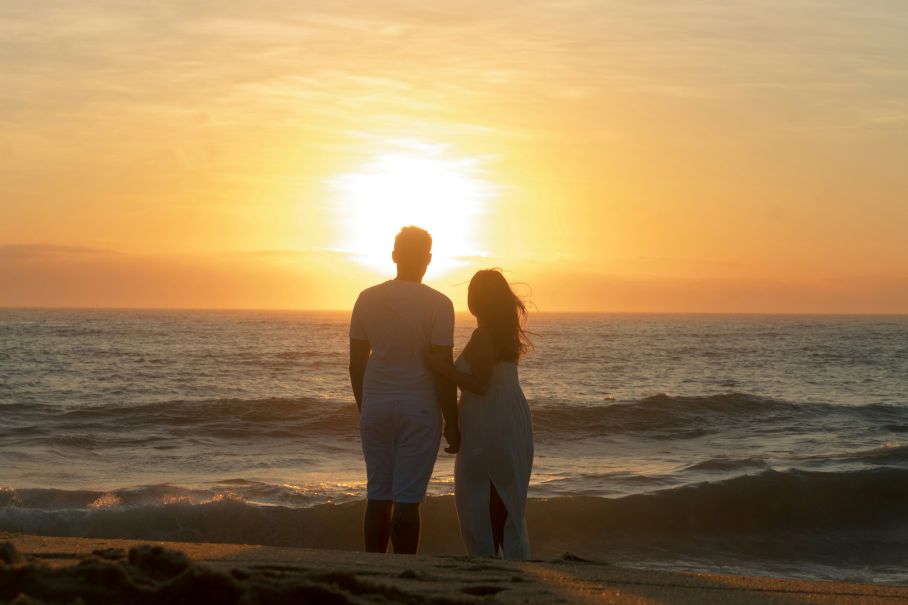
Itinerary-free travel need not begin with a week of complete uncertainty. Start by leaving one afternoon open. That small experiment offers freedom without removing every familiar safeguard.
Choose a destination where wandering feels easy, then create a loose daily rhythm. Keep a short list of appealing possibilities nearby. Treat them as options, not assignments waiting for completion.
This approach lets cautious planners practice flexibility gradually. One open afternoon may become a flexible day later. Eventually, you may trust yourselves enough to leave much more undecided.
Choose a Destination That Rewards Wandering
Walkable cities make spontaneous travel easier because interesting choices remain close together. Reliable transportation also reduces pressure when tired feet object. Distinct neighborhoods provide natural direction without requiring a rigid schedule.
Lisbon, Paris, Rome, Budapest, and Prague support flexible days particularly well. Each offers cafés, markets, parks, cultural attractions, and streets worth exploring slowly. You can change direction without sacrificing the entire day.
Still, review terrain, seasonal weather, opening hours, and transportation before choosing. Consider your language comfort and likely energy levels. Lisbon’s hills feel charming until your knees begin submitting formal complaints.
Budapest offers an especially forgiving introduction to slower travel. A relaxed approach to experiencing Budapest without travel burnout shows how neighborhoods, cafés, and the Danube create natural daily rhythms. That structure helps freedom feel inviting rather than careless.
Build Anchors Instead of a Detailed Schedule
Choose one meaningful anchor for each day. Consider a food tour, museum reservation, elegant dinner, or evening performance. Then protect generous space before and afterward.
Most couples make the mistake of adding every nearby attraction automatically. That habit recreates the packed itinerary they hoped to escape. Proximity does not create obligation.
Imagine a slow breakfast followed by wandering through Rome’s quieter streets. Pause for lunch whenever hunger wins the argument. Later, join a small-group evening food tour through Trastevere, then leave the evening undecided.
Perhaps you continue walking beside the Tiber afterward. Maybe dessert sounds better, or tired feet choose the hotel. Either decision works because the day never demanded a performance.
Leave Room for the Trip You Will Remember
Taking a trip without an itinerary does not mean ignoring preparation. It means protecting what matters, then leaving room for choice. That balance creates confidence without turning every day into another schedule.
Open time gives you permission to rest when needed and linger when something feels special. It also creates space for local conversations, quiet streets, and unexpected discoveries. Often, those unscripted moments become the stories you remember longest.
Begin with one unscheduled afternoon on your next trip. Choose a promising neighborhood, then let your energy and curiosity guide you. Notice what happens when nothing demands that you leave.
Ready for a vacation designed around your comfort, interests, and preferred pace? Start planning your personalized getaway with expert guidance and enough flexibility to enjoy it. Your trip should fit you, rather than forcing you to fit the plan.
You can also connect with travelers navigating the same rewarding season of life. Join Luxury Travel by Eric: Empty Nester Couples Vacations↗ for ideas, conversations, and practical travel inspiration. Sometimes the next memorable journey begins with one shared possibility.