
Cotswolds slow travel for couples over 50 begins with a simple realization: the best moments here rarely happen on schedule. You may come for honey-colored villages, rolling countryside, and centuries-old market towns. Then a quiet footpath, garden bench, or unexpectedly good pub lunch becomes the memory that stays with you.
The Cotswolds rewards couples who finally have the freedom to travel differently. You can spend longer in fewer places and stop measuring a successful day by landmark count. That freedom matters because the region offers far more than a string of pretty villages.
Think countryside walks followed by a long lunch, then nowhere important to be until dinner. Picture mornings in a market town and afternoons wandering gardens or rural lanes. Some days may contain one real plan, which can feel suspiciously luxurious after decades of packed family vacations.
Choosing the right base makes that slower rhythm much easier. So does knowing which villages deserve your time and which fit naturally into the same day. Walking routes, food, transportation, accommodations, and realistic planning all shape how relaxed the experience actually feels.
The goal is not to see every corner of the Cotswolds. It is to spend enough time here that the countryside stops feeling like scenery between stops. That shift changes everything about the trip.
The Cotswolds Makes More Sense When You Stop Trying to See Everything
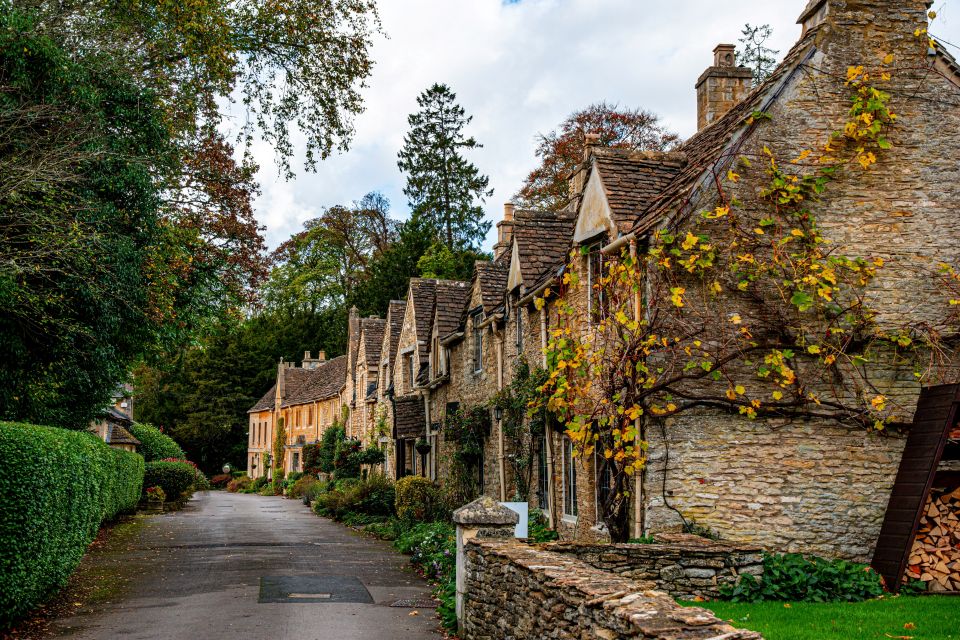
The Cotswolds covers nearly 800 square miles, which makes trying to see every famous village a losing game. You can certainly attempt it. You may also remember parking lots and car seats better than the countryside.
Cotswolds slow travel for couples over 50 works better when you choose one area and explore it deeply. Nearby villages, walking paths, shops, pubs, gardens, and countryside begin connecting naturally. The trip stops feeling like a collection of separate stops.
Before planning routes, decide what matters most to you. Perhaps you want long walks, historic villages, gardens, local food, or comfortable country hotels. Your priorities should shape the itinerary, rather than somebody else’s list of essential villages.
That philosophy also sits at the heart of why doing less often creates a better luxury vacation. More stops create variety, but they also create movement. The Cotswolds rewards depth surprisingly quickly.
Choose a Base Instead of Changing Hotels Every Night
Chipping Campden, Broadway, and Stow-on-the-Wold can each work well as comfortable bases. Staying several nights removes daily packing, checkouts, luggage handling, and unfamiliar hotel routines. Your mornings immediately feel easier.
One base also creates room for spontaneity. You can return to a favorite pub, revisit a shop, or take an evening walk after dinner. Familiarity becomes part of the pleasure.
Longer stays may justify splitting the region between two carefully chosen bases. That approach works when you genuinely want to explore different areas. Otherwise, another hotel usually creates more logistics than meaningful variety.
Build Days Around One Area Instead of Five Famous Villages
A satisfying day might begin in one village, followed by a nearby walk and an unhurried lunch. Add some independent wandering or one afternoon stop. Suddenly, you have experienced a place instead of passing through it.
Bibury and Bourton-on-the-Water attract visitors for good reason, but twenty hurried minutes reveal very little. Stay longer and the busiest viewpoints become only part of the experience. Side streets, shops, footpaths, and quieter corners begin appearing.
Flexibility also protects the trip when weather changes or energy runs lower than expected. An excellent lunch may last longer than planned. The official Cotswolds tourism guide can help you find nearby alternatives without rebuilding the entire day.
The Right Cotswolds Villages Are Better Than the Longest Village List
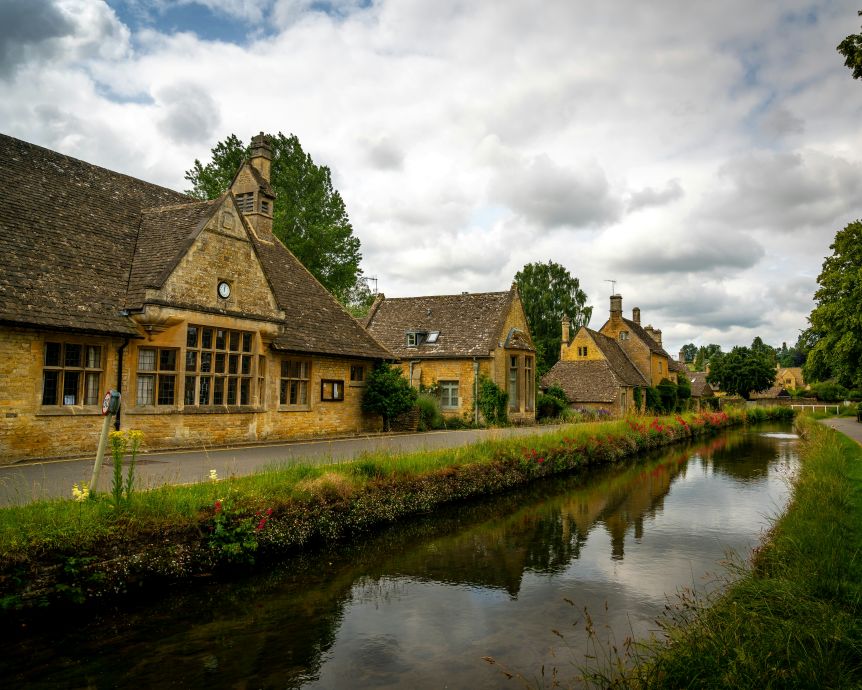
Not every Cotswolds village gives you the same experience, despite what a hurried itinerary might suggest. Larger market towns offer restaurants, shops, pubs, and more evening options. Smaller villages often trade convenience for atmosphere, scenery, and quiet.
Chipping Campden, Stow-on-the-Wold, Broadway, Bourton-on-the-Water, and Bibury all deserve attention for different reasons. The official Cotswolds guide to towns and villages shows how varied the region really is. Treating them as interchangeable photo stops misses much of what makes each place interesting.
For Cotswolds slow travel for couples over 50, variety matters more than quantity. Mix one or two famous places with quieter communities nearby. That approach also reflects how meaningful cultural travel can emerge beyond famous sights.
Chipping Campden, Broadway, and Stow Work Well When You Want More Around You
Chipping Campden, Broadway, and Stow-on-the-Wold give you enough around you to support several comfortable nights. Shops, historic buildings, pubs, cafés, and walking opportunities make independent exploring easy. You can leave the car alone for a while.
That convenience matters more than many couples expect. A tiny village can feel wonderfully peaceful until dinner requires another drive. Staying somewhere walkable gives evenings more freedom and mornings less structure.
These larger communities also make good bases for exploring surrounding villages. You can venture out during the day, then return somewhere familiar for dinner. That rhythm begins feeling pleasantly normal after only a few nights.
Smaller Villages Reward Couples Willing to Linger
Places such as Snowshill offer something quieter. Stone cottages, narrow lanes, countryside, and old buildings become the attraction rather than supporting scenery. Arrive outside peak hours, and the difference can feel dramatic.
A quick photograph may prove you visited. A slow walk reveals far more. Visit a church, stop for tea, follow a footpath, or simply notice how the village fits the landscape.
A small-group Cotswolds village tour can provide a useful introduction to several communities. Afterwards, you may know exactly where you want to return. That second visit is often where the Cotswolds becomes more personal.
Walking Lets You Experience the Cotswolds at the Right Speed
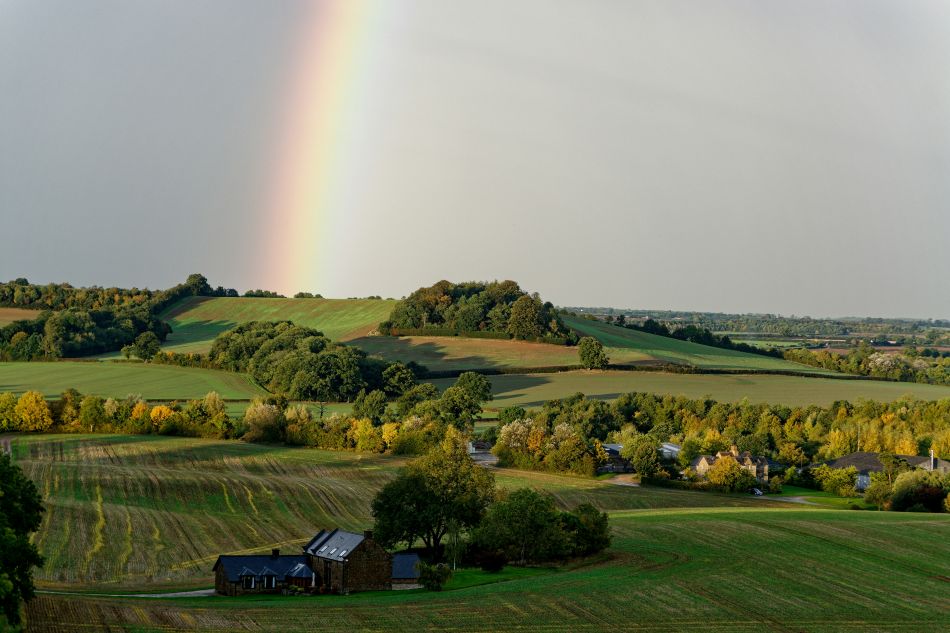
Cotswolds slow travel for couples over 50 becomes more meaningful once you leave the car and start walking. Footpaths connect villages with farms, churches, hills, stone walls, and narrow country lanes. Suddenly, the region feels like one landscape instead of separate sightseeing stops.
Walking also lets you control the difficulty. Some days may involve a gentle village stroll, while others can include sections of the Cotswold Way. The right route should fit your comfort, energy, and interests rather than somebody else’s definition of adventure.
Distance matters less than enjoyment. Comfortable shoes, weather checks, rest stops, and backup plans can keep a beautiful walk from becoming an endurance contest. English mud has never cared how expensive your vacation was.
You Do Not Need to Be a Serious Hiker
Short village-to-village walks can deliver rolling countryside and memorable views without demanding an entire day. Circular routes work equally well when you prefer returning to the same starting point. Neither option requires long-distance hiking experience.
A two-hour walk may leave room for lunch, gardens, shopping, or a quiet afternoon. Several hours on the trail can work beautifully when walking itself becomes the day’s main experience. The better choice depends on what you want afterward.
Remember that countryside walking differs from polished city sightseeing. Hills, uneven ground, mud, stiles, and changing weather can alter an apparently simple route. Good footwear and realistic expectations matter more than speed.
A Local Guide Can Turn a Pretty Walk Into a Better Story
A knowledgeable guide can reveal details you might walk past without noticing. Farming traditions, old buildings, village development, and landscape history begin connecting around you. The countryside becomes easier to understand.
Independent walking offers freedom, privacy, and complete control over your pace. Guided exploration removes navigation concerns while adding local knowledge and confidence on unfamiliar rural paths. Both approaches belong in a well-paced trip.
Consider using a guided experience early, then exploring independently afterward. A small-group Cotswolds tour from Oxford introduces several villages with a knowledgeable local driver-guide. Couples who enjoy active travel may also appreciate exploring Tasmania after 50, where walking and scenery share a similar balance.
Food, Pubs, Gardens, and Quiet Afternoons Are Part of the Trip
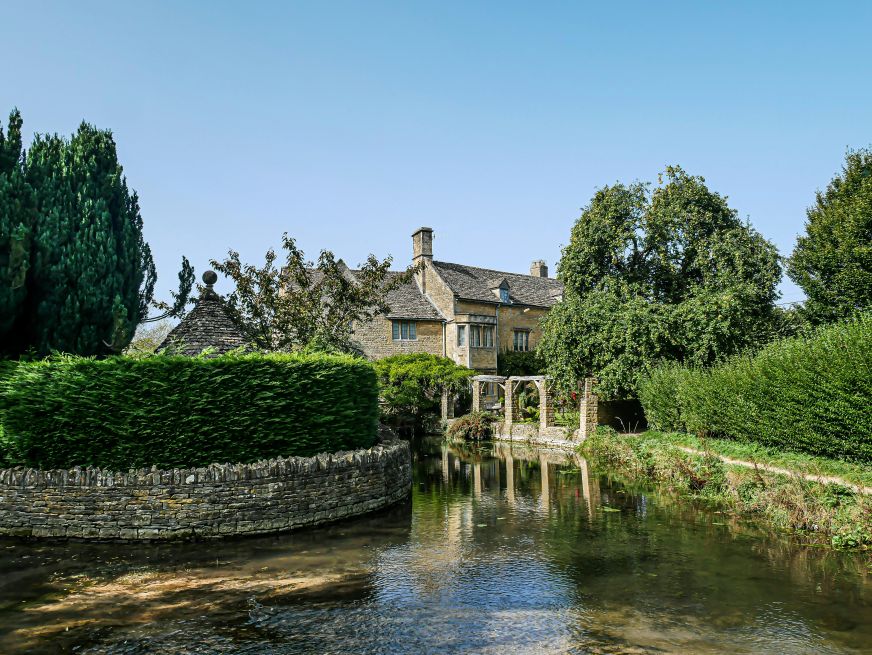
Cotswolds slow travel for couples over 50 works best when every afternoon does not need a headline attraction. A garden, country drive, village shop, or leisurely pub visit can easily become the day’s highlight. Those quieter hours often reveal more than another rushed landmark.
Food deserves its own place in the experience. Tearooms, farm shops, markets, traditional pubs, and local producers connect you with rural English life. The meal becomes more interesting when you leave enough time to notice where you are.
Protect some afternoons from your itinerary. An empty calendar does not mean you forgot to plan something. It means you can follow whatever unexpectedly earns your attention.
Give Lunch Enough Time to Become an Experience
Grabbing something quickly between villages keeps the schedule moving, but it rarely adds much to the memory. A relaxed pub lunch changes the rhythm completely. Afternoon tea can do the same when you allow enough time.
Regional cheeses, baked goods, seasonal produce, local ales, and farm-shop discoveries can make ordinary meals surprisingly interesting. You do not need to hunt down every specialty. Simply give yourself opportunities to taste what appears locally.
Pair a countryside walk with one excellent meal, then leave the afternoon mostly open. That combination can feel richer than squeezing in two additional villages. Sometimes the most luxurious thing on the table is time.
Gardens and Country Estates Give You a Different Kind of Cotswolds Day
Gardens and historic estates offer a welcome change after several days of village exploring. Landscaped grounds create space to walk without constantly checking directions. Historic interiors can also add context to the countryside surrounding them.
Alternate these structured visits with easier days built around wandering and meals. One day might have timed entry, while tomorrow contains almost nothing scheduled. That contrast keeps slow travel from becoming repetitive.
Allow enough time for the grounds, café, interiors, and whatever catches your attention unexpectedly. Then resist scheduling another attraction immediately afterward. This gentler rhythm also explains why empty nesters often enjoy smaller hotels more than resorts.
Comfort and Transportation Can Make or Break Slow Travel in the Cotswolds
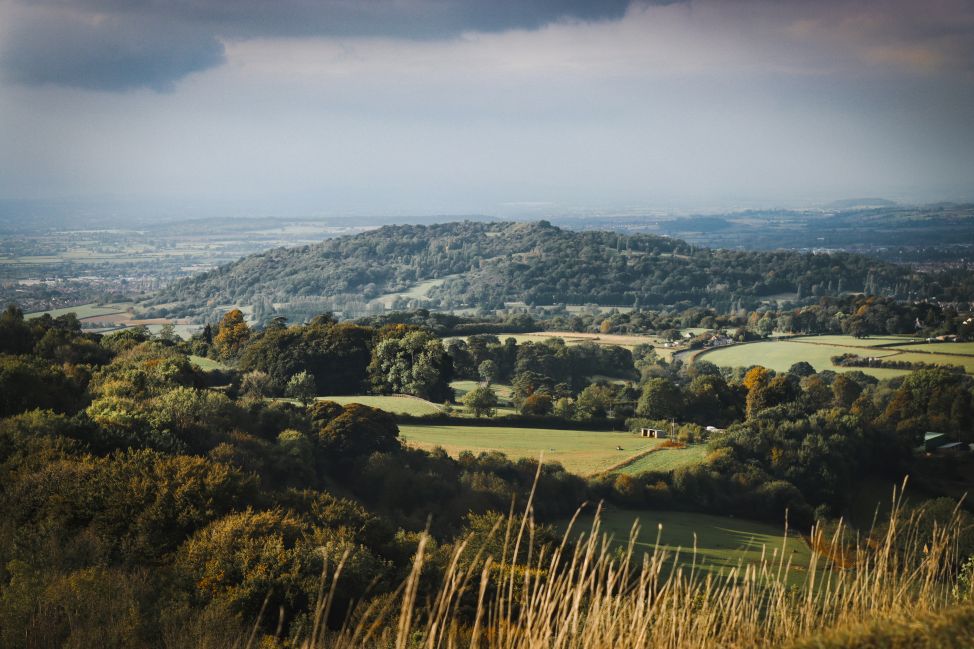
Cotswolds slow travel for couples over 50 depends heavily on choices that rarely appear in the prettiest photographs. Narrow roads, rural distances, parking, and limited connections can quietly determine how relaxed each day feels. Beautiful villages become less charming when reaching them creates unnecessary stress.
You have several options. Self-driving offers independence, while private drivers and small-group tours remove navigation and parking concerns. Trains and buses can reach key towns, but careful planning matters when exploring farther afield.
Accommodation choices deserve equal attention. Consider stairs, room size, luggage handling, parking, dining access, walking surfaces, and your expectations for air conditioning. Comfort after sightseeing matters more than another impressive lobby photograph.
Decide Whether Driving Adds Freedom or Stress
A rental car opens smaller villages, countryside roads, and places that public transportation may serve less conveniently. However, you must feel comfortable driving on the left and navigating narrow rural lanes. Freedom disappears quickly when both people spend every drive tense.
Private drivers cost more, but they remove navigation, parking, and designated-driver duties. Small-group tours offer another compromise when you want structure without driving yourself. This small-group Cotswolds tour from London shows how a driver-guide can handle rural logistics.
Be realistic about your confidence behind the wheel. Renting a car because everyone says you need one makes little sense if driving ruins your afternoons. Convenience should feel convenient.
Choose Your Hotel for the Trip You Actually Want
A centrally located village hotel can change the entire rhythm of your stay. Dinner, shops, morning walks, and evening drinks may sit outside your door. That freedom reduces unnecessary driving and makes spontaneous plans much easier.
Boutique hotels, inns, country houses, and rural estates each offer different tradeoffs. Compare service, restaurant access, stairs, parking, grounds, room layout, and location before choosing. The most luxurious option may simply make your days easier.
Several nights in one comfortable property also protect your time and energy. Constant hotel changes create packing, checkouts, luggage handling, and another round of settling in. That concern connects directly with why energy matters when planning luxury travel as a couple.
Four to Six Nights Gives the Cotswolds Room to Work
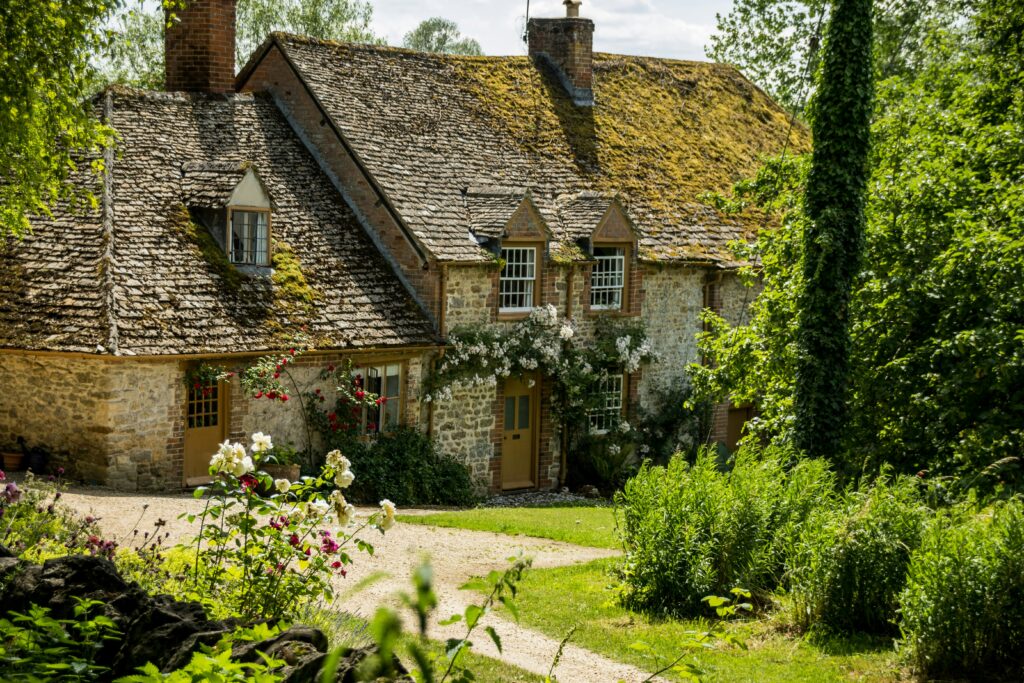
Four to six nights changes the Cotswolds from a sightseeing stop into somewhere you can actually settle. Villages, walks, gardens, meals, and shopping no longer compete for the same afternoon. You also spend far less vacation time driving between places.
A one-day excursion can show you several beautiful villages. Staying longer gives you something entirely different: mornings before day visitors arrive and evenings after they leave. Those quieter hours often reveal the Cotswolds people hoped they would find.
For Cotswolds slow travel for couples over 50, start with one comfortable base. Add one guided day, several village days, countryside walking, memorable meals, and deliberately unscheduled time. Consider a second base only when it genuinely improves the route.
A Relaxed Cotswolds Day Should Have Breathing Room
Begin with breakfast and one meaningful plan, perhaps a village, garden, guided experience, or countryside walk. Follow it with a relaxed lunch somewhere nearby. Then leave the late afternoon mostly open.
That structure creates room for weather changes, unexpected shops, longer conversations, and places that deserve more time. You stop checking the clock every thirty minutes. Better still, you can change plans without unraveling the entire day.
Compare that with leaving early, visiting four villages, and returning after hours inside a car. You may collect more photographs. You probably will not collect better memories.
Stay Longer If You Want the Cotswolds to Feel Like Somewhere You Lived
Something changes after several mornings in the same place. Streets become familiar, favorite walks emerge, and returning restaurants begin feeling like your restaurants. Brief conversations with local people start connecting one day to another.
Extra nights can also accommodate gardens, longer walks, food experiences, Oxford, Bath, or Blenheim Palace. Add those experiences without squeezing the Cotswolds itself. Otherwise, the peaceful countryside becomes another backdrop for an overloaded schedule.
When the itinerary starts feeling crowded, add time before adding another destination. That same philosophy shapes experiencing Budapest without travel burnout. Slow travel works because eventually you stop merely visiting and start noticing.
The Best Cotswolds Trips Leave You Wishing for One More Morning
Cotswolds slow travel for couples over 50 works because you finally have permission to stop racing through your vacation. Fewer villages, longer stays, and comfortable accommodations create days that feel spacious instead of scheduled. You return home remembering places, not how efficiently you moved between them.
Walking through countryside matters just as much as photographing famous villages. So do pub lunches, gardens, quiet lanes, afternoon tea, and hours with absolutely nothing reserved. Those ordinary moments often become the stories you keep telling.
Picture your ideal morning before choosing another attraction. Maybe you want breakfast followed by a country walk, then lunch somewhere you discovered yesterday. Perhaps a garden, village shop, or comfortable chair overlooking the countryside sounds even better.
If that version of England sounds right, start planning your Cotswolds vacation. Tell me what you enjoy, how you prefer to travel, and what you would rather avoid. We can build the villages, accommodations, transportation, and experiences around the pace that actually suits you.
You can also join Luxury Travel by Eric: Empty Nester Couples Vacations on Facebook. Ask questions, compare ideas, and talk travel with other empty nesters thinking about their next trip. Sometimes one conversation helps you discover what you really want from the journey.