The hidden costs of Croatia travel rarely arrive as one shocking bill. They appear quietly through transfers, drinks, admissions, ferries, and small daily charges. By themselves, many seem harmless.
Croatia can still offer excellent value for a European vacation. However, advertised hotel, flight, cruise, and tour prices rarely represent the complete trip. The real number only appears once everything connects.
A hotel rate may exclude local taxes or extras. Island hopping can require ferries, taxis, and luggage transfers. Meals introduce wine, coffee, gratuities, and those desserts you absolutely did not plan to order.
Sightseeing brings another layer. Attraction admissions, guided experiences, boat trips, and optional excursions can add meaningful costs. Payment and ATM fees may quietly take their share too.
None of this should discourage you from Croatia. It should simply change how you build the budget. Surprises feel very different when they involve a beautiful dinner instead of an overlooked transfer charge.
Start with one door-to-door total for both travelers. Include transportation, lodging, meals, sightseeing, insurance, fees, and a sensible cushion. Then decide where additional spending would genuinely improve the experience.
That approach protects the parts of the trip you care about most. You can spend comfortably without wondering whether every extra creates a problem. More importantly, your money supports experiences you intentionally chose rather than expenses you forgot to anticipate.
Hotel Rates Can Hide More Than the Cost of the Room
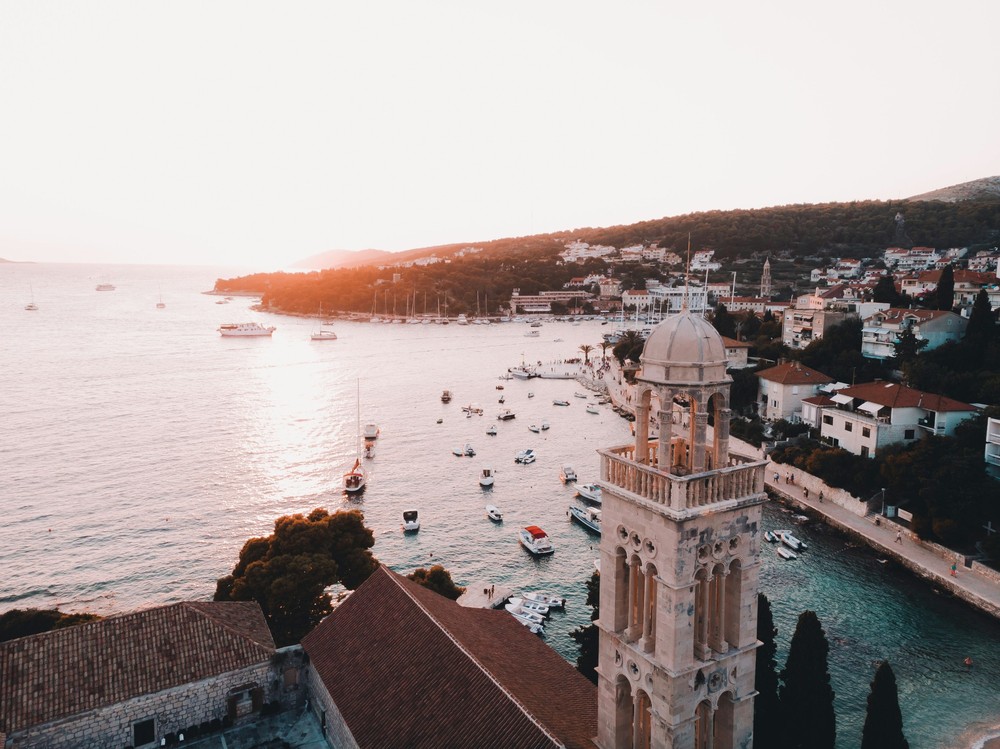
The hidden costs of Croatia travel often begin before you even unlock your hotel room. Breakfast, parking, tourist taxes, laundry, and upgrades may sit outside the quoted rate. Spa access and minibar purchases can add more.
A centrally located boutique hotel may cost more each night. Yet a cheaper property outside the historic center could require repeated taxis or buses. Suddenly, the bargain becomes less convincing.
Compare the complete stay, not just the nightly rate. Check cancellation terms, included services, accessibility, breakfast, and likely transportation expenses. Location can be one of the most valuable amenities you purchase.
Tourist Taxes and Local Charges Deserve Their Own Budget Line
Croatia charges a tourist tax for overnight stays, with certain exemptions and reductions. Accommodation charges can also differ between destinations and properties. Confirm the details for every reservation.
The Croatian National Tourist Board’s practical travel information provides useful guidance before your trip. Still, check whether your hotel quote already includes the applicable tourist tax. Some booking totals handle charges differently.
Changing destinations can also change what appears on your accommodation bill. A Split stay may not mirror your Dubrovnik stay exactly. Treat each property as its own calculation.
The Cheapest Hotel Can Cost More Once Convenience Disappears
A hotel near the historic center can reduce transportation and simplify evenings. Walk outside, find dinner, and return whenever you please. That convenience has real financial value.
Properties farther away may require taxis, buses, or longer walks every day. Add luggage assistance, parking, laundry, breakfast, and late checkout. Suddenly, comparing room rates alone feels almost pointless.
Accessibility matters just as much. Elevators, stairs, luggage help, and walkability can determine how comfortable the stay feels. Our guide to why empty nesters often prefer smaller hotels explores those tradeoffs further.
Before saving $40 nightly, ask what that saving creates elsewhere. More transportation, harder walking, or daily inconvenience may erase it quickly. The cheapest room is not always the least expensive stay.
Transportation Costs Grow Quickly When Croatia Becomes a Multi-Stop Trip
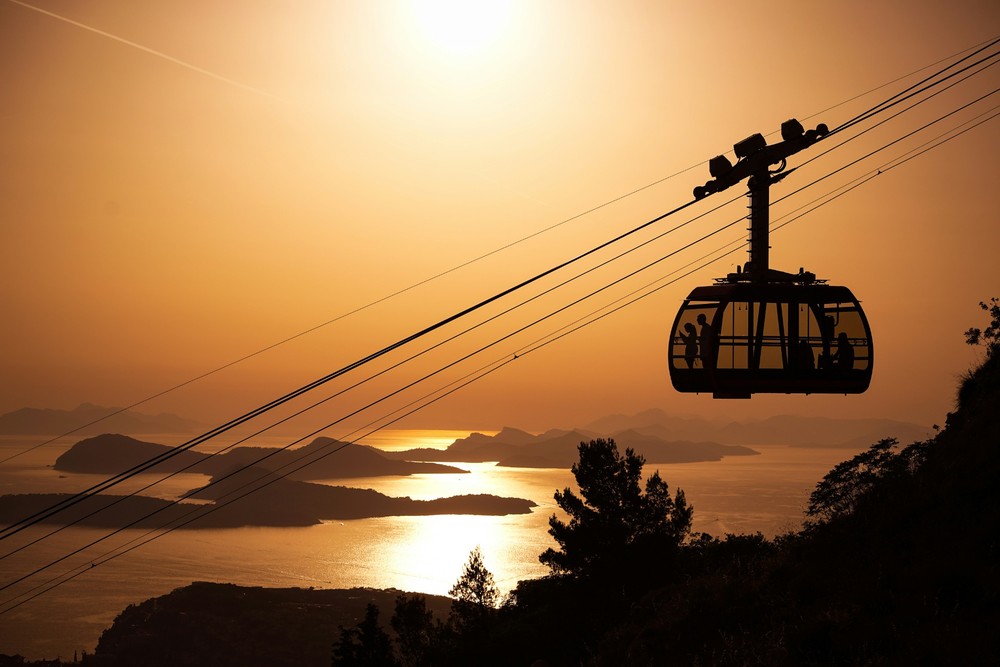
The hidden costs of Croatia travel become easier to miss when transportation comes in small pieces. Airport transfers, ferries, taxis, and private drivers accumulate quickly. Rental cars introduce fuel, parking, insurance, and other expenses.
A €25 ticket rarely represents the complete cost of changing destinations. You may need transportation to departure points and another ride after arrival. Luggage can make every connection slightly more complicated.
Sometimes paying more for convenience makes sense. Fewer connections mean less waiting, hauling bags, and worrying about missed departures. Comfort has value when it gives you more time for Croatia.
That freedom feels especially valuable once travel stops resembling a family logistics exercise. Travel changes when you are no longer managing everyone else’s itinerary. Your transportation choices can finally reflect your preferred pace.
Island Hopping Creates More Expenses Than the Ferry Ticket
Reaching Hvar or Korčula often involves more than buying a ferry ticket. You must reach the departure port and manage luggage. Another transfer may wait at the other end.
Independent island hopping provides flexibility but requires repeated coordination. Private transfers or small-ship cruising can remove several logistical steps. You pay more for simplicity, but sometimes simplicity earns its keep.
Check departure points, seasonal schedules, connection times, and luggage policies carefully. Also confirm transportation from the arrival port. A beautiful island feels less romantic while dragging luggage uphill.
A Blue Cave and Hvar five-island experience offers another way to explore several islands. One organized boating day can replace multiple transportation decisions.
Rental Cars Can Add Parking, Fuel, Insurance, and One-Way Charges
The advertised rental rate rarely tells the entire story. Insurance choices, fuel, parking, additional drivers, and one-way charges can raise costs. Automatic vehicles may also affect pricing and availability.
Consider whether you need the car every day. Renting selectively can make sense when exploring countryside or destinations where driving adds genuine freedom. Keeping one through walkable historic cities may provide little benefit.
Parking presents another issue. Old centers often involve restricted access, narrow streets, and limited convenient parking. Add luggage, and inexpensive transportation can become surprisingly tiring.
Before renting, ask one practical question. Will the car make this part of Croatia easier? If not, spending less may actually require doing more.
Meals and Drinks Can Turn Small Daily Purchases Into a Significant Expense
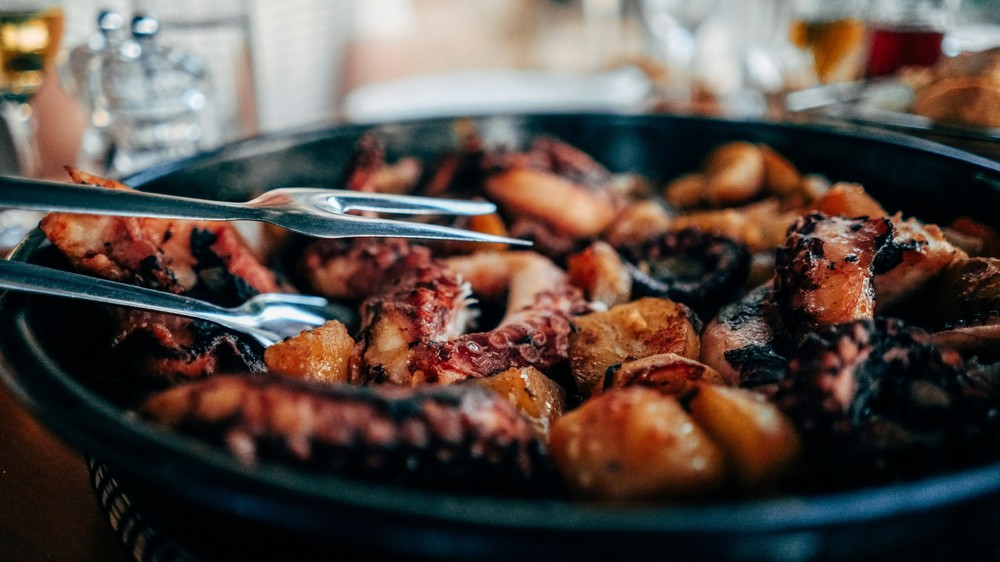
The hidden costs of Croatia travel often gather around the table rather than inside one dramatic charge. Coffee, wine, snacks, and desserts seem harmless individually. Over two weeks, they can become a meaningful part of the budget.
Everyday meals may remain fairly manageable. Waterfront restaurants, hotel dining, wine experiences, and special dinners can raise spending quickly. That does not make them bad choices.
The key is separating routine dining from intentional splurges. Budget normal meals realistically, then protect money for experiences that deserve more. A memorable dinner feels better when the bill never becomes the evening’s main event.
Dinner Costs More When Every Extra Reaches the Table
Two reasonably priced entrées rarely represent the complete dinner. Add wine, bottled water, appetizers, dessert, coffee, and gratuity. The final total can look very different.
Location also matters. Restaurants beside heavily visited waterfronts may charge differently from places several streets away. Sometimes walking five minutes changes both the atmosphere and the bill.
Build your dining budget around how you actually vacation. If you enjoy cocktails before dinner and wine afterward, include them. Pretending you suddenly become minimalist travelers in Croatia rarely helps.
Wine and Food Experiences Should Be Budgeted as Experiences, Not Meals
A guided wine experience costs more than simply ordering a bottle with dinner. Transportation, local expertise, multiple tastings, and cultural context can justify that difference. You are buying the experience surrounding the wine.
A small-group Hvar wine tour with an authentic Dalmatian dinner combines winery visits, tastings, and local food. That deserves its own vacation budget line. Treating it as an ordinary dinner understates what you are purchasing.
Consider reserving money for one deeper experience instead of collecting several casual tastings. Then leave some meals unplanned. The pleasure of traveling without a rigid itinerary can make those spontaneous dinners especially memorable.
Attractions and Excursions Often Cost More Than the Admission Price
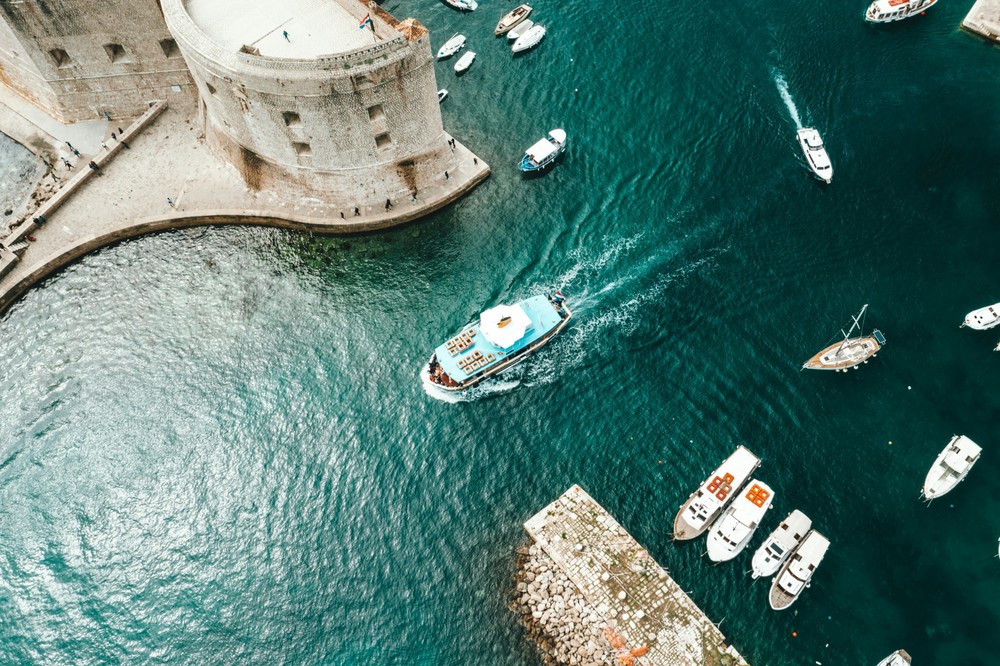
The hidden costs of Croatia travel often become most visible during sightseeing days. Admission is only one possible expense. Transportation, guides, tastings, meals, boat rides, and gratuities can all raise the total.
Independent sightseeing usually costs less upfront. Small-group or private tours may bundle several expenses into one booking. That higher price can sometimes deliver better value.
Compare what each experience actually includes before deciding. A cheap ticket may require separate transportation and guidance. A more expensive tour may quietly replace several additional purchases.
Historic Cities Can Create Several Small Sightseeing Charges
Split and Dubrovnik can generate several separate costs during one day. Museums, historic sites, guided tours, transportation, and special access may each require payment. Those amounts accumulate faster than expected.
Always confirm whether attraction admissions come with a guided tour. Some tours include entry fees, while others provide only the guide. That distinction can change the real price considerably.
Prioritize the places that genuinely interest you. You do not need every museum, tower, wall, and palace simply because somebody created a checklist. The same budgeting principles appear in our guide to the hidden costs of Portugal travel.
A Good Guide Can Be Worth More Than Several Separate Admissions
A knowledgeable guide can reveal details that independent sightseeing easily misses. Architecture becomes history, and old streets gain context. Suddenly, you understand more than what appears in photographs.
A Diocletian’s Palace and Split Old Town walking tour offers guided historical context without consuming an entire day. Afterwards, you still have time to explore independently. That balance can work especially well in Split.
Compare one purposeful tour with several smaller bookings. Stacking excursions increases costs and reduces unscheduled time. One excellent guide may give you more than three rushed admissions ever could.
Payment Fees, Travel Timing, and Unplanned Expenses Can Quietly Change the Final Budget
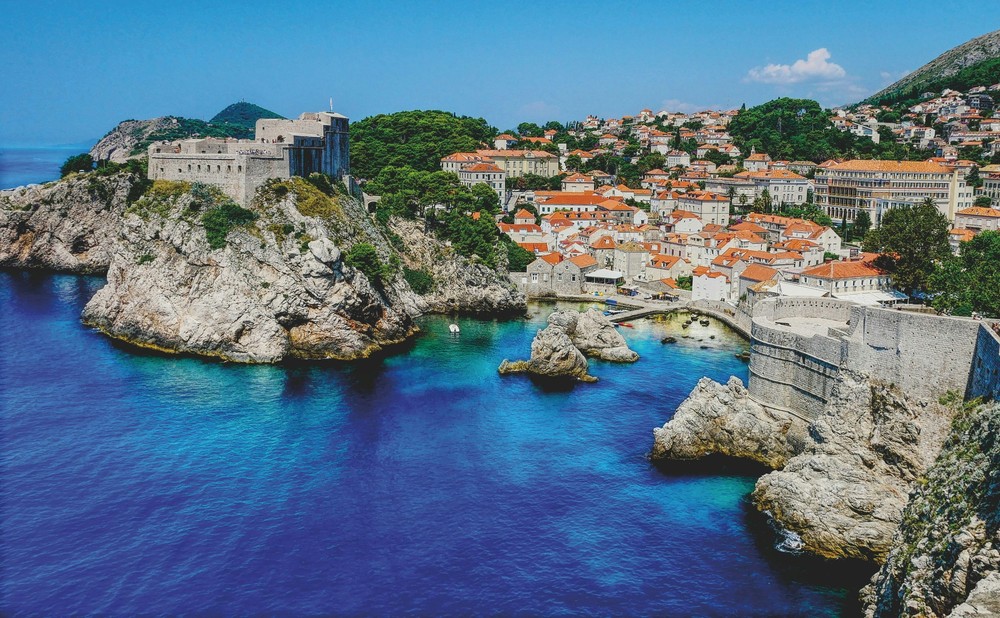
The hidden costs of Croatia travel sometimes appear nowhere in the itinerary. Foreign transaction fees, ATM charges, baggage costs, and insurance can quietly increase spending. Unexpected transportation and shopping add another layer.
A budget with no breathing room may look impressively precise. It can also become stressful after one delayed connection or changed plan. A reasonable contingency gives you options without encouraging careless spending.
Separate confirmed expenses from estimates, optional purchases, and true emergencies. That makes the budget easier to understand. More importantly, unexpected costs stop feeling like financial surprises.
Card and ATM Choices Can Add Costs Without Improving the Trip
Croatia uses the euro, which simplifies spending for many European travelers. American visitors should still check their card’s foreign transaction policy. Some cards charge fees each time you purchase abroad.
ATMs can introduce another expense through operator fees or unfavorable conversion offers. Payment terminals may also offer to convert purchases into dollars. That convenience can come at a cost.
Review every payment screen before approving the transaction. Know which currency conversion you are accepting. The official Croatia VAT and tax-free shopping information also explains refund rules for eligible purchases.
A Sensible Cushion Protects the Vacation Without Encouraging Overspending
Unexpected expenses do not always mean something went wrong. Weather changes, missed connections, baggage problems, or replacement transportation can require quick decisions. Occasionally, an unplanned opportunity deserves consideration too.
Keep contingency money separate from your ordinary vacation spending. Meals, drinks, excursions, and expected transportation already belong in the regular budget. The reserve exists for circumstances you cannot reasonably predict.
Use that cushion when it protects safety, health, transportation, or meaningful comfort. Spend it selectively rather than treating it as bonus money. That distinction helps you remain flexible without losing financial control.
Flexible travel dates can reduce some pressure before departure. The benefits of traveling during shoulder season include easier availability and greater scheduling flexibility. Sometimes extra breathing room becomes the most valuable contingency of all.
Budget for the Croatia You Actually Want to Experience
The hidden costs of Croatia travel usually arrive as manageable extras, not one enormous financial surprise. A transfer here and dinner there can gradually reshape the total. Knowing that beforehand keeps those expenses from becoming frustrating.
Plan realistically for lodging extras, transportation, meals, sightseeing, insurance, payment fees, and unexpected changes. Add a reasonable contingency for problems or worthwhile opportunities. A good budget creates freedom rather than restricting every decision.
Most importantly, decide where comfort and meaningful experiences deserve your money. Perhaps that means better flights, a private transfer, or one exceptional excursion. Saving everywhere can make an expensive vacation feel unnecessarily difficult.
Think about the Croatia trip you actually want before cutting costs. Then spend confidently on the details that support that experience. The goal is not spending less at every turn, but avoiding expenses that add little value.
If you want help building the complete trip, start planning your Croatia vacation. We can compare the visible costs and the easily overlooked ones. That helps create a realistic plan before reservations begin stacking up.
You can also join Luxury Travel by Eric: Empty Nester Couples Vacations on Facebook. Ask questions, exchange ideas, and connect with other empty nesters planning meaningful travel. A little shared knowledge can prevent some surprisingly expensive lessons.
P.S. Planning a trip to Croatia? A little extra research can save you money, help you choose the right type of trip, and keep you from getting surprised by costs or cruise details later. These articles will help you figure out what to expect before you book:
- What Is Included on a Croatia Small-Ship Cruise? – Find out what your cruise fare usually covers, and what may still cost extra.
- How Much Does a Croatia Small-Ship Cruise Cost? – Get a realistic idea of what you should expect to spend before you start comparing cruises.
- Small-Ship Cruises vs Ocean Cruises to Croatia – See which style of cruising gives you the Croatia experience you actually want.