
Where to stay in Tuscany comes down to one question: what kind of trip do you want each morning? Florence gives you walkability, museums, restaurants, and easy train connections without needing a car. The countryside trades convenience for vineyards, hill towns, quieter evenings, and a stronger sense of place.
For most couples planning their first seven-day Tuscany trip, I would split the stay between Florence and one countryside base. Four nights in Florence and three elsewhere works well, although a three-and-four split can work just as nicely. You change hotels only once, yet you experience two very different sides of Tuscany.
That approach also keeps you from making a classic itinerary mistake. Staying in three or four places may look efficient when you map everything out. In reality, every hotel change costs time, energy, packing, transportation, and another round of figuring out where everything is. Tuscany is much better when you give yourself enough time to settle in.
The harder decision is choosing that second base. Siena, Chianti, Val d’Orcia, and Montalcino each create a noticeably different trip. Driving changes the equation too, because some countryside stays work far better with a rental car.
If neither of you wants to drive in Italy, that does not eliminate the countryside. It simply changes which bases make sense and how you structure your days. We will compare each option side by side, including which choices work best without a car.
Start With the Biggest Decision: City Convenience or Countryside Experience?
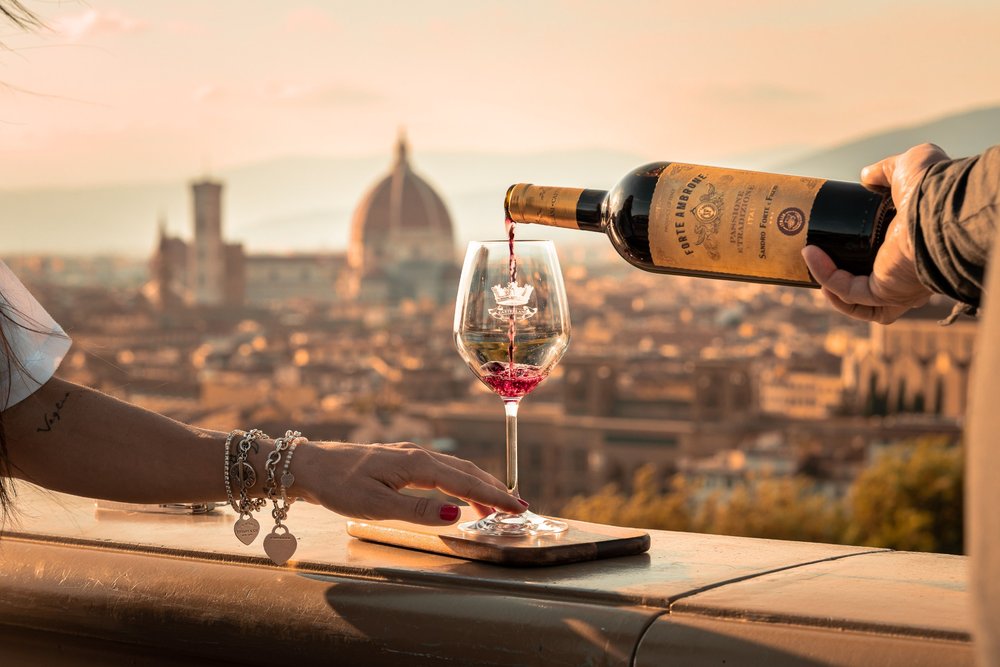
Choosing the best area to stay in Tuscany gets easier once you stop comparing dozens of beautiful towns. Start with daily life instead. Decide whether convenience or countryside atmosphere matters more to both of you.
That sounds simple, but it changes almost every other decision. Location determines how often you need transportation, reservations, planning, and extra travel time. A gorgeous hotel can lose its appeal quickly if every dinner requires another drive.
Neither choice represents a better or more authentic Tuscany experience. They simply create different vacations. The right choice protects the things you want most from your limited time together.
Choose a City Base When Ease Matters More Than Views
Florence makes sense when you want restaurants, major sights, museums, and evening options within easy reach. You can explore much of central Florence on foot. The official Visit Tuscany guide to Florence provides useful context before choosing your neighborhood.
Siena offers a smaller city experience with historic surroundings and plenty happening around its center. Both cities can reduce the number of transportation decisions you make each day. That matters especially when neither partner wants to drive.
There is nothing second-rate about choosing convenience. Sometimes the smartest luxury is walking downstairs for dinner instead of driving another forty minutes. Your location should remove friction, not create additional work.
That same principle applies throughout your itinerary. The Hidden Luxury Travel Mistake Couples Make explains why protecting energy can matter more than adding another impressive stop. Tuscany rewards that approach particularly well.
Still, city convenience comes with a tradeoff. You give up waking among vineyards, rolling hills, and quieter surroundings. The question becomes whether those things deserve a bigger role in your trip.
Choose the Countryside When the Hotel and Setting Are Part of the Trip
A countryside stay works differently because your hotel becomes part of the experience. Long breakfasts, terraces, gardens, pools, and quiet evenings suddenly matter much more. You are not simply choosing somewhere convenient to sleep.
That can be wonderful when you intentionally leave time to enjoy it. Paying for a beautiful countryside property makes little sense if you leave after breakfast daily. Returning exhausted every evening rather defeats the point.
Countryside locations can also require more planning around meals and transportation. Some properties offer restaurants, transfers, or nearby dining, while others work best with a rental car. Check those details before falling in love with the photographs.
Couples should also discuss driving honestly. One partner may picture winding Tuscan roads as part of the adventure. The other may already feel stressed just thinking about parking.
Which sentence sounds more like you? Start with Florence or Siena if you want restaurants, sights, and evenings outside your door. Consider Chianti or Val d’Orcia if quiet mornings, wine country, and countryside surroundings matter more.
Neither answer locks you into one experience for the entire trip. In fact, combining both can solve the compromise surprisingly well. The next decision is whether changing hotels once gives you more value than staying put.
The Quick Comparison: Which Tuscany Base Fits Which Kind of Trip?
You do not need to pick your Tuscany base yet. Instead, use this comparison to narrow your choices to two finalists. Then test those two against the detailed sections that follow.
| Base | Best for | Car need | Evening feel | Main tradeoff |
|---|---|---|---|---|
| Florence | First visits, art, restaurants, easy day trips, car-free travel | Low | Lively and walkable | Less countryside atmosphere |
| Siena | History, medieval character, southern Tuscany access | Helpful, but not always essential | Atmospheric and calmer | Fewer rail connections than Florence |
| Chianti | Wine, countryside hotels, relaxed days | High unless using drivers | Quiet and property-centered | Transportation requires more planning |
| Val d’Orcia | Scenery, hill towns, slow travel, wine | High unless using drivers | Very quiet and relaxed | Less convenient for Florence sightseeing |
| Near Montalcino | Brunello, food, wine, deeper regional focus | High | Small-town or estate focused | Too specialized for some first trips |
The table shows why there is no single best area to stay in Tuscany. Florence solves transportation and sightseeing problems beautifully. Val d’Orcia solves an entirely different problem by making the countryside itself part of your vacation.
Siena sits somewhere between those experiences. You get a walkable historic center while remaining closer to southern Tuscany than Florence. Chianti and Montalcino push farther toward wine, scenery, slower days, and property-centered evenings.
Use This Table to Pick Two Finalists
Do not choose your hotel yet. Circle the two rows that sound most like the trip you actually want. Ignore which option sounds most impressive when describing your vacation afterward.
Then compare those finalists against your real priorities. Think about driving, walking, dinners, sightseeing, downtime, wine, and how often you want to change locations. Couples may answer those questions differently, and that is useful information.
One of you might want Florence restaurants within walking distance every night. The other might picture coffee overlooking vineyards with nowhere important to be before lunch. Neither preference needs fixing.
Pay particular attention to the car column. Transportation affects far more than getting between towns. It influences dinner choices, wine tasting, daily flexibility, and whether either partner spends vacation time worrying about driving.
Also notice the evening differences. Florence and Siena give you places to wander after dinner. Countryside bases often make the hotel, terrace, restaurant, or estate the evening destination.
Keep your two finalists in mind for now. The differences become much clearer once you consider what mornings, afternoons, and evenings actually feel like there.
Stay in Florence If You Want the Easiest First-Time Base
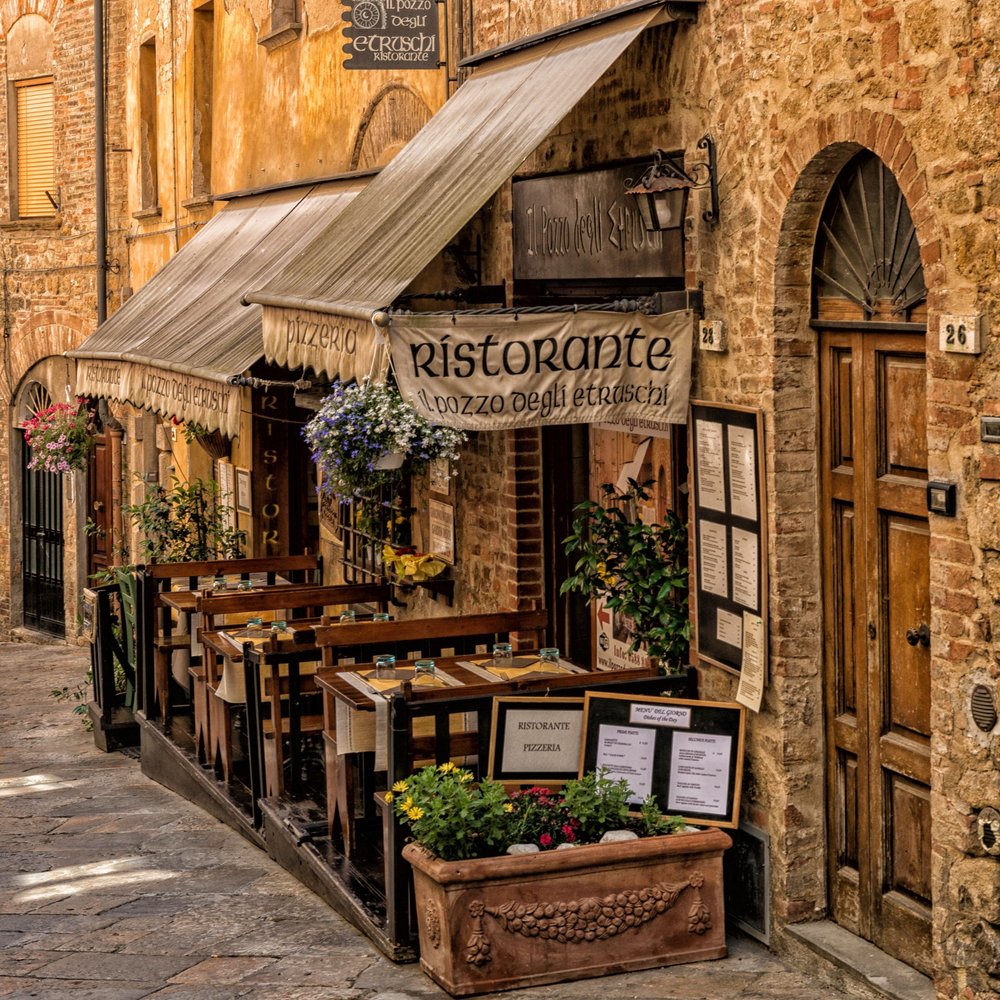
Florence works best when you want Tuscany without turning transportation into a daily project. You can arrive by train and explore much of the historic center on foot. That simplicity has real value on a first trip.
Choosing Florence does not mean giving up the countryside completely. You can still arrange guided excursions, private drivers, or selected day trips beyond the city. The difference is that Florence remains your easy home base afterward.
Florence Works Best Without a Rental Car
A rental car usually creates more problems than benefits while you are staying in central Florence. Large parts of the historic center fall within restricted traffic zones. Parking also requires more planning than many visitors expect.
The official Florence ZTL driving guidance explains the current restrictions and access rules. Read it before driving anywhere near your hotel. A wrong turn can become an expensive souvenir nobody wanted.
For many couples, skipping the car actually creates more freedom. You remove parking decisions, restricted zones, navigation, and disagreements about who drives. Then you can hire transportation only when it genuinely improves the day.
That approach works especially well for wine-focused outings. Neither person needs to become the designated driver. More importantly, neither person spends vacation time watching road signs instead of enjoying Tuscany.
Pick Florence When Art, Dining and Evenings Matter
Florence gives you exceptional access to museums, historic sites, restaurants, shopping, guides, and cultural experiences. Many choices sit within a relatively compact area. That makes spontaneous evenings much easier.
Dinner can remain dinner instead of another transportation exercise. You can linger over dessert, walk afterward, and decide what happens next. Nobody needs to navigate dark country roads back to an estate.
That freedom matters more than it may seem while planning from home. Evening flexibility often becomes one of Florence’s strongest advantages. You can finish the day when you feel finished.
Florence also makes sense when art and history anchor your trip. You can devote meaningful time to museums without sacrificing entire days to transportation. The city works particularly well when sightseeing still matters more than resort time.
Florence Is Less Ideal If the Countryside Hotel Is the Dream
Florence becomes less convincing when your imagined Tuscany morning begins among vineyards rather than city streets. A countryside hotel offers something day trips cannot fully reproduce. You wake inside the landscape instead of traveling toward it.
That difference matters if you want slow breakfasts, pool time, spa afternoons, or quiet evenings around the property. Those experiences require unscheduled hours. They disappear quickly when every day becomes another excursion.
You also do not need to confuse visiting Florence with sleeping there every night. Those are separate decisions. Florence may deserve several nights without deserving your entire Tuscany stay.
Ask yourselves one simple question. Do you mainly want to visit the countryside, or do you want to wake up there? Your answer usually reveals whether Florence should be your only base or merely your first one.
Stay in Siena If You Want a Historic City With Easier Access to Southern Tuscany
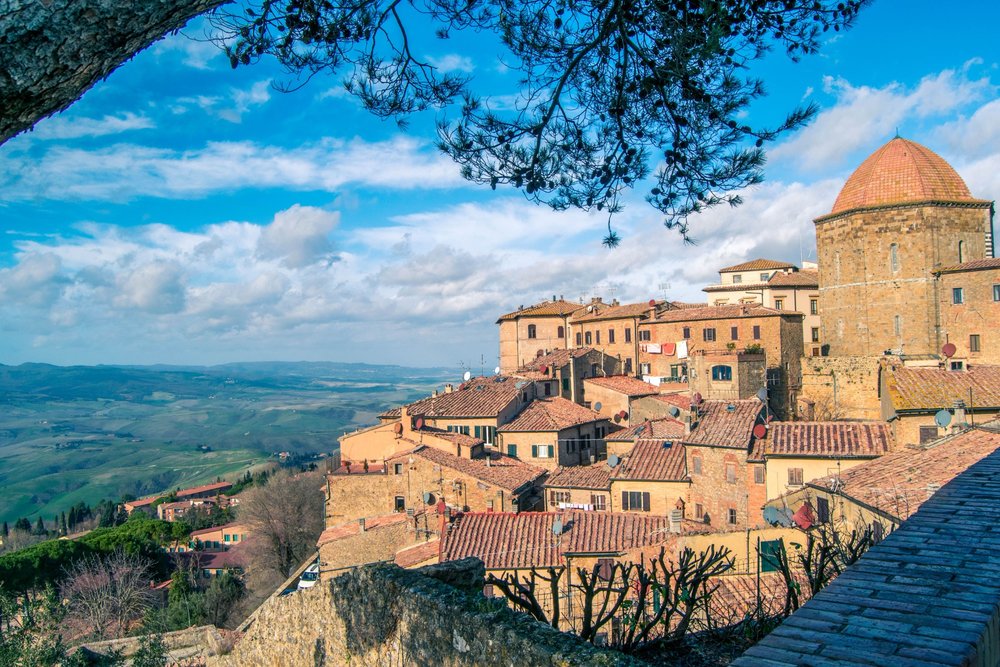
Siena deserves serious consideration if Florence feels too large, but a remote countryside stay feels too isolated. It gives you walkability, historic atmosphere, restaurants, and access to southern Tuscany. For some couples, that combination solves the city-versus-countryside problem surprisingly well.
The key is understanding what Siena does differently. It cannot match Florence for rail connections, museums, or sheer restaurant choice. However, it places you closer to several places many Tuscany travelers actually want to explore.
Siena Gives You a City Evening Without Florence’s Scale
Central Siena feels noticeably smaller and more intimate than Florence. You can walk to dinner, wander afterward, and enjoy historic surroundings without arranging transportation. That convenience becomes especially valuable after a full sightseeing day.
However, walkable does not always mean effortless. Siena spreads across hills, with slopes, steps, and cobbled streets throughout its historic center. Hotel location matters differently here than a flat map suggests.
A property five minutes from Piazza del Campo may still involve a demanding uphill return. Luggage can also turn picturesque cobblestones into something considerably less romantic. Check elevation, access, and taxi arrangements before booking.
That advice matters even more for travelers with knee, hip, balance, or stamina concerns. Choosing easier access does not diminish the experience. It protects energy for the things you actually came to enjoy.
Siena Makes More Sense When Val d’Orcia Is a Priority
Siena becomes particularly interesting when southern Tuscany matters more than repeated Florence sightseeing. Pienza, Montalcino, Montepulciano, and Val d’Orcia naturally pull your attention southward. Starting closer to them can reduce unnecessary backtracking.
This is where famous does not automatically mean practical. Florence may appear first on every Tuscany checklist. Yet your base should support your itinerary, not somebody else’s list.
Consider where you expect to spend most of your countryside days. If several involve southern Tuscany, Siena may create better geographic balance. You still return each evening to restaurants, streets, and a genuine city atmosphere.
That does not make Siena universally better. Couples planning several Florence museums or northern Tuscany excursions may prefer Florence. Geography should follow priorities, not reputation.
Siena Is Not as Simple for Train-Based Day Trips
Siena requires more thought when you plan to avoid driving completely. Florence functions more naturally as a rail hub for many popular destinations. Siena often requires buses, organized tours, private drivers, or carefully coordinated transportation.
Some southern towns have public transportation connections, but schedules can limit flexibility. Service may also require more planning than travelers expect from looking at distances alone. A short distance on a map does not guarantee an easy day trip.
That does not mean you need a rental car. Private drivers can work extremely well for selected countryside days. Organized small-group tours can also remove transportation concerns without forcing you behind the wheel.
What nobody tells you: a “central” hill-town hotel can still involve steep approaches, stairs, and difficult luggage handling. Evaluate location vertically as well as horizontally. Your knees will understand the distinction immediately.
Siena works best when you want city convenience without making Florence the center of everything. It becomes stronger when southern Tuscany carries more weight in your plans. The remaining question is whether you want to visit that countryside daily or actually wake up inside it.
Stay in Chianti If Wine Country Is the Point of the Trip
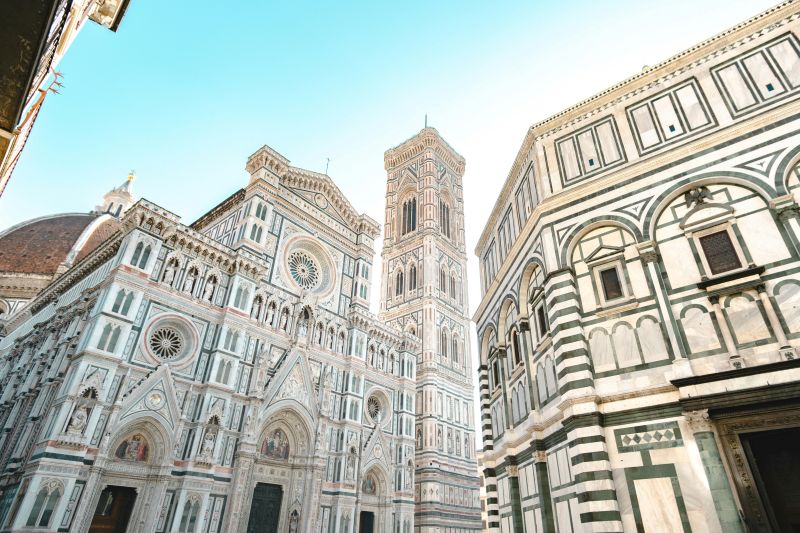
Chianti makes sense when wine country is not simply a day trip from somewhere else. The region stretches between Florence and Siena. Vineyards, villages, food, and wine shape the experience here.
The official Visit Tuscany guide to Chianti gives a useful overview of the region. Towns include Greve, Castellina, Radda, and others scattered across the countryside. That geography matters when choosing where to stay.
Chianti Works Best When You Want the Property to Matter
A good Chianti stay should leave room for actually enjoying your hotel or estate. Breakfast might stretch longer than planned. An afternoon by the pool can deserve the same respect as another sightseeing stop.
That slower rhythm changes how you should evaluate lodging. Look beyond the room and consider the restaurant, grounds, pool, views, and comfortable outdoor spaces. Those features only provide value when you have time to use them.
Dining deserves particular attention before booking. A beautiful rural property can become inconvenient when every dinner requires another drive. An excellent on-site restaurant may provide more practical luxury than another room-category upgrade.
Think about your evenings before choosing the property. Some couples want dinner, wine, and a quiet terrace before bed. Others will feel trapped without restaurants and places to wander nearby.
Wine Tasting Changes the Transportation Decision
Wine tasting creates an obvious problem with self-driving. Somebody still needs to drive afterward. That responsibility can limit tastings and place unnecessary pressure on one partner.
A private driver or guided wine day can be money well spent here. You both participate without calculating who drinks what. More importantly, nobody needs to navigate unfamiliar roads after tasting wine.
That does not mean hiring drivers throughout your entire stay. Use them selectively when transportation materially improves safety and enjoyment. Drive yourselves on days when wine tasting is not central.
Before booking either option, discuss how much wine actually matters to both of you. One partner may want serious tastings while the other prefers villages and lunch. A well-designed day can accommodate both without forcing either person through someone else’s vacation.
Check the Last 20 Minutes, Not Just the Map Pin
Rural Tuscany can make short distances misleading. The final portion of a journey may involve smaller, winding roads and slower travel. Darkness can make an easy afternoon arrival feel different after dinner.
Before booking, ask the property about actual transfer times from nearby towns. Check parking, road access, dinner options, and transportation availability. Those details matter more than straight-line mileage on a map.
Pay special attention when you expect several evening meals away from the property. Twenty inconvenient minutes each direction becomes forty minutes every night. Suddenly that peaceful location begins charging interest on the view.
Chianti works beautifully when you accept that quiet and separation are part of the experience. It works less well when you expect countryside scenery with city convenience. Farther south, Val d’Orcia makes that same tradeoff even more pronounced.
Stay in Val d’Orcia If the Landscape Is Part of Why You Are Going
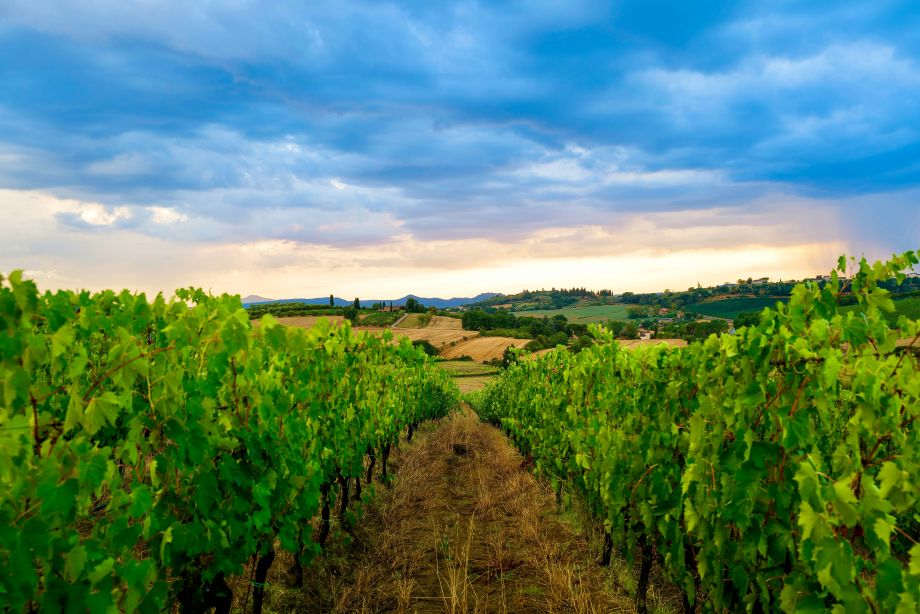
Val d’Orcia makes sense when the countryside itself ranks among your main reasons for visiting Tuscany. This is not simply somewhere between attractions. The landscape becomes part of each day.
The region includes Pienza, San Quirico d’Orcia, Montalcino, and other small communities surrounded by farmland, vineyards, and rolling hills. The official Visit Tuscany guide to Val d’Orcia provides helpful regional context. It also shows why geography matters when choosing your base.
Choose Val d’Orcia for Pienza, San Quirico and the Classic Southern Tuscany Rhythm
Stay here when you want slower days built around villages, scenery, meals, and countryside drives. Florence should not anchor this part of your itinerary. Otherwise, you spend too much time going north and returning south.
Pienza and San Quirico make particularly useful reference points when comparing locations. Montalcino adds another possibility when wine becomes a larger priority. The best choice depends more on your daily plans than town popularity.
This area rewards restraint. You do not need five villages before dinner to justify the day. Two places, a good lunch, and an unhurried drive may create the better experience.
A Beautiful Remote Hotel Can Be Either the Best Decision or the Worst
Remoteness feels wonderful when you actually plan to enjoy the property. A long breakfast, pool afternoon, spa treatment, and quiet dinner can become highlights. In that situation, isolation creates value instead of inconvenience.
The same location becomes frustrating when every meal requires thirty-five minutes each way. Add sightseeing departures every morning, and that peaceful retreat becomes a transportation problem. Beautiful views cannot shorten the drive.
Before booking, ask how many evenings you realistically want to leave the property. Also check whether dinner operates every night during your stay. Rural convenience often depends on details that hotel photographs never show.
Stay Here Only If You Are Comfortable With Rural Transportation
Val d’Orcia works much more easily with a rental car or planned private transportation. Distances may look modest, yet rural roads require time. Spontaneous transportation becomes harder once you leave larger towns.
Couples who dislike driving should not automatically abandon the idea. Instead, prioritize properties offering dining, transfers, and organized experiences. Then arrange drivers selectively for days when leaving the property adds genuine value.
Talk honestly about who will drive before reserving anything. One partner should not inherit every winding road simply because the other wants countryside views. That is vacation planning, not conscription.
Val d’Orcia earns the extra logistics when waking inside that landscape matters deeply to you. If wine matters even more, your ideal location may shift toward Montalcino. That distinction is worth making before you choose the hotel.
Stay Near Montalcino If Brunello and Wine Depth Matter More Than Broad Sightseeing
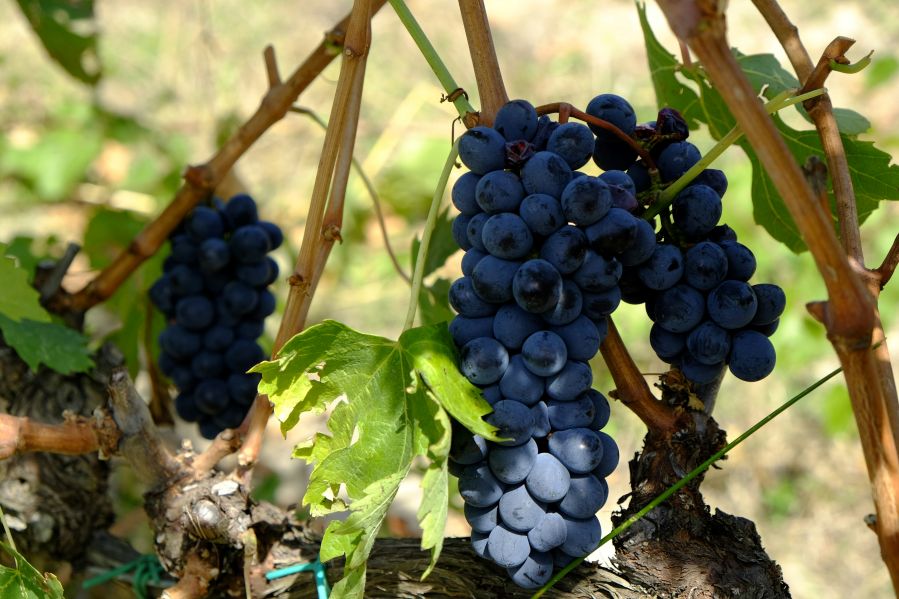
Montalcino makes sense when wine sits near the center of your Tuscany plans. Brunello is not simply another tasting opportunity here. The surrounding vineyards, estates, meals, and slower pace can shape several worthwhile days.
The official Visit Tuscany guide to Montalcino gives useful background on the town and surrounding wine country. More importantly, it helps explain why staying nearby creates a very different trip. You are choosing depth over geographic coverage.
Choose Montalcino When Wine Is an Anchor, Not an Add-On
Stay nearby when you want winery appointments, relaxed lunches, and enough time to understand Brunello country beyond one tasting. A rushed day trip can certainly introduce the region. Several nights give wine-focused travelers more breathing room.
That distinction matters if both of you genuinely enjoy wine. You can schedule fewer appointments and spend more time at each. Lunch no longer becomes something squeezed between tasting reservations.
Staying locally also removes some pressure from the day. You do not need to race back toward Florence afterward. However, tasting days still require thoughtful transportation planning.
A private driver becomes especially valuable when several winery visits involve alcohol. Both travelers can participate without assigning someone designated-driver duty. That expense improves safety, comfort, and enjoyment rather than simply adding luxury.
Do Not Choose Montalcino Just Because the Hotel Looks Beautiful
A gorgeous vineyard property can make Montalcino look like the obvious answer. Before booking it, compare the location with everything else you want. Hotel photographs should not design your entire itinerary.
Montalcino becomes less practical when Florence, Lucca, or northern Tuscany dominate your sightseeing plans. You would repeatedly spend valuable vacation time covering distance. That tradeoff rarely improves because the hotel has a spectacular pool.
Instead, ask what percentage of your trip actually belongs in southern Tuscany. If wine and Val d’Orcia dominate several days, staying nearby makes sense. If they represent one day, another base may serve you better.
This is where going deeper can beat going broader. Serious wine lovers should not feel obligated to collect more towns instead. General first-time visitors should feel equally comfortable choosing a broader base.
Montalcino works beautifully when its specialization matches your priorities. Otherwise, it can make a simple itinerary unnecessarily complicated. The next decision is whether one base can serve everything, or whether two bases create better balance.
One Base or Two? This Decision Matters More Than Most Travelers Expect
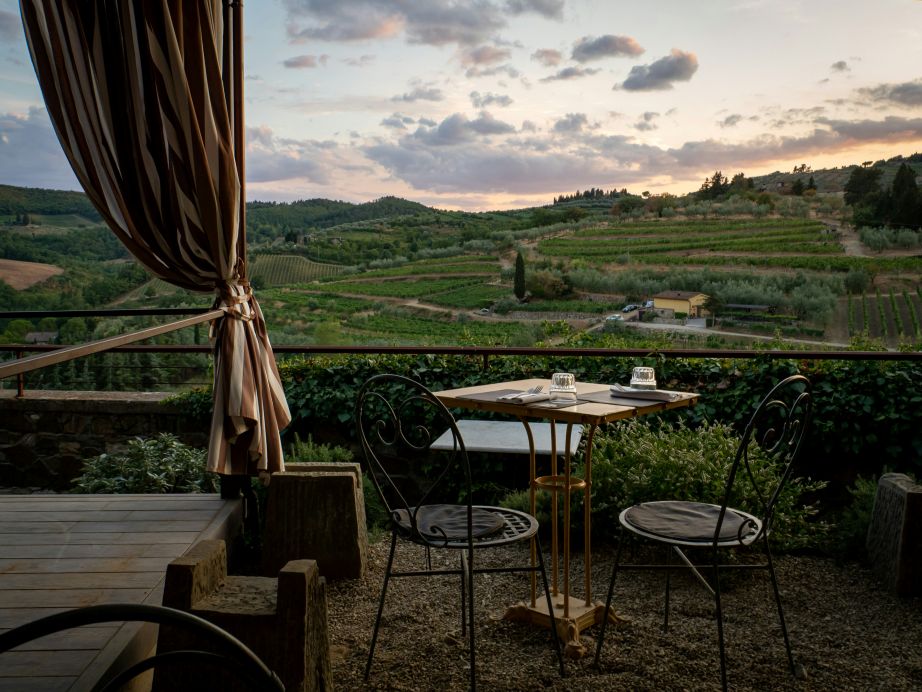
Choosing where to stay in Tuscany matters, but trip structure matters just as much. Every hotel change adds work that disappears from maps. Packing, transfers, check-in, and reorientation all consume time and energy.
That does not mean changing hotels is always a mistake. Sometimes one move creates a much better trip. The key is making sure every move earns the disruption it creates.
Use One Base for Shorter Trips or Strong Priorities
For three to five nights, one base often creates the better experience. You settle in once and spend your limited time exploring. That can feel far more luxurious than constantly moving.
Florence works well when art, restaurants, and car-free travel lead your priorities. Chianti makes sense when wine country and slower property time matter most. Siena can suit travelers concentrating on southern Tuscany without wanting a remote countryside hotel.
One base is not settling for less. It works beautifully when you know what matters most. The problem starts when you expect one location to do everything equally well.
Two Bases Usually Create the Best 7-Day Balance
For many first-time seven-day trips, Florence plus one countryside base creates an excellent balance. You experience two different versions of Tuscany. Better yet, you change hotels only once.
Florence gives you walkability, museums, restaurants, and easy evenings. The countryside provides quieter mornings, vineyards, scenery, and a slower rhythm. Each base handles what it does best.
A three-night Florence stay followed by four countryside nights can work particularly well. Reversing that split works too. Your flight plans, priorities, and transportation should determine the order.
The goal is not checking both city and countryside off a list. It is giving each enough time to feel different. That distinction matters.
Three Bases Can Turn a Relaxed Week Into a Luggage Tour
Three hotels in seven days can look perfectly reasonable during planning. Unfortunately, drive time tells only part of the story. The surrounding logistics can consume far more time.
A ninety-minute transfer rarely costs only ninety minutes. You must pack, check out, load luggage, travel, park, check in, and unpack again. Rooms may not even be ready when you arrive.
Then comes the less obvious cost. You need to learn another neighborhood, another hotel, and another routine. Do that repeatedly, and Tuscany starts feeling suspiciously like logistics management.
Mistake most couples make: they count driving time while ignoring everything surrounding the drive. Hotel changes carry a much larger transition cost. That cost usually appears as lost time and lower energy.
The broader principle matters beyond Tuscany. Luxury Travel Planning for Couples: Why Doing Less Leads to More explains why fewer transitions often create a better trip. More stops do not automatically create more value.
For one week, two bases are usually plenty. Three can work when geography truly demands it. However, every additional hotel should solve a real problem rather than simply add another pin to the map.
If You Do Not Want to Drive, Your Best Base Changes
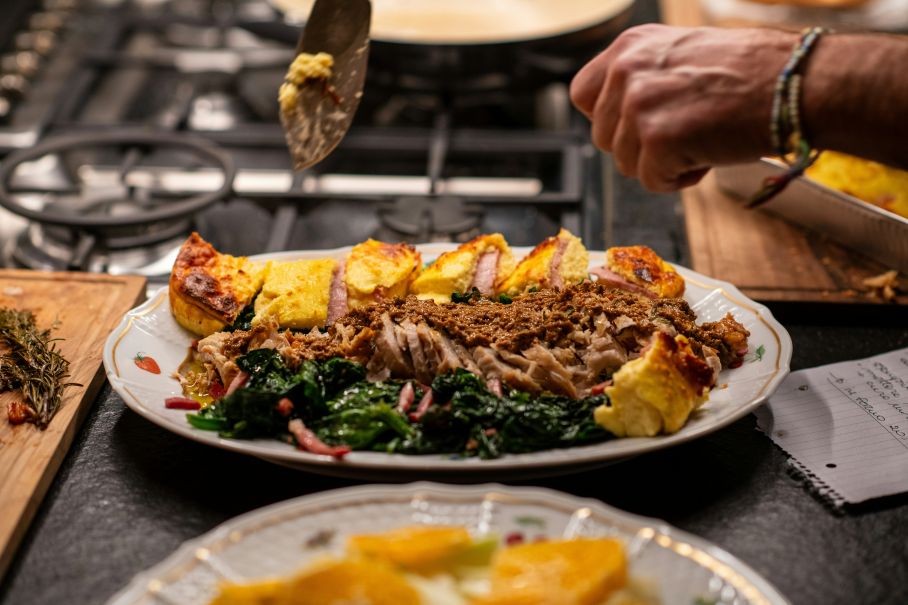
You can absolutely enjoy Tuscany without renting a car. However, your choice of base becomes much more important. The right location removes transportation headaches before they ever reach your itinerary.
Car-free travel works best when you design around connections rather than fighting geography. That may mean choosing Florence instead of a remote vineyard hotel. It can also mean spending selectively on drivers where they add meaningful freedom.
Florence Is the Safest No-Car Default
For most first-time travelers exploring Tuscany without a car, Florence offers the simplest base. It combines strong rail connections with a highly walkable historic center. Organized tours and private drivers can handle countryside days.
Florence serves as Tuscany’s main railway hub, with direct regional connections to several important destinations. Santa Maria Novella station also sits centrally. That makes transportation much easier than staying somewhere requiring another transfer.
You also retain independence after returning from an excursion. Restaurants, museums, shops, and evening walks remain accessible without arranging another ride. That flexibility becomes surprisingly valuable over several days.
Choosing Florence does not mean accepting a lesser version of Tuscany. It simply shifts countryside exploration into planned day experiences. For travelers who genuinely dislike driving, that tradeoff often makes sense.
Siena Can Work, But You Will Rely More on Tours, Buses or Drivers
Siena remains a reasonable no-car option, particularly when southern Tuscany matters more than northern sightseeing. You still gain walkable restaurants and historic surroundings. However, transportation beyond Siena requires more planning.
Public buses serve many destinations, while organized tours and private drivers can cover harder countryside connections. The important part is planning transportation before booking your hotel. Do not choose the property first and solve mobility afterward.
Consider the places you actually want to visit from Siena. Then determine how each day works without your own vehicle. A beautiful base provides little value when reaching everything else becomes complicated.
Siena therefore suits couples comfortable arranging transportation for specific days. Florence offers greater independence between plans. Neither approach is wrong, but they create noticeably different levels of flexibility.
Countryside Without a Car Works Only When the Hotel Solves the Transportation Problem
A countryside stay without a rental car can work very well. The property must support that choice, though. Otherwise, peaceful isolation can become inconvenient isolation remarkably quickly.
Before booking, confirm transfers from the nearest practical train station. Ask about restaurant availability, winery transportation, organized experiences, and private-driver arrangements. Also verify what happens on evenings when you want to leave the property.
On-site dining becomes especially valuable in this situation. So do experiences that begin directly from the hotel. Those conveniences can matter more than another category upgrade or slightly larger room.
Be careful with remote properties offering beautiful scenery but limited transportation assistance. The hotel may still be excellent. It simply may not be the right hotel for a car-free trip.
For a simple decision, start with your desired independence. Choose Florence when you want maximum flexibility without driving. Consider Siena when organized transportation feels comfortable and southern Tuscany matters more.
Countryside immersion requires a different standard. Book the property only after confirming transfers, dining, and excursion support. Not driving can simplify Tuscany considerably, but only when your lodging choice supports the decision.
If Wine Is a Priority, Stay Closer to the Wine Instead of Commuting to It
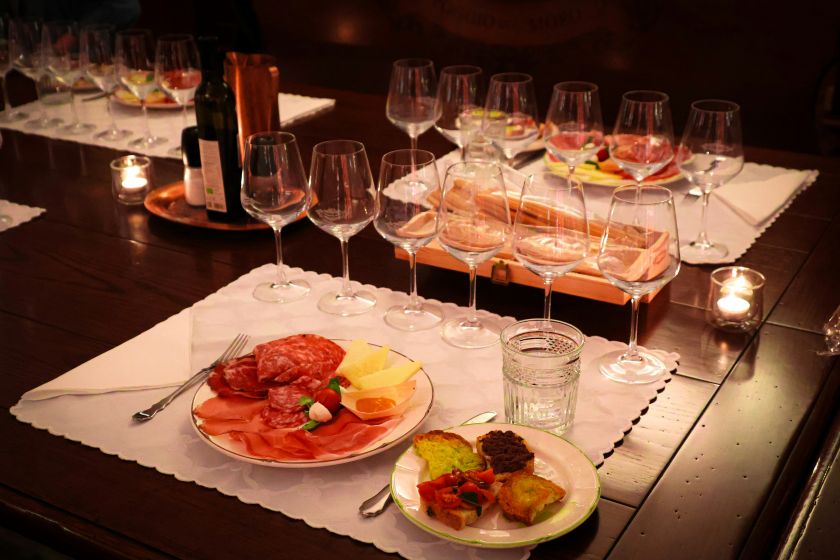
Where you sleep changes the quality of a wine-focused Tuscany trip more than many travelers expect. Proximity creates time for longer tastings, better lunches, and slower afternoons. It also removes the pressure of repeatedly returning to Florence.
That does not mean every wine lover needs a countryside hotel. One dedicated wine day from Florence can work perfectly well. The equation changes when wine becomes one of the trip’s main priorities.
Chianti Is the Easier Wine-Country Add-On to Florence
Chianti works particularly well when you want to divide a first Tuscany trip between city and countryside. The region sits between Florence and Siena. That geography makes a Florence-and-Chianti combination relatively straightforward.
You can spend several nights enjoying Florence without a car. Then move into wine country and let the pace change. Museums and busy streets give way to vineyards, longer meals, and quieter evenings.
This combination also avoids turning every wine day into a commute. Instead of repeatedly leaving Florence and returning afterward, you stay closer to what you came to experience. Your countryside hotel becomes part of the trip rather than simply somewhere to sleep.
For many first-time visitors, that balance is enough. You experience serious wine country without designing the entire vacation around wine. Travelers wanting greater depth may find southern Tuscany more rewarding.
Montalcino and Val d’Orcia Reward Travelers Who Want Wine to Shape the Day
Montalcino and Val d’Orcia make more sense when wine should influence the rhythm of several days. Here, depth matters more than squeezing another winery into the schedule. Meals and scenery deserve time too.
Two thoughtful tastings can create a fuller day than four rushed appointments. Add a long lunch, and suddenly the schedule feels complete. More tastings do not automatically mean a better wine experience.
Staying nearby also changes what happens after the final appointment. Nobody needs to watch the clock for a lengthy return to Florence. A private driver becomes easier to justify when both travelers want to participate fully.
The best wine-country base often lets you stop counting minutes. A tasting followed by lunch feels different when transportation stops controlling the afternoon. That is where proximity starts creating real value.
Ask yourselves how important wine truly is before choosing the base. If it is an enjoyable addition, Florence plus Chianti may be enough. If wine should shape several days, Montalcino or Val d’Orcia deserves stronger consideration.
Best Areas for First-Time Visitors: A Practical Shortlist
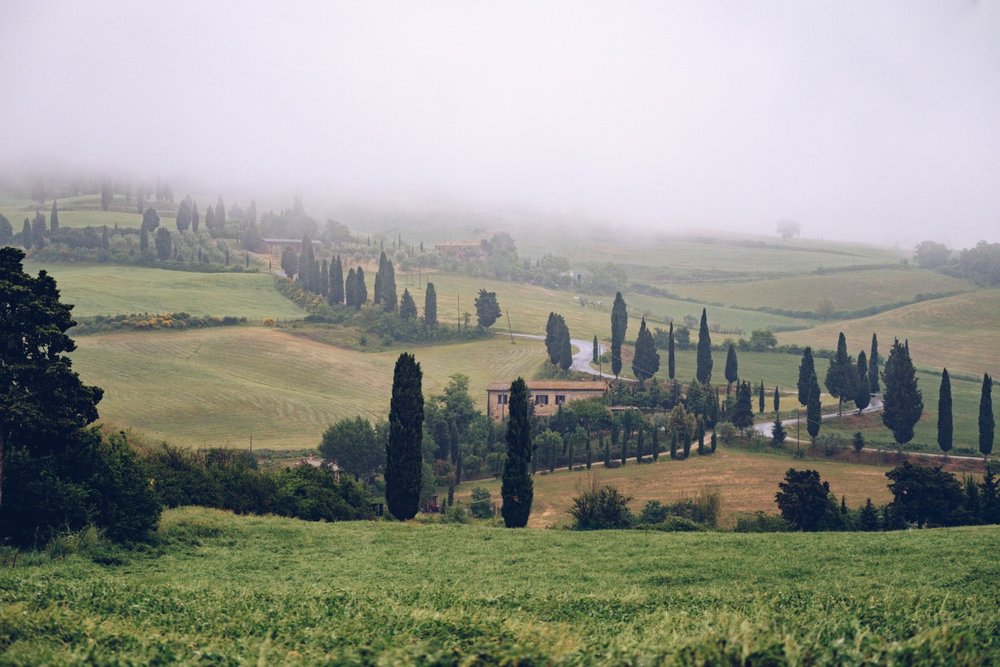
By now, the best places to stay in Tuscany should feel less like a list of towns. The real question is simpler. Which combination best matches how you want the trip to feel?
For most first-time visitors, three pairings cover the strongest options. Each creates a different balance of culture, scenery, food, wine, and daily ease. None is automatically better than the others.
Choose Florence + Chianti for the Easiest Classic First Trip
Florence and Chianti create the most straightforward first-trip combination for many couples. You get art, restaurants, wine country, and countryside scenery. Geography stays relatively manageable, with only one hotel change.
This pairing works especially well when Florence matters, but you also want time among vineyards. The transition feels natural rather than forced. Your second base changes the pace without sending you far across Tuscany.
It also suits couples wanting variety without turning the trip into a transportation project. Florence handles culture and city evenings. Chianti handles wine, slower mornings, and countryside time.
Choose Florence + Val d’Orcia for a Stronger Contrast
Florence and Val d’Orcia create a more dramatic shift between the two halves of your trip. One base feels urban and energetic. The other feels spacious, quiet, and intentionally slower.
This combination fits couples who want Tuscany’s landscape to play a larger role. You trade some geographic convenience for greater contrast. That tradeoff can be worthwhile when scenery matters more than staying close to Florence.
The longer transfer should still earn its place. Plan enough countryside nights to justify moving farther south. Otherwise, Chianti may provide similar balance with simpler logistics.
Choose Siena + Val d’Orcia if Southern Tuscany Matters More Than Florence
Siena and Val d’Orcia work well when southern Tuscany holds most of your interest. Think hill towns, food, wine, scenery, and slower days. Florence becomes optional rather than the automatic center of the trip.
This combination can suit repeat Italy visitors particularly well. It also works for first-timers who care little about Renaissance museums. There is no rule requiring your first Tuscany trip to follow someone else’s standard script.
Siena gives you restaurants, history, and walkable evenings. Val d’Orcia adds countryside immersion and a noticeably different rhythm. Together, they keep your attention focused south instead of repeatedly pulling you back toward Florence.
Your best choice comes down to priorities, not prestige. Choose the pairing that protects the experiences both of you actually value. A famous base means very little if it supports the wrong trip.
Where We Would Stay for a Relaxed Week in Tuscany
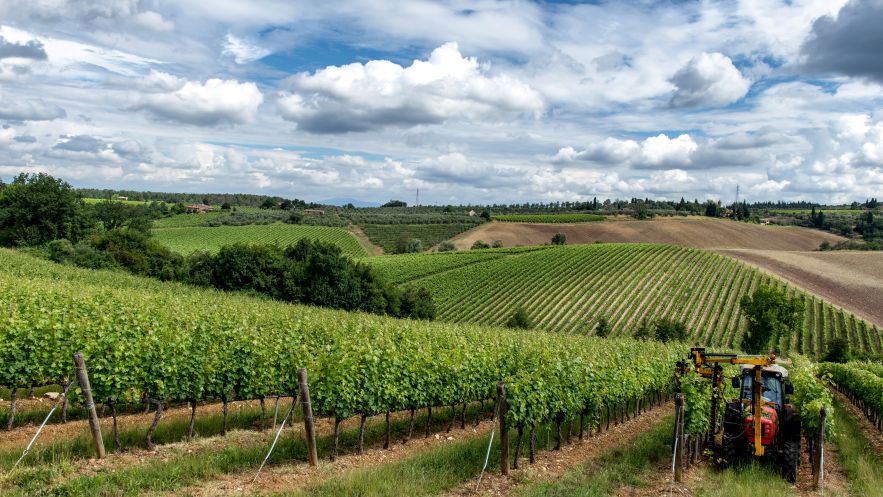
After comparing the options, our default for a relaxed first week would be simple. We would choose Florence plus one countryside base. That gives you variety without turning the trip into constant movement.
The exact countryside choice depends on what matters most. Chianti works better when convenience and wine-country access lead the decision. Val d’Orcia fits better when scenery and southern Tuscany matter more.
Three Nights in Florence + Four Nights in One Countryside Base
Three nights in Florence gives you enough time to settle into the city. You can enjoy museums, restaurants, and evenings without immediately packing again. Then one hotel change shifts the entire rhythm.
Four countryside nights gives the second half enough space to feel genuinely different. You can enjoy the property instead of treating it as another sleeping location. That matters when choosing a hotel with views, dining, gardens, or a pool.
Chianti creates the easier pairing with Florence. The geography stays simpler, and wine country remains central. Val d’Orcia asks more from transportation but offers a stronger countryside contrast.
Neither split should become a rule. Change it when your priorities clearly point somewhere else. The structure should serve your trip, not become another checklist.
The Hotel Should Support the Rhythm You Want
Once you choose the area, stop judging hotels mainly by photographs. Look at how the property will affect each day. That is where real comfort often appears.
Check whether dinner is available on-site or nearby. Confirm pool or spa access if those features matter. Also examine elevators, stairs, parking, transfers, and air-conditioning before booking.
Room location deserves attention too. A beautiful historic property may involve stairs or distant rooms. A countryside estate may require transportation whenever you want to leave.
Consider how easily you could enjoy an unscheduled afternoon there. That question reveals more than another list of amenities. A luxury hotel only feels luxurious when its location and operations make your days easier.
Before booking, picture your best Tuscany morning together. Ask where you want to wake up and what should happen without transportation planning. Then compare that answer with your partner’s.
One of you may want restaurants outside the hotel door. The other may prefer a terrace neither of you wants to leave. Those differences are worth discussing before reservations become expensive commitments.
What We Learned About Each Other on Our First Empty Nest Vacation explores why those conversations matter before a couples trip. Different preferences do not create the problem. Unspoken expectations usually cause far more friction.
Finally, ask which inconvenience would bother you more. Would you resent a thirty-minute drive to dinner? Or would city noise outside your hotel wear on you faster?
That answer may tell you more than another hour comparing hotels. Decide whether the property serves sightseeing or becomes part of the experience itself. Then choose the hotel that supports that rhythm.
The Mistakes That Make a Beautiful Tuscany Hotel Feel Like the Wrong Choice
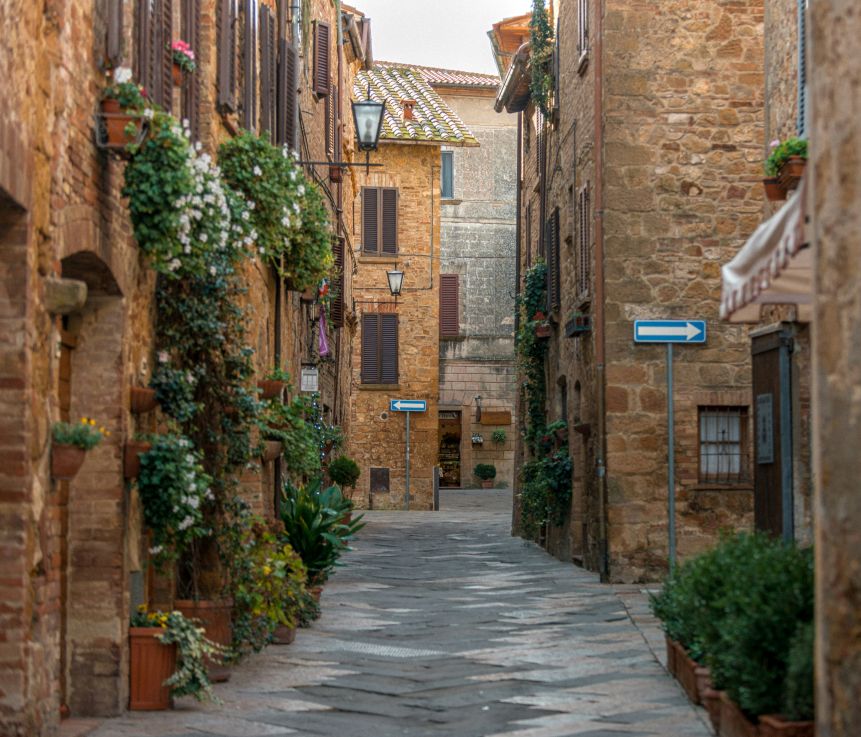
A beautiful hotel can still be wrong for your trip. The problem usually is not the property itself. The problem is choosing it before understanding what the location will require daily.
Photos make this easy to get wrong. A terrace, pool, or stone courtyard can pull attention away from logistics. Those details still matter after the initial excitement fades.
Booking the Hotel Before Choosing the Base
Choose the area first. Then compare hotels inside that area. Reversing that order often creates unnecessary driving and awkward daily plans.
A spectacular hotel forty-five minutes from everything you want may be a poor fit. Distance adds up quickly across several days. That time comes directly from meals, sightseeing, rest, and time together.
Start with the experiences that matter most. Decide whether Florence, Siena, Chianti, or Val d’Orcia best supports them. Only then should hotel photographs enter the argument.
Ignoring Hills, Stairs, Parking and Luggage Access
Historic charm can hide practical problems. Before booking, check elevator access, stairs, parking distance, and luggage handling. Also ask where your room sits within the property.
That matters especially in hill towns and converted estates. A short walk may include steep grades or uneven surfaces. Carrying luggage changes the experience considerably.
Do not assume an expensive hotel automatically solves these issues. Some wonderful properties occupy buildings with unavoidable limitations. Knowing those limitations beforehand helps you decide whether they matter.
Comfort is not about avoiding every staircase. It is about understanding the tradeoff before you pay. Your knees deserve a vote too.
Assuming Countryside Quiet Automatically Means Relaxing
Quiet can feel wonderful when the property supports your plans. It becomes less relaxing when every meal requires transportation. The same applies when every excursion begins with another complicated transfer.
Remote does not automatically mean romantic. Sometimes it means planning dinner before breakfast. That may suit you perfectly, but only if you actually want that rhythm.
Check dining options, transportation support, parking, transfers, and nearby services before booking. Ask how easily you can spend an unscheduled afternoon there. That answer reveals a great deal.
The mistake most couples make is simple. They fall for the room or view before studying the daily requirements. A hotel should make the trip easier, not quietly create another job.
The 60-Second “Where Should We Stay?” Decision Check
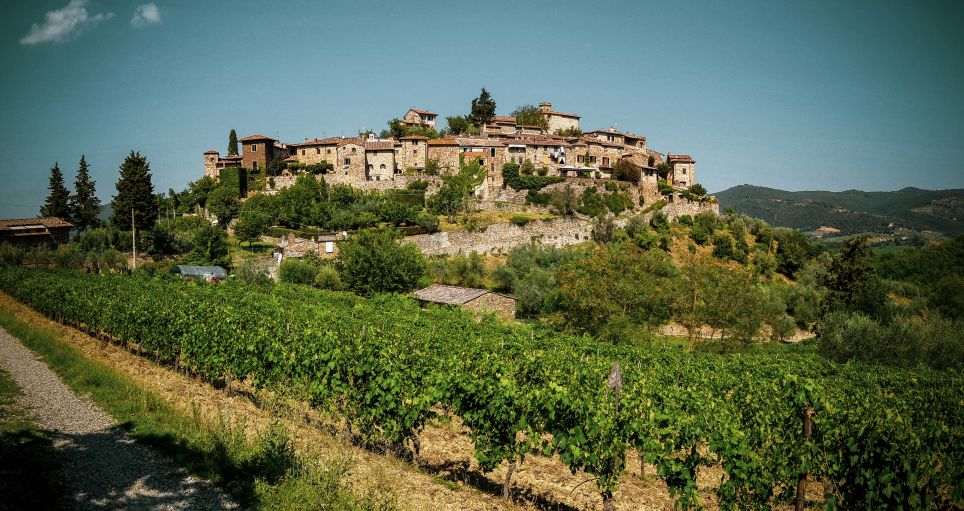
If you still have two or three favorites, stop comparing hotel photos for a minute. Start with how you want each day to work. The best place to stay in Tuscany should support that answer.
If renting a car is a hard no, put Florence first. You gain walkability, rail connections, restaurants, and organized countryside options. That combination removes more transportation friction than the other major bases.
If art, restaurants, and easy evenings matter most, choose Florence. You can finish dinner and simply walk back. That freedom matters when neither of you wants another transportation decision at night.
If you want a smaller historic city, consider Siena. It works especially well when southern Tuscany matters more than Florence. Just remember that countryside transportation requires more planning.
If wine country should shape the trip, choose Chianti. You stay closer to vineyards while keeping Florence relatively accessible. That makes Chianti particularly useful in a two-base first trip.
If scenery and slower countryside days matter most, choose Val d’Orcia. This choice puts the landscape at the center. Accept the extra transportation because waking there becomes part of the experience.
If Brunello is a major priority, consider Montalcino. Staying nearby gives tastings, meals, and winery visits more breathing room. Do not choose it solely because one vineyard hotel photographs beautifully.
If you have roughly one week, choose two bases rather than three. Florence plus one countryside stay creates strong variety. More hotel changes usually add logistics faster than they add value.
When two hotels seem equally appealing, compare transportation instead of thread counts. Choose the property removing more driving from your most important days. That practical advantage can improve every morning and evening.
The final question is surprisingly simple. Which base makes the trip you actually want easier to enjoy? The prettiest hotel means little when its location keeps working against you.
The best place to stay in Tuscany is not simply the prettiest hotel you can find. Choose the base that supports your priorities. That is usually where the better trip begins.
Frequently Asked Questions About Where to Stay in Tuscany
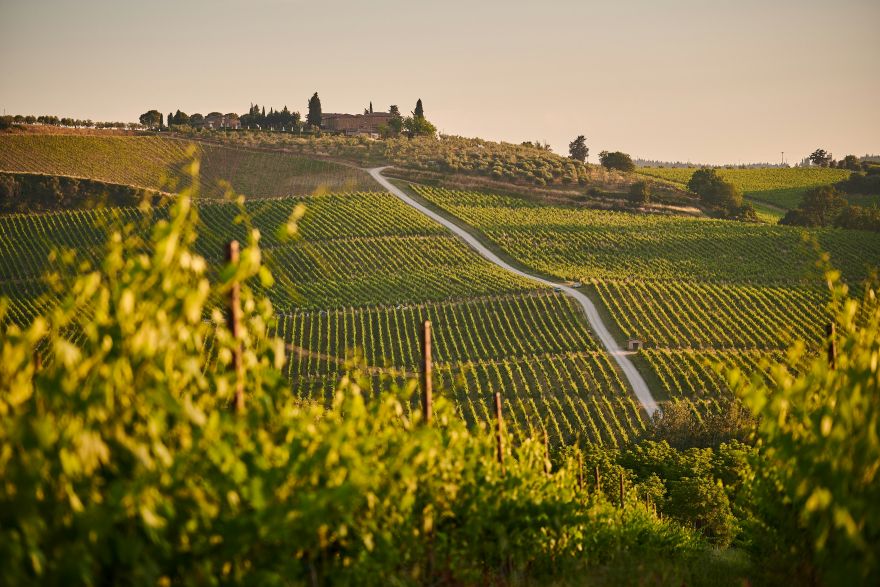
These questions usually remain after couples narrow their choices to two or three Tuscany bases. The answers depend on how you want to travel. Convenience, scenery, wine, and transportation should carry more weight than popularity.
What is the best town to base yourself in Tuscany?
Florence is the easiest all-around base for many first-time visitors. It offers walkability, strong transportation connections, restaurants, and organized countryside options. Siena can work better when southern Tuscany matters more than Florence.
A countryside base makes more sense when the setting itself is part of the trip. Chianti suits wine-country priorities particularly well. Val d’Orcia works better when scenery, hill towns, and slower days lead your list.
Should I stay in Florence or the Tuscany countryside?
Choose Florence when convenience, museums, restaurants, and car-free flexibility matter most. Choose the countryside when views, quiet, wine, and property time matter more. Neither choice provides a more authentic Tuscany experience.
With about one week, splitting the trip often creates the strongest balance. Florence plus one countryside base gives you two different rhythms. You also avoid turning the week into repeated hotel changes.
Can you stay in Tuscany without a car?
Yes, especially when Florence serves as your base. Trains, walking, organized tours, and private drivers can cover many common travel needs. You do not need a rental car to enjoy Tuscany.
Siena can also work without driving, although transportation requires more planning. Rural stays demand even more attention to transfers and dining. Confirm those arrangements before choosing a countryside hotel.
Is Siena a good base for Tuscany?
Yes, particularly when southern Tuscany ranks high among your priorities. Siena gives you historic surroundings, restaurants, and a smaller city experience. It also positions you closer to Val d’Orcia than Florence does.
The tradeoff involves transportation. Siena does not offer Florence’s level of rail convenience. No-car travelers should understand their bus, tour, and driver options before booking.
Is it better to stay in one place in Tuscany?
For three to five nights, one base often works extremely well. You spend less time packing and relocating. Strong priorities make that decision even easier.
Around seven nights, two bases can provide worthwhile variety without excessive disruption. Florence plus one countryside stay is a practical example. Additional hotel changes should solve a genuine geographic problem.
Where should wine lovers stay in Tuscany?
Chianti works well when wine country should complement time in Florence. You can create a simple city-and-countryside combination without moving far south. It suits travelers wanting wine depth without making wine the entire trip.
Val d’Orcia or Montalcino deserves consideration when Brunello and southern Tuscany matter more. Staying nearby creates room for slower tastings and longer meals. That depth can provide more value than racing between wineries.
Choosing the Right Tuscany Base Comes Down to How You Want the Trip to Feel
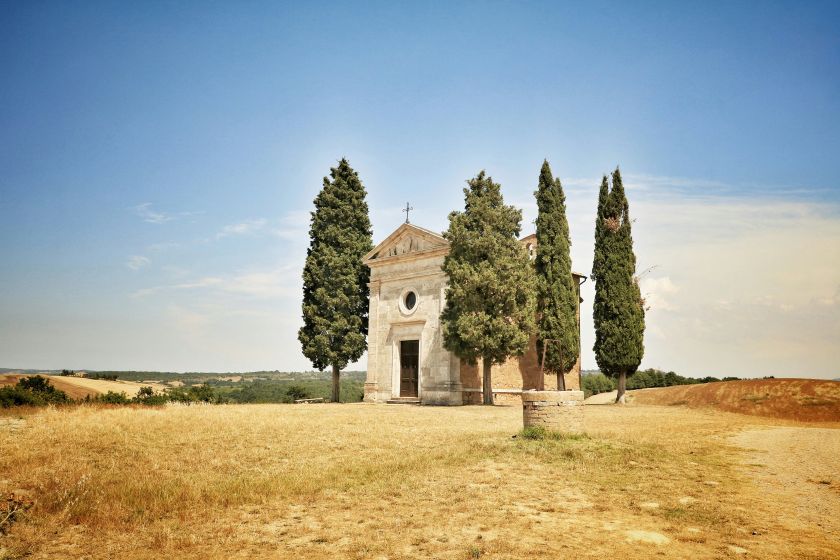
The right Tuscany base should make the trip easier, not make the itinerary look more impressive. That distinction matters. Where you stay will shape your mornings, evenings, transportation, and energy every single day.
You do not need to prove you “did Tuscany” by sleeping in five different towns. A slower trip can still include extraordinary food, wine, art, history, and scenery. It simply gives you enough time to enjoy them.
Choose the base that removes friction from the experiences you care about most. Protect the parts of the day you want to enjoy together. Then give yourselves permission to leave a few hours completely unclaimed.
Where you stay will influence the rhythm of Tuscany as much as anything you visit. That rhythm deserves just as much thought as your sightseeing list. A good base quietly makes almost everything else work better.
Continue Exploring
The Hidden Luxury Travel Mistake Couples Make looks beyond destinations and focuses on pace, effort, and trip structure. It helps explain why location and transitions deserve more attention. Read it when another destination starts looking suspiciously easy to add.
Luxury Travel Planning for Couples: Why Doing Less Leads to More takes that idea further. It examines the tradeoff between variety and depth. It is especially useful before adding another hotel simply because you are already nearby.
What We Learned About Each Other on Our First Empty Nest Vacation explores how couples can want different travel rhythms. Those differences are completely normal. Discussing them before booking can prevent small preferences from becoming daily frustrations.
The Joy of Taking a Trip Without an Itinerary is worth reading if open afternoons sound appealing. Tuscany gives unscheduled time plenty to work with. Long lunches and unplanned evenings sometimes deserve protection from another reservation.
Start Planning
If Florence, Siena, Chianti, and the countryside still leave you torn, start with your priorities. Think about pace, comfort, transportation, food, wine, and downtime. Then choose the base that makes those priorities easier.
Start Planning Your Trip when you want help turning those preferences into a workable Tuscany plan. The goal is not adding more to the itinerary. It is building a trip that feels right once you are actually there.

Leave a Reply