
Our first empty nest vacation did not teach us how to travel better. It taught us how to be a couple again.
About eight months after the kids were out of the house, Cheryl and I went to Curaçao. We had traveled together before, including Key West and St. Maarten. Still, this trip felt different because nobody else shaped the day.
I expected a couple’s vacation, but I carried twenty years of family travel habits with me. I was still thinking about schedules, meals, moods, and what came next. Apparently, “management mode” does not automatically disappear when the children stay home.
The surprise came when we stopped trying to manage the trip. One evening, we wandered into Curaçao’s Pietermaai district without much of a plan. We found a table, stayed awhile, and let the evening unfold.
That unscheduled time opened space for a conversation neither of us had planned. We talked about an early memory from our marriage and what another kind of life might feel like. Cheryl also shared something she had been carrying for weeks.
The most important part of that first empty nest vacation was not Curaçao itself. We started noticing our pace, preferences, communication, independence, and how differently we enjoyed shared experiences. More importantly, we discovered that traveling without the kids could help us stop acting like parents on vacation.
For a few days, we could simply be Eric and Cheryl again. That sounds obvious until you realize how easily twenty years of family routines follow you. What we learned next changed how I think about traveling together now.
If this topic is shaping your trip, Travel Is Different When You’re Dating Your Spouse Again is a useful next read for how couple-focused travel changes when you are no longer organizing every day around the kids.
We Were Still Traveling Like Parents Even Though the Kids Weren’t There
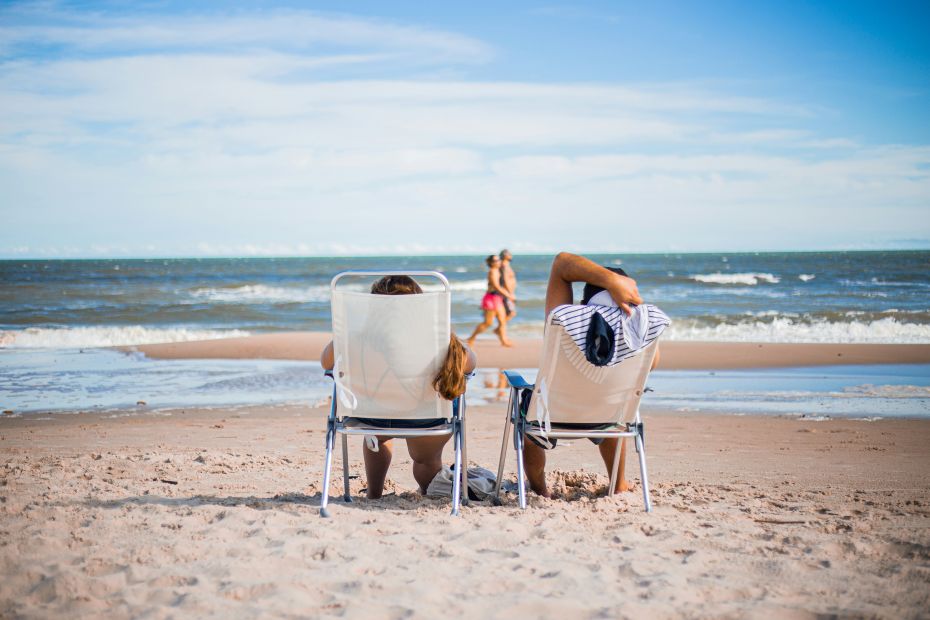
Our first empty nest vacation revealed how deeply family travel habits had followed us. We packed too much, planned too much, and treated every day like something needing completion. Without realizing it, we were still managing the vacation instead of enjoying it.
We had spent years organizing trips around other people’s schedules, preferences, meals, and energy. Those habits once made sense because children depended on us. On this trip, they created work nobody actually needed us to do.
I used to think a successful vacation meant making good use of every available hour. Curaçao started challenging that assumption. Seeing more was not automatically helping us enjoy more.
That lesson became one of our biggest first empty nest travel mistakes. We finally had freedom, but our travel habits had not caught up yet. Changing them would take more than leaving the kids home.
Years of Family Travel Had Trained Us to Think Differently
Family vacations taught us preparation, flexibility, and constant awareness of what everyone needed next. Somebody might be hungry, tired, bored, or uninterested in the current plan. Keeping things moving became part of traveling.
Those skills helped when our children traveled with us. On our first empty nest vacation, they became surprisingly unnecessary. Nobody required entertainment, supervision, backup plans, or convincing to participate.
That realization did not arrive immediately. We still filled days with early tours, attractions, reservations, and planned meals. Eventually, the schedule started feeling more demanding than the destination.
By the third day, we were seeing plenty and experiencing far less. The problem was not Curaçao. We simply had not learned how to travel as two people yet.
Traveling as Two Changed More Than the Headcount
Travel decisions suddenly involved only two opinions. Meals, activities, mornings, excursions, and stopping times no longer needed family consensus. That sounds wonderfully simple until you realize those two people may want different things.
We discovered that one of us sometimes wanted to slow down while the other wanted to maximize the day. Neither preference was wrong. We simply had never discussed the difference clearly.
The freedom surprised me because it required new decisions instead of fewer decisions. We had to ask what we actually enjoyed together. Years of family travel had rarely required that question.
Once we started asking it, the trip changed. Empty nest travel stopped looking like family travel with fewer passengers. It began becoming something that belonged to us.
We Learned That We Do Not Always Want the Same Kind of Day
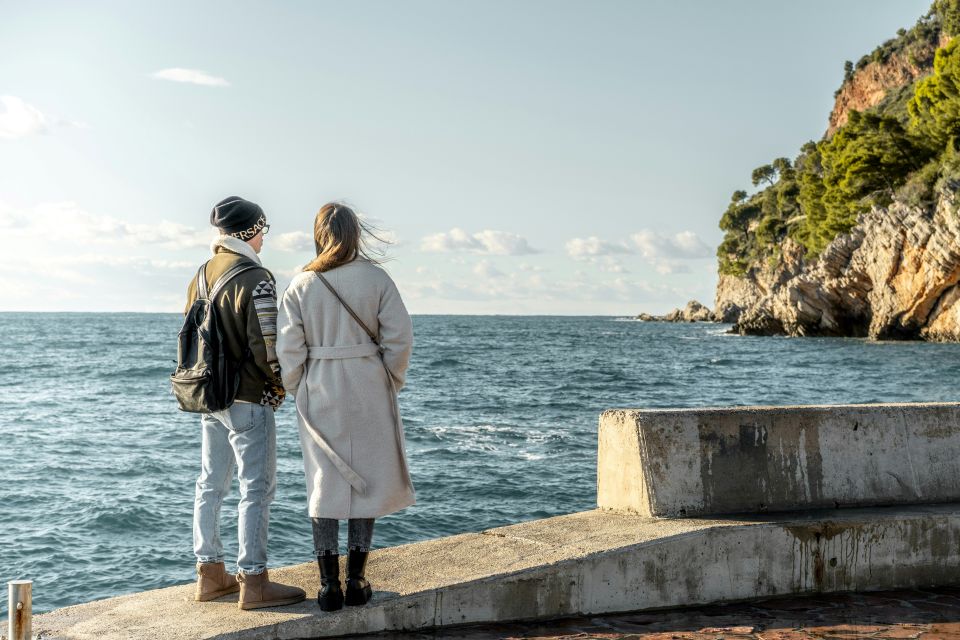
Our first empty nest vacation made one thing clearer: traveling together does not mean wanting identical days. Without the kids, our individual preferences had nowhere to hide. Suddenly, two opinions mattered much more.
Family trips naturally spread decisions across everyone. One person wanted the beach, another wanted food, and somebody inevitably needed something completely different. With only us, differences in pace became easier to notice.
That was useful, not alarming. Couples can enjoy the same destination while experiencing it differently. Understanding that distinction can prevent a minor preference from becoming an unnecessary argument.
One of Us May Want Structure While the Other Wants Freedom
We learned that planning and flexibility can pull against each other. A clear plan provides comfort, while an open afternoon creates freedom. Neither approach automatically produces the better vacation.
The important change came when we stopped treating those preferences as competing positions. Instead, we started thinking about what each day actually needed. Some experiences deserve reservations, while others become better when nothing follows them.
Today, I would discuss that balance before building the itinerary. Our approach now reflects why energy should shape luxury travel planning. Deciding how a trip should feel matters before deciding how much it should contain.
Energy Level Matters as Much as the Activity Itself
Two people can love the same activity and still have different energy for it that day. Heat, walking, travel days, and late evenings change the equation quickly. Nobody wins when one person keeps going purely from obligation.
That lesson gave us permission to stop measuring togetherness by shared hours. One person can rest while the other explores, reads, shops, or takes another walk. Reconnecting later often works better than forcing matching energy levels.
Future trips can also mix active experiences with deliberate recovery time. A small-group Santorini catamaran cruise shows how sightseeing and relaxation can share one day. The larger lesson remains simple: plan for the people taking the trip, not imaginary versions of them.
The Small Decisions Taught Us More Than the Big Attractions
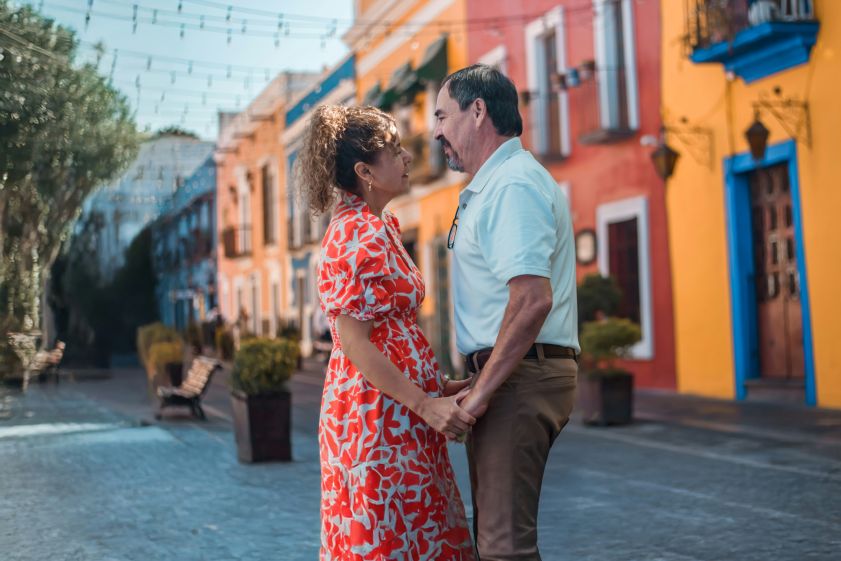
The biggest discoveries on our first empty nest vacation came from ordinary moments, not major sightseeing. Breakfast timing, hotel downtime, meals, walking, and open afternoons suddenly reflected only our preferences. Family travel had usually buried those smaller choices beneath everyone else’s needs.
Curaçao made that obvious quickly. Our first full day moved efficiently through the market, floating bridge, historic sites, and researched activities. Everything worked, yet efficiency was starting to feel suspiciously overrated.
The moments revealing more about us happened when the schedule loosened. We began noticing how long we wanted to stay somewhere and when moving on felt unnecessary. Those details mattered more than another completed attraction.
We Discovered What Comfort Means to Each of Us
Comfort turned out to involve more than room quality or hotel amenities. We valued having enough ease in the day to stop moving when something felt right. That realization changed how I think about accommodations now.
A hotel should support the trip rather than become another logistical project. Location, quiet, convenience, service, and easy access to nearby experiences can matter enormously. That idea also explains why empty nesters often prefer smaller hotels.
We did not need constant entertainment from the property. We needed a comfortable place that made the rest of the trip easier. That distinction became clearer with every unscheduled hour.
Food and Unhurried Meals Became Part of the Discovery
Our first dinner in Curaçao was well researched and exactly as advertised. Nothing went wrong, but nothing surprised us either. We finished, returned to the hotel, and moved on.
The next evening felt completely different. We wandered into Pietermaai without a reservation and found a table almost by accident. Forty-five unscheduled minutes stretched into something far more memorable.
That experience changed how I think about meals while traveling. Food does not need to fill space between attractions. Experiences like a small-group Tuscan countryside wine tasting work because the meal, setting, and conversation become the activity.
Sometimes the smallest decision is simply staying seated longer. On that trip, those extra minutes taught us more about each other than another landmark could.
We Learned That Being Together Does Not Mean Doing Everything Together
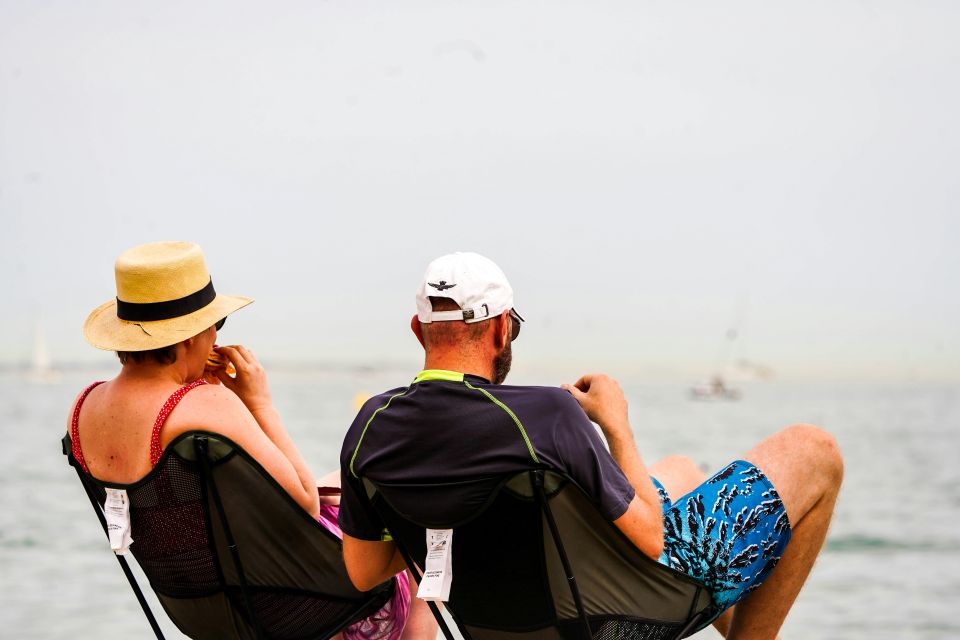
Our first empty nest vacation started changing how I thought about togetherness while traveling. We no longer had children setting the rhythm, yet we still approached many decisions as a unit. That felt natural, but it also raised a new question.
Did every hour really need to belong to both of us? Probably not. Empty nest travel gives couples room to enjoy different interests without turning independence into distance.
We learned something related during our unplanned evening in Pietermaai. Nothing required us to move together toward another scheduled activity. That freedom created space for conversation instead of another item on the itinerary.
We Had to Learn When to Compromise and When Not To
The best compromise in Curaçao involved the schedule itself. We left part of an evening open instead of assigning every hour a purpose. That small decision gave both of us room to follow what felt right.
We wandered into Pietermaai without knowing exactly where we would end up. A table caught our attention, so we stayed. Neither of us had to sacrifice something important for the compromise to work.
That distinction matters. Shared priorities deserve discussion, while smaller preferences do not always require a negotiated middle ground. Sometimes one person choosing is easier than finding an option nobody particularly loves.
Our experience also explains why traveling without a detailed itinerary can create more freedom for couples. Flexibility works better when both people know which decisions actually matter.
Time Apart Can Create Better Time Together
We did not build our Curaçao trip around separate days or independent excursions. Still, the experience changed how I view personal space while traveling. Being a couple does not require matching every activity, mood, or energy level.
One person might eventually want a walk while the other reads or rests. Shopping may interest one person longer, while the other wants the hotel pool. Those differences do not automatically signal a problem.
Future trips can protect important shared experiences while leaving room for individual choices. Then you reconnect with something new to discuss. Togetherness can feel stronger when neither person has to perform it every waking hour.
The Best Conversations Happened When We Stopped Filling Every Minute
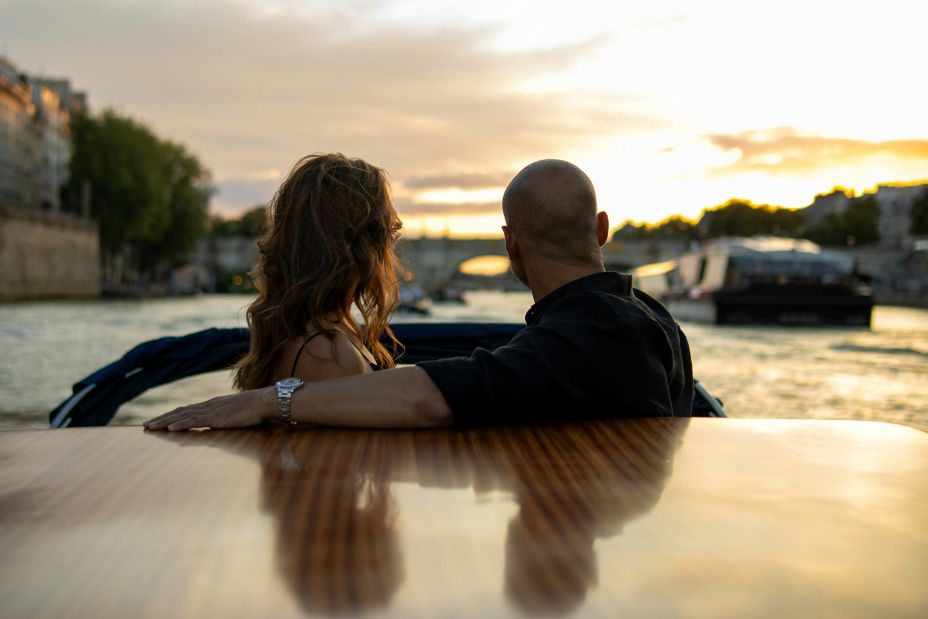
Our most important conversation in Curaçao happened during an evening we had barely planned. We wandered through Pietermaai, found a place to sit, and simply stayed there. Nobody needed us anywhere else.
Without family logistics filling the space, the conversation moved somewhere deeper. We talked about whether we could imagine living somewhere with that kind of architecture. Then we started talking about what that kind of life might actually feel like.
We also remembered how we traveled before the kids, when loose itineraries felt normal. Cheryl said she had forgotten what that feeling was like. That moment stayed with me far longer than another scheduled attraction.
Empty Time Felt Strange Before It Started Feeling Good
At first, leaving time open felt slightly irresponsible. Years of family vacations had trained us to make every day count. Apparently, an empty calendar can look suspicious when you have spent decades organizing everyone.
Pietermaai changed that. We wandered, sat down, extended the evening, and never replaced the missing plan. Nothing important was lost because we skipped another scheduled activity.
Instead, the open time became the activity. That lesson eventually shaped our “No Big Plans” approach to travel. We still plan logistics, but we intentionally protect time when nothing must happen.
We Started Talking About What We Wanted This Next Chapter to Look Like
That evening gave us room to talk about life instead of tomorrow’s schedule. We discussed places we might enjoy living and experiences we wanted more often. Travel started feeling connected to bigger questions about how we wanted life together to feel.
Later, we became more deliberate about naming those individual desires. Cheryl valued walkability, feeling embedded somewhere, and not needing a car. I cared about water, good food, and slow evenings.
Those preferences eventually helped shape another trip to southern France. More importantly, they changed how we planned together. Our first empty nest vacation taught us that connection sometimes needs less planning, not more.
That same idea shapes experiencing Budapest without travel burnout. Slower days create room for conversations that busy itineraries quietly crowd out. Sometimes the best thing you can schedule is nothing.
What We Would Do Differently on Our Next Empty Nest Vacation
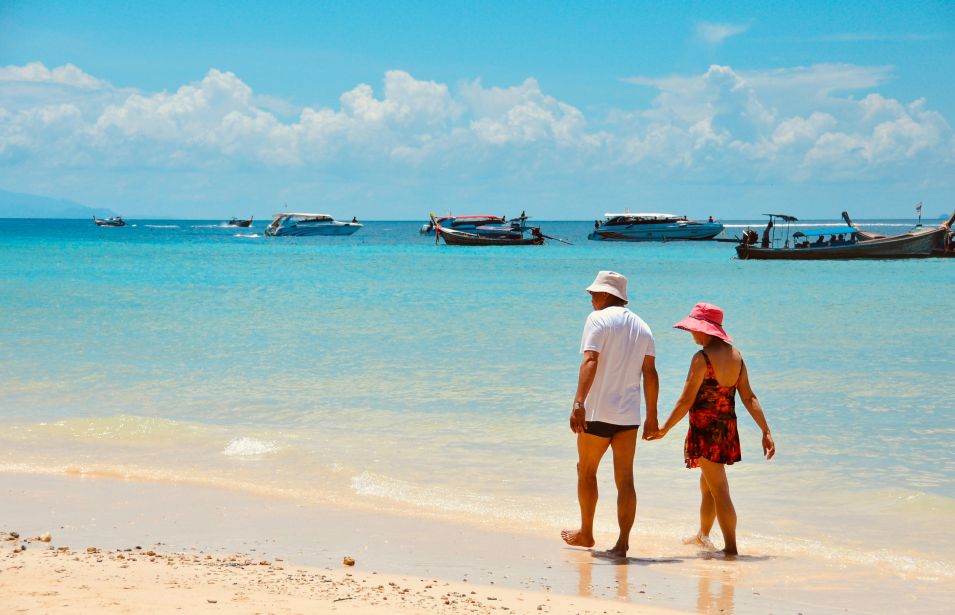
Our first empty nest vacation changed what I now consider a successful trip. I would schedule less, protect more open time, and make fewer assumptions about what Cheryl wants. We would still plan carefully, but the schedule would serve us instead of controlling us.
That means talking before booking about pace, hotels, meals, excursions, comfort, and how much downtime feels right. We would also leave room for one person to want something different. A good couples trip should accommodate two people, not merge them into one imaginary traveler.
Most importantly, I would stop trying to recreate family vacations without the kids. Empty nest travel deserves its own rhythm. For us, that increasingly means fewer obligations, deeper experiences, and room for the day to surprise us.
We Would Plan Around How We Want the Trip to Feel
Today, I start with a different question. Instead of asking how much we can see, I ask how we want the trip to feel. Relaxed, curious, comfortable, connected, and occasionally spontaneous sounds much better than impressively busy.
That means choosing fewer experiences we genuinely care about. It also reflects what I learned about why doing less can create a better luxury vacation. Attraction count has become a terrible way to measure a good day.
Before booking, I would discuss energy, hotel style, meals, budgets, excursions, and unplanned time with Cheryl. Those conversations prevent avoidable friction later. They also make the final itinerary feel like ours.
We Would Choose Experiences That Give Us Something to Share
I also value experiences that give us something to do, discover, or laugh about together. Cooking, sailing, wine tasting, and exploring with a local guide invite participation. Standing beside another monument usually asks considerably less of us.
A Barcelona paella cooking experience with a market visit, tapas, and sangria shows the kind of experience I mean. You learn something, taste something, and create a memory together. The activity becomes part of your shared story.
That does not mean every day needs another organized experience. Quite the opposite. I would choose a few that genuinely interest us, then leave enough space around them to enjoy what happens next.
Our First Empty Nest Vacation Taught Us How to Travel as Us Again
Our first empty nest vacation taught us something Curaçao alone never could. We learned how differently we each experience travel. More importantly, we learned those differences did not need fixing.
Different energy levels, interests, comfort preferences, and daily rhythms can create friction when couples leave them unspoken. Honest conversations change that. Once both people understand what matters, planning becomes more personal and far less exhausting.
You may also want to read The Unexpected Conversations That Happen While Traveling as Empty Nesters for a closer look at why unhurried travel can create conversations couples rarely have during everyday life.
The biggest shift involved our definition of traveling together. We stopped trying to recreate family vacations with two fewer passengers. Instead, we began developing a travel style built specifically around Eric and Cheryl.
That means fewer assumptions and more conversations before we leave home. It means protecting shared experiences while allowing room for different needs. Sometimes it also means doing absolutely nothing productive for an afternoon.
Your version will probably look different, and it should. Picture the days you genuinely want together before choosing destinations, hotels, excursions, or restaurant reservations. Build the trip around that picture rather than somebody else’s vacation checklist.
If you want help creating a trip around how you actually enjoy traveling, start planning your next vacation. We can begin with your priorities, preferences, and pace instead of forcing you into a standard itinerary. The goal should always be a vacation that works for both of you.
You can also join Luxury Travel by Eric: Empty Nester Couples Vacations on Facebook. It is a place to ask questions, share ideas, and talk with other empty nesters planning meaningful trips. Your next vacation might begin with discovering what the two of you want this chapter to become.