
Family vacations and empty nest trips can visit the same city, hotel, museum, or beach. Yet the experience can feel completely different. The difference is not necessarily where you go, but who the trip needs to serve.
Family travel usually asks parents to balance several people at once. One child wants adventure, another wants downtime, and somebody is already hungry. Parents often build the day around compromise, timing, energy, and keeping everyone reasonably happy.
Empty nest travel changes the question. Instead of asking what works for everyone, couples can ask what the two of them actually want. That opens possibilities around pace, meals, neighborhoods, hotels, tours, and even how much gets planned.
Maybe you both want slower mornings and longer dinners. Perhaps one museum matters more than squeezing three attractions into the afternoon. You can choose comfort, spontaneity, or deeper experiences without managing several competing preferences.
That does not make empty nest travel better than family travel. Family trips can create wonderful memories for completely different reasons. This stage simply gives couples a different kind of freedom.
The real opportunity is to design around the people you are now. You can protect time together and choose experiences that fit your current interests. The destination may look familiar, but the trip itself can feel entirely new.
The Biggest Change Is Who the Trip Is Designed Around

Family travel asks parents to solve for several people at once. Ages, interests, energy, budgets, food preferences, and patience all matter. That often requires compromise before the trip even starts.
Empty nest travel changes the equation. Instead of planning something everyone can tolerate, two adults can build around their own priorities. That shift affects nearly every travel decision.
Destination choice may become more personal. Hotel location can matter more than family amenities. Restaurants, excursions, downtime, and evening plans can finally reflect the couple instead of the whole household.
That is one reason empty nest travel feels different rather than simply better. The trip serves different people now. Naturally, the planning should change with them.
The transition can involve more than travel choices. The American Psychological Association describes empty nesting as a period that can reopen space for goals and relationships. Travel can become one place where couples explore that freedom together.
Family Travel Requires Constant Compromise
Successful family trips usually involve practical tradeoffs. You choose destinations with broad appeal. Hotels may win because they offer pools, larger rooms, or activities everyone can enjoy.
Restaurants often need flexible menus and reasonable meal times. Museum visits may end earlier when children lose interest. Evening plans sometimes disappear because everyone has reached the end of their rope.
Those compromises are not failures. They reflect the real job of planning for several people. Good family travel often means creating something everyone enjoys enough.
Parents also get used to thinking this way. Over time, compromise becomes automatic. You stop asking what you would choose without everyone else’s needs in the room.
That habit can follow couples into empty nest travel. A hotel with extensive family facilities may still feel sensible. The better question now is whether those features actually matter to you.
Empty Nest Travel Lets Two Adults Put Their Own Interests Back Into the Plan
This stage gives couples permission to become more specific. Maybe history matters more than nightlife. Perhaps food, art, wine, architecture, wellness, nature, or cruising now deserves more attention.
You might choose a countryside wine hotel instead of a family resort. A three-hour museum visit can become perfectly reasonable. Nobody needs convincing that another gallery sounds like fun.
A cooking class might replace another sightseeing stop. Dinner can become the evening instead of something squeezed between activities. Relaxing together can count as a legitimate travel plan.
That does not mean both partners want exactly the same things. One may prefer museums while the other prefers scenery. Good planning still requires conversation, just with a smaller committee.
Start with one question you may not have asked in years. “If nobody else had to enjoy this vacation, what would we choose?” The answer can reshape the entire trip.
Your Calendar Stops Controlling Where and When You Travel

For years, family travel often revolves around calendars you do not control. School breaks, sports seasons, holidays, and family commitments narrow the available dates. Those windows also happen to attract plenty of other families.
Empty nest travel can open the calendar considerably. Many couples can consider midweek departures, longer stays, or shoulder-season travel. That flexibility lets the destination influence the timing instead of the school calendar.
Timing affects much more than price. Weather, crowds, daylight, seasonal closures, and local events can change the experience significantly. The best month depends on what you actually want from the destination.
Before choosing dates abroad, review the U.S. Department of State international travel checklist. It covers destination requirements, passports, travel advisories, documents, health considerations, and insurance. Flexible dates still deserve careful preparation.
You Are No Longer Tied to School Vacation Weeks
Family vacations naturally cluster around summer, spring break, and winter holidays. Parents work with the weeks their children can travel. Sometimes that means accepting heat, crowds, or higher demand.
Empty nesters may have more choices. May, September, or October can work beautifully for some European destinations. However, weather and seasonal operations vary, so research the specific place before choosing.
You might visit Europe outside peak summer or extend a cruise with several nights ashore. Departure dates can reflect the experience you want. That is a meaningful change from building everything around school reopening Monday morning.
This flexibility also supports the shift described in travel after the kids leave home. The calendar becomes another part of the trip you can personalize. That freedom can improve comfort without adding another attraction.
A Longer Trip Becomes More Practical
Seven-night vacations often fit family life because longer trips require more coordination. School, activities, work, pets, and household responsibilities all need attention. Adding several days can create more complications than relaxation.
Empty nest couples may find longer international trips easier to manage. A seven-night river cruise could become ten or twelve nights. Adding thoughtful stays before and afterward can make the entire journey feel less rushed.
The important distinction is how you use those extra days. More time does not require more destinations. Sometimes the best use of three additional nights is staying exactly where you already are.
A pre-cruise stay can provide recovery time before embarkation. Several post-cruise nights can deepen one destination instead of creating another frantic transfer. Longer travel becomes valuable when it creates breathing room.
That is the real opportunity. Do not automatically ask how many more places additional days can accommodate. Ask how those days could make the places you already chose more enjoyable.
You No Longer Have to Keep Everyone Entertained
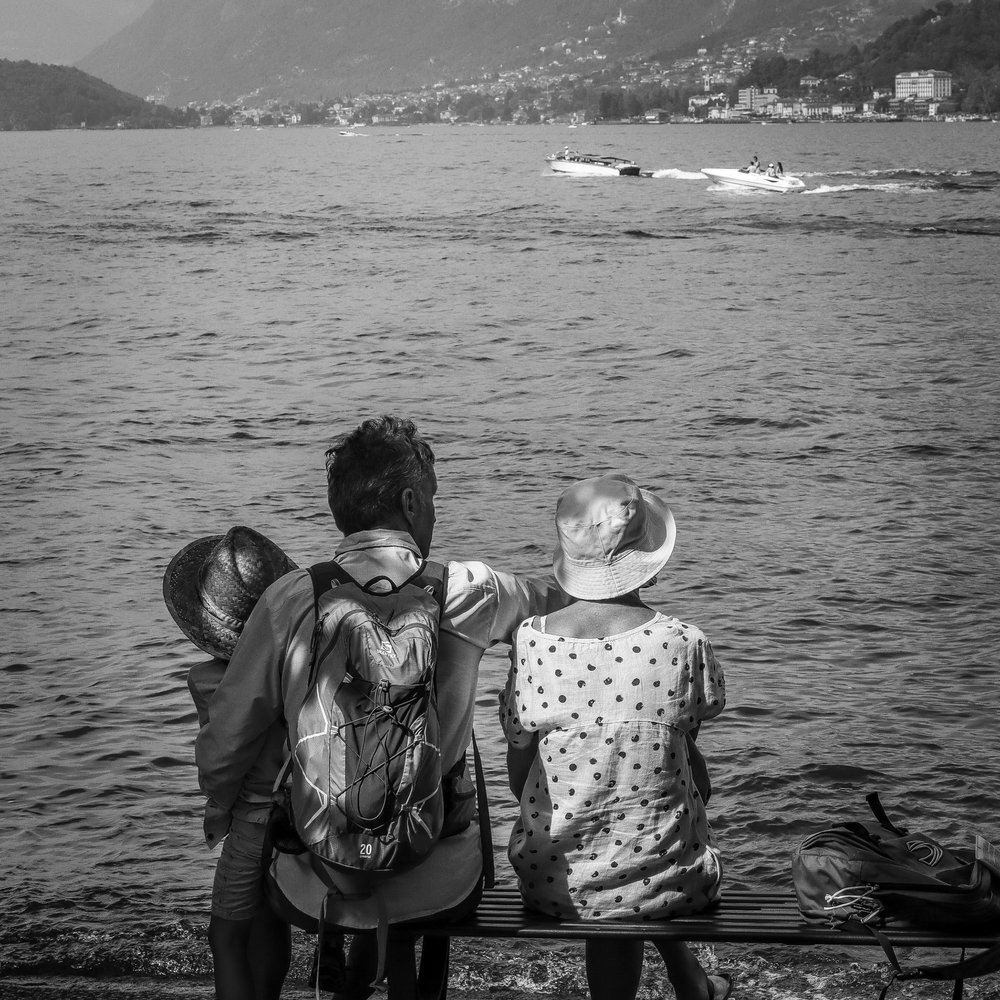
Family travel often requires enough variety to keep several people interested throughout the day. Different ages bring different attention spans, energy levels, and priorities. Parents naturally build itineraries that give everyone something to anticipate.
Empty nest travel removes much of that pressure. A meaningful morning, leisurely lunch, neighborhood walk, and open afternoon can create a completely satisfying day. Nobody needs another attraction simply because three hours remain before dinner.
That shift changes how you measure a successful vacation. Instead of counting completed attractions, consider how fully you enjoyed what you chose. Meaningful travel after the kids leave home often comes from depth rather than sheer activity.
The Day Does Not Need an Activity Every Few Hours
A typical family sightseeing day might include several scheduled stops. Variety helps prevent boredom and gives different family members something they enjoy. That structure can make perfect sense when several people share one itinerary.
Traveling as a couple allows another approach. Spend the morning with a private guide, then leave the afternoon unplanned. You might linger over lunch, wander nearby streets, or return to the hotel before dinner.
Sometimes lunch itself deserves to become the main event. Choose somewhere worth lingering, order another course, and enjoy having nowhere urgent to be. That can feel surprisingly different after years of keeping family vacations moving.
Open time does not mean poor planning. Important reservations, transfers, tickets, and transportation can remain carefully organized. You simply stop adding commitments that provide little value.
The distinction matters. Good planning protects what you care about. Overscheduling assumes every available hour needs something assigned to it.
Experiences Can Become Deeper Instead of More Numerous
Two adults can also prioritize experiences that once proved difficult during family trips. Cooking classes, tastings, performances, and private historical tours require time and sustained interest. Those qualities may fit this stage of travel much better.
Consider a fettuccine, ravioli, and tiramisu cooking class in Rome. The approximately three-hour experience combines hands-on cooking with eating what you prepare. Wine accompanies the meal, giving the experience a social dimension too.
You could spend those same hours rushing between several Roman sights. That approach covers more ground. The cooking class offers something different by letting you participate rather than simply observe.
Neither choice is automatically better. If ancient history matters most, another historical site may deserve those hours instead. The point is choosing intentionally rather than chasing somebody else’s checklist.
A year later, you may remember making pasta together far more clearly than your fourth attraction that afternoon. Depth gives experiences room to settle into memory. Empty nest travel finally gives couples more freedom to choose that kind of day.
Meals, Hotels and Experiences Can Reflect Adult Priorities

Family travel often rewards practicality. Space, familiar food, pools, family rooms, and convenient schedules can matter more than atmosphere. Those choices make sense when several ages share one trip.
Empty nest travel allows different priorities to move forward. Location, service, walkability, dining, spas, and cultural access may suddenly matter more. Even the hotel itself can become part of the experience.
That does not mean spending more everywhere. Better empty nest travel often means spending more selectively. Pay for comfort when it improves the trip, not simply because something carries a luxury label.
The same principle appears in what we learned about each other on our first empty nest vacation. Preferences become easier to notice when family logistics disappear. Those discoveries can guide smarter decisions about where your travel dollars actually matter.
Dining Can Become Part of the Experience Instead of a Logistics Problem
Feeding a family often requires speed, flexibility, and menus everyone can handle. Dinner may revolve around hunger, patience, and bedtime. The restaurant itself sometimes matters less than getting everybody fed.
Traveling as two adults changes that calculation. You can choose dinner for the food, wine, setting, service, or local culture. The meal can become something you planned the evening around.
Maybe you linger over lunch in Tuscany. Perhaps you book a tasting menu or join a neighborhood food tour. In Lisbon, an evening can revolve around Fado, dinner, and conversation.
A Lisbon Fado walking tour with dinner and live music combines several experiences into one evening. It includes guided walking through historic neighborhoods before dinner and a live Fado performance. The experience lasts about four hours.
That pace will not suit everyone. The tour involves walking and requires moderate physical fitness. Couples with mobility concerns should consider those details before booking.
A two-hour dinner can also be perfectly worthwhile by itself. Nobody needs bedtime supervision afterward. You can finish dessert without immediately racing toward another attraction.
Hotels Can Be Chosen for How the Couple Wants to Experience the Destination
Family hotel choices often center on room size and practical amenities. Empty nest couples can ask a different question. How do we want this hotel to support the way we travel?
A smaller boutique hotel might provide atmosphere and walkability. A vineyard estate could make the surroundings part of the stay. Another couple may value a spa, balcony, quieter setting, or central location.
Location deserves particular attention because convenience has real value. Paying more to walk to dinner may reduce taxis, transfers, and daily fatigue. That can improve every day rather than simply improve the room.
Still, higher price does not automatically mean better fit. A beautiful luxury resort far outside town may create transportation you never wanted. Meanwhile, a simpler central property could serve your priorities better.
Ask whether you want to walk to dinner. Consider how much time you expect to spend at the hotel. Decide whether changing properties frequently adds enough value to justify the effort.
Then ask one more question. Do you want accommodation that simply supports the vacation, or should it become part of the vacation? Either answer can work, but knowing the difference helps you spend deliberately.
The Trip Can Become More About the Two of You Again

Family vacations naturally keep much of the attention on the children. Meals, schedules, activities, transportation, and everyone’s moods require constant attention. Parents often spend the trip making sure everyone else is having a good time.
Empty nest travel changes that balance. More of the day can belong to the two people actually taking the trip. That creates space for conversation, shared discoveries, and experiences that become part of your story together.
The goal is not manufactured romance. You do not need candlelight, matching bathrobes, or uninterrupted togetherness from breakfast through bedtime. Real connection can be much simpler than that.
Sometimes it is a long conversation over dinner. Other times, it is laughing about something unexpected or discovering a shared interest. How empty nest travel helps couples reconnect explores why that uninterrupted time can matter.
Shared Experiences Give You New Things to Talk About
Long relationships naturally develop practical conversations. Work, appointments, finances, household responsibilities, and adult children can dominate everyday discussion. Important topics remain, but they can crowd out curiosity.
Travel gives you something new to react to together. Food tours, museums, scenic drives, performances, and boat trips create fresh stories. Even small discoveries can start conversations that daily routines rarely produce.
A Montmartre food and wine walking tour combines several kinds of experience. The tour lasts roughly three hours and includes walking, local food, wine, and neighborhood exploration.
That combination gives couples plenty to respond to together. You taste something unfamiliar, hear a story, notice a street, or debate your favorite stop. Conversation happens naturally because the experience keeps providing new material.
Compare that with racing past landmarks simply to say you saw them. You may cover more ground that way. An immersive experience often gives you more to remember and discuss afterward.
Traveling as a Couple Does Not Mean Doing Everything Together
Empty nest travel can also reveal interests that family travel kept hidden. One partner may love museums. The other may prefer shopping, golf, spa time, photography, or a long walk.
Those differences do not need fixing. Healthy travel can include several hours apart without turning the trip into separate vacations. Forced togetherness rarely improves an experience that one person genuinely does not enjoy.
Perhaps one of you spends the afternoon at a museum. The other visits shops or schedules spa time. Meet later for dinner, drinks, or an evening experience you both value.
This flexibility can actually protect the relationship. Nobody spends three hours pretending to enjoy something for the other person’s benefit. Each person returns with something new to share.
The real freedom of empty nest travel comes from designing around your relationship today. You no longer need to recreate vacations built for younger children. You can build something that reflects who the two of you have become.
The Trip Can Finally Fit Who You Are Now
The biggest difference between family travel and empty nest travel is not necessarily the destination. It is who the trip serves. That shift changes more than most couples expect.
You can choose dates around weather instead of school breaks. Hotels can reflect comfort and location instead of family amenities. Meals, excursions, daily pace, and downtime can finally match the two people actually traveling.
That freedom does not mean every trip should become slower, longer, or more expensive. Some couples still enjoy busy days and ambitious itineraries. Others discover that fewer commitments give them more of what they actually wanted.
The important part is making those choices intentionally. Keep the family travel memories that still make you smile. Those years mattered, and you do not need to diminish them to embrace something different now.
But you also do not have to recreate vacations designed for younger children. Your interests have changed. Your relationship has changed, and the way you want to spend your time may have changed too.
Give yourselves permission to find out what traveling well together looks like now. Maybe that means longer dinners, better locations, slower mornings, or completely different destinations. Perhaps it simply means having enough open time to enjoy being somewhere together.
The kids are grown. The old family vacation rules can stay home. This trip gets to fit the two of you.

Leave a Reply