
The best time to visit Croatia depends on what you want the trip to feel like. Summer brings heat, crowds, busy islands, and long evenings along the Adriatic. Spring and fall offer a completely different rhythm.
That seasonal shift affects more than the weather. Ferry schedules change, swimming conditions vary, prices move, and sightseeing comfort can swing dramatically. Even the same city can feel almost unrecognizable from July to October.
For many couples, May, June, September, and early October offer the strongest balance. The weather often stays pleasant, while crowds feel more manageable than peak summer. Restaurants, tours, and coastal activities usually remain active during much of this period.
Yet no single month works perfectly for every Croatia trip. Island hopping, national parks, historic cities, swimming, and small-ship cruising each favor slightly different conditions. This guide compares every season so you can choose the timing that best fits how you actually want to travel.
When Is the Best Time to Visit Croatia?
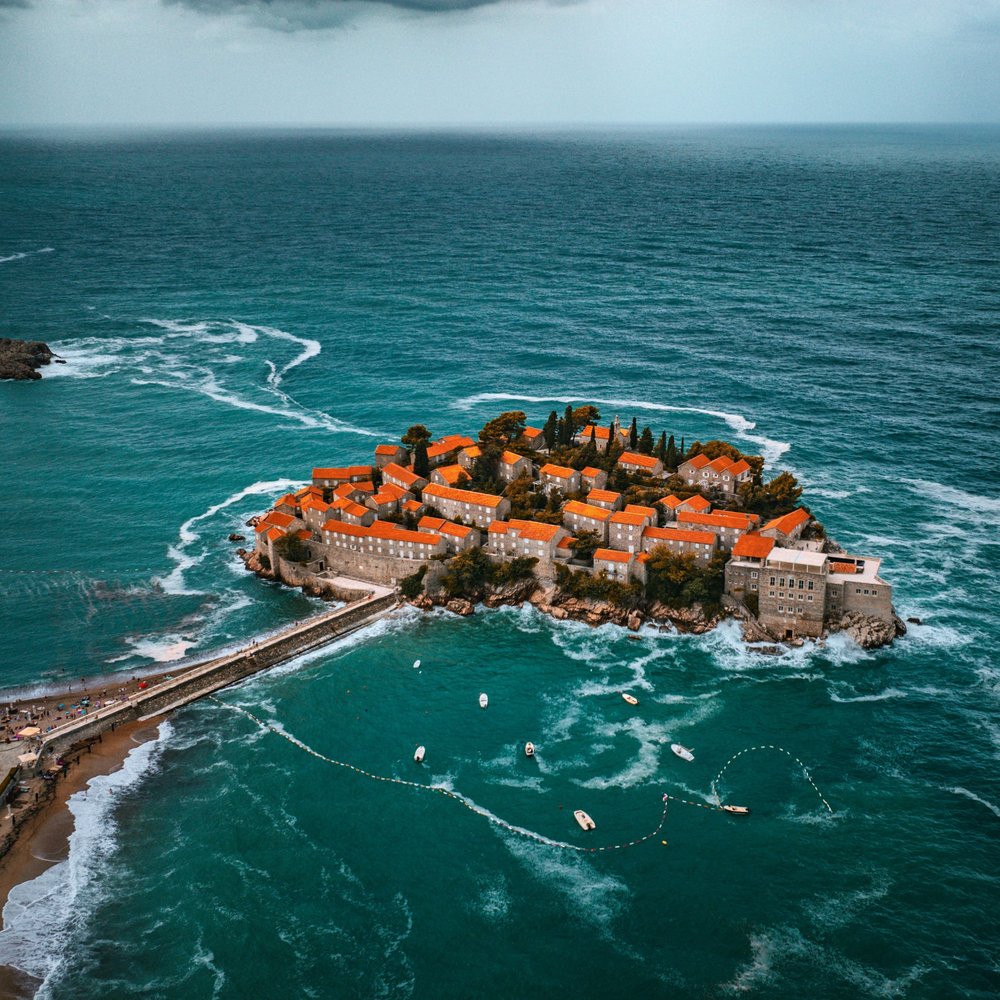
The best time to visit Croatia changes depending on what you hope to do once you arrive. Swimming favors warmer months, while historic cities become easier when temperatures soften. Island hopping, nightlife, hiking, and smaller crowds each point toward slightly different dates.
Peak summer delivers Croatia at full volume. Beaches fill, island towns stay lively, and coastal services operate extensively. July and August also bring the coast’s driest weather, with summer temperatures generally above 22°C.
For many couples, the better question involves balance. May, June, September, and early October can combine active destinations with more comfortable sightseeing conditions. That matters when your itinerary includes several different versions of Croatia.
Dubrovnik may require hours of walking across sun-warmed stone. Split combines historical exploration with ferries and coastal activities. Add islands or inland parks, and choosing dates around only one destination can become a mistake.
Croatia’s climate also varies considerably between its coast, mountains, and continental interior. A multi-stop journey needs timing that works reasonably well everywhere, rather than perfectly in only one place.
That versatility helps explain why Croatia works so well for empty nesters. The country lets you combine culture, islands, food, wine, and nature without choosing one travel style.
Why May, June, September, and Early October Stand Out
Late spring and early fall occupy an appealing middle ground. Days can feel warm enough for coastal living without demanding constant negotiations with summer heat. Walking through stone cities becomes considerably more pleasant when midday does not dominate every decision.
May brings greener landscapes and the feeling of a destination waking toward summer. June adds warmer conditions, longer days, and stronger coastal energy. Swimming also becomes more appealing as the Adriatic gradually warms.
September reverses that progression in a particularly useful way. The sea retains summer warmth while the fiercest seasonal intensity begins easing. For couples wanting swimming and sightseeing together, that combination deserves serious consideration.
Early October shifts the balance further toward culture, food, wine, and walking. Coastal days can still feel beautiful, but weather becomes less predictable. Some seasonal businesses and transportation services may also begin reducing operations.
The hidden truth is that shoulder season does not mean receiving summer without compromises. Each month gives something and takes something away. Your job is deciding which tradeoffs matter least to you.
For climate context, Croatia.eu’s official climate overview explains the country’s regional weather differences. Croatia’s coast follows a Mediterranean pattern, while inland areas experience different conditions.
Choose Your Dates Around What You Actually Want to Do
Start with the experiences you would regret missing. If swimming and boating define Croatia for you, warmer coastal months deserve priority. Couples focused on history may happily sacrifice warmer water for cooler walking weather.
Dubrovnik’s walls feel very different under strong afternoon sun than during a mild shoulder-season morning. Split rewards wandering, market stops, and long stretches on foot. Those activities become easier when sightseeing comfort guides your calendar.
Island hopping creates another calculation. Ferry frequency, seasonal restaurants, boat excursions, and swimming matter more than they would on a history-focused itinerary. Small-ship cruising also depends heavily on seasonal schedules and weather.
National parks pull timing in another direction. Hiking and sightseeing can feel better outside peak heat, especially when your day includes considerable walking. Suddenly, July’s glorious swimming weather looks less perfect for every part of your trip.
This is what many couples get wrong. They pick the month first, then force every desired experience into those dates. Reverse that order.
Picture your ideal Croatia day instead. Perhaps it includes a morning walking Dubrovnik, an afternoon swim, then dinner beside the Adriatic. Once you know which moments matter most, the right travel window becomes much easier to recognize.
Visiting Croatia in Spring
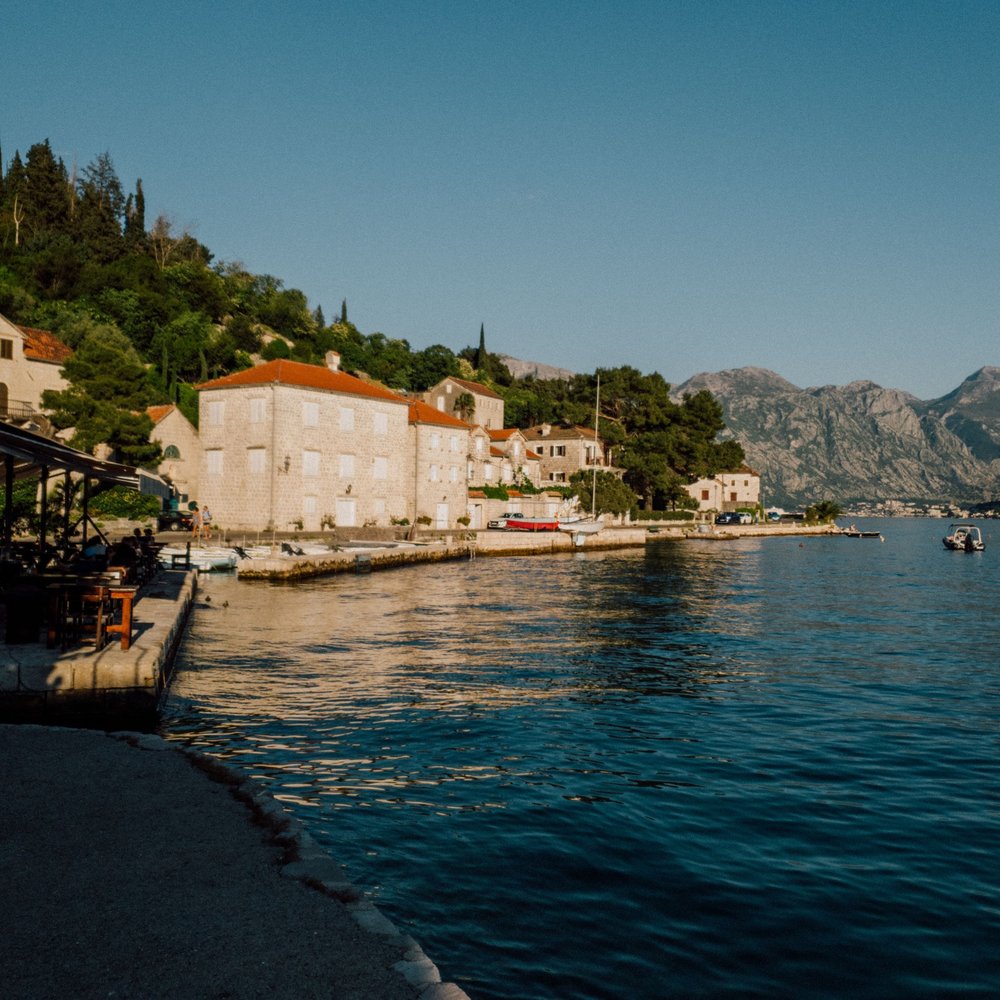
Spring changes Croatia slowly, then suddenly. March can feel quiet and cool, while May begins leaning noticeably toward summer. Longer days, greener landscapes, and increasing tourism activity reshape the coast week by week.
For couples who dislike intense heat, this season can be excellent. Walking tours feel easier, national parks look lush, and scenic drives become more comfortable. Cultural sightseeing also gains room to breathe before peak summer crowds arrive.
Still, early spring and late May offer very different experiences. Swimming remains less reliable earlier, while restaurants and island services expand as summer approaches. Ferry options also increase as the season develops.
That difference matters when planning several Croatian regions together. A spring itinerary built around history works differently from one centered on beaches and islands. Timing becomes especially important when you want both.
What Croatia Feels Like in April and May
April often feels peaceful along the Adriatic. Temperatures support comfortable walking, while cooler evenings still reward a light jacket. Rain can interrupt plans, but greener landscapes compensate beautifully.
May brings more energy. Restaurants reopen, daylight stretches later, and coastal towns feel increasingly active. Temperatures also rise enough to make outdoor dining and waterfront evenings far more appealing.
Swimming becomes more realistic later in May, although conditions still vary. The sea may feel refreshing rather than warm. Couples expecting midsummer water temperatures should adjust those expectations before arriving.
Pack light layers instead of building outfits around one forecast. Bring comfortable walking shoes, sun protection, and a lightweight rain jacket. Those basics handle Croatia’s spring mood swings surprisingly well.
This quieter season also suits travelers drawn to Croatia’s past. Experience a Croatia Historical Tour in Luxury explores how history, culture, and slower travel fit together here.
Spring Is Excellent for Dubrovnik, Split, and Plitvice Lakes
Spring makes Croatia’s historic cities easier to explore on foot. Dubrovnik’s walls become more comfortable without peak summer heat. Split’s stone lanes also reward slower wandering when temperatures stay mild.
Then there is Plitvice. Spring greenery surrounds the lakes, while flowing water can make waterfalls especially impressive. The landscape feels alive rather than sun-baked.
The official Plitvice Lakes National Park website provides current visitor information, routes, tickets, and seasonal updates. That information matters because conditions and access can change. A little planning prevents an unnecessary surprise.
Independent travelers can drive and manage their own schedule. Others may prefer transportation and guiding from Split. The Plitvice Lakes National Park Guided Tour from Split handles those logistics within one organized day.
That convenience can be valuable during a multi-stop Croatia trip. You avoid managing parking, routing, and a long driving day yourself. Sometimes saving energy matters more than saving a few dollars.
Visiting Croatia in Summer
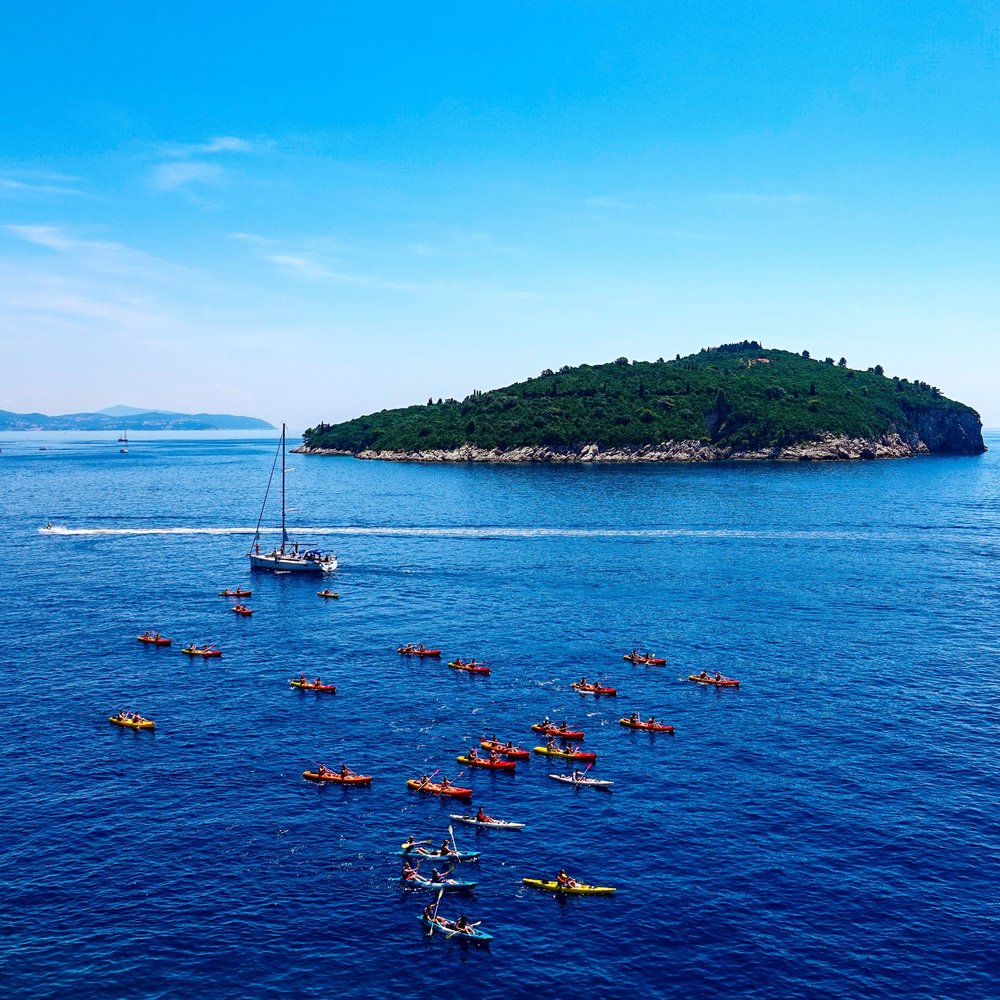
Summer shows Croatia at its most energetic. June through August brings warm weather, busy waterfronts, active islands, and long evenings beside the Adriatic. For some couples, that energy feels exactly right.
The best time to visit Croatia depends on whether you want atmosphere or breathing room. July and August deliver peak summer intensity, along with the largest crowds. June offers many of the same pleasures with slightly less pressure.
Swimming conditions improve as summer develops. Ferry demand rises, restaurants fill, and boat excursions become increasingly popular. Historic cities also feel hotter, especially during the middle of the day.
Summer still makes excellent sense for travelers who prioritize the coast. Boating, swimming, island hopping, and late waterfront dinners all thrive during this season. The key is matching your daily rhythm to the heat.
That often means doing less at midday. Early mornings and evenings become your best sightseeing windows. Croatia rewards travelers who resist turning every summer day into a marathon.
July and August Deliver the Full Adriatic Summer Experience
July and August bring Croatia’s strongest summer atmosphere. The sea feels inviting, daylight stretches late, and waterfront towns stay lively well into the evening. Boat excursions also operate at full strength.
That popularity comes with tradeoffs. Dubrovnik and Split can feel crowded, especially when daytime visitors fill historic centers. Hotels, ferries, restaurants, and popular tours often require earlier reservations.
Midday heat can also change how much walking feels enjoyable. Stone streets reflect warmth, while exposed viewpoints offer little relief. Smart couples adjust rather than fight the season.
Start important sightseeing early. Return to your hotel during the hottest hours, then head back out later. That simple change can completely improve the day.
Island excursions remain one of summer’s biggest attractions. The Blue Cave and Hvar Tour from Split and Trogir combines several islands in one day. It works best for couples comfortable with a full boating schedule.
Summer also increases ferry demand. Check current schedules through Jadrolinija before building an island itinerary. Popular departures can become surprisingly important pieces of your trip.
June Can Be a Smarter Summer Choice
June often delivers a more balanced version of summer. Days feel warm, swimming becomes increasingly appealing, and coastal towns have fully awakened. Yet July and August intensity has not completely arrived.
For many empty nester couples, that difference matters. You can still enjoy restaurants, ferries, beaches, and island life. Sightseeing also feels easier before the strongest heat settles in.
June works especially well for island hopping. A trip combining Split, Hvar, Korčula, and Dubrovnik can flow naturally without constant rushing. Give each stop several nights instead of treating islands like collectibles.
That slower approach pairs well with Croatia Island-Hopping for Couples Over 50. The real value comes from enjoying each island, not simply reaching it.
Picture three nights in Split, followed by several nights on Hvar or Korčula. Finish with time in Dubrovnik rather than arriving exhausted. Suddenly, summer feels relaxing instead of competitive.
June still requires planning. Ferries, popular hotels, and sought-after experiences can book well ahead. But compared with peak summer, the overall rhythm often feels far more forgiving.
Visiting Croatia in September and October
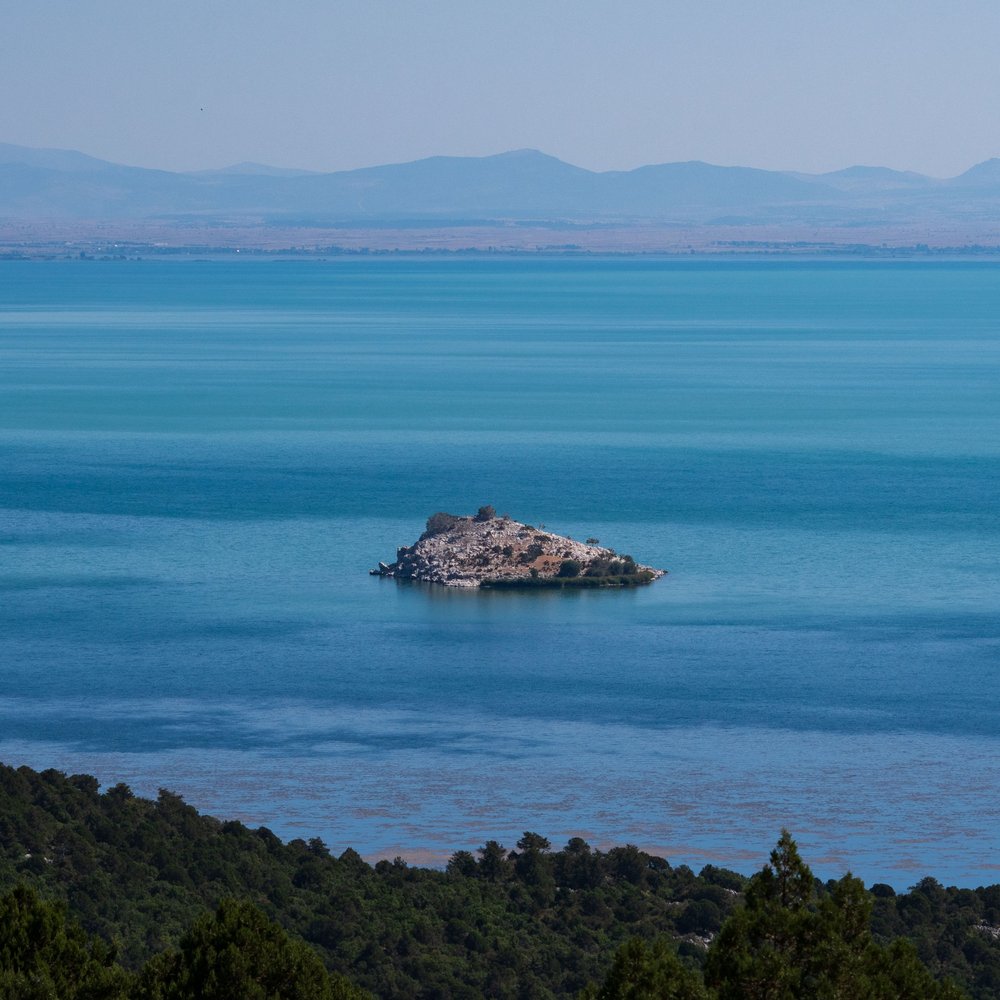
September often feels like Croatia has finally exhaled. The Adriatic remains warm, coastal towns stay lively, and summer crowds begin easing. For many couples, that balance feels almost ideal.
Early fall also makes sightseeing easier. Dubrovnik and Split remain active, yet walking feels more comfortable than during peak summer. Long lunches and slower afternoons suddenly fit the day better.
October changes the equation. Swimming becomes less dependable, daylight shortens, and some seasonal services begin winding down. However, cultural travel becomes more appealing as the coast grows quieter.
If your trip combines islands, history, and food, early fall deserves serious attention. September especially offers flexibility without demanding constant compromises. October works best when beaches matter less than atmosphere.
Why September May Be Croatia’s Sweet Spot
September keeps many of summer’s best features. Sea temperatures remain inviting, restaurants stay active, and boat trips continue operating widely. Yet the intensity of July and August begins fading.
Early September still feels distinctly summery. Later in the month, evenings cool and visitor numbers usually decline further. Ferry schedules and seasonal services can also begin changing as October approaches.
That transition creates room for variety. You can swim in the morning, tour historic sites later, then linger over dinner. A winery visit also fits comfortably without sacrificing half the day to heat.
For something more personal, the Hvar Island Private Tour and Olive Oil Tasting suits this slower rhythm well. It combines scenery, local culture, and food without turning the day into a race. That is exactly where September shines.
October Rewards Travelers Who Prioritize Culture Over Beach Time
October shifts Croatia toward history, food, wine, and quieter exploration. Beaches become less central, while walking and sightseeing grow more comfortable. Travelers who prefer atmosphere over activity often appreciate the change.
Dubrovnik and Split can feel dramatically different from summer. Streets become calmer, temperatures soften, and the day develops a slower pace. Shorter daylight also encourages more deliberate planning.
Seasonal businesses may reduce hours or close later in October. Ferry frequencies can change as well. Verify transportation, restaurants, and excursions before building the itinerary around specific plans.
This is also when destination choice becomes more personal. Couples weighing Croatia against Greece may find this Croatia versus Greek Islands comparison helpful. The differences become especially meaningful outside peak summer.
Visiting Croatia in Winter
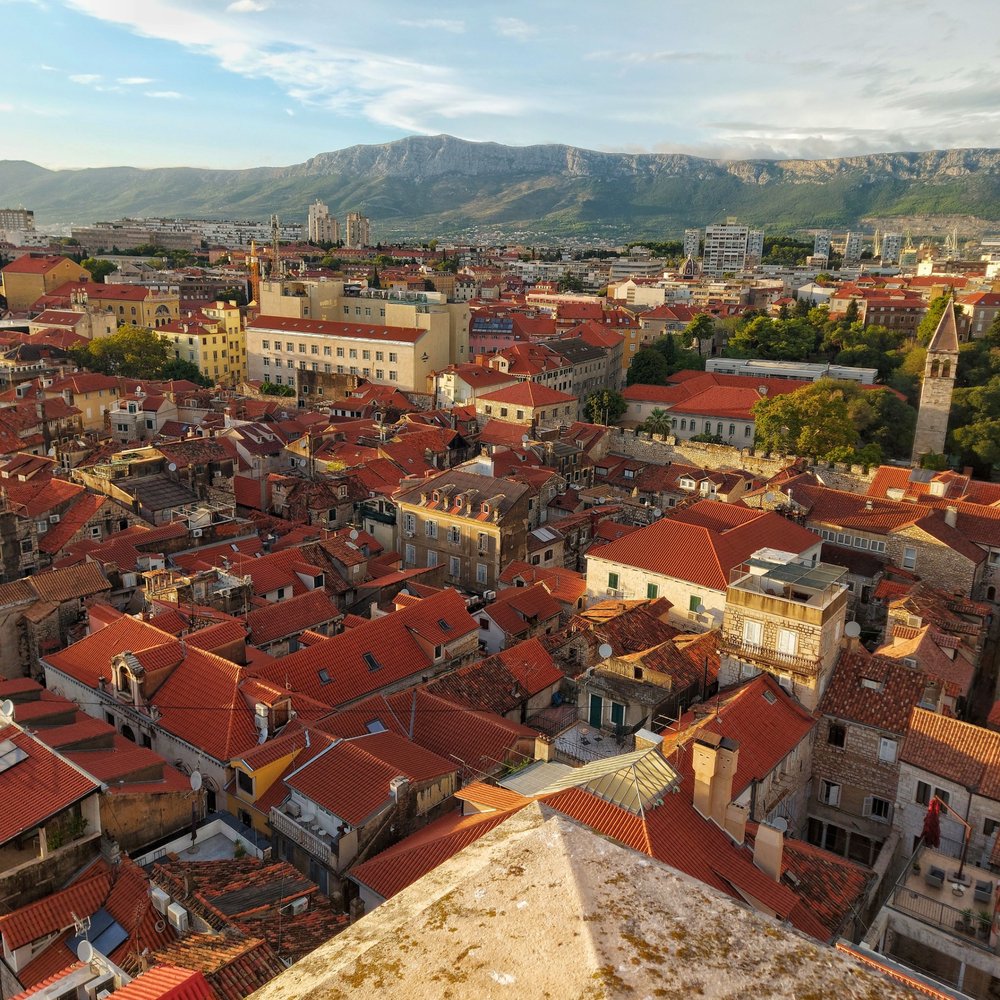
Winter reveals a Croatia many summer visitors never see. From November through March, the Adriatic coast becomes quieter, cooler, and far less predictable. Zagreb and inland Croatia often feel more naturally suited to the season.
Rain becomes more common along the coast, while daylight shortens considerably. Ferry schedules can shrink, and some seasonal businesses close until spring. That matters if your dream trip depends on island hopping or waterfront restaurants.
For certain couples, those tradeoffs barely matter. Travelers who value history, local life, museums, cafés, and uncrowded streets may appreciate winter’s slower rhythm. This is less beach vacation and more cultural exploration.
The hidden truth is simple. Winter Croatia is not a cheaper version of summer Croatia. It is a fundamentally different trip.
Dubrovnik and Split Without Summer Crowds
Dubrovnik feels strikingly different without summer congestion. Its stone streets, churches, monasteries, palaces, and fountains become easier to appreciate slowly. UNESCO recognizes the Old City of Dubrovnik for this remarkable architectural heritage.
Split offers similar advantages. Cooler temperatures make extended walking easier, while quieter streets can create more room for spontaneous exploration. You may notice details that summer crowds encourage you to hurry past.
Winter brings compromises, however. Rain can disrupt outdoor plans, daylight disappears earlier, and restaurant choices may narrow. Coastal tours and excursions also operate less frequently.
Verify the details before booking. Check hotels, restaurants, attractions, ferries, and tours for your specific dates. A beautiful winter itinerary can unravel quickly when several planned experiences close seasonally.
Winter Changes How You Should Build the Trip
A successful winter Croatia itinerary needs different priorities. Focus on cities, history, food, museums, scenic drives, and flexible sightseeing. Leave beach-centered island hopping for warmer months.
Overnight stays in Dubrovnik and Split can still feel worthwhile. Without pressure to chase beaches, you can linger over meals and explore historic neighborhoods slowly. Evenings become quieter, which some couples may prefer.
Compare that with a July trip. Summer revolves around swimming, boats, islands, and late waterfront nights. Winter asks you to enjoy Croatia through culture and atmosphere instead.
That distinction matters when choosing the best time to visit Croatia. Neither season provides the complete country. The better choice depends entirely on which version of Croatia you want to experience.
Match the Season to the Kind of Croatia Trip You Want
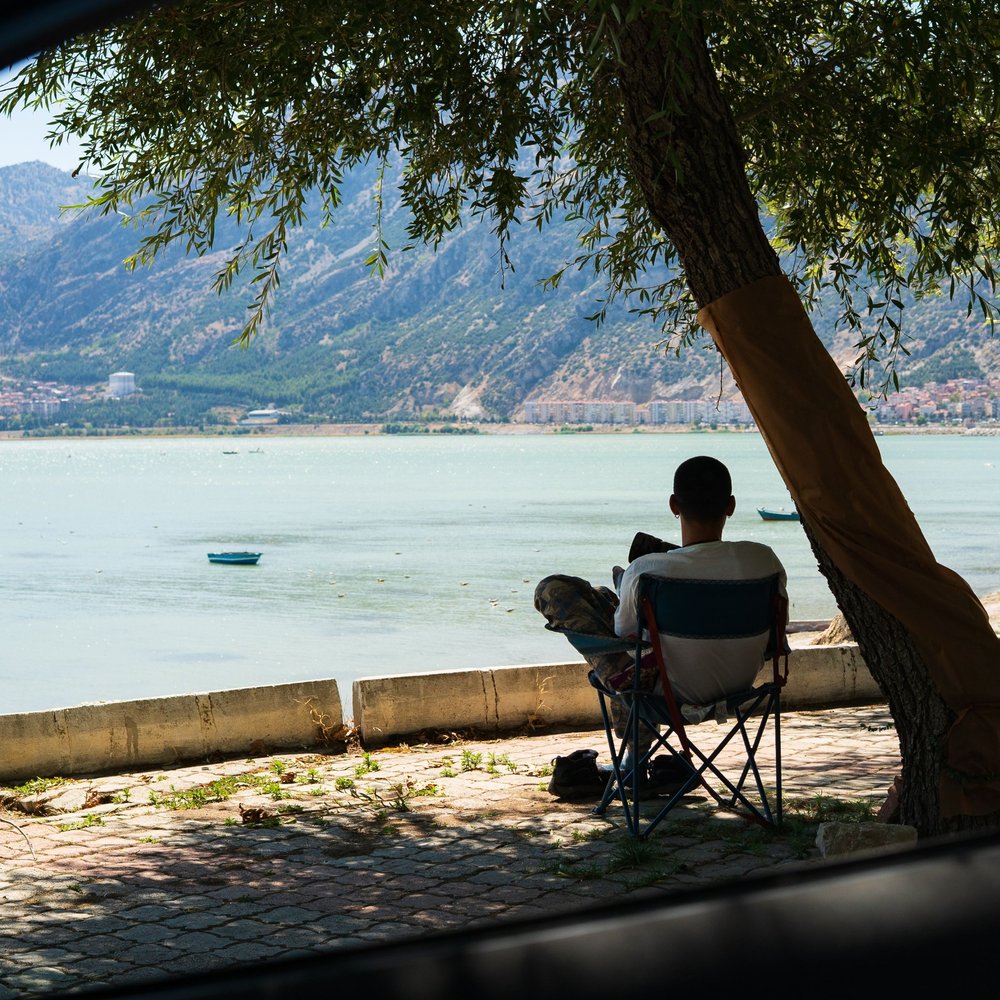
The best time to visit Croatia becomes clearer when you stop asking which month is “best.” Start with the trip you actually want. Swimming, history, island hopping, food, and slower coastal days each favor slightly different timing.
Couples combining several experiences often benefit most from shoulder season. May, June, September, and early October can balance sightseeing comfort with active coastal services. That balance usually matters more than perfect conditions for one activity.
What most travelers get wrong is choosing July or August by default. Those months deliver classic summer Croatia, but they also bring heat and crowds. Your priorities should choose your dates, not habit.
Best Time for Island Hopping and Small-Ship Cruising
Late spring through early fall offers the strongest island-hopping conditions. Ferry connections expand, island businesses stay open, and boating becomes far more reliable. Coastal towns also feel fully active.
Independent ferry travel gives you control over where you stay and how long you remain. Small-ship cruising removes repeated packing, hotel changes, and transportation planning. That tradeoff becomes important if convenience matters more than complete independence.
Couples curious about that option should read What Is a Croatia Small-Ship Cruise?. It explains how the experience differs from larger cruises. That comparison can simplify the decision quickly.
Always verify exact ferry and cruise schedules before booking. Routes and frequencies can change by season. A beautiful island itinerary fails quickly when the transportation pieces do not connect.
Best Time for History, Food, Wine, and Slower Travel
May, June, September, and early October suit couples who prefer culture over constant beach time. Walking feels easier, long meals feel natural, and wineries fit comfortably into the day. Historic cities also become more enjoyable without relentless midday heat.
Shoulder season creates more room for spontaneity. Restaurants can feel calmer, streets become easier to navigate, and sightseeing requires less strategic timing. You spend less energy avoiding crowds and more time enjoying where you are.
That freedom can tempt you to add too much. Resist it. Better weather does not mean you need another city.
Choose fewer stops and stay longer. Three or four nights in Dubrovnik, Split, or an island creates a much richer rhythm. Croatia rewards travelers who leave enough time to notice what they almost rushed past.
Choose the Croatia Season That Fits the Trip You Actually Want
For many empty nester couples, May, June, September, and early October offer the best overall balance. The weather often feels comfortable, coastal towns stay active, and crowds remain more manageable. Those months work especially well when you want both sightseeing and time along the Adriatic.
Summer still has its place. July and August suit travelers who prioritize swimming, boating, island energy, and long evenings by the water. Spring and fall usually offer more comfortable conditions for walking, history, food, wine, and slower exploration.
The real question is not which month everyone else recommends. It is which season supports the experiences you care about most. That answer should guide your dates, route, and overall pace.
If Croatia is starting to feel like your next trip, start planning with Empty Nester Getaways. We can help you choose the right season, route, islands, and pacing for the way you actually travel. You do not need to force your trip into someone else’s idea of the perfect Croatia itinerary.
Still gathering ideas? Join our Facebook group, Luxury Travel by Eric: Empty Nester Couples Vacations. You can ask questions, compare destinations, and see how other empty nesters approach major trips. Sometimes one conversation helps turn a vague idea into a trip you can actually picture yourself taking.
P.S. Want to dig a little deeper into Croatia? These may help:
- Croatia Food and Wine Experiences: What to Eat, Drink, and Taste — Discover some of the foods, wines, and local flavors worth seeking out while you’re traveling through Croatia.
- Common Croatia Cruise Mistakes and How to Avoid Them — A practical look at some of the most common mistakes travelers make when cruising Croatia and how to avoid them.

Leave a Reply