
Croatia for empty nesters may be Europe’s best argument for finally traveling at your own pace. It gives you ancient cities, Adriatic islands, remarkable food, local wine, and outdoor adventure without demanding difficult choices. You can have culture and coast, energy and quiet, all within one carefully paced trip.
That freedom feels different when school calendars and family logistics no longer control your vacation dates. You can stay another night because dinner was wonderful, or because the harbor looked especially beautiful at sunset. Sometimes, the luxury is simply having nowhere else you must be tomorrow.
Dubrovnik brings fortified history and dramatic sea views, while Split folds Roman heritage into everyday city life. Between them, islands replace traffic with ferries, waterfront dinners, vineyards, and slower mornings. The official Croatian tourism site highlights that same unusual mix of islands, historic cities, mountains, and Adriatic experiences.
Many couples make one mistake here: they see the map and immediately start collecting destinations. Croatia becomes better when you resist that temptation and leave space between the headline sights. Those unscheduled hours often become the memories you mention years later.
The strongest trip balances Dubrovnik and Split with smaller islands, local experiences, generous meals, and time to wander. Add a boat day, a winery visit, or a quiet afternoon with no reservation at all. Croatia gets more interesting when you stop asking what else you can fit in.
Croatia Gives You History Without Feeling Like a History Lesson
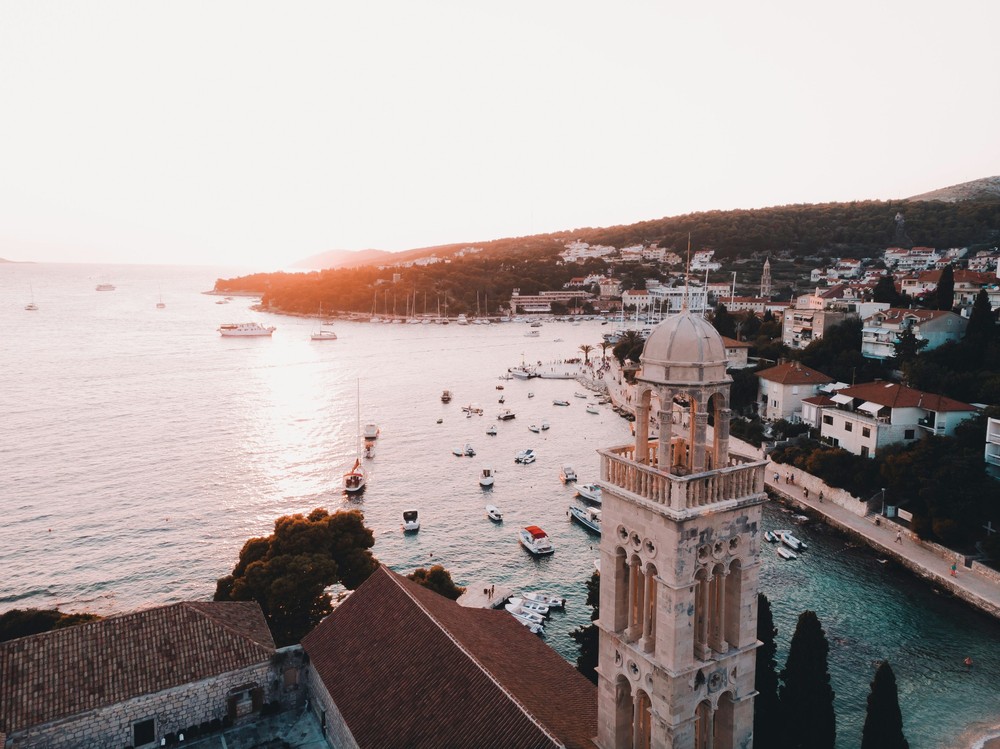
Croatia for empty nesters works beautifully because history rarely sits behind glass. Roman ruins and medieval churches remain woven into neighborhoods where people still live. You can explore centuries without spending every afternoon inside a museum.
Dubrovnik and Split prove why these cities deserve separate stays. Dubrovnik feels composed and monumental, while Split feels looser, busier, and more lived-in. Treating either as a quick coastal stop misses the details that make each memorable.
Guided walks can provide context, but they should never consume every vacation day. Markets, churches, neighborhoods, and conversations often reveal history more naturally. That slower approach also shapes some of Portugal’s most rewarding cultural experiences.
Dubrovnik Rewards Travelers Who Look Beyond the City Walls
Dubrovnik’s UNESCO-listed Old City earned recognition for its remarkable fortified historic core. Pale limestone streets meet churches, palaces, fountains, defensive walls, and brilliant Adriatic light. The beauty arrives immediately, but appearances tell only part of Dubrovnik’s story.
Give the city enough time, and its personality changes after the busiest hours. Wander quieter lanes, linger over lunch, and explore viewpoints beyond the main pedestrian streets. You may remember that slower afternoon more clearly than another hurried checklist of landmarks.
A knowledgeable guide can make those stones speak without turning your morning into a lecture. This Dubrovnik Old Town walking tour explores palaces, plazas, churches, fountains, and the city’s layered past. Afterwards, explore independently with better questions and a sharper eye.
Split Lets You Experience Ancient History as Part of Everyday Life
Split offers something stranger and more fascinating than a preserved Roman site. Diocletian’s Palace remains part of the modern city, with homes, businesses, restaurants, squares, and churches throughout ancient structures. History here does not ask you to lower your voice.
Start inside the palace, then drift toward the Riva and nearby Pazar market. Follow side streets, stop for lunch, and notice ordinary routines continuing beside Roman walls. That contrast gives Split an intimacy Dubrovnik cannot quite duplicate.
Many travelers use Split mainly as a ferry gateway, which wastes one of Croatia’s most interesting cities. Stay longer, and you gain easy access to islands, food experiences, nearby towns, and national parks. More importantly, you finally have time to notice the city you almost hurried through.
Island Hopping Makes Croatia Feel Like Several Vacations in One
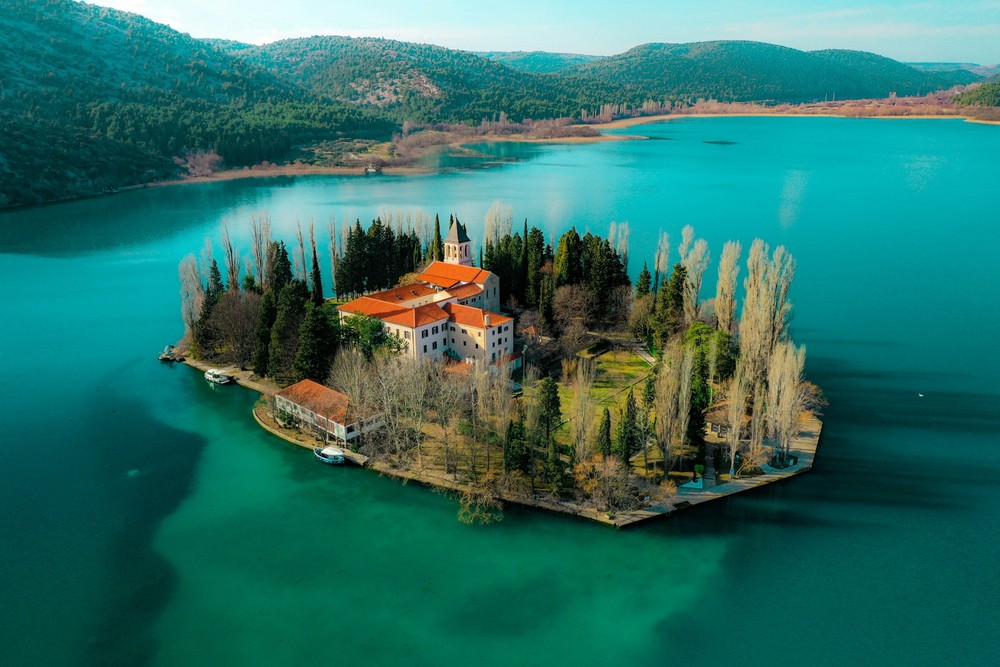
Croatia for empty nesters gets especially interesting once the mainland gives way to ferries, harbors, and smaller islands. Split can lead naturally to Hvar, then Korčula, before Dubrovnik brings you back to a grand coastal city. That sequence feels varied without becoming exhausting.
The trick is resisting the urge to collect islands like souvenirs. Jadrolinija’s Split to Hvar service makes moving between destinations straightforward. Fewer stops usually create a better trip when you value long lunches, quiet mornings, and unhurried evenings.
A slower route through Split, Hvar, Korčula, and Dubrovnik gives each place room to develop its own personality. That rhythm resembles the appeal behind Danube river cruises for empty nesters. You keep discovering something new without rebuilding your entire vacation every morning.
Hvar Can Be Much More Than Beaches and Nightlife
Hvar has a lively reputation, but that reputation can hide the island’s more interesting side. Historic Hvar Town, harbor views, nearby villages, wineries, and coastal roads create something richer than nightlife alone. Stay longer, and the island becomes surprisingly easy to enjoy slowly.
A rushed day trip gives you the headline sights and very little atmosphere. Two or three nights let you wander early, swim later, and watch the harbor settle after visitors leave. That quieter version of Hvar often feels more rewarding.
Couples can spend one day exploring town, tasting local wine, then taking a boat toward secluded coves. Another evening might end with dinner near the harbor and nowhere else to be. That is usually when Hvar starts feeling personal.
Korčula Offers a Quieter Alternative
Korčula feels calmer almost immediately, especially after Hvar’s busier waterfront. Medieval lanes, vineyards, beaches, local wine, and a compact old town create an easy rhythm. For many couples, that slower pace becomes the real luxury.
Hvar offers more energy and a broader social scene. Korčula often suits travelers who prefer quieter evenings, smaller streets, and fewer reasons to check the time. Neither island wins outright, which is exactly why combining them works.
A relaxed Korčula day might begin in Old Town, continue through a winery, then finish beside the water. You could add swimming, a long lunch, or absolutely nothing scheduled. This Dalmatian Coast island-hopping itinerary shows how naturally the destinations can connect.
Croatia Makes It Easy to Build a Trip Around Food and Wine
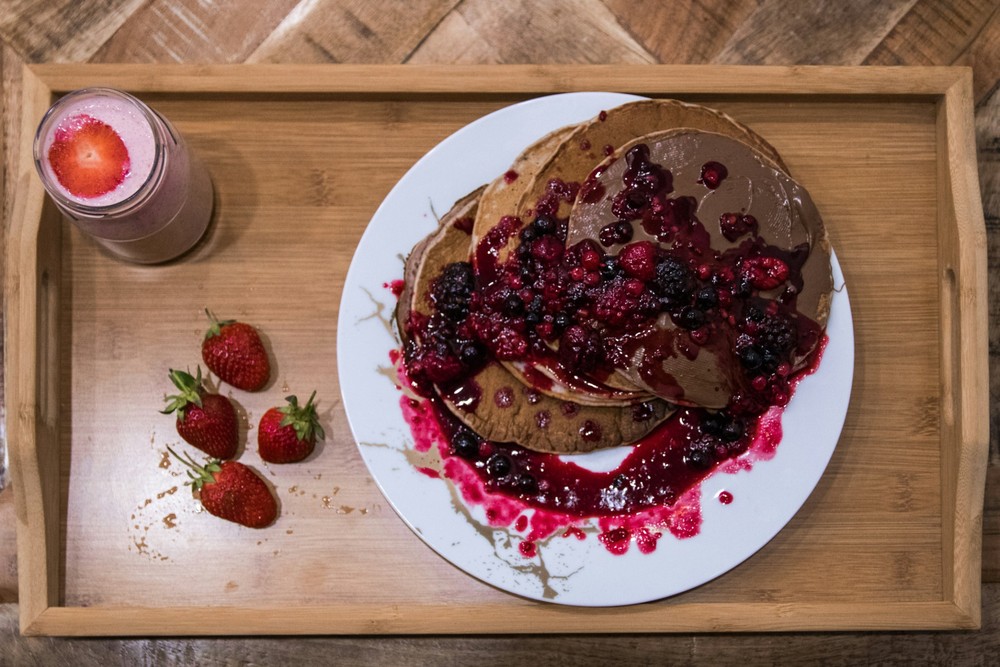
Croatia for empty nesters becomes especially rewarding when meals stop filling gaps between sightseeing stops. Along Dalmatia, seafood, olive oil, cheeses, cured meats, and seasonal produce reflect a distinctly Mediterranean kitchen. Travel inland, and Croatia’s food traditions change again.
That regional character makes eating part of the exploration rather than simple refueling. A waterfront restaurant can satisfy, but markets, wineries, and family kitchens usually reveal much more. The difference resembles what makes Barcelona’s best culinary experiences memorable beyond another attractive dinner.
Wine deserves equal attention. Croatia grows indigenous varieties that many American travelers rarely encounter at home. Once you start recognizing regional grapes, ordering wine becomes another way to understand where you are.
Split Is a Great Place to Understand Dalmatian Food
Split offers an ideal introduction because its food culture sits directly beside its ancient history. Visit the Green Market for produce, cheeses, olive oil, and other ingredients tied to everyday Dalmatian cooking. Nearby, the fish market adds the unmistakable smell and energy of a working coastal city.
Look for soparnik, a savory chard pie traditionally associated with the Split region. Pašticada brings slow-cooked beef and rich sauce, while fresh seafood often needs very little decoration. Local cheeses, olive oil, and regional wines complete a vocabulary worth learning early.
A small-group Split food tour can make those unfamiliar names far less intimidating. You taste first, ask questions, and discover what deserves another order later. Suddenly, reading a Croatian menu feels less like homework.
Croatian Wine Deserves Its Own Place in the Itinerary
Croatia has produced wine for centuries, yet many visitors arrive knowing almost nothing about its native grapes. That ignorance can become an advantage. You get to taste without comparing everything to Cabernet, Chardonnay, or Pinot Noir.
Dalmatia’s signature reds include Plavac Mali, grown across coastal vineyards and islands. Zinfandel lovers have another surprise because the grape traces its genetic origins to Croatia. A knowledgeable winery guide can connect those relationships without turning your tasting into a botany lecture.
Give a winery half a day rather than squeezing it between monuments. Pair regional wine with local food, vineyard scenery, and conversation with people producing what fills your glass. Those quiet hours often explain Croatia better than another afternoon spent checking landmarks off a list.
Croatia Balances Activity With Plenty of Time to Slow Down
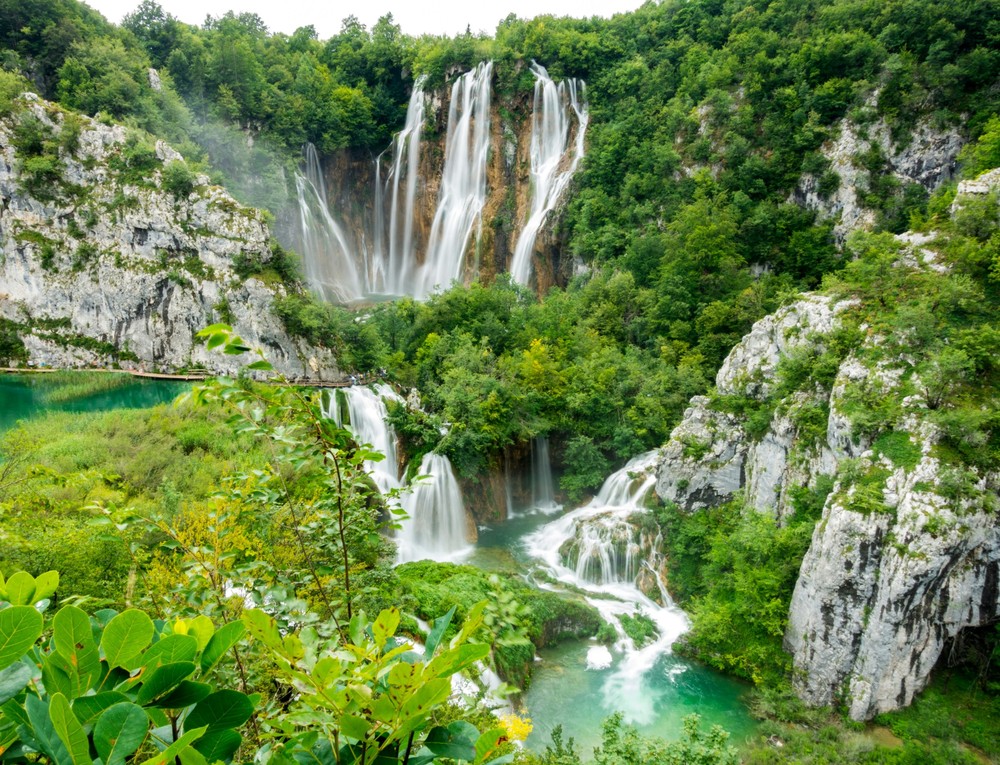
Croatia for empty nesters works especially well because activity never needs to dominate the vacation. You can walk historic streets, swim, explore national parks, or spend an afternoon boating. None of those choices requires turning your trip into an endurance test.
The smartest approach matches each day with the energy you actually want to spend. Some couples love longer hikes, while others prefer coastal walks, swimming, and leisurely boat trips. Both approaches reveal Croatia beautifully, and neither earns bonus points for sore knees.
Pacing matters even more on a longer trip. Follow an active sightseeing day with an island afternoon, leisurely lunch, or quiet boat journey. That balance echoes the choices explored in comparing Danube river cruises with ocean cruises after 50.
Plitvice Lakes Adds a Completely Different Side of Croatia
Leave the Adriatic behind, and Plitvice Lakes National Park changes the scenery completely. Forests surround interconnected lakes, waterfalls, pathways, and wooden boardwalks that wind surprisingly close to the water. The landscape feels far removed from Croatia’s stone coastal cities.
However, beautiful photographs never show how much walking your chosen route may require. Check distances, weather, footwear, transportation time, and your comfort level before committing. A spectacular waterfall feels slightly less magical when your feet have already filed a complaint.
A day trip works when your itinerary stays tight and you accept substantial travel time. Staying nearby creates an easier morning and allows more flexibility inside the park. That extra night can transform Plitvice from an excursion into a genuine change of pace.
Boat Days Let You See Croatia Without Constant Sightseeing
A boat day changes your perspective without adding another historic square to the schedule. Islands, caves, coves, swimming spots, and coastal villages appear differently from the water. Sometimes sitting down becomes the day’s best sightseeing strategy.
Large excursion boats usually offer more stability and space, while speedboats create faster, more adventurous days. Private boats provide greater control over timing, stops, swimming, and comfort. Your ideal choice depends more on preferred pace than bragging rights.
The Blue Cave and Hvar five-island tour from Split and Trogir shows the adventurous end of that spectrum. Expect a long day involving speedboat travel, multiple stops, and changing sea conditions. Couples should consider mobility and comfort carefully before choosing excitement over a gentler day afloat.
Croatia Works Best When You Give Yourself Permission to Travel Slowly
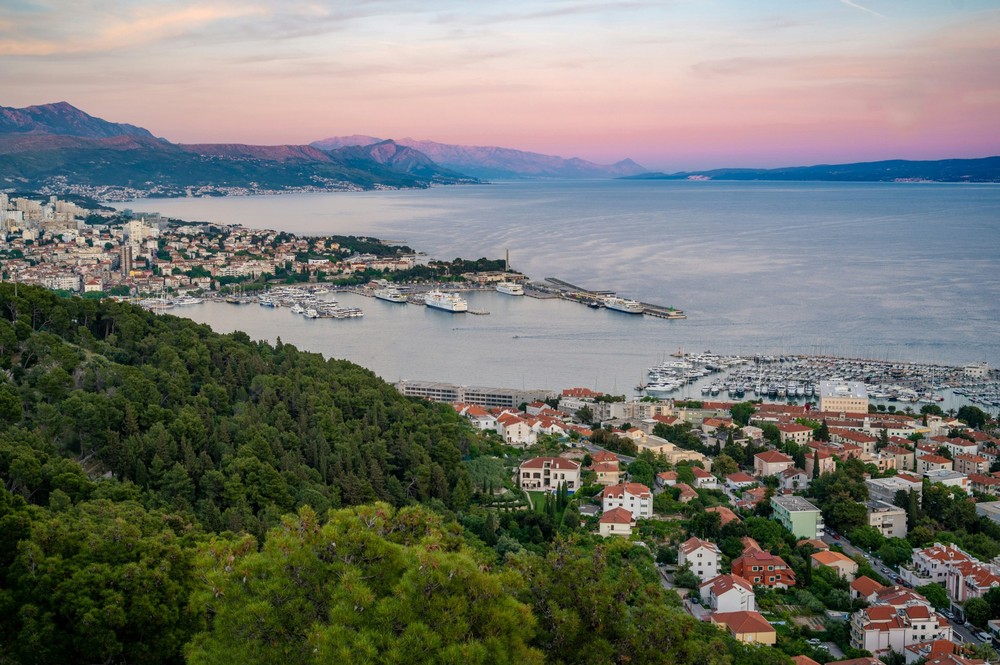
Croatia for empty nesters works best when you stop treating the country like a checklist. Zagreb, Istria, Plitvice, Split, the islands, and Dubrovnik can overwhelm one short vacation. Geography matters here because every additional stop creates another transfer, packing session, and hotel arrival.
A first trip feels more comfortable with two mainland bases and one or two islands. Split, Hvar, Korčula, and Dubrovnik create a varied route without constant motion. Multiple nights in each place give you time to notice where you actually are.
Trip length, season, ferry schedules, hotel location, and mobility all deserve attention before booking. You also need fewer scheduled tours than many couples assume. Sometimes the most memorable afternoon begins when nothing appears on the calendar.
A 10 to 14 Day Trip Gives Croatia Room to Breathe
Seven days can work, but every transfer consumes a larger share of your vacation. Ten to fourteen days change the equation completely. Three-night stays reduce packing and let destinations feel like places rather than overnight assignments.
Consider Split, Hvar, Korčula, and Dubrovnik as one possible route. Spend several nights in each, then build most days around one meaningful experience. Add a winery, walking tour, boat trip, or historic site, then leave the rest flexible.
That flexibility creates room for swimming, shopping, long lunches, wandering, or simply enjoying your hotel. It also mirrors the appeal explained in this first-time Danube river cruise guide. Less logistical friction can create more actual travel.
Choosing the Right Time of Year Can Change the Experience
Peak summer brings warmer beach weather, heavier visitor traffic, and more frequent seasonal ferry service. Late spring and early fall often feel calmer, although weather and services can vary. Your ideal month depends heavily on what you want Croatia to provide.
Culture, food, wine, and sightseeing may matter more than swimming for some couples. Others picture boat days, warm water, and long evenings beside the Adriatic. Those priorities should shape your dates before airfare ever enters the conversation.
Seasonal transportation deserves special attention when islands anchor your itinerary. Always check actual ferry schedules for your travel dates instead of assuming summer frequency continues year-round. The same rule applies to attractions, tours, and seasonal businesses.
The Best Croatia Trip Leaves Room for What Matters Most
Croatia for empty nesters works because you never have to choose between culture, scenery, food, wine, and outdoor experiences. Historic cities can lead naturally to quiet islands, vineyard lunches, coastal walks, and afternoons beside the Adriatic. The trip feels richer when those experiences complement each other instead of competing for your time.
The temptation, of course, is trying to fit everything into one vacation. Resist it. Choose fewer destinations, stay longer, and match each experience to the pace you genuinely enjoy.
Picture the version of Croatia that sounds best to you. Perhaps Dubrovnik and Split anchor your journey, followed by quiet island mornings and leisurely waterfront dinners. Maybe vineyards, national parks, local food, and boat days matter more than another famous landmark.
If Croatia sounds like your kind of trip, start planning your Croatia vacation and tell me how you want it to feel. We can shape the route around your interests, comfort, travel pace, and the experiences you value most. The goal is simple: build a Croatia trip you will enjoy living, not merely completing.
You can also join Luxury Travel by Eric: Empty Nester Couples Vacations on Facebook. The group gives you a place to ask questions, share ideas, and discover destinations with other travel-loving couples. Your next trip may begin with one useful conversation.
P.S. Want to keep exploring Croatia? These related articles can help you decide if it is the right fit for your next getaway: