
Croatia vs Greek Islands sounds like a simple choice until you realize how differently these two Mediterranean escapes actually travel. Both offer beautiful coastlines, historic towns, memorable food, and days shaped by the sea. Yet the vacation experience can feel surprisingly different.
Croatia often rewards couples who want variety without changing the character of their trip completely. Historic mainland cities connect naturally with Adriatic islands, swimming, wine, boating, and coastal villages. Greece offers a much larger collection of islands, each with its own landscape, atmosphere, and reasons to stay.
That difference matters more than deciding which country has prettier water. Your ideal choice depends on beaches, culture, dining, transportation, sightseeing, and how often you want to move. Pace matters too, especially when relaxation ranks higher than collecting another destination.
Croatia may suit you better if Split, Dubrovnik, and island stays sound equally appealing. Greece becomes harder to beat when choosing between distinct island personalities feels like part of the fun. The real comparison begins with one question: what do you want your days to feel like?
Croatia vs Greek Islands Starts With the Kind of Trip You Want
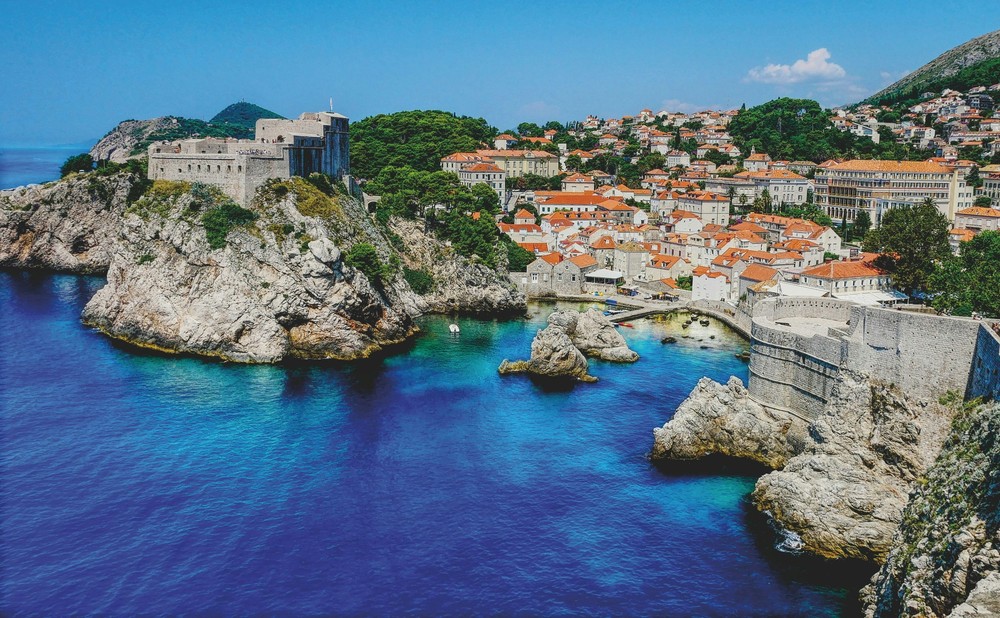
Croatia vs Greek Islands becomes easier once you stop asking which destination looks prettier. Both win that contest rather easily. The better question involves how you want your vacation to unfold.
Croatia combines historic mainland cities, islands, national parks, vineyards, and long stretches of Adriatic coastline. Greece offers far more island choices, especially throughout the Cyclades. Santorini, Mykonos, Naxos, Paros, and Milos each create noticeably different vacations.
Think about the rhythm you prefer. Would you enjoy changing scenery between cities, islands, and countryside? Or does settling deeply into island life sound more appealing?
That distinction resembles choosing between river and ocean cruising after 50. Destination matters, but daily experience often matters more. Your answer begins revealing which side of this comparison fits you.
Croatia Gives You Cities and Islands in One Natural Route
Croatia makes variety surprisingly easy. Start in Split, continue toward Hvar and Korčula, then finish among Dubrovnik’s limestone streets. Each stop changes the experience rather than repeating another version of beach life.
Split brings Roman history into a lively modern city. Hvar adds vineyards, harbor evenings, and island scenery. Korčula slows the pace before Dubrovnik delivers medieval architecture and a dramatic coastal finish.
Beyond those stops, Croatia can add national parks, wineries, swimming, and boating without rebuilding the entire itinerary. The Croatian islands offer plenty of options for extending that coastal journey. A carefully chosen route can feel remarkably varied while remaining manageable.
Greece Gives You More Island Personalities to Choose From
Greece offers a different kind of freedom. Instead of asking which mainland city belongs next, you often choose which island personality sounds most appealing. That can become wonderfully difficult.
Santorini delivers volcanic scenery and famous caldera views. Mykonos brings stronger nightlife, while Naxos offers greater variety and a more relaxed atmosphere. Paros and Milos create still different combinations of villages, beaches, landscapes, and evenings.
Many couples automatically pair Santorini with Mykonos because those names dominate travel conversations. A better itinerary may combine one famous island with somewhere quieter. Choosing experiences first usually produces a more satisfying trip than simply collecting recognizable names.
Which Destination Is Better for Island Hopping?
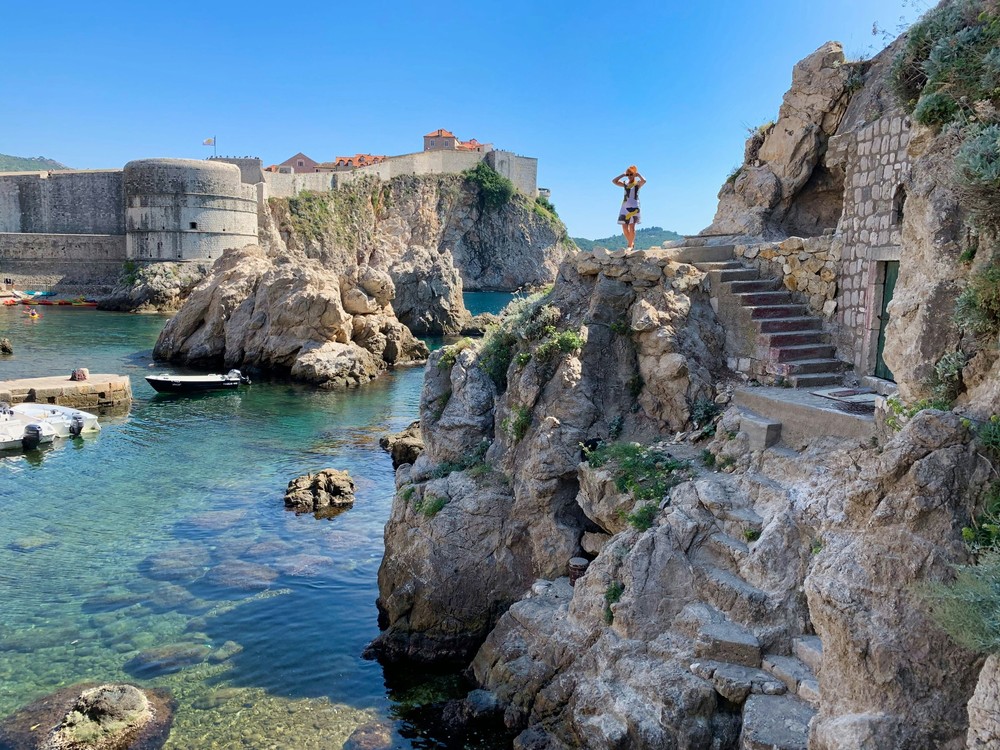
Croatia vs Greek Islands becomes a logistics question surprisingly quickly. Ferries make both destinations workable, but smart routing matters more than island count. Every unnecessary hotel change steals time from the experience you crossed an ocean to enjoy.
Croatia’s Dalmatian Coast creates a particularly logical sequence. Split, Hvar, Korčula, and Dubrovnik sit along a route served by passenger connections. Greece requires more attention because island groups, ferry schedules, and distances can shape sensible combinations.
For empty nesters, fewer transfers often create a better vacation. That principle also explains why slower travel works so well for empty nesters on the Danube. Moving less can reveal considerably more.
Croatia Makes a South Dalmatian Route Easy to Understand
Start in Split, continue to Hvar, move toward Korčula, then finish in Dubrovnik. That progression limits backtracking while steadily changing the scenery. Current Croatian ferry networks connect these destinations through seasonal and year-round services.
One-night stays may look efficient on paper. In practice, repeated checkouts leave little time for swimming, leisurely dinners, or exploring after crowds thin. Two or three nights create a completely different rhythm.
A verified eight-day Dalmatian Coast journey through Split, Hvar, Korčula, and Dubrovnik demonstrates how naturally that route can unfold. It combines independent travel with accommodations and transportation between major stops. More importantly, it shows why Croatia rewards a linear itinerary instead of constant repositioning.
Greek Island Hopping Rewards More Careful Island Selection
Greece offers more possibilities, which can become both its greatest advantage and its planning trap. Famous names tempt travelers into combinations that look better on Instagram than geographically. Island groups provide a smarter starting point.
Santorini and Mykonos remain a classic first-time pairing with established ferry connections. Adding Naxos or Paros can introduce a quieter contrast without chasing another distant island group. The goal should remain variety, not collecting ferry tickets.
For most couples, two or three meaningful island stays can feel richer than four or five rushed arrivals. You gain slower mornings, better dinners, swimming time, and freedom when something unexpected catches your attention. Sometimes the smartest island-hopping decision involves choosing where not to go.
Beaches and Scenery Feel Very Different in Croatia and Greece
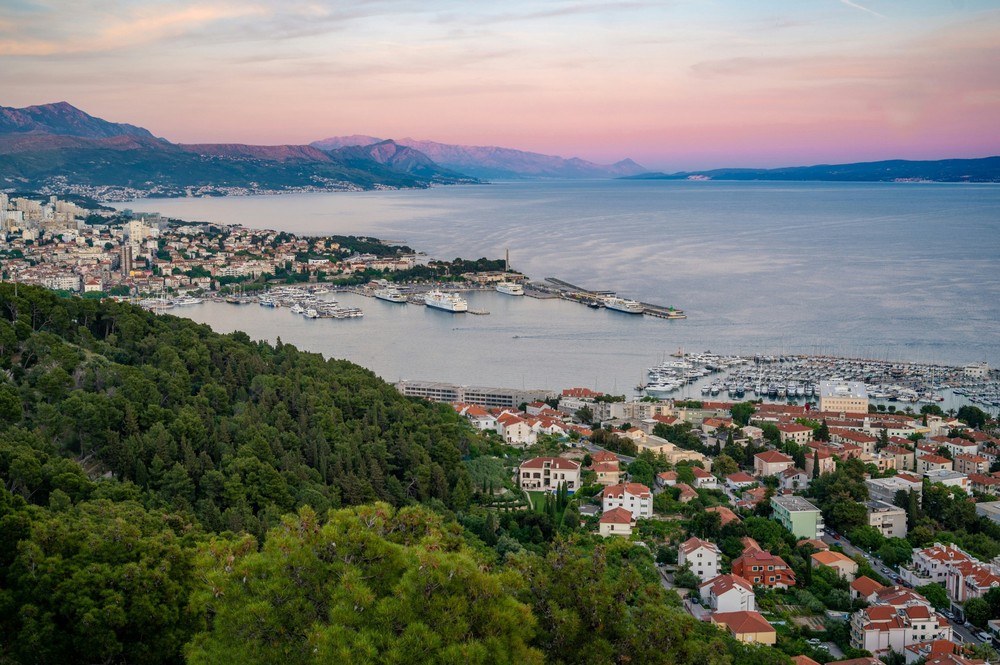
Croatia vs Greek Islands becomes a very different comparison once beaches and scenery matter more than famous names. Croatia pairs clear Adriatic water with stone towns, green islands, rocky coves, and forested coastlines. Greece changes character dramatically from one island to another.
That difference matters if you picture long afternoons on soft sand. Croatia often emphasizes swimming, boating, coves, and waterfront scenery instead. Greece offers more opportunities to choose an island around the beach experience you actually want.
Before choosing, decide what scenery makes you happiest after breakfast. Maybe it is a quiet harbor surrounded by stone buildings. Perhaps it is warm sand beneath your feet and an Aegean horizon ahead.
Croatia Wins Couples Over With Water, Stone Towns, and Green Islands
The Dalmatian Coast creates a striking combination of pale stone, green hillsides, small harbors, and remarkably clear water. Historic towns seem to rise directly from the shoreline. Boats, coves, and wooded islands constantly reshape the view.
However, Croatia may challenge travelers expecting broad stretches of powdery sand. Many swimming spots feature pebbles, rocks, platforms, or protected coves. That rarely diminishes their beauty, but it changes how you spend a beach day.
Croatia feels strongest when swimming and scenery matter more than traditional beach lounging. Add boating, waterfront towns, and coastal walks, and the appeal becomes clearer. Couples wanting more Greek cultural depth can also explore these luxury-focused Thessaloniki cultural experiences.
The Greek Islands Offer Greater Variety From One Island to Another
Santorini’s volcanic caldera creates scenery unlike the softer beach landscapes found elsewhere in the Cyclades. Milos adds unusual volcanic formations, while Paros and Naxos offer different combinations of sand, villages, and open coastline.
That variety makes research important if beach time anchors your vacation. Never assume Santorini, Mykonos, Naxos, Paros, and Milos deliver interchangeable experiences. Choosing the right island matters far more than choosing Greece generally.
Santorini also reveals its landscape beautifully from the water. A small-group Santorini catamaran cruise combines volcanic coastline, swimming stops, and views around the island. Sometimes the best comparison becomes obvious only after imagining where you want to spend that afternoon.
History and Culture Could Be the Deciding Factor
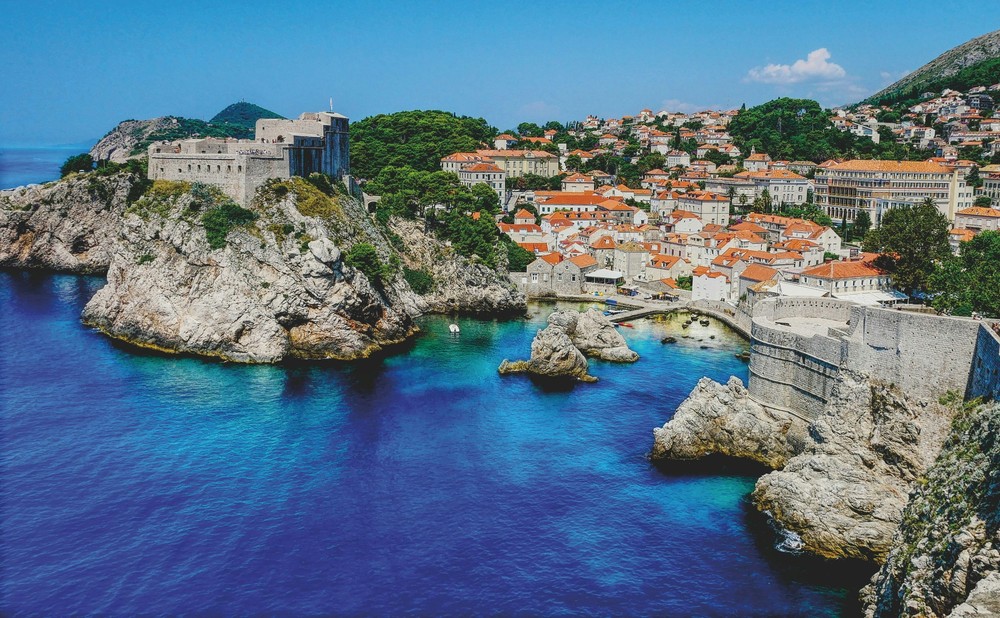
Croatia vs Greek Islands becomes especially interesting when history matters as much as beaches. Croatia layers Roman, medieval, Venetian, and modern stories inside cities that still feel alive. Greece reaches further back, adding ancient temples, archaeological sites, Byzantine heritage, and centuries of island culture.
The difference often comes down to how you prefer experiencing history. Croatia lets you encounter it between lunch, markets, waterfront walks, and evening drinks. Greece can invite more deliberate visits to archaeological sites, particularly when Athens or Delos joins your itinerary.
Neither choice requires turning your vacation into an academic field trip. Mix guided visits with cafés, neighborhood wandering, and evenings beside the water. Travelers who enjoy this balance may also appreciate these less obvious cultural experiences in Portugal.
Croatia Makes History Part of Everyday City Life
Diocletian’s Palace in Split does something unusual for an ancient Roman complex. Modern Split grew through and around its ancient structures. Restaurants, homes, shops, squares, and churches now share space with nearly two millennia of history.
Dubrovnik creates another version of living history. Walk its fortified Old City, and historic architecture surrounds restaurants, churches, homes, and everyday routines. You absorb the past without scheduling every hour around another museum.
That rhythm suits couples who enjoy history but dislike sightseeing marathons. Explore with a guide one morning, then follow your curiosity afterward. Croatia makes it surprisingly easy to learn something while technically looking for lunch.
Greece Goes Deeper Into the Ancient World
Greece holds the advantage when ancient history sits near the top of your priorities. Athens can add monumental sites before an island journey even begins. From Mykonos, Delos offers another remarkable connection to the ancient Greek world.
A half-day guided Delos tour from Mykonos adds serious archaeology without consuming an entire island stay. The excursion includes round-trip ferry transportation and guided exploration of temples, sanctuaries, and other ruins. Afterwards, Mykonos still awaits with beaches, restaurants, and waterfront evenings.
So the deciding question becomes surprisingly personal. Do you prefer ancient sites as major destinations, or history woven through everyday streets? Greece excels at the first, while Croatia makes the second feel wonderfully effortless.
Food, Wine, and Evenings Create Two Different Mediterranean Experiences

Croatia vs Greek Islands becomes especially personal once dinner starts influencing where you want to spend tomorrow. Both destinations celebrate seafood, olive oil, vegetables, cheeses, local wines, and long meals. Yet their regional flavors and evening rhythms feel noticeably different.
Croatia often feels strongest when coastal cooking meets local wine and quieter waterfront evenings. Greece offers broader island-to-island variation, from polished dining rooms to simple village tavernas. Neither experience ends when the plate clears.
Markets, wineries, cooking classes, farms, and small producers can reveal more than another fashionable restaurant. That same idea shapes many of the best culinary experiences in Barcelona. Food becomes far more interesting when you understand where it came from.
Croatia Feels Especially Rewarding for Wine and Coastal Food Lovers
Dalmatian cooking deserves more credit than the convenient label “Mediterranean food.” Expect seafood, olive oil, local cheeses, cured meats, and dishes such as slow-cooked pašticada. Simple ingredients often carry surprisingly specific regional identities.
Wine adds another layer. Plavac Mali ranks among Dalmatia’s defining red grapes and appears throughout southern Croatian wine country. A winery afternoon can connect landscape, food, family history, and local traditions surprisingly quickly.
The obvious waterfront restaurant may deliver a beautiful view. Markets, neighborhood restaurants, wineries, and smaller food experiences often reveal more about how people actually eat. That difference can turn a good dinner into part of the trip’s story.
Greece Delivers Familiar Flavors With Strong Island Differences
Greek food may feel familiar at first, but regional differences quickly complicate that assumption. Seafood, grilled meats, vegetables, cheeses, mezze, olive oil, and wine appear widely. What surrounds them changes considerably from island to island.
Naxos, Santorini, and Crete each bring distinctive products, recipes, and culinary traditions. Choosing islands partly around food can make meals feel intentional rather than repetitive. Suddenly, dinner becomes another reason to stay longer.
Glamorous waterfront dining has its place, particularly when the setting deserves attention. Quieter tavernas, village meals, and cooking experiences can offer something deeper. Often, the meal you remember most arrives without the best tablecloth.
Which Is Better for Empty Nesters Who Want Comfort Without Boredom?
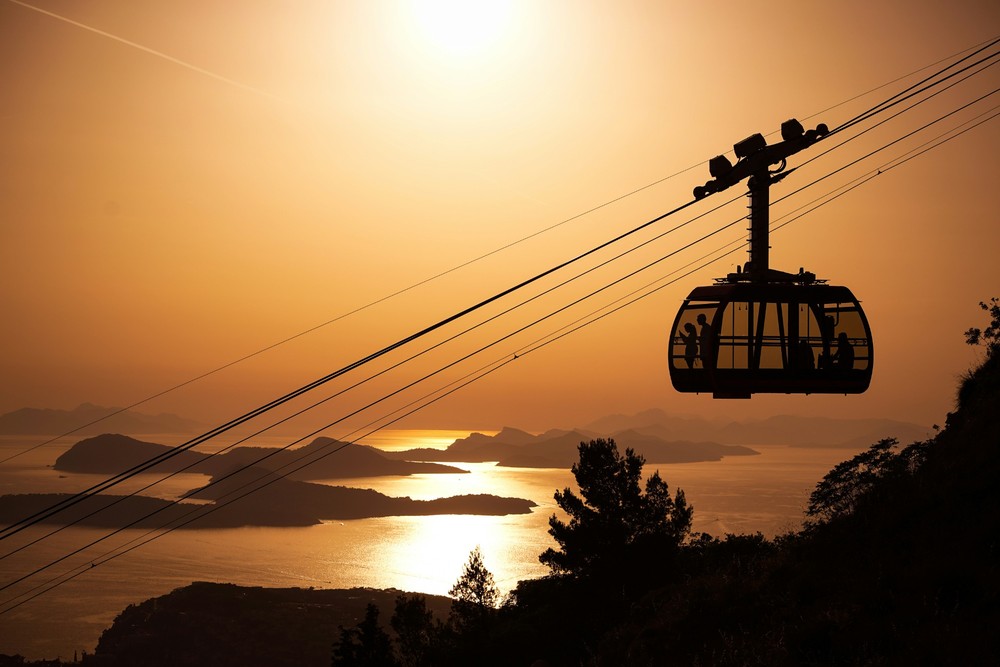
Croatia vs Greek Islands becomes most useful when you compare daily comfort, not just scenery. Both destinations support slower travel without sacrificing food, history, swimming, boating, or culture. The real difference appears in how each day asks you to move.
Cobblestones, stairs, ferry boarding, luggage handling, heat, and hotel location can quietly shape the trip. A beautiful itinerary can still feel wrong when every transfer requires more effort than expected. Comfort comes from matching the route to your actual pace.
Think about the vacations you enjoyed most after busy family years. Did you love variety, or did you prefer settling into one place? That answer may matter more than any famous photograph.
Choose Croatia If You Want Variety Without Building the Trip Around Beaches
Croatia suits couples who want several kinds of experiences within one connected journey. Dubrovnik and Split add historic cities, while Hvar or Korčula bring island time and coastal scenery. National parks, boating, food, and wine can fit naturally around those stops.
This works especially well if beach days matter, but do not need to dominate the vacation. You can swim one afternoon, explore Roman history the next, then spend another day tasting local wine. Variety stays high without requiring constant reinvention.
The best Croatia itineraries usually slow down rather than add more destinations. Several nights in each major stop reduce packing, transfers, and rushed sightseeing. That principle mirrors this first-time Danube river cruise guide, where easier pacing creates more room for meaningful experiences.
Choose the Greek Islands If Island Life Is the Main Event
Greece fits couples who want island scenery to shape most of the vacation. Beaches, village walks, boating, waterfront meals, and Aegean views can fill entire days without feeling repetitive. The right islands can create distinct moods within one trip.
Two or three complementary islands usually offer enough contrast without turning the itinerary into a ferry schedule. One island might bring dramatic scenery, while another offers quieter beaches and slower evenings. Chasing every famous name rarely improves the experience.
Neither destination wins for every empty nester couple. Croatia favors broader variety, while Greece often rewards travelers who want island life at the center. Your preferred pace, scenery, culture, and daily rhythm should decide the winner.
Your Best Choice Is the Trip That Feels Right for You
Croatia vs Greek Islands has no universal winner, and that is exactly why the choice becomes interesting. Croatia shines when you want historic cities, islands, wine, coastal scenery, and varied experiences within one connected journey. Greece pulls harder when island life, beaches, Aegean views, and ancient history deserve center stage.
Your own travel style should settle the argument. Think about whether you want Dubrovnik and Split between island stays, or several distinct Greek islands. Consider your preferred pace, walking comfort, beach time, food interests, and tolerance for frequent transfers.
Most importantly, picture an ordinary afternoon rather than the photograph you would post afterward. Maybe you are tasting Croatian wine after exploring a medieval town. Perhaps you are lingering over lunch on a Greek island before swimming in the Aegean.
When you know which experience sounds more like you, start planning your Mediterranean vacation. Share what you enjoy, what you want to avoid, and how you prefer to travel. The right itinerary should fit your life rather than forcing you into somebody else’s version of a perfect vacation.
You can also join Luxury Travel by Eric: Empty Nester Couples Vacations on Facebook. It is a place to compare destinations, ask travel questions, and exchange ideas with other empty nesters. Sometimes hearing how another couple travels makes your own choice much clearer.
P.S. Want to keep exploring Croatia? These related articles can help you decide if it is the right fit for your next getaway: