
This first-time Danube river cruise guide begins with a simple truth: the Danube makes Europe feel wonderfully manageable. One morning brings Vienna’s grand boulevards. The next may reveal vineyards, abbeys, or a quiet riverside village.
That effortless rhythm attracts couples who want discovery without constant packing. Your ship becomes a comfortable base, while the scenery changes outside. It feels easy, but several important choices shape the experience.
Cruise lines differ more than first-time travelers often expect. Some emphasize active excursions, while others favor slower sightseeing and cultural depth. Cabin layouts, dining, inclusions, and guided tours also vary widely.
Most couples focus first on the itinerary. That makes sense, but it can hide costly mistakes. The wrong cabin, pace, or cruise line can quietly change the entire trip.
This guide will help you compare routes, ships, cabins, seasons, and excursions. You will also learn what costs deserve closer attention. By the end, you should understand which Danube cruise truly fits your travel style.
Why the Danube Works Well for a First River Cruise

A Danube cruise removes one of Europe’s least romantic rituals: packing your suitcase every second morning. Your floating hotel travels with you. Each day then brings another city, country, or cultural surprise.
The balance feels unusually satisfying. Vienna offers imperial elegance, while smaller towns bring vineyards, cobbled lanes, and quiet cafés. Scenic sailing creates welcome pauses between busy sightseeing days.
That rhythm matters more after 50. Many couples still want discovery, but they no longer confuse exhaustion with accomplishment. The Danube rewards curiosity without demanding constant logistical decisions.
Compared with an ocean cruise, the atmosphere feels quieter and more personal. Ships carry fewer passengers, entertainment stays understated, and dinner rarely feels like a production. Ports often place you near the places you came to see.
That convenience hides an important truth. River cruising feels simple because someone else handles the complicated parts. Choosing the right experience still requires a closer look.
Our guide to the best Danube cruise lines for first-time river cruisers explains which differences can shape your entire trip.
What Makes the Danube Different From Other European Rivers
The Danube crosses a remarkable sequence of cultures. Germany, Austria, Slovakia, Hungary, Serbia, and Romania each bring distinct architecture, traditions, flavors, and history. Few journeys reveal Europe’s contrasts so smoothly.
The Rhine often wins attention with castles, medieval towns, and steep riverbanks. The Danube answers with imperial capitals, music halls, political history, and vineyard landscapes. Neither river feels better for everyone.
They simply tell different stories.
First-time travelers often remember Budapest glowing across the water after sunset. Vienna leaves a quieter impression through cafés, palaces, music, and immaculate public spaces. Then the Wachau Valley softens everything with vineyards, villages, and hilltop ruins.
Those contrasts prevent the journey from becoming predictable. Just when you understand the rhythm, the scenery changes again. That variety explains much of the Danube’s lasting appeal.
Who Will Enjoy a Danube River Cruise
The Danube suits couples who value culture, history, regional food, and thoughtful sightseeing. It also rewards travelers who appreciate comfort without needing constant luxury theater. Good service matters here, but destination depth matters more.
Excursions can support very different energy levels. Gentle walkers may choose slower city tours, while active guests cycle, hike, or explore independently. Many couples split up occasionally, then compare stories over dinner.
That flexibility can protect a vacation. One partner may love museums, while the other prefers markets and riverside cafés. Nobody needs to negotiate every hour together.
Still, river cruising does not suit everyone. Travelers seeking casinos, elaborate nightlife, giant pools, and Broadway-style shows may feel underwhelmed. Evening entertainment often means music, conversation, or an early bedtime.
For many empty nesters, that sounds less like a drawback. It sounds like relief. The next question is whether the Danube fits your personal travel style.
Choosing the Right Danube Cruise Itinerary
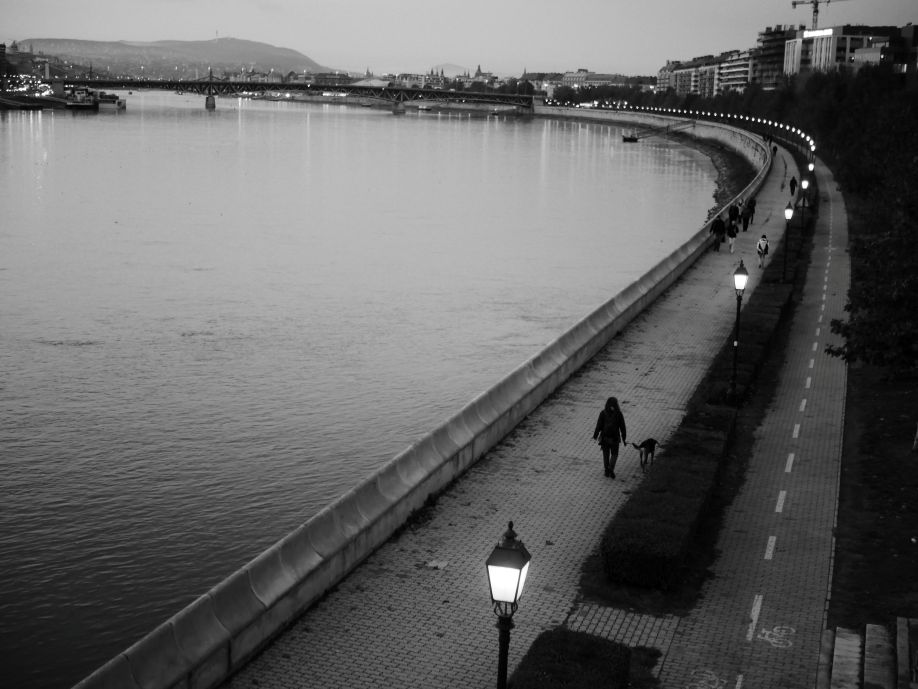
Choosing the right Danube cruise itinerary matters more than choosing the prettiest ship. Each route reveals a different version of Europe. The wrong choice can leave you admiring someone else’s perfect vacation.
Upper Danube cruises usually feature Austria, Hungary, Slovakia, and southern Germany. Lower Danube routes lean toward Serbia, Croatia, Bulgaria, Romania, and the Iron Gates. Longer journeys may connect Amsterdam with Budapest or continue toward the Black Sea.
Most first-time travelers choose a seven-night Upper Danube sailing. These itineraries often include Budapest, Vienna, Bratislava, Passau, Linz, and the Wachau Valley. That combination offers famous capitals without sacrificing smaller towns or scenic cruising.
Trip structure also deserves attention. One-way cruises cover more territory, while round-trip sailings may simplify flights. Packages with hotel stays often create a calmer beginning or richer ending.
Cruise-only pricing can look attractive. However, adding hotels, transfers, and sightseeing separately may erase those savings. This is where many couples misjudge the real value.
You can compare current routes and destination highlights through AmaWaterways Danube River Cruises. Look beyond the ship photographs. Study the time spent in each port.
The Classic Upper Danube Route
The classic Upper Danube route usually connects Budapest with Passau, Vilshofen, or nearby ports. Between them sit Bratislava, Vienna, Linz, and the Wachau Valley. Some itineraries reverse direction, but the experience remains broadly similar.
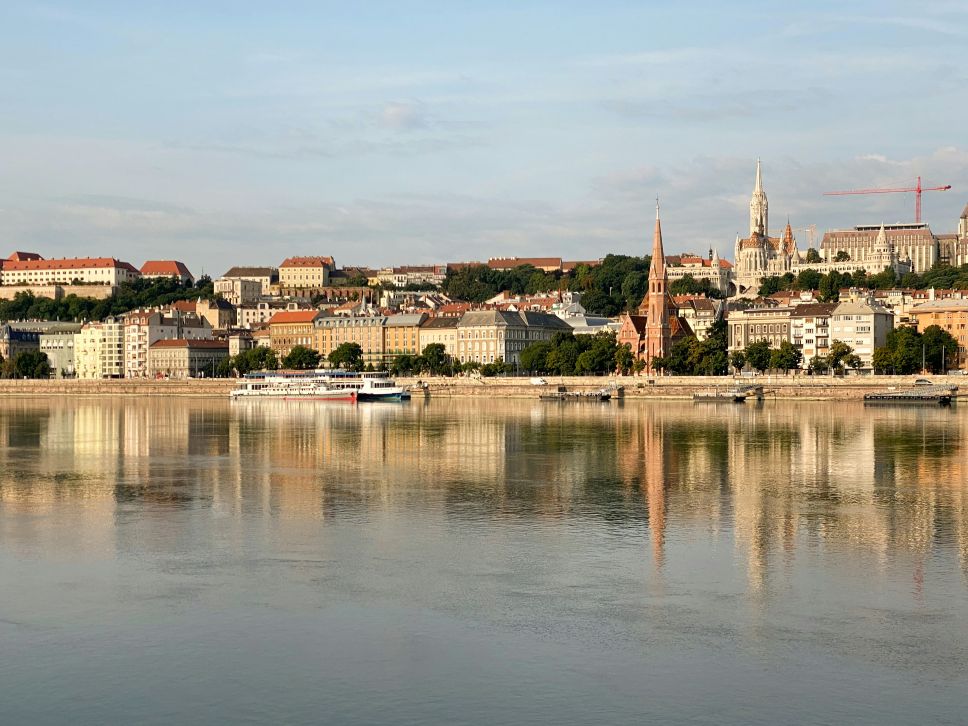
Budapest delivers dramatic riverfront architecture and unforgettable evening views. Vienna offers palaces, concert halls, cafés, markets, and formal beauty. Bratislava feels smaller, friendlier, and easier to explore on foot.
The Wachau Valley changes the pace. Vineyards climb above the river, while church towers rise from compact villages. Melk Abbey often provides the route’s most striking cultural landmark.
Yet seven-night itineraries use port time differently. One sailing may allow two days in Vienna. Another may trade those hours for Salzburg, Český Krumlov, or longer scenic cruising.
That difference matters.
A full day lets you move beyond introductory sightseeing. Partial days encourage faster choices and occasional compromises. Scenic sailing may seem passive, until you realize how rarely life allows it.
When to Consider the Lower Danube or a Longer Cruise
The Lower Danube feels less polished and more historically complex. Routes often include Serbia, Croatia, Bulgaria, Romania, and the Iron Gates. Travelers encounter fortresses, Orthodox churches, rural landscapes, and layered Balkan history.
This region attracts couples who have already visited Europe’s most famous capitals. It also suits travelers who prefer discovery over recognition. You may know fewer landmarks, but the conversations often linger longer.
The Upper Danube emphasizes imperial Austria and elegant Budapest. Lower routes reveal borders, empires, conflicts, and cultures shaped by Eastern Europe. Neither experience replaces the other.
Longer cruises offer another possibility. Some connect Amsterdam, the Rhine, the Main River, and the Danube before reaching Budapest. Others continue beyond Budapest toward Romania and the Black Sea.
These journeys reduce packing even further. However, two weeks or more aboard one ship requires confidence in the cruise line. Dining, cabin comfort, pacing, and excursion variety become far more important.
For many couples, seven nights provides the ideal introduction. Others discover that one week barely scratches the surface. The itinerary should answer that question before the ship ever leaves port.
Comparing Danube River Cruise Lines

Choosing among Danube river cruise lines involves far more than comparing cabin photographs. Each company creates a distinct onboard rhythm. Price alone rarely reveals which experience will feel right.
Some lines emphasize culture, quiet evenings, and structured sightseeing. Others add bicycles, hiking, wellness classes, and flexible excursion choices. Luxury lines often include more, although premium pricing does not guarantee better personal value.
Passenger profiles also shape the atmosphere. One ship may feel polished and reserved. Another may attract energetic travelers who prefer cycling before breakfast.
Compare gratuities, airport transfers, beverages, Wi-Fi, specialty dining, and optional tours before booking. Those smaller differences can change the final cost considerably. They also affect how often you reach for your wallet.
The hidden truth is simple. The best river cruise line does not exist for every couple. The right choice depends upon how you prefer to explore, dine, relax, and socialize.
Viking and AmaWaterways
Viking favors cultural immersion, understated Scandinavian design, and a calm adult atmosphere. Its ships place the destination ahead of elaborate onboard attractions. You can explore current routes through Viking Danube River Cruises.
AmaWaterways usually offers broader activity choices. Guests may select traditional tours, gentle walks, cycling routes, or more active outings. Wellness programming and bicycles add flexibility for couples with different energy levels.
Cabin designs also differ. Viking uses efficient layouts with French balconies, verandas, and several suite categories. AmaWaterways offers varied balcony configurations, including twin-balcony designs on selected ships.
Dining styles create another distinction. Both lines highlight regional cuisine, yet the atmosphere and included options vary. Small differences may matter greatly across seven consecutive evenings.
Couples who enjoy organized cultural touring may appreciate Viking’s measured approach. Our guide to why Viking works for travelers who love culture explores that fit more closely.
Active couples may prefer AmaWaterways’ excursion variety. Read why active empty nesters love AmaWaterways before assuming every river cruise moves slowly.
Still undecided? Our detailed AmaWaterways versus Viking comparison examines the differences that often decide the trip.
Avalon, Uniworld, Scenic, Tauck, and Emerald
Avalon attracts travelers who value contemporary design and expansive cabin views. Its panoramic suites position beds toward wide windows. That simple decision changes quiet mornings aboard.
Uniworld embraces decorative luxury rather than minimalism. Rich fabrics, bold interiors, and distinctive ships create a more theatrical setting. Some couples adore that personality, while others prefer visual restraint.
Scenic generally emphasizes broad inclusions and a luxury experience. Tauck focuses heavily on service, access, and guided land experiences. Emerald often delivers contemporary ships with a more value-conscious structure.
Yet advertised fares can mislead. One price may include gratuities, transfers, drinks, and premium excursions. Another may require additional spending throughout the journey.
Most couples do wrong by comparing only the first visible number. A lower fare can become expensive after upgrades and extras. Conversely, an inclusive luxury cruise may cost less than expected overall.
Calculate the complete trip cost before deciding. Include flights, hotels, transfers, gratuities, beverages, excursions, and desired cabin upgrades. Only then will the real differences become clear.
Selecting Your Cabin and Understanding Life Aboard
Your cabin shapes more of your Danube cruise than many first-time travelers expect. It affects sleep, views, convenience, and quiet. That makes the choice worth more than a quick glance at price.
Lower-deck cabins usually offer fixed windows and lower fares. Middle and upper decks bring better views, balconies, and easier access. Suites provide more space, although extra room matters differently on a port-intensive journey.
Daily life aboard follows a comfortable rhythm. Breakfast leads into excursions, followed by lunch, scenic sailing, or another guided visit. Evenings often include cocktails, dinner, music, or a quiet conversation upstairs.
Motion rarely troubles most passengers because rivers stay calmer than open seas. Noise depends more on cabin location, docking activity, and nearby public areas. Elevators and accessible layouts also vary by ship.
Dress codes remain relaxed. Wi-Fi works well enough for basic communication, but river geography can interrupt service. That small inconvenience may become an unexpected gift.
How to Choose the Right Cabin
Lower decks usually cost less, but they place you closer to engines and water level. Upper decks offer stronger views and easier access to lounges. Middle decks often provide the best compromise.
Cabin style matters just as much. Fixed windows admit light, while French balconies open the room toward the river. Step-out balconies add outdoor space, although they reduce interior square footage.
Dual-balcony cabins combine indoor and outdoor viewing options. Larger suites improve storage, seating, and bathroom space. Those comforts matter more during longer cruises or slower itineraries.
Few brochures emphasize rafting. Ships sometimes dock beside one another, placing another cabin outside your window. Docking walls, bridges, and nighttime sailing may also interrupt the peaceful view.
That does not ruin the experience. It simply changes what “river view” sometimes means. Knowing that beforehand prevents unnecessary disappointment.
Food, Dress Codes, and Onboard Atmosphere
Meals usually begin with buffet breakfasts and cooked options. Lunch may feel casual, while dinner becomes the day’s social anchor. Regional dishes often reflect the countries visited.
Included beverages vary by cruise line. Some cover wine and beer with meals, while others include broader selections. Specialty dining may require reservations, although extra fees remain uncommon on many ships.
Daytime clothing should handle walking, weather, and uneven streets. Comfortable shoes matter far more than fashionable intentions. Evenings usually call for smart-casual outfits rather than formalwear.
River cruise entertainment stays quieter than ocean cruise productions. Local musicians, lectures, piano music, and conversation often replace large theaters. The mood feels polished without becoming stiff.
That softer pace suits many empty nesters. After a full day ashore, another elaborate production can feel unnecessary. Sometimes dinner, wine, and a glowing river provide enough.
Planning Shore Excursions and Time in Port

Shore excursions can transform a Danube cruise, but the daily routine often surprises first-time travelers. Guides follow organized schedules, and departure times matter. Your morning may begin earlier than expected.
Included tours usually meet inside the lounge or beside the ship. Staff divide passengers by walking level, language, or excursion choice. Coaches then carry groups into cities or surrounding countryside.
Most lines offer traditional walking tours alongside gentler and more active options. Cycling, hiking, food experiences, and premium visits may also appear. The choices can feel generous until schedules begin overlapping.
Here lies the hidden truth.
You cannot do everything. Most couples go wrong by treating each port like a sightseeing contest. The better approach protects energy for experiences that genuinely matter.
Outside tours require extra caution. Confirm their starting points, duration, cancellation terms, and return times before booking. Your ship will not wait because traffic developed a personality.
Included Tours Versus Independent Exploration
An included city tour often provides helpful orientation during your first visit. Guides explain history while revealing streets you might otherwise miss. Afterward, independent time feels easier and more purposeful.
However, repeated walking tours can begin feeling similar. Another cathedral date or medieval trade dispute may test even devoted history lovers. Occasionally, wandering together creates the stronger memory.
Excursion levels also deserve careful attention. Gentle tours usually reduce walking, while active choices may include hills, stairs, bicycles, or longer distances. Labels vary between cruise lines, so read descriptions closely.
Independent exploration provides freedom, but it also transfers responsibility. Confirm the ship’s docking location, since ports may use several landing areas. Save the cruise director’s telephone number before leaving.
Local transportation can consume more time than expected. A nearby attraction on a map may require transfers or an uphill walk. Those details matter when sailing time approaches.
Balance creates the best day.
Take the included tour when local context adds value. Explore independently when you want cafés, markets, galleries, or slower streets. The smartest choice may change from one port to another.
Excursions Worth Considering in Major Danube Ports
Vienna rewards travelers who look beyond a basic city overview. A small-group tour of Schönbrunn Palace can add imperial history and deeper context. Confirm that your ship remains in port long enough.
The Wachau Valley offers a different pleasure. Vineyards, ruined castles, river villages, and Melk Abbey create a gentler rhythm. This Danube Valley and Melk Abbey excursion works better during a Vienna hotel stay.
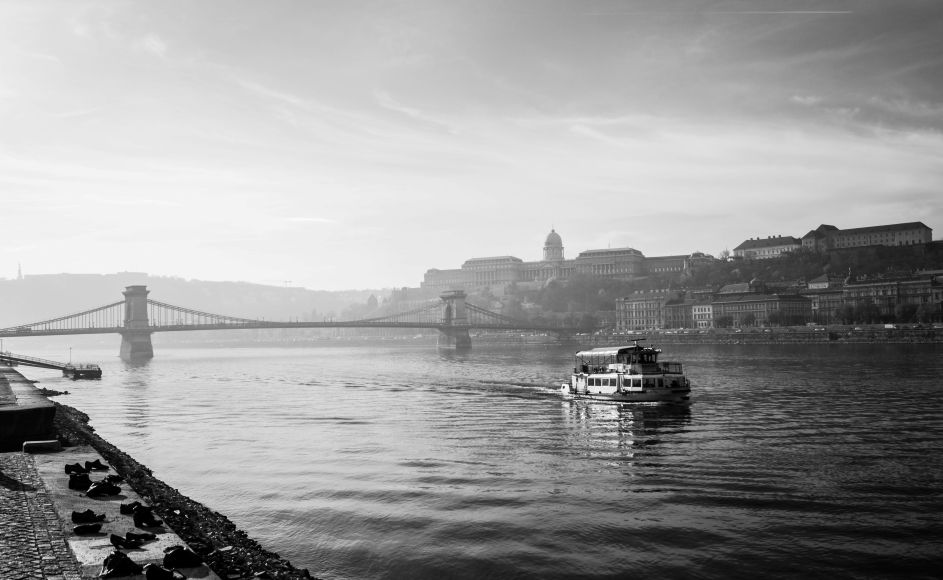
Budapest changes after darkness falls. Parliament, bridges, and Buda Castle glow across the water. An evening Danube cruise with audio guide can reveal that transformation.
These experiences may duplicate cruise line offerings. Compare routes, timing, group sizes, and included admissions before paying separately. More expensive does not always mean more personal.
Pre-cruise and post-cruise hotel stays create greater flexibility. You can book longer experiences without worrying about the ship’s departure. That freedom often justifies adding another night.
Before reserving anything, study the practical details. Check walking demands, meeting locations, cancellation rules, and exact return times. A memorable excursion should create anticipation, not clock-watching.
Understanding Costs, Inclusions, and Extra Expenses
A first-time Danube river cruise guide should make one fact clear. The advertised fare never represents your complete vacation cost. That polished number usually covers only the journey’s foundation.
Your total may include airfare, hotels, transfers, insurance, gratuities, excursions, and personal spending. Cabin upgrades can widen the gap further. Even airport seat assignments may quietly join the bill.
Cruise lines also package value differently. One includes gratuities and drinks, while another charges separately. A third may include transfers only with its airfare program.
This makes direct price comparisons surprisingly tricky. Most couples compare similar cabins, then assume the lower fare offers better value. That assumption can become expensive.
Build a complete per-couple estimate before choosing. Include every required cost and every upgrade you already expect to purchase. The final number may rearrange your shortlist.
Our honest Danube cruise value guide after 50 examines why the cheapest fare rarely tells the complete story.
What the Cruise Fare Usually Includes
Most Danube fares include your cabin, onboard meals, Wi-Fi, port charges, and daily guided sightseeing. Many also provide selected wine, beer, or soft drinks during meals. Evening entertainment usually costs nothing extra.
However, the details vary. Some companies include gratuities, premium beverages, airport transfers, laundry, room service, or several daily excursions. Others reserve those benefits for suites or higher packages.
Included sightseeing also deserves scrutiny. One cruise may offer several excursion levels without surcharges. Another may charge extra for evening concerts, palace visits, or special dining experiences.
Promotions can alter the equation again. A temporary offer might add airfare credits, prepaid gratuities, or complimentary transfers. Those benefits may depend upon cabin category or booking date.
Always review the specific sailing. General cruise line policies provide guidance, but individual itineraries and offers may differ. The fine print often holds the real value.
Expenses First-Time Cruisers Often Miss
International airfare often creates the largest expense beyond the cruise. Pre-cruise hotels, airport transfers, and insurance follow quickly. Optional tours and premium drinks add another layer.
Small charges also accumulate. Seat assignments, baggage fees, airfare deviations, and foreign transaction fees can quietly increase spending. Another hotel night may cost more than expected.
Cabin upgrades deserve honest consideration. A balcony or suite may improve comfort, but only when you value that space. Many days leave little time inside.
Most couples forget to separate prepaid costs from onboard spending. Create one budget for reservations and another for daily expenses. Include meals ashore, souvenirs, tips, taxis, and local currency.
Then add a modest cushion. Europe occasionally presents an irresistible café, concert, or bottle of wine. Your budget should leave room for pleasure without creating regret.
Choosing the Best Time for a Danube Cruise

The best time for a Danube cruise depends less on perfection and more on your priorities. Every season changes the river’s mood. Crowds, daylight, scenery, and pricing all shift with the calendar.
Spring brings fresh landscapes and cooler sightseeing weather. Summer offers long days, outdoor dining, and busier cities. Fall adds vineyard color, harvest energy, and a calmer pace.
Christmas market cruises create an entirely different experience. Days feel shorter, temperatures drop, and town squares glow after dark. The atmosphere can feel magical, provided you enjoy winter travel.
Weather also affects the river itself. High or low water may alter docking locations, excursion transportation, or sailing schedules. Occasionally, cruise lines transfer passengers between ships.
That possibility deserves perspective. Most journeys continue with adjustments rather than collapsing completely. Still, flexible travelers handle disruptions far better than rigid schedules allow.
Choose the season that supports how you actually enjoy traveling. Comfortable walking, festive evenings, scenic decks, or fewer crowds may matter most. The answer often reveals itself there.
Spring, Summer, and Fall Sailings
Spring usually brings cooler mornings, greener hillsides, and fewer visitors than midsummer. Rain remains possible, so layers and waterproof shoes matter. Scenic decks feel pleasant when sunlight appears.
Late spring often offers an appealing balance. Days grow longer, temperatures stay manageable, and flowers brighten riverside towns. Prices may also remain below peak summer levels.
Summer creates the longest sightseeing days. Outdoor cafés stay lively, and evening sailing feels especially pleasant. However, heat and crowds can make city tours more tiring.
Early fall often suits empty nesters beautifully. Vineyard landscapes deepen in color, temperatures soften, and major cities feel less crowded. Harvest season also adds local flavor.
Cooler departures require more flexible clothing. A sunny afternoon may turn into a chilly evening aboard. That jacket you almost left home suddenly looks brilliant.
Christmas Market Cruises
Christmas market sailings replace vineyard afternoons with lights, spices, and cold evening air. Vienna, Budapest, Bratislava, Passau, and Regensburg become seasonal highlights. Smaller Austrian towns often feel even more intimate.
These cruises follow a different rhythm. Darkness arrives early, so illuminated streets become part of the experience. Port time often centers around markets, concerts, and holiday traditions.
Winter packing requires more discipline. Warm layers, gloves, waterproof footwear, and a proper coat matter. Cobblestones become less charming when your feet turn numb.
Market schedules also deserve attention. Some open only during specific dates, while holiday closures may affect museums or shops. Arriving early can protect against missed flights and rushed sightseeing.
That extra hotel night offers another advantage. You can explore one major city without watching the ship’s departure time. Sometimes the calmest beginning creates the strongest journey.
Preparing for Your First Danube River Cruise

Preparing for your first Danube river cruise should begin months before departure. Early planning protects your choices, your budget, and your peace of mind. It also prevents avoidable last-minute scrambling.
Start with passports, insurance, final payments, and international flights. Then secure pre-cruise hotels, airport transfers, and any independent excursions. Download the cruise line application once your booking becomes active.
Several weeks before departure, review every document carefully. Confirm names, flight dates, hotel reservations, transfer instructions, and boarding details. Small errors become much harder to fix overseas.
Practical details deserve equal attention. Most Danube destinations use the euro, although Hungary and several Balkan countries retain local currencies. Credit cards work widely, but carrying modest cash remains useful.
Bring the correct electrical adapters and review your mobile service options. Store medications in original containers inside your carry-on. Keep essential documents accessible throughout the journey.
The hidden truth is simple. Good preparation should disappear once the vacation begins. When everything works quietly, you can focus on the river ahead.
Flights, Hotels, and Arrival Planning
Arrive in Europe at least one day before embarkation. Two nights offer even greater protection and a calmer adjustment. Flight delays and missing luggage rarely respect vacation schedules.
A pre-cruise hotel should support your arrival plans. Consider airport access, luggage handling, nearby sightseeing, and transportation to the ship. A beautiful location loses charm when every transfer becomes difficult.
Your embarkation city also deserves time. Budapest, Vienna, and Munich can justify several extra nights. That breathing room helps you recover before the cruise begins.
Confirm your airport transfer before leaving home. Also verify the ship’s docking location, since river vessels may use several piers. Last-minute changes can occur.
Keep the cruise line’s emergency contact information nearby. Save boarding windows, transfer details, and hotel addresses offline. Your phone becomes far less helpful when service disappears.
Most couples regret rushing the beginning. Very few regret arriving early. That first unhurried evening often changes the entire trip.
What to Pack and Organize Before Departure
Pack for movement, changing weather, and uneven streets. Comfortable walking shoes matter more than elegant intentions. Your feet will settle that debate quickly.
Layered clothing works best along the Danube. Add rain protection, smart-casual evening outfits, and a light jacket. Seasonal temperatures can shift noticeably within one day.
Keep passports, insurance details, cruise confirmations, and flight information inside your carry-on. Include transfer instructions, medication records, and emergency contacts. Never place essential documents inside checked luggage.
Bring travel adapters, charging cables, and a portable battery. Download airline and cruise applications before departure. Save important confirmations for offline access.
Share your complete itinerary with someone you trust. Include hotel names, cruise dates, and emergency information. That small step adds useful security.
Pack thoughtfully, but avoid preparing for every imaginable disaster. River cruise cabins reward restraint. Extra space feels surprisingly luxurious after the third unpacking attempt.
Choose the Danube Cruise That Feels Right for You
Your first Danube river cruise should reflect how you want to experience Europe now. The itinerary, cruise line, cabin, season, and excursions must work together. One poor match can quietly affect every day.
Start with the places that interest you most. Then consider your preferred pace, activity level, dining style, and need for personal space. Those answers matter more than glossy ship photographs.
Compare the complete vacation cost before choosing a promotional offer. Include airfare, hotels, transfers, insurance, gratuities, excursions, and likely upgrades. A lower cruise fare may still produce the larger final bill.
Realistic expectations also protect the experience. River ships feel intimate, schedules can change, and excursions often start early. Yet those same qualities create easier connections and deeper access.
The right journey should feel exciting without feeling exhausting. It should leave room for culture, conversation, and an occasional café table. After all, you have already survived enough rushed vacations.
Ready to find the Danube cruise that fits your travel style? Start planning your trip with Empty Nester Getaways. We will help you compare the choices and avoid costly mismatches.
Still gathering ideas? Join Luxury Travel by Eric: Empty Nester Couples Vacations on Facebook. You will find practical guidance, destination inspiration, and conversations with travelers planning similar journeys.
P.S. Want to learn more about Danube river cruising? Check out these related articles:
• 7 Reasons You May Hate a Danube River Cruise
• Who Should Take a Danube River Cruise?
• Danube River Cruise Mistakes That Waste Time and Money