
Who should take a Danube River cruise? The answer depends less on age than on how you like to travel. Some couples feel instantly at home, while others discover the format never quite fits.
A Danube cruise blends European capitals, smaller towns, guided sightseeing, scenic sailing, and comfortable transportation. You unpack once, then wake near another remarkable place. Dinner, lodging, and movement between destinations become part of one connected journey.
That convenience appeals to travelers who value culture, comfort, and thoughtful pacing. However, river cruising can disappoint guests expecting resort amenities, late-night energy, or complete independence. The hidden truth is simple: the best itinerary still fails when the travel style feels wrong.
This article explores who tends to enjoy the Danube most. It also examines who may prefer another kind of European vacation. Before choosing, couples should consider pace, interests, mobility, entertainment, and desired freedom.
Culture and History Lovers Who Want Europe to Feel Connected
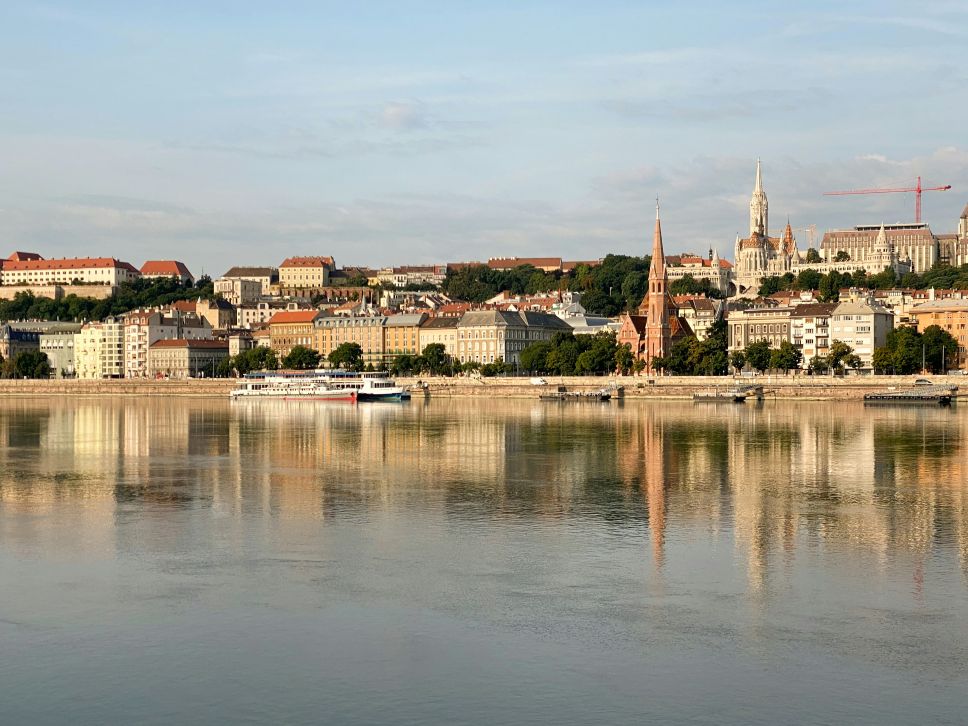
The Danube suits travelers who see history as a living story, not a collection of dates. Architecture, music, faith, and regional traditions connect each destination. The river reveals how those stories overlap.
Budapest, Vienna, Bratislava, Melk, and Passau feel distinct, yet their histories constantly intersect. Imperial ambition shaped palaces, borders, churches, and everyday customs. Visiting one city alone rarely reveals those deeper connections.
Guided experiences make that history easier to understand. Skilled guides connect the Habsburg Empire with modern Central European identities. Suddenly, a palace façade or market square carries far more meaning.
Travelers Who Prefer Meaningful Sightseeing Over Resort Entertainment
During a Danube cruise, the destinations provide the entertainment. Museums, palaces, abbeys, concerts, markets, and medieval streets replace waterslides and casino nights. For many couples, that exchange feels wonderfully overdue.
Melk Abbey offers gilded interiors, quiet courtyards, and sweeping valley views. Vienna’s imperial center reveals centuries of wealth, power, and artistic ambition. Budapest adds a more complicated story across Buda and Pest.
Expert guidance often transforms attractive landmarks into memorable experiences. Travelers who enjoy context will appreciate that difference. Those seeking large productions may prefer an ocean ship.
Couples Who Enjoy Seeing Several Cultures Within One Journey
An Upper Danube cruise can introduce German, Austrian, Slovakian, and Hungarian cultures without repeated hotel changes. Each destination changes the language, flavors, architecture, and mood. Yet the river keeps everything connected.
Vienna feels elegant and ceremonial. Bratislava offers intimacy and playful contrasts, while Budapest delivers grandeur with sharper historical edges. Bavarian river towns add painted façades, hearty food, and older rhythms.
You need no formal history background. Good guides explain complex events through human stories and visible places. Start with First Danube River Cruise? Start With This Simple Guide before comparing routes.
The UNESCO Wachau Cultural Landscape shows how vineyards, settlements, monasteries, and the river evolved together. That connection captures the Danube’s greatest appeal. Every stop adds another piece to the larger story.
Couples Who Want to See More of Europe With Less Packing
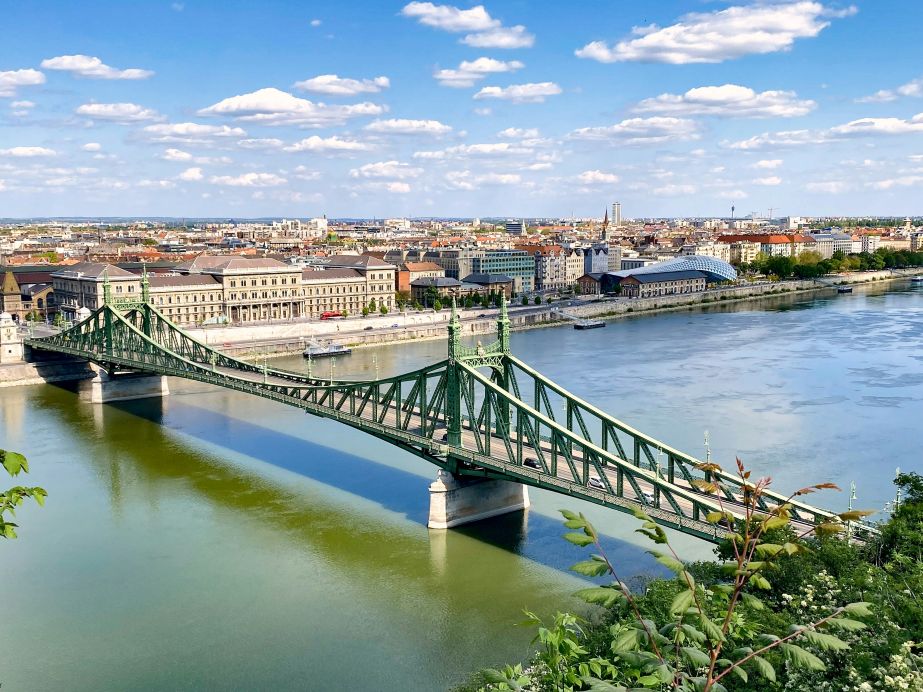
A Danube cruise for couples offers cultural variety without the usual logistical grind. Your ship becomes your hotel, restaurant, and transportation. Meanwhile, Europe keeps changing outside your window.
That arrangement removes many tiring parts of multi-city travel. You avoid repeated checkouts, train platforms, transfers, and suitcase hauling. Cobblestones look far more charming when nobody drags luggage across them.
Convenience does not mean seeing less. Instead, couples can experience several destinations while preserving energy for museums, meals, and meaningful time together. That balance explains much of the Danube’s appeal.
Travelers Tired of Changing Hotels Every Few Days
Traditional multi-city trips can consume hours through packing, checkout, transportation, and another hotel check-in. Those transitions rarely appear in glossy itineraries. Yet they often become the most exhausting parts.
On a river cruise, your belongings stay unpacked throughout the journey. Breakfast may end as the ship reaches another historic city. Sightseeing begins without luggage, train schedules, or another unfamiliar room.
Imagine seven nights covering Budapest, Vienna, Bratislava, and Passau by land. You might change hotels three times and manage several transfers. A similar cruise carries your room between those destinations while you sleep.
Couples Who Value Convenience Without Staying in One Place
River cruising offers more variety than a resort stay with less work than independent touring. Organized excursions and transportation simplify each arrival. Port time still allows personal choices.
Some travelers worry that a schedule will feel restrictive. Cruise lines set sailing times, but optional tours and independent exploration create flexibility. You can join a guide, visit a café, or wander alone.
The key involves choosing an itinerary with enough time ashore. Overnight stays and longer port calls provide greater freedom. Short visits require more planning and sharper priorities.
Our guide to why empty nesters fall in love with Danube river cruises explores this balance further. The convenience feels practical at first. Later, many couples realize it changed how they experienced Europe together.
Travelers Who Prefer Smaller Ships and Quieter Evenings
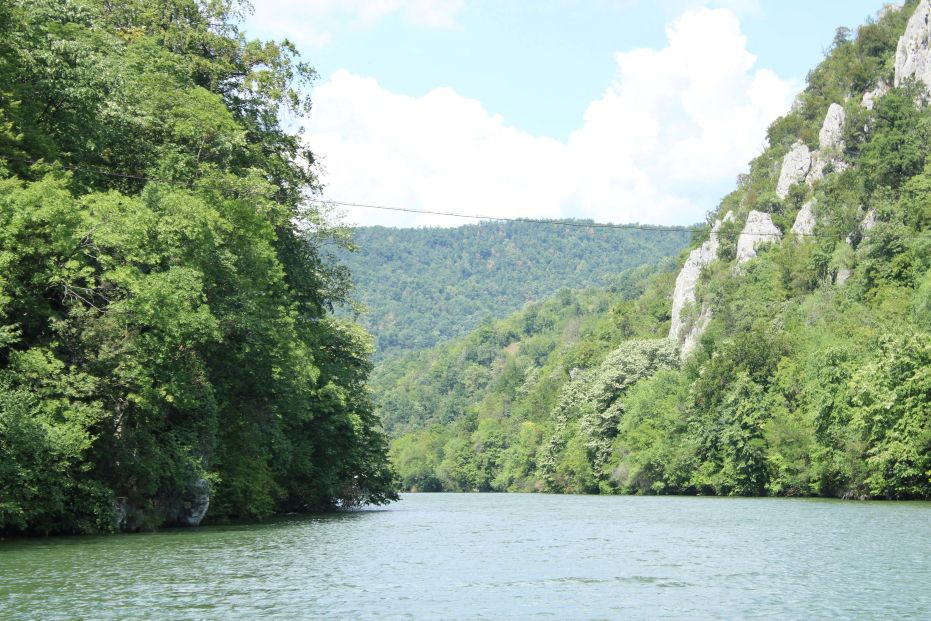
A Danube river cruise suits travelers who value calm surroundings, attentive service, and evenings without sensory overload. Smaller ships create a more personal atmosphere than most ocean vessels. You notice familiar faces instead of navigating floating cities.
Dinner may unfold slowly over regional dishes and conversation. Later, guests might hear local musicians, attend a destination talk, or watch illuminated riverbanks drift past. Nobody needs a deck map to find the lounge.
This quieter rhythm appeals to couples who enjoy connection without constant stimulation. Travelers seeking casinos, production shows, and endless attractions may feel limited. That difference matters more than many first-time cruisers expect.
Couples Who Prefer Conversation Over Crowds
Smaller lounges and shared excursions make recognizing fellow passengers easier. One main dining room also encourages familiar conversations throughout the week. Friendships can develop naturally without organized icebreakers or forced enthusiasm.
Crew members often learn guests’ preferences quickly. Fellow travelers become recognizable during tours, meals, and evening drinks. The atmosphere feels friendly, yet rarely demanding.
You do not need to become the ship’s social director. Couples can join conversations when they wish, then retreat together. Quiet reading, private drinks, and peaceful deck time remain completely acceptable.
Travelers Who Do Not Need Large-Ship Attractions
River ships cannot match ocean vessels for restaurants, theaters, casinos, pools, or recreational choices. They do not try. The destination remains the main attraction.
Evenings may include regional dinners, local performers, cultural talks, or cocktails beside the river. These experiences feel connected to the places visited that day. Large productions would almost seem out of place.
Before choosing, compare both cruise styles honestly. Our guide, The Better Cruise After 50: Danube River or Ocean?, explores those differences closely. The better ship depends on what you want after sunset.
Travelers Who Appreciate Guided Experiences but Still Want Personal Time
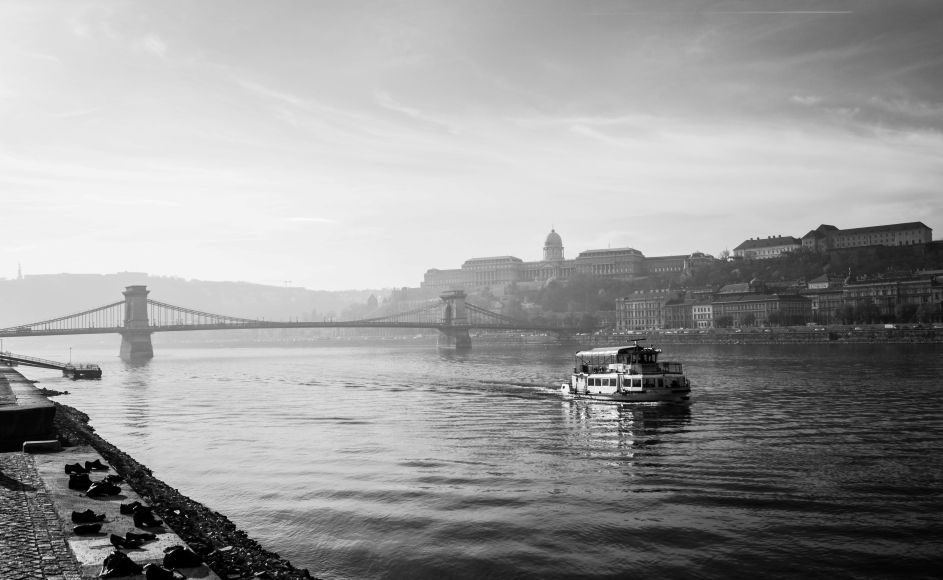
A Danube cruise works well for travelers who appreciate guidance without surrendering every unscheduled hour. Included tours provide structure, transportation, and useful historical context. They also simplify access to unfamiliar landmarks and districts.
Yet guided sightseeing represents only one option. Active excursions, private guides, independent walks, and quiet time onboard create different experiences. The best days often combine structure with breathing room.
You might tour Vienna’s imperial center before lingering over coffee. Budapest could include guided history, followed by an unhurried thermal bath. Personal time turns a busy itinerary into your own journey.
First-Time European Travelers Who Want Helpful Guidance
Europe can feel complicated when transportation, languages, and entrance procedures arrive together. Local guides remove much of that uncertainty. They help travelers settle into each destination quickly.
Without context, a magnificent building can remain merely attractive. A skilled guide explains who lived there, what happened, and why it still matters. Suddenly, the architecture begins telling stories.
Guided introductions work especially well in Vienna, Budapest, Bratislava, and smaller Bavarian towns. Melk Abbey also rewards expert explanation. Its history extends far beyond golden rooms and impressive views.
A longer land stay can include this Danube Valley and Melk Abbey guided day trip. The full-day experience combines transportation, regional scenery, and guided historical context. Cruise passengers should compare its length carefully against their ship’s schedule.
Experienced Travelers Who Want Selective Independence
Repeat visitors may not need another standard city overview. They might prefer a museum, culinary tour, neighborhood walk, or quiet café. Familiar destinations become more rewarding when travelers explore personal interests.
Private guides offer deeper focus and adjustable pacing. Independent time provides even greater freedom. However, the ship’s departure time remains thoroughly unimpressed by your perfect lunch.
Confirm docking locations, meeting points, transportation time, and final boarding deadlines. Build a comfortable return buffer into every independent plan. Freedom feels better without frantic clock-watching.
This Bratislava day trip with Danube catamaran suits travelers staying in Vienna. Its full-day format rarely fits a brief cruise stop. Sometimes, the best excursion belongs before or after the sailing.
Couples Who Travel for Food, Wine, Scenery, and Shared Experiences
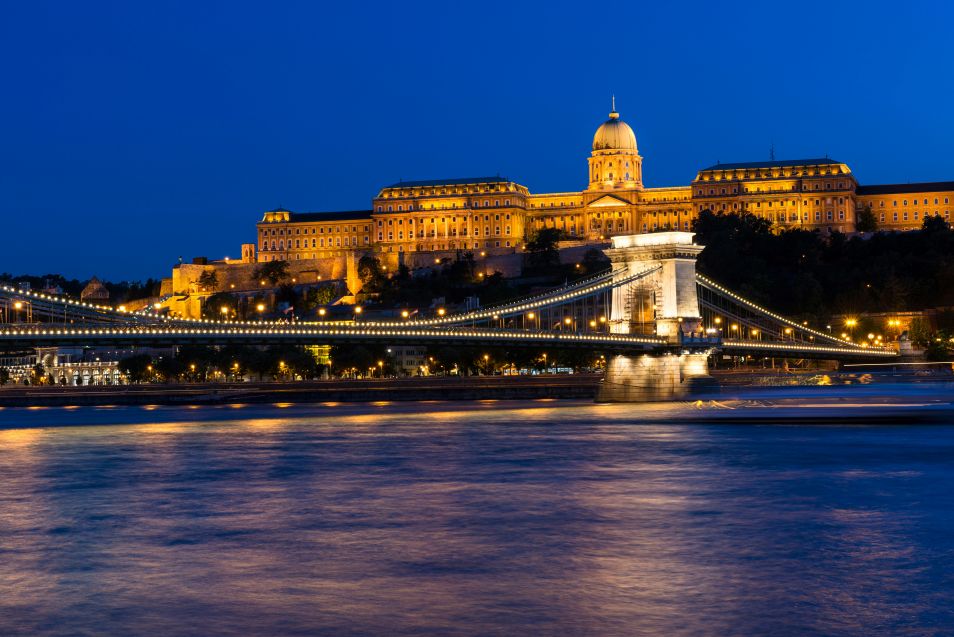
A Danube river cruise suits couples who experience places through flavor, atmosphere, and shared discovery. Regional menus and local wines connect each destination to its landscape. Markets, vineyards, and family recipes make history feel surprisingly personal.
Budapest and Vienna deliver grand architecture, elegant cafés, and dramatic river views. The Wachau Valley offers vineyards, villages, abbeys, and a gentler visual rhythm. Both experiences matter, although they create very different memories.
Famous landmarks deserve attention. Yet many couples remember a quiet meal or sunset sailing more vividly. The best moments often arrive after the sightseeing ends.
Food and Wine Travelers Who Enjoy Regional Discovery
Food reveals differences between Danube regions quickly. Austria brings Grüner Veltliner, apricot specialties, and carefully layered pastries. Hungary answers with paprika, rich stews, distinctive wines, and flavors carrying deeper regional stories.
Culinary excursions may include vineyards, market visits, cooking demonstrations, tastings, or locally guided meals. These experiences add context that ordinary restaurant stops rarely provide. You learn why particular dishes belong exactly where you taste them.
Onboard menus may reflect destinations visited that day. One evening could feature Austrian wine, while another highlights Hungarian specialties. That connection makes dinner feel like part of the journey.
Couples Who Value Scenic Moments and Memorable Evenings
Daytime sailing reveals vineyard-covered hills, riverside villages, church towers, bridges, and hilltop abbeys. The scenery changes slowly enough to notice. That pace encourages conversation rather than another hurried photograph.
Budapest after dark creates an entirely different mood. Parliament glows beside the river while Buda Castle and illuminated bridges frame the skyline. Even experienced travelers often fall quiet.This Budapest Danube River evening cruise offers another way to experience that illuminated cityscape. It works especially well before or after the cruise. Ship schedules should guide any plans during the sailing.
A slower afternoon on deck can rival a packed sightseeing schedule. Drinks, passing villages, and unhurried conversation often become lasting memories. Explore why couples fall in love with Budapest cultural experiences before planning every evening.
Travelers Who Should Consider a Different Vacation Style
A Danube cruise will not satisfy every traveler, and that honesty matters. Beaches, casinos, nightlife, and sprawling resort days rarely define the experience. The river rewards curiosity more than constant entertainment.
Different travel styles create different freedoms. Ocean cruises offer larger venues, while rail journeys provide greater independence. City stays and resorts deliver slower days with fewer schedule changes.
Ask what you genuinely want from Europe. Do you value guided discovery, quiet evenings, and efficient travel between destinations? Or do you prefer complete control, late nights, and unstructured days?
Travelers Who Want Complete Independence or Constant Entertainment
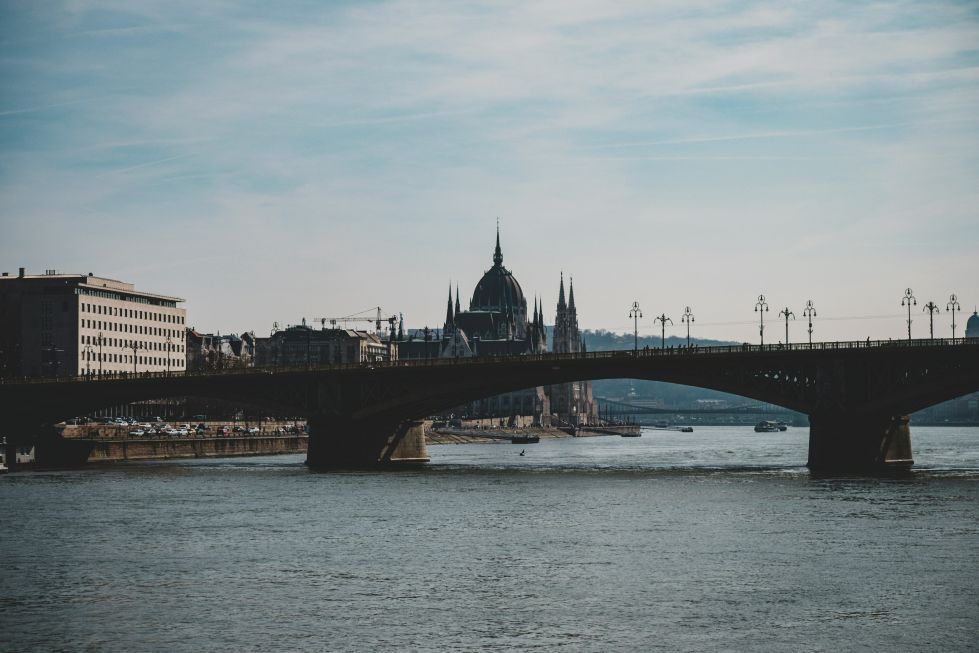
River cruises follow fixed sailing times and port schedules. Guests cannot extend dinner ashore or change destinations spontaneously. The ship will leave, even when Vienna feels particularly persuasive.
Large ocean ships offer more restaurants, shows, pools, casinos, and nightlife. Danube vessels usually provide quieter lounges, regional performances, and destination talks. Neither style wins universally.
Independent travelers may prefer European rail journeys or extended city stays. Entertainment seekers might choose Mediterranean cruises or luxury resorts. Your preferred evening often reveals the better vacation.
Couples Who Dislike Walking, Early Starts, or Structured Touring
Historic Danube destinations often involve cobblestones, stairs, uneven ground, and standing. Many excursions also begin early and include coach transportation. These details can challenge travelers with limited stamina or mobility.
Gentle walking groups and panoramic tours may reduce physical demands. Private guides, taxis, and selective participation provide additional control. Skipping an excursion remains perfectly respectable.
Ask about gangways, elevators, walking distances, stairs, and accessible transportation. Confirm whether coaches stop near major attractions. Serious balance, endurance, or mobility concerns require closer itinerary review.
Still comparing rivers? Danube vs Rhine Cruises: Which One Will You Love More? explores how each experience differs. Sometimes, the right river becomes clearer after understanding the wrong one.
Is the Danube Calling Your Name?
Who should take a Danube River cruise? Culturally curious couples often find the answer surprisingly clear. The experience rewards comfort, discovery, regional flavor, and meaningful time together.
Smaller ships create a calmer atmosphere than most ocean vessels. Guided experiences reveal the stories behind palaces, abbeys, markets, and historic neighborhoods. Meanwhile, the ship carries you between countries without repeated packing.
Still, the right decision requires honest reflection. Compare your preferred pace, entertainment needs, mobility, independence, and sightseeing interests. A beautiful itinerary cannot fix a travel style mismatch.
Picture your ideal European day. Would you enjoy guided history, a leisurely lunch, scenic sailing, and a quiet evening? If that rhythm feels natural, the Danube may suit you beautifully.
Ready to find the right river, cruise line, cabin, and itinerary? Click Start Planning and share what you want from your journey. We will help shape the experience around your interests, comfort, and budget.
Still exploring possibilities? Join our private Facebook group for travel ideas and conversations with fellow empty nesters. Sometimes, one useful discussion makes the right choice much easier.
P.S. Want to learn more about Danube river cruising? Check out these related articles:
• The Complete Guide to Your First Danube River Cruise
• 7 Reasons You May Hate a Danube River Cruise
• Danube River Cruise Mistakes That Waste Time and Money