
Who should avoid a Danube river cruise? That question matters more than the polished brochures suggest. A week of castles, wine villages, and effortless border crossings sounds nearly perfect. Yet perfection depends heavily on how you prefer to travel.
Danube cruises bundle culture, scenery, meals, transportation, and several European cities into one graceful journey. For many couples, that convenience feels wonderfully freeing. For others, the fixed schedule, guided touring, compact ship, or evening quiet can feel surprisingly restrictive. That hidden contrast catches more travelers than cruise marketing admits.
Mobility needs can change the experience before the first castle appears. Fast walkers may love the daily rhythm, while slower travelers may feel rushed across cobblestones. Independent explorers can also resent meeting times, group headsets, and a ship that leaves without debate.
None of this makes Danube cruising a poor choice. It simply means the right vacation should match your habits, energy, and expectations. Most couples get into trouble when they choose the itinerary before examining how they actually enjoy traveling. The sections ahead reveal the clearest warning signs, practical compromises, and better alternatives for certain travelers.
Travelers Who Need a Highly Accessible Vacation
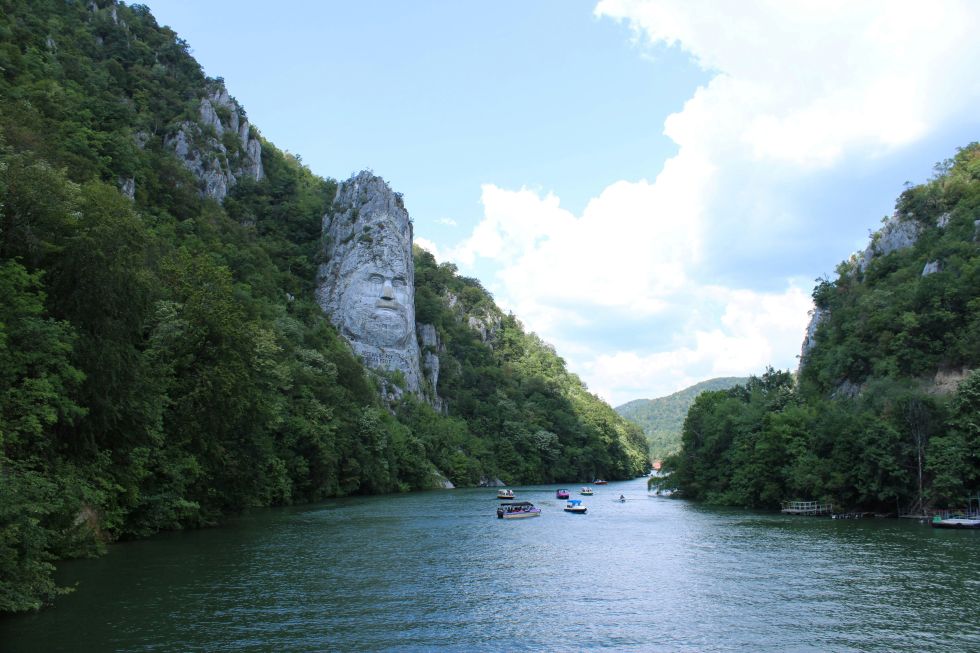
A Danube river cruise can feel effortless until the ship reaches an awkward dock. Then convenience may disappear within minutes. Mobility challenges often begin where glossy brochures stop showing photographs.
Modern river ships commonly include elevators, but access varies between ships and decks. Some elevators never reach the outdoor sun deck. Others cannot eliminate raised thresholds, narrow corridors, or steps near public areas.
Conditions ashore add another layer. Water levels can create steep gangways, while crowded ports sometimes force ships to dock beside each other. Reaching land may require crossing another vessel first.
Accessibility also changes by itinerary, excursion, and docking location. One port may offer a level walkway and nearby motorcoach. The next may deliver cobblestones, stairs, and an unexpectedly ambitious hill.
That uncertainty matters.
Before booking, compare your daily abilities with the least accessible moments, not the easiest ones. Most couples do the opposite. They picture the lounge, cabin, and gentle river views, then assume everything beyond them works equally well.
Wheelchair Users Who Cannot Manage Steps
Newer ocean ships and large resorts usually provide wider corridors, accessible cabins, and more reliable step-free routes. European river ships operate within tighter physical limits. Their smaller dimensions can create real barriers for full-time wheelchair users.
Side-by-side docking presents one hidden challenge. Passengers may cross connecting gangways, pass through another ship, and sometimes climb stairs between decks. Crew members can assist, but assistance cannot remove every physical obstacle.
Cabin access deserves careful investigation. Ask for exact door widths, bathroom layouts, shower thresholds, and turning space. Never accept “accessible” without details, photographs, and measurements.
Elevator questions also require precision. Which decks does the elevator reach? Can you reach the restaurant, lounge, reception area, and sun deck without steps?
Emergency procedures matter just as much. Ask whether the traveler must walk briefly, transfer independently, or climb stairs during an evacuation. Those answers may feel uncomfortable, but discovering them onboard feels considerably worse.
Ship design varies, including across the AmaWaterways Danube fleet. Confirm every feature on the specific vessel before paying a deposit. A cruise line’s general reputation cannot guarantee one ship’s suitability.
Travelers Who Struggle With Uneven Walking Surfaces
The Danube’s great cities reward curious travelers, but their streets rarely behave like modern shopping centers. Budapest, Vienna, Bratislava, and Passau feature curbs, slopes, cobblestones, and historic stairways. Smaller towns can prove even more demanding.
Budapest’s Castle District includes hills and uneven surfaces. Dürnstein’s narrow lanes can feel charming until every stone tests your balance. Hilltop viewpoints usually expect effort before delivering the view.
Standard walking tours may move faster than expected. Guides must cover promised landmarks within limited port hours. A group advertised as “leisurely” may still cross several blocks before the first meaningful pause.
Gentle-paced excursions can help, although they vary significantly. Panoramic motorcoach tours reduce walking while preserving major sights. Private guides offer more control over timing, routes, seating, and rest stops.
Independent taxi sightseeing creates another option. You can shorten distances, avoid steep approaches, and leave when fatigue begins. However, traffic restrictions may prevent vehicles from reaching historic centers.
The crucial question involves recovery, not pride. Could you manage another uneven walk tomorrow after today’s tour? Danube itineraries often repeat that demand across several consecutive days.
A walking limitation does not automatically place you among those who should avoid a Danube river cruise. Yet ignoring it can transform cultural discovery into daily physical negotiation. The next travel-style mismatch can feel less obvious, but equally frustrating.
Travelers Who Want Complete Control Over Their Daily Schedule
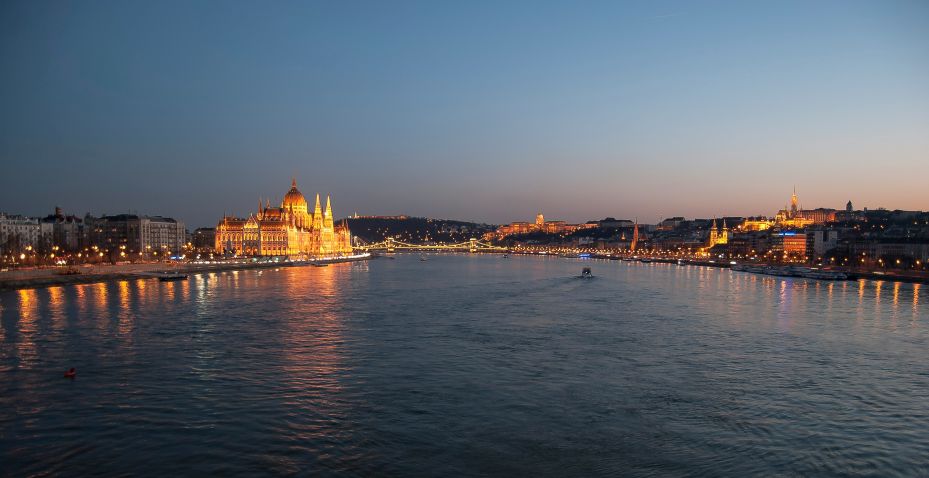
A Danube cruise runs beautifully because thousands of small decisions happen before you arrive. Docking times, meals, excursions, and sailing schedules follow a carefully managed rhythm. That structure feels luxurious when you want relief from constant planning. It can feel restrictive when you treasure complete control.
River conditions can also rewrite the day. Lock traffic, port restrictions, water levels, or operational decisions may change arrival times. A promised afternoon can shrink, shift, or disappear entirely. The river does not negotiate, even with excellent travel insurance.
This becomes one of the strongest reasons not to take a Danube cruise for fiercely independent travelers. A hotel-based European vacation offers more flexibility. You choose when to wake, linger, leave, or change direction. Yet that freedom also brings reservations, transfers, luggage, and daily decisions.
Most couples underestimate that tradeoff. They want effortless travel and unrestricted freedom, although those benefits rarely coexist completely. The better question concerns which limitation bothers you more. Your answer may reveal the right vacation faster than any brochure.
Independent Travelers Who Dislike Group Touring
Many included excursions follow a familiar pattern. You meet a guide, wear a headset, and walk with an organized group. Scheduled departures keep everyone moving efficiently. They also make spontaneous detours harder.
Perhaps you notice a quiet café beneath chestnut trees. Maybe a photographer wants twenty minutes beside the Parliament building. Another couple might discover a small museum with no line. The guide, meanwhile, has seventeen people and a schedule.
You can often explore independently, but short port calls create limits. Ships may sail before dinner or relocate while passengers tour. Longer lunches, serious shopping, and unhurried museum visits require careful timing. Missing the ship would create an exciting story, though perhaps not the desired kind.
A guided overview can still offer real value. This Budapest historical sightseeing walking tour covers major landmarks in about two-and-a-half hours. Travelers should consider whether group pacing matches their preferred style. Sometimes a private guide or unscheduled day works better.
Travelers Who Prefer Several Nights in Each Destination
Classic Danube itineraries often give Vienna, Bratislava, Budapest, and smaller towns one day or less. You receive an elegant introduction, not a deep relationship. That distinction matters more after fifty, when rushed travel often loses its charm.
Three or four hotel nights create a different experience. You can revisit a neighborhood, reserve a thoughtful dinner, or explore one museum slowly. Morning routines begin feeling familiar. Local life gradually replaces sightseeing pressure.
Budapest especially rewards extra time. The city changes between quiet mornings, lively afternoons, and glowing evenings along the Danube. Our guide to experiencing Budapest without travel burnout explores that slower approach. It may help you decide whether one port day feels sufficient.
Pre-cruise and post-cruise stays can solve part of the problem. Adding three nights in Budapest or Vienna creates breathing room around the sailing. However, it cannot deepen every destination along the route. That compromise works beautifully for some couples, while others may still prefer a land journey.
Travelers Who Expect Large-Ship Entertainment and Resort Amenities
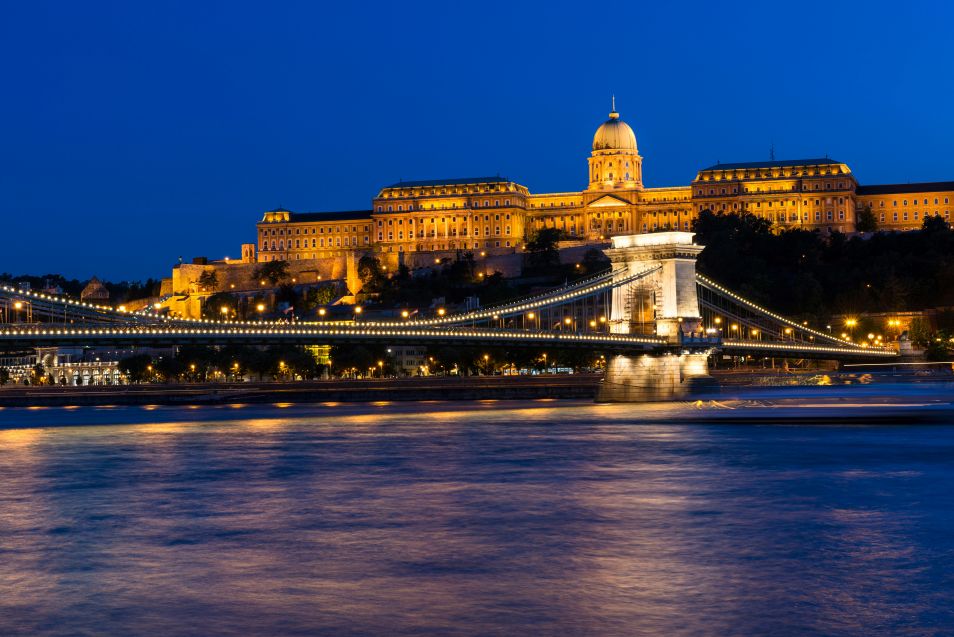
A Danube river cruise may disappoint travelers who expect entertainment from breakfast until midnight. These ships treat Europe as the main attraction. Scenery, dining, conversation, and cultural programs fill the hours instead.
Public spaces support that quieter rhythm. Most ships feature one main lounge, a compact fitness room, and perhaps a small pool. Spas, shops, and alternative restaurants remain limited compared with larger vessels.
That intimacy attracts many empty nesters. You recognize familiar faces, enjoy thoughtful conversations, and watch vineyards drift past your window. However, couples accustomed to resort choices may feel confined surprisingly quickly.
The hidden truth involves expectations. River cruising offers elegant simplicity, not a floating entertainment complex. Whether that sounds peaceful or painfully quiet reveals plenty about your likely experience.
Cruisers Who Want Shows, Casinos, and Late-Night Activity
Evenings often feature local musicians, lectures, trivia, piano music, or drinks in the lounge. Afterwards, many passengers head toward bed. The ship may sail quietly through darkness while riverside lights fade behind it.
Ocean ships create a different rhythm. Theaters, casinos, comedy clubs, nightclubs, multiple bars, and late dining keep evenings active. Guests can choose another venue whenever their mood changes.
River ships rarely offer that freedom. Someone who enjoys dressing for a show may find one lounge limiting. A devoted casino player will find the absence even more noticeable.
Consider how you behaved during previous vacations. Did you linger over dinner and enjoy quiet conversation? Or did the evening feel unfinished until music, cocktails, and entertainment appeared?
Budapest offers a useful glimpse of the quieter appeal. This Danube sightseeing night cruise passes illuminated landmarks with commentary and a welcome drink. The experience favors scenery over spectacle, which captures river cruising remarkably well.
Travelers Who Need Many Dining and Recreation Choices
Most river ships offer one primary restaurant, a lounge, and limited alternative dining. Menus change daily, but venues remain few. Couples who enjoy choosing among ten restaurants may feel options disappear quickly.
Cabins and public areas also run smaller than ocean counterparts. River ships must navigate locks and pass beneath low bridges. That engineering reality limits gyms, pools, spas, shops, and expansive gathering spaces.
Larger river ships can soften those limitations. AmaMagna carries 196 passengers and offers more space than standard designs. Its official profile highlights suites, Al Fresco dining, and generous public areas.
Yet even AmaMagna remains a river ship. You will not find a sprawling resort deck, enormous theater, or endless recreation program. More space does not change the vacation’s central character.
The comparison between AmaWaterways and Viking reveals how ship style can shape the entire journey. Choosing carefully can improve your experience. Still, no river cruise line can imitate every pleasure of a large ocean resort.
Travelers Who Cannot Accept Itinerary Changes
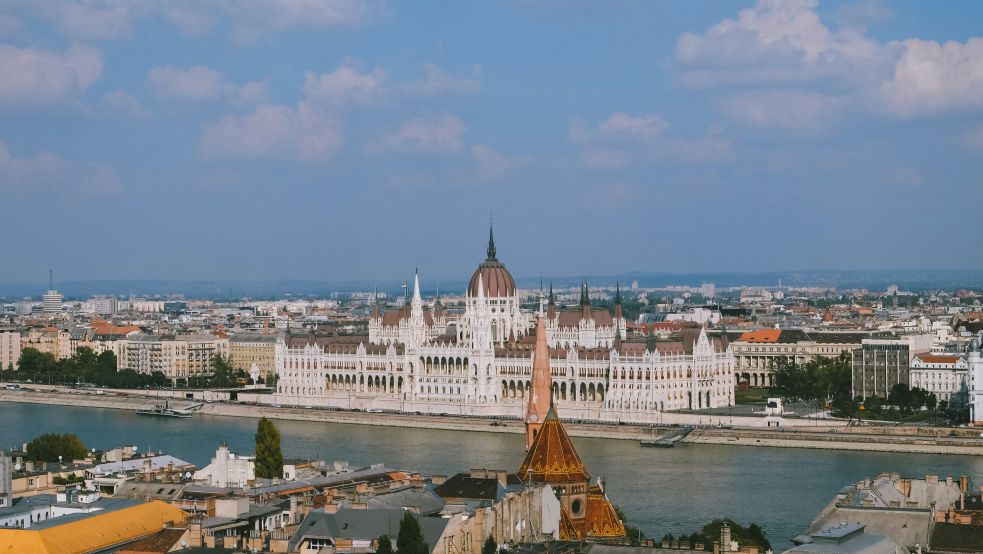
A Danube river cruise can change course, even when every detail looked settled months earlier. Low water may restrict navigation, while high water can reduce bridge clearance. Lock closures, port conditions, and traffic can also disrupt carefully planned schedules.
Cruise lines may change docks, shorten visits, arrange coaches, or move guests between ships. More serious disruptions can require hotel stays or cancellations. These alternatives preserve much of the journey, but they cannot recreate the original experience exactly.
That uncertainty unsettles travelers who expect every promised detail. Excellent operators prepare alternatives and communicate changes clearly. However, no company can guarantee uninterrupted sailing across every river section.
The hidden truth feels uncomfortable. You book an itinerary, but you travel on a working river. Anyone exploring reasons not to take a Danube cruise should consider their tolerance for that distinction.
Travelers Who View Every Port as Nonnegotiable
Some travelers choose a cruise because one destination holds deep personal meaning. Perhaps Melk Abbey anchors the trip. Maybe Budapest, Passau, Regensburg, or the Wachau Valley represents a lifelong dream.
That emotional investment creates risk. A changed schedule may replace scenic sailing with a coach ride. Shortened docking hours can also remove the concert, town, or guided visit that inspired the booking.
Most couples protect the cruise deposit but overlook the experience itself. Add hotel nights near your most important destination whenever possible. Refundable reservations and flexible independent plans provide another layer of protection.
A Vienna stay can preserve access to the Wachau Valley when river operations change. This Danube Valley and Melk Abbey day trip includes coach transportation, guided sightseeing, and seasonal river cruising. That backup cannot guarantee perfection, but it can protect an important priority.
Travelers Who Strongly Dislike Motorcoach Substitutions
Cruise lines sometimes use coaches when ships cannot navigate a particular river section. Passengers may tour by road and rejoin the vessel later. In larger disruptions, they might transfer to another ship.
The experience feels different immediately. River scenery gives way to highways, luggage may require repacking, and travel times can grow longer. A graceful sailing can suddenly resemble an escorted coach tour wearing a cruise badge.
Some travelers accept that compromise easily. Others feel cheated, especially when scenic sailing shaped their original expectations. Knowing your likely reaction matters before the river makes the decision for you.
Review the cruise contract before paying. Ask how the operator handles ship swaps, hotel stays, missed ports, and coach substitutions. Also request examples from previous disruptions, because broad promises rarely reveal the practical details.
Choosing the right operator can reduce frustration, though it cannot control the Danube. Our Danube river cruise and ocean cruise comparison explains how predictability differs between cruise styles. The next concern reaches beyond changed ports and directly into how you value money.
Travelers Whose Budget or Travel Style Does Not Match River Cruising
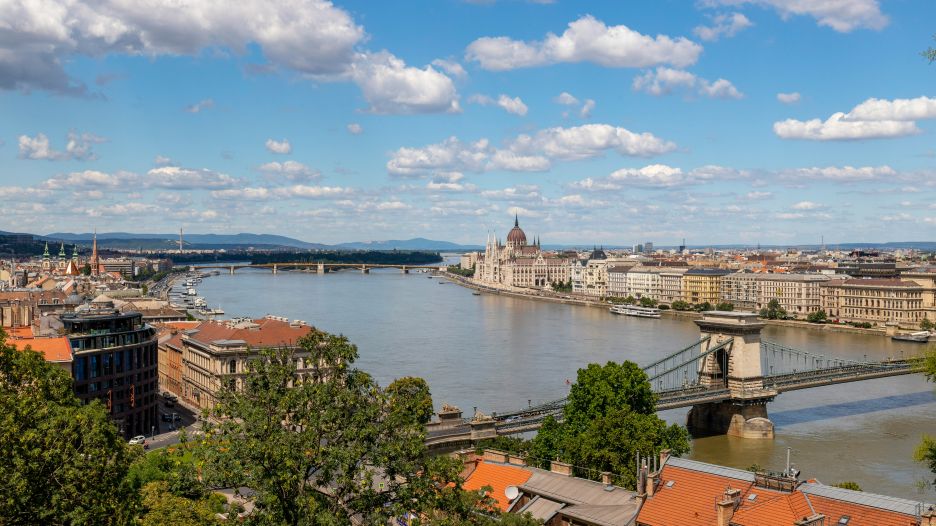
A Danube river cruise can offer strong value, but value and low price mean different things. Fares often include lodging, meals, transportation, guided sightseeing, and selected drinks. That convenient package removes many daily decisions.
However, the cruise fare rarely represents the entire vacation cost. International flights, gratuities, insurance, transfers, optional tours, and hotel extensions can add thousands. Premium drinks and upgraded cabins may raise the final figure further.
What most couples do wrong feels surprisingly simple. They compare the cruise fare with one hotel room or a single rail ticket. A fair comparison includes every meal, transfer, tour, and logistical detail across the entire trip.
That fuller number can still favor river cruising. Yet it may also expose a poor match, especially when your travel style values independence or privacy.
Travelers Searching for the Cheapest Way to Visit Europe
Independent travel can cost less than a premium river cruise. Modest hotels, apartment stays, trains, and self-guided sightseeing allow tighter spending control. Couples willing to plan carefully can save considerably.
Imagine seven nights across Vienna, Bratislava, and Budapest. You must price lodging, daily meals, rail tickets, local transportation, and guided tours separately. Airport transfers, luggage handling, and reservation mistakes also belong in the comparison.
A river cruise bundles much of that work. Independent travel replaces the higher fare with research, booking, navigation, and daily management. Some couples enjoy that process, while others consider it unpaid employment.
The cheapest option depends partly on your time. A lower upfront price loses appeal when planning consumes several weekends. Convenience carries real value, even when no invoice labels it.
This Budapest Parliament audio tour with a Danube cruise shows how independent travelers purchase experiences separately. Those individual costs can accumulate faster than expected. That arithmetic deserves attention before dismissing the cruise fare.
Travelers Who Prefer Privacy Over a Social Atmosphere
Small ships create a naturally social environment. You encounter the same passengers during breakfast, excursions, briefings, cocktails, and dinner. Familiarity develops quickly, whether you planned for it or not.
Shared tables may encourage warm conversations and unexpected friendships. They can also exhaust travelers who protect their private time. Compact cabins and limited quiet spaces make complete retreat harder.
Consider how you spend evenings at home or during previous trips. Do you enjoy meeting new couples over dinner? Would you rather disappear together after sightseeing and discuss the day privately?
A boutique hotel or private villa provides more distance. Luxury rail journeys offer intimacy with greater movement between public and private spaces. Customized land itineraries create even more control over company, pacing, and dining.
Privacy seekers do not automatically belong among those who should avoid a Danube river cruise. Selecting a larger cabin and requesting private dining can help. Still, the social rhythm remains part of the experience, and the next decision requires equal honesty.
How to Decide Whether You Should Avoid a Danube Cruise
The question is not whether Danube cruises are good. The real question is whether one fits how you travel. Mobility, independence, entertainment, flexibility, privacy, and total cost all shape that answer.
Some concerns disappear with careful choices. The right ship, cabin, itinerary, and excursion pace can improve comfort significantly. However, thoughtful planning cannot fix a fundamental mismatch.
Start by identifying your nonnegotiables. Then separate genuine needs from simple preferences. A small inconvenience feels different from a condition that could undermine your entire vacation.
Next, compare the cruise with a realistic alternative. Include planning time, transfers, meals, tours, and daily decisions. Most couples compare prices first, although lifestyle fit usually matters more.
A Danube cruise works best when convenience outweighs complete control. Travelers who value culture and guided access often appreciate its structure. Those wanting nightlife, privacy, or extended stays may prefer another path.
Questions to Ask Before Booking
Begin with an honest physical assessment. How far can you comfortably walk across cobblestones? Can you manage stairs, steep gangways, and several active days consecutively?
Ask detailed questions about accessibility. Confirm elevator coverage, cabin size, bathroom layout, dining accommodations, and onboard facilities. Also request exact information about excursion pace and walking distances.
Then examine disruption policies closely. What happens during low water, ship swaps, or motorcoach substitutions? Does the contract address missed ports, hotel stays, cancellations, or compensation?
Consider your preferred daily rhythm. Do you enjoy guided sightseeing and scheduled meals? Would fixed departure times interfere with photography, shopping, museums, or long café lunches?
Finally, discuss social preferences as a couple. Shared meals may create welcome friendships. Yet frequent interaction can feel draining when you value quiet time together.
Better Alternatives for Travelers Who Are a Poor Match
A customized Vienna and Budapest itinerary suits couples wanting deeper city stays. You control hotels, dining, tours, and free time. Private transfers also reduce physical strain and logistical stress.
Escorted coach tours provide structure without river navigation concerns. Luxury rail journeys deliver scenery, polished service, and changing destinations. Ocean cruises offer larger cabins, extensive dining, and stronger evening entertainment.
Private European tours create the most control. Guides can adjust pacing, transportation, and sightseeing around your needs. That flexibility often serves travelers with mobility concerns or specific cultural interests.
Some couples only want the river’s atmosphere. A one-hour Budapest sightseeing cruise offers illuminated landmarks without a weeklong commitment. You gain the view while keeping your hotel and schedule.
Culture-focused travelers may still find river cruising unusually rewarding. Why Empty Nesters Fall in Love With Danube River Cruises explores that appeal more deeply. The right answer depends on which compromises feel effortless and which feel unacceptable.
Choose the Danube Only If It Fits You
A Danube cruise should match your needs, energy, and preferred travel rhythm. Physical demands, fixed schedules, limited amenities, and possible changes can matter greatly. Ignoring those realities can turn anticipation into frustration.
Careful planning can reduce many concerns. The right ship, cabin, itinerary, excursions, and hotel stays can improve comfort considerably. Still, no clever booking decision can repair a vacation style that feels fundamentally wrong.
Choose the experience that reflects how you genuinely enjoy traveling. Perhaps that means a river cruise with guided access and effortless transitions. Another couple may prefer private tours, longer city stays, and complete independence.
Ready to explore what fits you best? Click Start Planning and share your travel preferences, priorities, and concerns. Together, we can shape a journey that feels comfortable, rewarding, and unmistakably yours.
Still gathering ideas? Join our private Facebook group for travel conversations, inspiration, and practical advice from fellow empty nesters. Your next journey may begin with one useful question.
P.S. Want to learn more about Danube river cruising? Check out these related articles:
• The Complete Guide to Your First Danube River Cruise
• Who Should Take a Danube River Cruise?
• Danube River Cruise Mistakes That Waste Time and Money