
A Hvar travel guide for empty nester couples should start with this simple truth: the island rewards people who stop rushing. Historic towns, clear Adriatic water, local wine, boating, and long dinners all fit naturally into one stay. You can experience plenty without turning every day into another sightseeing marathon.
That balance gives Hvar much of its appeal. Mornings can belong to stone streets and harbor views, while afternoons shift toward swimming or a shaded lunch. Evenings often feel better when they remain open.
Still, Hvar has its tradeoffs. Summer brings heat, crowds, busy ferries, higher demand, and nightlife that varies sharply by location. The wrong hotel or travel dates can change the experience more than many couples expect.
This guide will help you sort through the choices that matter most. We will cover Hvar Town, Stari Grad, beaches, the Pakleni Islands, food, wine, accommodations, transportation, timing, and stay length. By the end, you should know which version of Hvar fits the two of you best.
Why Hvar Works So Well for Empty Nester Couples
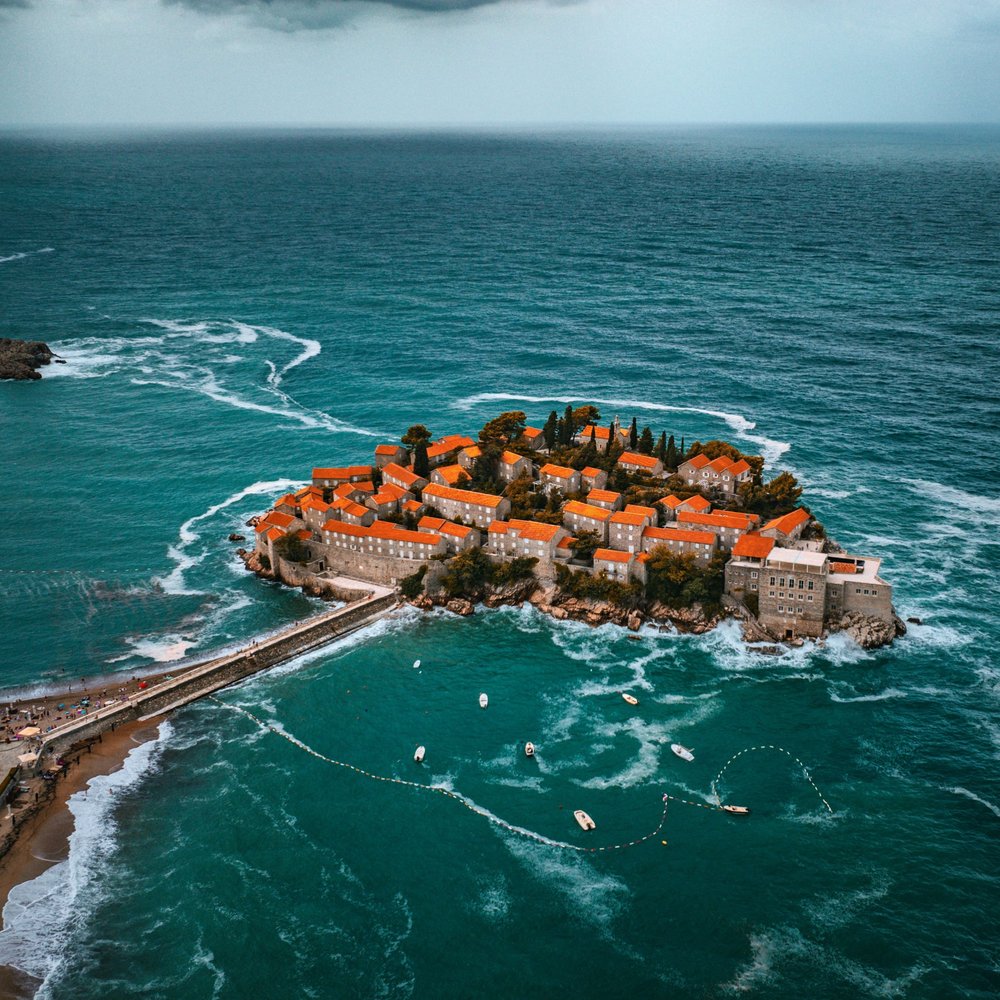
Hvar works because you can experience history, beaches, vineyards, villages, restaurants, and boating without constantly changing hotels. One island gives you enough variety for several very different days. That simplicity matters when you want more experience and less travel friction.
A morning might involve stone streets and historic architecture. Lunch can stretch beside the water, followed by swimming, wine tasting, or absolutely nothing scheduled. The day still feels full without feeling crowded.
Compared with fast island hopping, several nights on Hvar create a different kind of trip. You spend less time packing, boarding ferries, and learning another hotel room. More importantly, you start noticing the island beyond its headline attractions.
Hvar Offers More Than Beaches and Nightlife
Hvar’s reputation for yachts and nightlife tells only part of the story. Venetian architecture, vineyards, churches, inland villages, and old stone lanes reveal a much deeper island. Quiet coves and agricultural landscapes pull the experience far beyond the harbor scene.
Spend time in Hvar Town, then move inland or toward Stari Grad. Visit a local winery, explore a village, or swim somewhere without a row of waterfront bars. Those moments often reveal the Hvar many day-trippers never see.
That difference becomes obvious after excursion boats leave. Hvar Town softens, dinner slows down, and the waterfront feels less performative. Staying overnight gives you access to the island when it stops entertaining everyone else.
An Island That Makes Slower Travel Easy
A comfortable Hvar day can remain wonderfully simple. Explore in the morning, enjoy a waterfront lunch, then swim or rest before dinner. No heroic logistics required.
Weather, energy, and appetite can shape the day instead of controlling it. If the sea looks rough, visit a village or winery. When the sun feels relentless, move lunch earlier and sightseeing later.
That flexibility may feel unfamiliar after years of family vacations built around schedules. How Travel Changes When You’re No Longer the Family Tour Guide explores that shift more deeply. Hvar makes it unusually easy to travel around what the two of you actually want.
Explore Hvar Town Beyond the Waterfront
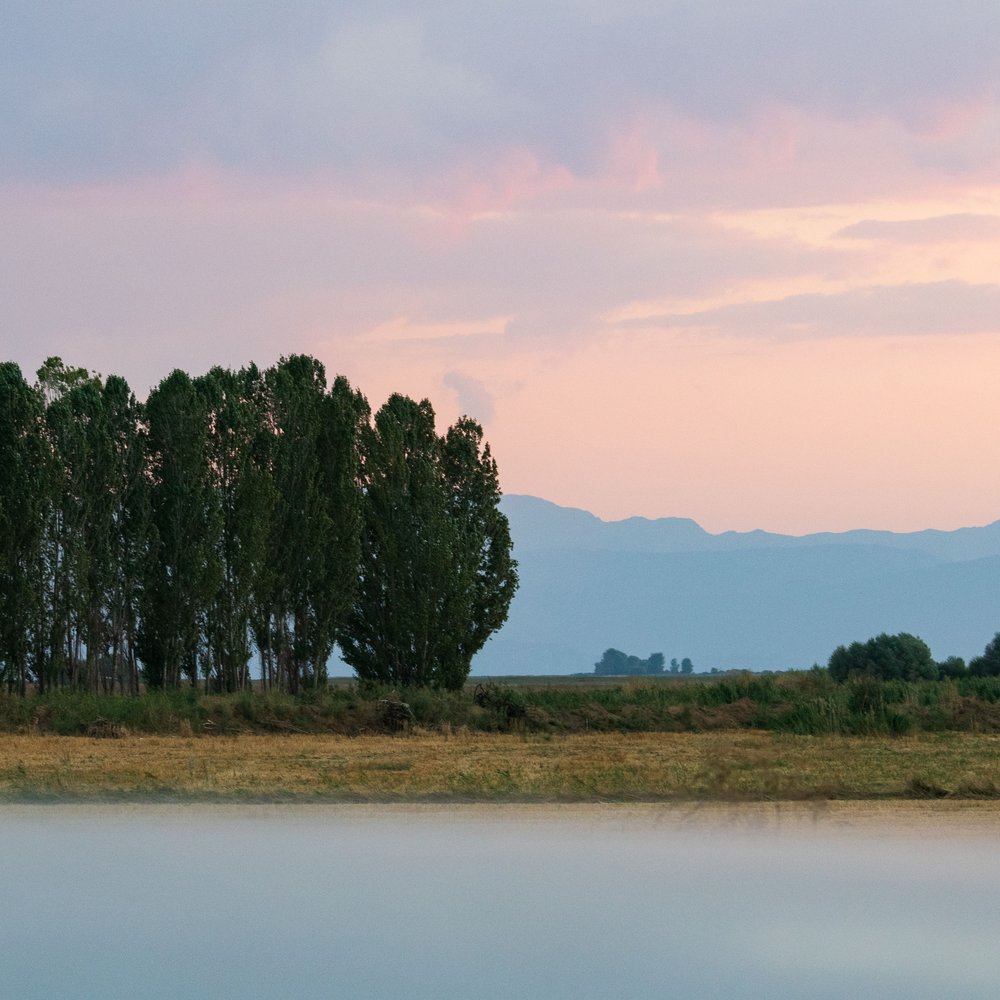
Hvar Town deserves more than a quick walk along the harbor. St. Stephen’s Square, the cathedral, Arsenal, theater, stone lanes, and fortress reveal layers many visitors barely notice. The waterfront may attract attention first, but the town becomes richer once you step away from it.
Morning usually works best for serious exploring. Cooler temperatures make the historic center and fortress climb far more pleasant. Afterward, lunch, swimming, or an unhurried afternoon beside the water feels like a reward instead of another task.
Evenings change everything again. Restaurants fill, boats return, and the harbor becomes more social. Walk a few streets uphill, though, and Hvar suddenly feels much quieter.
Discover Hvar Town’s Historic Center
St. Stephen’s Square forms the heart of historic Hvar Town. Nearby, the cathedral, Arsenal, historic theater, and harbor connect civic, religious, and maritime history. Each place adds context beyond the island’s modern reputation.
Venetian influence appears throughout the architecture and waterfront setting. Stone buildings, narrow lanes, and public spaces reflect centuries of Adriatic trade and cultural exchange. Hvar becomes much more interesting when you view it as a historic port.
Do not stop at the main square. Climb a side stairway, notice a tiny church, or wander past residential doors and tucked-away galleries. Quieter cafés often appear just beyond the busiest routes.
For more Croatian history, read Experience a Croatia Historical Tour in Luxury. The article places Hvar within Croatia’s broader architectural and historical story. That context can make even a casual walk feel more meaningful.
Walk to Fortica for Hvar’s Signature View
The climb to Fortica begins gently, then becomes steeper through uphill streets and steps. Some sections offer shade, but summer heat changes the effort considerably. Comfortable shoes matter more here than stylish intentions.
From the fortress, Hvar Town spreads beneath you around the harbor. The Adriatic, surrounding coastline, and Pakleni Islands fill the horizon. That view helps you understand how closely Hvar’s history connects with the sea.
Walking provides the fullest experience, but it is not the only sensible choice. Heat, mobility, or limited energy may justify using transportation partway. Saving your legs can improve the rest of the day considerably.
The important part is reaching the viewpoint comfortably. You do not earn extra vacation points by arriving exhausted. Hvar usually rewards good judgment more than unnecessary effort.
Discover Stari Grad and Hvar’s Quieter Side

Stari Grad shows a different version of Hvar. Its harbor, stone streets, traditional buildings, and quieter evenings feel far removed from Hvar Town’s busier waterfront. That contrast makes the island feel broader and more interesting.
You can combine Stari Grad with vineyards, villages, scenic driving, and the surrounding countryside. The pace stays relaxed because these experiences connect naturally. One day here can reveal more about Hvar than another afternoon beside the marina.
The deeper story begins just outside town. The Stari Grad Plain preserves an agricultural landscape first organized by Greek colonists in 384 BC. Its ancient divisions remain visible more than 2,400 years later.
Spend Time in Stari Grad Instead of Simply Passing Through
Stari Grad deserves several hours, even if you sleep in Hvar Town. Its waterfront cafés, restaurants, narrow streets, and traditional stone buildings encourage slower wandering. The atmosphere feels calmer almost immediately.
That difference becomes especially noticeable in the evening. Hvar Town offers more nightlife and harbor activity, while Stari Grad favors quieter dinners and unhurried waterfront walks. Neither choice is better for everyone.
Couples who value energy and boat access may prefer Hvar Town. Travelers seeking softer evenings and less activity may feel more comfortable in Stari Grad. Spending time in both helps you understand which version of island life suits you.
Explore the UNESCO-Listed Stari Grad Plain
Greek settlers divided the plain into rectangular agricultural plots more than 24 centuries ago. Dry-stone walls and intersecting paths still reveal that original geometric system today.
Walk or drive through the landscape, and you will see vineyards, olive groves, stone walls, paths, and small shelters. Farmers still use much of this land. That continuity makes the plain feel less like an archaeological site and more like living history.
The landscape also explains what later appears on your table. Hvar’s wine, olive oil, produce, and food traditions grow from this agricultural foundation. Suddenly, a tasting or dinner carries much more context.
The official Visit Hvar UNESCO Heritage guide explains the plain’s history and surviving land divisions in greater detail.
Spend a Day on the Water Around Hvar
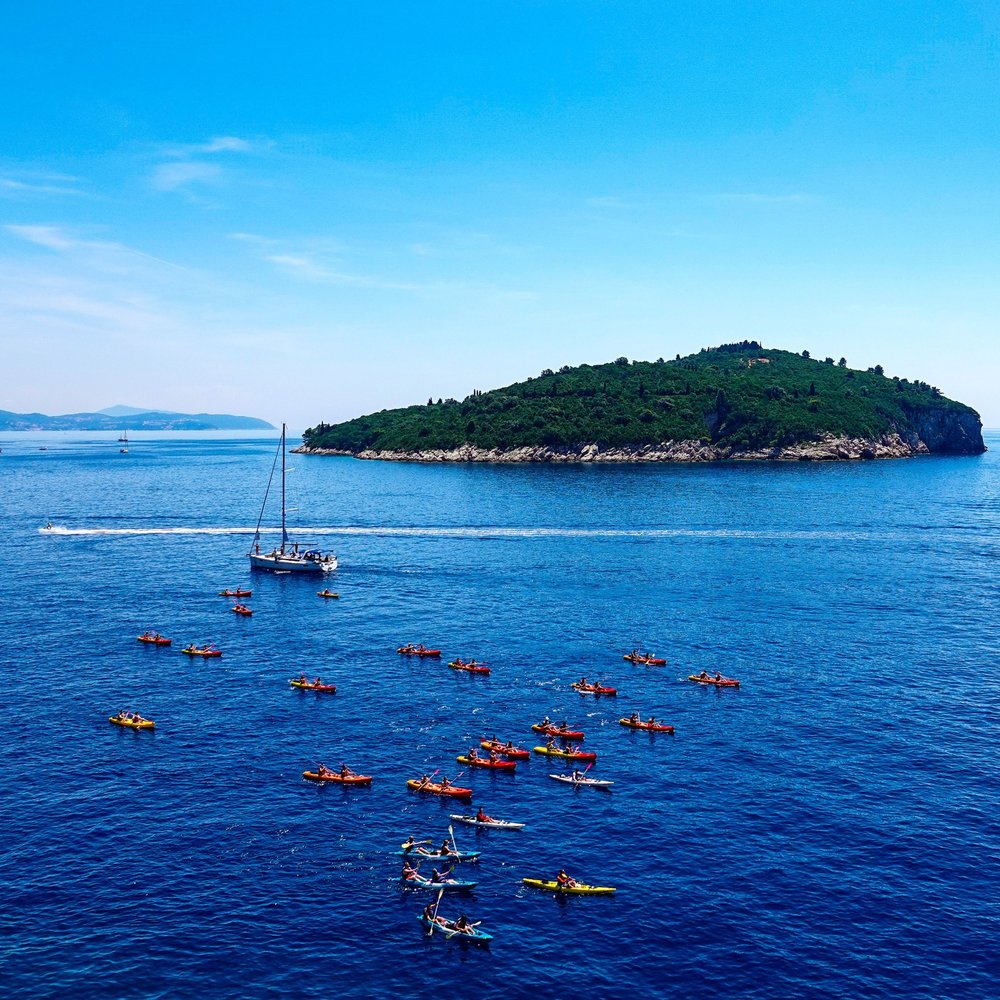
Hvar makes its strongest case from the water. Hidden coves, rocky beaches, swimming spots, and nearby islands become much easier to reach by boat. The coastline also looks completely different once Hvar Town disappears behind you.
Private boats offer the greatest freedom. You control swimming time, quieter stops, lunch plans, and how quickly the day moves. Shared excursions cost less, but schedules and other passengers inevitably shape the experience.
The bigger decision involves distance. The Pakleni Islands provide an easy, relaxed boating day close to Hvar Town. Blue Cave and Vis excursions deliver more variety, but they require longer hours and considerably more boat time.
Choose according to the day you actually want. Adventure sounds appealing until repeated speedboat rides stop feeling adventurous. Sometimes clear water, a good lunch, and nowhere else to reach win easily.
Explore the Pakleni Islands at Your Own Pace
The Pakleni Islands sit directly across the water from Hvar Town. Pine-covered islands surround clear coves, beaches, swimming areas, and several places for lunch. Their proximity makes them ideal for an unhurried day.
A private boat lets you avoid treating every bay like another scheduled stop. You can swim longer, leave crowded areas, or adjust lunch around your appetite. That flexibility often matters more than squeezing another island into the itinerary.
This Private Tour of Pakleni Islands, Red Cliffs and South Shore of Hvar currently lasts about seven hours. The private tour visits beaches, Red Rocks, and the Pakleni Islands with a customizable itinerary.
Please note that this particular tour requires moderate physical fitness. It also advises against participation for travelers with back problems. Those details deserve consideration before booking any speedboat experience.
Decide Whether the Blue Cave and Vis Deserve a Full Day
Blue Cave excursions appeal because they combine several famous Adriatic locations within one ambitious day. Routes can include Biševo, Vis, Stiniva Cove, Budikovac, swimming stops, and the Pakleni Islands. You certainly will not suffer from a lack of scenery.
You will spend more time traveling, though. Longer speedboat days bring repeated boarding, stronger sun exposure, changing sea conditions, and less control over the pace. Cave access can also depend on weather and water conditions.
Check out this Private Custom Island Hopping Speedboat Tour From Hvar. The private format lets travelers customize an island-hopping day around Hvar.
The decision comes down to what you value more. Choose Blue Cave when variety and adventure outweigh the longer day. Pick the Pakleni Islands when swimming, conversation, lunch, and slower hours sound better.
Neither choice represents the superior Hvar experience. The better one simply matches how the two of you want to spend a day.
Food, Wine, and Evenings on Hvar

Food on Hvar reflects the island around you. Fresh fish, olive oil, vegetables, cured meats, cheeses, and simple preparations dominate traditional Dalmatian cooking. Nothing needs much decoration when the ingredients already taste this good.
Wine deserves equal attention. Hvar’s vineyards grow across rocky slopes and agricultural land shaped by generations of farming. Local bottles bring that landscape directly to the dinner table.
Evenings depend largely on where you spend them. Hvar Town offers energy, harbor activity, and late-night options. Stari Grad, inland villages, and smaller bays create quieter settings where dinner can become the evening itself.
What to Eat and Drink on Hvar
Start with grilled Adriatic fish, octopus salad, local cheeses, olive oil, and whatever vegetables happen to be in season. Peka offers slow-cooked meat or seafood, while gregada combines fish, potatoes, onions, and olive oil. These dishes reveal Hvar better than another international menu ever could.
Local wine completes the picture. Hvar produces both whites and reds, including wines made from indigenous Croatian grapes. Crisp whites complement seafood, while fuller reds work beautifully with grilled meats and slower dinners.
Look for restaurants with focused menus, regional dishes, seasonal ingredients, fresh seafood, and meaningful selections of Croatian wine. Huge menus often suggest a kitchen trying to please everyone. That rarely produces the meal you remember.
For more regional ideas, explore Mediterranean Food and Wine: Savor the Best at These Ports. Hvar fits naturally within that broader Mediterranean relationship between food, wine, coastline, and place.
Leave the Waterfront for a Hvar Wine Experience
Ordering local wine at dinner gives you a taste. Visiting a winery gives you the story behind it. Vineyards, rocky terrain, dry summers, and local farming traditions suddenly connect with what reaches your glass.
A guided tasting also removes one practical problem. Both of you can participate without deciding who gets stuck driving afterward. That seems like a small detail until the second tasting begins.
This Twice the Wine, Two Wineries Half-Day Tour visits two Hvar wineries with a small group. The experience includes local wines, regional food, and transportation between wineries.
Another option is a Private Hvar Wine Tasting Tour with Traditional Dinner or Lunch. It combines two wineries, village scenery, tastings, and a traditional meal.
The real value goes beyond drinking better wine. You meet the island through people who grow, make, and serve what you are tasting. Dinner afterward may never look quite the same.
Where to Stay on Hvar
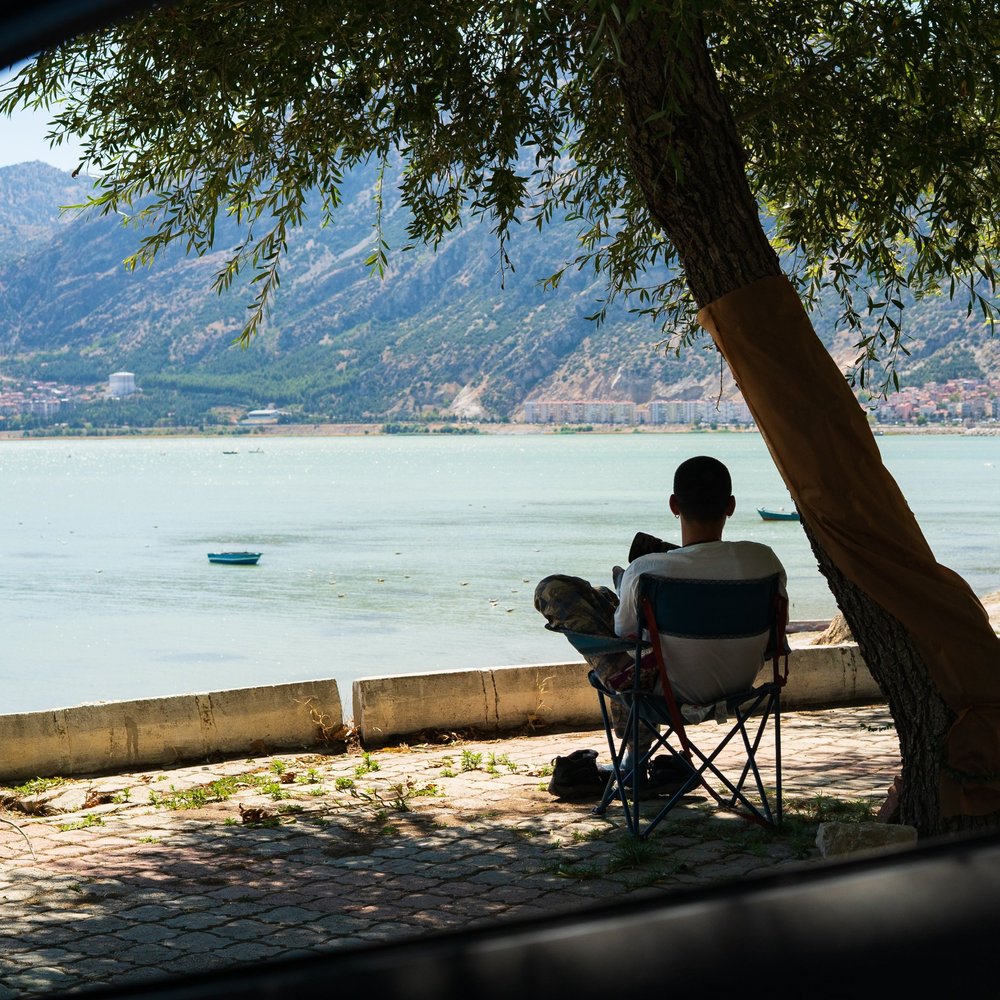
Where you stay on Hvar affects nearly every part of the trip. Restaurants, beaches, ferries, nightlife, hills, and transportation all change depending on your base. A beautiful hotel can still create daily frustration if the location works against you.
Hvar Town offers energy and convenience. Stari Grad feels calmer, while quieter coastal areas can provide more space, privacy, and easier access to the water. Inland stays trade immediacy for scenery and a slower rhythm.
The real question is not which area is best. It is which area matches how you want your days to feel. That choice deserves more attention than another list of highly rated hotels.
Choose Hvar Town for Convenience and Energy
Hvar Town works well if you want restaurants, historic sights, boat departures, harbor activity, and evening options within easy reach. You can walk to many major experiences without planning transportation. That convenience adds real value on shorter stays.
Still, summer can feel busy. Hills, stairs, nightlife noise, and higher prices may surprise couples expecting effortless island living. Central does not always mean easy.
Look closely at the property’s exact location before booking. Some Hvar Town hotels sit well above the harbor or require significant steps. A five-minute map distance can feel much longer with luggage in the afternoon heat.
Consider Stari Grad or a Quieter Location for More Space
Stari Grad offers a different pace. Evenings feel softer, streets stay quieter, and the atmosphere centers more on local life than nightlife. Ferry access can also work well depending on your arrival route.
Quieter coastal hotels and villas may suit couples who value privacy, pools, larger rooms, views, and direct water access. That space can feel especially rewarding after busy sightseeing days. The tradeoff comes when dinner requires a taxi instead of a short walk.
Seclusion sounds wonderful until every outing becomes transportation planning. Consider restaurant access, transfers, rental cars, and evening travel before committing. Comfort means more than the room itself.
If you are comparing boutique properties with larger resorts, read Why Empty Nesters Often Enjoy Smaller Hotels More Than Resorts. The right Hvar stay often comes down to that exact choice.
When to Visit Hvar and How Long to Stay
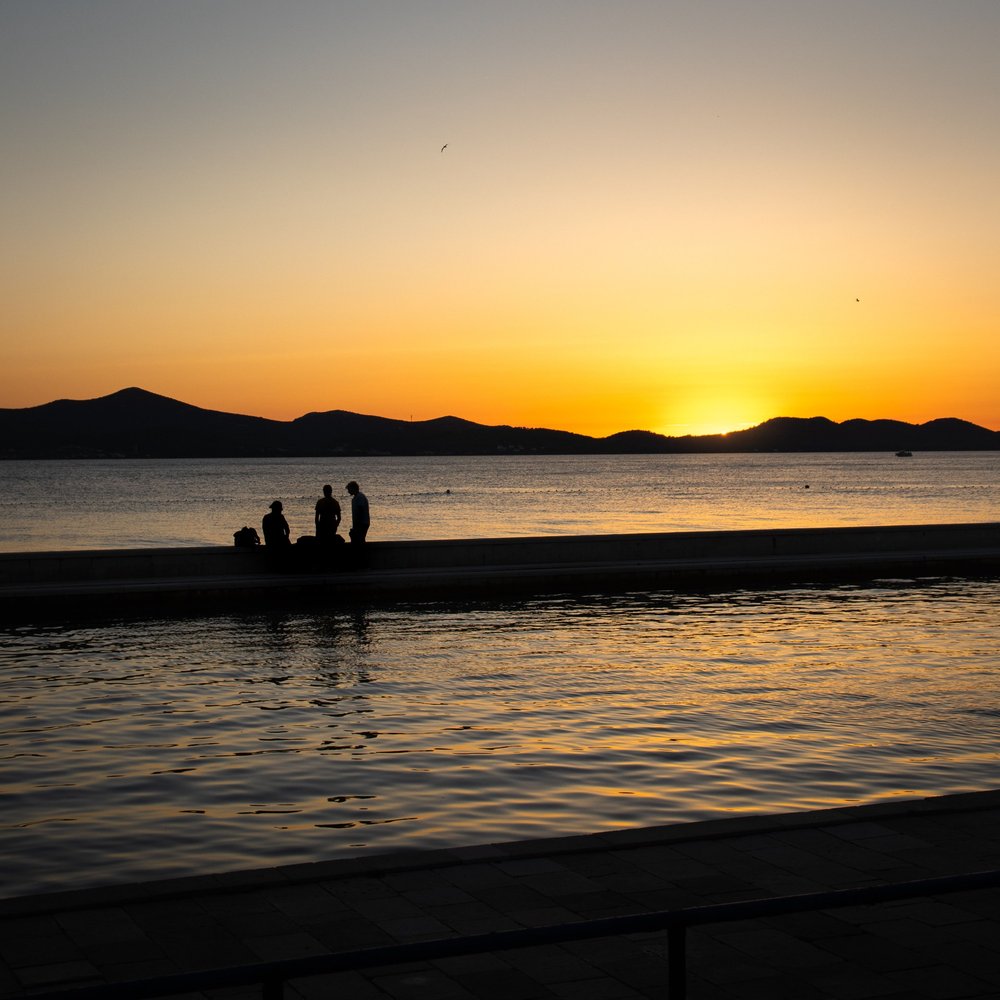
Timing changes Hvar more than many first-time visitors expect. May, June, September, and October bring a different rhythm than July and August. The right month depends on what you want most from the island.
Length of stay matters just as much. Two nights provide a glimpse, while four or five allow Hvar to feel like a real destination. More time also reduces pressure to make every sunny hour productive.
Practical planning helps protect that slower pace. Check ferry schedules, reserve summer accommodations early, and plan luggage transfers before arrival. Good shoes, sun protection, and flexibility around boating weather also matter.
Choose Your Season Around the Hvar Experience You Want
May and June usually offer comfortable sightseeing, outdoor dining, and fewer crowds than midsummer. Swimming becomes more appealing as June progresses. Ferry service also increases as the main travel season builds.
September often delivers warm water with a calmer atmosphere after peak summer. October brings quieter streets and cooler temperatures, though swimming becomes less predictable. Both months suit couples who value space more than nightlife.
July and August bring Hvar at full volume. Harbors stay busy, nightlife grows stronger, and warm Adriatic water makes swimming especially appealing. Hotel demand and crowds also reach their highest levels.
There is no universally perfect month. Check your exact dates, ferry schedules, and preferred activities before deciding. Hvar feels very different depending on when you arrive.
Give Hvar Enough Nights to Feel Like an Island Stay
Two nights provide enough time for Hvar Town and one relaxed evening. Three nights allow a major boat experience without sacrificing the historic center. Even then, the island can still feel slightly rushed.
Four nights change the pace considerably. You can explore Hvar Town, visit Stari Grad, spend a day boating, and still protect downtime. That balance suits many empty nester couples especially well.
Five nights open the island further. Wine tasting, villages, beaches, boating, and long meals can fit without occupying every available hour. You also gain permission to change plans when weather or energy says otherwise.
That freedom matters more than another attraction. The Joy of Taking a Trip Without an Itinerary explores why leaving space can improve travel. Sometimes the best afternoon begins with nothing planned.
If your travel style has changed since the children left home, that is normal. Empty Nest Travel Isn’t Better. It’s Different. explores that shift. Hvar gives you an unusually good place to enjoy what comes next.
Hvar Is Better When You Stay Long Enough to Feel It
Hvar works especially well for empty nester couples because it offers variety without constant movement. History, beaches, wine, boating, and long dinners can all fit naturally into one stay. The island gives you plenty to do without demanding that you do everything.
The bigger decisions shape the trip more than most people expect. Your town, hotel, season, boat experience, and pace all affect how Hvar feels. Treating the island like another quick stop usually means missing what makes it worth visiting.
Maybe your version of Hvar centers on swimming and boating. Perhaps you care more about Stari Grad, local wine, quieter evenings, or long meals near the water. The best trip often comes from choosing fewer things and enjoying them more.
If Hvar sounds right for you, click here to start planning your vacation. Tell us what matters most, and we can help shape the trip around your pace and priorities. Your Hvar experience should feel comfortable, personal, and worth the time you invested in taking it.
Still gathering ideas? Join our private Facebook group for empty nester travelers. You can ask questions, compare destinations, and see how other couples are planning this stage of travel.
Hvar gives you many ways to spend your time. The best one is the version that feels right for the two of you.
P.S. Planning a trip to Croatia?
These guides can help you compare destinations, understand the differences between Croatia’s most popular stops, and decide whether a land trip or small-ship cruise fits you best.
- Split Travel Guide for Empty Nester Couples — Discover the best things to see and do in Split, where to stay, and how to balance historic sightseeing with a more relaxed Croatian coastal experience.
- Dubrovnik for Empty Nester Couples: What to Know Before You Go — Get practical advice for visiting Dubrovnik, including where to stay, what deserves your time, and how to experience the city while avoiding some of its biggest crowds.
- Croatia Small Ship Cruises: Which One Is Right for You? — Compare the different styles of small-ship cruising in Croatia so you can decide which experience, itinerary, and level of comfort best match the way you like to travel.

Leave a Reply