
A Split travel guide for empty nester couples starts with one big advantage: you can experience a lot without living from suitcases. Roman history, beaches, waterfront cafés, restaurants, and island ferries all sit within one manageable base. That convenience gives you more time to enjoy Split and less time handling logistics.
The city feels active without demanding constant movement. You can explore Diocletian’s Palace in the morning, linger over lunch, then walk the Riva before dinner. Beaches and boat trips add variety, while the historic center keeps culture close.
Still, Split requires a little planning. Summer brings heat, crowds, busy ferries, and slick stone streets that can wear you down quickly. The hidden truth is that better pacing often creates a better trip than adding another attraction.
This guide will help you sort through the choices that matter most. We will cover Diocletian’s Palace, neighborhoods, beaches, food, day trips, timing, accommodations, and the right length of stay. By the end, you should know what kind of Split trip fits the two of you best.
Why Split Works So Well for Empty Nester Couples

Split works because so much of the city fits comfortably into one stay. History, beaches, restaurants, parks, ferries, and waterfront life sit surprisingly close together. You can experience variety without constantly packing, transferring, and starting over somewhere new.
That matters more than it sounds. One morning can involve Roman history, while the afternoon brings swimming or a long waterfront lunch. Evenings can remain completely open, which feels refreshing after years of vacations built around family schedules.
The real advantage is flexibility. Split gives you choices without demanding that you use every one of them. A good base lets you decide how energetic you feel each morning instead of obeying yesterday’s itinerary.
A City Where Major Experiences Stay Close Together
Diocletian’s Palace, the Riva, markets, restaurants, historic squares, and ferry port all occupy a remarkably compact area. You can move between major experiences largely on foot. That keeps transportation from consuming the best hours of your day.
A comfortable morning might begin inside the palace before crowds build. Lunch can stretch longer than planned, followed by waterfront wandering and absolutely nothing scheduled afterward. For many empty nester couples, that freedom feels better than another reservation.
Larger European cities often require trains, taxis, and careful route planning between major attractions. Split asks much less from you geographically. The difference leaves more energy for the parts of travel you actually remember.
History, Coastline, and Everyday Life Share the Same Streets
Split never feels like a historic district preserved behind glass. Residents still live, shop, drink coffee, and run businesses among structures with Roman foundations. Ancient stone forms part of everyday life rather than sitting apart from it.
Walk a few minutes, and the Adriatic changes the mood completely. Beaches, boat trips, waterfront restaurants, and island views sit beside centuries of history. Few destinations make switching between culture and relaxation this easy.
Still, do not spend every hour chasing landmarks. Markets, neighborhood streets, cafés, and ordinary routines reveal a different Split. Sometimes watching the city live tells you more than another monument ever could.
That slower approach may feel familiar if family vacations once required constant coordination. How Travel Changes When You’re No Longer the Family Tour Guide explores that freedom more deeply. Split happens to be an excellent place to start enjoying it.
Explore Diocletian’s Palace and Historic Split
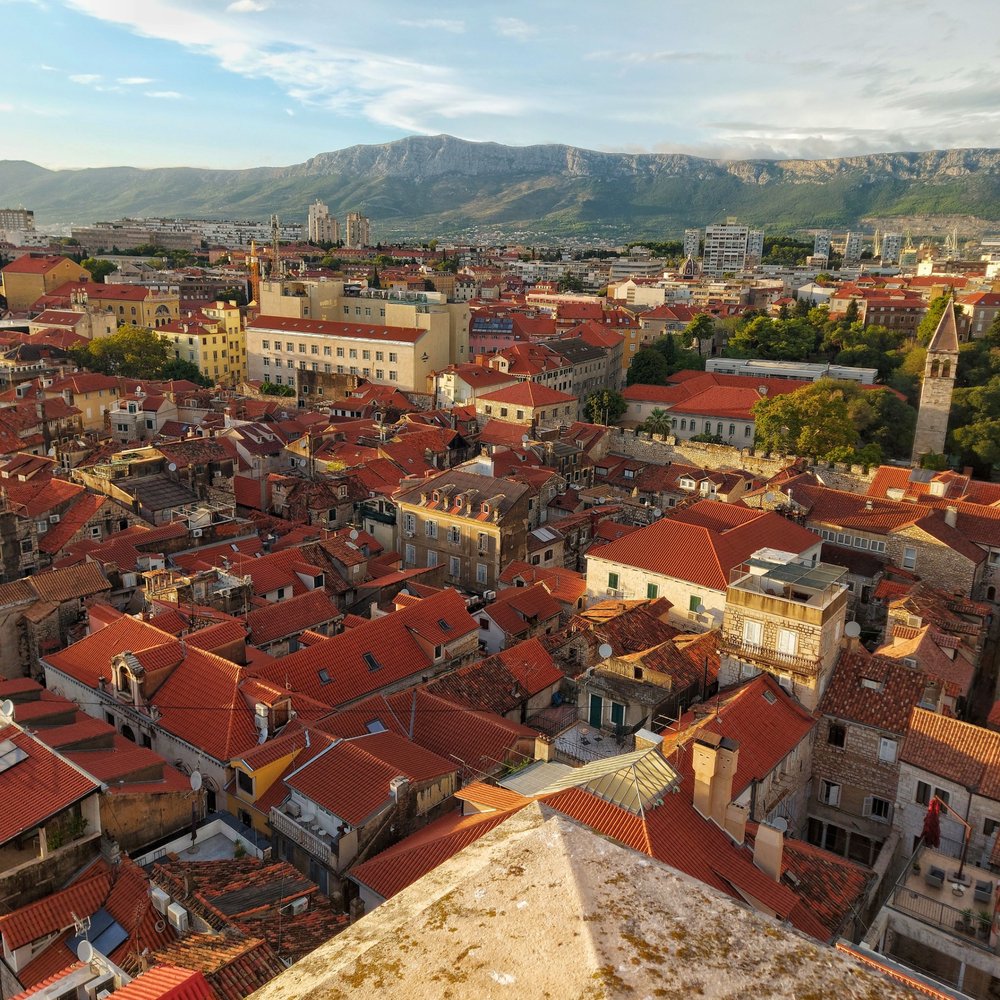
Diocletian’s Palace should anchor any Split travel guide because the city literally grew through and around its Roman foundations. Emperor Diocletian built the complex around the turn of the fourth century. Later generations transformed those imperial spaces into streets, homes, churches, shops, and gathering places.
The major sights sit close together, but each reveals something different. Peristyle shows the palace’s ceremonial heart, while the cellars reveal its massive underlying structure. Golden Gate, the Vestibule, Temple of Jupiter, and Cathedral of Saint Domnius add more layers.
Still, avoid turning the palace into a scavenger hunt. A guided introduction can explain what you are seeing before you wander independently. That combination usually feels richer than spending hours following a raised umbrella.
Experience Diocletian’s Palace as a Living City
The remarkable part of Diocletian’s Palace is not simply its age. People still eat, shop, work, and live among structures dating back roughly 1,700 years. UNESCO recognizes this unusual blend within Split’s protected historic complex.
Start around Peristyle, where Roman columns frame one of Split’s most memorable gathering spaces. Continue through the Vestibule, palace cellars, Golden Gate, Temple of Jupiter, and cathedral. Each stop helps reveal how Roman Split evolved rather than simply survived.
Then look beyond the monuments. Tiny courtyards, apartment windows, cafés, passageways, and shops occupy spaces once connected to an emperor’s residence. That everyday life makes the history feel unusually close.
If Croatia’s layered past interests you, explore Experience a Croatia Historical Tour in Luxury. The article connects Split with Croatia’s wider Roman, Venetian, and architectural heritage.
Decide Whether to Explore Independently or With a Private Guide
Independent wandering gives you freedom to stop whenever something catches your attention. You can linger over coffee, revisit a courtyard, or abandon the route entirely. That flexibility suits couples who dislike rigid sightseeing schedules.
A private guide offers something different. The Private Walking Tour of Split and Diocletian Palace covers major palace sights during a private historical walk. The experience includes Diocletian’s Palace, Golden Gate, City Clock, and Saint Domnius Cathedral.
The strongest approach may combine both styles. Take a guided tour early, then return later without anyone controlling your pace. Suddenly, those stone passages carry stories instead of simply looking old.
That context matters in Split. Roman foundations sit beside medieval churches and later architectural additions across the historic center. Once you recognize those layers, wandering becomes much more interesting.
Discover Split Beyond the Palace
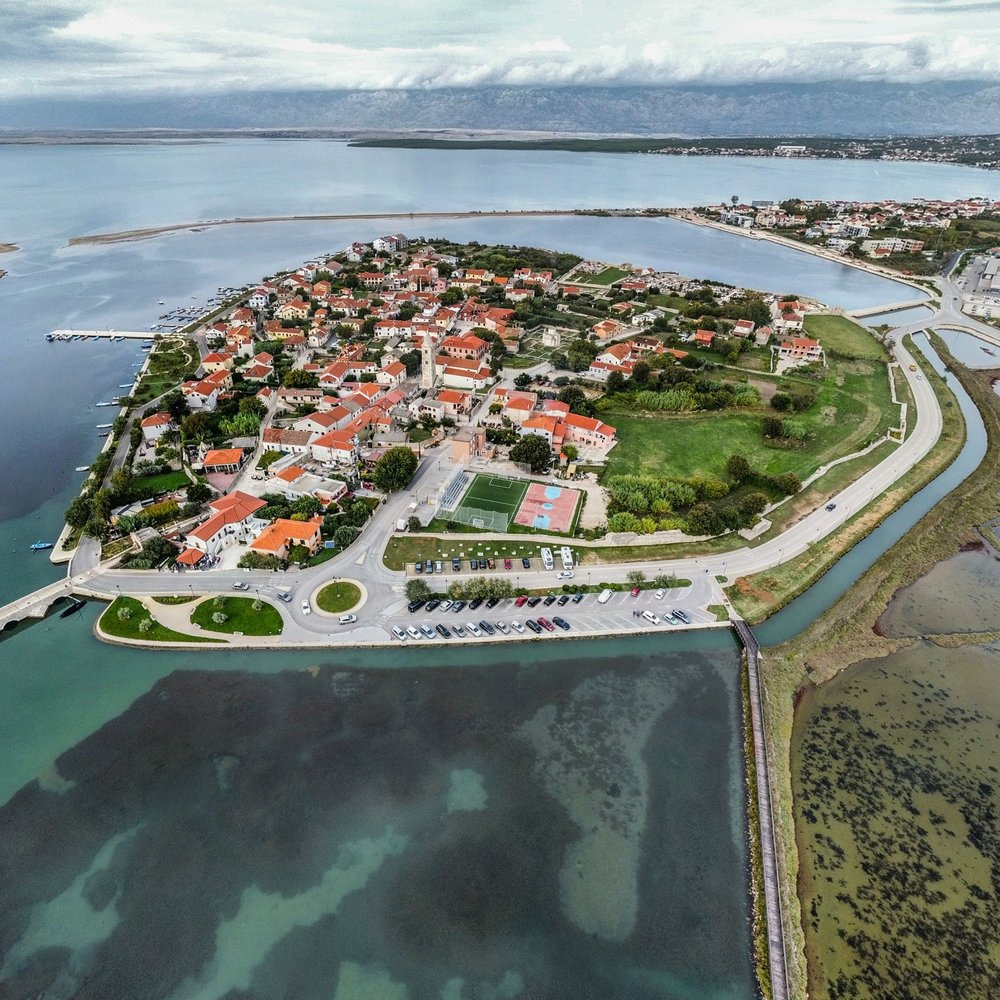
Split becomes more interesting when you leave the palace walls behind. Marjan, beaches, waterfront paths, and quieter neighborhoods reveal how locals actually use the city. That contrast can feel especially welcome after several hours of intensive sightseeing.
Some days should involve climbing viewpoints and exploring hidden corners. Others might require nothing more ambitious than swimming, lunch, and a slow walk beside the Adriatic. Both belong in a good Split travel guide.
The hidden truth is that downtime rarely feels wasted here. Coastal life gives you permission to change gears without leaving the destination behind. Sometimes the quieter afternoon becomes the part you remember most.
Walk Marjan for Views and a Quieter Side of Split
Marjan Forest Park rises beside Split as a wooded peninsula filled with paths, viewpoints, and historic religious sites. You can walk there directly from the waterfront near the Riva. The official Split Tourist Board guide to Marjan highlights several lookout points across the park.
You do not need to treat Marjan like an athletic achievement. A shorter climb can deliver sweeping views without consuming your entire afternoon. That approach makes particular sense during warmer months when exposed walking quickly drains your energy.
From higher points, Split spreads below you beside the Adriatic. Nearby islands and surrounding landscapes become easier to understand from above. The city suddenly feels less like monuments and more like part of a much larger coastline.
Marjan also provides something harder to photograph. Trees replace stone walls, traffic fades, and the city feels noticeably farther away. After a busy morning, that change can reset the entire day.
Make Room for the Beach Without Turning Split Into a Resort Vacation
Bačvice offers Split’s easiest combination of city life and swimming. The sandy beach sits near the harbor and remains one of the city’s best-known gathering places. Locals even play the traditional game of picigin in its shallow water.
Beaches around Marjan generally feel more scenic and removed from central Split. Many Croatian shorelines include pebbles or rocks, so water shoes can prove surprisingly valuable. Shade also matters during summer, especially after spending the morning walking historic streets.
You do not need an entire beach day. A few hours swimming, reading, or sitting beside the Adriatic can restore energy between sightseeing days. That break often helps couples enjoy the next experience instead of simply enduring it.
Most couples get Split wrong when they treat relaxation as leftover time. Build it into the trip intentionally. The city becomes much easier to appreciate once you stop trying to earn every afternoon.
Food, Wine, and Evenings in Split
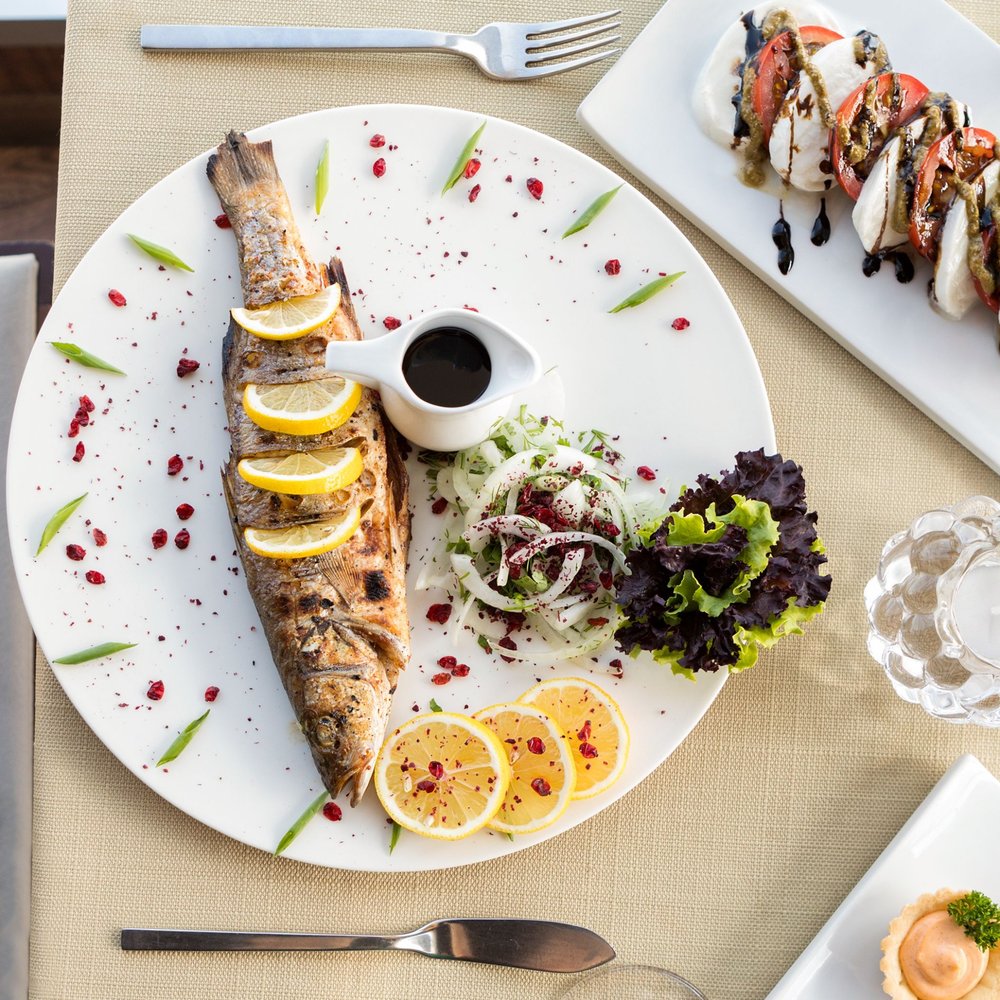
Food gives Split another reason to slow down. Dalmatian cooking leans on fresh seafood, olive oil, seasonal vegetables, cured meats, and simple preparation. The best meals often taste less complicated than they look.
That simplicity pairs naturally with the city’s evening rhythm. You can move from dinner to the Riva, then wander through stone streets without needing another reservation. Split rarely requires nightlife to feel alive.
Wine adds another layer. Croatian varieties such as Pošip, Plavac Mali, and Babić deserve attention beside more familiar international grapes. Trying local wine often tells you more about the region than another glass of something you already know.
What to Eat and Drink in Split
Start with grilled Adriatic fish, octopus salad, black risotto, and seafood prepared with olive oil and herbs. Peka, pršut, local cheeses, and seasonal vegetables broaden the picture. These dishes reflect Dalmatian cooking rather than generic Mediterranean menus.
Pošip usually pairs well with seafood and lighter dishes. Plavac Mali works better with richer meats, while Babić often complements grilled foods. You do not need to become a wine expert to enjoy the differences.
Look for shorter menus built around local ingredients and seasonal dishes. Restaurants offering everything from pizza to burgers to twenty seafood plates may deserve more scrutiny. A focused menu usually tells a clearer story.
For more regional inspiration, explore Mediterranean Food and Wine: Savor the Best at These Ports. Split fits naturally into that wider Mediterranean food culture. The comparison may change what you order next.
Let Dinner Become Part of the Experience
The busiest tourist streets offer convenience and atmosphere, but quieter lanes can feel more personal. Neighborhood restaurants often reward couples willing to walk a few extra minutes. Waterfront settings add scenery, though the view sometimes appears on the bill.
Summer evenings require more planning. Popular terraces and well-regarded restaurants can fill quickly, especially around prime dinner hours. Reservations protect you from wandering hungry through crowded streets.
A relaxed evening might begin with an aperitif before a long dinner. Follow it with gelato, wine, or a slow walk along the Riva. Nothing else needs to happen.
That may sound almost too simple. Yet many couples eventually realize that these unscheduled evenings become their strongest travel memories. Split gives you plenty of room to test that theory.
Choose the Right Day Trips From Split
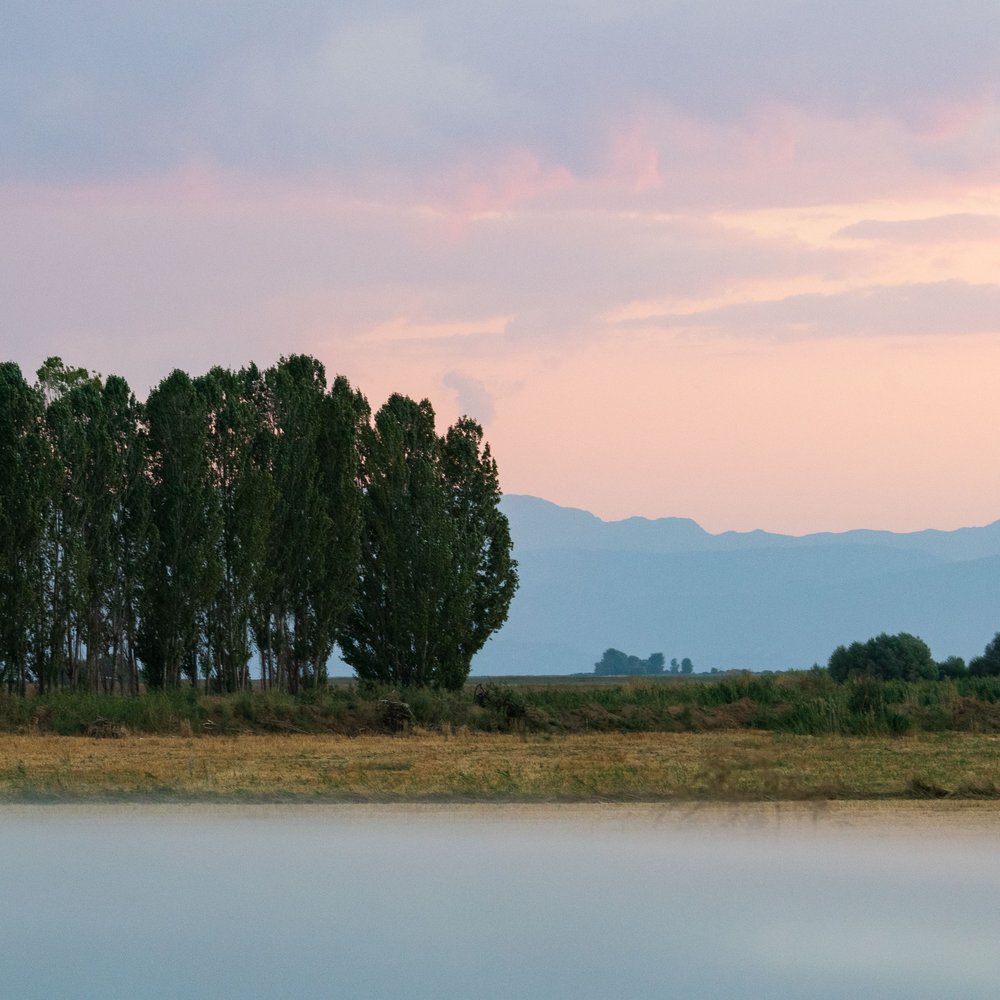
Split makes an excellent base because islands, historic towns, national parks, and coastal scenery all sit within reach. You can explore widely without changing hotels or dragging luggage through another ferry terminal. That convenience protects more vacation time than most couples realize.
Boat days usually deliver stronger scenery and more adventure, but they demand more from your body. Land excursions often feel steadier, easier, and less dependent on sea conditions. Neither style wins automatically, because your energy and interests should decide.
The mistake is scheduling too many full-day excursions. One or two memorable days usually add more than three exhausting ones. Split itself deserves time too.
Blue Cave, Vis, and Hvar for a Full Adriatic Day
A typical Blue Cave excursion packs considerable variety into one day. The Blue Cave and Hvar Tour visits Biševo, Komiža, Stiniva, Budikovac, and Hvar. The current itinerary lasts about ten to eleven hours. That sounds exciting because it is. However, speedboats, repeated boarding, strong sun, and changing sea conditions make this a physically active excursion.
Couples wanting adventure may love seeing several islands within one day. Others may prefer taking a ferry directly to Hvar and controlling their own pace. Fewer stops can sometimes create a richer island experience.
Krka, Trogir, and Easier Alternatives to Island Hopping
Krka National Park offers waterfalls, walking paths, river scenery, and a completely different setting from Split. The Krka National Park Waterfalls with Wine Tasting and Cruise tour combines nature with regional wine. That combination suits couples wanting variety without spending another full day on a speedboat.
Trogir offers an easier alternative focused on history, architecture, cafés, and waterfront wandering. It requires less commitment than many island excursions. You still leave Split, but the day can feel much gentler.
Choosing among Krka, Trogir, Hvar, or nowhere at all comes down to pace. Consider travel time, walking demands, weather exposure, and what your trip already includes. Sometimes the smartest day trip is keeping the day in Split.
Where to Stay, When to Visit, and How Long to Spend in Split
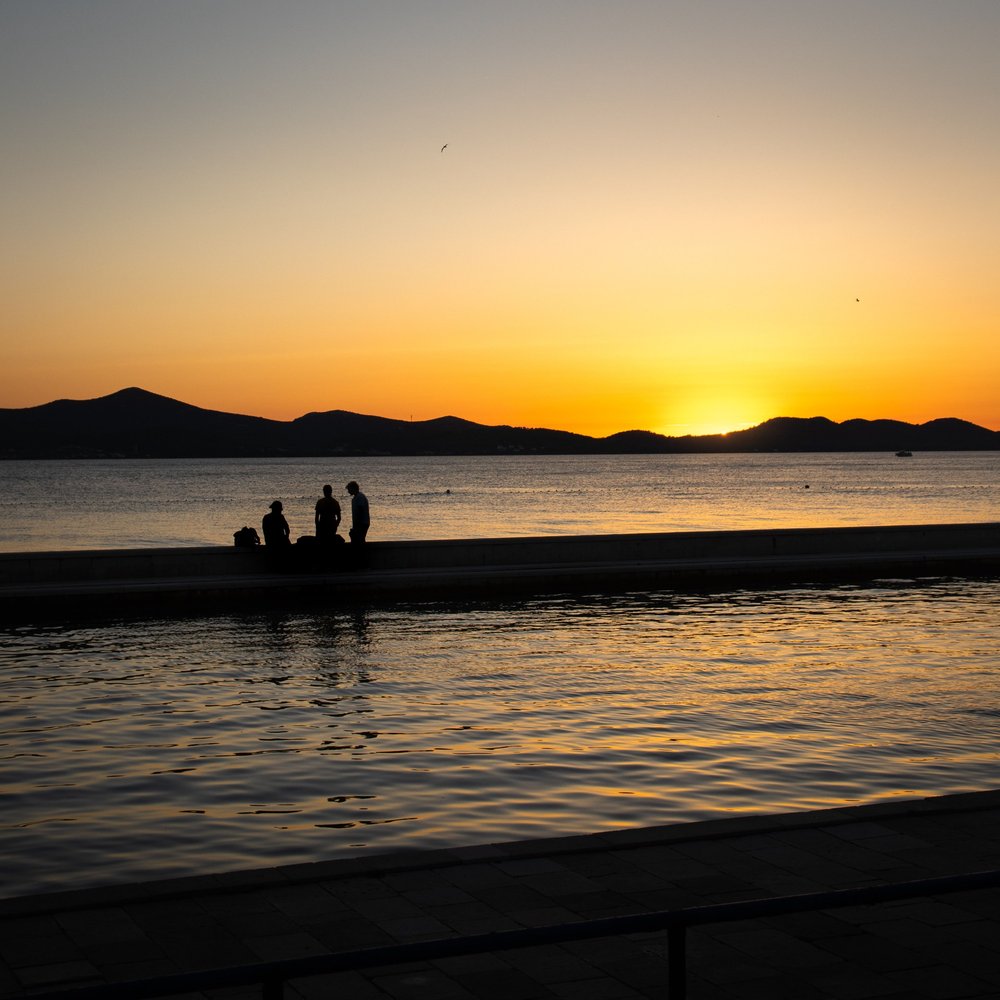
Where you stay in Split can shape your trip more than another museum or restaurant reservation. Location affects noise, walking, beach access, luggage handling, and how easily each day begins. The best choice depends on how you actually want to live while you are there.
Timing matters just as much. May, June, September, and October usually offer easier sightseeing than peak summer. July and August bring warmer water, busier ferries, stronger nightlife, and heavier crowds.
Length of stay changes the experience too. Two nights give you highlights, while four or five allow beaches, islands, and slower mornings. That extra time can make Split feel like a destination instead of a stopover.
Choose Your Split Neighborhood Around How You Want to Live Each Day
Staying inside Diocletian’s Palace places restaurants, historic sights, cafés, and evening walks directly outside your door. The atmosphere feels immediate, especially early and late in the day. Convenience rarely gets better for travelers focused on the historic center.
There are tradeoffs. Pedestrian streets, stairs, limited vehicle access, and buildings without elevators can complicate luggage and tired legs. Late-night activity may also matter if quiet sleep ranks high on your list.
Bačvice offers easier beach access while remaining close to central Split. Quieter surrounding neighborhoods may provide larger rooms, modern facilities, pools, or simpler vehicle access. Sometimes ten extra minutes from the center creates a much more comfortable stay.
That choice often changes after family travel ends. Why Empty Nesters Often Enjoy Smaller Hotels More Than Resorts explores how accommodation priorities can shift.
Decide When to Visit and How Many Nights You Actually Need
May and June generally suit couples who prioritize comfortable sightseeing, longer daylight, and growing beach weather. September offers warm seas with easing crowds. October feels quieter, although swimming becomes less dependable.
July and August deliver the strongest summer atmosphere. They also bring heat, busy ferries, crowded streets, and greater competition for desirable rooms. Warm evenings feel wonderful until your sightseeing day starts at ninety degrees.
Two nights cover the palace and major central sights. Three nights allow breathing room, while four can support a significant day trip. Five nights create space for beaches, islands, and something increasingly valuable: doing absolutely nothing for a while.
A comfortable stay might begin with an easy arrival evening. Follow with historic Split, Marjan or beach time, then an island excursion. Leave your final morning open instead of assigning it another attraction.
That unscheduled space often improves the entire trip. The Joy of Taking a Trip Without an Itinerary explains why flexibility can create better travel memories.
Split Is Best When You Choose Your Own Pace
Split works beautifully for couples who want history, Adriatic scenery, memorable food, and easy access to nearby islands. You can explore Roman ruins in the morning, then spend the afternoon beside the water. Few destinations make that change of pace feel so natural.
The real difference comes from how you plan the trip. Your hotel location, travel dates, day trips, and sightseeing pace all shape the experience. Trying to cover everything usually creates more fatigue than satisfaction.
Maybe your ideal Split includes history, beaches, local wine, island hopping, or long dinners near the Riva. Perhaps you want all of those things, just without squeezing them into every hour. That version of the trip often feels much better.
If Split sounds right for you, click here to start planning your vacation. Tell us what matters most, and we can help shape the trip around your priorities. Your vacation should feel personal, comfortable, and worth the time you invested in taking it.
Still gathering ideas? Join our private Facebook group for empty nester travelers. You can ask questions, compare destinations, and see how other couples are approaching this stage of travel.
Split gives you plenty of options. The best trip starts when you decide which ones actually belong in yours.
P.S. Planning a trip to Croatia?
These guides can help you compare destinations, understand the differences between Croatia’s most popular stops, and decide whether a land trip or small-ship cruise fits you best.
- Hvar Travel Guide for Empty Nester Couples — Learn where to stay, what to see, how long to spend on Hvar, and how to enjoy the island without rushing from one attraction to another.
- Dubrovnik for Empty Nester Couples: What to Know Before You Go — Get practical advice for visiting Dubrovnik, including where to stay, what deserves your time, and how to experience the city while avoiding some of its biggest crowds.
- Croatia Small Ship Cruises: Which One Is Right for You? — Compare the different styles of small-ship cruising in Croatia so you can decide which experience, itinerary, and level of comfort best match the way you like to travel.

Leave a Reply