
For decades, school calendars, sports seasons, and family commitments told you when you could travel. Then the children leave home, and those familiar restrictions quietly disappear. Travel after the kids leave home gives you something surprisingly valuable: control of your calendar.
That freedom can open quieter seasons, longer stays, slower itineraries, and experiences chosen around your interests. You can visit Europe in May, leave midweek, or spend six nights somewhere instead of racing through three cities. Suddenly, the trip can fit your life instead of squeezing into a schedule built for everyone else.
The hidden truth deserves some honesty. Flexible dates do not guarantee bargains, perfect weather, or empty landmarks. Work, health, family responsibilities, and seasonal closures still matter. However, flexibility gives you more control over those tradeoffs, changing nearly every decision ahead.
The Opportunity Is Control of Your Travel Calendar

For years, school breaks, sports schedules, and family preferences quietly controlled when vacations could happen. You did not choose peak weeks because you loved crowds, full flights, or busy hotels. Those dates simply represented the narrow windows when everyone could leave.
Empty nest travel changes that calculation. You can now weigh weather, crowds, energy, trip length, and seasonal experiences before choosing dates. That freedom gives you more than convenience because it changes what the entire trip can become.
Yet old habits travel well. Many couples still book summer, spring break, or holiday weeks because those periods once felt automatic. The real opportunity begins when you stop following a calendar that no longer belongs to you.
School Calendars No Longer Set the Rules
Family vacations once crowded into the same limited weeks. Airports, resorts, theme parks, and major attractions filled with other households facing identical restrictions. Choice often meant selecting the least inconvenient date from several inconvenient options.
Now a Tuesday departure may work just as easily as a Saturday one. May or September can replace July, while ten nights can replace a rushed seven. Without a school bell waiting at home, the trip finally gains breathing room.
Freedom still needs an honest calendar. Discuss work, pets, medical appointments, aging relatives, property needs, and fixed family events before booking. Flexibility works best when it respects real responsibilities instead of pretending they disappeared with the soccer schedule.
Your Trip Can Reflect Your Current Life
Once the dates open, your interests can move back to the center. Food, history, art, nature, wellness, cruising, or quiet time may now shape the destination. The question changes from what keeps everyone occupied to what feels meaningful for you both.
That shift can expose outdated travel habits. A sprawling resort with constant entertainment may have served family vacations beautifully. Today, a central boutique hotel, guided cultural experience, or quiet ship may fit far better.
Perhaps you linger six nights in Lisbon, choose an adults-focused cruise, or visit Acadia after summer. Each option reflects your current pace rather than a former family formula. How travel changes when you’re no longer the family tour guide shows what this freedom changes next.
Shoulder Seasons Can Change the Entire Experience

Peak season is not automatically the best season for every couple. Travel after the kids leave home lets you consider quieter weeks that family schedules once ruled out. Those dates can improve hotel choices, sightseeing conditions, and control over each day.
Spring and autumn create different tradeoffs than July and August. You may gain milder temperatures and lighter crowds while losing daylight, transportation frequency, or seasonal services. Sometimes a festival fills every room anyway, because the calendar enjoys keeping travelers humble.
Choose dates for the complete experience, not for an assumed discount. Lower demand can create value, but off-season does not guarantee bargains, calm weather, or empty attractions. The real advantage comes from selecting the compromise that suits you.
Europe Outside the Summer Rush
Shoulder season describes the period between a destination’s busiest and quietest travel seasons. Exact dates change by country, region, climate, and local demand. A Mediterranean island and an Alpine village rarely follow the same calendar.
May can bring comfortable sightseeing weather and fewer summer visitors, depending on the destination. September may keep some warmth while easing peak-season pressure. October can feel wonderfully atmospheric, although shorter days and seasonal closures require closer attention.
July and August usually provide long days and broad tourism services. They can also bring stronger demand, hotter temperatures, and heavier crowds in popular European destinations. The better choice depends on what you value and what you willingly trade.
Verify weather patterns, rail schedules, ferry service, festivals, and attraction hours for your exact dates. Leave enough open time to respond when conditions change. That restraint supports why empty nesters should stop overplanning their luxury trips.
Midweek and Off-Peak Timing Create More Choices
Weekday departures may provide broader choices than the familiar Saturday-to-Saturday vacation pattern. Flights and hotels may offer better availability when fewer leisure travelers compete for identical dates. Popular guides and timed-entry attractions can also become easier to coordinate.
National parks show why timing matters beyond Europe. The National Park Service recommends quieter seasons and alternative visiting times at Acadia. However, travelers must still check weather, road access, daylight, transportation, and seasonal services.
Paris offers another kind of scheduling flexibility. A private 90-minute Seine cruise with Champagne offers morning, afternoon, and evening departure choices. Review its boarding and mobility information carefully because the experience lists accessibility limitations.
What most couples get wrong is treating open dates as permission to fill every hour. Protect the important reservations, then leave several periods unscheduled. That balance turns calendar freedom into a better trip rather than a longer checklist.
More Time Lets You Travel Deeper, Not Just Farther

More available days do not need to produce more destinations. Travel after the kids leave home can finally favor depth over constant movement. Instead of expanding the map, you can expand the time spent somewhere worth understanding.
Coverage gives you more place names, photographs, and hotel keys. Depth gives you familiar streets, a favorite café, and time to notice how a city actually lives. Neither choice is automatically better, but only one usually leaves room to breathe.
Longer stays also protect energy between demanding days. You can revisit a museum, return to a restaurant, or rest without feeling that the itinerary has failed. That slower rhythm may reveal the opportunity most empty nesters overlook.
Use One Base Instead of Collecting Cities
Consider six nights in Lisbon. One itinerary keeps the same hotel, while another divides those nights among Lisbon, Porto, and a third destination. The second covers more ground, but every move consumes time and attention.
One base removes repeated packing, checkouts, transfers, check-ins, and neighborhood orientation. It also supports day trips, leisurely meals, open afternoons, and an occasional morning without an alarm. By the third day, the route to coffee may finally feel familiar.
The tradeoff deserves honesty. You will see fewer cities and miss places that might have rewarded another journey. In return, you gain usable hours, steadier energy, and a clearer sense of where you stayed.
The hidden luxury travel mistake couples make often begins with confusing movement for value. A longer itinerary can still feel thin when constant transitions consume the experience. Sometimes staying put requires more confidence than adding another pin to the map.
Choose Experiences That Add Context
Time alone does not create depth. You still need experiences that explain the streets, flavors, buildings, and traditions surrounding you. Food tours, private guides, workshops, and small groups can connect those details quickly.
In Lisbon, a small-group Portuguese food and wine tour introduces regional dishes, drinks, and culinary traditions. A guide can connect each tasting with history and local habits that menus rarely explain. Afterward, you can revisit a neighborhood or restaurant independently instead of rushing toward another city.
Review walking demands and dietary limitations before booking any food tour. Then choose one meaningful anchor experience and protect open time around it. Three tours in one day rarely create three times the understanding.
That balance explains why travel becomes more meaningful after the kids leave home. Participation gives the destination context, while unhurried time allows that context to settle. The next opportunity appears when flexible dates begin changing how the entire journey works.
Flexible Schedules Open Better Travel Styles
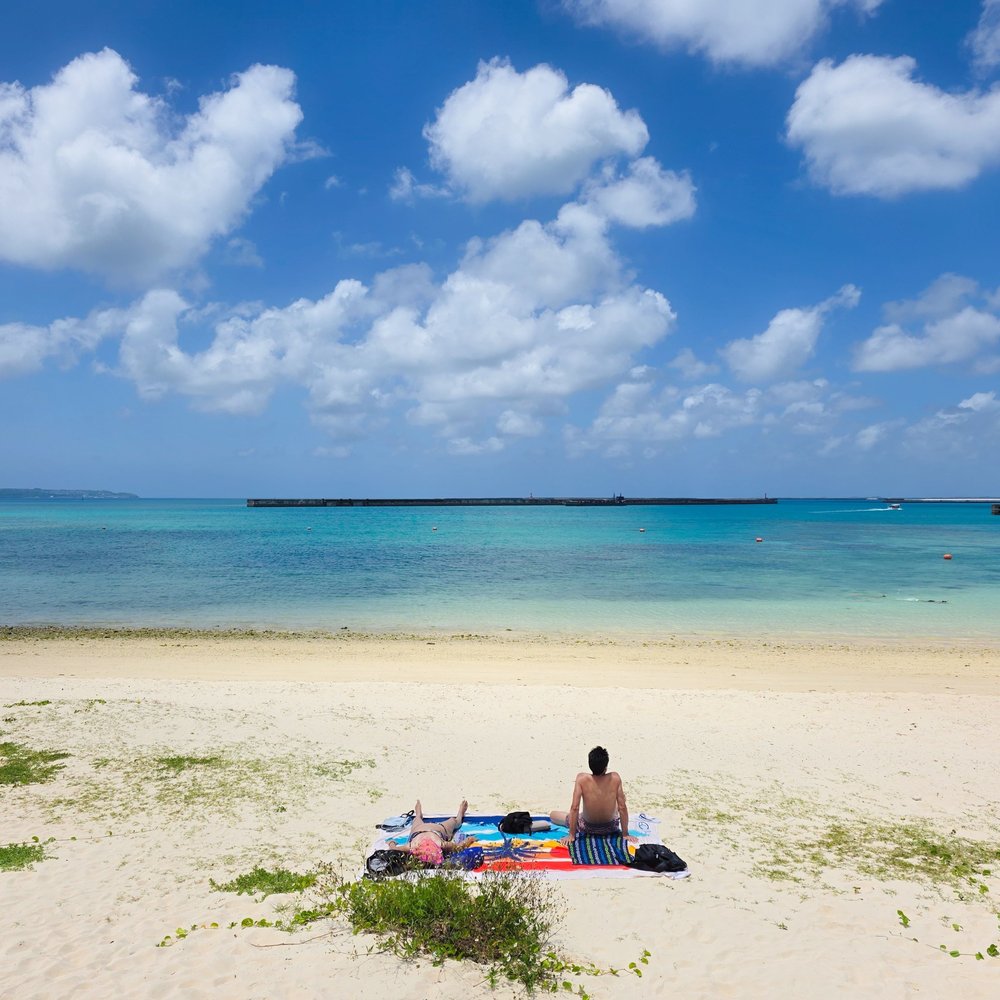
Travel after the kids leave home expands more than your choice of dates. It also makes fixed cruise departures, guided tours, and longer international journeys easier to consider. Schedules that once conflicted with school may now fit comfortably.
River cruises and small ships reduce transportation decisions and repeated hotel changes. Escorted tours provide dependable structure, while independent travel offers greater privacy and schedule control. Each style solves different problems, which matters more than choosing the most fashionable option.
You also do not need to choose complete structure or complete independence. A planned journey can handle complex logistics while free days protect spontaneity. That middle ground often gives empty nester couples the confidence to travel farther without feeling managed.
River Cruises and Small Ships Become Easier to Fit
Fixed sailing dates become less restrictive when school holidays no longer define your calendar. You can choose the river, season, and itinerary first, then add thoughtful nights around the sailing. Those extra days soften long flights and protect the cruise from becoming another rushed handoff.
A river or small ship lets you unpack once while the scenery changes outside. Multi-city land trips require trains, transfers, luggage handling, checkouts, and repeated neighborhood orientation. Independent travel offers more control, but that control also creates more work.
Convenience alone should never settle the choice. Match the river, ship size, cabin, excursions, activity level, dining, and daily pace with both travelers. A quiet ship feels luxurious to some couples and suspiciously quiet to others.
The real reason empty nesters fall in love with river cruising often involves protected time and energy. Still, the experience works only when the river and ship genuinely fit the couple. That distinction becomes even clearer when planning the days before and after sailing.
Longer Stays and Custom Extensions Become Practical
Three to five extra nights can transform a cruise or guided tour into a more balanced journey. Arriving early provides recovery time before fixed activities begin. Staying later lets the trip settle instead of ending with an immediate airport transfer.
Florence works beautifully as one comfortable base. You can explore museums, enjoy relaxed evenings, and spend an afternoon beyond the city. A small-group Tuscan wine tasting tour adds vineyards and regional context without requiring another hotel.
Before booking, confirm the meeting location, duration, walking demands, dietary options, and transportation arrangements. Then protect some time around the excursion instead of stacking another tour beside it. Wine country feels less charming when dinner becomes another appointment.
Another destination adds a new skyline, but it also adds packing, transportation, and another arrival. Extra nights deepen the place already beneath your feet. That choice reflects why more empty nesters are choosing experiences over things.
The hidden truth is that flexibility matters most when you resist using every available day. Keep enough structure to make the journey smooth, then leave room to enjoy it. The final challenge is turning that freedom into a plan that still protects real life.
Turn Calendar Freedom Into a Trip That Works

Calendar freedom creates options, but options still need a workable framework. Begin with the weeks you can travel before falling in love with a hotel, cruise, or itinerary. That order prevents an attractive destination from quietly dictating every other decision.
Weather, crowds, walking demands, seasonal transportation, and budget should narrow the list. They should not erase the experiences that matter most to either partner. The goal is a suitable trip, not the most impressive name on the map.
Practical protection matters too. Refundable arrangements, appropriate insurance, and realistic home planning preserve flexibility without leaving major risks unanswered. Travel after the kids leave home works best when freedom and preparation support each other.
Choose the Travel Window Before the Destination
Start with two honest lists. Each partner should name acceptable months, trip length, temperature range, crowd tolerance, activity level, and spending comfort. Compare those answers before anyone starts browsing beautiful places after dinner.
Next, define the pace and several nonnegotiable experiences. Perhaps you both want direct flights, a central hotel, cultural guidance, and two unplanned afternoons. Only then should you compare destinations that can deliver that combination.
This sequence may change the destination entirely. A dream trip with intense heat, long transfers, or difficult terrain may not fit this travel window. Another place may offer the same history, food, scenery, or intimacy with fewer compromises.
That is not settling. It is choosing the experience you actually want instead of defending a name already circled on the map. The distinction protects both the budget and the relationship before deposits begin.
Protect Flexibility Without Gambling the Trip
Before booking international travel, verify passport validity, entry requirements, advisories, transportation schedules, and destination-specific health guidance. The U.S. Department of State International Travel Checklist brings those official resources together. Recheck changing requirements before departure instead of relying on information saved months earlier.
A lower nonrefundable rate may save money when every part of the trip proceeds perfectly. Refundable reservations can cost more, but they may reduce financial exposure when plans change. Suitable travel insurance may protect certain prepaid costs, although coverage, exclusions, and deadlines vary.
Read the policy before purchasing and ask questions about anything unclear. Do not assume every delay, illness, or cancellation qualifies for reimbursement. Insurance helps only when the coverage matches the risks you need protected.
Preparation also extends beyond reservations. Arrange medications, pet care, property checks, aging-relative support, emergency contacts, and accessible financial reserves. Clear plans at home make genuine flexibility easier while you travel.
The hidden truth is simple. Flexibility without preparation becomes uncertainty, while preparation without flexibility becomes another rigid schedule. The right balance lets you enjoy the freedom you worked years to reach.
Your Biggest Travel Opportunity Starts With an Open Calendar
Empty nest travel gives you more than freedom from school schedules. It gives you control over when you leave, how long you stay, and how quickly you move. That control may become the most valuable travel opportunity this stage of life offers.
Quieter seasons can soften crowds, while longer stays create familiarity and protect energy. Thoughtful experiences add meaning, and the right travel style removes work you no longer want to manage. Seeing fewer places may produce a richer trip than collecting another impressive list.
Choose one realistic travel window and discuss how you want each day to feel. Then identify the destinations and travel styles that fit those answers. When you are ready, click Start Planning and let us help build a trip around your priorities.

Leave a Reply