
Why Tuscany is a bucket list destination becomes clear the moment you realize the postcards barely tell the story. Yes, the cypress roads are real. So are the vineyards, stone villages, and golden hills you have seen for years.
What photographs miss is the rhythm. Florence gives you Renaissance masterpieces, while medieval towns pull you into quieter streets and slower afternoons. Then the countryside changes everything again.
A vineyard lunch can stretch longer than planned. Fresh pasta, pecorino, olive oil, and local wine turn an ordinary meal into part of the trip. Nothing feels rushed unless you make it that way.
That balance makes Tuscany especially appealing for empty nester couples. You can combine culture, comfort, food, wine, and beautiful surroundings without filling every hour. There is room to explore and still enjoy where you are.
The real question is not whether Tuscany deserves its reputation. It is how much of Tuscany you can experience without moving too quickly. That answer matters more than most first-time visitors expect.
Florence Gives Tuscany One of Europe’s Greatest Cultural Foundations
Florence gives Tuscany a cultural weight few countryside destinations could carry alone. Renaissance art, architecture, markets, dining, and history surround you immediately. Better still, much of the historic center rewards exploring on foot.
That concentration makes Florence an ideal beginning to a Tuscany vacation. You can spend mornings with masterpieces, then disappear into quieter streets after lunch. A few days later, vineyards and hill towns feel like a natural next chapter.
Many first-time visitors make one mistake here. They treat Florence as a checklist before escaping toward the countryside. Stay several nights, and the city begins revealing pleasures that rushed visitors rarely notice.
Renaissance Masterpieces Feel Different When You See Them in Florence
The Uffizi Galleries places Botticelli, Leonardo, and other Renaissance masters within the city that shaped their world. Michelangelo’s David waits nearby at the Accademia. Outside, Florence itself keeps supplying the historical context.
Walk from the Duomo toward Piazza della Signoria, and centuries of architecture unfold around you. Cross Ponte Vecchio, then continue toward Palazzo Pitti. Suddenly, Renaissance history feels less like a museum subject and more like your surroundings.
Trying to see everything usually weakens the experience. Choose several places you genuinely care about and give them enough time. Another masterpiece means little if your feet and attention surrendered two museums earlier.
Florence Rewards Travelers Who Explore Beyond the Famous Sights
Some of Florence’s best hours happen without an admission ticket. Artisan workshops, markets, cafés, wine bars, and neighborhood streets reveal another side of the city. Evening piazzas add their own rhythm after sightseeing crowds begin thinning.
Leave space between reservations. Sit over coffee, browse a workshop, or follow a street simply because it looks interesting. Couples accustomed to packed vacations may discover that unscheduled time feels surprisingly luxurious.
Midday Florence can feel crowded around its greatest landmarks. Early mornings and evenings often feel calmer, softer, and more personal. That contrast alone argues for sleeping here rather than visiting briefly.
Florence Works Best When It Begins Rather Than Dominates the Tuscany Experience
Three or four nights give most couples meaningful time without letting Florence consume the entire trip. You can explore major sights while preserving slower mornings and relaxed dinners. Then Tuscany changes character outside the city.
Chianti, Siena, and Val d’Orcia introduce vineyards, medieval towns, and quieter roads. Moving from Florence into the countryside creates contrast without feeling disconnected. Each setting makes the other more memorable.
For many empty nester couples, dividing the stay works better than choosing only one base. Our guide to why travel becomes more meaningful after the kids leave home explores why. Tuscany offers the perfect chance to replace coverage with depth.
The Tuscan Countryside Looks Remarkable Because People Have Shaped It for Centuries
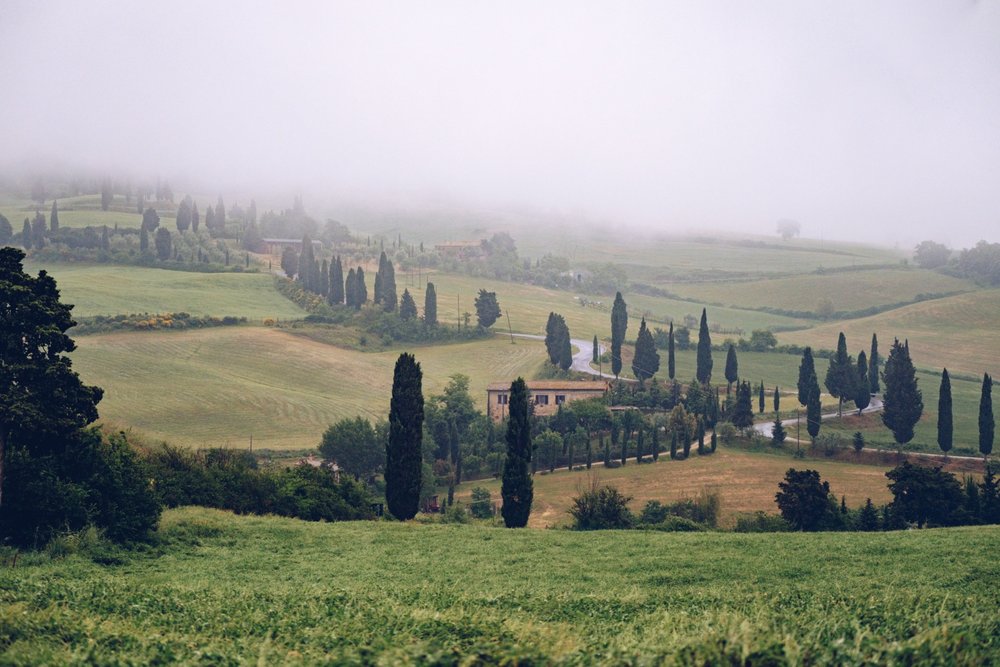
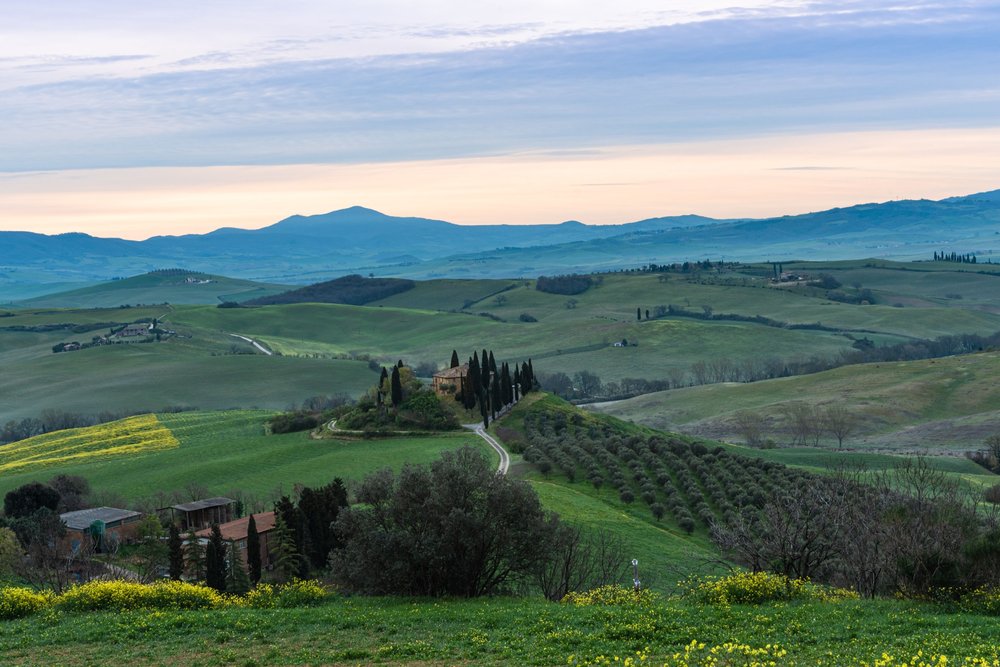
Tuscany’s countryside looks almost suspiciously perfect from a distance. Cypress roads curve between vineyards, olive groves, stone farmhouses, and hilltop towns. Yet this landscape never existed simply to look beautiful.
Generations of farmers shaped these fields through agriculture, settlement, and careful land management. Vineyards still produce wine, olive groves remain productive, and farmland changes color with each season. That working character gives the scenery more meaning.
Different parts of Tuscany also create noticeably different experiences. Chianti feels intimate and vineyard-focused, while Val d’Orcia opens into broader, more dramatic landscapes. Crete Senesi brings rolling clay hills and an earthier appearance.
This variety strengthens the case for putting Tuscany on your bucket list. The countryside keeps changing without losing its identity. You simply need enough time to notice.
Val d’Orcia Delivers the Tuscany Many Travelers Imagine Before Arriving
Val d’Orcia comes remarkably close to the Tuscany most travelers picture before visiting. Rolling fields stretch toward cypress trees, vineyards, farmhouses, and fortified hill towns. Long views make even ordinary drives feel memorable.
UNESCO recognizes Val d’Orcia as a cultural landscape shaped during the Renaissance. Towns including Pienza, Montalcino, and San Quirico d’Orcia sit within this historic landscape. Its agricultural character remains central to what visitors experience today.
The official UNESCO Val d’Orcia listing explains how centuries of agriculture shaped these famous views. The landscape includes farms, villages, vineyards, olive trees, and historic routes. Suddenly, those postcard scenes carry a deeper story.
Spend the night instead of racing through. Evening softens the landscape after daytime visitors leave, while mornings bring quieter roads and towns. That slower rhythm changes how Val d’Orcia feels.
Chianti Combines Vineyards With Villages and Easy Access From Florence
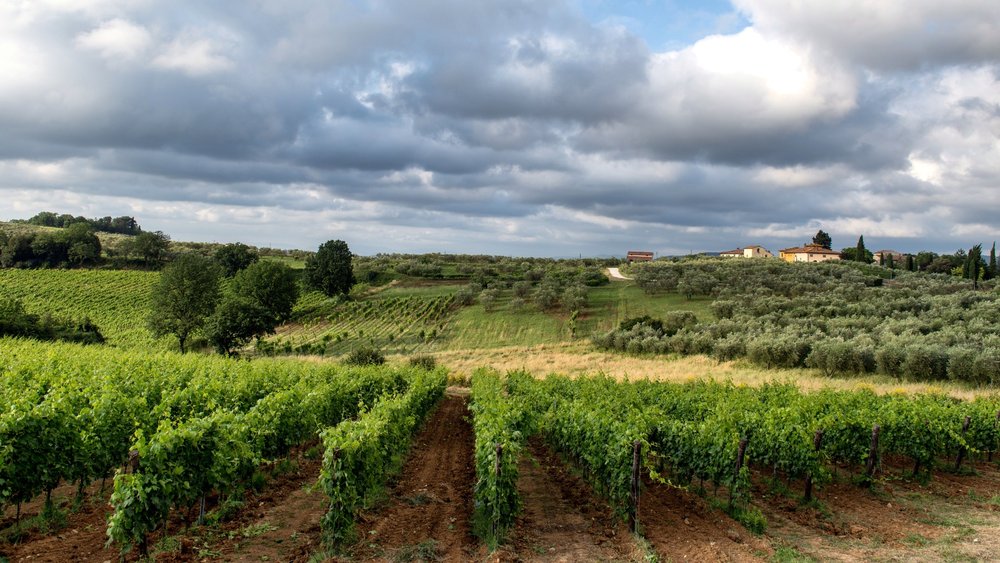
Chianti offers a different version of Tuscan countryside. Vineyards and olive groves surround castles, villages, wineries, and countryside accommodations between Florence and Siena. Everything feels closer together here.
Greve, Castellina, and Radda provide useful anchors for exploring the region. Nearby estates make winery visits easy to combine with village lunches and relaxed drives. You can experience plenty without changing hotels every night.
Many travelers visit Chianti for one hurried day from Florence. That works when time is limited, but staying longer changes the experience. Evenings become quieter, tastings feel less rushed, and mornings begin among vineyards.
For more countryside inspiration, explore our guide to unforgettable luxury outdoor vacations. Tuscany appears there for good reason. Comfort and landscape work exceptionally well together here.
Scenic Drives Become Part of the Experience
Driving through Tuscany can become an experience rather than transportation between attractions. Roads twist past vineyards, olive groves, farmhouses, and distant hill towns. A viewpoint can easily delay your schedule.
That is not necessarily a problem. The mistake comes from planning six towns because they appear close on a map. Tuscan roads often reward patience more than efficiency.
Self-driving offers freedom, but it also brings parking challenges and restricted traffic zones. Wine tastings create another obvious complication. A private driver can remove those concerns while letting both of you enjoy the scenery.
Keep each countryside day deliberately light. Choose a town, perhaps a winery, and leave space for lunch or an unexpected stop. Tuscany becomes more memorable when the road itself gets time to matter.
Tuscany’s Medieval Towns Turn Sightseeing Into Exploration
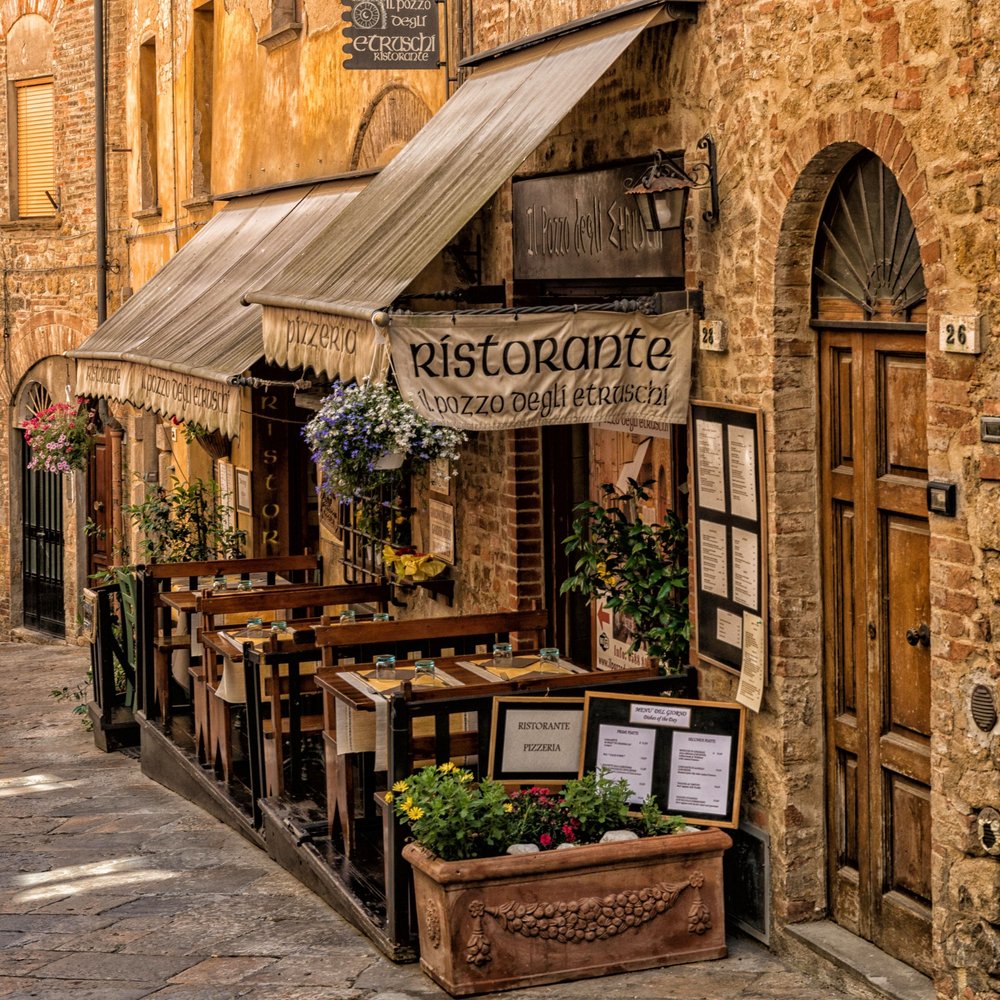
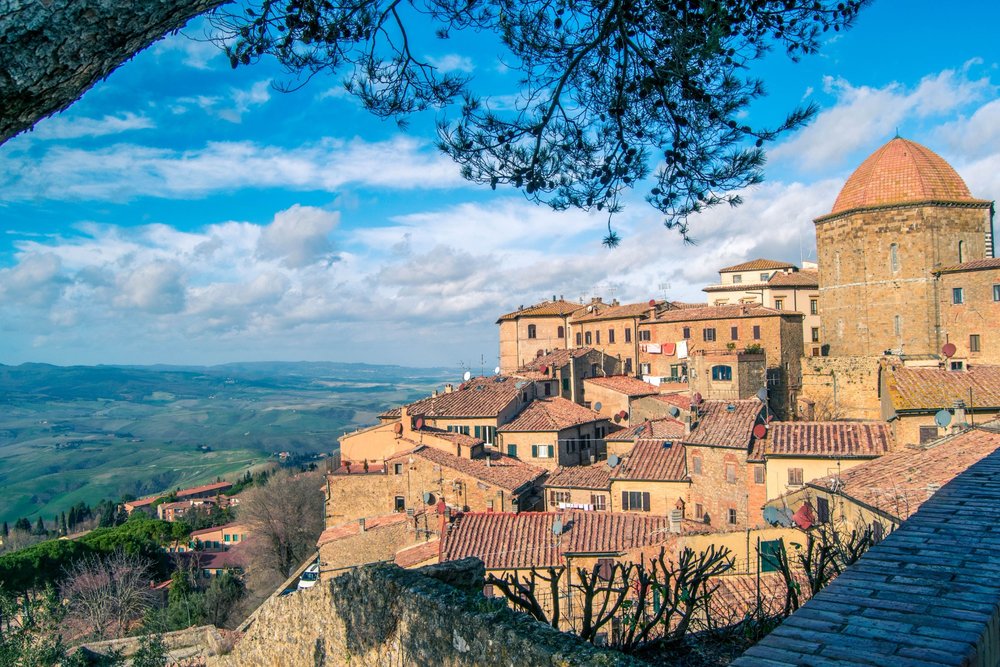
Tuscany’s medieval towns turn sightseeing into something more personal. Siena, San Gimignano, Lucca, Volterra, Pienza, and Montepulciano each carry a distinct identity. Their streets reward curiosity more than checklists.
The mistake many couples make is trying to collect too many towns. Three thoughtful visits usually reveal more than six hurried stops. Staying overnight changes the experience again.
Day crowds eventually leave, shop doors close, and stone streets grow quieter. Dinner becomes less rushed, and evening walks feel wonderfully unstructured. That is often when these towns become most memorable.
Siena Deserves More Than a Quick Stop Between Florence and Wine Country
Siena deserves better than two hurried hours between Florence and Chianti. Piazza del Campo anchors the city, while Siena Cathedral delivers extraordinary Gothic detail. Medieval streets connect both through neighborhoods with centuries of local tradition.
The compact historic center encourages wandering without constant transportation. Stop for coffee, explore a side street, then return to sightseeing when you feel ready. That rhythm suits couples who no longer measure a vacation by attraction counts.
Staying overnight also creates a useful contrast with Florence. Siena feels smaller, quieter, and more intimate after evening arrives. Using both cities as bases reveals different sides of Tuscany.
San Gimignano Earned Its Fame, but Timing Changes the Experience
San Gimignano’s medieval towers create one of Tuscany’s most recognizable skylines. Inside the walls, shops, wine culture, historic streets, and countryside views compete for attention. Its popularity, however, creates a timing problem.
Arrive during peak excursion hours, and the town can feel compressed by visitors. Come early, stay late, or sleep nearby instead. The atmosphere shifts dramatically once large groups depart.
A Tuscany day trip from Florence includes Siena, San Gimignano, Pisa, and optional winery dining. It proves how much Tuscany can fit into one day. It also shows why some couples may prefer doing less.
Smaller Towns Create Some of Tuscany’s Most Rewarding Detours
Pienza brings Renaissance planning and pecorino cheese into the Val d’Orcia landscape. Montepulciano adds wine, steep streets, and expansive views. Volterra feels older and moodier, while Lucca offers elegant walls and easier wandering.
You do not need all of them. Choose towns that match your interests, whether those involve wine, architecture, food, history, or relaxed walking. Personal preference matters more than somebody else’s essential Tuscany list.
Two nights in one town can reveal more than several short visits. You learn where you like coffee and which street becomes your evening walk. That familiarity rarely appears during a ninety-minute stop.
Our guide to luxury travel planning for couples explores this idea more deeply. Tuscany may be the perfect place to practice it. Sometimes seeing less gives you far more to remember.
Food and Wine Give Tuscany Another Reason to Slow Down
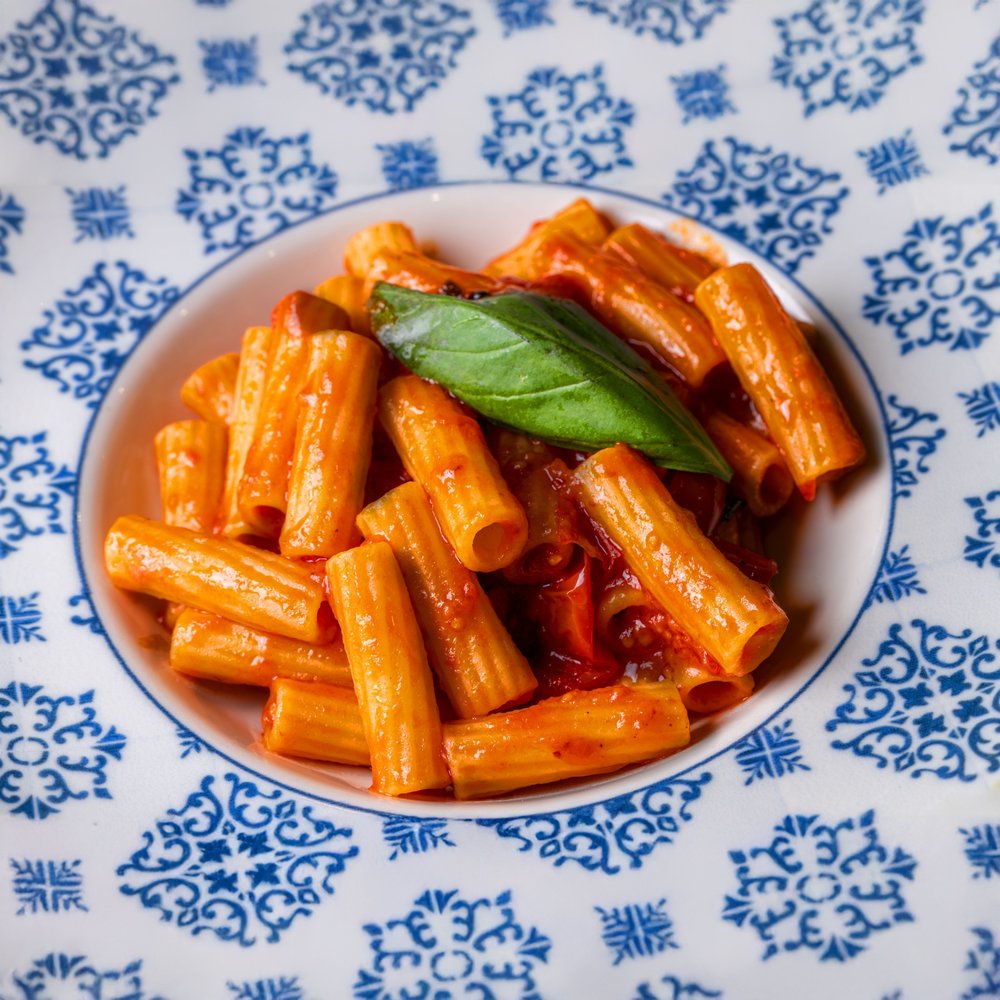
Tuscany earns bucket-list status as much through its tables as its landscapes. Tuscan cooking favors seasonal ingredients, olive oil, bread, vegetables, cheeses, meats, and straightforward preparation. Nothing needs twelve ingredients when four excellent ones will do.
Wine adds another layer. Chianti Classico, Brunello di Montalcino, Vino Nobile di Montepulciano, and Vernaccia di San Gimignano each express different places. Understanding those differences can turn an enjoyable glass into part of the journey.
Some of your strongest memories may happen nowhere near a famous monument. Winery lunches, markets, olive oil tastings, cooking classes, and long dinners create another kind of sightseeing. These experiences reward couples willing to leave room around the meal.
Tuscan Wine Makes More Sense When You Experience Where It Comes From
Sangiovese dominates many of Tuscany’s celebrated red wines, but geography changes what eventually reaches your glass. Soil, elevation, climate, farming, and cellar choices all influence the result. Visiting producers makes those differences easier to understand.
A quick tasting introduces several wines. A slower winery visit can add vineyard walks, cellar tours, food pairings, and conversations with producers. That context often matters more than memorizing tasting notes.
Chianti Classico comes from its historic zone between Florence and Siena. Brunello comes from Montalcino, while Vino Nobile belongs to Montepulciano. Each uses Sangiovese differently, creating noticeably different expressions.
The Small-Group Wine Tasting Experience in the Tuscan Countryside visits two wineries from Florence. It includes tastings alongside regional food pairings.
Tuscan Food Rewards Simplicity Rather Than Excess
Tuscan cuisine often turns humble ingredients into dishes you remember for years. Ribollita combines bread and vegetables, while pappa al pomodoro transforms tomatoes and bread. Pici brings thick, hand-rolled pasta to the table.
Bistecca alla Fiorentina offers a much bigger statement. Pecorino, crostini, wild boar, and cantucci reveal other regional traditions. Seasonality determines which dishes and ingredients appear at their best.
Florence will not taste exactly like Siena or Val d’Orcia. Smaller towns often emphasize ingredients produced nearby. That variation gives food-focused travelers another reason to move slowly.
Balance famous restaurants with markets, neighborhood trattorias, and countryside lunches. Ask local hosts what they actually enjoy eating. The answer may lead somewhere no guidebook planned for you.
Our luxury culinary tour in Tuscany explores these regional flavors more deeply.
Cooking and Market Experiences Let You Participate Instead of Only Consume
Cooking changes your relationship with Tuscan food. Making fresh pasta teaches texture, technique, and patience in ways restaurant dining cannot. Regional sauces and traditional desserts suddenly carry more meaning.
Look for experiences that begin with ingredient selection or market shopping. Add local wine and a shared meal afterward. That combination provides cultural context instead of turning class time into a demonstration.
Florence classes offer convenience and easy scheduling. Countryside experiences at farms, villas, or agriturismos can feel slower and more connected to local agriculture. Neither approach automatically wins.
Choose based on how you enjoy learning together. Some couples want serious instruction, while others prefer conversation, wine, and flour everywhere. Tuscany accommodates both surprisingly well.
Tuscany Offers Experiences That Feel Worth Traveling Across the Atlantic For
Tuscany becomes unforgettable when you start doing more than looking at it. Winery visits, cooking classes, truffle hunts, cycling, and thermal baths invite participation. Countryside stays create even more room to slow down.
That balance matters for couples who want experiences without exhausting themselves. Spend the morning exploring, then leave the afternoon open for lunch or spa time. An unscheduled evening can feel just as valuable.
The hidden truth is simple. Filling every day rarely creates the richest trip. Choosing fewer meaningful experiences gives each one more room to stay with you.
A Hands-On Cooking Experience Creates a Different Kind of Souvenir
Preparing fresh pasta changes the way you remember a meal. You learn texture, timing, sauces, and techniques instead of simply enjoying the finished dish. Those skills can follow you home.
A good class also creates easy conversation. Wine, shared preparation, regional ingredients, and a communal meal turn strangers into temporary tablemates. The experience feels social without requiring much effort.
The Florence pasta cooking class with unlimited wine teaches three fresh pastas and traditional sauces. Participants also share their finished meal together.
Before booking, check class size, duration, dietary needs, standing requirements, and transportation. Couples with mobility concerns should ask about stairs and seating. Those details matter more than impressive photographs.
Val d’Orcia Combines Wine, Villages, Food, and Scenery in One Day
Val d’Orcia works beautifully when you resist trying to conquer it. Montalcino, Pienza, Montepulciano, vineyards, pecorino, and sweeping countryside can easily fill a day. You do not need every famous stop.
A driver-led excursion removes parking concerns and makes wine tasting easier. Self-driving offers more independence, but somebody still needs to stay sober. That can become an unfortunate job assignment.
Focus on two or three meaningful places instead. Allow time for a winery conversation, a relaxed lunch, or an unexpected viewpoint. Val d’Orcia rewards curiosity more than speed.
The Best Luxury in Tuscany Often Comes From Time and Privacy
Luxury in Tuscany does not always mean marble bathrooms and elaborate amenities. Privacy, personal attention, and control over your day can matter more. A private driver may improve the trip more than another hotel upgrade.
Countryside villas, boutique properties, vineyard stays, and private tastings can create that freedom. Longer stays reduce packing and constant transportation. Familiarity slowly replaces the feeling of simply passing through.
That philosophy also shapes memorable food experiences throughout the region. Our Mediterranean food and wine guide explores similar connections between place and cuisine.
The best test is surprisingly simple. Ask whether an upgrade gives you more comfort, privacy, time, or connection. If it does not, the higher price may add very little.
Tuscany Works Best When You Resist the Urge to See All of Tuscany
The easiest way to weaken a Tuscany bucket-list trip is trying to experience all of Tuscany. Florence, Siena, Chianti, Pisa, Lucca, and Val d’Orcia look deceptively close on a map. Combining them too quickly creates more packing than pleasure.
Trip length should control how many bases you choose. Longer stays let you experience both city life and countryside rhythms without constant departures. They also give you something most itineraries desperately need, free time.
Transportation, reservations, season, and mobility matter as much as destination choices. Tuscany contains steep streets, rural roads, limited parking, and popular attractions requiring advance planning. Build around those realities rather than fighting them.
Seven Days Requires Different Choices Than Two Weeks
With seven days, consider Florence plus one countryside base. Spend three or four nights in Florence, then move into Chianti or Val d’Orcia. That structure creates contrast without sacrificing half your vacation to logistics.
Ten days allows another layer. Florence can lead into Siena or Chianti before several nights farther south. You gain variety while keeping hotel changes manageable.
Twelve to fourteen days creates genuine flexibility. Lucca, coastal Tuscany, or deeper countryside exploration becomes realistic without destroying your pacing. Our guide to luxury travel planning for couples explains why fewer transitions often improve expensive trips.
Spring and Fall Often Make Slow Exploration Easier
Spring brings green countryside, longer daylight, and comfortable conditions for walking. Fall adds harvest activity, changing landscapes, and another appealing food season. Both can support slower days particularly well.
Summer offers long evenings but also brings heat and heavy visitor numbers. Florence sightseeing and hill-town climbs can become tiring during hot afternoons. Suddenly, that midday wine lunch looks extremely sensible.
Winter delivers fewer visitors and a quieter atmosphere. Some countryside businesses may reduce hours, while shorter daylight changes touring plans. The best season depends on what you actually want to experience.
Transportation Decisions Can Shape the Entire Trip
Trains work well between major Italian cities, including reaching Florence from elsewhere. Rural Tuscany becomes more complicated. Many vineyards, villages, and countryside properties require a car, driver, or organized excursion.
Self-driving provides independence but introduces restricted traffic zones, parking, narrow roads, and navigation. Winery days add another obvious concern. Nobody wants to draw the designated-driver card in Brunello country.
Private drivers cost more but remove much of that friction. Organized excursions can provide similar convenience for specific days. The Val d’Orcia Brunello Wine Tour combines Montalcino, Pienza, Montepulciano, wine, and regional food.
Choose transportation based on comfort, independence, and planned wine experiences. Consider luggage and walking ability too. In Tuscany, getting around well can matter almost as much as where you go.
Tuscany Is Better When You Leave Something for Next Time
Tuscany earns bucket-list status because it combines culture, landscape, food, wine, and history without forcing them apart. Florence leads naturally into vineyards and medieval towns. Long lunches can feel just as important as major landmarks.
The couples who enjoy Tuscany most usually make fewer stops. They stay longer, choose carefully, and leave room for an unexpected café or village detour. That slower rhythm often creates the memories they talk about years later.
Before planning anything, decide what matters most to you. Maybe it is Renaissance art, wine country, hill towns, cooking, or simply time together. Build around those priorities instead of trying to collect every famous sight.
If Tuscany feels right for your next trip, Start Planning your Tuscany vacation. We can help connect the cities, countryside, hotels, transportation, and experiences around the pace you actually want.
Still exploring ideas? Join our private Empty Nester Getaways Facebook group. Ask questions, compare destinations, and connect with other empty nesters thinking about where they want to travel next.

Leave a Reply